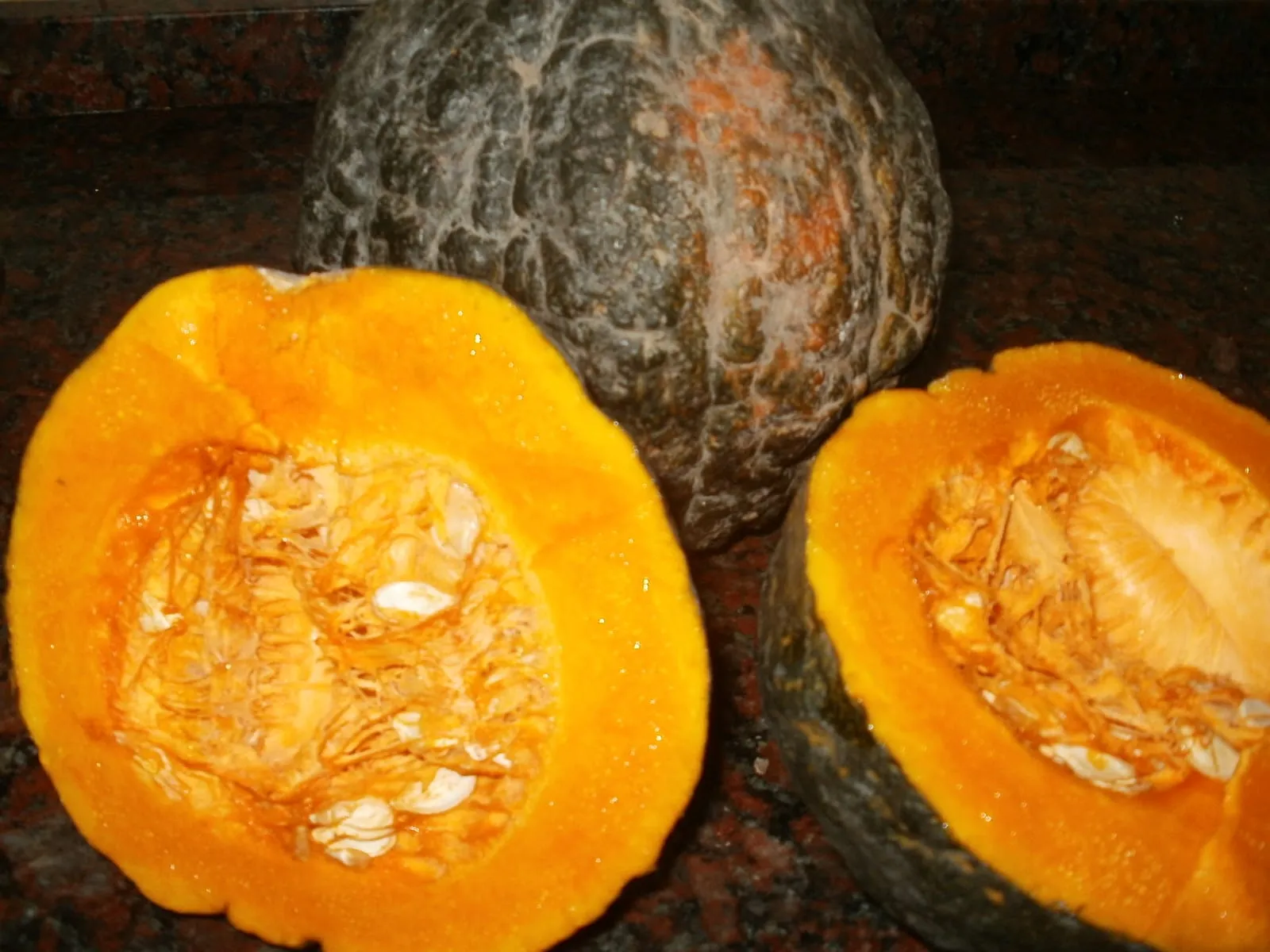
vegetable in zone 5a
Growing winter squash in zone 5a
Cucurbita maxima and Cucurbita moschata
- Zone
- 5a -20°F to -15°F
- Growing season
- 150 days
- Suitable varieties
- 5
- Days to harvest
- 85 to 120
The verdict
Winter squash is an annual warm-season crop with no chilling requirement, so the cold-hardiness framing of zone 5a matters less than the length of the frost-free window. With roughly 150 growing days, zone 5a provides adequate time for most of the varieties listed, though margins are tighter than in warmer zones.
Delicata and Acorn types mature in 80 to 85 days and sit comfortably within the season. Butternut Waltham, Buttercup, and Spaghetti typically need 95 to 110 days, which is achievable but leaves little buffer against early fall frost before the fruit reaches cure-quality maturity. Zone 5a is not marginal for winter squash overall, but it is marginal for the longest-season varieties, and late planting turns a manageable situation into a genuine risk. Variety selection and timing discipline matter more here than in zones 6 and warmer.
Recommended varieties for zone 5a
5 cultivars suited to this zone, with disease-resistance and zone-fit annotations.
| Variety | Notes | Zone fit | Disease resistance |
|---|---|---|---|
| Butternut Waltham fits zone 5a | Sweet, dense, smooth; classic tan-skinned bell-shaped winter squash. Roasting, soups, pies, mashing. Stores 3-6 months at room temperature, the universal winter squash. | | none noted |
| Delicata fits zone 5a | Sweet, creamy, edible-skin; small striped cylindrical squash. Halved and roasted, stuffed, fresh. Stores 2-3 months, ready faster than larger types. | | none noted |
| Acorn fits zone 5a | Mildly sweet, dense, slightly fibrous; ribbed dark-green to orange acorn-shaped fruit. Halved and stuffed, roasting, soups. Stores 1-2 months. | | none noted |
| Buttercup fits zone 5a | Very sweet, dense, dry; turban-shaped dark green squash. Best for pies, soups, mashing. Stores 3-4 months. The flavor benchmark among winter squashes. | | none noted |
| Spaghetti fits zone 5a | Mild, slightly sweet, flesh strands like noodles when baked; pale yellow oval fruit. Roasted halves, low-carb pasta substitute. Productive and easy. | | none noted |
Critical timing for zone 5a
In zone 5a, the last spring frost typically falls between May 15 and May 30, and the first fall frost arrives in late September to mid-October. Direct sowing into warm soil is possible after last frost, but starting seeds indoors 3 to 4 weeks earlier (late April) extends the effective season without transplant shock risk, provided soil temperatures reach at least 60°F before transplanting.
Flowering begins roughly 50 to 60 days after germination, placing bloom in mid-to-late July for most plantings. Fruit set and bulk-up run through August. Harvest windows for Delicata and Acorn open in late August; Butternut and Buttercup typically reach maturity in September. The late-September frost window means timing is real: a hard frost below 28°F damages squash skin and compromises storage quality before curing can begin.
Common challenges in zone 5a
- ▸ Fire blight in pears
- ▸ Cedar-apple rust
- ▸ Late spring frosts
Disease pressure to watch for
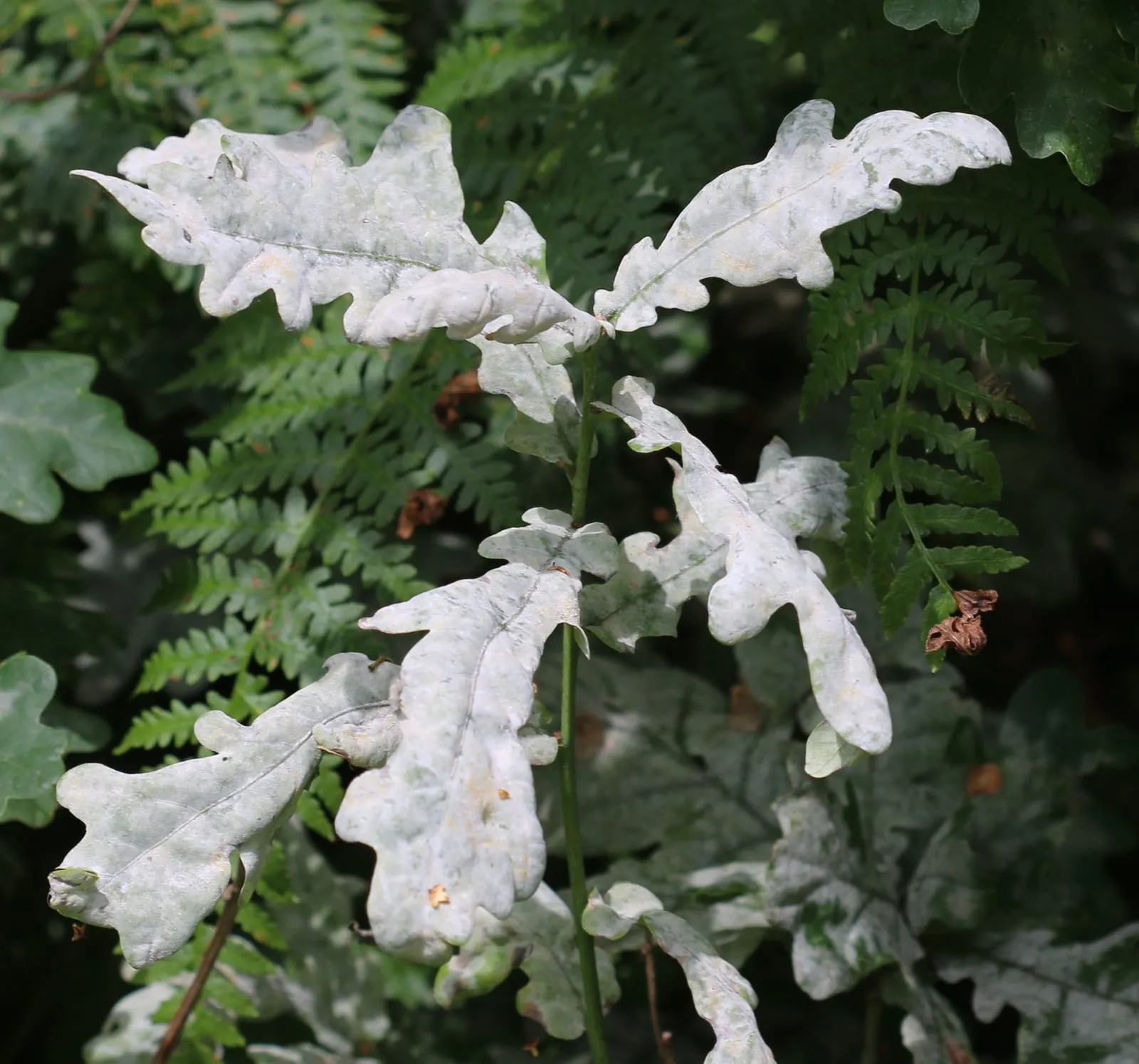
Multiple species (Erysiphales)
Surface-feeding fungal disease producing white powdery growth on leaves and stems. Reduces yield by stealing photosynthate and accelerating senescence.
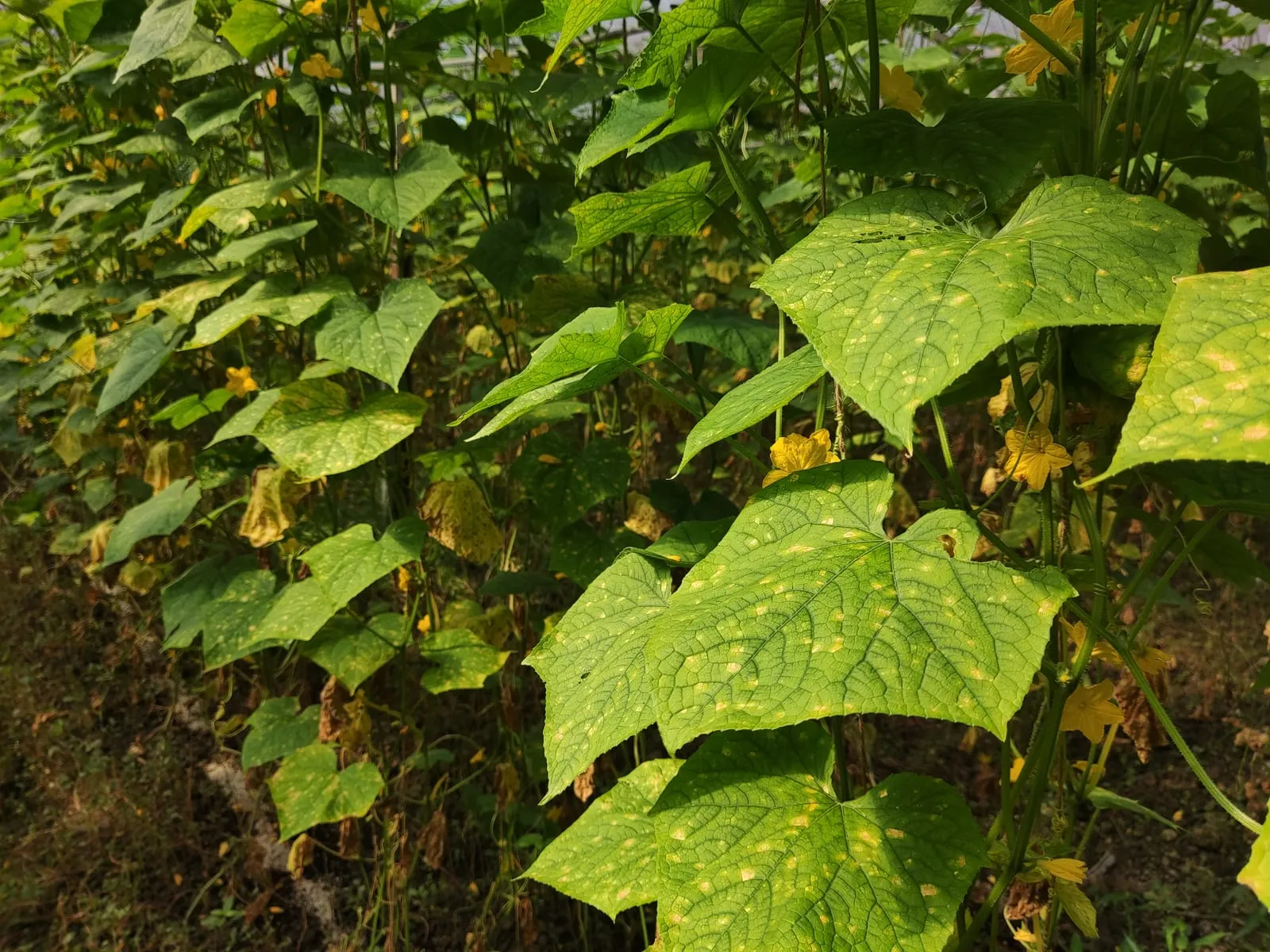
Pseudoperonospora cubensis (cucurbits) and others
Water mold (oomycete, not a true fungus) that thrives in cool damp conditions. Spreads rapidly through cucurbit and brassica plantings on wind-borne spores.
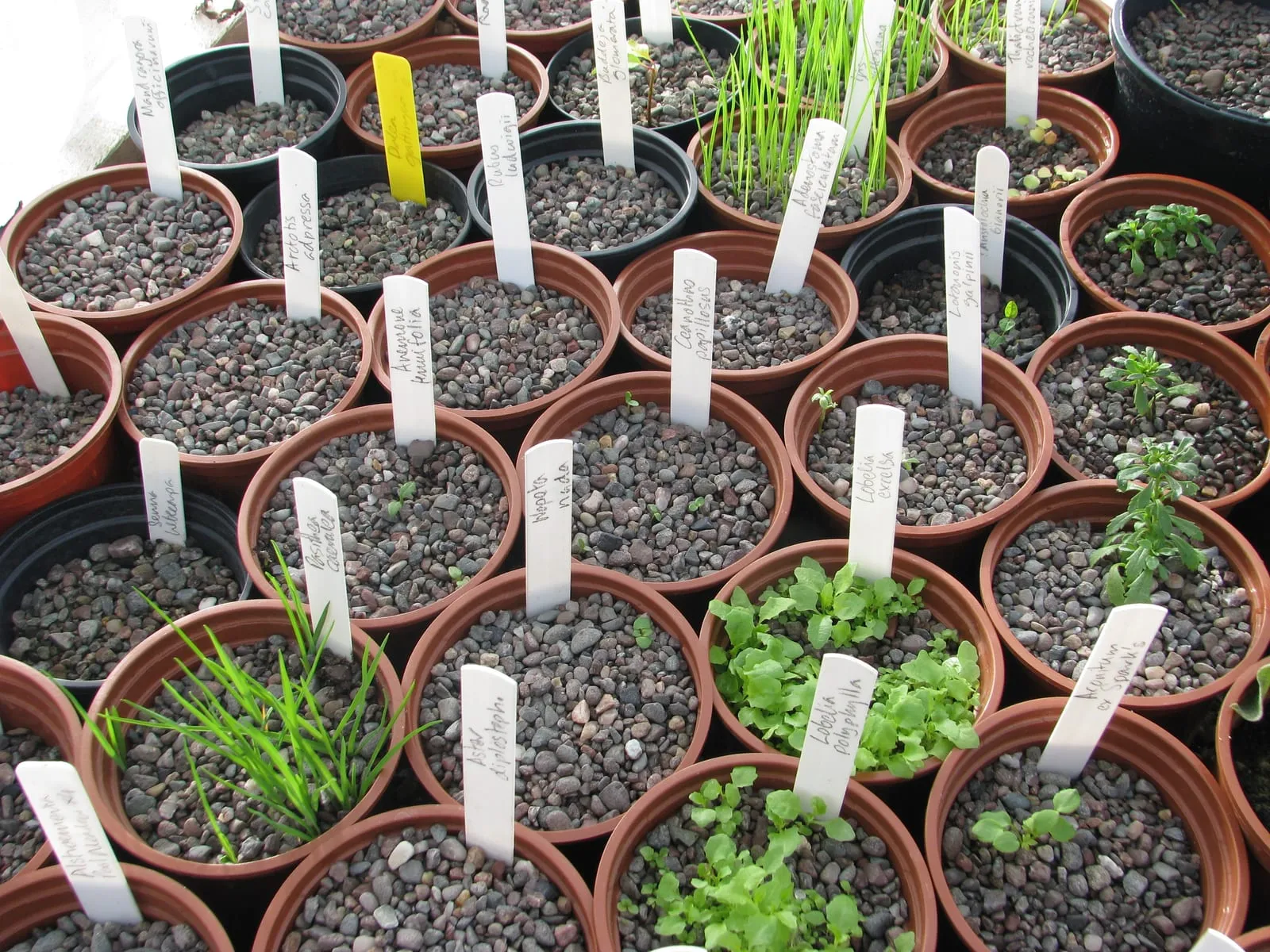
Pythium and Rhizoctonia species
Soil-borne complex of water molds and fungi that kill seedlings before or shortly after emergence. The single most common cause of seed-starting failures.
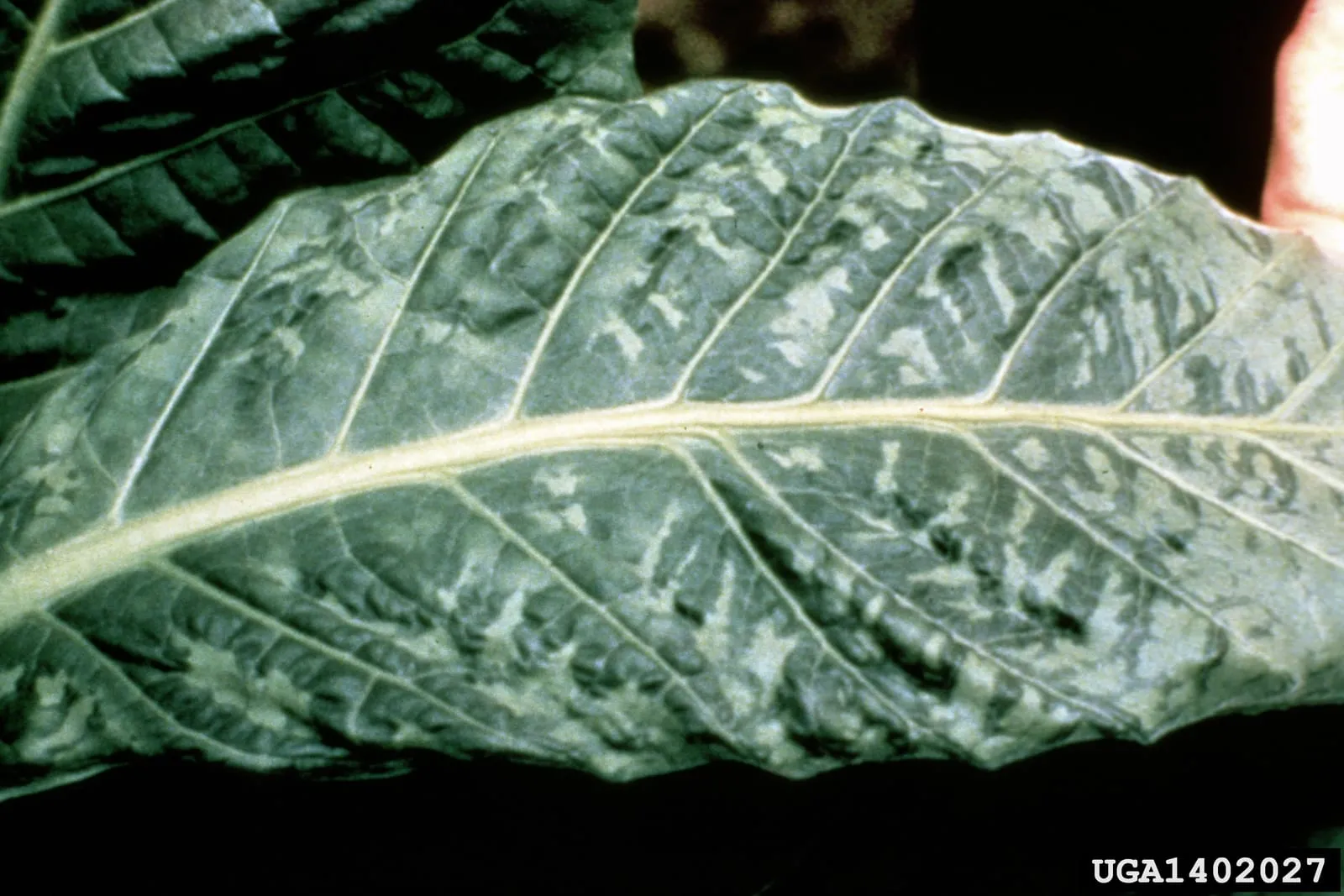
Cucumber mosaic virus, Tobacco mosaic virus, and others
Family of plant viruses producing mottled yellow-and-green leaf patterns. Vectored primarily by aphids; some are seed-transmitted or spread by handling tools and tobacco products.
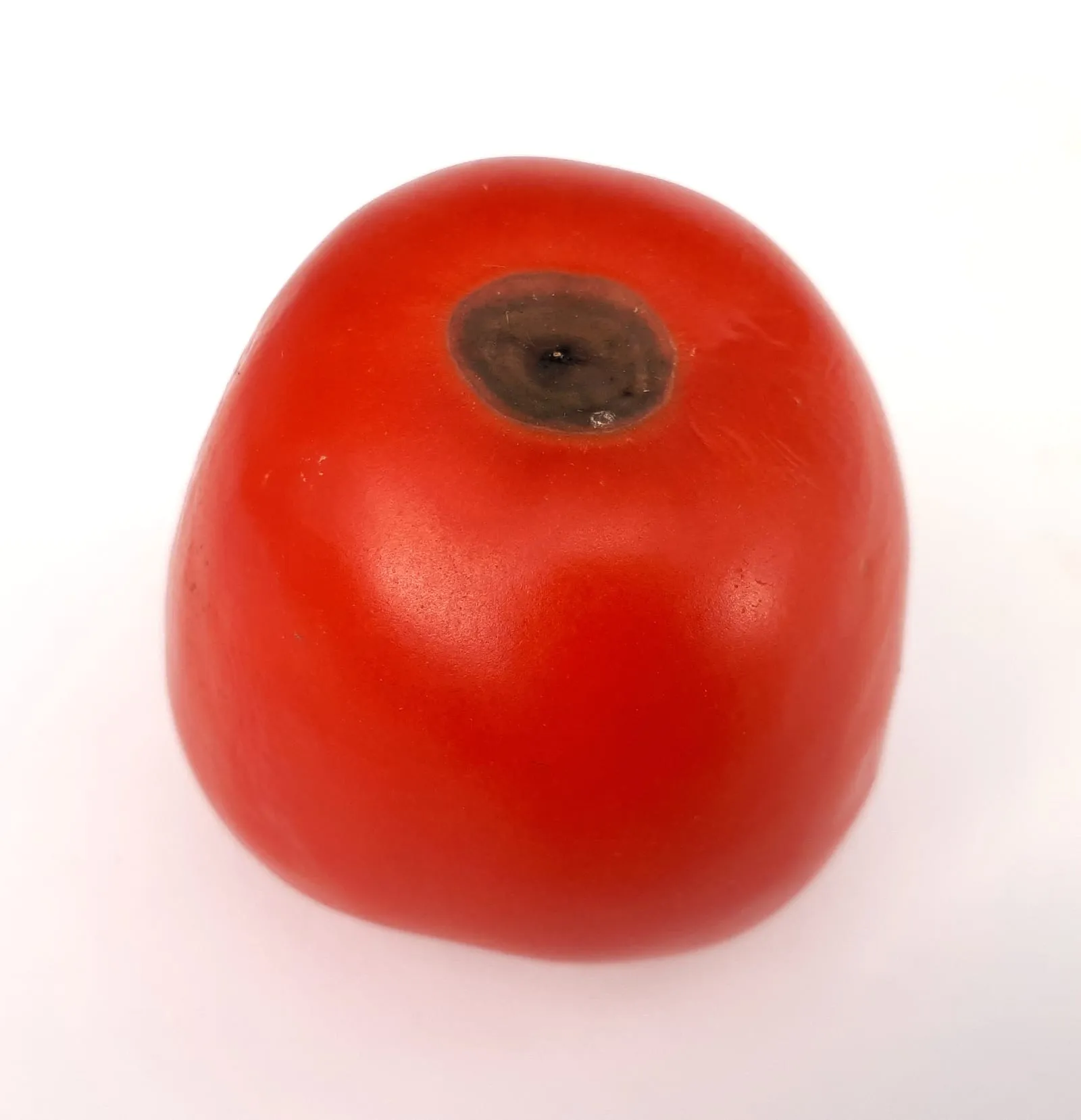
Calcium deficiency physiological disorder
Not a true disease but a calcium-uptake disorder caused by inconsistent soil moisture during fruit development. The dominant cause of damaged first-fruit on home tomato plantings.
Modified care for zone 5a
The primary adaptation in zone 5a is extending the effective growing season at both ends. Starting seeds indoors 3 to 4 weeks before the last frost date, then protecting transplants with row covers during any late-May cold snaps, recovers time that outdoor direct sowing would otherwise lose.
Powdery mildew and downy mildew are the two main disease pressures for this crop. Zone 5a's warm, humid late-summer conditions are favorable for both, particularly in July and August when nights stay warm and dew persists. Spacing plants for airflow and avoiding overhead irrigation reduce infection pressure. Delicata and Acorn selections tend toward better mildew tolerance than Butternut; variety choice has practical disease implications.
Harvest and curing must be completed before the first hard frost. A curing period of 10 to 14 days at 80 to 85°F improves skin toughness and storage life, neither of which is recoverable once frost damage sets in.
Winter Squash in adjacent zones
Image: "Cucurbita maxima x C. moschata (zapallo kabutia o japonés o grupo Tetsukabuto)", by Patricia Zappia http://patoentusalsa.blogspot.com.ar/, via Wikimedia Commons, licensed under CC-BY Source.
.JPG)
Related