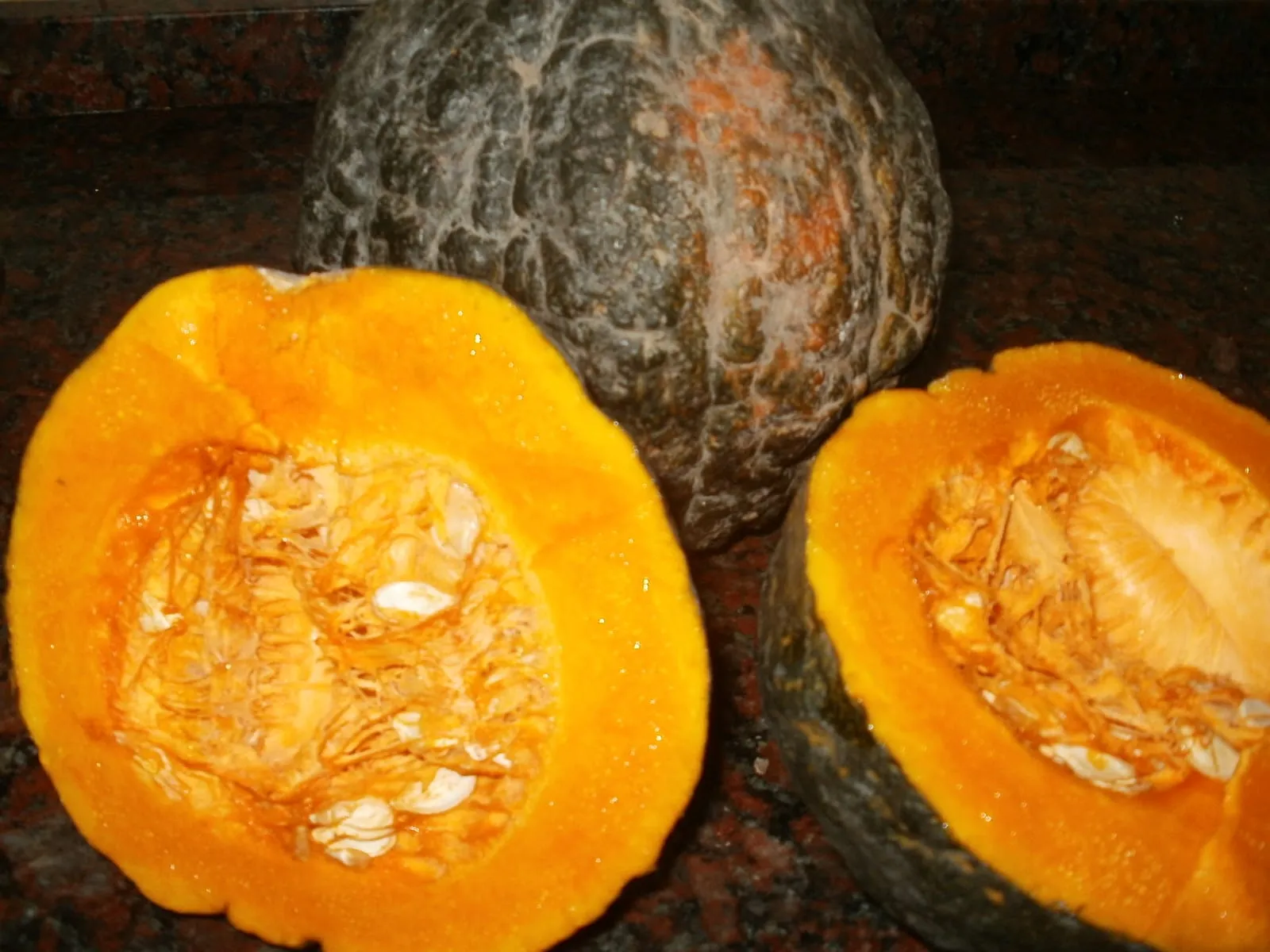
vegetable in zone 4b
Growing winter squash in zone 4b
Cucurbita maxima and Cucurbita moschata
- Zone
- 4b -25°F to -20°F
- Growing season
- 130 days
- Suitable varieties
- 5
- Days to harvest
- 85 to 120
The verdict
Winter squash is an annual crop, so chill-hour accumulation is not a relevant metric here. What matters in zone 4b is the 130-day frost-free growing season and how it aligns with each variety's days-to-maturity. Acorn types typically need 80 to 90 days; Delicata runs 90 to 100 days; Butternut Waltham requires 100 to 110 days or more. On paper, zone 4b can accommodate all of these, but there is almost no margin for a late spring frost or an early September cold snap, both of which are realistic in this zone.
For Acorn and Delicata, zone 4b is a workable zone with attentive timing. For Butternut Waltham, it is genuinely marginal. Cool August nights can slow fruit development just as the vine needs to finish curing, and a hard frost before harvest can ruin cured storage quality. Growers willing to start transplants indoors and manage the shoulder seasons carefully will get reliable harvests. Those relying on direct sowing outdoors will find the window uncomfortably tight.
Recommended varieties for zone 4b
5 cultivars suited to this zone, with disease-resistance and zone-fit annotations.
| Variety | Notes | Zone fit | Disease resistance |
|---|---|---|---|
| Butternut Waltham fits zone 4b | Sweet, dense, smooth; classic tan-skinned bell-shaped winter squash. Roasting, soups, pies, mashing. Stores 3-6 months at room temperature, the universal winter squash. | | none noted |
| Delicata fits zone 4b | Sweet, creamy, edible-skin; small striped cylindrical squash. Halved and roasted, stuffed, fresh. Stores 2-3 months, ready faster than larger types. | | none noted |
| Acorn fits zone 4b | Mildly sweet, dense, slightly fibrous; ribbed dark-green to orange acorn-shaped fruit. Halved and stuffed, roasting, soups. Stores 1-2 months. | | none noted |
| Buttercup fits zone 4b | Very sweet, dense, dry; turban-shaped dark green squash. Best for pies, soups, mashing. Stores 3-4 months. The flavor benchmark among winter squashes. | | none noted |
| Spaghetti fits zone 4b | Mild, slightly sweet, flesh strands like noodles when baked; pale yellow oval fruit. Roasted halves, low-carb pasta substitute. Productive and easy. | | none noted |
Critical timing for zone 4b
In zone 4b, the last spring frost typically falls between May 20 and June 1, depending on local elevation and cold air drainage. Transplants go out after that date, which means indoor seed starting around late April to early May, three to four weeks before the anticipated transplant window.
Flowering begins roughly 50 to 60 days after transplanting, placing bloom in mid- to late July. Fruit set follows, and the bulk of curing and sugar development happens through August and into September. The first fall frost in zone 4b usually arrives between late September and mid-October. Growers targeting Butternut Waltham should plan to harvest no later than the first week of October. Acorn and Delicata, with their shorter cycle, allow more buffer. Monitoring the extended forecast in September and harvesting before a hard frost is standard practice in this zone.
Common challenges in zone 4b
- ▸ Spring frost timing
- ▸ Apple scab pressure
- ▸ Cane berry winter dieback
Disease pressure to watch for
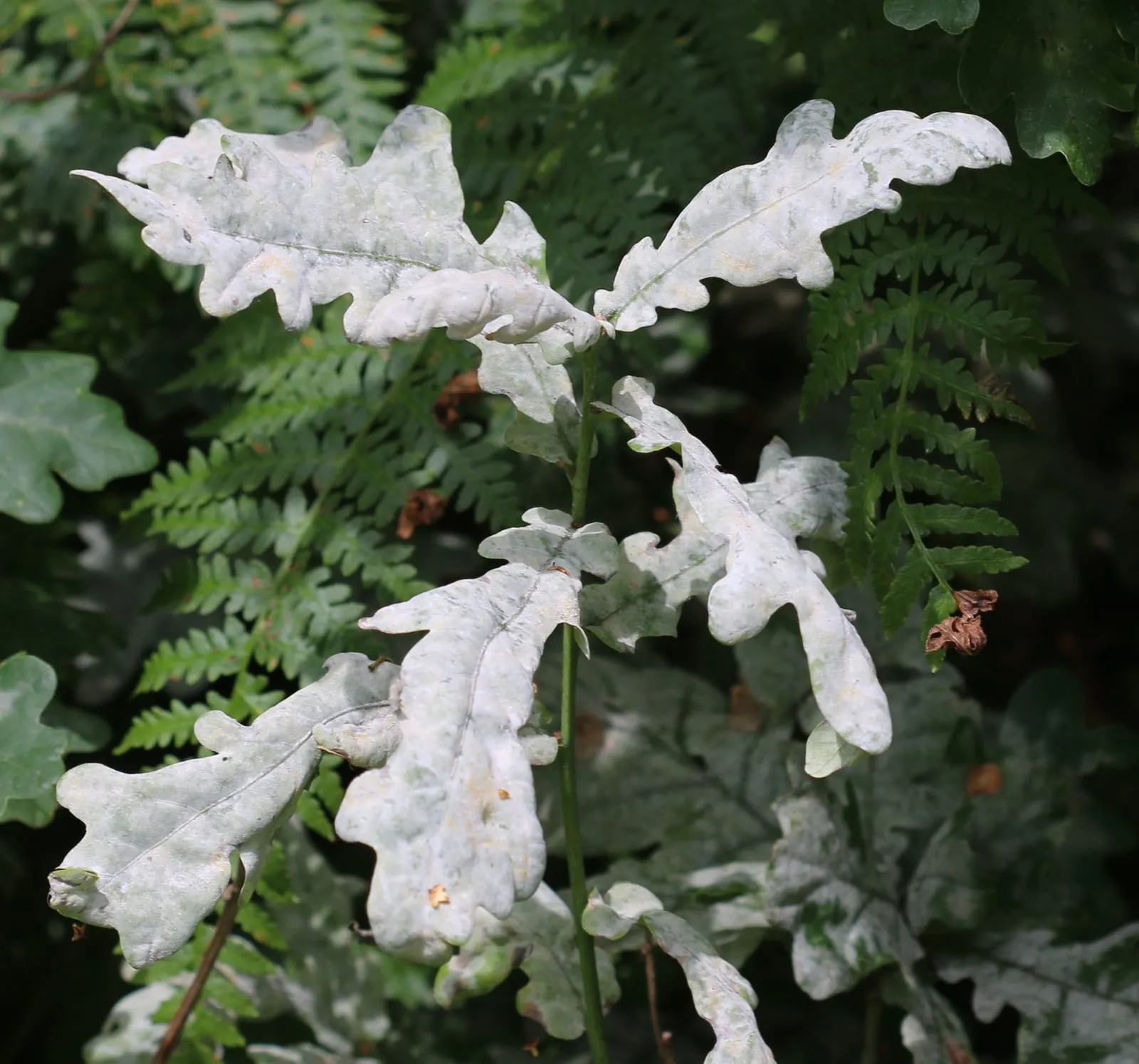
Multiple species (Erysiphales)
Surface-feeding fungal disease producing white powdery growth on leaves and stems. Reduces yield by stealing photosynthate and accelerating senescence.
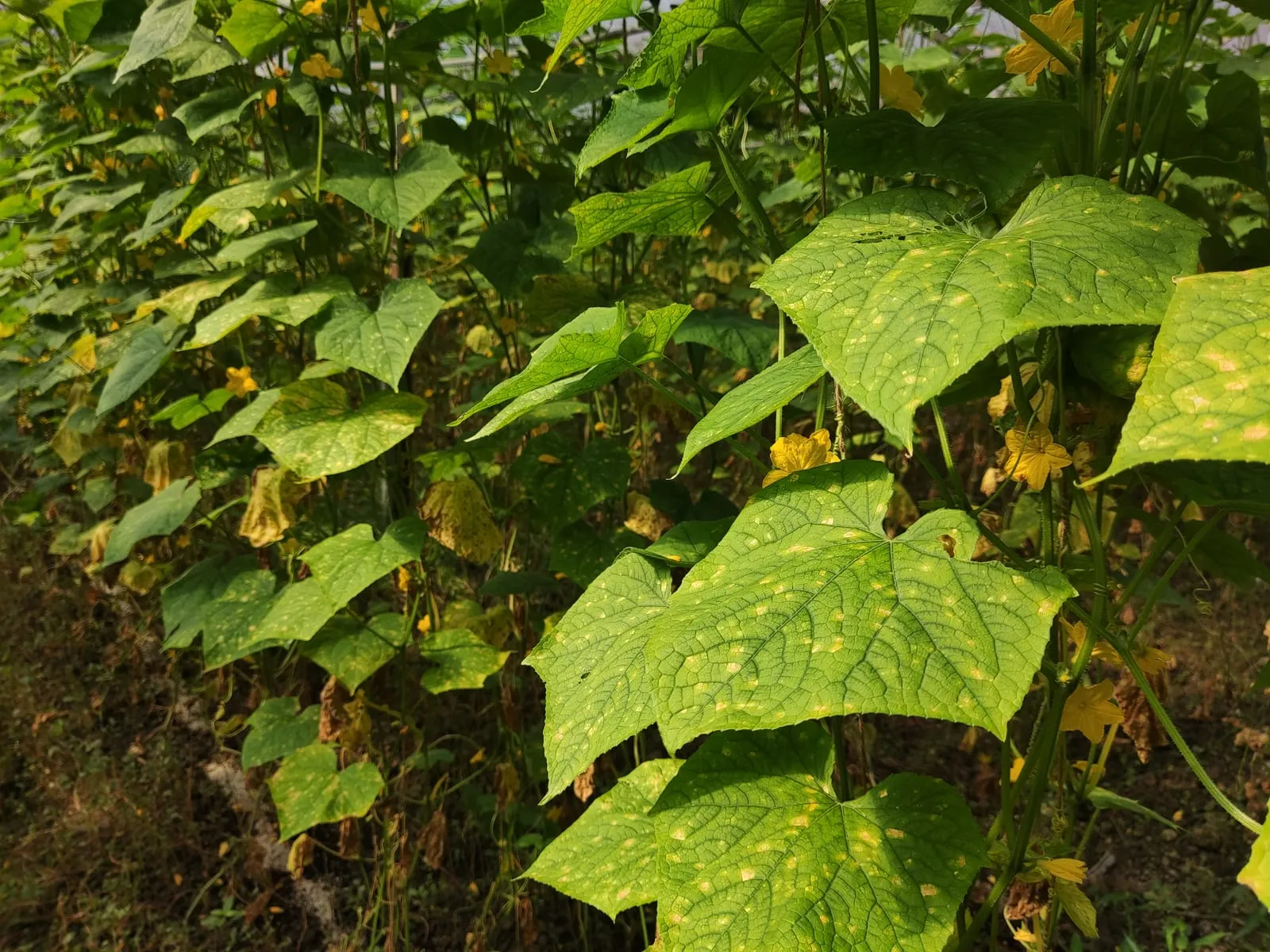
Pseudoperonospora cubensis (cucurbits) and others
Water mold (oomycete, not a true fungus) that thrives in cool damp conditions. Spreads rapidly through cucurbit and brassica plantings on wind-borne spores.
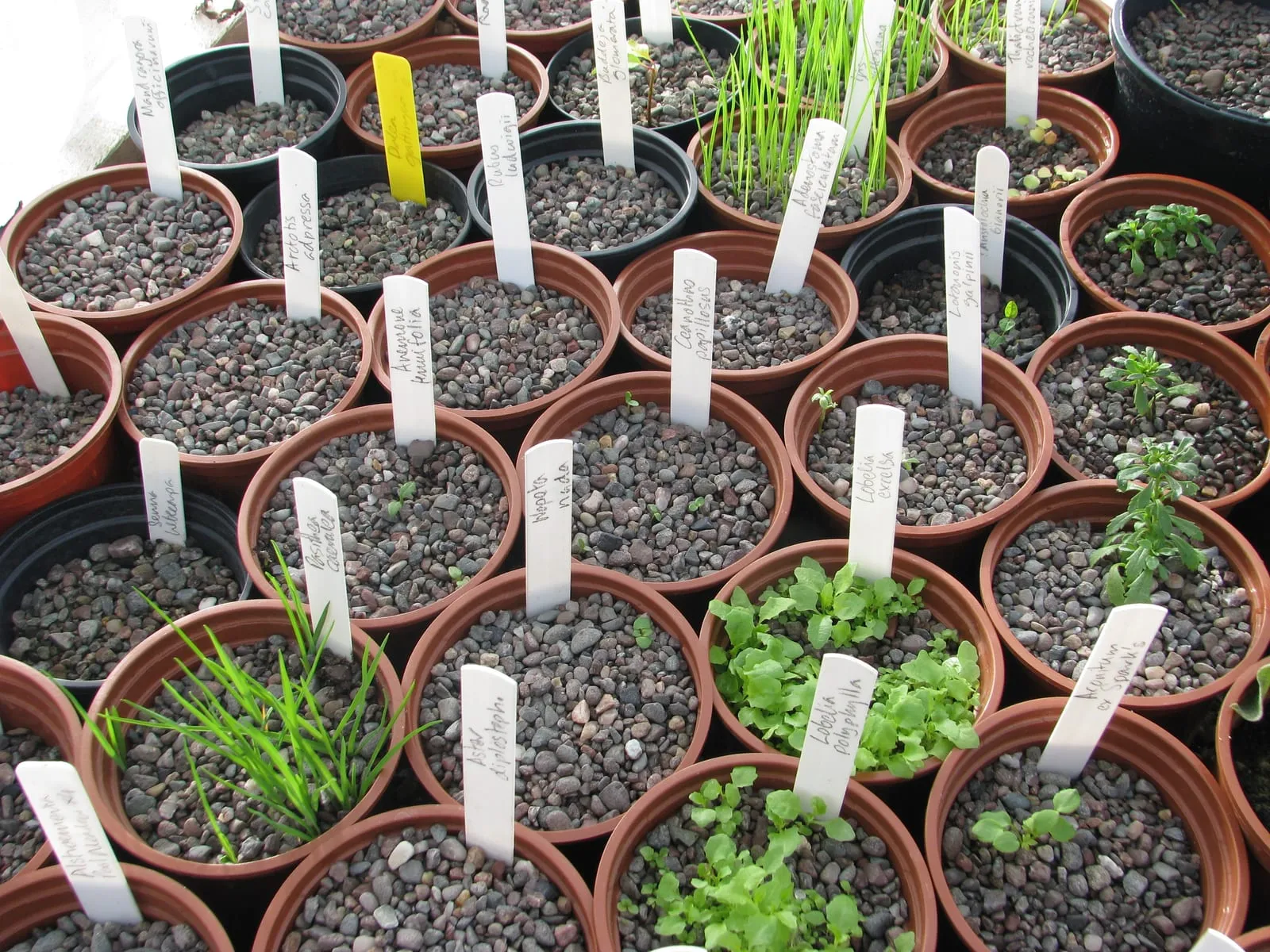
Pythium and Rhizoctonia species
Soil-borne complex of water molds and fungi that kill seedlings before or shortly after emergence. The single most common cause of seed-starting failures.
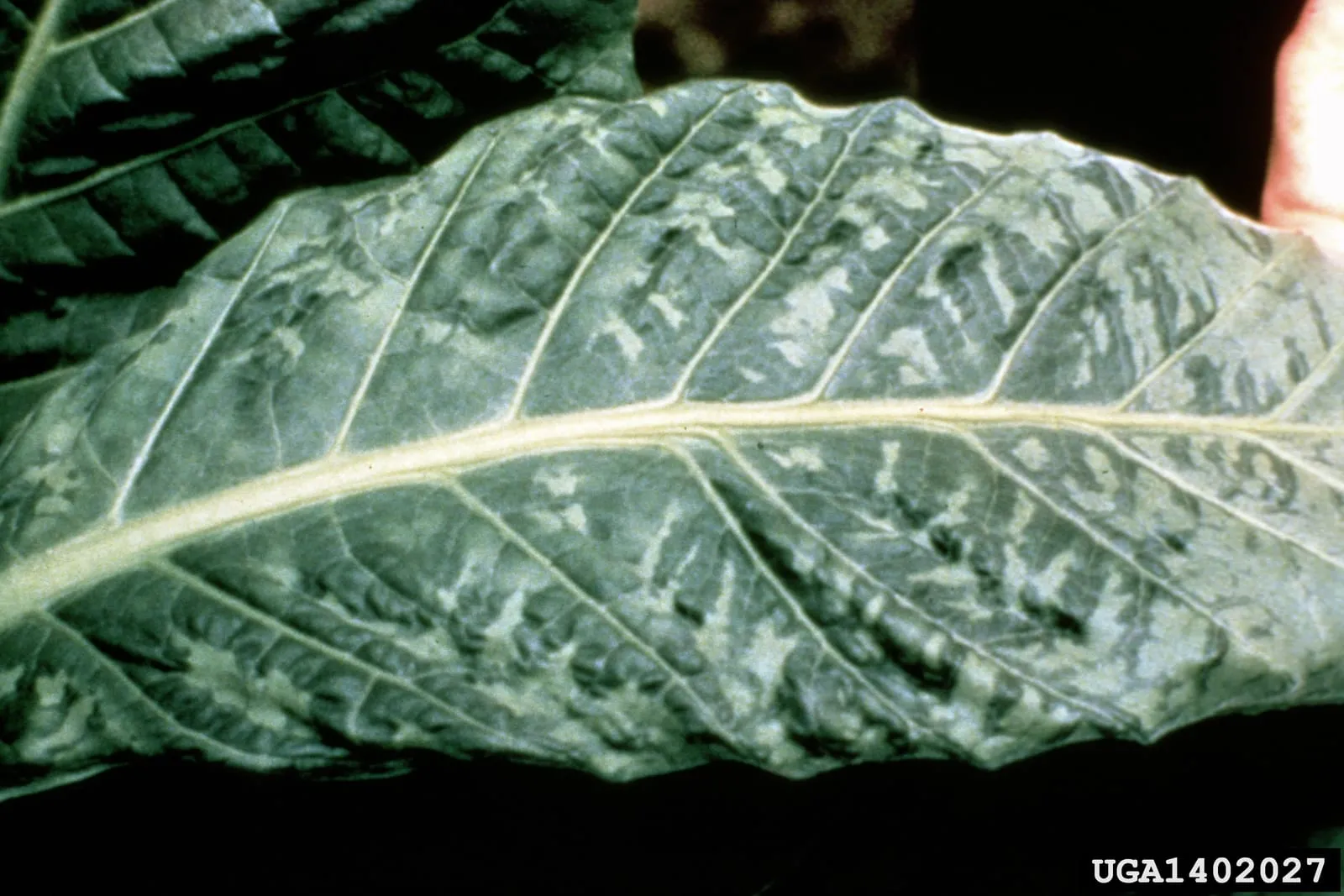
Cucumber mosaic virus, Tobacco mosaic virus, and others
Family of plant viruses producing mottled yellow-and-green leaf patterns. Vectored primarily by aphids; some are seed-transmitted or spread by handling tools and tobacco products.
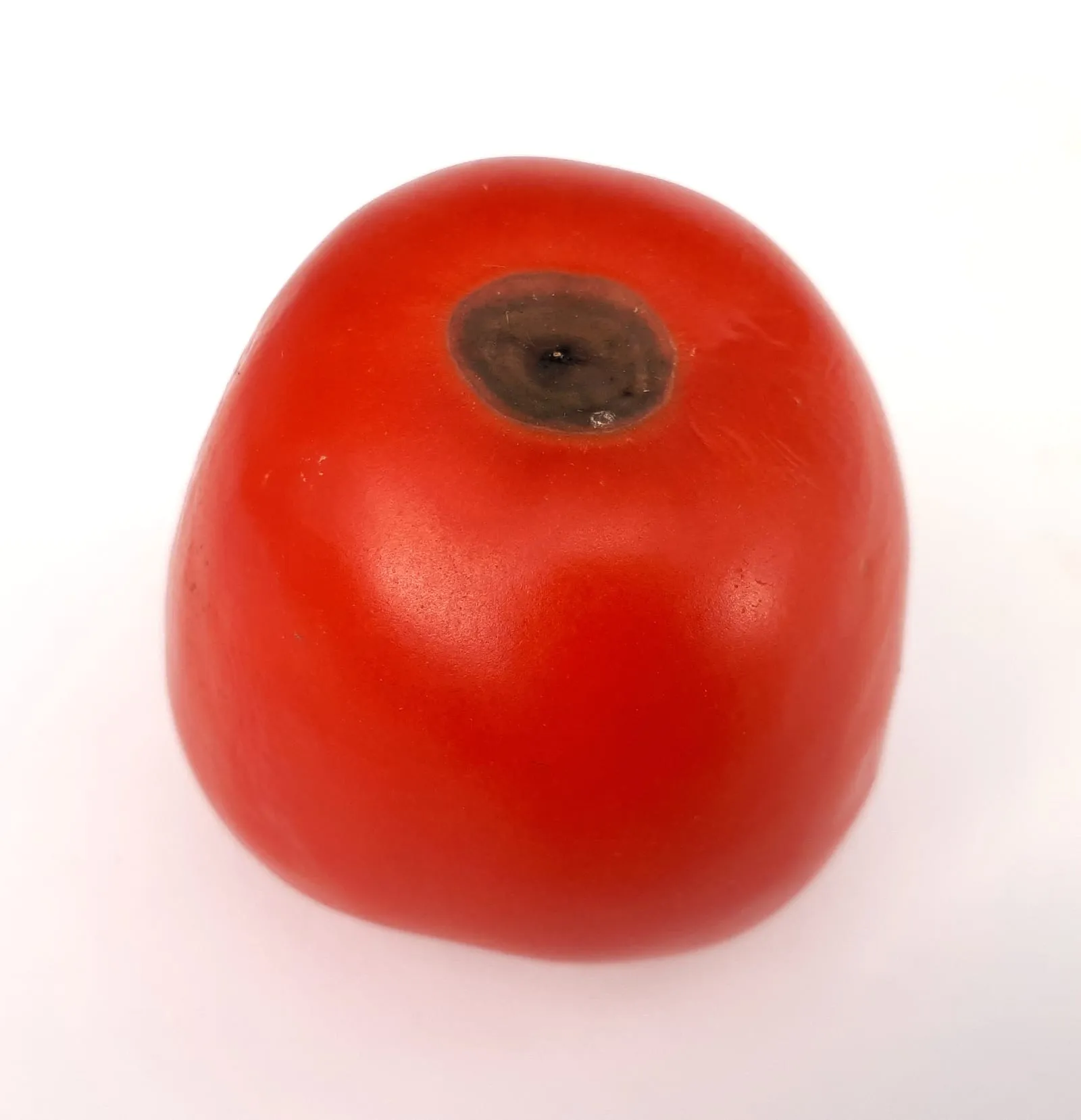
Calcium deficiency physiological disorder
Not a true disease but a calcium-uptake disorder caused by inconsistent soil moisture during fruit development. The dominant cause of damaged first-fruit on home tomato plantings.
Modified care for zone 4b
Starting transplants indoors is not optional in zone 4b; it is the primary way growers recover the three to four weeks the zone cannot provide outdoors. Use biodegradable or peat pots to avoid disturbing the taproot at transplant time, since squash dislikes root disturbance.
Black plastic mulch laid over the bed before transplanting warms soil faster and helps push development earlier in the season, a meaningful advantage when every day counts. Row covers or low tunnels can extend the planting-out date by a week or two if late frosts threaten.
Powdery mildew and downy mildew both tend to intensify in late August when nights cool and humidity rises. Selecting varieties with noted mildew tolerance (Delicata has moderate resistance) and maintaining good airspace between vines reduces pressure. Fungicide intervention is sometimes warranted by early September if foliage is collapsing before fruit has cured. Prioritize keeping the main stem and upper canopy functional; infected lower leaves can be removed without significant yield loss.
Frequently asked questions
- Can Butternut squash reliably mature in zone 4b?
Butternut Waltham needs 100 to 110 days from transplant. In zone 4b's 130-day season, it can mature, but there is minimal buffer for a cool August or an early September frost. Starting transplants indoors and harvesting by early October is essential. In colder microclimates within zone 4b, Delicata or Acorn are safer bets.
- When should winter squash seeds be started indoors in zone 4b?
Start seeds three to four weeks before your anticipated last frost date, which in zone 4b typically falls between May 20 and June 1. That puts indoor sowing in late April to early May. Squash grows quickly and becomes rootbound if started too early.
- How do I know when to harvest winter squash before a frost hits?
Harvest when the skin resists thumbnail pressure and the vine stem attached to the fruit begins to dry and cork over. In zone 4b, cut all fruit from the vine before any forecast of temperatures below 28 degrees F, even if the stem has not fully dried. Partially cured squash will continue to store if kept in a warm, dry space at 50 to 55 degrees F.
+−
+−
+−
Winter Squash in adjacent zones
Image: "Cucurbita maxima x C. moschata (zapallo kabutia o japonés o grupo Tetsukabuto)", by Patricia Zappia http://patoentusalsa.blogspot.com.ar/, via Wikimedia Commons, licensed under CC-BY Source.
.JPG)
Related