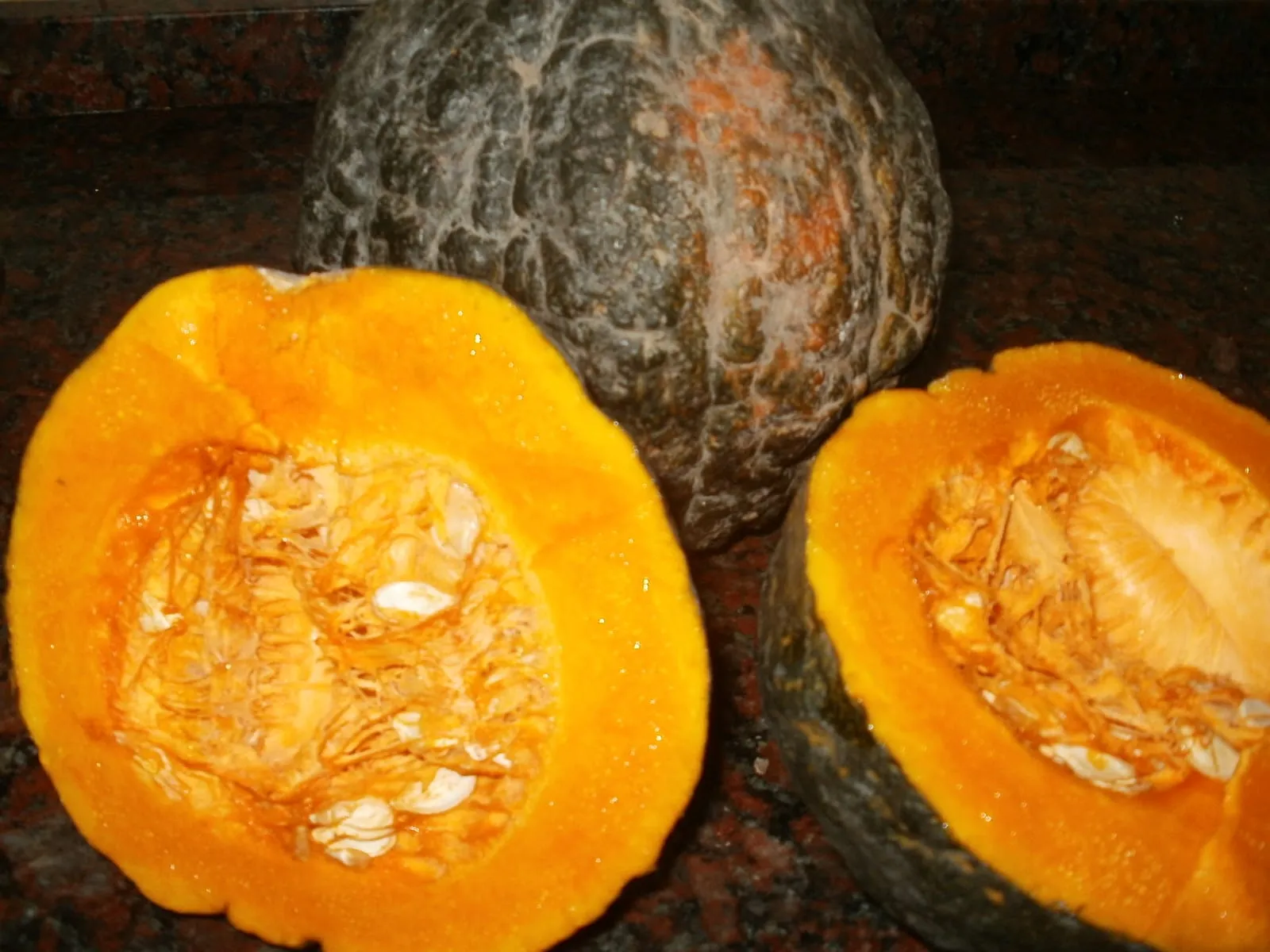
vegetable in zone 4a
Growing winter squash in zone 4a
Cucurbita maxima and Cucurbita moschata
- Zone
- 4a -30°F to -25°F
- Growing season
- 120 days
- Suitable varieties
- 5
- Days to harvest
- 85 to 120
The verdict
Zone 4a's 120-day frost-free window sits at the workable lower edge for winter squash, but it is not a marginal zone for the crop. Unlike fruit trees, winter squash carries no chill-hour requirement; what matters here is days to maturity against available season length. The varieties listed for zone 4a reflect that constraint: Acorn and Delicata typically reach maturity in 80 to 100 days, Buttercup in 95 to 105 days, and Butternut Waltham in roughly 100 to 110 days. All fall within a 120-day window under normal conditions, provided transplants go in promptly after the last frost date.
Zone 4a is tight rather than marginal. A normal season produces a full crop across all five listed varieties; a cool or shortened season can push Butternut close to the wire. Spaghetti squash, which matures in approximately 90 days, offers the most comfortable buffer. Selecting varieties toward the faster end of the range is good practice, not just insurance.
Recommended varieties for zone 4a
5 cultivars suited to this zone, with disease-resistance and zone-fit annotations.
| Variety | Notes | Zone fit | Disease resistance |
|---|---|---|---|
| Butternut Waltham fits zone 4a | Sweet, dense, smooth; classic tan-skinned bell-shaped winter squash. Roasting, soups, pies, mashing. Stores 3-6 months at room temperature, the universal winter squash. | | none noted |
| Delicata fits zone 4a | Sweet, creamy, edible-skin; small striped cylindrical squash. Halved and roasted, stuffed, fresh. Stores 2-3 months, ready faster than larger types. | | none noted |
| Acorn fits zone 4a | Mildly sweet, dense, slightly fibrous; ribbed dark-green to orange acorn-shaped fruit. Halved and stuffed, roasting, soups. Stores 1-2 months. | | none noted |
| Buttercup fits zone 4a | Very sweet, dense, dry; turban-shaped dark green squash. Best for pies, soups, mashing. Stores 3-4 months. The flavor benchmark among winter squashes. | | none noted |
| Spaghetti fits zone 4a | Mild, slightly sweet, flesh strands like noodles when baked; pale yellow oval fruit. Roasted halves, low-carb pasta substitute. Productive and easy. | | none noted |
Critical timing for zone 4a
In zone 4a, the last spring frost typically falls between late May and mid-June, depending on elevation and local topography. That sets the transplant window for squash, which cannot tolerate frost and should not go outdoors until soil temperature holds at 60°F. With a first fall frost arriving in early to mid-September in most zone 4a locations, the effective growing window runs roughly 90 to 110 days.
Female flowers open approximately 40 to 55 days after transplanting, placing peak pollination in mid-July. Fruit bulk-up runs through August. The overlap between late-season fruit development and early fall frost risk is the critical variable to manage. Harvest mature fruit before any sustained cold arrives; even a light frost can compromise skin integrity and shorten storage life for otherwise sound fruit.
Common challenges in zone 4a
- ▸ Late frosts damage early bloomers
- ▸ Limited peach varieties
Disease pressure to watch for
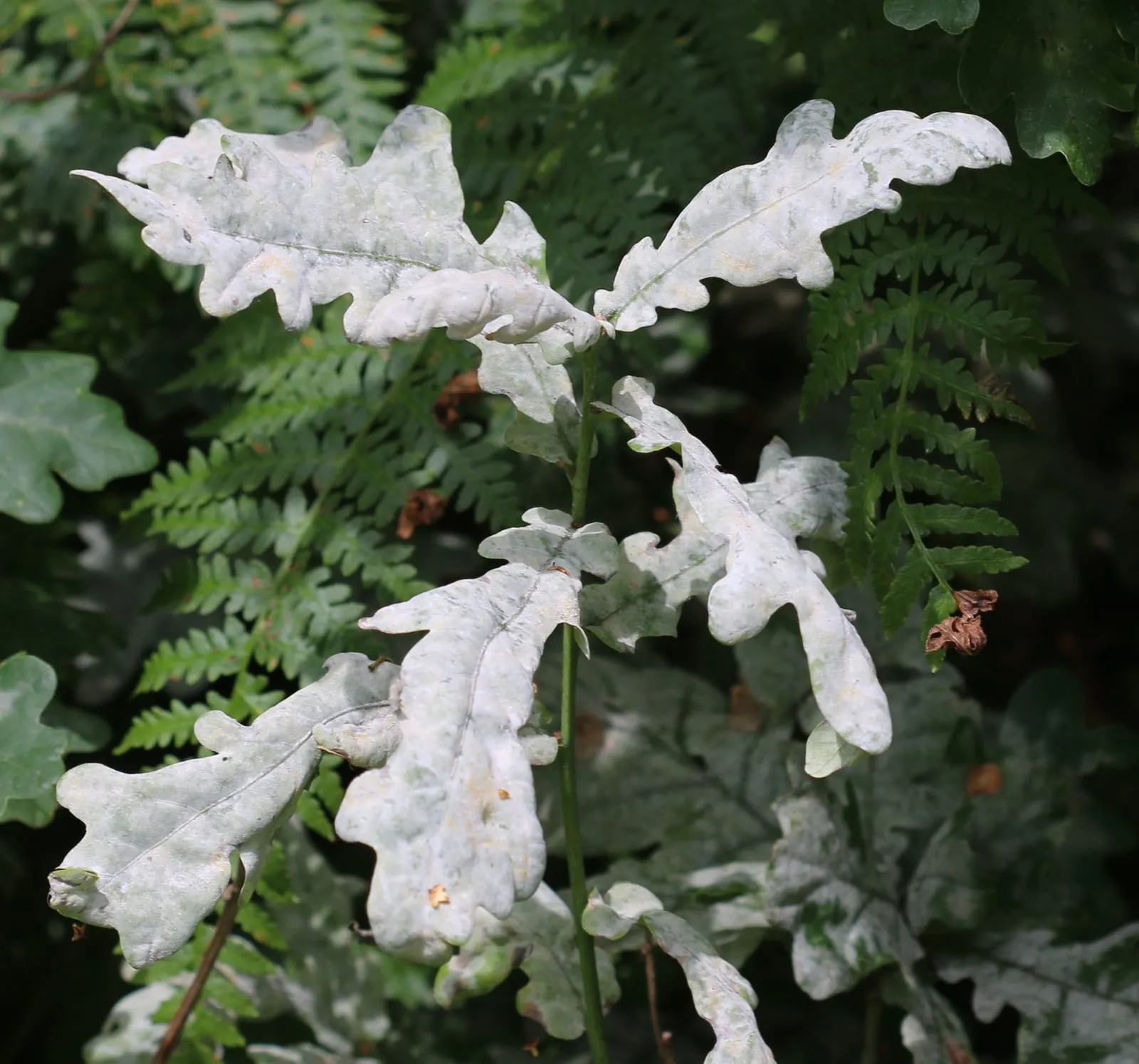
Multiple species (Erysiphales)
Surface-feeding fungal disease producing white powdery growth on leaves and stems. Reduces yield by stealing photosynthate and accelerating senescence.
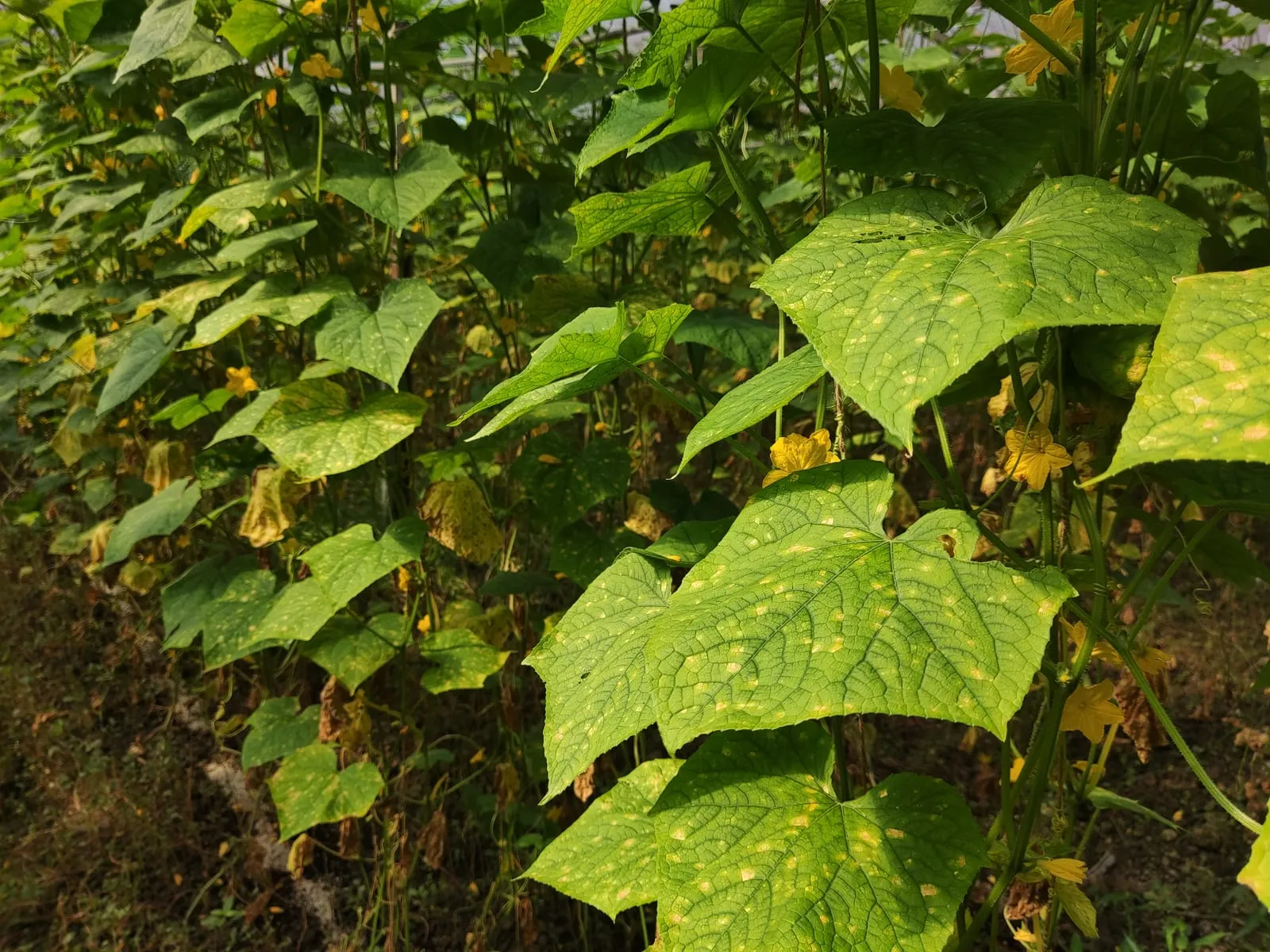
Pseudoperonospora cubensis (cucurbits) and others
Water mold (oomycete, not a true fungus) that thrives in cool damp conditions. Spreads rapidly through cucurbit and brassica plantings on wind-borne spores.
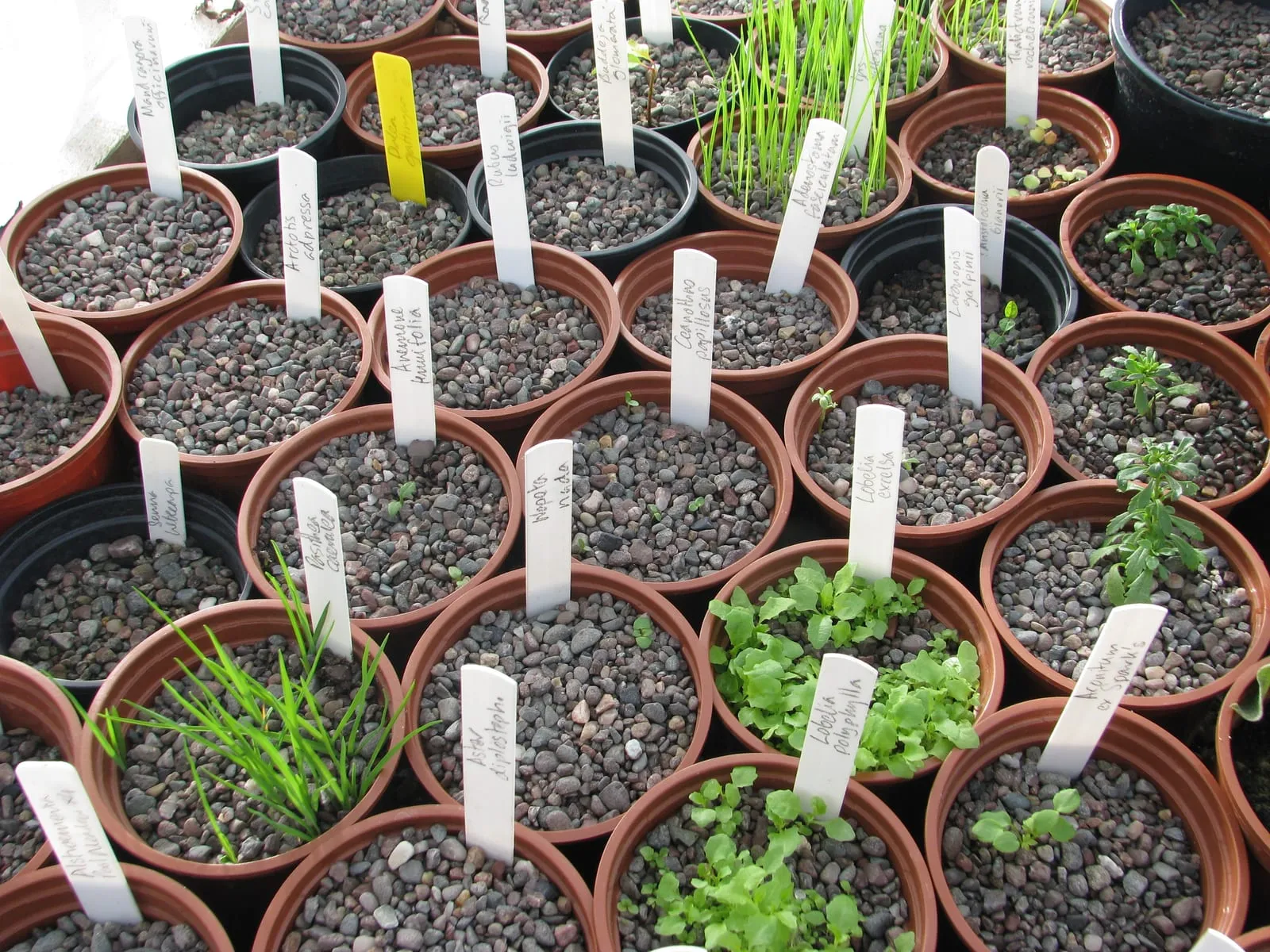
Pythium and Rhizoctonia species
Soil-borne complex of water molds and fungi that kill seedlings before or shortly after emergence. The single most common cause of seed-starting failures.
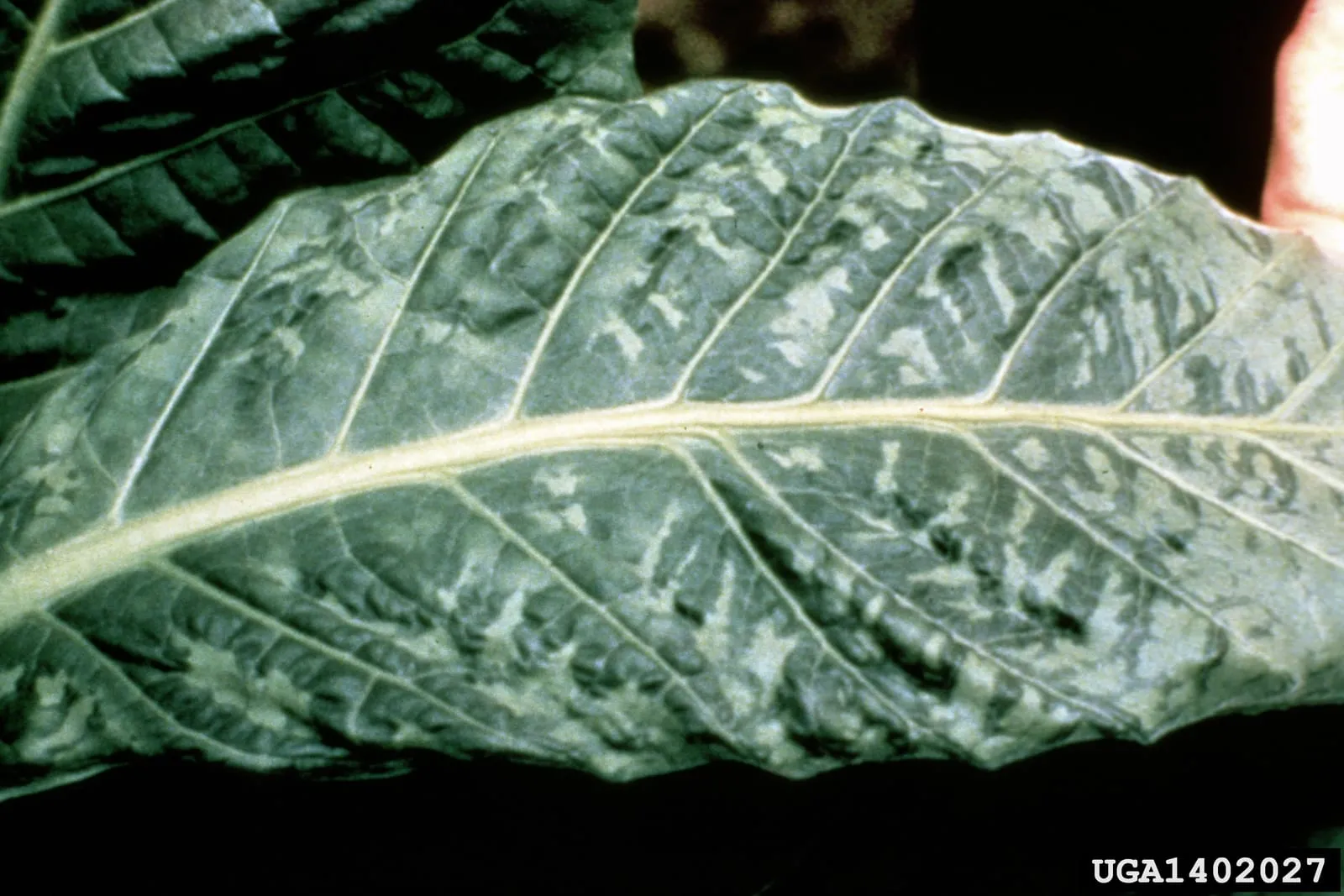
Cucumber mosaic virus, Tobacco mosaic virus, and others
Family of plant viruses producing mottled yellow-and-green leaf patterns. Vectored primarily by aphids; some are seed-transmitted or spread by handling tools and tobacco products.
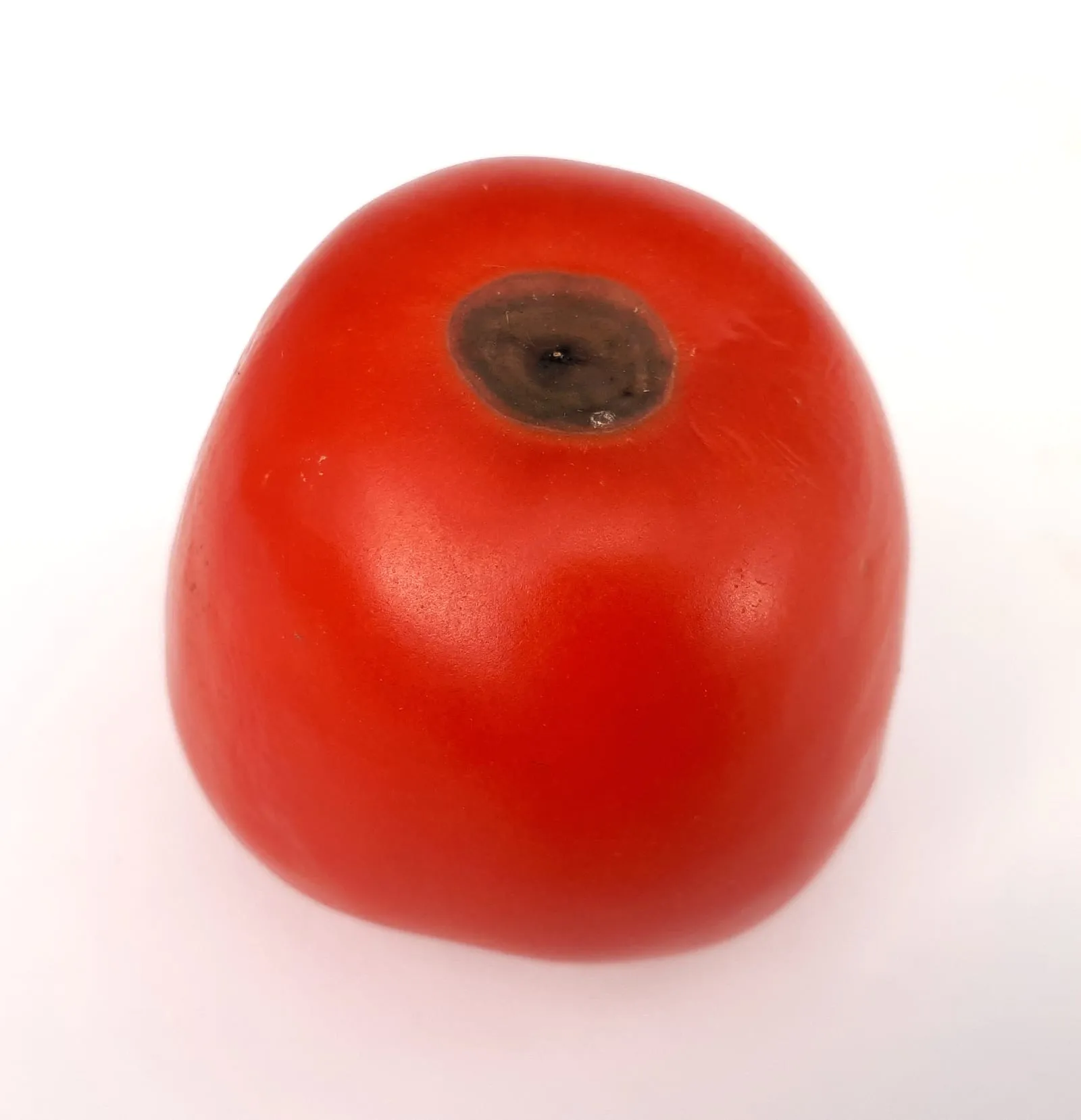
Calcium deficiency physiological disorder
Not a true disease but a calcium-uptake disorder caused by inconsistent soil moisture during fruit development. The dominant cause of damaged first-fruit on home tomato plantings.
Modified care for zone 4a
Starting transplants indoors three to four weeks before the last frost date is close to mandatory in zone 4a. Direct seeding in a 120-day season leaves an insufficient buffer, particularly for Butternut Waltham. Keep row cover available at transplant time; a late frost in early June is not unusual, and a setback at that stage compresses the harvest window significantly.
Powdery mildew and downy mildew both intensify in the cool, humid conditions zone 4a commonly delivers in August. Scout leaf undersides weekly from mid-July onward; downy mildew spreads rapidly during wet periods. Spacing vines to maintain air circulation reduces but does not eliminate pressure from either pathogen.
Curing harvested squash at 80 to 85°F for one to two weeks before moving to cool storage is especially important in zone 4a, where fall temperatures can fall sharply. Proper curing hardens the skin and extends storage life across all five listed varieties.
Winter Squash in adjacent zones
Image: "Cucurbita maxima x C. moschata (zapallo kabutia o japonés o grupo Tetsukabuto)", by Patricia Zappia http://patoentusalsa.blogspot.com.ar/, via Wikimedia Commons, licensed under CC-BY Source.
.JPG)
Related