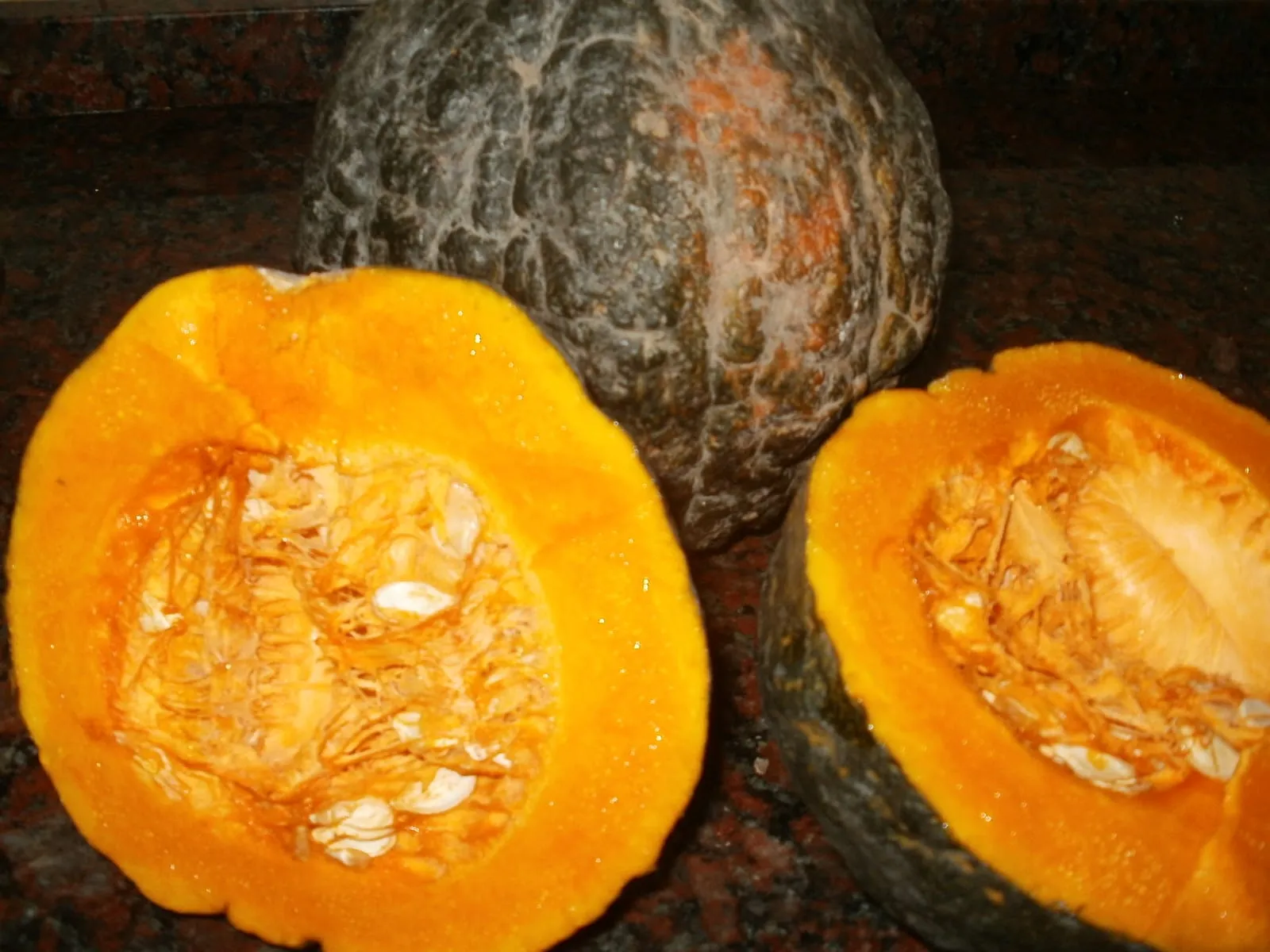
vegetable in zone 9a
Growing winter squash in zone 9a
Cucurbita maxima and Cucurbita moschata
- Zone
- 9a 20°F to 25°F
- Growing season
- 290 days
- Suitable varieties
- 0
- Days to harvest
- 85 to 120
The verdict
Winter squash is a warm-season annual with no chill-hour requirement, so zone 9a's mild winters are irrelevant to its performance. What matters is the length and heat of the growing season, and by that measure zone 9a is well-suited. The 290-day frost-free window allows growers to run two planting windows per year: a spring crop and, more reliably in this zone, a fall crop that avoids peak summer heat stress.
The main qualification is that summer temperatures in zone 9a can push into ranges that reduce fruit set and accelerate powdery mildew cycles. Some varieties handle prolonged heat better than others; this matters more here than in cooler zones. Overall, winter squash is not marginal in zone 9a. The risks are manageable with variety selection and planting timing, and the long season is a genuine advantage for hard-shelled types that need 100 or more days to fully cure on the vine.
Critical timing for zone 9a
Fall planting is the preferred window in zone 9a. Transplants or direct-seeded crops started in late July through early August typically reach harvest in October and November, well before any frost risk. Bloom occurs roughly 50 to 60 days after planting, meaning flowers appear in September when temperatures are moderating and pollinator activity remains strong.
Spring plantings are also possible, starting in February or early March after soil temperatures reach 60°F. These crops bloom in April and mature by June, though they can run into early summer heat at the tail end. First frost in zone 9a typically falls in late November to December, so neither window faces meaningful frost pressure during the growing period.
Common challenges in zone 9a
- ▸ Limited stone fruit options due to insufficient chill
- ▸ Hurricane and tropical storm exposure
- ▸ Citrus disease pressure
Disease pressure to watch for
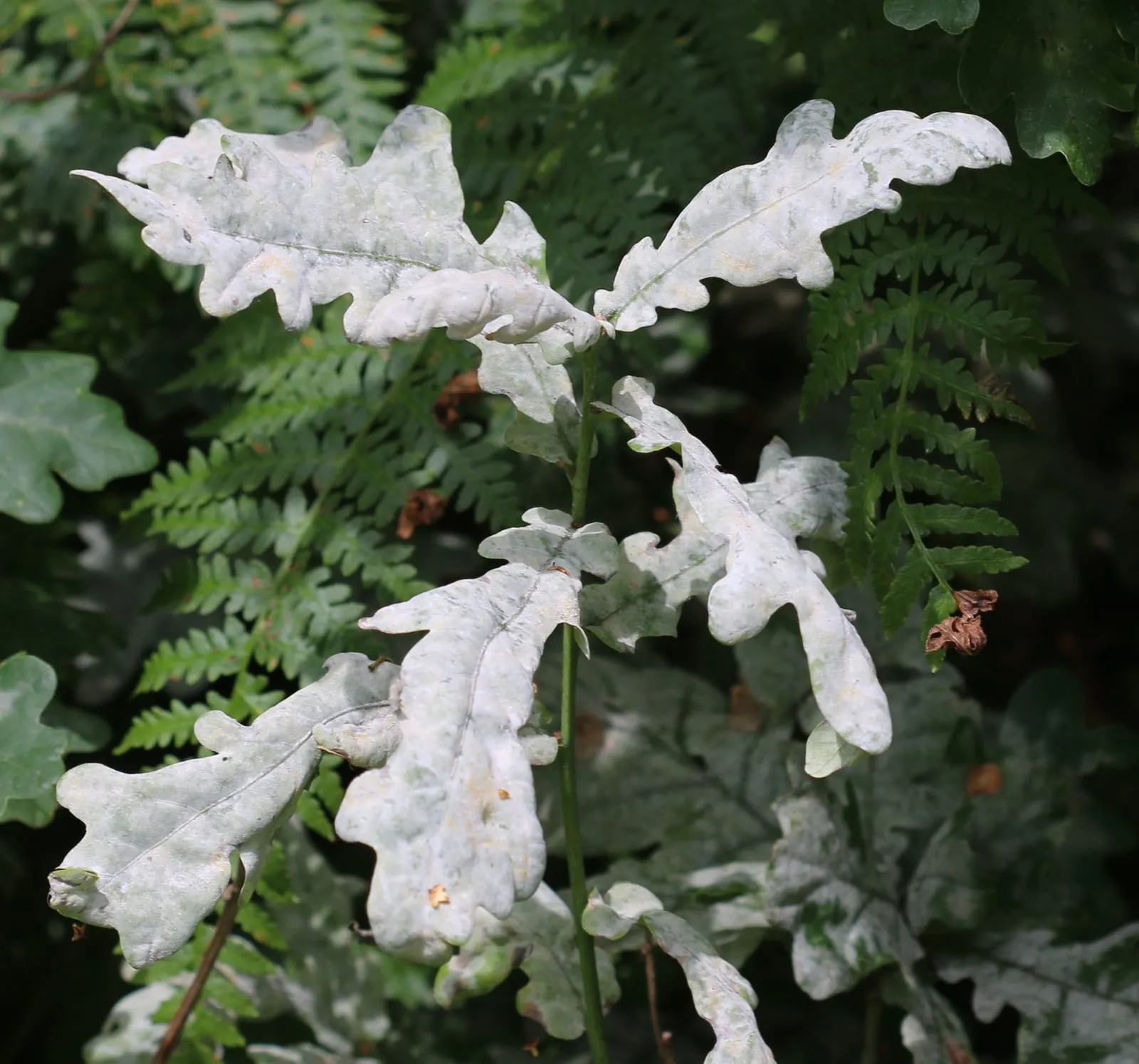
Multiple species (Erysiphales)
Surface-feeding fungal disease producing white powdery growth on leaves and stems. Reduces yield by stealing photosynthate and accelerating senescence.
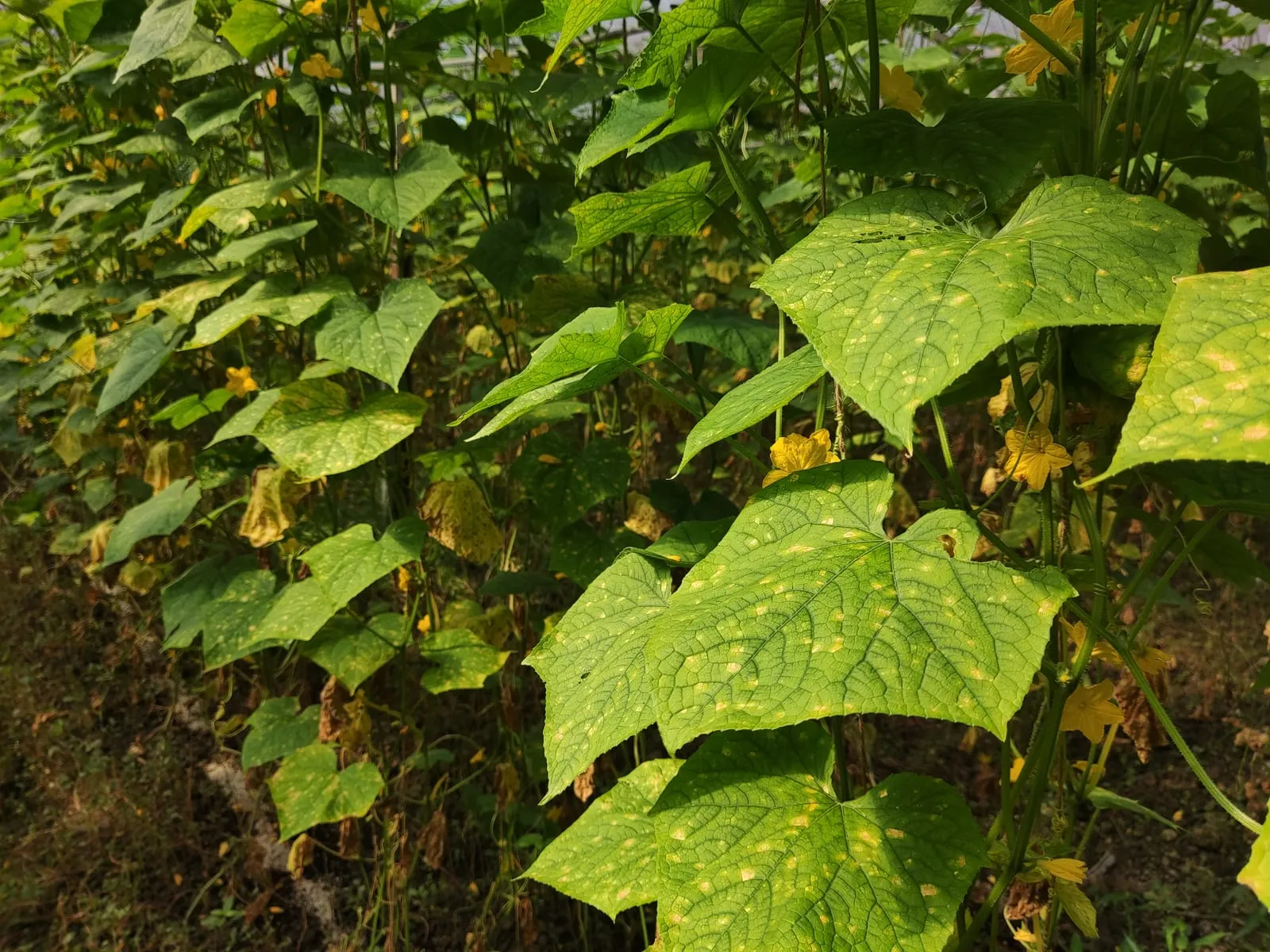
Pseudoperonospora cubensis (cucurbits) and others
Water mold (oomycete, not a true fungus) that thrives in cool damp conditions. Spreads rapidly through cucurbit and brassica plantings on wind-borne spores.
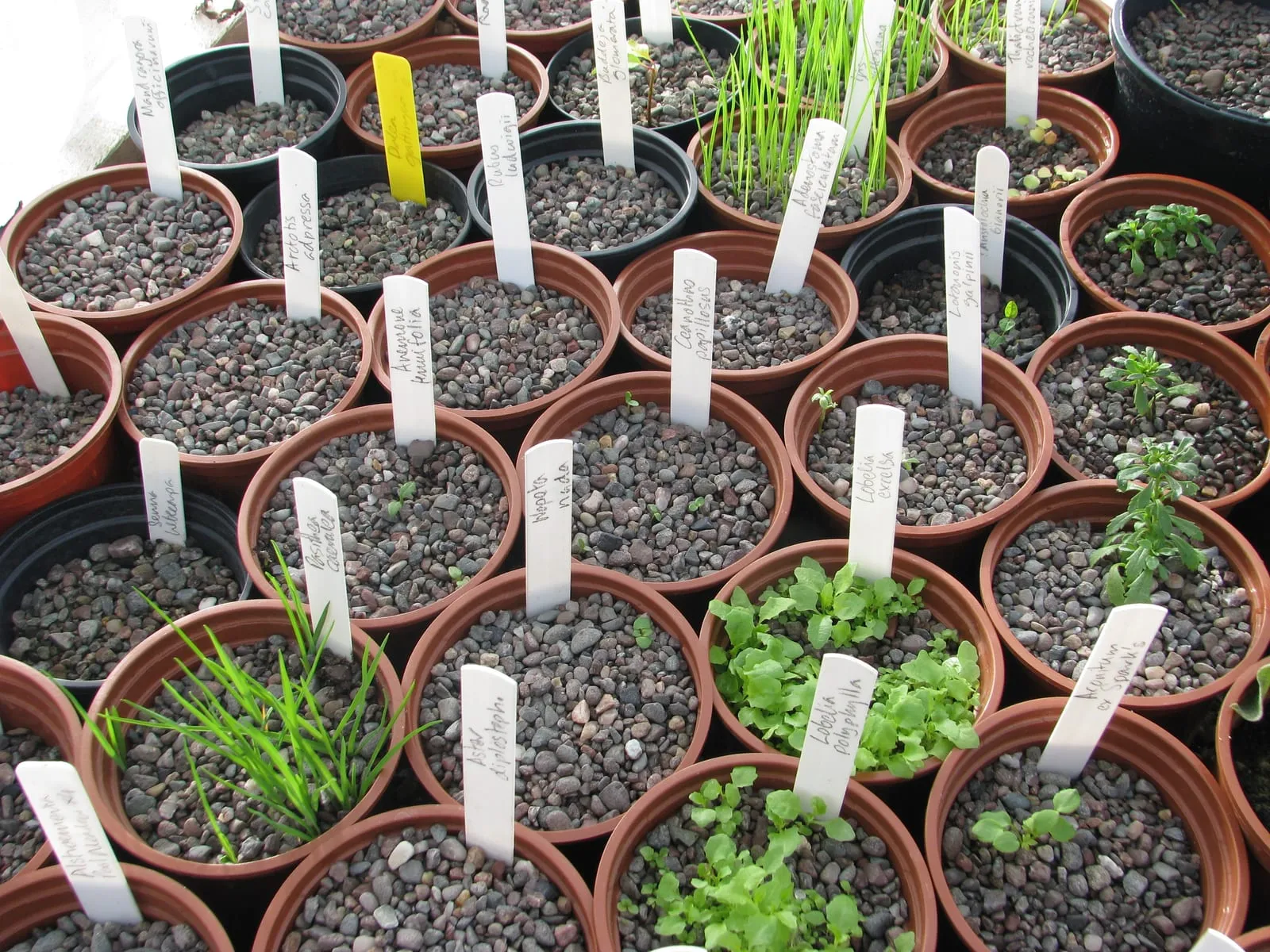
Pythium and Rhizoctonia species
Soil-borne complex of water molds and fungi that kill seedlings before or shortly after emergence. The single most common cause of seed-starting failures.
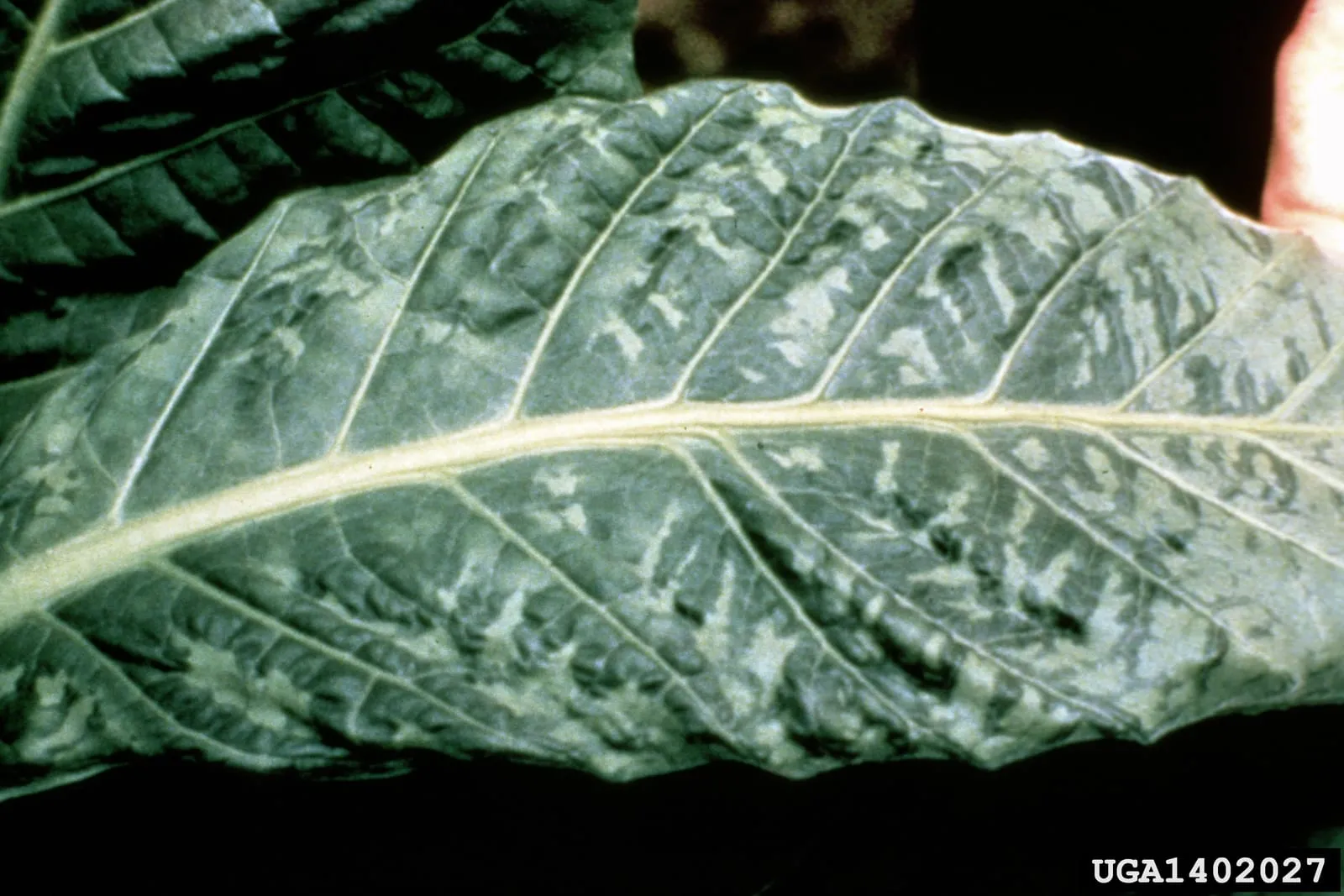
Cucumber mosaic virus, Tobacco mosaic virus, and others
Family of plant viruses producing mottled yellow-and-green leaf patterns. Vectored primarily by aphids; some are seed-transmitted or spread by handling tools and tobacco products.
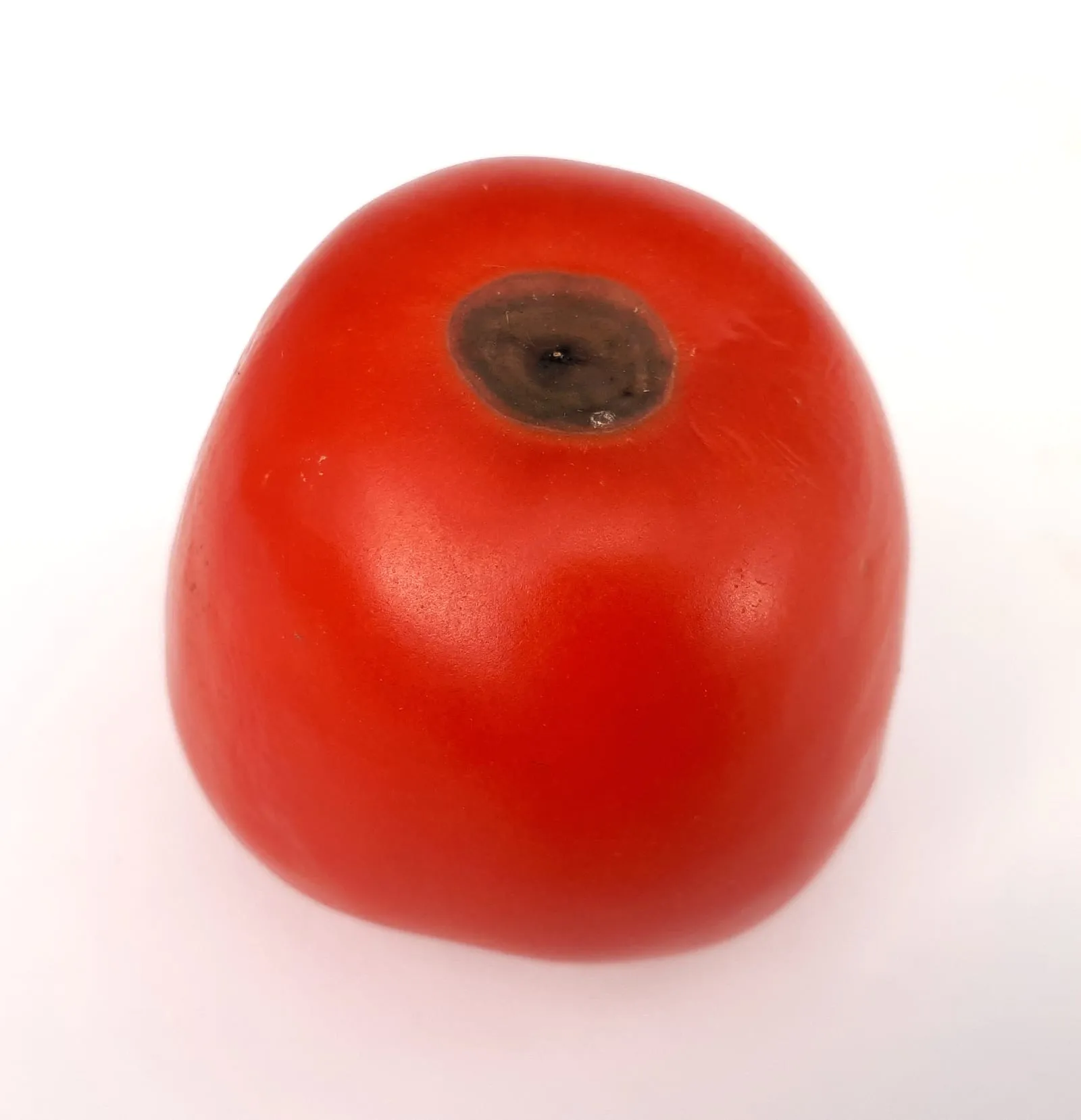
Calcium deficiency physiological disorder
Not a true disease but a calcium-uptake disorder caused by inconsistent soil moisture during fruit development. The dominant cause of damaged first-fruit on home tomato plantings.
Modified care for zone 9a
The two disease concerns in zone 9a are vegetable powdery mildew and downy mildew, both of which favor the warm, humid conditions common through summer and early fall. Providing adequate plant spacing for airflow and avoiding overhead irrigation are the primary adjustments. Selecting varieties with some published mildew tolerance reduces spray pressure significantly.
Fall-planted crops in zone 9a are more exposed to hurricane and tropical storm risk during establishment. Planting earlier in the fall window (late July rather than mid-August) helps vines root firmly before storm season peaks. Summer-planted crops may also benefit from afternoon shade cloth during heat events above 95°F, as sustained heat reduces female flower set. Beyond these adjustments, the management approach is broadly conventional.
Frequently asked questions
- Can winter squash be grown year-round in zone 9a?
Two crops per year are realistic: a spring planting in February through March and a fall planting in late July through early August. Summer planting into peak heat is not recommended because sustained temperatures above 95°F reduce fruit set and accelerate disease pressure.
- Is fall or spring the better planting window in zone 9a?
Fall is generally preferred. Crops planted in late July to early August mature in October and November when temperatures are cooler and mildew pressure is lower than in late spring. Spring crops work but often finish under rising summer heat.
- Does powdery mildew always affect winter squash in zone 9a?
Powdery mildew pressure is high in zone 9a because the warm, dry-surface conditions it favors persist for much of the growing season. It rarely kills established plants outright but reduces yield and shortens vine life. Resistant varieties and good spacing reduce the severity considerably.
+−
+−
+−
Winter Squash in adjacent zones
Image: "Cucurbita maxima x C. moschata (zapallo kabutia o japonés o grupo Tetsukabuto)", by Patricia Zappia http://patoentusalsa.blogspot.com.ar/, via Wikimedia Commons, licensed under CC-BY Source.
.JPG)
Related