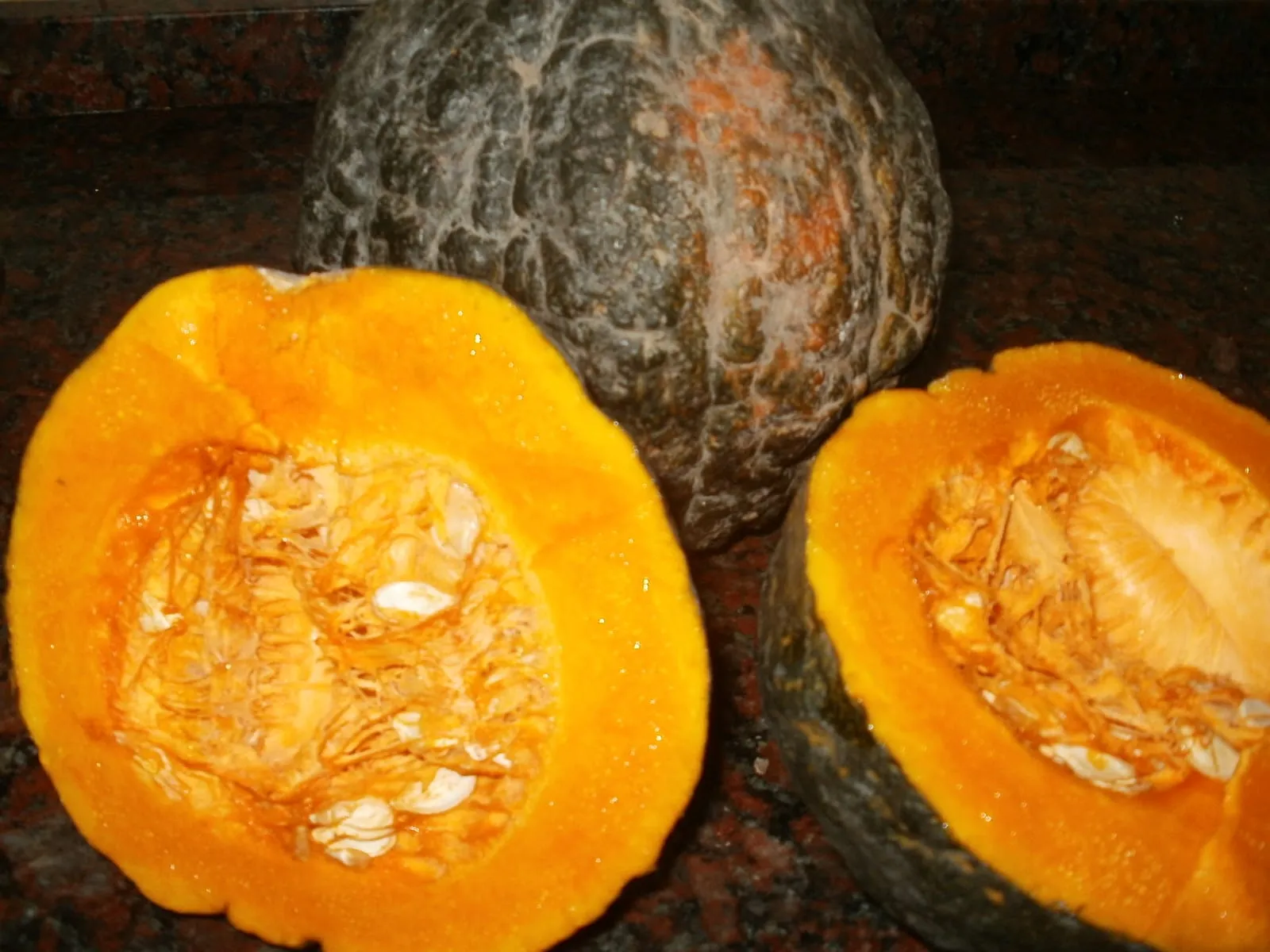
vegetable in zone 8b
Growing winter squash in zone 8b
Cucurbita maxima and Cucurbita moschata
- Zone
- 8b 15°F to 20°F
- Growing season
- 260 days
- Suitable varieties
- 0
- Days to harvest
- 85 to 120
The verdict
Winter squash is well-suited to zone 8b, not a marginal case. Chill hours are a fruit-tree concern and have no bearing on squash; the low-chill limitation listed for zone 8b simply does not apply here. What matters for winter squash is frost-free duration and summer heat tolerance, and zone 8b delivers both. The 260-day growing season comfortably covers even the longest-maturing varieties, which typically need 85 to 110 days from direct sow to harvest.
The zone does favor some types over others. Cucurbita moschata varieties, including butternut types, handle sustained summer heat and humidity better than C. pepo types like acorn or delicata, which are more sensitive to heat-induced blossom drop during July and August. Sandy soils, common in parts of zone 8b, introduce nematode pressure that can shorten vine life and reduce yield, particularly on successive plantings in the same bed. Rotation helps. Overall, a gardener in zone 8b can expect reliable, high-yield winter squash harvests with attention to variety selection and soil management.
Critical timing for zone 8b
In zone 8b, the last spring frost typically falls between late February and mid-March, depending on location within the zone. Direct seeding into warm soil after last frost is the standard approach; transplants can go out 2 to 3 weeks earlier if roots are protected from any late cold snaps. A spring planting seeded in early to mid-March will be ready for harvest in late June through August, depending on variety.
The zone's long season also supports a fall crop, which many growers prefer. Sowing in mid to late July allows harvest in October and November, when temperatures are cooler and curing conditions are better. First frost in zone 8b generally arrives in mid-November to early December, giving adequate time for the fall crop to finish. Fruit left on the vine too close to frost risk skin damage that shortens storage life, so harvest before nighttime temperatures drop consistently below 50°F.
Common challenges in zone 8b
- ▸ Low chill hours limit apple variety selection
- ▸ Citrus greening risk
- ▸ Nematodes in sandy soils
Disease pressure to watch for
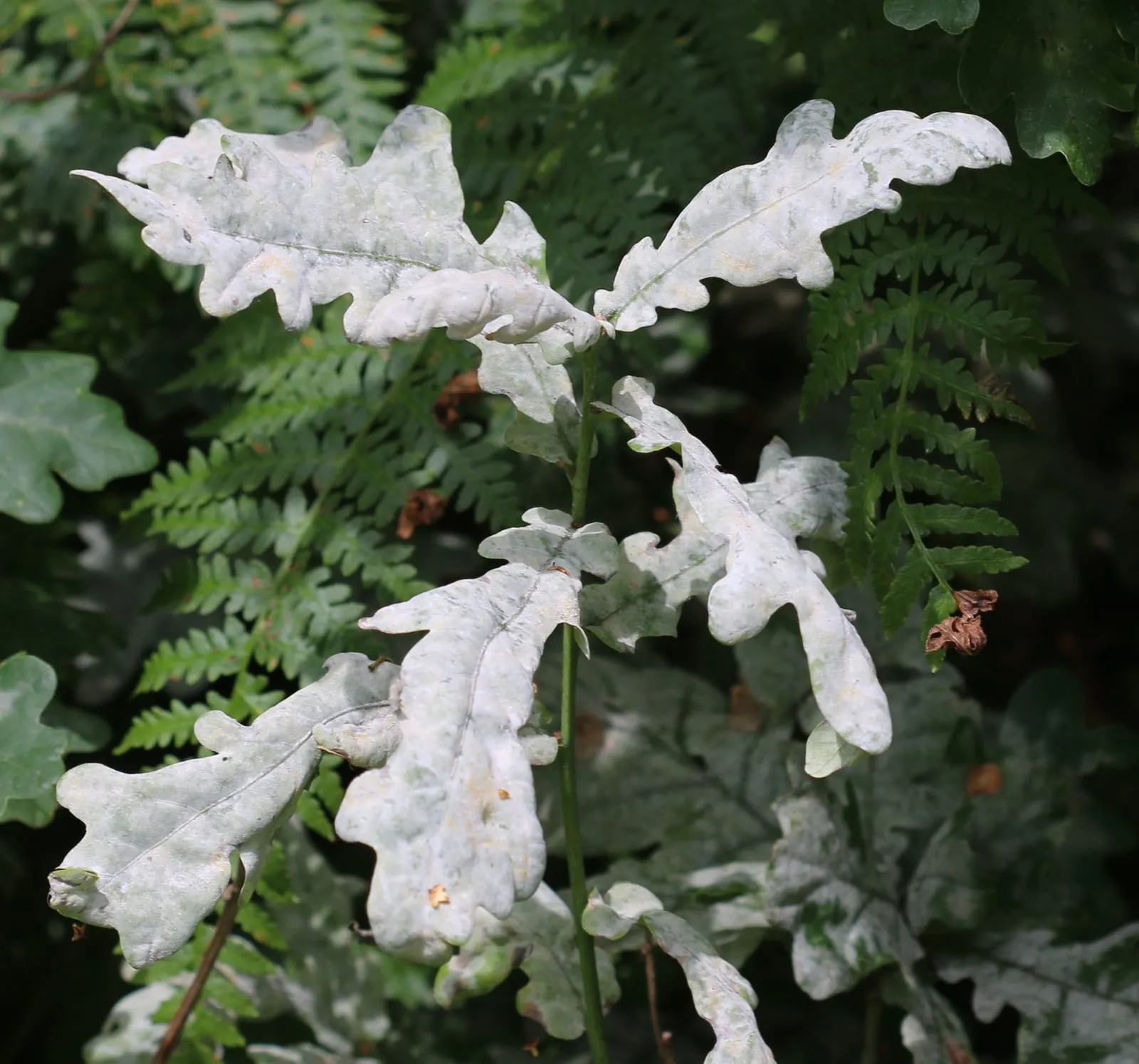
Multiple species (Erysiphales)
Surface-feeding fungal disease producing white powdery growth on leaves and stems. Reduces yield by stealing photosynthate and accelerating senescence.
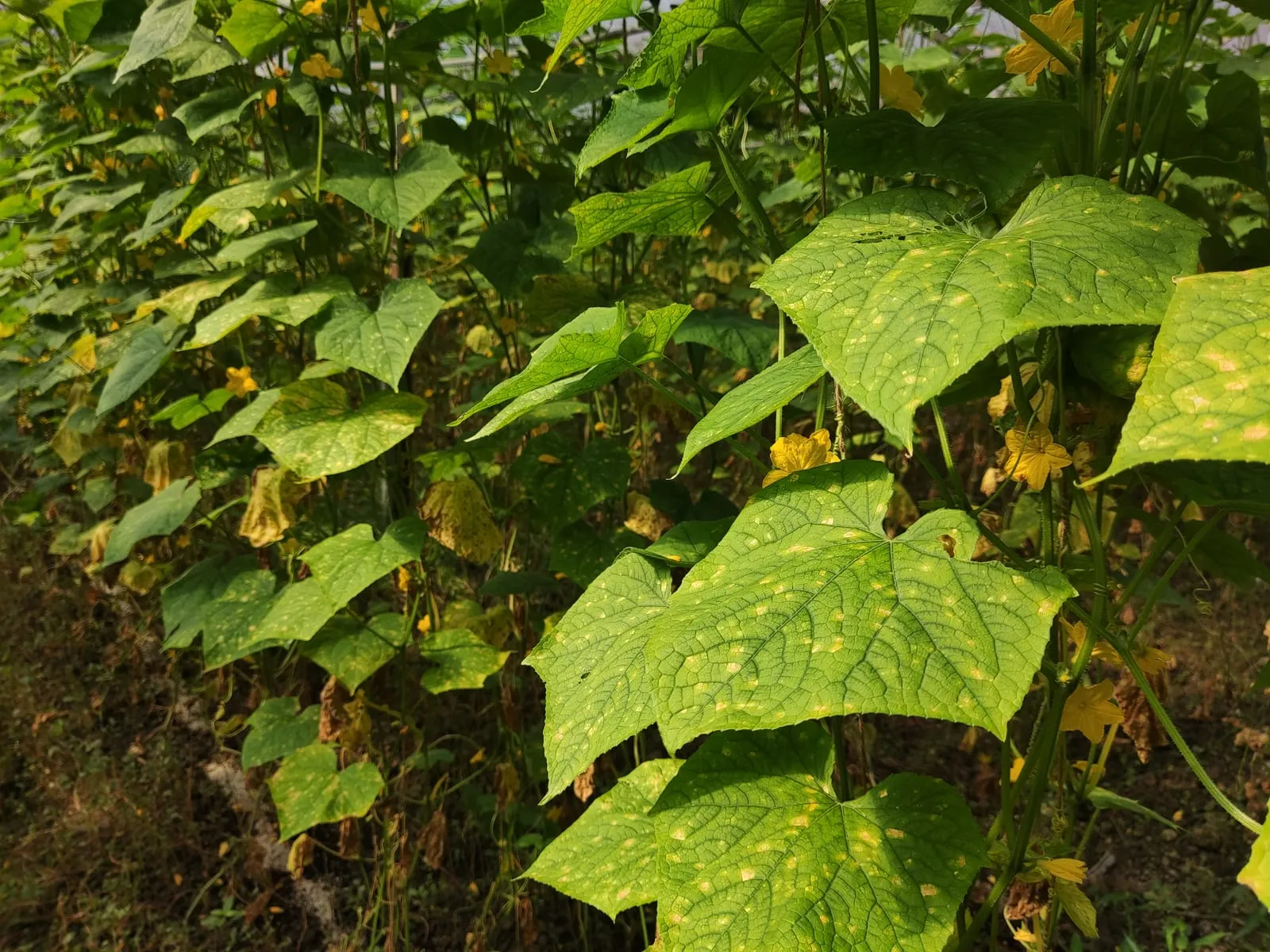
Pseudoperonospora cubensis (cucurbits) and others
Water mold (oomycete, not a true fungus) that thrives in cool damp conditions. Spreads rapidly through cucurbit and brassica plantings on wind-borne spores.
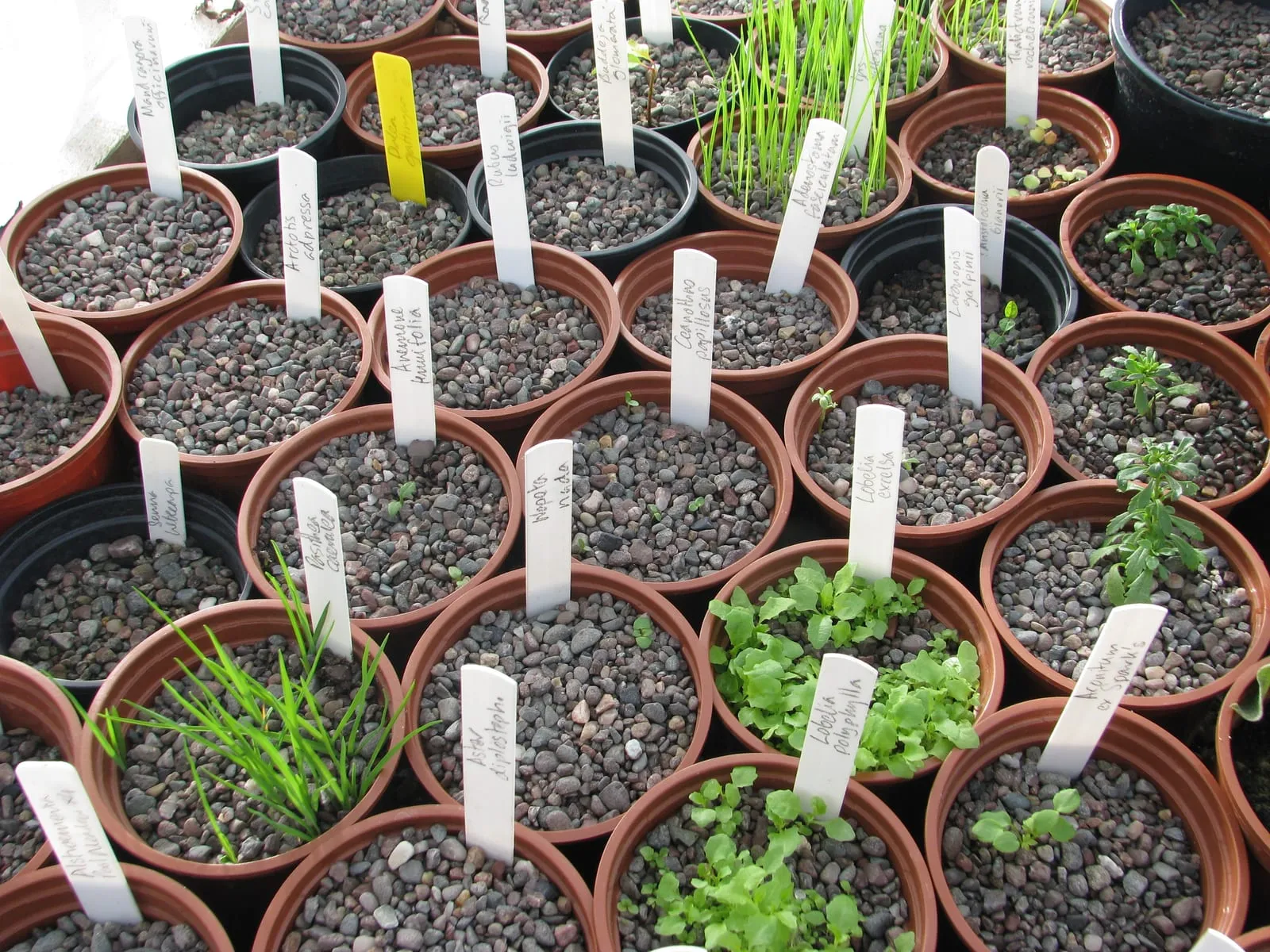
Pythium and Rhizoctonia species
Soil-borne complex of water molds and fungi that kill seedlings before or shortly after emergence. The single most common cause of seed-starting failures.
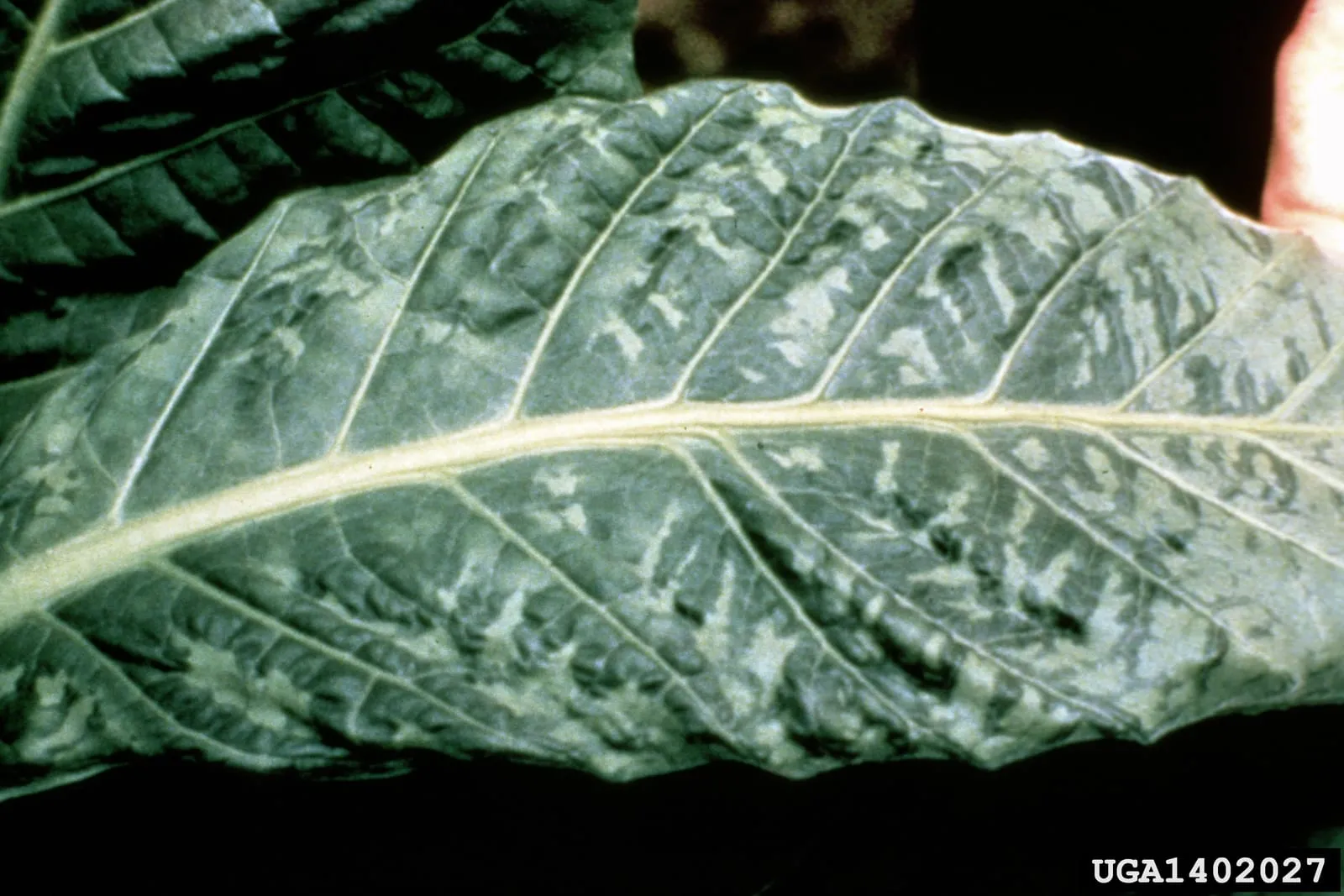
Cucumber mosaic virus, Tobacco mosaic virus, and others
Family of plant viruses producing mottled yellow-and-green leaf patterns. Vectored primarily by aphids; some are seed-transmitted or spread by handling tools and tobacco products.
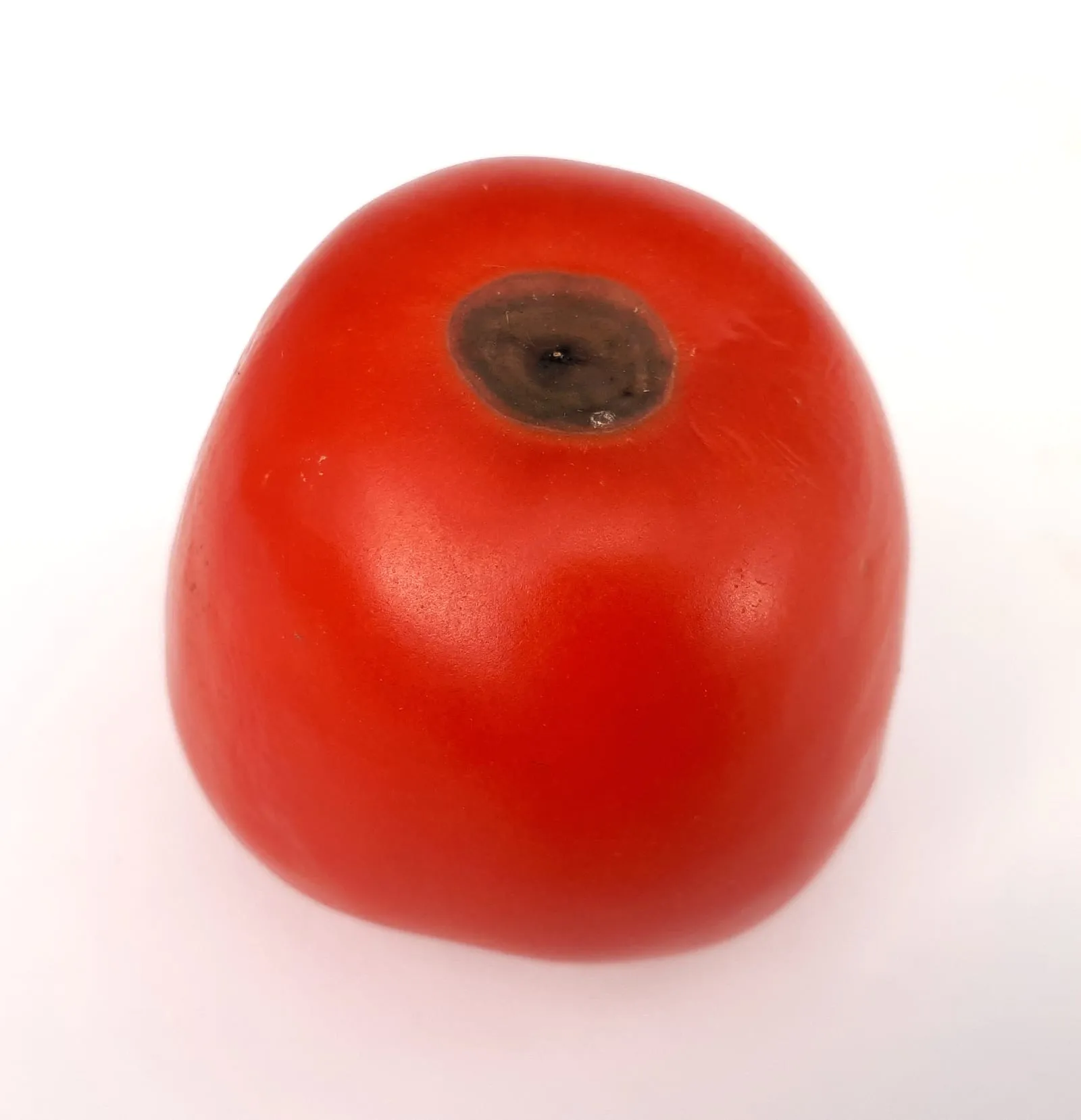
Calcium deficiency physiological disorder
Not a true disease but a calcium-uptake disorder caused by inconsistent soil moisture during fruit development. The dominant cause of damaged first-fruit on home tomato plantings.
Modified care for zone 8b
Powdery mildew and downy mildew are the primary disease pressures in zone 8b, particularly during humid stretches in late summer and fall. Adequate vine spacing, consistent airflow, and avoiding overhead irrigation reduce infection rates. Resistant varieties exist within the butternut and Hubbard types and are worth prioritizing where mildew has been a recurring problem.
Nematodes in sandy soils are a real threat to vine longevity. Rotating squash out of any bed for at least two years and incorporating organic matter to support soil biology both help. On confirmed nematode-heavy sites, soil solarization in summer before planting a fall crop is practical in zone 8b given the heat load available.
Heat management during fruit set matters more here than in cooler zones. Heavy mulching conserves soil moisture and moderates root-zone temperature during peak summer heat. Blossom drop under sustained temperatures above 95°F is common; timing the spring crop to set fruit before mid-June or shifting to the fall crop entirely sidesteps the worst of it.
Frequently asked questions
- Can winter squash be grown twice in one season in zone 8b?
Yes. The 260-day frost-free window in zone 8b allows both a spring crop (seeded in March, harvested by August) and a fall crop (seeded in July, harvested in October to November). The fall crop is often preferred for storage quality because cooler autumn temperatures during maturation and curing improve flesh density and skin hardness.
- Do chill hours matter for winter squash in zone 8b?
No. Chill-hour requirements apply to deciduous fruit trees, not to cucurbits. Winter squash is a warm-season annual that needs warm soil for germination and frost-free conditions for vine growth. Zone 8b's low chill-hour accumulation is irrelevant to squash performance.
- Which winter squash types do best in zone 8b heat?
Cucurbita moschata types, such as butternut and long island cheese pumpkin relatives, tolerate zone 8b heat and humidity better than C. pepo types like acorn or delicata. Moschata varieties also tend to show more tolerance to squash vine borer in warmer climates, though pressure varies by locality.
- How do nematodes affect winter squash in zone 8b sandy soils?
Root-knot nematodes reduce water and nutrient uptake, causing vines to yellow and decline earlier than expected. Yield drops significantly on heavily infested sites. Crop rotation away from squash and other cucurbits for two or more years, combined with incorporating compost to support beneficial soil organisms, is the practical management approach for home gardens.
+−
+−
+−
+−
Winter Squash in adjacent zones
Image: "Cucurbita maxima x C. moschata (zapallo kabutia o japonés o grupo Tetsukabuto)", by Patricia Zappia http://patoentusalsa.blogspot.com.ar/, via Wikimedia Commons, licensed under CC-BY Source.
.JPG)
Related