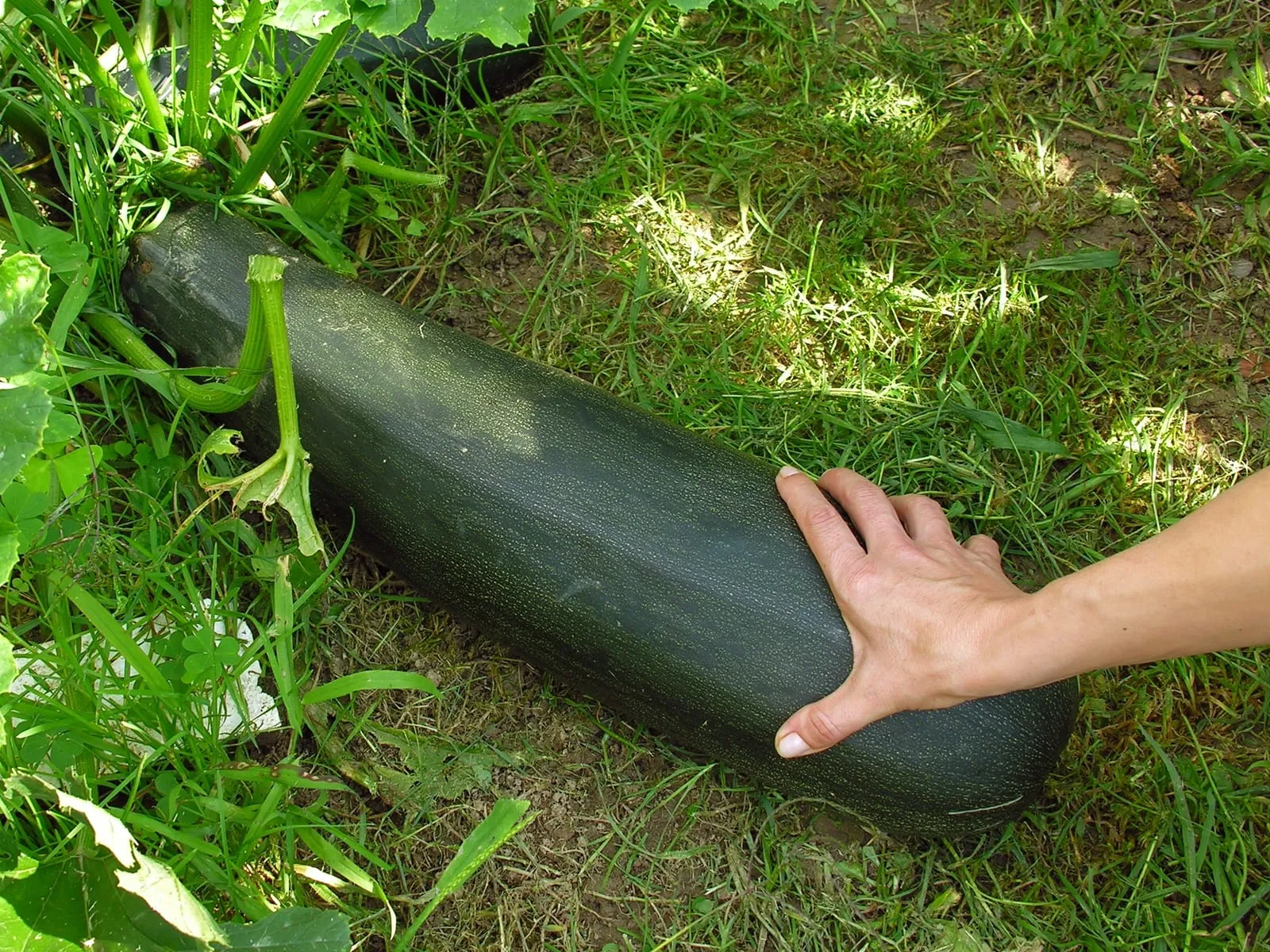
vegetable
Summer Squash
Cucurbita pepo
USDA hardiness range
- Zones
- 3b–10a
- Days to harvest
- 45 to 60
- Sun
- Full
- Water
- Moderate
- Lifespan
- annual
Growing summer squash
Summer squash earns its place in zones 3b through 10a by delivering harvests in 45 to 60 days from transplant, faster than almost any other vegetable. That speed matters at the northern end of its range, where the frost-free window is tight, and it is equally valuable in southern zones where growers want to finish a crop before peak summer heat sets in.
The crop thrives on warmth. Soil temperature below 60°F stalls germination and early root development; planting into cold ground is the most reliable way to lose a stand. At the southern edge of its range, zones 9b and 10a, summer squash is often grown as a spring and fall crop rather than a summer one, since sustained temperatures above 95°F reduce fruit set.
What separates productive plantings from failed ones is usually a combination of three factors: pollination coverage, harvest frequency, and disease management. Summer squash produces separate male and female flowers on the same plant and requires bee activity to set fruit. A garden with poor pollinator habitat or early-morning pesticide applications will see fruit abort before sizing. Harvesting zucchini types at 6 to 8 inches and crookneck types at comparable sizes keeps the plant in production; fruit left to oversize signals the plant to slow down. Powdery mildew eventually hits almost every planting late in the season, but good air circulation and resistant varieties extend productive harvest windows by several weeks.
Recommended varieties
See all 4 →4 cultivars for home growers, with notes on flavor, ripening, and disease resistance.
| Variety | Notes | Zone fit | Disease resistance |
|---|---|---|---|
| Black Beauty Zucchini | Mild, tender, classic dark green zucchini; the home-garden standard. Sauteing, grilling, breads, pasta. Heritage open-pollinated, prolific (almost too prolific). | | none noted |
| Yellow Crookneck | Mild, buttery, slightly sweet; bright yellow curved-neck heritage Southern squash. Sauteing, casseroles, fritters. Less watery than zucchini, more flavor. | | none noted |
| Costata Romanesco | Nutty, dense, exceptional flavor for a summer squash; Italian heirloom with deeply ribbed pale-green fruit. Slicing for grills, raw on salads, sauteing. | | none noted |
| Patty Pan | Sweet, tender, mild; flying-saucer-shaped white or yellow squash. Stuffed, halved on the grill, fresh. Productive, picks small (2-3 inch) for best texture. | | none noted |
Soil and site requirements
Summer squash performs best in well-drained loam or sandy loam with a soil pH between 6.0 and 6.8. Heavy clay soils that stay wet after rain create conditions favorable for root rot and crown diseases; raised beds or ridged rows resolve drainage problems without requiring a full soil overhaul.
Full sun is not optional. Six hours is a floor; eight or more hours produces the best fruit set and reduces foliar disease pressure by allowing leaves to dry quickly after rain or dew. North-facing slopes and sites shaded by trees or structures for any part of the morning will show measurably reduced yields and increased disease pressure.
Spacing matters more than many home growers expect. Bush-type varieties can be planted 18 to 24 inches apart in rows spaced 4 feet apart; vine types need considerably more room. Crowding reduces air circulation and accelerates powdery mildew spread. In smaller gardens, a few plants at wide spacing outperform a crowded row.
Microclimate considerations: raised beds warm faster in spring, a meaningful advantage in zones 5 and below. Dark plastic mulch applied before transplanting can raise soil temperature by 5 to 8°F and accelerate early-season growth. In zones 8b and warmer, afternoon shade from a structure can moderate extreme heat during peak summer and extend the viable growing window.
Common diseases
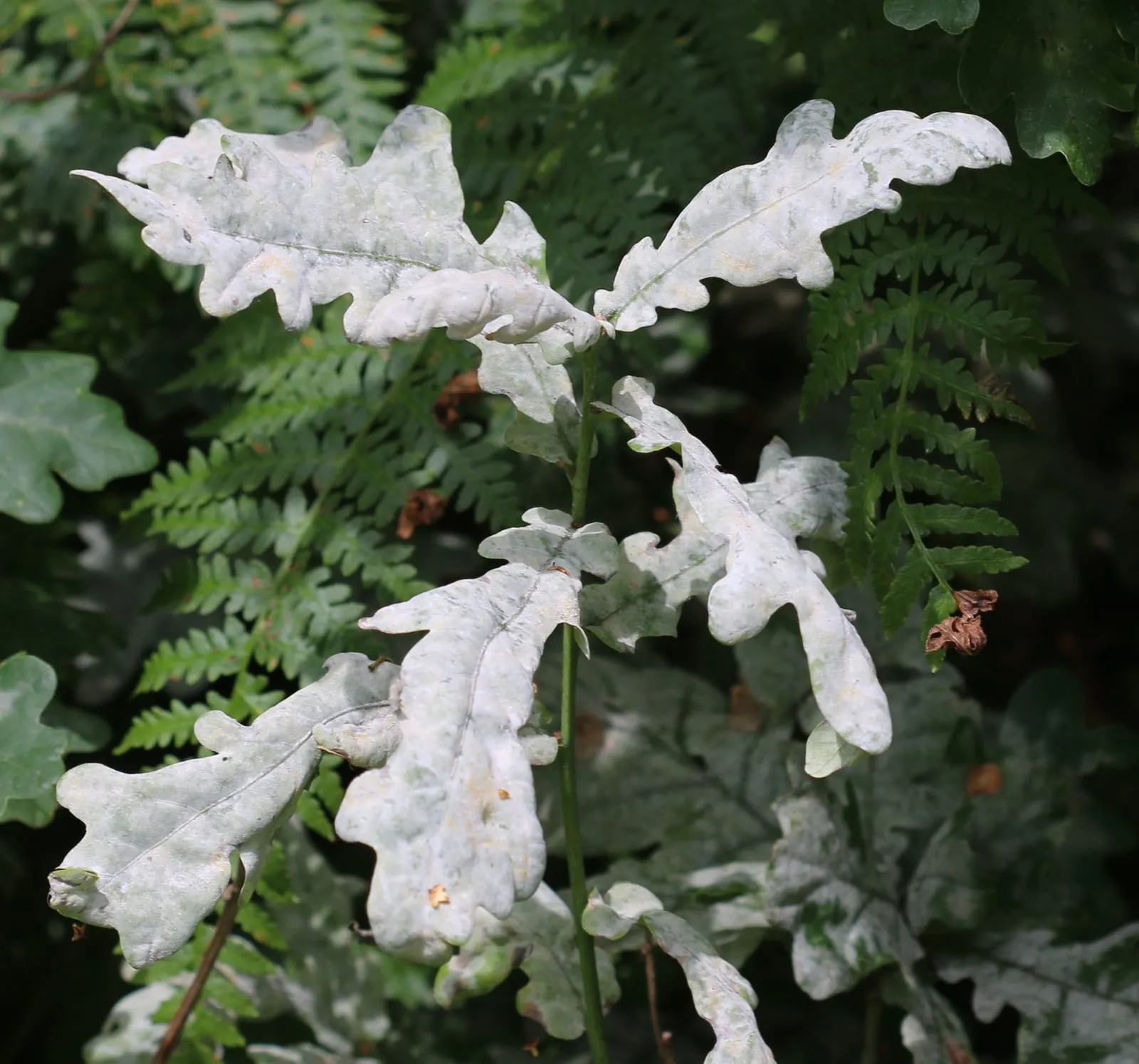
Multiple species (Erysiphales)
Surface-feeding fungal disease producing white powdery growth on leaves and stems. Reduces yield by stealing photosynthate and accelerating senescence.
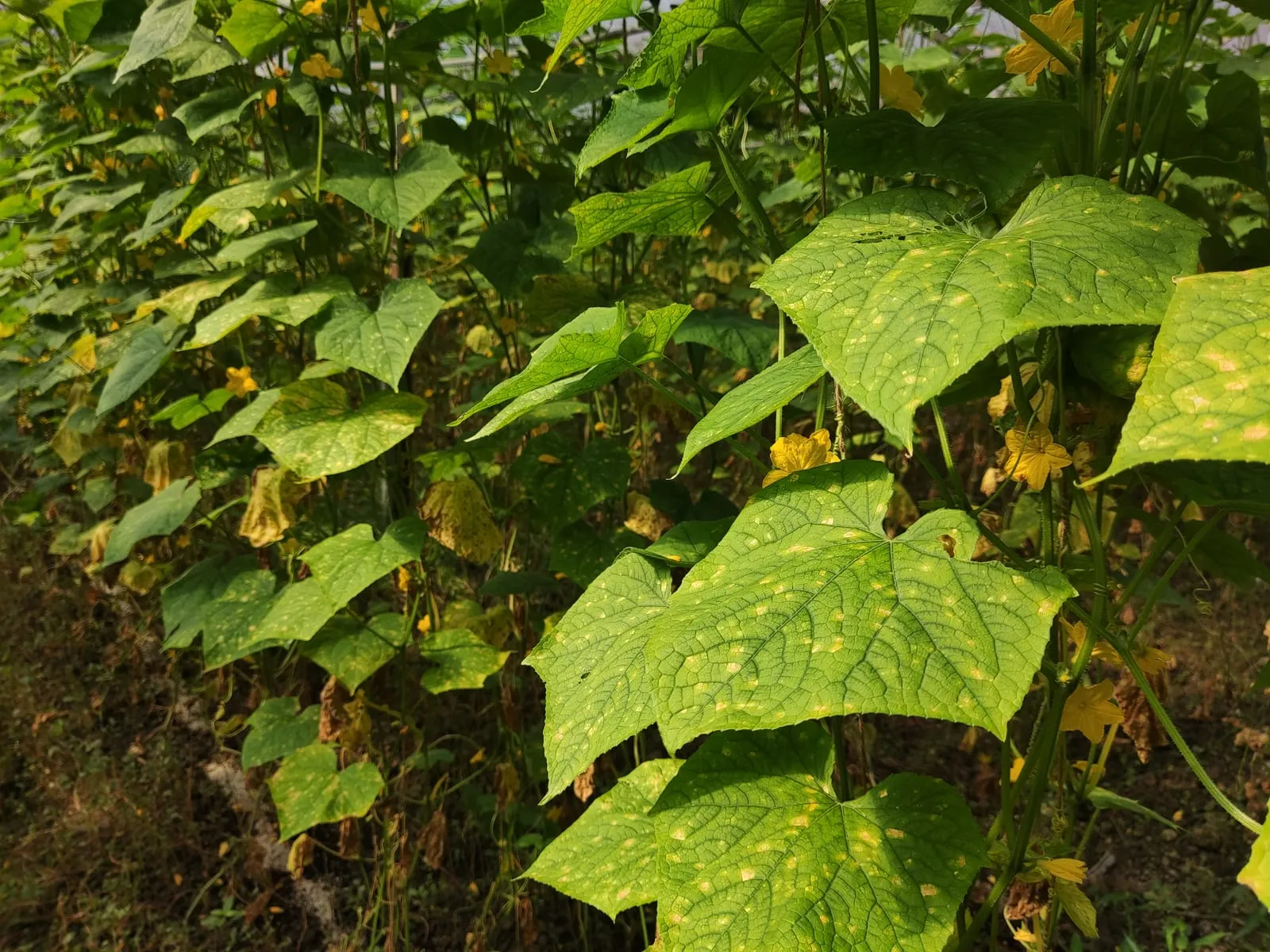
Pseudoperonospora cubensis (cucurbits) and others
Water mold (oomycete, not a true fungus) that thrives in cool damp conditions. Spreads rapidly through cucurbit and brassica plantings on wind-borne spores.
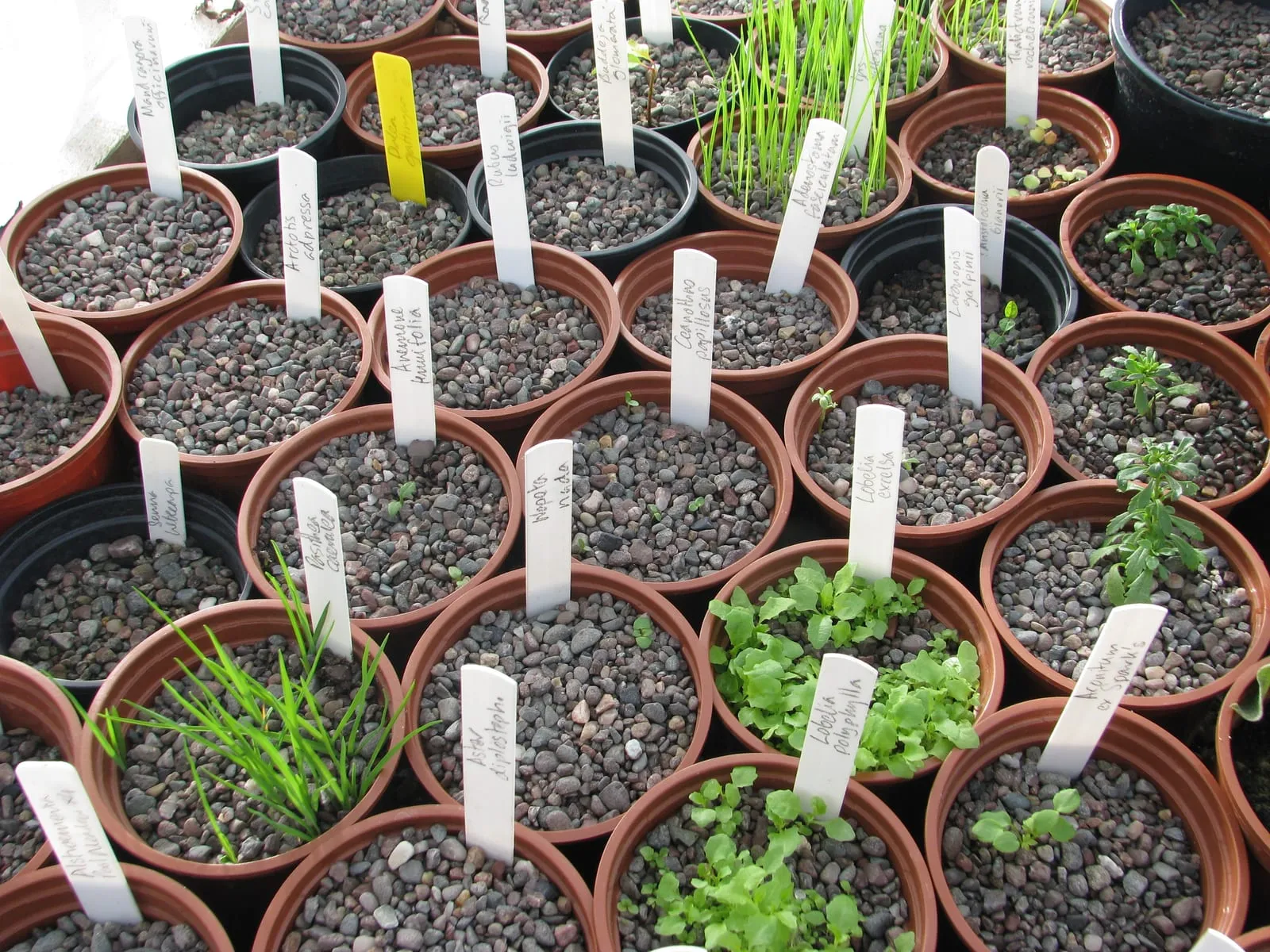
Pythium and Rhizoctonia species
Soil-borne complex of water molds and fungi that kill seedlings before or shortly after emergence. The single most common cause of seed-starting failures.
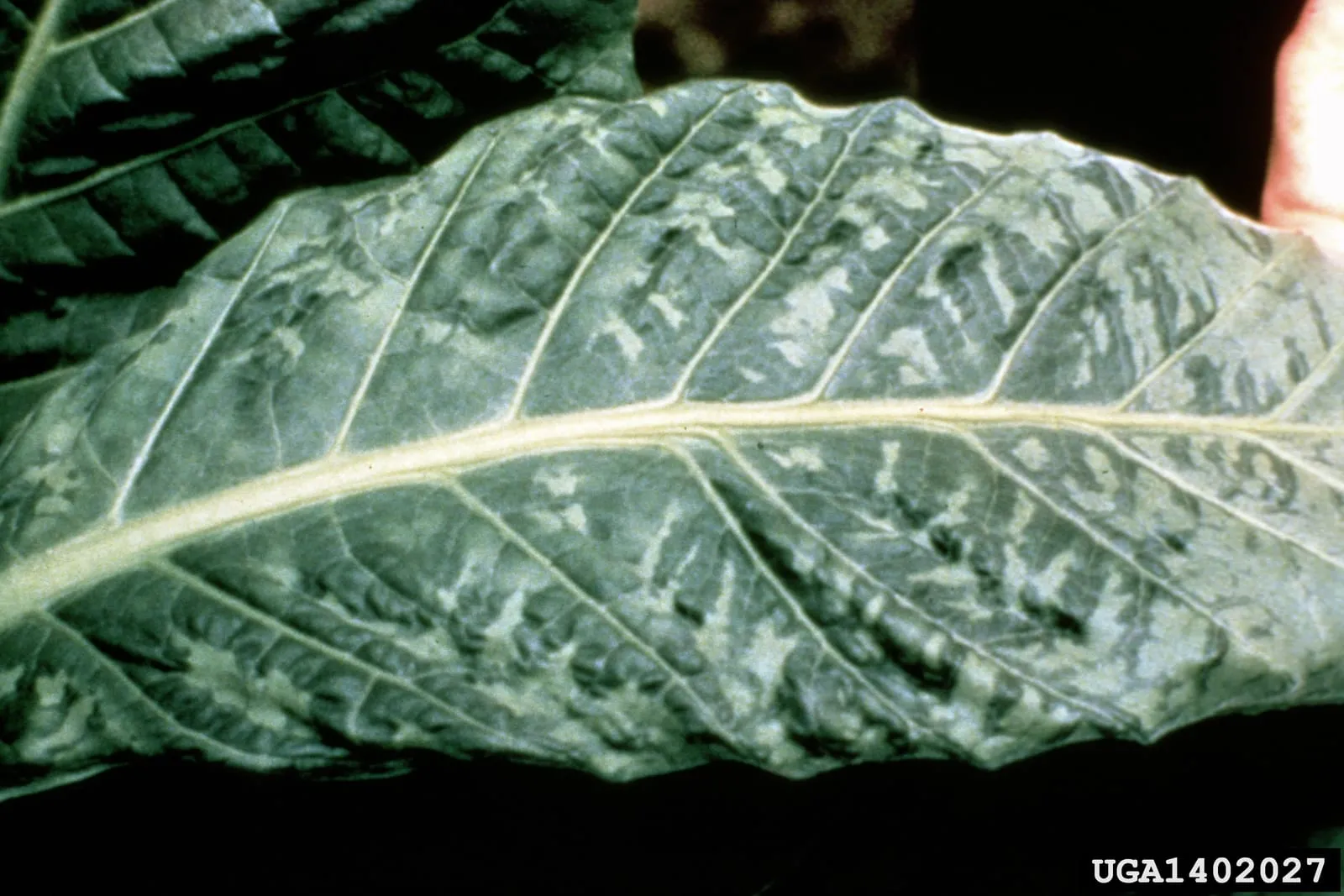
Cucumber mosaic virus, Tobacco mosaic virus, and others
Family of plant viruses producing mottled yellow-and-green leaf patterns. Vectored primarily by aphids; some are seed-transmitted or spread by handling tools and tobacco products.
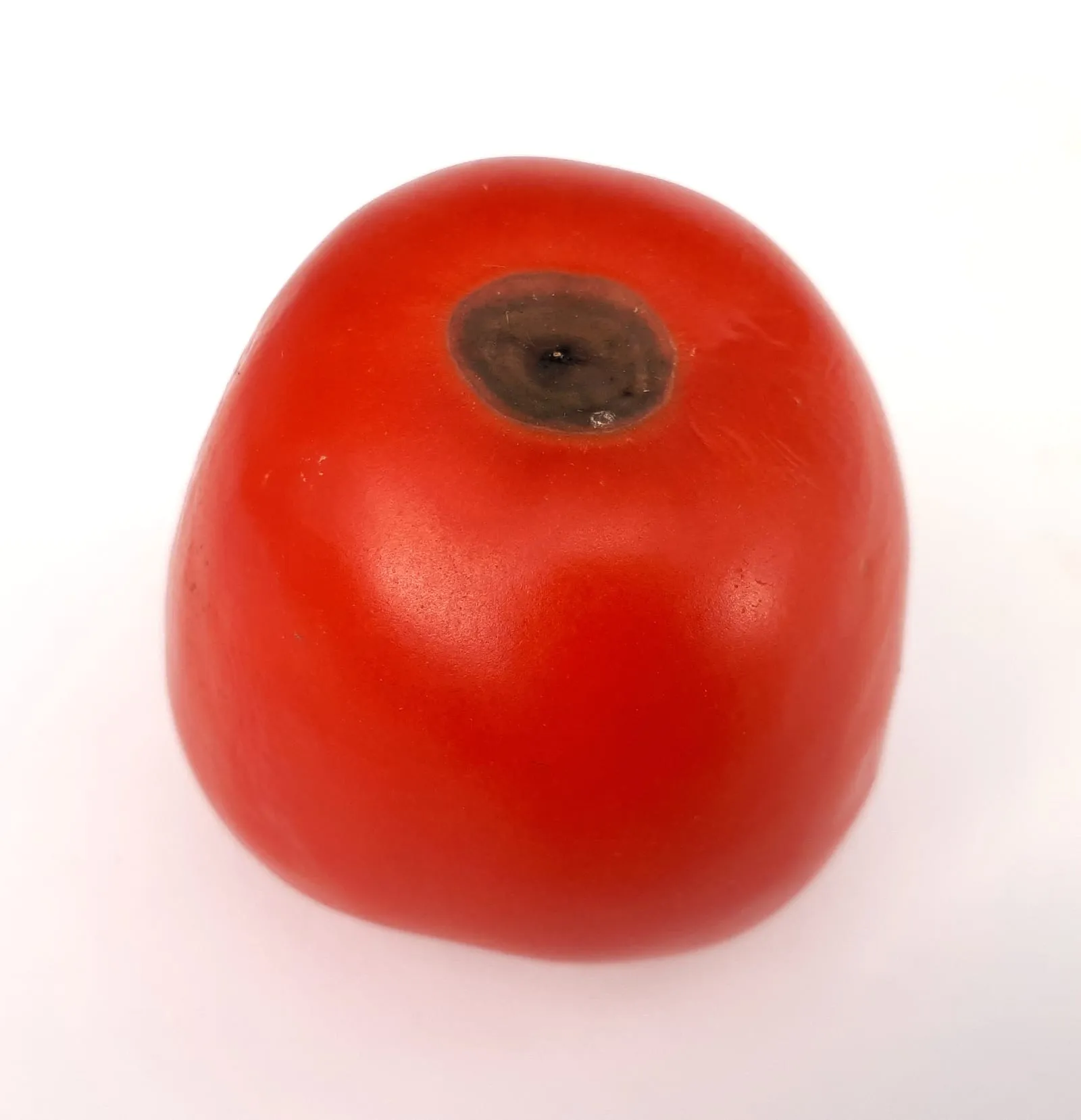
Calcium deficiency physiological disorder
Not a true disease but a calcium-uptake disorder caused by inconsistent soil moisture during fruit development. The dominant cause of damaged first-fruit on home tomato plantings.
Common pests
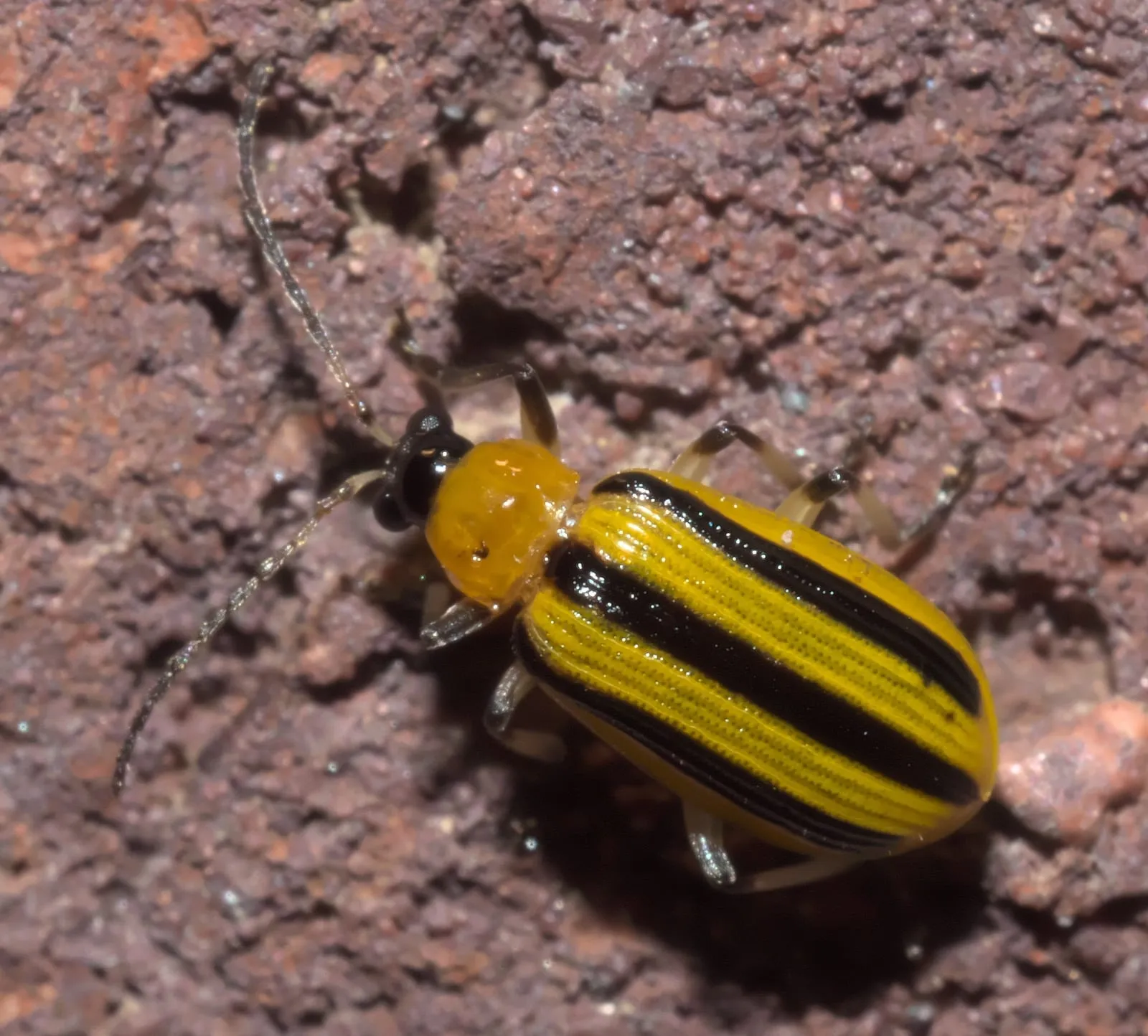
Acalymma vittatum (striped) and Diabrotica undecimpunctata (spotted)
Yellow-and-black beetles that feed on cucurbit foliage and flowers, but the bigger problem is that they vector bacterial wilt and cucumber mosaic virus.
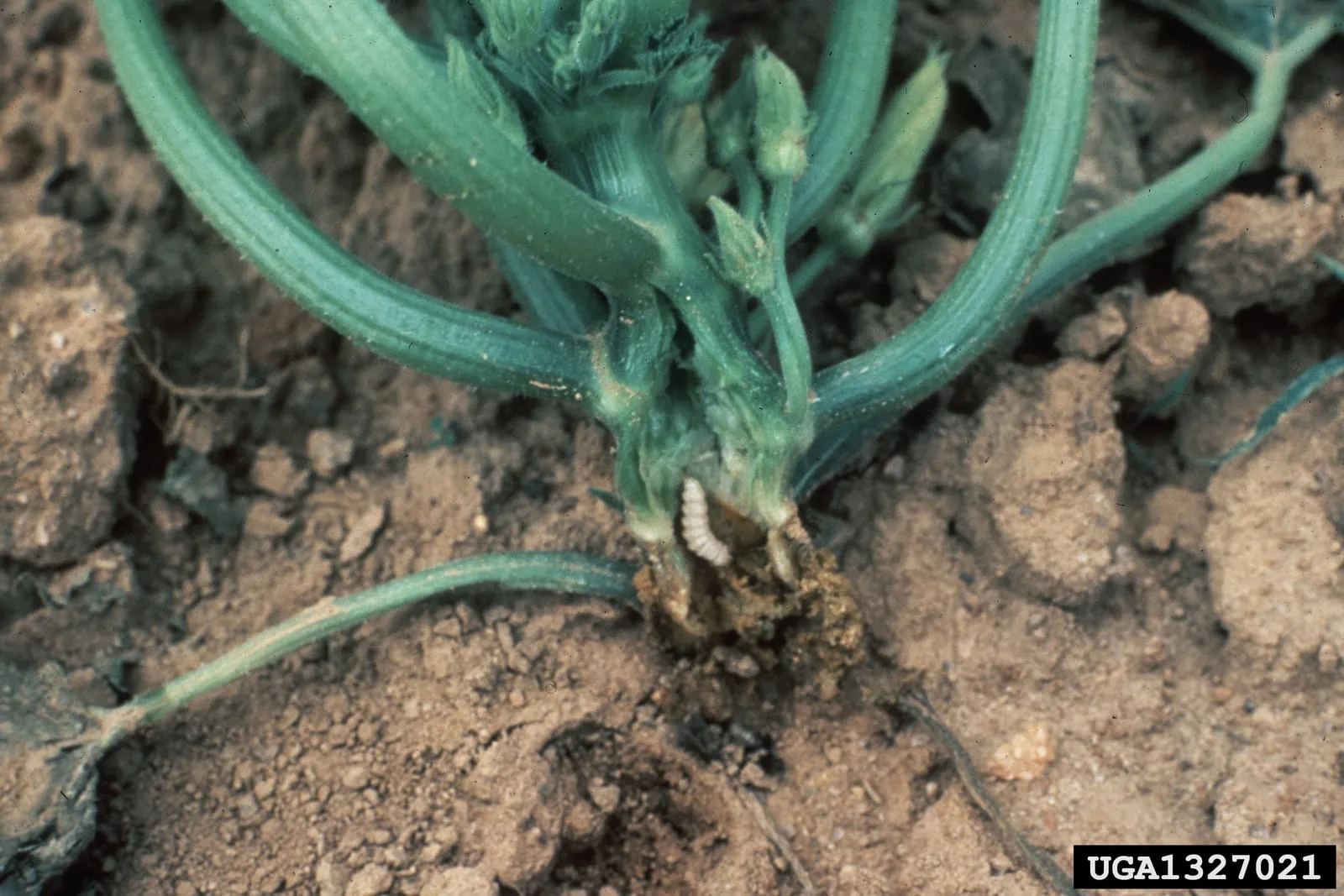
Melittia cucurbitae
Day-flying clearwing moth whose larvae bore into squash stems at the base and hollow them out, causing sudden wilting and plant death. The dominant squash killer east of the Rockies.
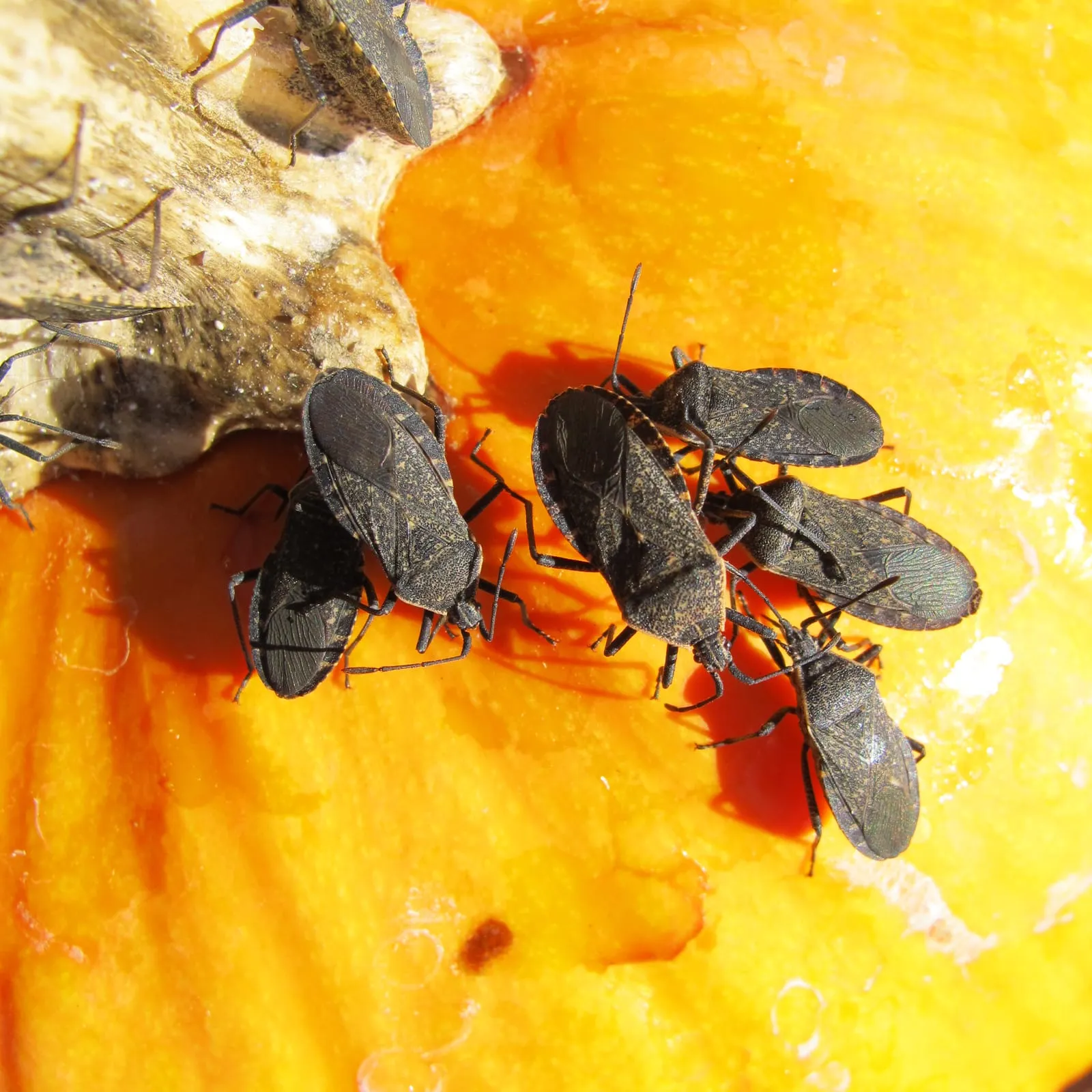
Anasa tristis
Brown shield-shaped bugs that feed on cucurbit foliage and fruit, causing wilting and fruit-quality damage. Transmit cucurbit yellow vine disease.
Common challenges
Squash vine borer is the single biggest production threat in the eastern United States. The adult moth lays eggs at the base of the stem in early summer; the larvae bore into the vine and kill it from the inside, often before visible symptoms appear. Row covers applied at transplant and removed only for pollination, combined with planting a second succession in midsummer to grow past peak adult moth activity, are the two most reliable management strategies. Chemical controls applied to the stem base can reduce damage if timed correctly, but mechanical exclusion is more consistent for home-scale plantings.
Powdery mildew appears on nearly every summer squash planting eventually, typically after the first heavy harvest flush, when older foliage begins showing the characteristic white coating. It rarely kills plants outright but reduces photosynthetic capacity and shortens the productive season. Wide plant spacing, drip irrigation instead of overhead watering, and selecting varieties with partial resistance all delay infection. Bicarbonate-based sprays applied at first sign provide modest protection.
Pollination failure causes more frustration than either pest or disease. Female flowers (identifiable by the small immature fruit at their base) that abort before sizing are almost always a pollination problem, not a nutrient or watering issue. Causes include insufficient bee activity, insecticide applications during bloom hours, or a male-heavy flower ratio early in the season. Early flowers are predominantly male; female flower frequency increases as the plant matures, and most pollination problems resolve without intervention once that balance shifts.
Companion plants
Frequently asked questions
- Does summer squash require chill hours?
No. Summer squash is a warm-season annual that requires no cold-dormancy period and no chill-hour accumulation. It needs warm soil (at least 60°F at planting depth) and a frost-free growing window of 45 to 60 days, not cold stratification.
- How many days does summer squash take to produce?
Most varieties begin producing harvest-ready fruit 45 to 60 days after transplanting or direct sowing. Compact bush types and early varieties such as Black Beauty Zucchini tend toward the lower end of that range. Exact timing shifts with soil temperature and zone.
- Which USDA zones can grow summer squash?
Summer squash grows across zones 3b through 10a. In the coldest zones the constraint is a frost-free window long enough to reach harvest. In zones 9b and 10a it is often grown as a spring or fall crop to avoid peak summer heat, which reduces fruit set.
- Does summer squash need pollinators to produce fruit?
Yes. Summer squash produces separate male and female flowers on the same plant and depends on bee activity to transfer pollen between them. Poor pollinator habitat, or insecticide applications during bloom, frequently causes female flowers to abort before sizing. Hand-pollination with a small brush is a practical backup when bee activity is low.
- What is the most common disease affecting summer squash?
Powdery mildew is the most widespread fungal disease, appearing as a white coating on foliage in mid to late season. It reduces yield and shortens the harvest window but rarely kills plants outright. Adequate plant spacing, drip irrigation, and resistant varieties reduce its impact.
- How often should summer squash be harvested?
Every two to three days during peak production. Fruit left to oversize signals the plant to reduce new flower set. For zucchini types, 6 to 8 inches is the standard harvest size. Consistent picking is one of the simplest ways to extend a planting's productive life by several weeks.
- What is squash vine borer, and how do home growers manage it?
Squash vine borer is a moth larva that bores into vine stems near the base, causing rapid wilt and plant death, primarily in the eastern United States. Row covers applied at transplant and removed only for pollination, and planting a midsummer succession to grow past peak adult moth activity, are the most reliable home-garden strategies.
+−
+−
+−
+−
+−
+−
+−
Sources
Image: "Cucurbita pepo Vilarromaris Oroso Galiza 2", by Lmbuga, via Wikimedia Commons, licensed under CC-BY. Source.

Summer Squash by zone
Related