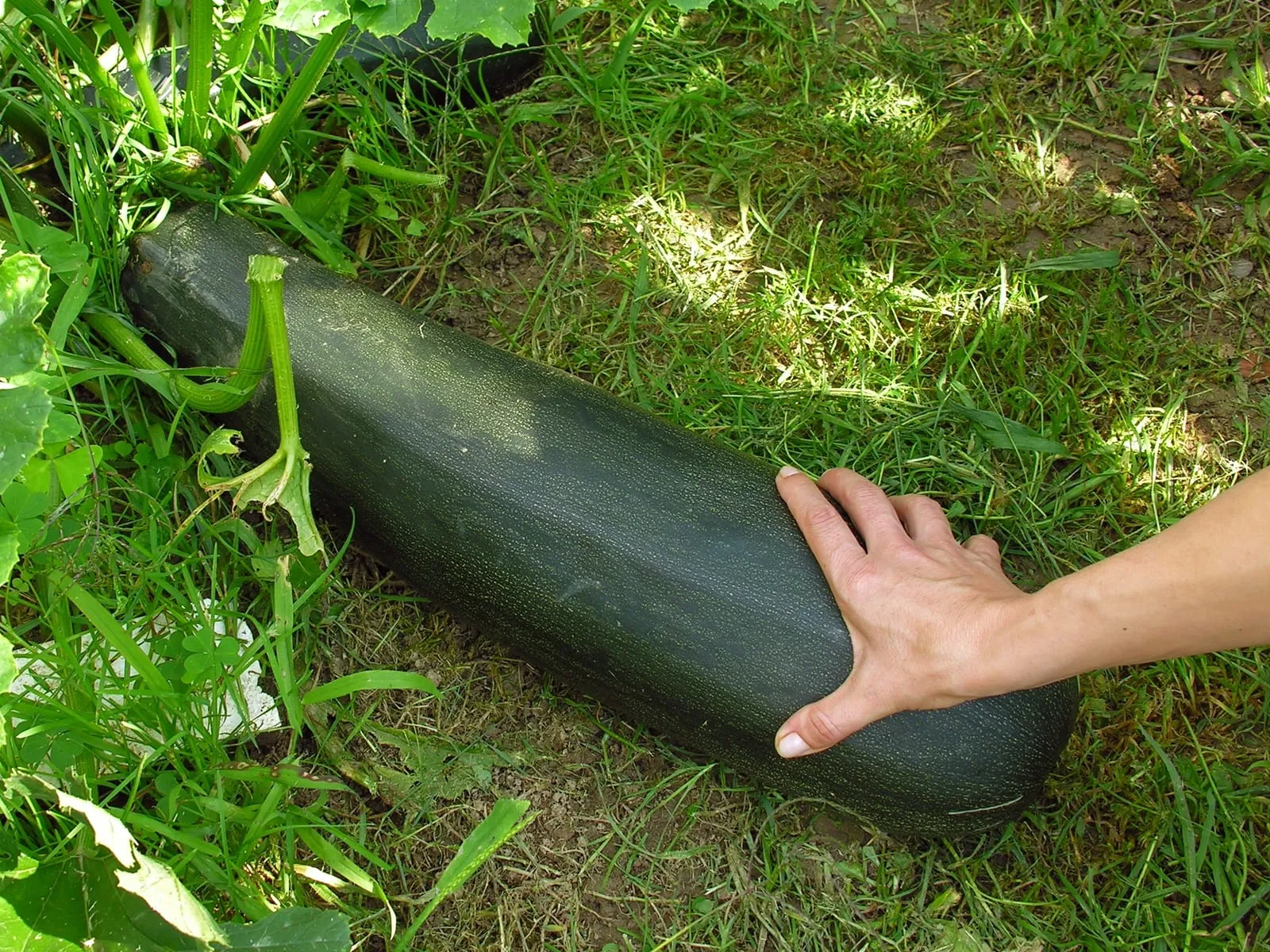
vegetable in zone 8b
Growing summer squash in zone 8b
Cucurbita pepo
- Zone
- 8b 15°F to 20°F
- Growing season
- 260 days
- Suitable varieties
- 3
- Days to harvest
- 45 to 60
The verdict
Summer squash is well-suited to zone 8b, sitting firmly in the crop's comfort zone rather than at its margins. Unlike stone fruits or apples, summer squash has no chill-hour requirement, so the zone's mild winters are irrelevant to its performance. The 260-day growing season supports two distinct production windows: a spring crop planted after last frost and a fall crop started in late summer once heat begins to ease.
The one zone-specific concern worth flagging is nematode pressure. Sandy soils common in zone 8b coastal plains and piedmont lowlands can harbor root-knot nematodes (Meloidogyne spp.), which stunt and eventually kill cucurbits. Growers on heavier clay or loam soils face less exposure, but those on light, sandy ground should treat nematode management as a routine part of squash production, not an afterthought. Summer squash varieties, including Black Beauty Zucchini, Yellow Crookneck, and Costata Romanesco, offer no meaningful nematode resistance; site rotation and soil management are the primary tools available.
Recommended varieties for zone 8b
3 cultivars suited to this zone, with disease-resistance and zone-fit annotations.
| Variety | Notes | Zone fit | Disease resistance |
|---|---|---|---|
| Black Beauty Zucchini fits zone 8b | Mild, tender, classic dark green zucchini; the home-garden standard. Sauteing, grilling, breads, pasta. Heritage open-pollinated, prolific (almost too prolific). | | none noted |
| Yellow Crookneck fits zone 8b | Mild, buttery, slightly sweet; bright yellow curved-neck heritage Southern squash. Sauteing, casseroles, fritters. Less watery than zucchini, more flavor. | | none noted |
| Costata Romanesco fits zone 8b | Nutty, dense, exceptional flavor for a summer squash; Italian heirloom with deeply ribbed pale-green fruit. Slicing for grills, raw on salads, sauteing. | | none noted |
Critical timing for zone 8b
In zone 8b, the average last spring frost falls between late February and mid-March depending on specific location. Direct sowing or transplanting can begin as early as early March once soil temperatures reach 60°F consistently. Under these conditions, first harvest typically arrives in late April to May, roughly 50 to 60 days after planting.
Peak summer heat (daytime highs above 95°F from late June through August) can suppress fruit set as plants reduce pollination activity under heat stress. A second planting made in mid- to late August takes advantage of cooling fall temperatures and typically runs productively through October or into November before the first frost, which arrives on average in late November to early December in zone 8b.
Common challenges in zone 8b
- ▸ Low chill hours limit apple variety selection
- ▸ Citrus greening risk
- ▸ Nematodes in sandy soils
Disease pressure to watch for
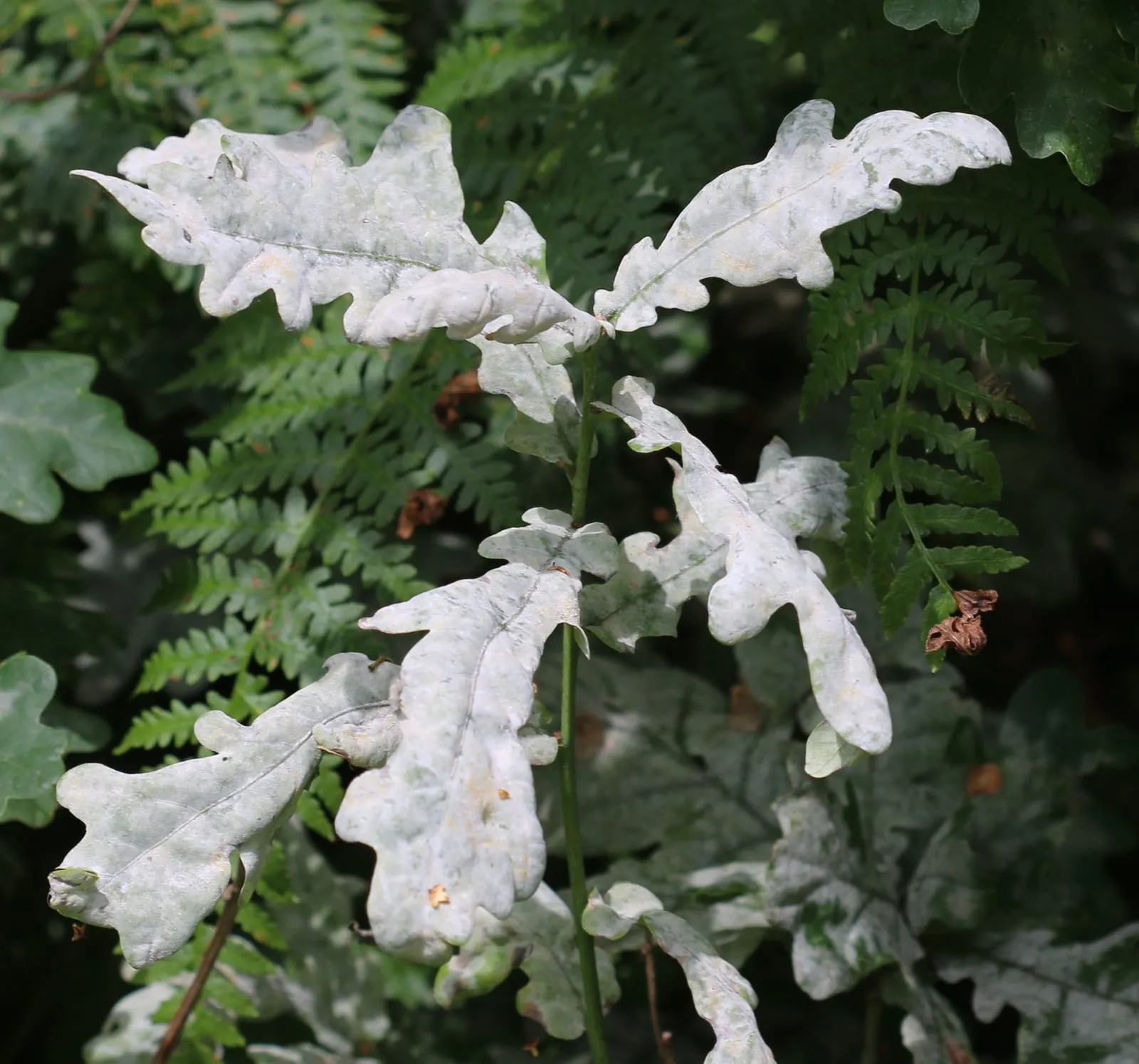
Multiple species (Erysiphales)
Surface-feeding fungal disease producing white powdery growth on leaves and stems. Reduces yield by stealing photosynthate and accelerating senescence.
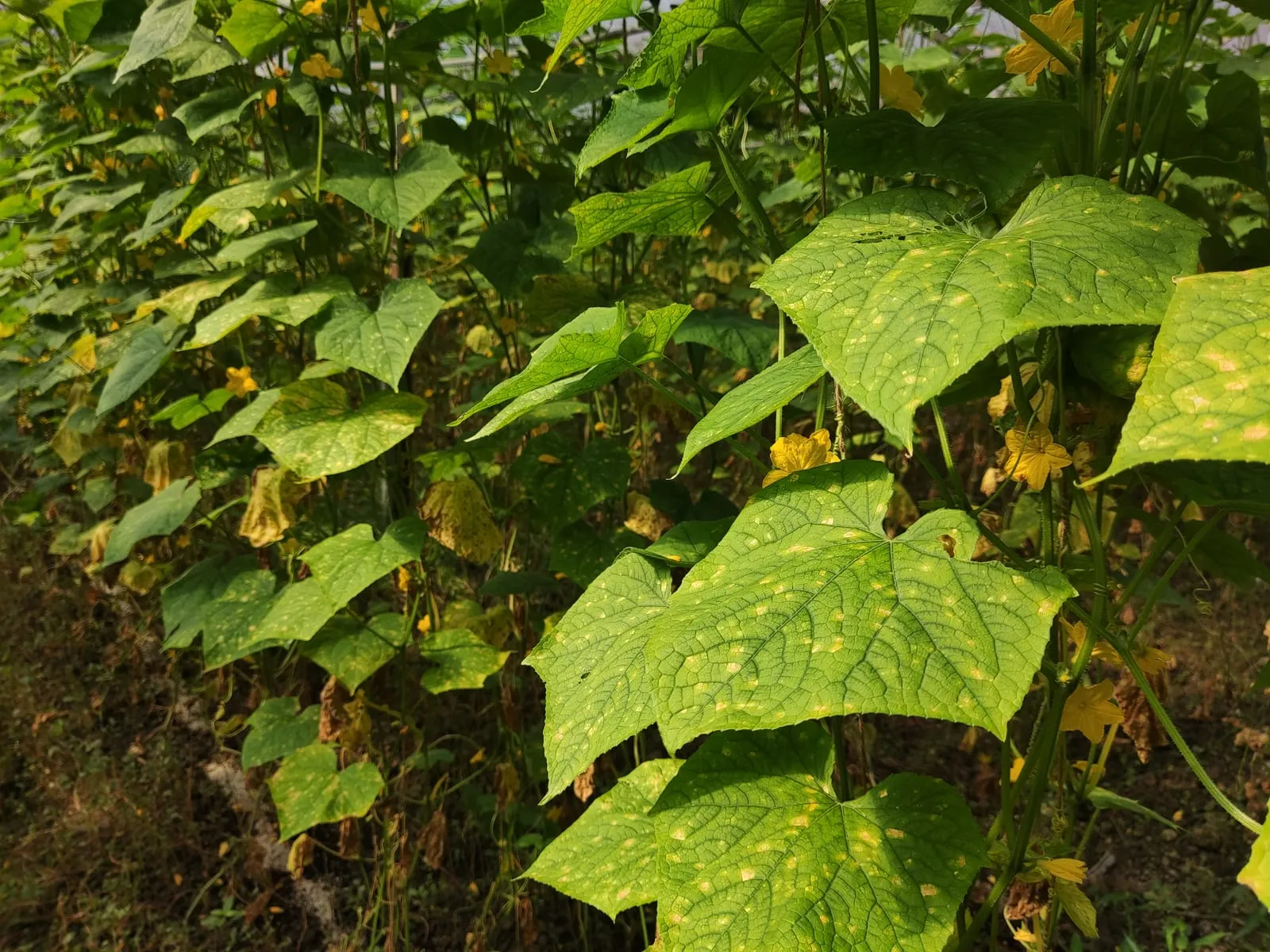
Pseudoperonospora cubensis (cucurbits) and others
Water mold (oomycete, not a true fungus) that thrives in cool damp conditions. Spreads rapidly through cucurbit and brassica plantings on wind-borne spores.
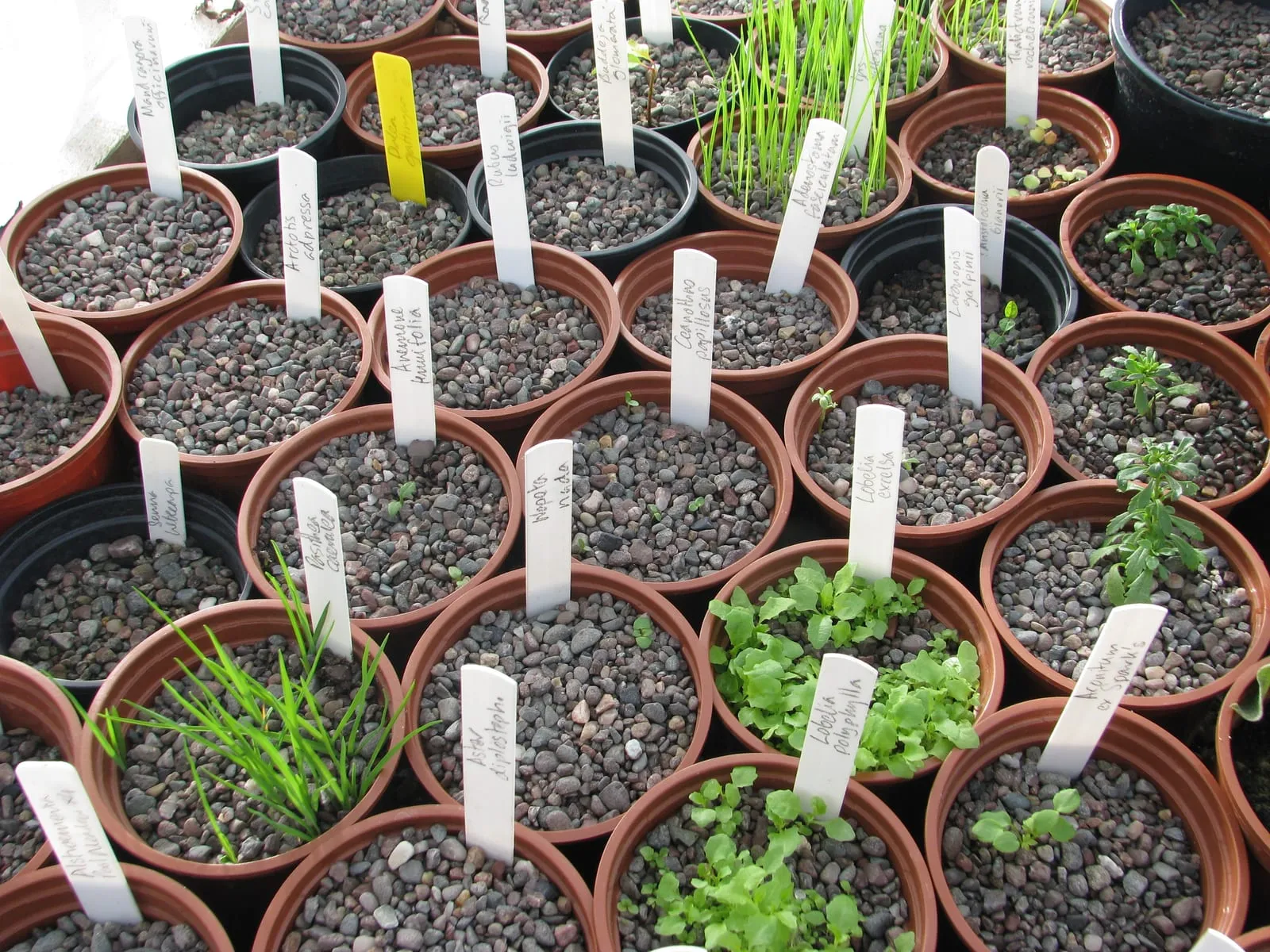
Pythium and Rhizoctonia species
Soil-borne complex of water molds and fungi that kill seedlings before or shortly after emergence. The single most common cause of seed-starting failures.
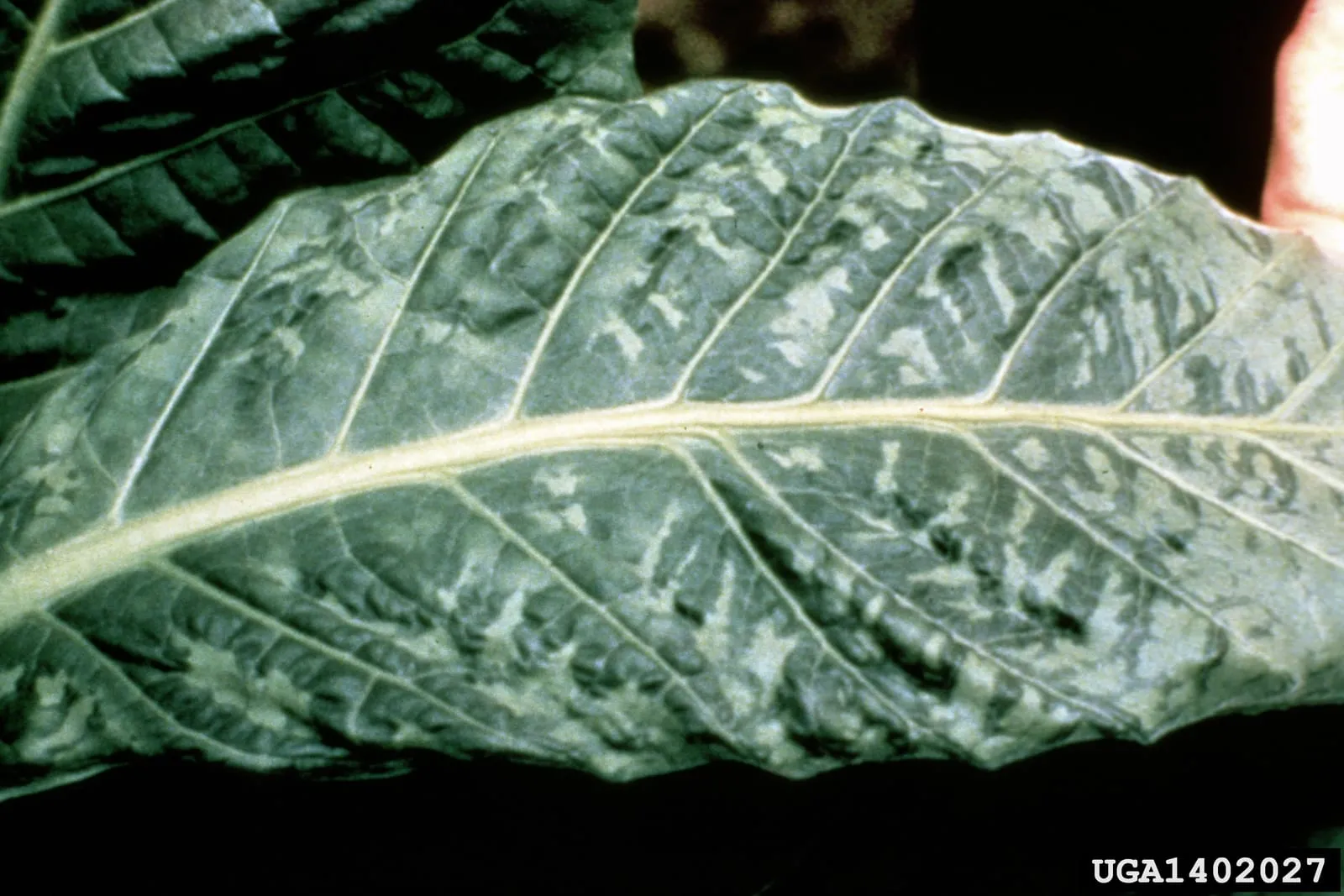
Cucumber mosaic virus, Tobacco mosaic virus, and others
Family of plant viruses producing mottled yellow-and-green leaf patterns. Vectored primarily by aphids; some are seed-transmitted or spread by handling tools and tobacco products.
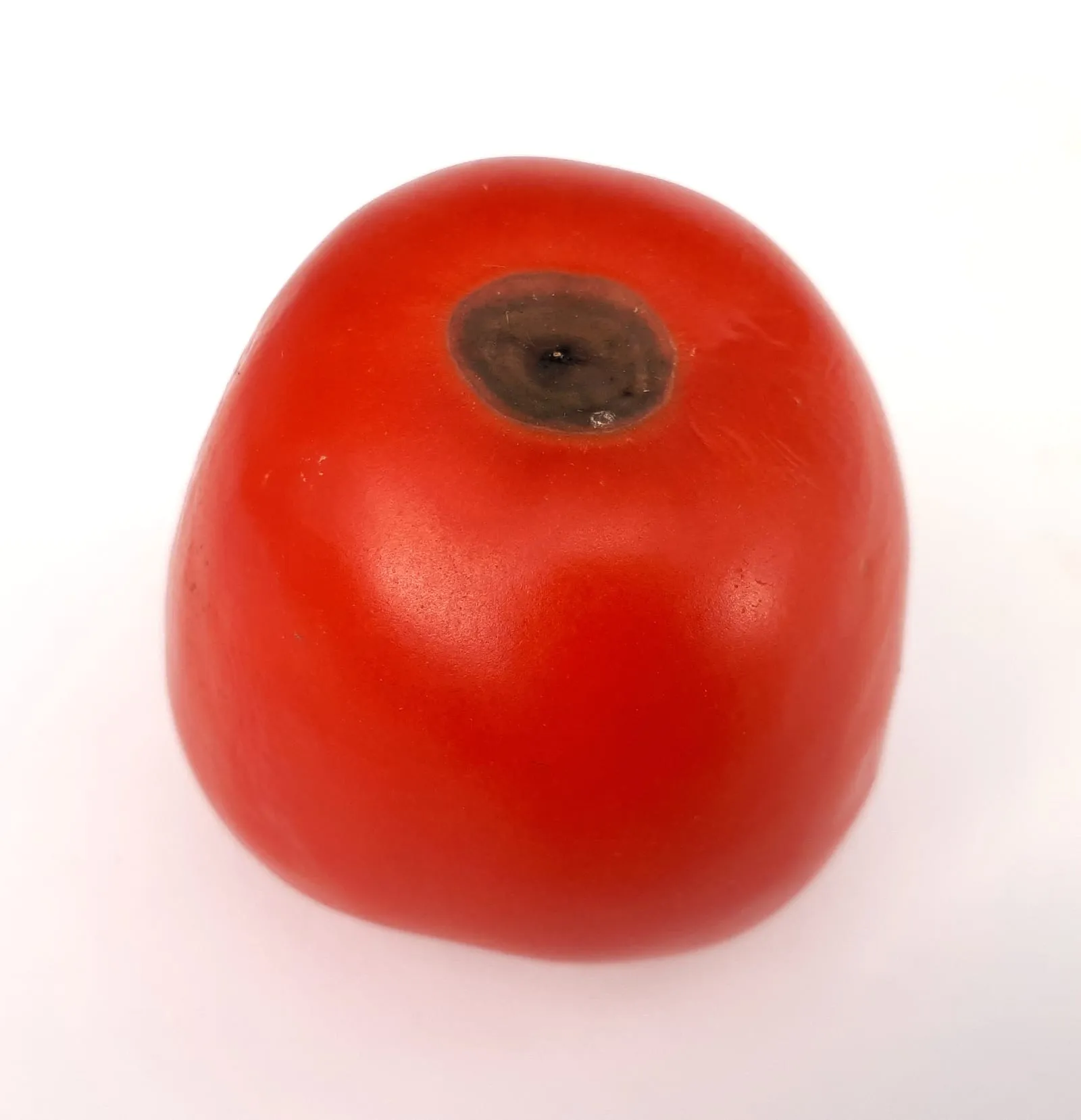
Calcium deficiency physiological disorder
Not a true disease but a calcium-uptake disorder caused by inconsistent soil moisture during fruit development. The dominant cause of damaged first-fruit on home tomato plantings.
Modified care for zone 8b
The main adjustment in zone 8b is managing the mid-summer production gap. When daytime temperatures exceed 95°F consistently, fruit set drops and plants become more susceptible to powdery mildew as stressed tissue loses resistance. Keeping soil consistently moist without waterlogging helps maintain plant vigor during heat peaks; mulching with 3 to 4 inches of straw or wood chips limits soil temperature fluctuation and reduces moisture loss between irrigations.
Powdery mildew and downy mildew both escalate in late summer as humidity rises after afternoon storms; weekly inspection starting in August allows early intervention before infections establish. On sandy, nematode-prone soils, rotating squash plots on a three-year cycle with non-host crops (corn, small grains, or brassicas) is the most practical long-term management strategy. Solarizing fallow beds during July or August, when soil temperatures peak, provides additional nematode suppression before fall planting.
Summer Squash in adjacent zones
Image: "Cucurbita pepo Vilarromaris Oroso Galiza 2", by Lmbuga, via Wikimedia Commons, licensed under CC-BY Source.

Related