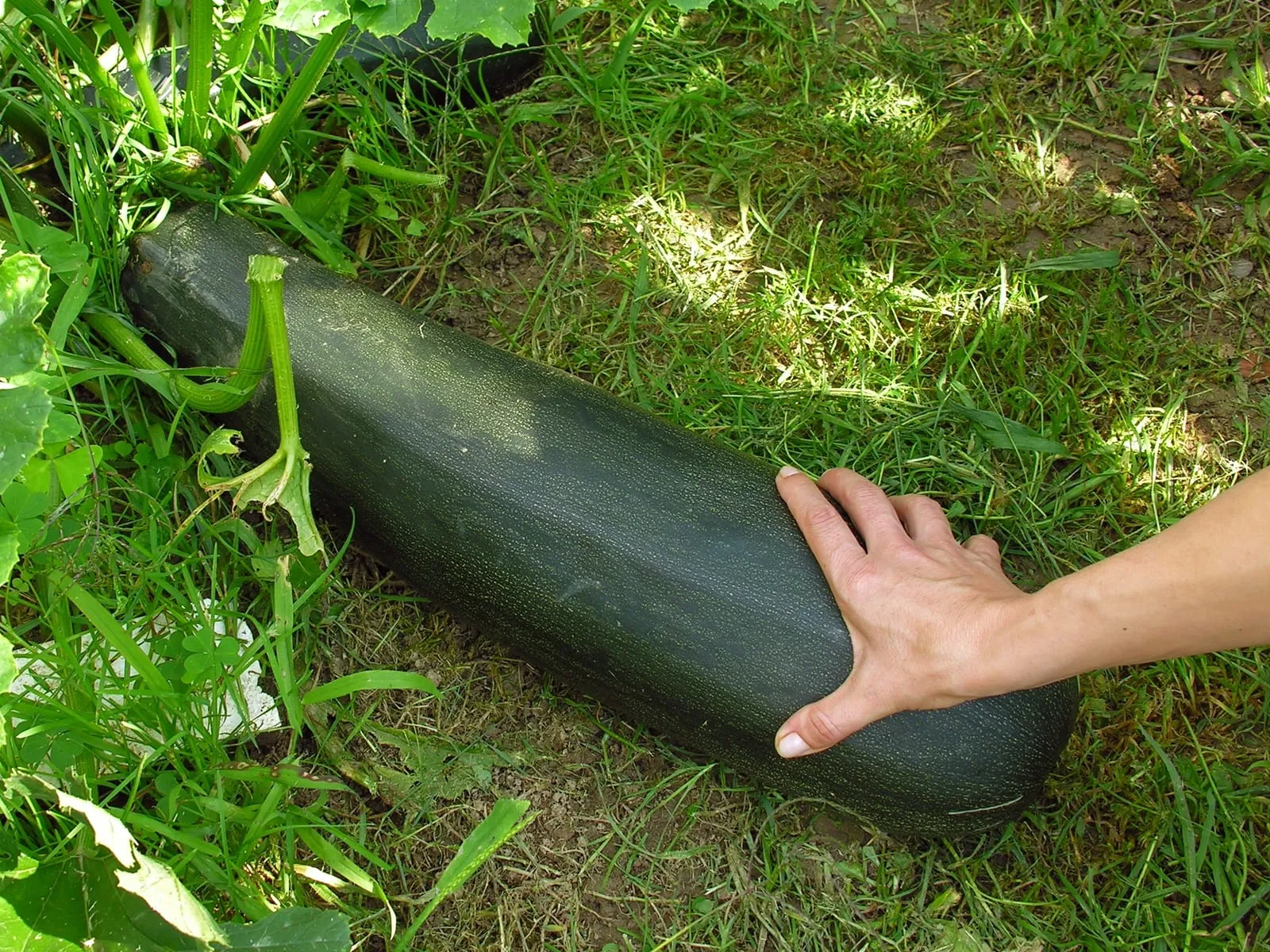
vegetable in zone 9a
Growing summer squash in zone 9a
Cucurbita pepo
- Zone
- 9a 20°F to 25°F
- Growing season
- 290 days
- Suitable varieties
- 0
- Days to harvest
- 45 to 60
The verdict
Summer squash is a warm-season annual with no chill-hour requirement, which makes zone 9a a genuine sweet spot rather than a marginal case. The 290-day growing season allows two full production cycles per year, spring and fall, with warm soil temperatures supporting rapid germination and vigorous growth from late winter onward. Heat tolerance is built into the crop; the concern in zone 9a is not cold damage but managing peak summer temperatures above 95°F, which can reduce fruit set even on otherwise healthy plants. Direct sowing is feasible once soil temperatures reach 60°F, typically by late February in most zone 9a locations. The combination of a long frost-free window, reliable heat accumulation, and minimal cold risk places this crop well within its preferred range. Growers in zone 9a can expect consistently productive seasons with the right planting timing.
Critical timing for zone 9a
Spring plantings go in between late February and mid-March, once nighttime temperatures stay consistently above 50°F. First harvests follow 50 to 65 days after seeding, placing peak spring production in late April through June. A fall succession planted in late August carries through October and into November before the first light frosts arrive, typically in late November to December in zone 9a. The window to avoid is July through mid-August, when daytime highs regularly exceed 95°F and fruit set becomes erratic. Planning around this midsummer gap, rather than fighting through it, produces more consistent yields than attempting continuous production through peak heat.
Common challenges in zone 9a
- ▸ Limited stone fruit options due to insufficient chill
- ▸ Hurricane and tropical storm exposure
- ▸ Citrus disease pressure
Disease pressure to watch for
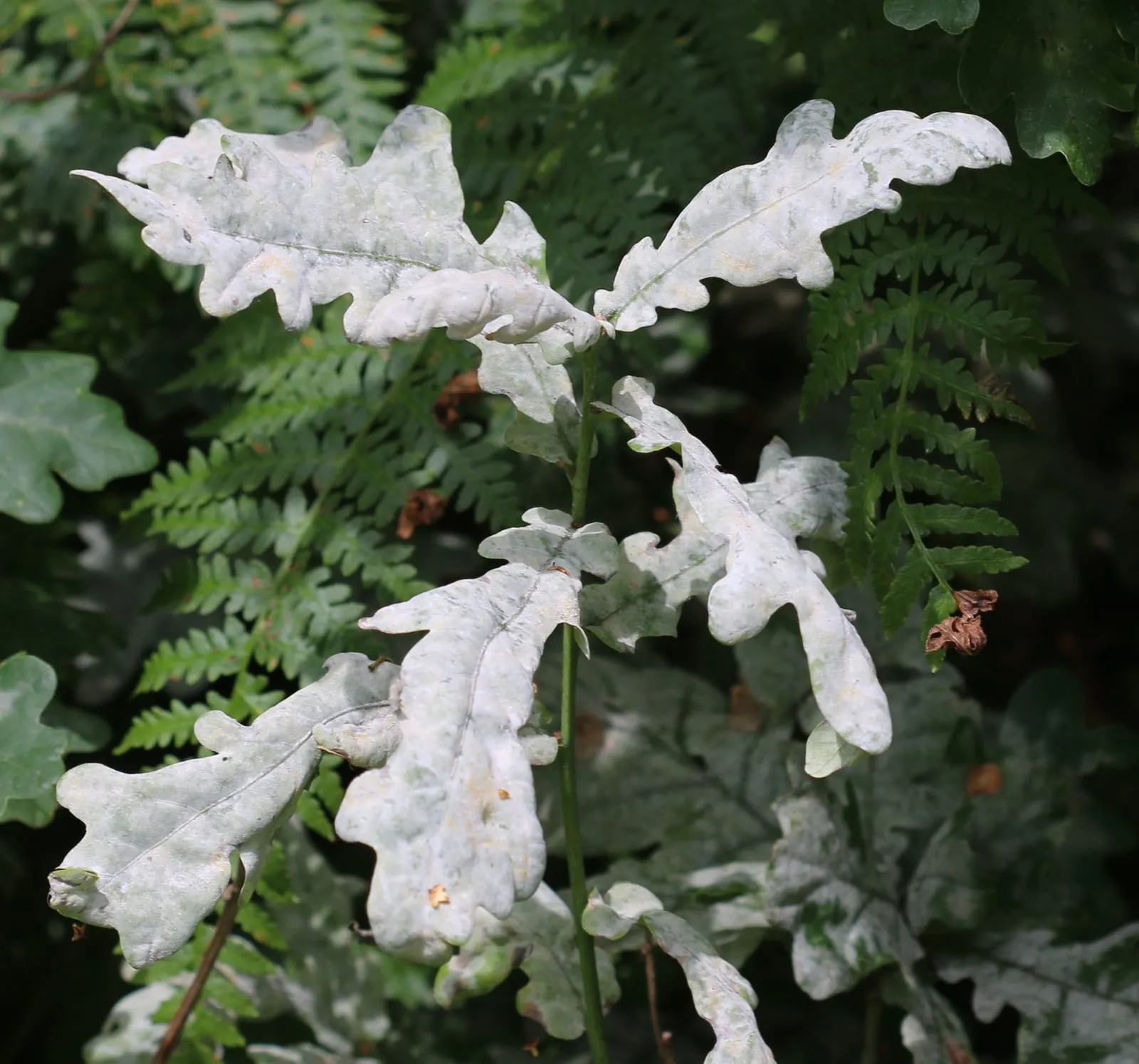
Multiple species (Erysiphales)
Surface-feeding fungal disease producing white powdery growth on leaves and stems. Reduces yield by stealing photosynthate and accelerating senescence.
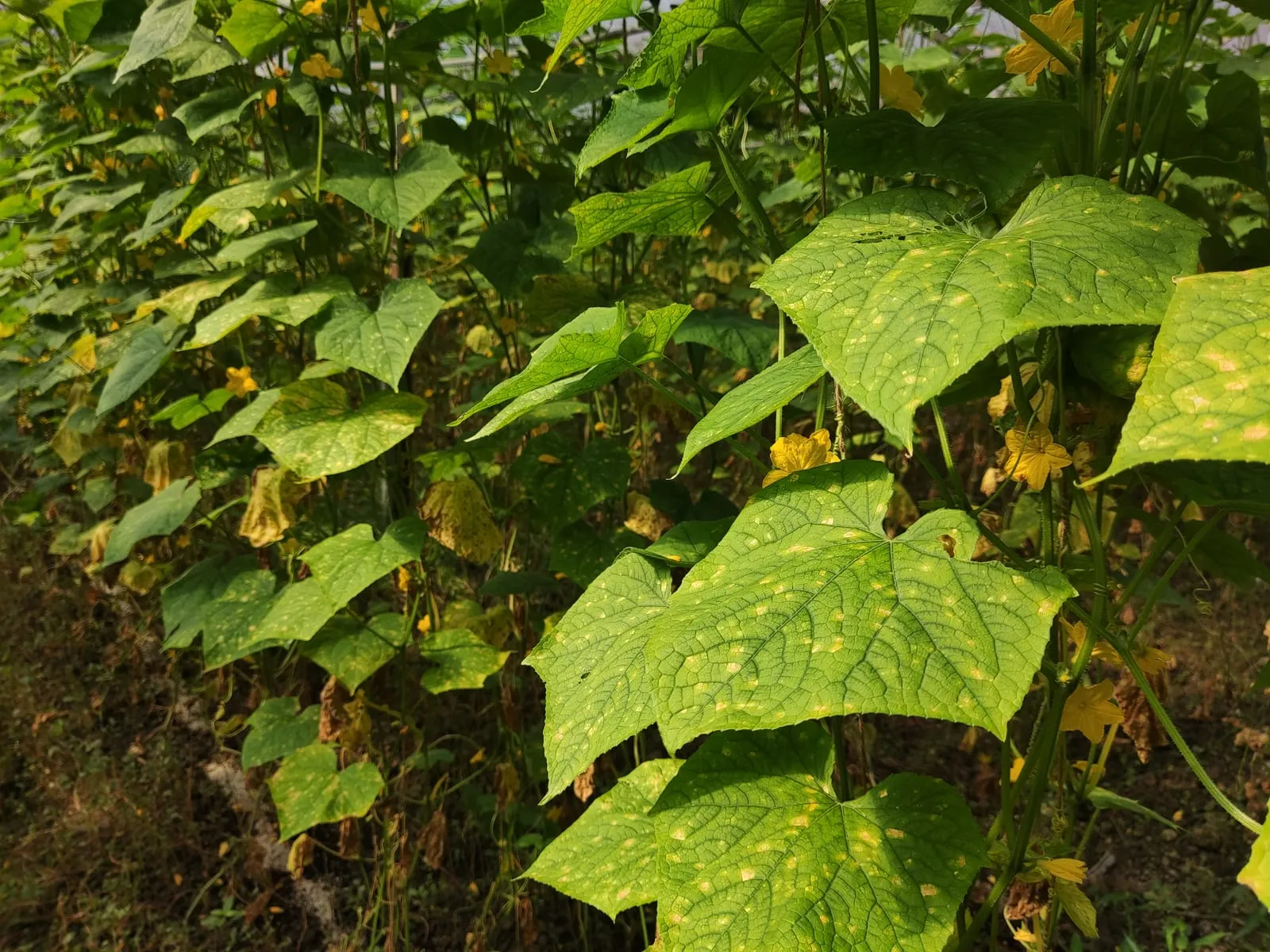
Pseudoperonospora cubensis (cucurbits) and others
Water mold (oomycete, not a true fungus) that thrives in cool damp conditions. Spreads rapidly through cucurbit and brassica plantings on wind-borne spores.
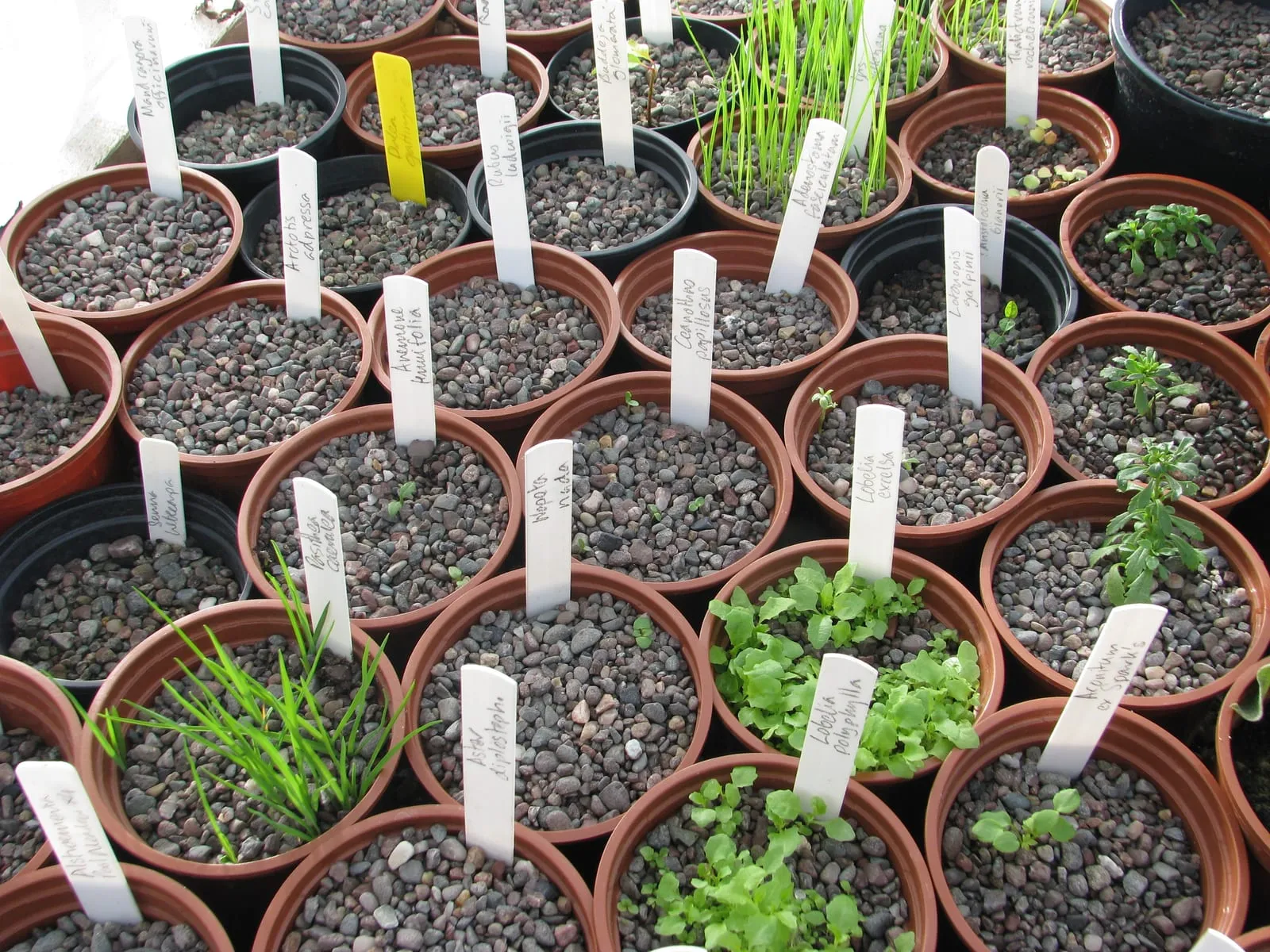
Pythium and Rhizoctonia species
Soil-borne complex of water molds and fungi that kill seedlings before or shortly after emergence. The single most common cause of seed-starting failures.
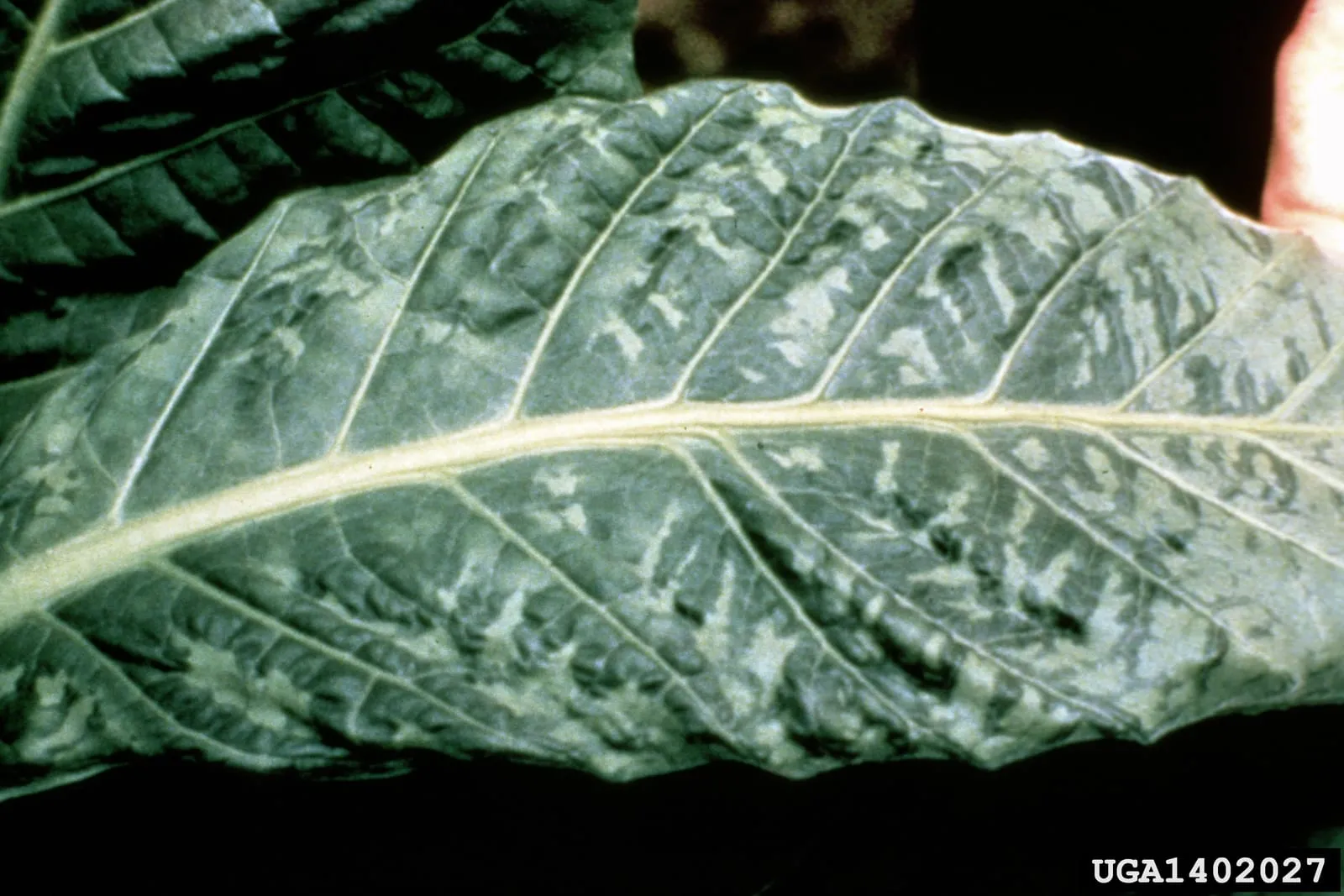
Cucumber mosaic virus, Tobacco mosaic virus, and others
Family of plant viruses producing mottled yellow-and-green leaf patterns. Vectored primarily by aphids; some are seed-transmitted or spread by handling tools and tobacco products.
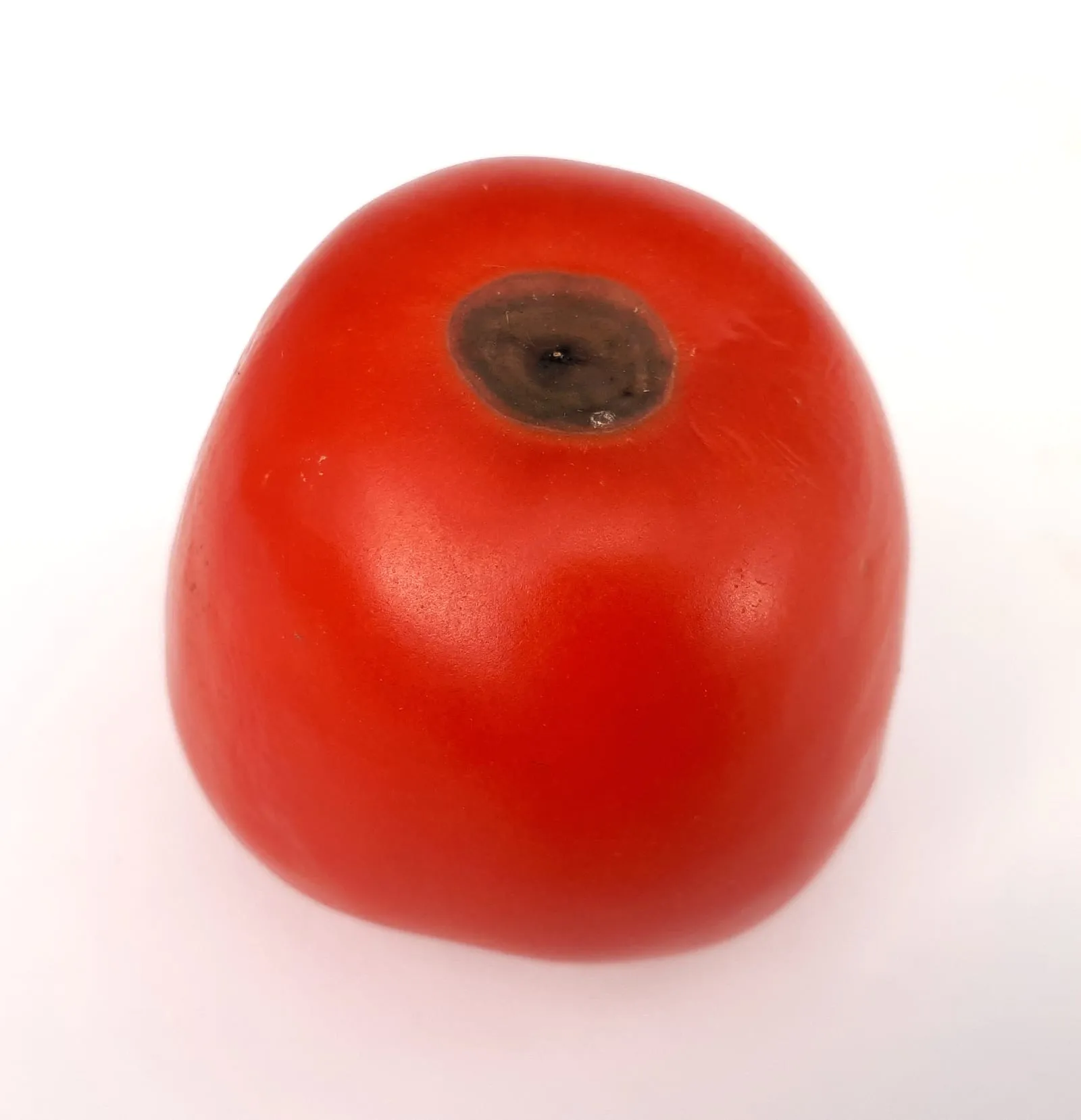
Calcium deficiency physiological disorder
Not a true disease but a calcium-uptake disorder caused by inconsistent soil moisture during fruit development. The dominant cause of damaged first-fruit on home tomato plantings.
Modified care for zone 9a
The primary disease adjustments in zone 9a center on powdery mildew and downy mildew, both of which accelerate in the warm, humid conditions typical of late spring and early fall. Drip irrigation rather than overhead watering reduces leaf wetness and slows downy mildew spread. Spacing plants 3 to 4 feet apart in rows improves airflow and limits powdery mildew establishment. Selecting varieties with published resistance ratings is worth prioritizing when available; those ratings are generally derived from controlled trial data and hold reasonably well in field conditions. In coastal zone 9a areas, hurricane and tropical storm exposure during the fall planting cycle is a real risk; compact bush-type varieties sustain less wind damage than sprawling or semi-vine types. No winter protection is needed for fall crops, but plants exhausted by heat stress rarely recover productivity and are better replaced with a fresh fall succession.
Frequently asked questions
- Can summer squash be grown year-round in zone 9a?
Near year-round production is possible with two successions: spring (February to June) and fall (August to November). Midsummer planting from late June through early August is generally not worth the effort, as fruit set drops sharply when daytime highs consistently exceed 95°F.
- Why does summer squash stop producing in zone 9a summers?
Extreme heat above 95°F impairs pollen viability and reduces pollinator activity during the hottest part of the day. The plants remain alive but set little fruit until temperatures moderate. This is a physiological response to heat stress, not a disease or pest problem.
- How do you manage powdery mildew on summer squash in zone 9a?
Wide spacing for airflow, drip rather than overhead irrigation, and prompt removal of heavily infected leaves are the core practices. Resistant varieties reduce but rarely eliminate pressure in warm, humid conditions. Sulfur-based fungicides are effective if applied before heavy infection establishes.
+−
+−
+−
Summer Squash in adjacent zones
Image: "Cucurbita pepo Vilarromaris Oroso Galiza 2", by Lmbuga, via Wikimedia Commons, licensed under CC-BY Source.

Related