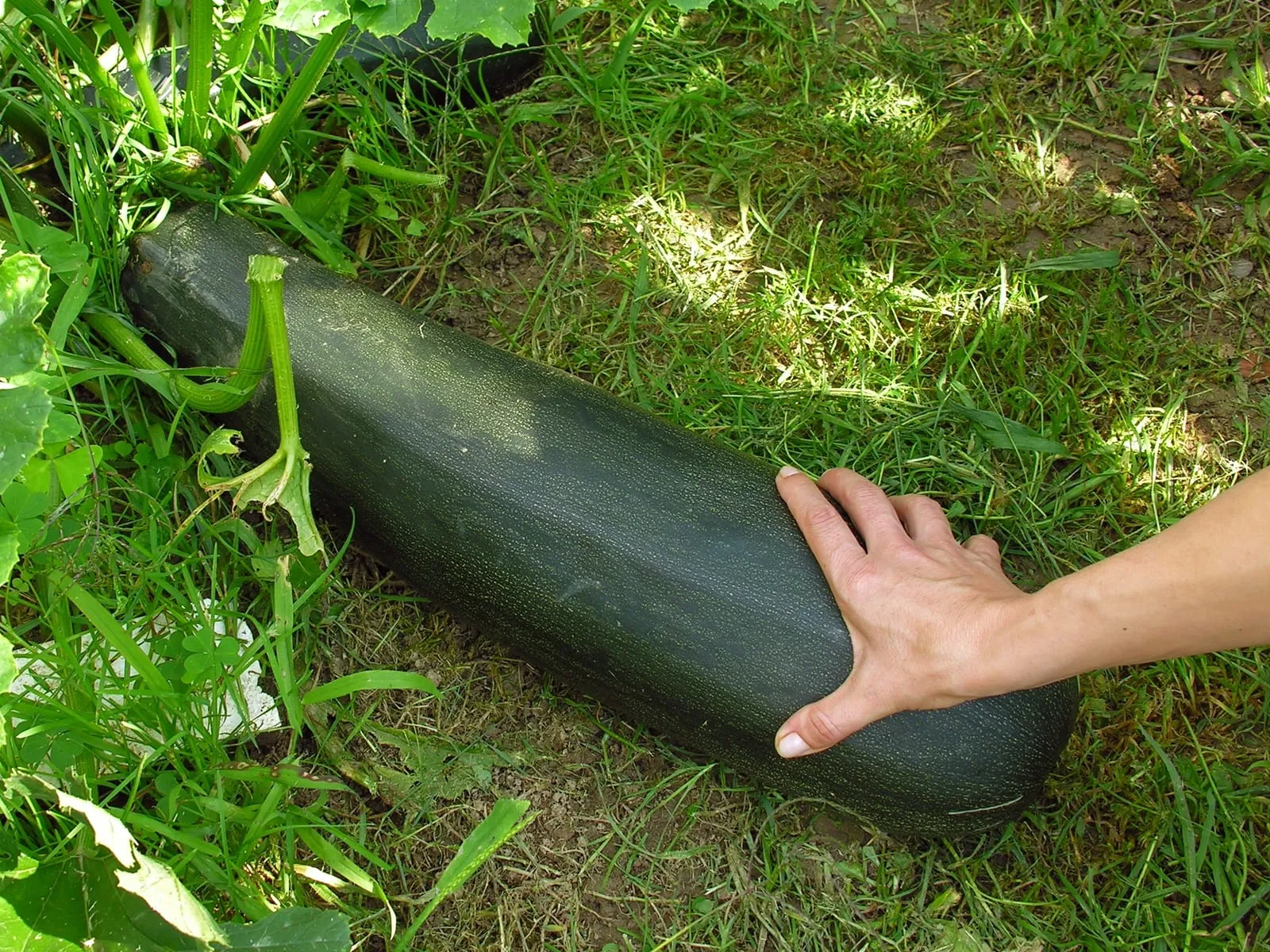
vegetable in zone 9b
Growing summer squash in zone 9b
Cucurbita pepo
- Zone
- 9b 25°F to 30°F
- Growing season
- 310 days
- Suitable varieties
- 0
- Days to harvest
- 45 to 60
The verdict
Summer squash is a warm-season annual with no chill-hour requirement, so zone 9b's winter minimum temperatures of 25 to 30°F are largely irrelevant to crop performance. The 310-day growing season is the more meaningful figure: it enables two full crops per year, a spring run and a fall run, with the hottest summer weeks intentionally left fallow. Zone 9b sits comfortably within the sweet spot for summer squash production, not a marginal situation.
The genuine constraint is peak-summer heat stress. Sustained daytime temperatures above 95°F reduce fruit set as pollen viability drops, so plantings timed to mature before July or resume after August consistently outperform those that peak mid-summer. Coastal growers dealing with salt spray may see minor leaf edge scorch, but summer squash tolerates that stress better than most brassicas or fruiting trees.
Critical timing for zone 9b
Last frost in zone 9b typically falls between late January and mid-February, enabling direct sowing or transplanting by late February or early March. Squash planted then reaches harvest size in 50 to 65 days, putting first harvests in late April through May. That window avoids the worst summer heat.
A second planting in late August or early September matures through October and November before frost threatens again. Bloom typically opens 40 to 50 days after germination; in zone 9b that places spring bloom in April and fall bloom in October, both periods coinciding with active pollinator populations. Planting during June or July is possible but fruit set suffers when daytime temperatures exceed 95°F for consecutive days.
Common challenges in zone 9b
- ▸ Heat stress in summer
- ▸ Insufficient chill for most apples
- ▸ Salt spray near coasts
Disease pressure to watch for
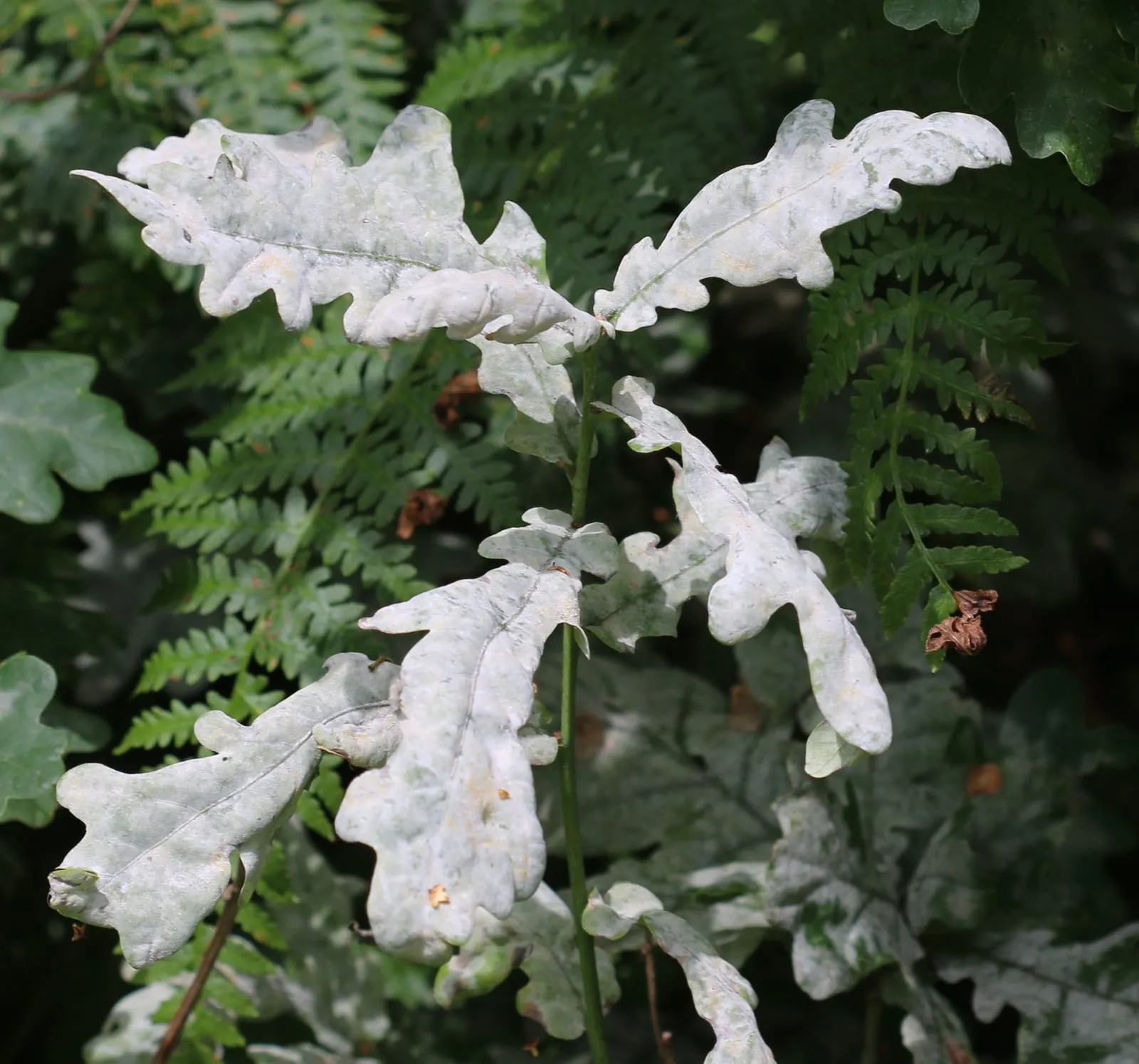
Multiple species (Erysiphales)
Surface-feeding fungal disease producing white powdery growth on leaves and stems. Reduces yield by stealing photosynthate and accelerating senescence.
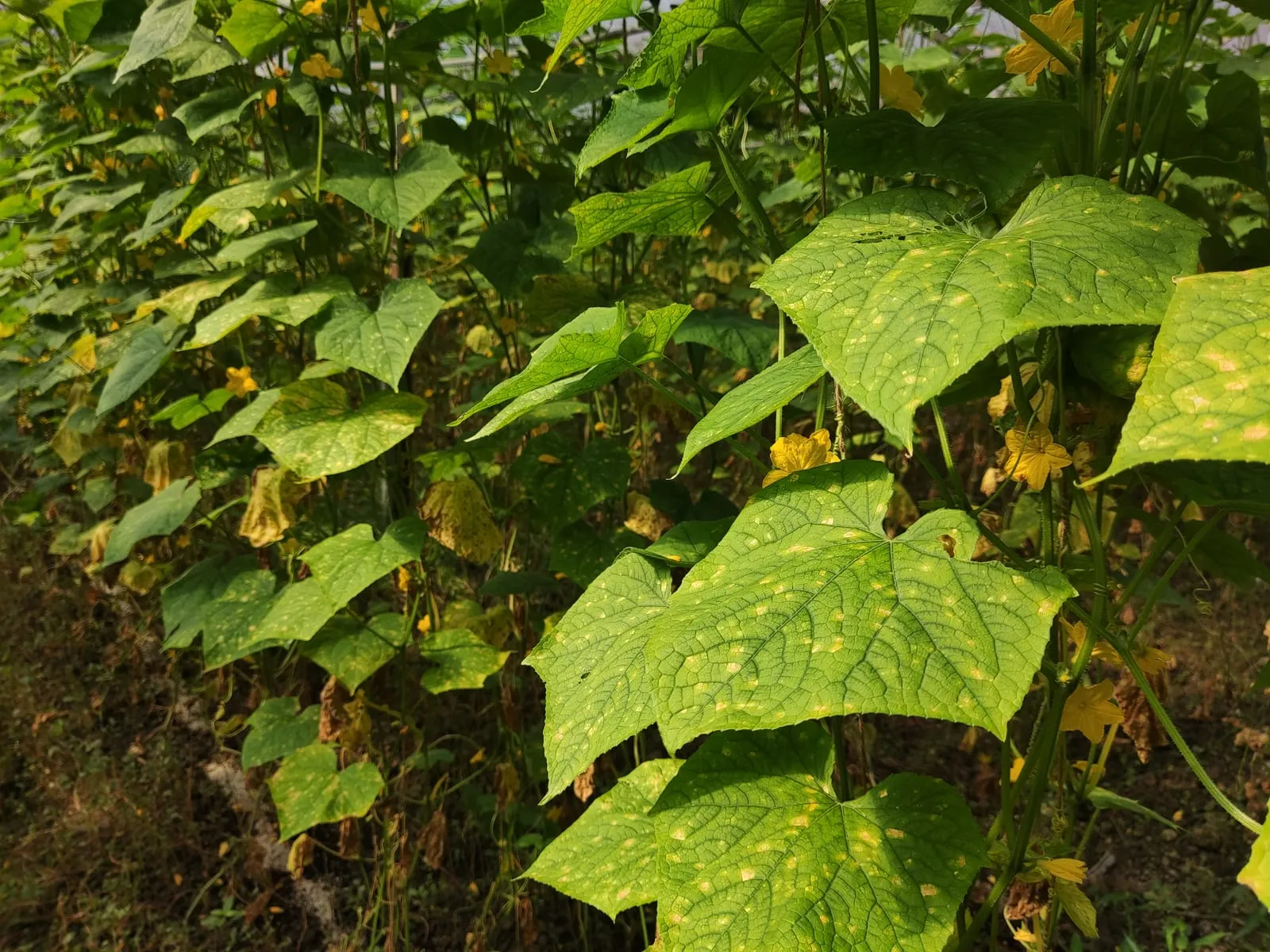
Pseudoperonospora cubensis (cucurbits) and others
Water mold (oomycete, not a true fungus) that thrives in cool damp conditions. Spreads rapidly through cucurbit and brassica plantings on wind-borne spores.
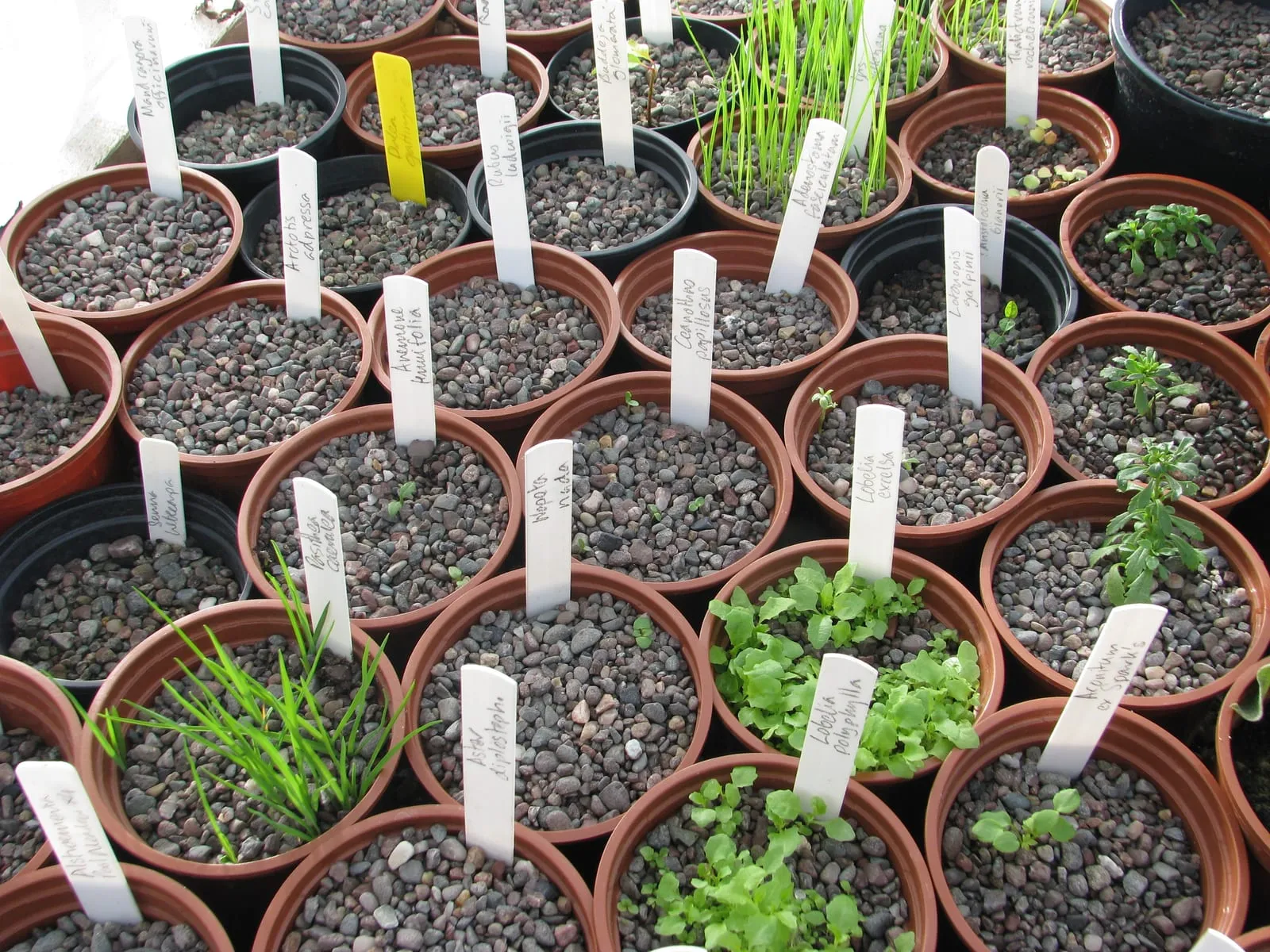
Pythium and Rhizoctonia species
Soil-borne complex of water molds and fungi that kill seedlings before or shortly after emergence. The single most common cause of seed-starting failures.
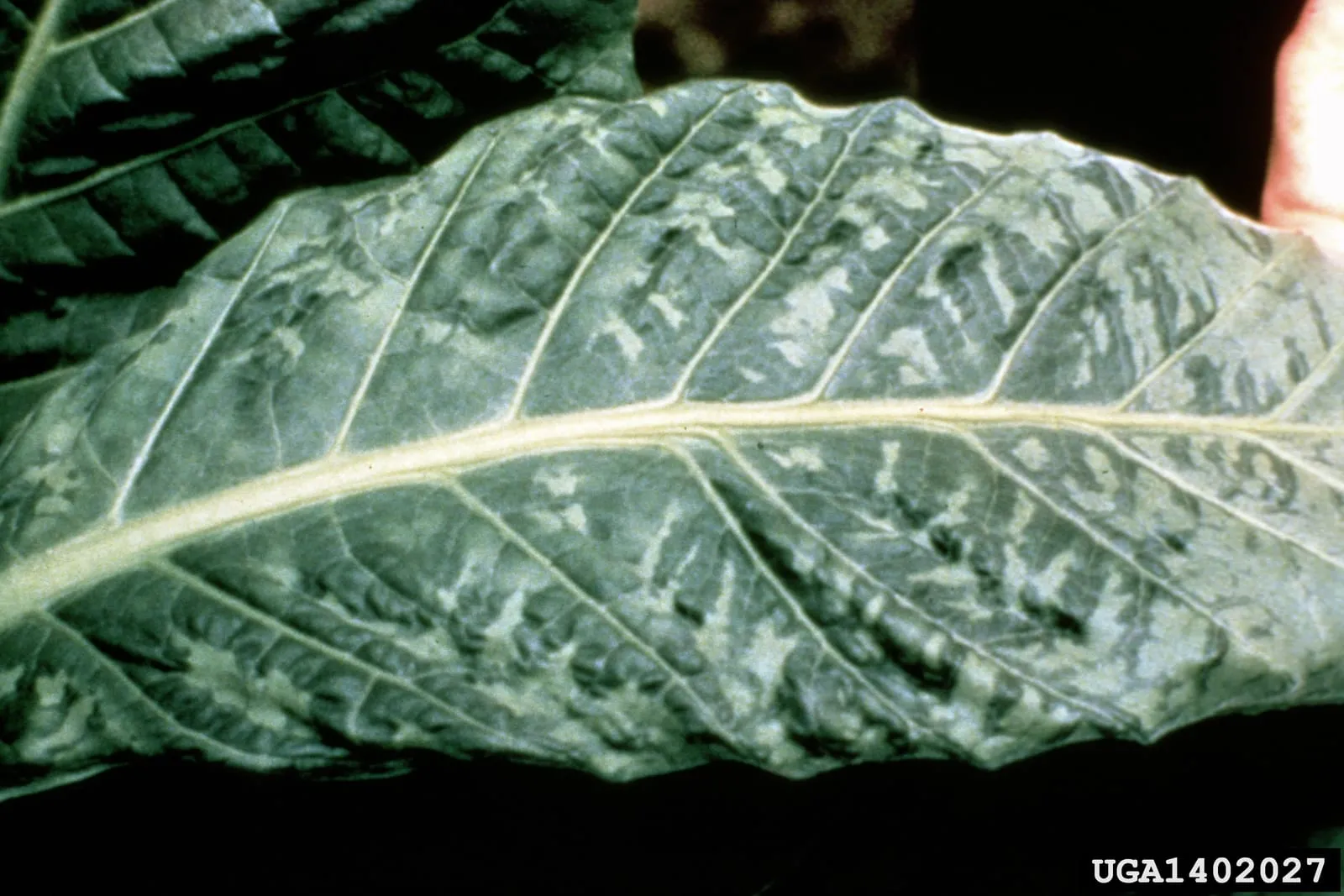
Cucumber mosaic virus, Tobacco mosaic virus, and others
Family of plant viruses producing mottled yellow-and-green leaf patterns. Vectored primarily by aphids; some are seed-transmitted or spread by handling tools and tobacco products.
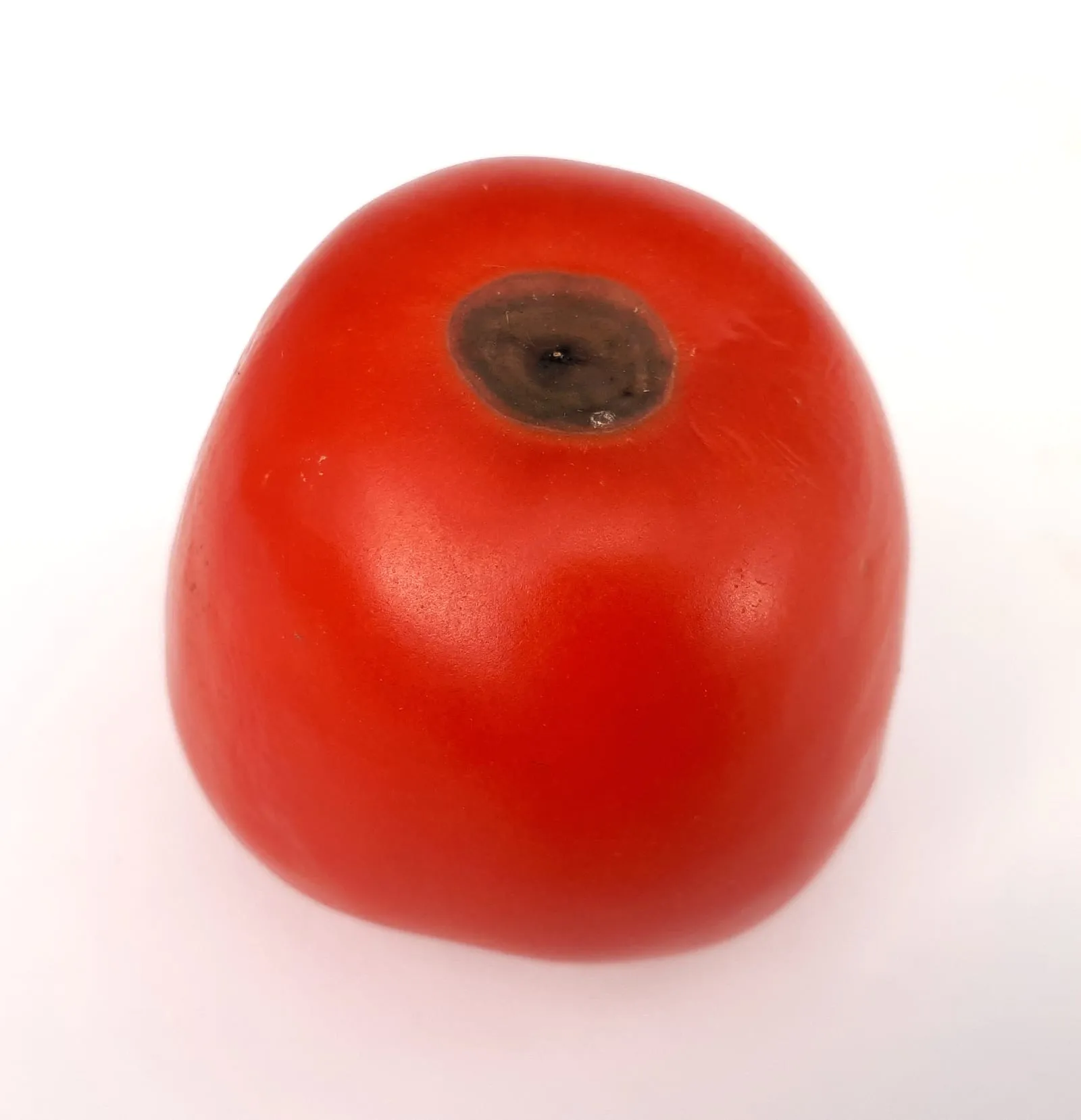
Calcium deficiency physiological disorder
Not a true disease but a calcium-uptake disorder caused by inconsistent soil moisture during fruit development. The dominant cause of damaged first-fruit on home tomato plantings.
Modified care for zone 9b
The primary adaptation in zone 9b is timing plantings to sidestep peak summer heat rather than working against it. In hotter inland areas, 30% shade cloth during heat waves pushing daytime temperatures above 95°F protects both young transplants and flowering plants from stress-induced fruit drop.
Consistent soil moisture matters more here than in cooler zones; summer squash wilts quickly under heat stress, and uneven irrigation accelerates both powdery mildew and downy mildew onset. A 2 to 3 inch mulch layer stabilizes root-zone temperature and reduces moisture loss between irrigations. To reduce mildew pressure, favor wider plant spacing and morning irrigation so foliage dries before evening. Coastal growers should watch for compounding stress from salt spray on leaves that are already heat-loaded; orienting rows to maximize airflow helps with both issues.
Summer Squash in adjacent zones
Image: "Cucurbita pepo Vilarromaris Oroso Galiza 2", by Lmbuga, via Wikimedia Commons, licensed under CC-BY Source.

Related