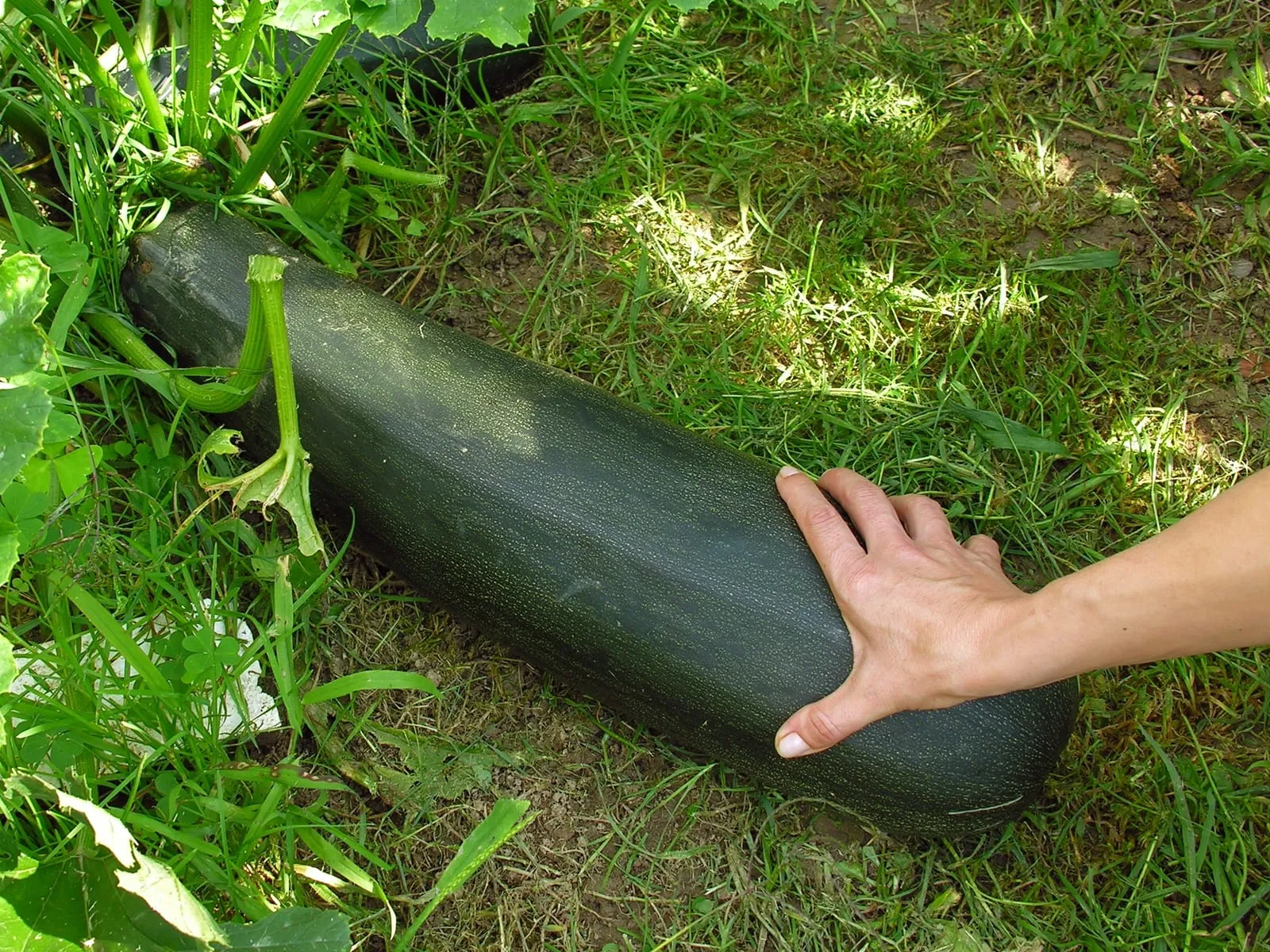
vegetable in zone 10a
Growing summer squash in zone 10a
Cucurbita pepo
- Zone
- 10a 30°F to 35°F
- Growing season
- 340 days
- Suitable varieties
- 0
- Days to harvest
- 45 to 60
The verdict
Summer squash has no chill-hour requirement, which makes zone 10a an excellent fit rather than a marginal one. The 340-day growing season allows multiple successions per year, and the crop's preference for warm soil (above 60°F) and frost-free conditions aligns well with zone 10a's minimum winter temperatures of 30 to 35°F.
The practical limitation here is heat, not cold. When daytime temperatures consistently exceed 95°F, pollen viability drops and blossom drop becomes common, reducing fruit set even on vigorous plants. This is the more meaningful constraint in zone 10a, particularly from June through August. Growers who time plantings to avoid peak summer heat will find summer squash highly productive. Fall and spring windows, when temperatures moderate, typically yield the strongest harvests.
Critical timing for zone 10a
Zone 10a supports two primary planting windows for summer squash: a fall-to-winter planting (late September through November) and a late-winter planting (February through early March). Direct-seeded squash reaches first flowering in roughly 40 to 50 days and produces harvestable fruit by days 50 to 60, depending on variety.
Fall plantings in October will typically flower through December and carry production into January. Spring-planted squash (February sowing) flowers in April and produces through May before summer heat begins to suppress pollination. Frost is rarely a constraint; the more meaningful calendar boundary is the arrival of sustained heat above 95°F. A gap in production during peak summer is normal and expected in zone 10a.
Common challenges in zone 10a
- ▸ No chilling for traditional temperate fruit
- ▸ Hurricane exposure
- ▸ Heat-tolerant cultivars only
Disease pressure to watch for
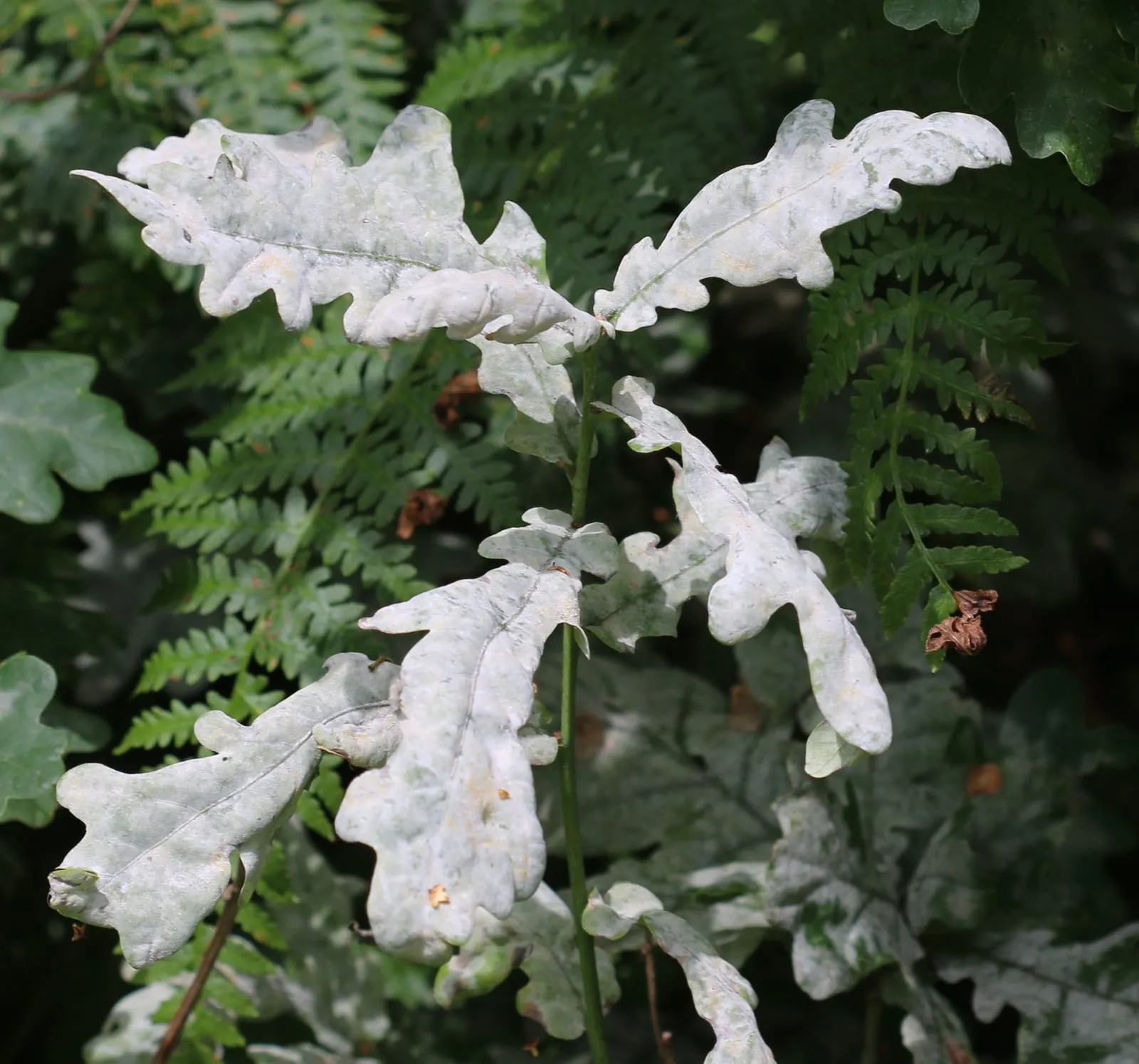
Multiple species (Erysiphales)
Surface-feeding fungal disease producing white powdery growth on leaves and stems. Reduces yield by stealing photosynthate and accelerating senescence.
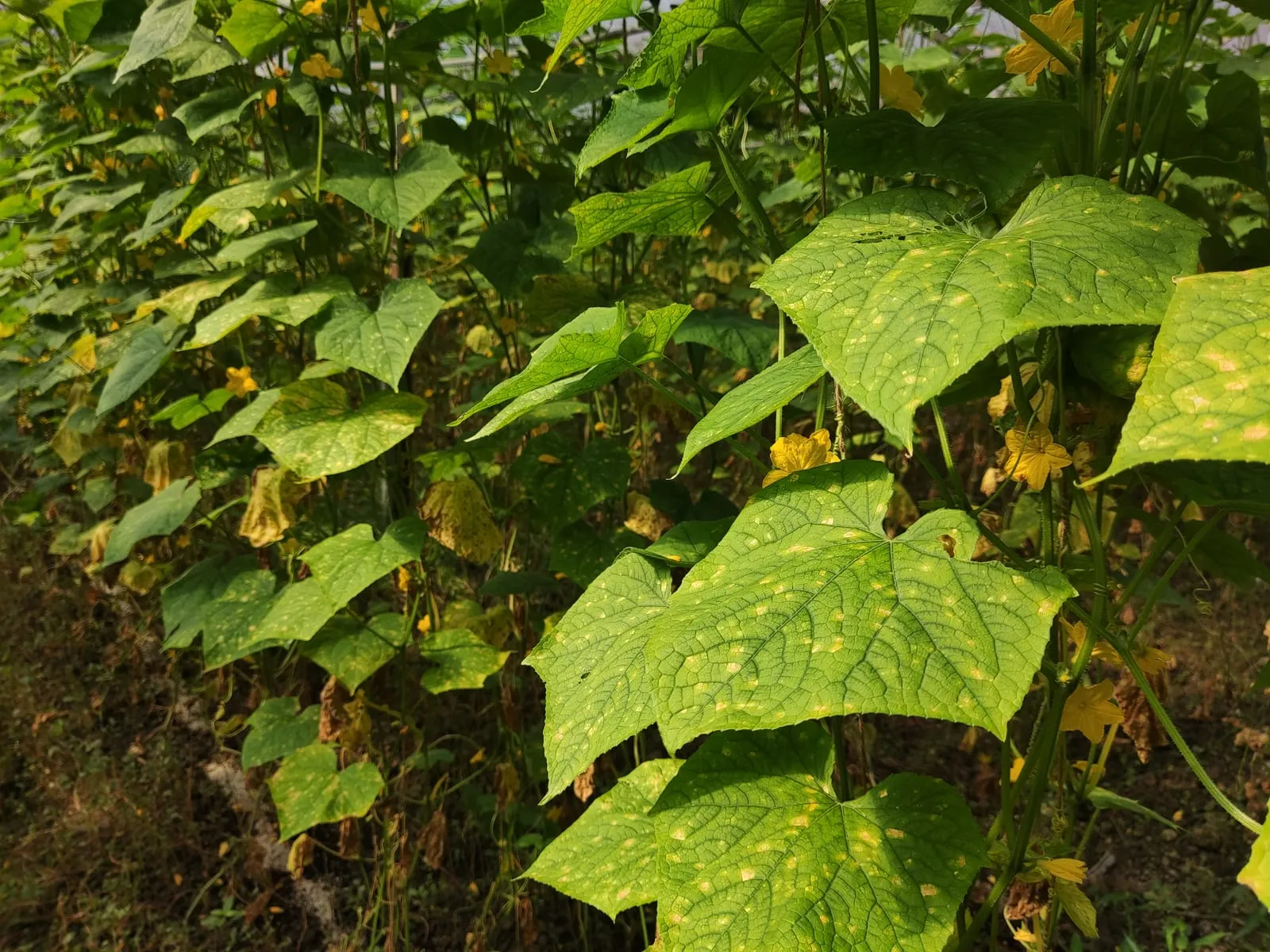
Pseudoperonospora cubensis (cucurbits) and others
Water mold (oomycete, not a true fungus) that thrives in cool damp conditions. Spreads rapidly through cucurbit and brassica plantings on wind-borne spores.
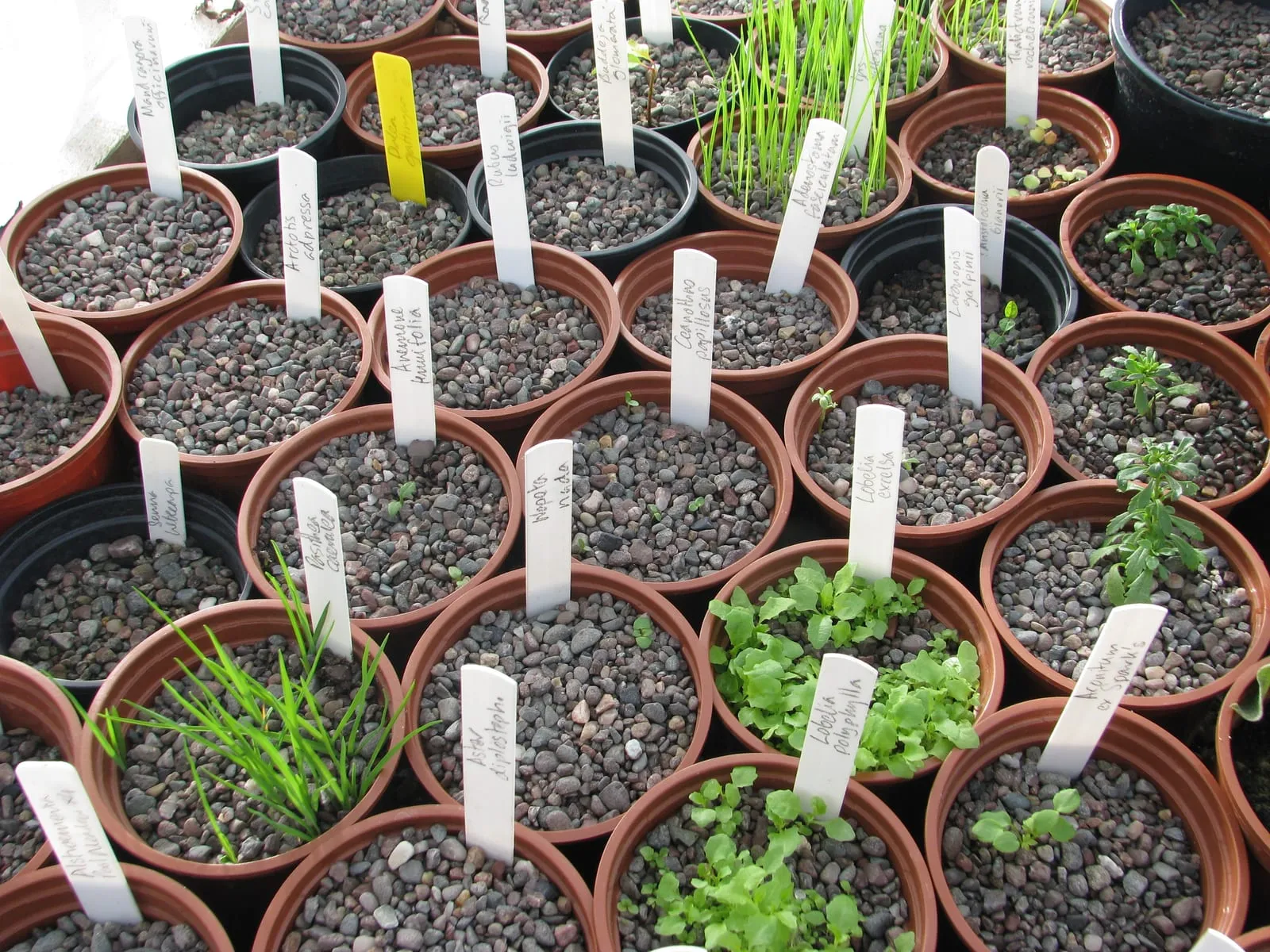
Pythium and Rhizoctonia species
Soil-borne complex of water molds and fungi that kill seedlings before or shortly after emergence. The single most common cause of seed-starting failures.
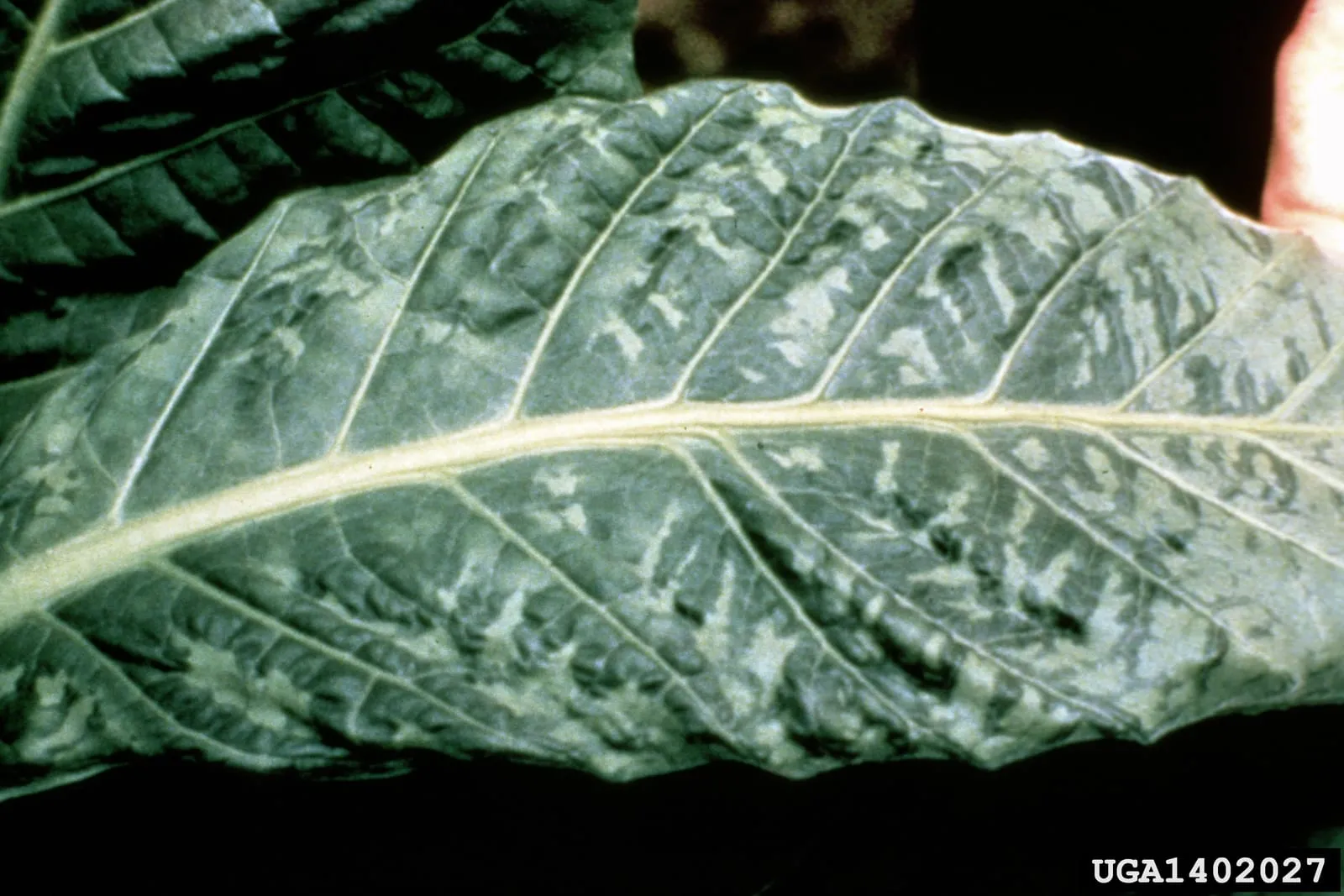
Cucumber mosaic virus, Tobacco mosaic virus, and others
Family of plant viruses producing mottled yellow-and-green leaf patterns. Vectored primarily by aphids; some are seed-transmitted or spread by handling tools and tobacco products.
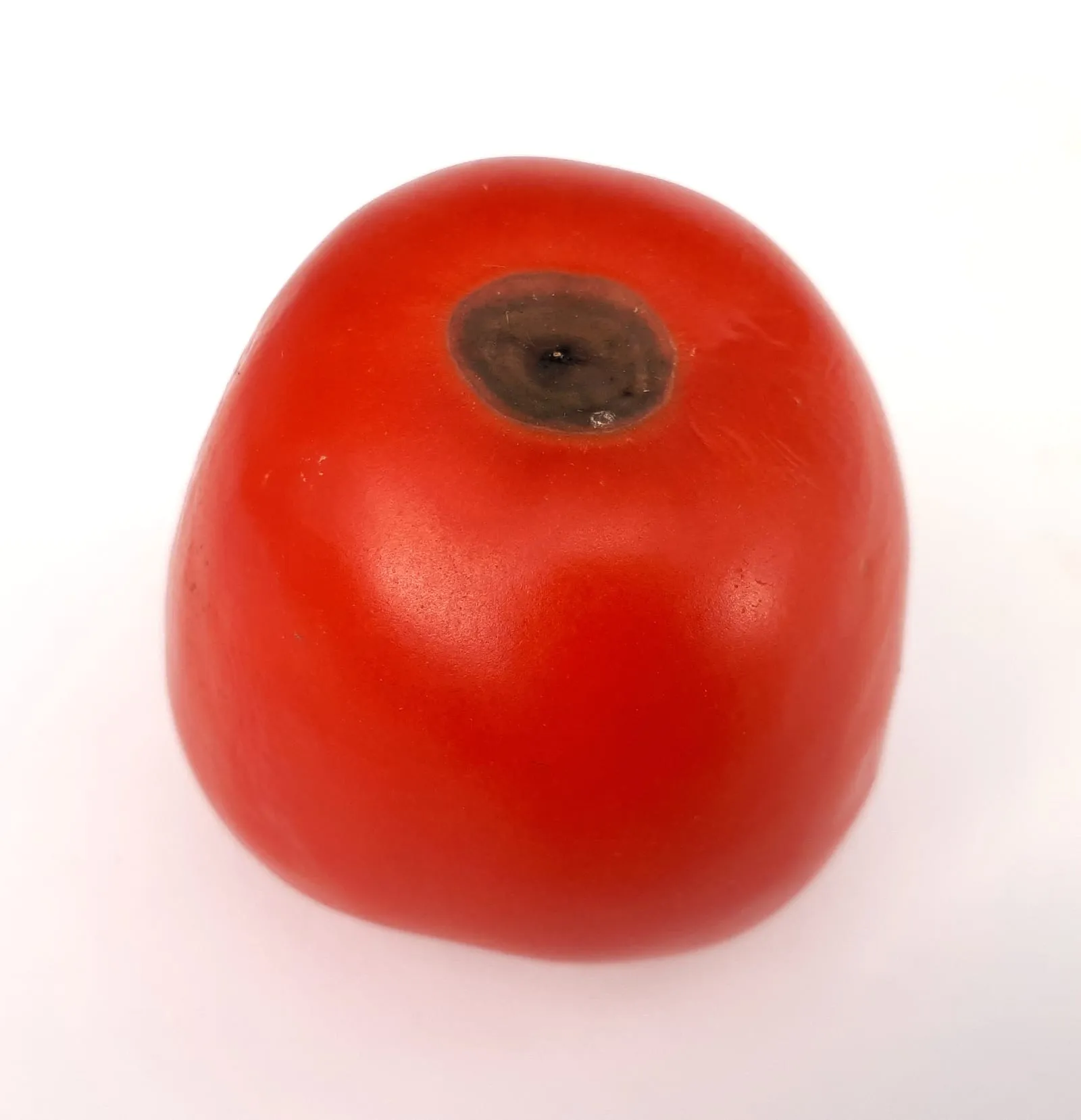
Calcium deficiency physiological disorder
Not a true disease but a calcium-uptake disorder caused by inconsistent soil moisture during fruit development. The dominant cause of damaged first-fruit on home tomato plantings.
Modified care for zone 10a
The principal adjustment in zone 10a is scheduling around heat rather than cold. Powdery mildew and downy mildew both intensify in warm, humid conditions common in zone 10a, particularly in coastal locations. Wider plant spacing than standard recommendations improves airflow and delays mildew establishment in the canopy. Drip irrigation reduces leaf wetness duration significantly compared to overhead watering, slowing downy mildew spread.
For fall plantings, hurricane exposure is a practical concern through November in many zone 10a locations. Staking or caging plants at planting time is worthwhile, and harvesting immature fruit (6 to 8 inches) ahead of named storms is a reasonable defensive measure rather than risking total crop loss. Summer squash matures quickly enough that early harvest imposes little real cost.
Summer Squash in adjacent zones
Image: "Cucurbita pepo Vilarromaris Oroso Galiza 2", by Lmbuga, via Wikimedia Commons, licensed under CC-BY Source.

Related