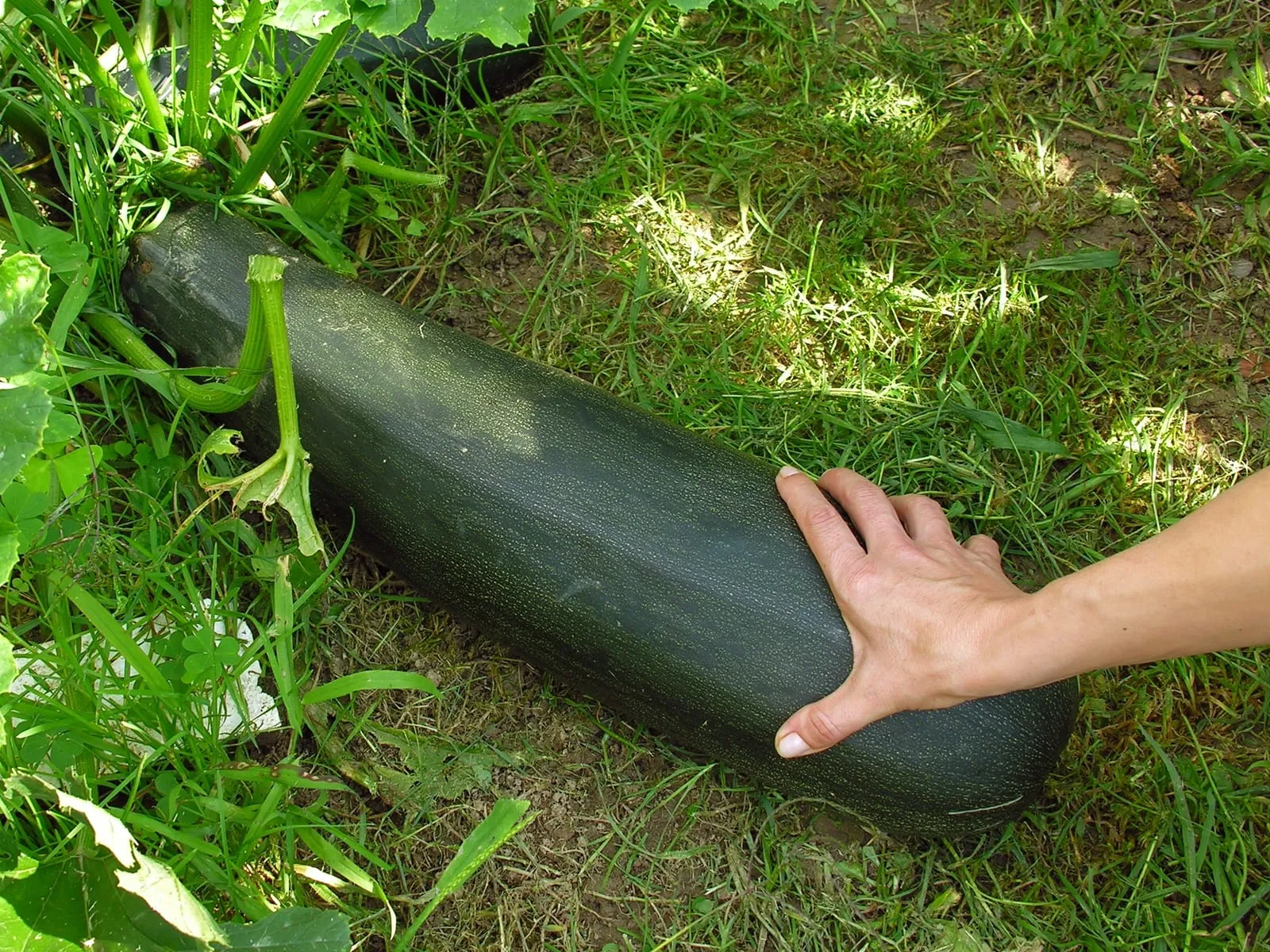
vegetable in zone 3b
Growing summer squash in zone 3b
Cucurbita pepo
- Zone
- 3b -35°F to -30°F
- Growing season
- 100 days
- Suitable varieties
- 1
- Days to harvest
- 45 to 60
The verdict
Zone 3b is a marginal zone for summer squash, but workable with the right variety selection and timing discipline. The 100-day growing season is the binding constraint. Most summer squash varieties reach first harvest in 50 to 65 days from direct sowing, which leaves a narrow but real window before fall frost closes things down. The crop does not have chill-hour requirements the way fruit trees do, so the limiting factor here is season length, not winter cold. Black Beauty Zucchini is the standout variety for this zone: it matures quickly, sets fruit reliably under cooler conditions, and tolerates the temperature swings typical of short-season climates. Expect to sacrifice the extended late-summer harvest that growers in warmer zones enjoy. In zone 3b, summer squash is a sprint crop, not a slow producer. That is manageable if expectations are set accordingly.
Recommended varieties for zone 3b
1 cultivar suited to this zone, with disease-resistance and zone-fit annotations.
| Variety | Notes | Zone fit | Disease resistance |
|---|---|---|---|
| Black Beauty Zucchini fits zone 3b | Mild, tender, classic dark green zucchini; the home-garden standard. Sauteing, grilling, breads, pasta. Heritage open-pollinated, prolific (almost too prolific). | | none noted |
Critical timing for zone 3b
In zone 3b, the last spring frost typically arrives in late May or early June, and the first fall frost can return as early as late August. That window is narrow. Direct seeding should wait until soil temperatures reach at least 60°F, generally one to two weeks after last frost. Starting seeds indoors two to three weeks before the last frost date and transplanting under row cover can recover meaningful time. Flowers appear roughly four to six weeks after germination; harvest follows within a week of fruit set. Growers who delay planting past mid-June risk running into fall frost before plants hit full production. Succession planting is not practical at this latitude given the season length.
Common challenges in zone 3b
- ▸ Short season
- ▸ Winter desiccation
- ▸ Site selection critical for fruit trees
Disease pressure to watch for
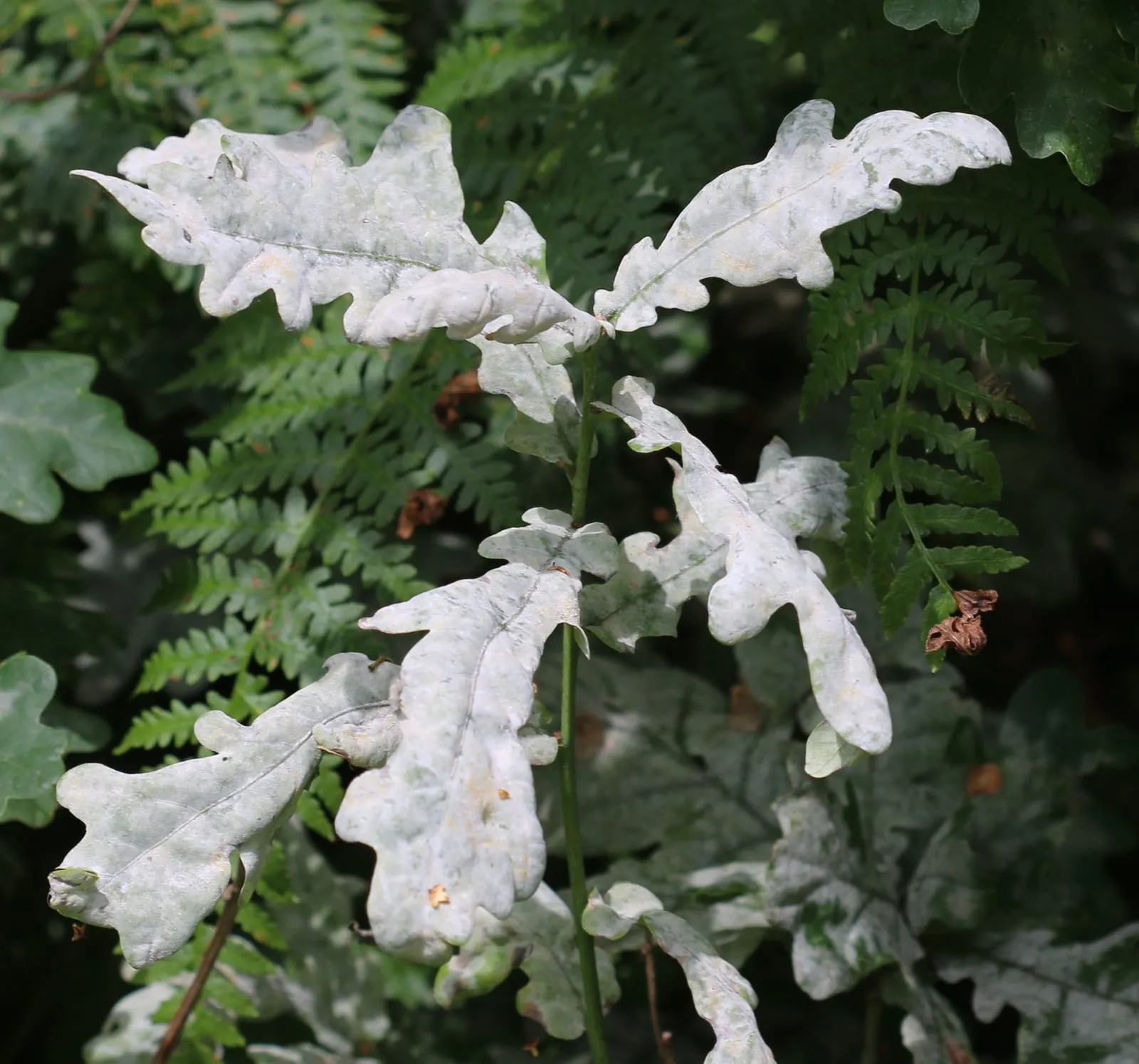
Multiple species (Erysiphales)
Surface-feeding fungal disease producing white powdery growth on leaves and stems. Reduces yield by stealing photosynthate and accelerating senescence.
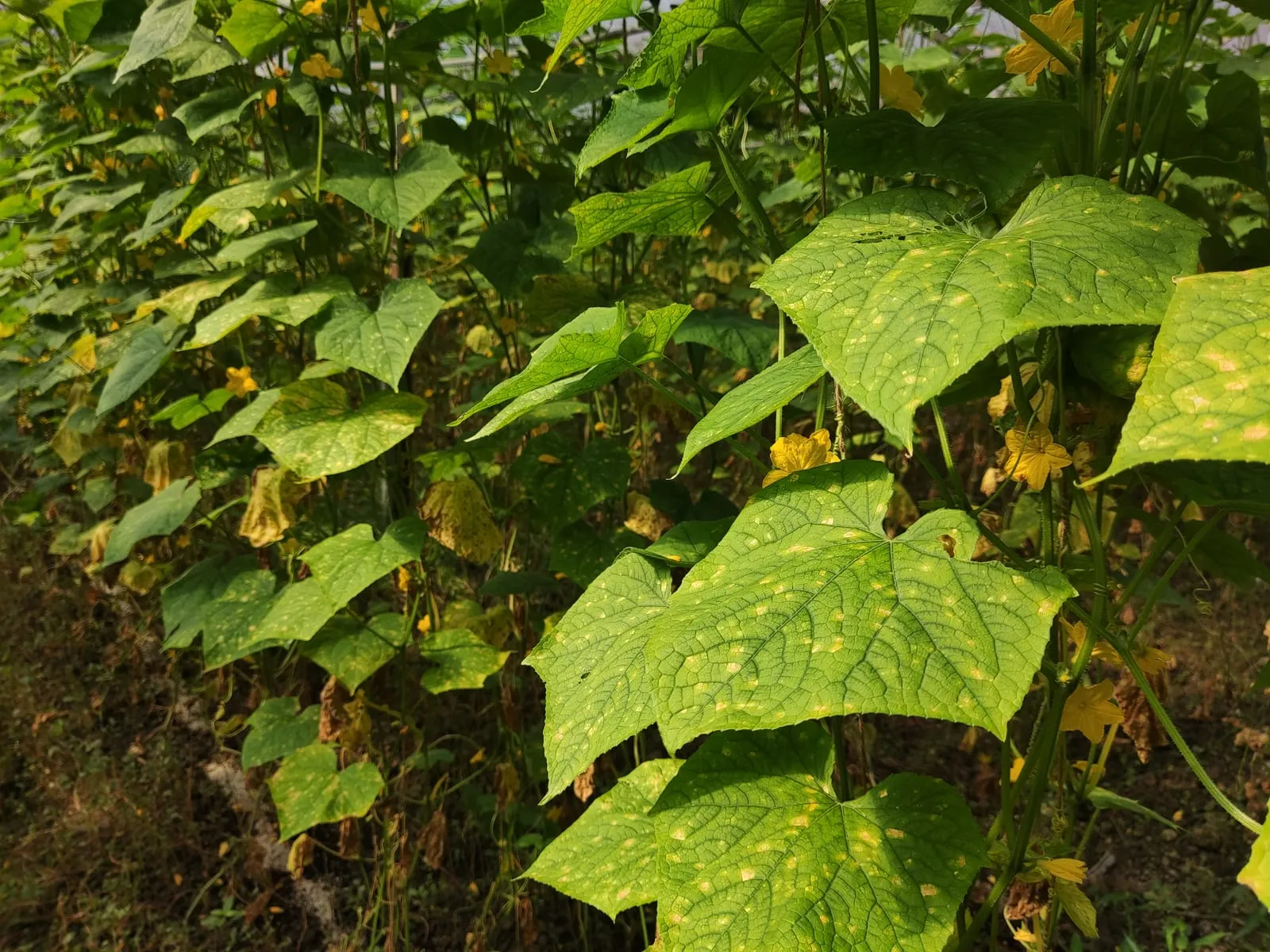
Pseudoperonospora cubensis (cucurbits) and others
Water mold (oomycete, not a true fungus) that thrives in cool damp conditions. Spreads rapidly through cucurbit and brassica plantings on wind-borne spores.
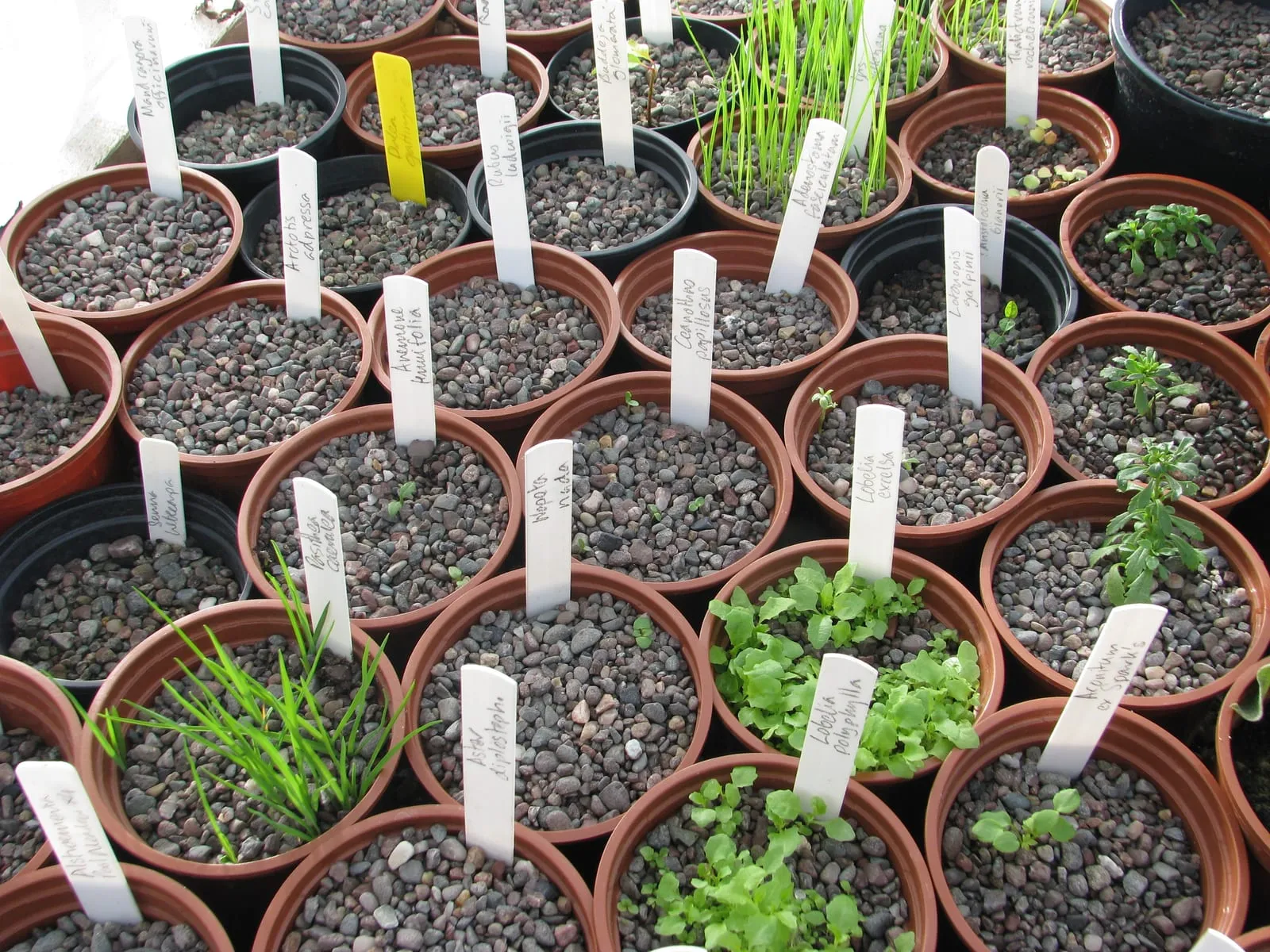
Pythium and Rhizoctonia species
Soil-borne complex of water molds and fungi that kill seedlings before or shortly after emergence. The single most common cause of seed-starting failures.
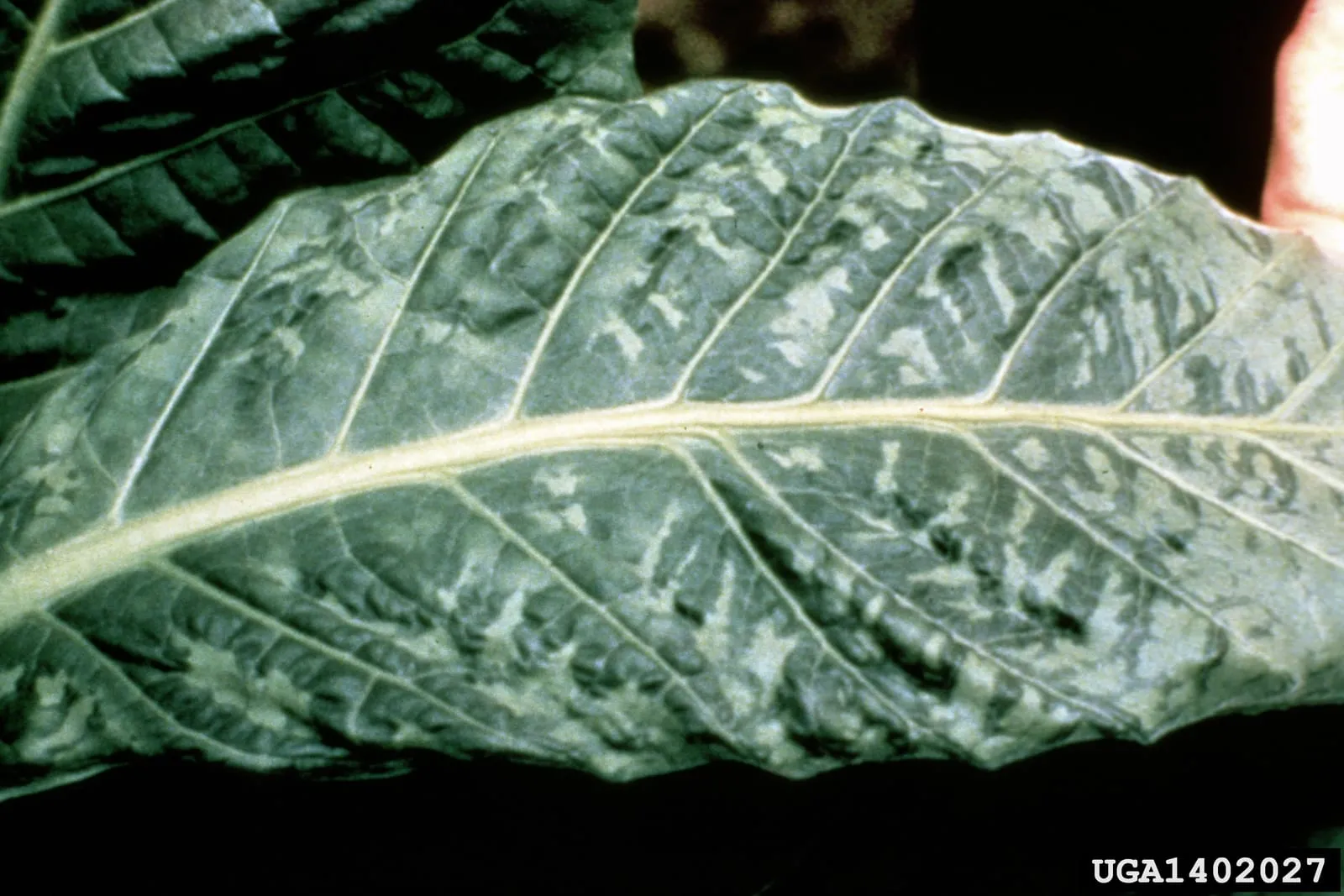
Cucumber mosaic virus, Tobacco mosaic virus, and others
Family of plant viruses producing mottled yellow-and-green leaf patterns. Vectored primarily by aphids; some are seed-transmitted or spread by handling tools and tobacco products.
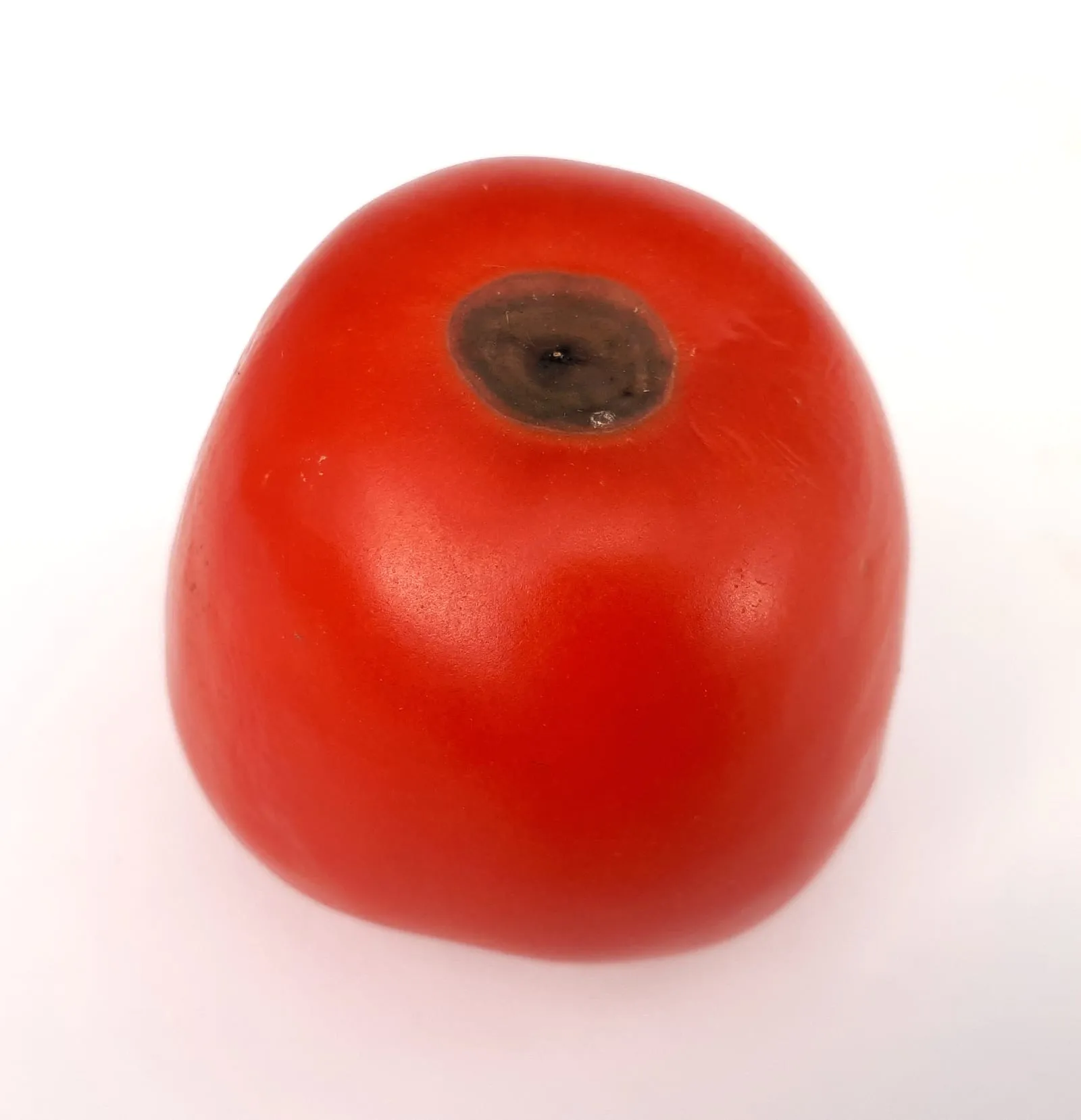
Calcium deficiency physiological disorder
Not a true disease but a calcium-uptake disorder caused by inconsistent soil moisture during fruit development. The dominant cause of damaged first-fruit on home tomato plantings.
Modified care for zone 3b
Season extension is the primary adaptation in zone 3b. Black plastic mulch warms soil faster than bare ground and extends the effective growing window by one to two weeks on each end. Row covers immediately after transplanting protect against late cold snaps and can be removed once daytime temperatures hold above 60°F. Powdery mildew and downy mildew both become active pressure points in the cooler, often humid conditions of late summer in zone 3b. Maintaining good airspace between plants, avoiding overhead irrigation, and monitoring closely from midsummer onward are the practical countermeasures. Fungicide applications (sulfur-based for powdery mildew) are worth considering if plants show early symptoms, since a full-blown infection in August cuts the already-short harvest window significantly. Remove spent fruit promptly to keep plants productive through the end of the season.
Frequently asked questions
- Can summer squash grow in zone 3b?
Yes, but the 100-day growing season leaves little margin for error. Fast-maturing varieties like Black Beauty Zucchini are the practical choice. Starting seeds indoors and using row covers or black plastic mulch helps maximize the available window.
- When should summer squash be planted in zone 3b?
Transplant hardened-off seedlings one to two weeks after the last spring frost, once soil temperatures reach 60°F. Starting seeds indoors two to three weeks before that date gains time without significant risk of transplant shock.
- What diseases are most likely on summer squash in zone 3b?
Powdery mildew and downy mildew are the main threats, typically appearing in mid-to-late summer. Both are favored by the cooler, humid conditions common in short-season climates. Good plant spacing and avoiding overhead irrigation reduce pressure meaningfully.
+−
+−
+−
Summer Squash in adjacent zones
Image: "Cucurbita pepo Vilarromaris Oroso Galiza 2", by Lmbuga, via Wikimedia Commons, licensed under CC-BY Source.

Related