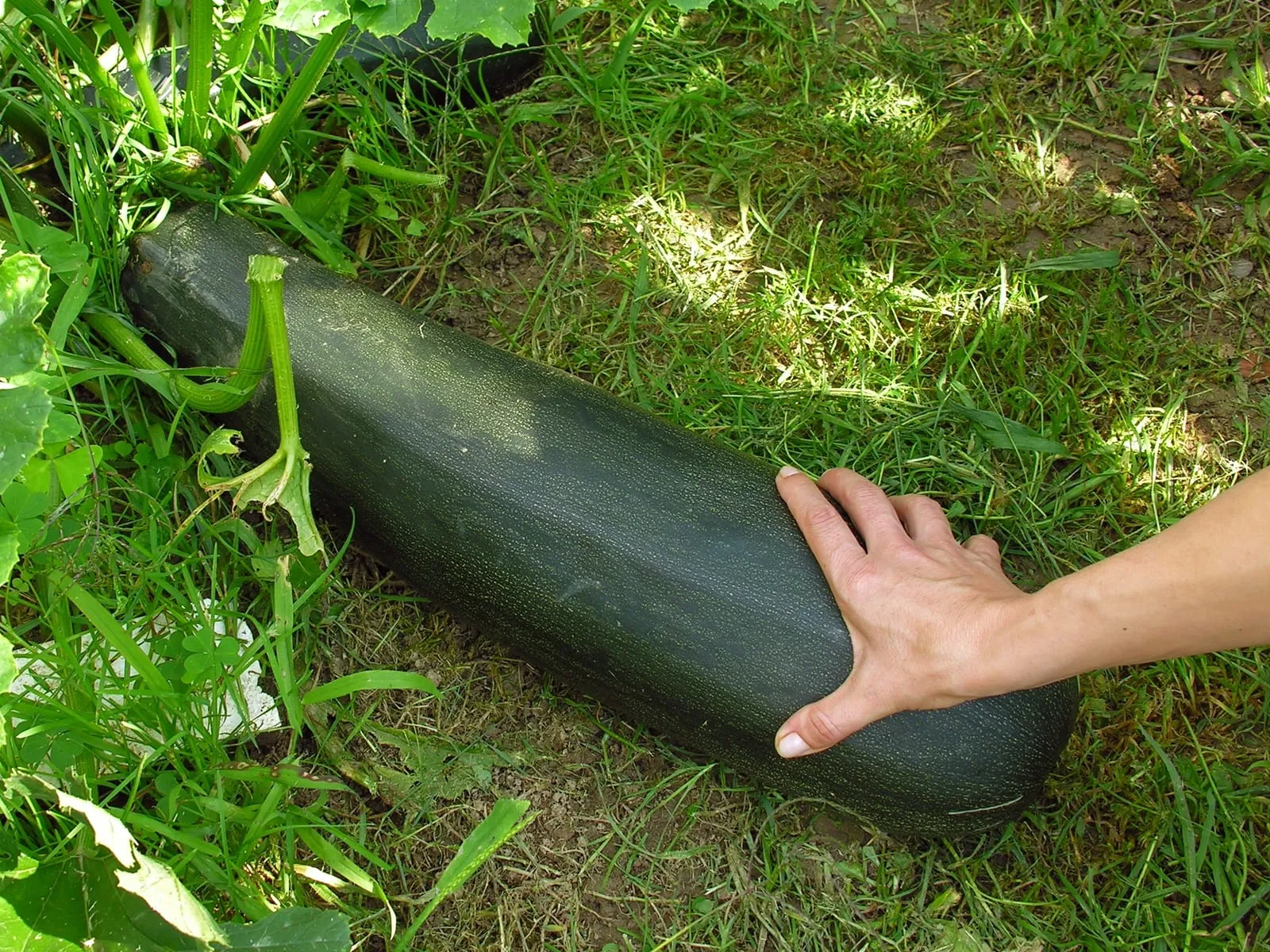
vegetable in zone 4a
Growing summer squash in zone 4a
Cucurbita pepo
- Zone
- 4a -30°F to -25°F
- Growing season
- 120 days
- Suitable varieties
- 3
- Days to harvest
- 45 to 60
The verdict
Summer squash is a warm-season annual that requires no chill hours, so zone compatibility turns entirely on frost timing and season length, not winter cold. Zone 4a's 120-day growing season is workable but not generous. Most summer squash varieties reach first harvest 50 to 65 days from transplant, which fits inside the available window when plants go in after last frost in late May or early June. That said, there is little margin if spring runs cold or an early fall frost cuts the season short.
This is not a marginal zone for summer squash. Black Beauty Zucchini, Yellow Crookneck, and Patty Pan all mature well within 120 days under normal conditions. The crop's main vulnerability in zone 4a is the compressed shoulder seasons on both ends, which rewards attentive timing over varietal selection. Growers who hit the planting window accurately can expect reliable, productive harvests in most years.
Recommended varieties for zone 4a
3 cultivars suited to this zone, with disease-resistance and zone-fit annotations.
| Variety | Notes | Zone fit | Disease resistance |
|---|---|---|---|
| Black Beauty Zucchini fits zone 4a | Mild, tender, classic dark green zucchini; the home-garden standard. Sauteing, grilling, breads, pasta. Heritage open-pollinated, prolific (almost too prolific). | | none noted |
| Yellow Crookneck fits zone 4a | Mild, buttery, slightly sweet; bright yellow curved-neck heritage Southern squash. Sauteing, casseroles, fritters. Less watery than zucchini, more flavor. | | none noted |
| Patty Pan fits zone 4a | Sweet, tender, mild; flying-saucer-shaped white or yellow squash. Stuffed, halved on the grill, fresh. Productive, picks small (2-3 inch) for best texture. | | none noted |
Critical timing for zone 4a
Last frost in zone 4a typically falls between late May and early June, though elevation and local topography shift that date by a week or more in either direction. Summer squash should not go into the ground until soil temperatures hold consistently at 60°F or above, usually 7 to 14 days after last frost. Starting seeds indoors 3 to 4 weeks before the transplant date places germination in mid-to-late April.
First flowers appear 35 to 45 days after transplanting, with harvestable fruit following within 4 to 7 days of pollination. Patty Pan and Yellow Crookneck tend to bloom slightly earlier than Black Beauty Zucchini. First fall frost arrives as early as mid-August at higher zone 4a elevations, with lower areas often staying clear into September. Planning for peak harvest in July and early August keeps the bulk of the crop ahead of frost risk.
Common challenges in zone 4a
- ▸ Late frosts damage early bloomers
- ▸ Limited peach varieties
Disease pressure to watch for
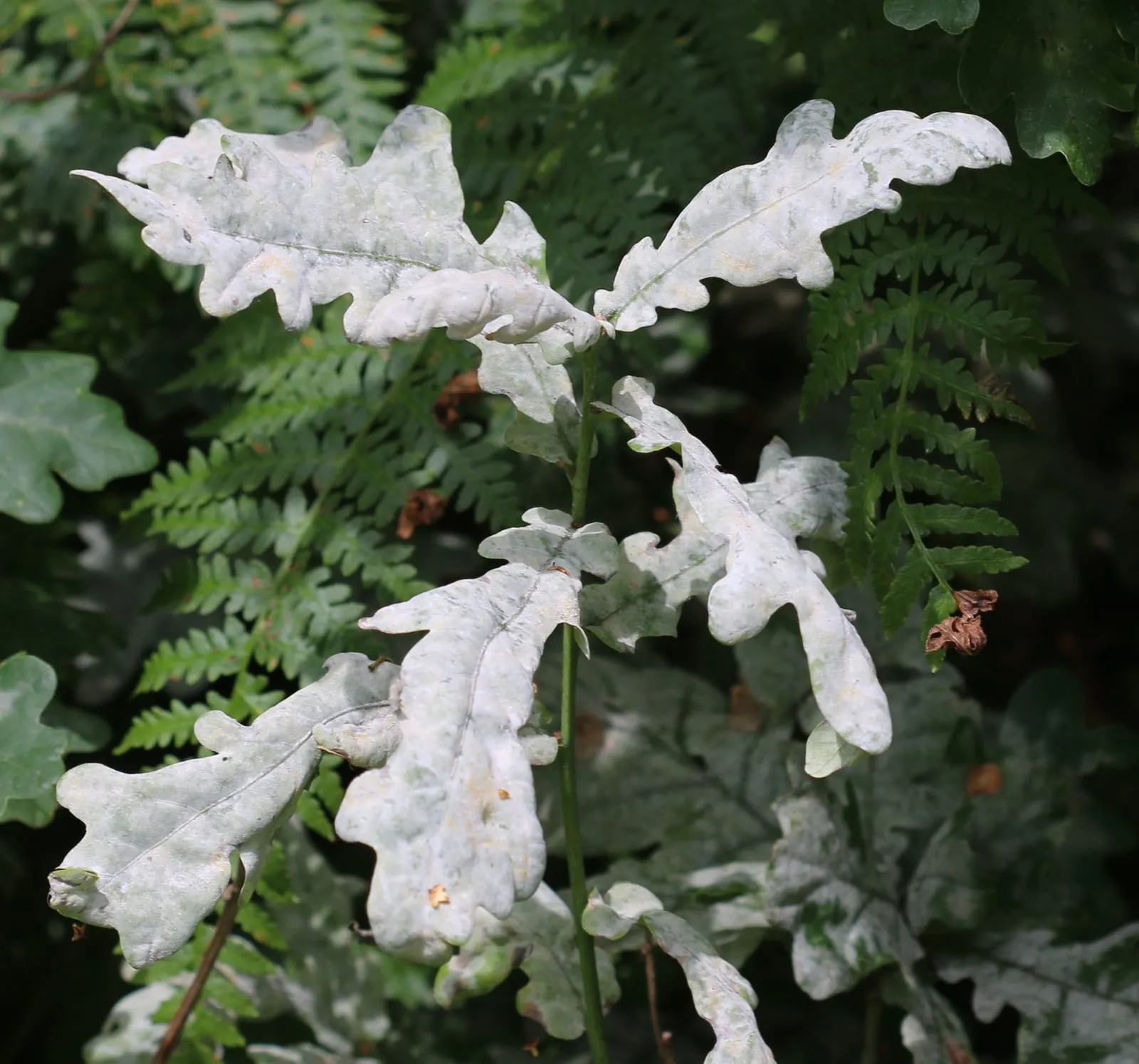
Multiple species (Erysiphales)
Surface-feeding fungal disease producing white powdery growth on leaves and stems. Reduces yield by stealing photosynthate and accelerating senescence.
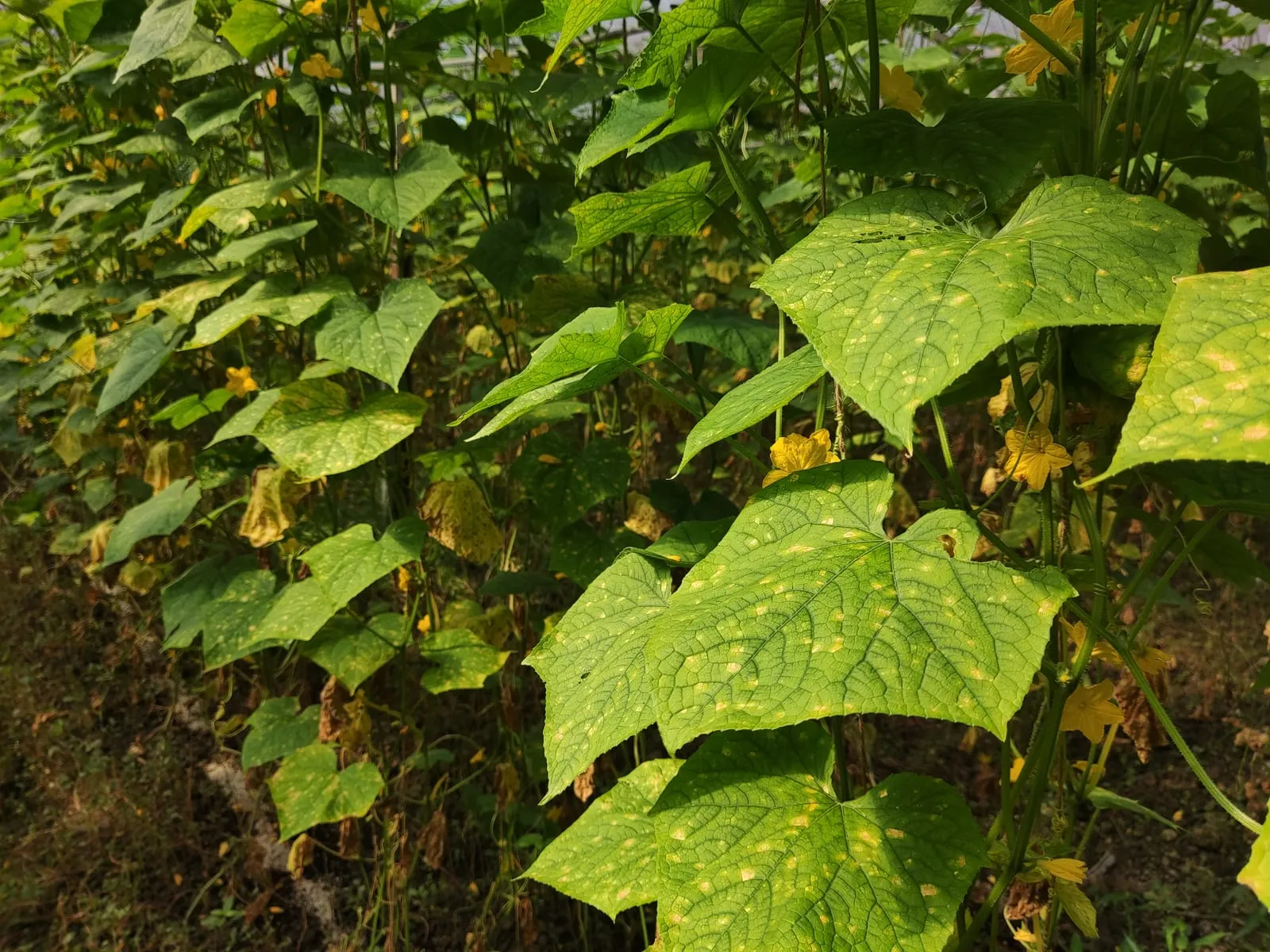
Pseudoperonospora cubensis (cucurbits) and others
Water mold (oomycete, not a true fungus) that thrives in cool damp conditions. Spreads rapidly through cucurbit and brassica plantings on wind-borne spores.
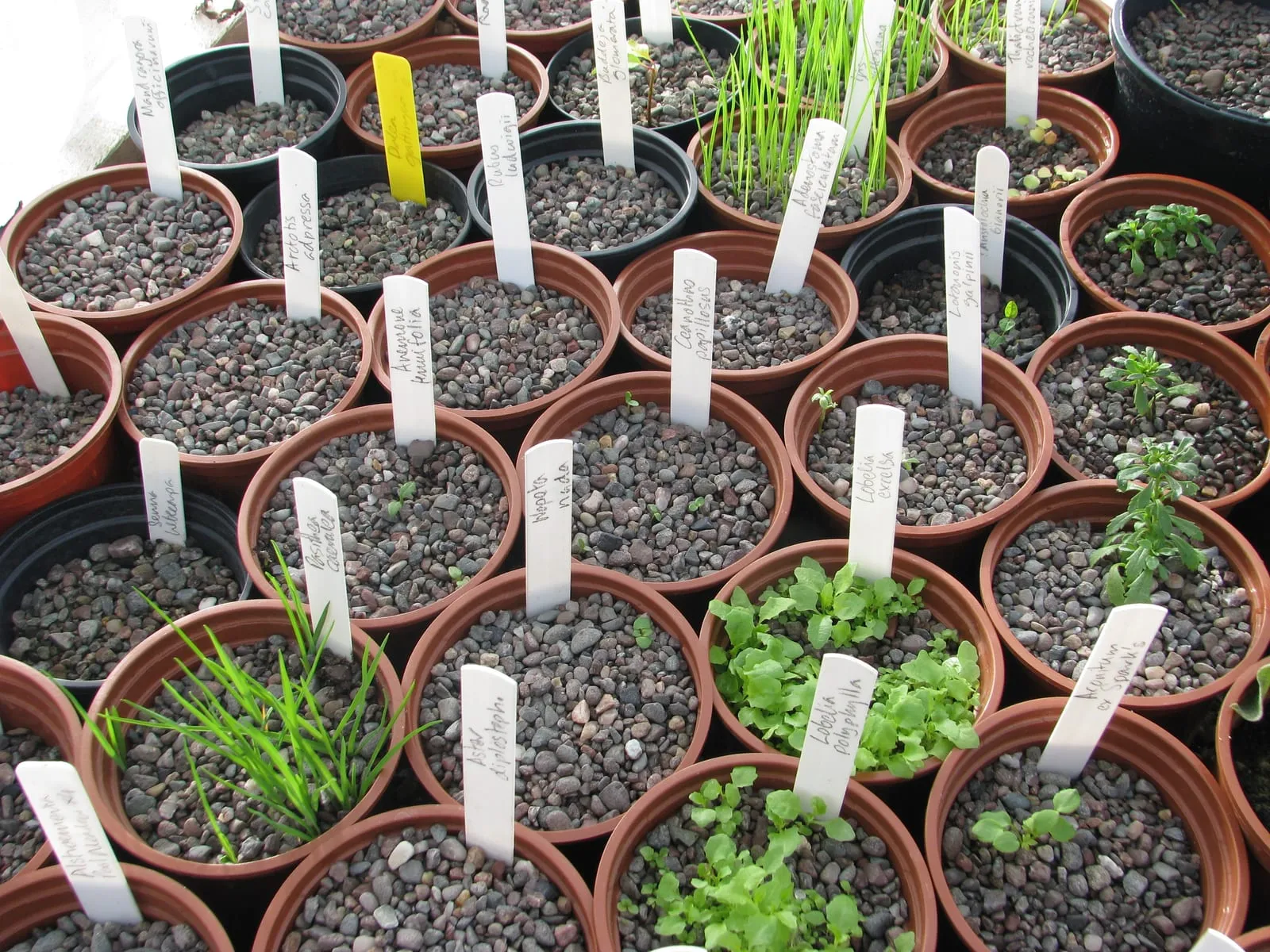
Pythium and Rhizoctonia species
Soil-borne complex of water molds and fungi that kill seedlings before or shortly after emergence. The single most common cause of seed-starting failures.
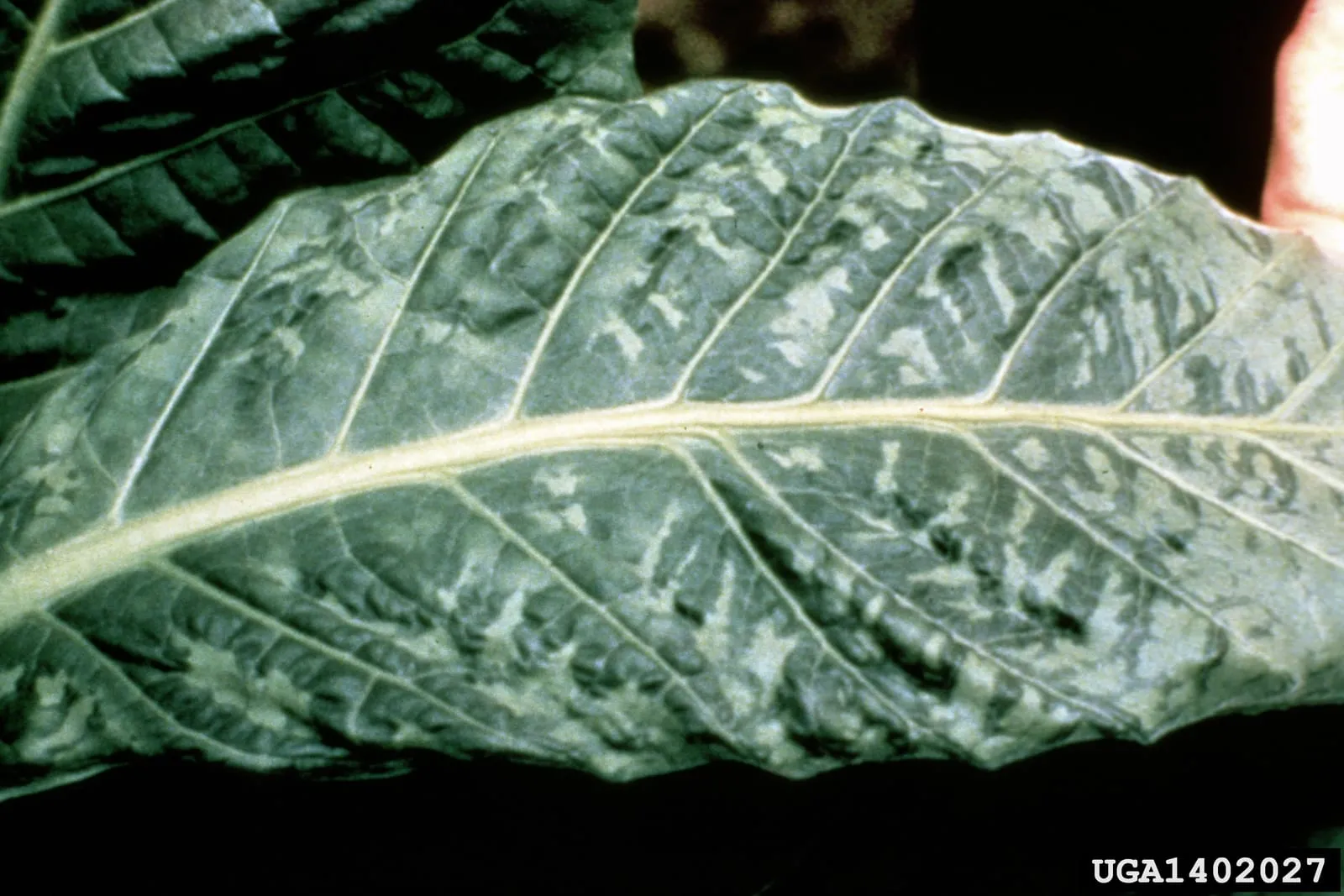
Cucumber mosaic virus, Tobacco mosaic virus, and others
Family of plant viruses producing mottled yellow-and-green leaf patterns. Vectored primarily by aphids; some are seed-transmitted or spread by handling tools and tobacco products.
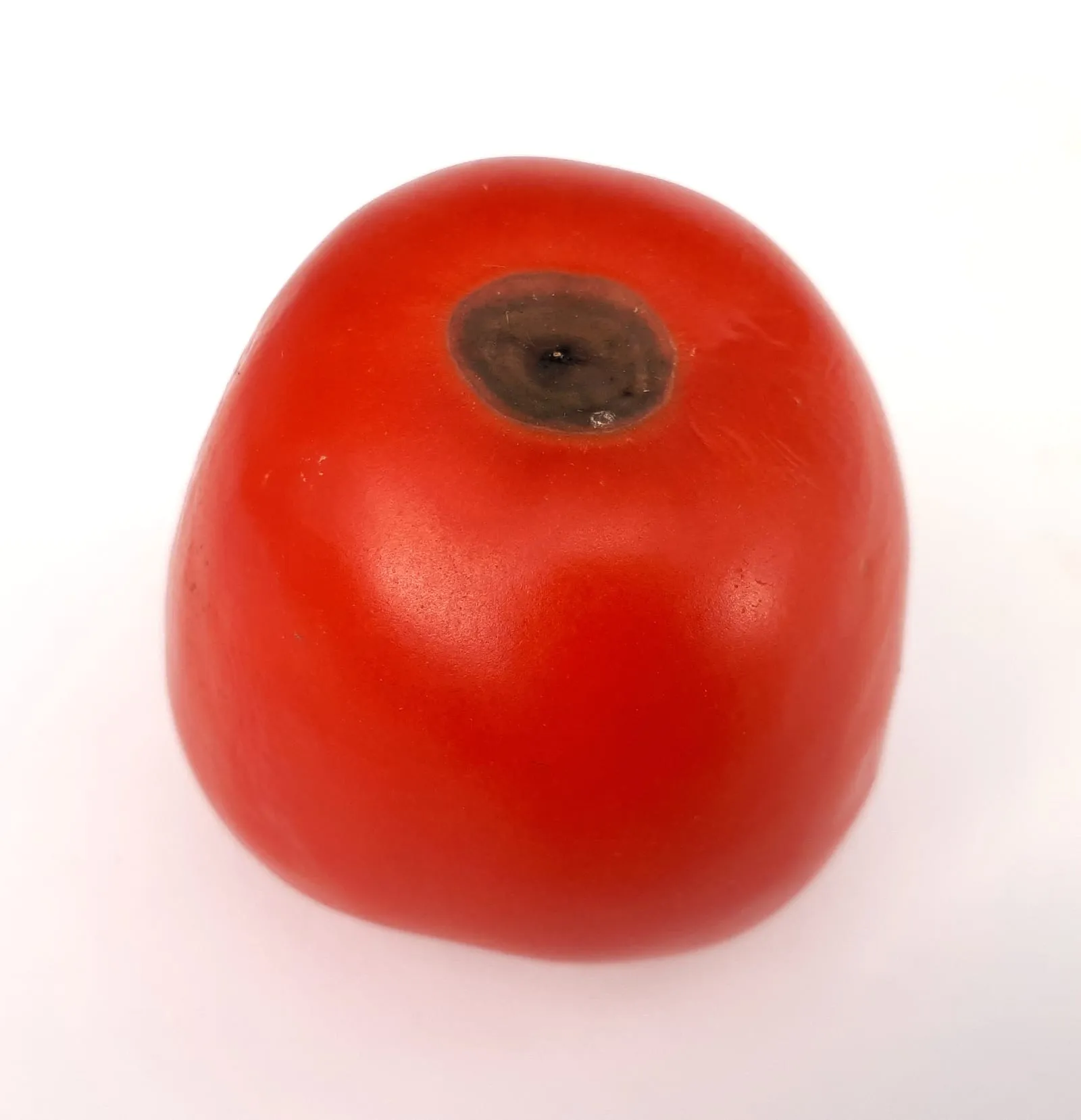
Calcium deficiency physiological disorder
Not a true disease but a calcium-uptake disorder caused by inconsistent soil moisture during fruit development. The dominant cause of damaged first-fruit on home tomato plantings.
Modified care for zone 4a
The most important adjustment in zone 4a is having frost protection ready at transplant time, not after a warning appears. Late cold snaps into early June are common, and summer squash transplants are sensitive to temperatures below 50°F even without an actual frost. Row covers or frost cloth applied overnight can preserve plants that would otherwise stall for weeks.
Black plastic mulch is particularly effective here. It warms soil faster in spring and maintains the 60 to 65°F root-zone temperatures that support strong early growth, which matters when the season is tight.
Powdery mildew pressure typically builds in late July and August as cool nights return, a pattern common across zone 4a. Ensuring 18 to 24 inches of airflow between plants and selecting mildew-tolerant strains within the variety list reduces incidence without chemical inputs. Downy mildew is less frequent but moves quickly in wet conditions; avoiding overhead irrigation and removing any infected leaves promptly limits spread.
Summer Squash in adjacent zones
Image: "Cucurbita pepo Vilarromaris Oroso Galiza 2", by Lmbuga, via Wikimedia Commons, licensed under CC-BY Source.

Related