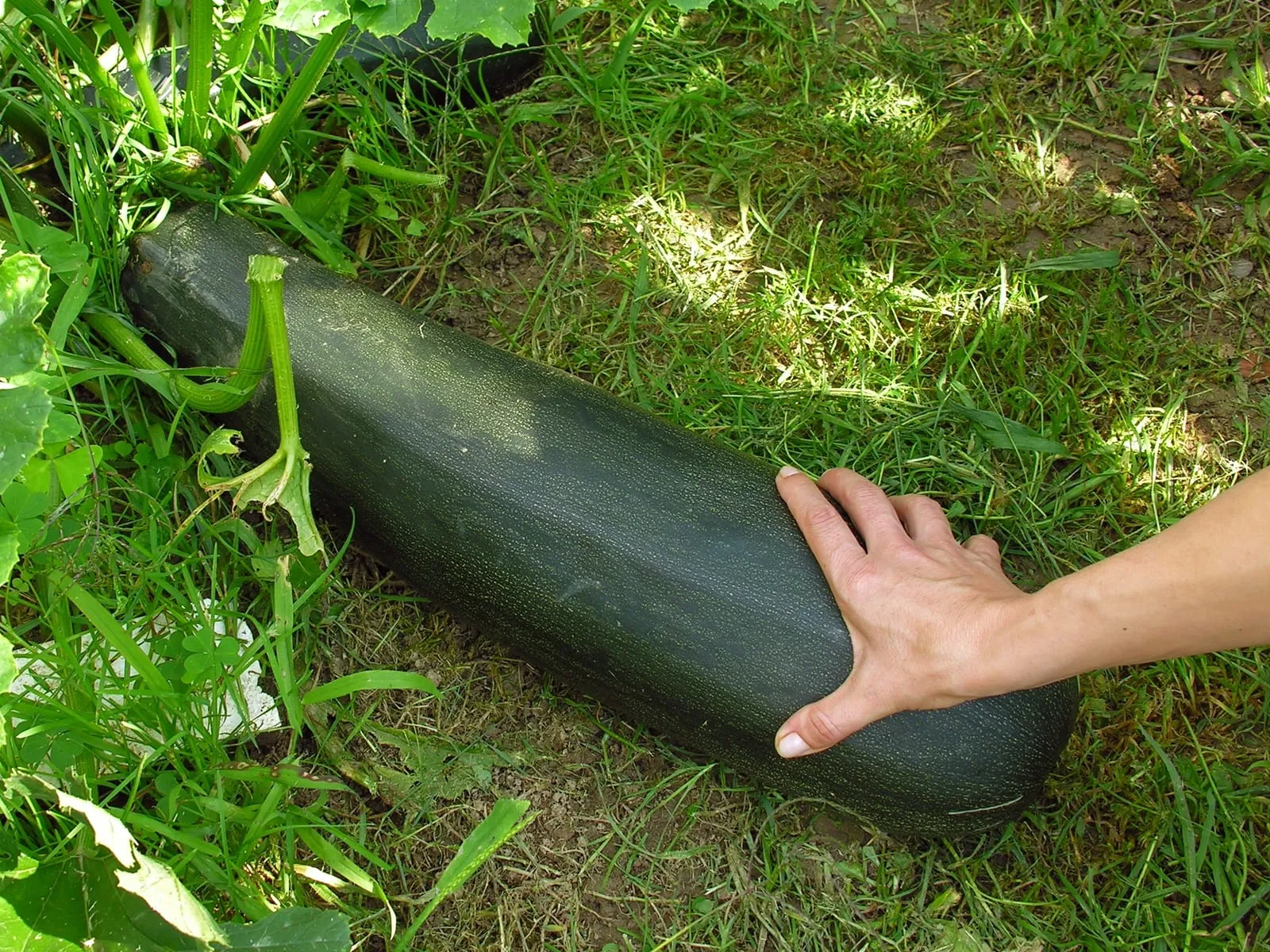
vegetable in zone 7b
Growing summer squash in zone 7b
Cucurbita pepo
- Zone
- 7b 5°F to 10°F
- Growing season
- 220 days
- Suitable varieties
- 4
- Days to harvest
- 45 to 60
The verdict
Summer squash is a warm-season annual with no chill-hour requirement, so zone 7b is a genuine sweet spot rather than a marginal fit. The 220-day growing season comfortably exceeds what the crop needs, typically 50 to 65 days from transplant to first harvest, leaving room for two or three successive plantings between last frost and fall. Minimum winter temperatures of 5 to 10°F are irrelevant once the soil warms in spring; summer squash completes its entire life cycle before frost returns.
The primary constraint in zone 7b is not cold but late-summer heat combined with high humidity, which accelerates Vegetable Powdery Mildew and Downy Mildew on stressed plants. Growers who choose resistant varieties and stagger plantings to keep a younger stand in the ground during August consistently outperform those who rely on a single sowing. Varieties like Costata Romanesco and Black Beauty Zucchini perform reliably across piedmont conditions.
Recommended varieties for zone 7b
4 cultivars suited to this zone, with disease-resistance and zone-fit annotations.
| Variety | Notes | Zone fit | Disease resistance |
|---|---|---|---|
| Black Beauty Zucchini fits zone 7b | Mild, tender, classic dark green zucchini; the home-garden standard. Sauteing, grilling, breads, pasta. Heritage open-pollinated, prolific (almost too prolific). | | none noted |
| Yellow Crookneck fits zone 7b | Mild, buttery, slightly sweet; bright yellow curved-neck heritage Southern squash. Sauteing, casseroles, fritters. Less watery than zucchini, more flavor. | | none noted |
| Costata Romanesco fits zone 7b | Nutty, dense, exceptional flavor for a summer squash; Italian heirloom with deeply ribbed pale-green fruit. Slicing for grills, raw on salads, sauteing. | | none noted |
| Patty Pan fits zone 7b | Sweet, tender, mild; flying-saucer-shaped white or yellow squash. Stuffed, halved on the grill, fresh. Productive, picks small (2-3 inch) for best texture. | | none noted |
Critical timing for zone 7b
Direct sow or transplant summer squash outdoors after the average last frost date, which falls between April 1 and April 15 across most of zone 7b. Soil temperature should reach at least 60°F before sowing; 70°F produces faster, more uniform germination. A mid-April first sowing typically enters harvest by late June.
A second succession planted in mid-June captures the long tail of the growing season and often produces more cleanly than the first, as plants escape the peak squash vine borer flight window. Harvest continues until the first fall frost, generally late October to early November in zone 7b, giving the second planting a productive window of 90 days or more if disease pressure is managed.
Common challenges in zone 7b
- ▸ Cedar-apple rust pressure heavy in piedmont
- ▸ Japanese beetles
- ▸ Brown marmorated stink bug
- ▸ Late summer disease pressure
Disease pressure to watch for
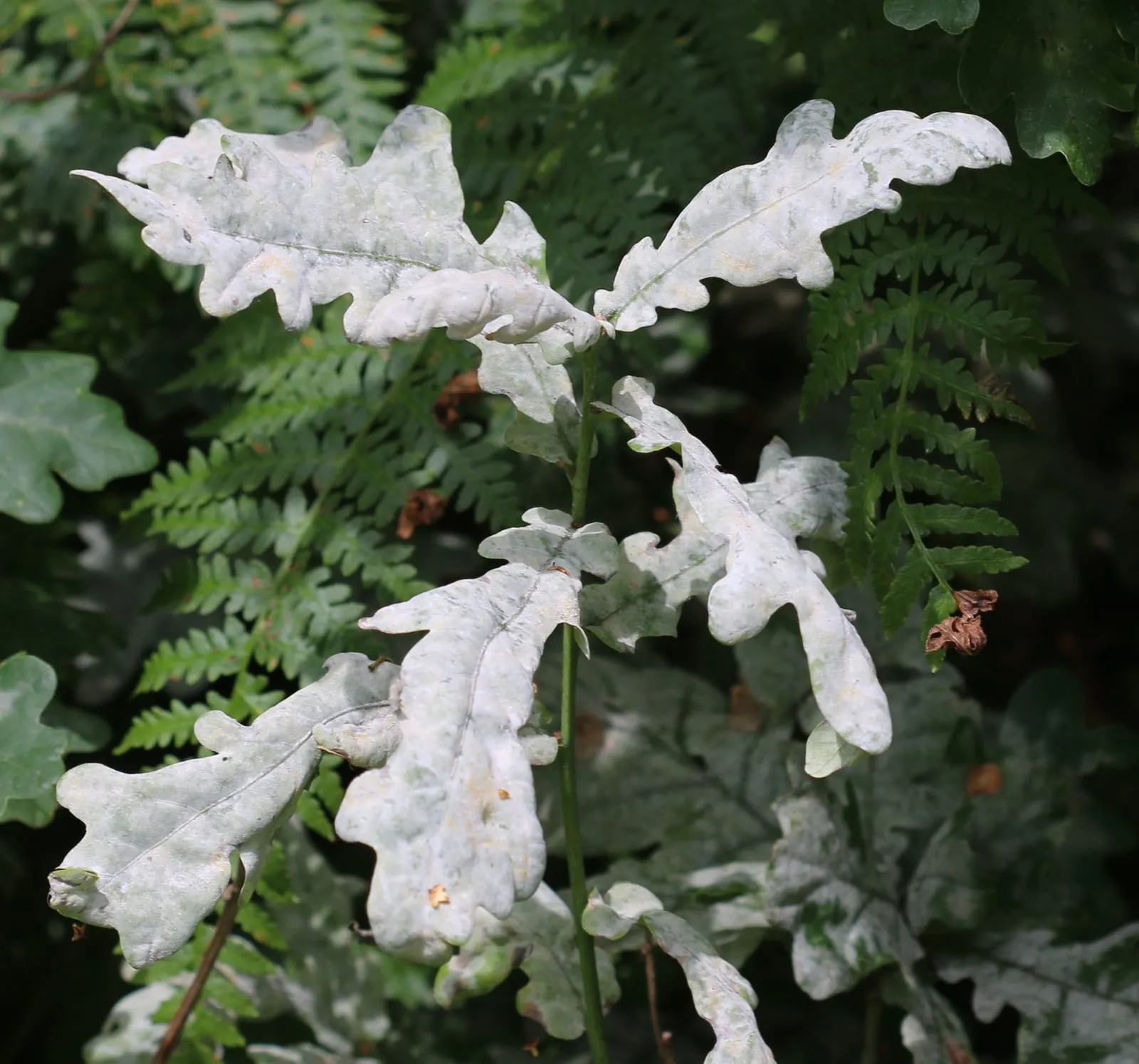
Multiple species (Erysiphales)
Surface-feeding fungal disease producing white powdery growth on leaves and stems. Reduces yield by stealing photosynthate and accelerating senescence.
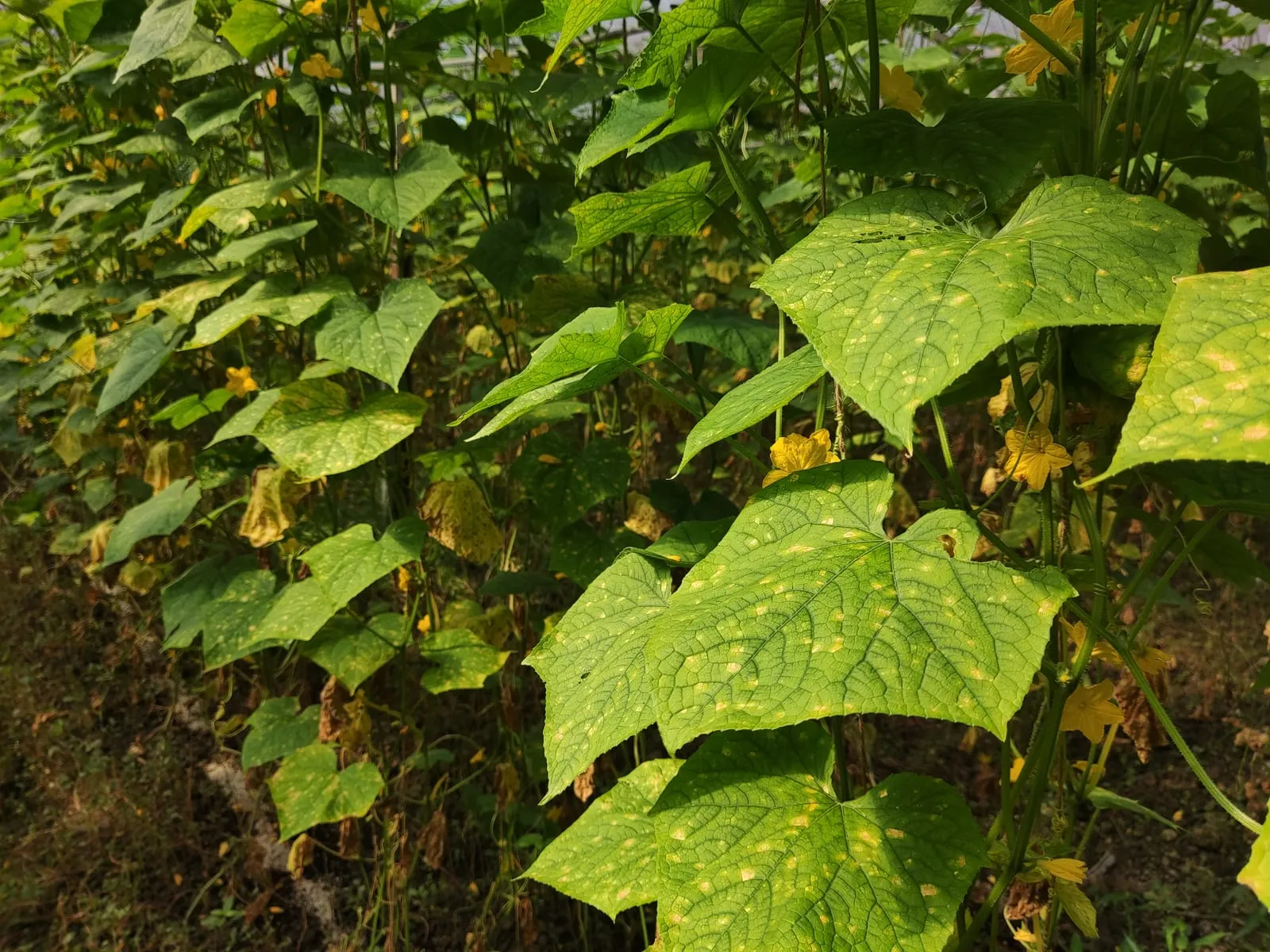
Pseudoperonospora cubensis (cucurbits) and others
Water mold (oomycete, not a true fungus) that thrives in cool damp conditions. Spreads rapidly through cucurbit and brassica plantings on wind-borne spores.
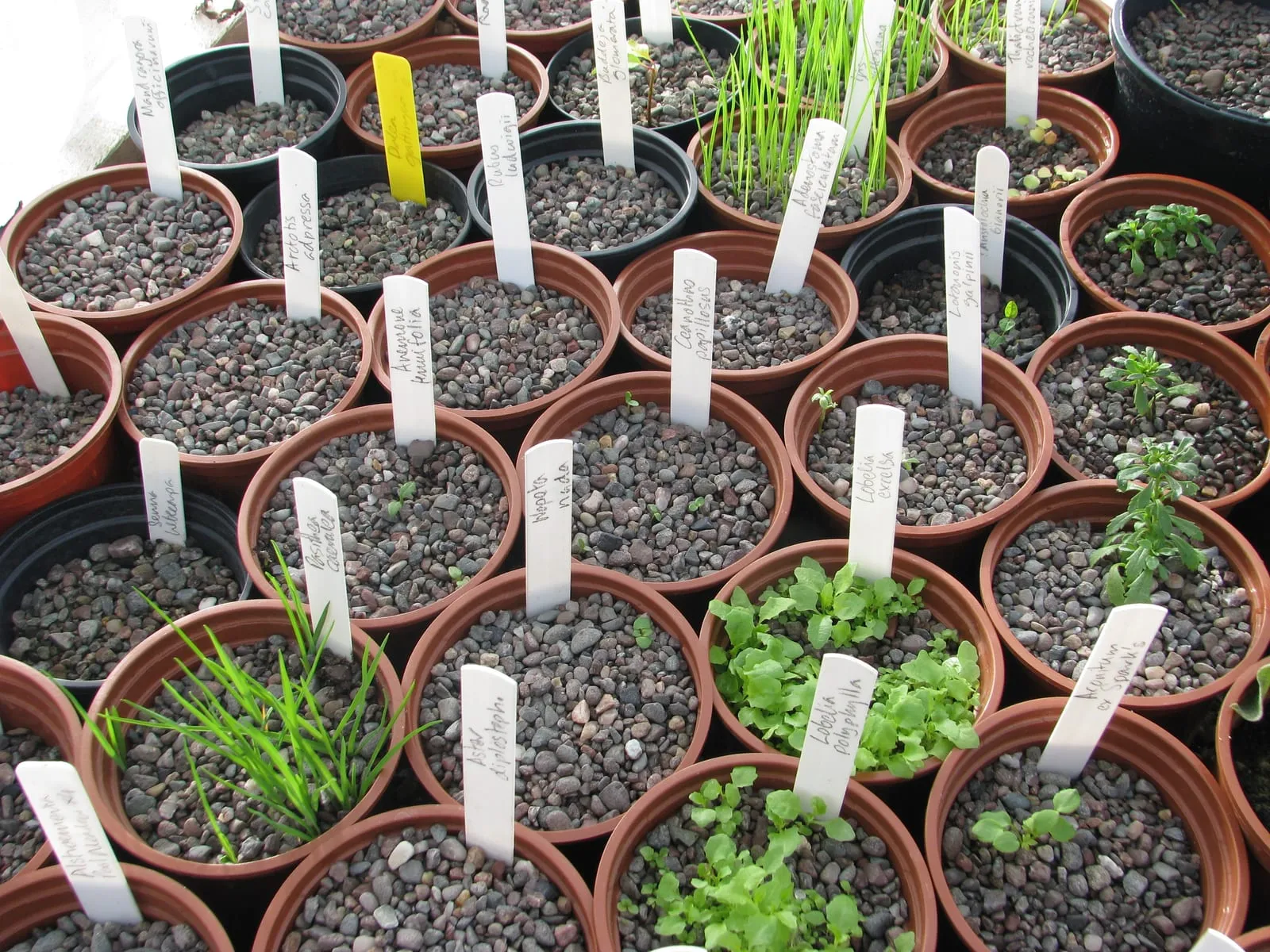
Pythium and Rhizoctonia species
Soil-borne complex of water molds and fungi that kill seedlings before or shortly after emergence. The single most common cause of seed-starting failures.
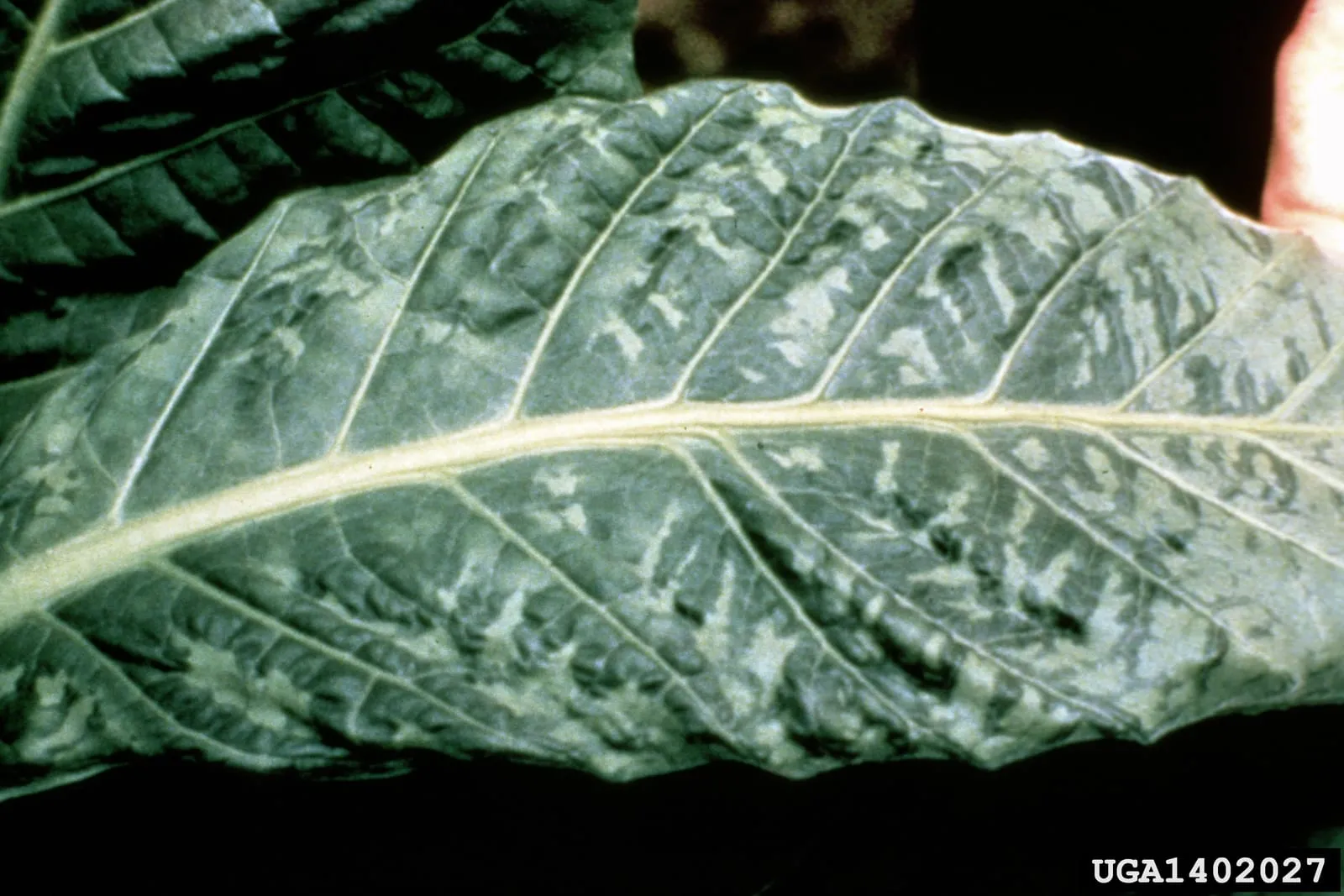
Cucumber mosaic virus, Tobacco mosaic virus, and others
Family of plant viruses producing mottled yellow-and-green leaf patterns. Vectored primarily by aphids; some are seed-transmitted or spread by handling tools and tobacco products.
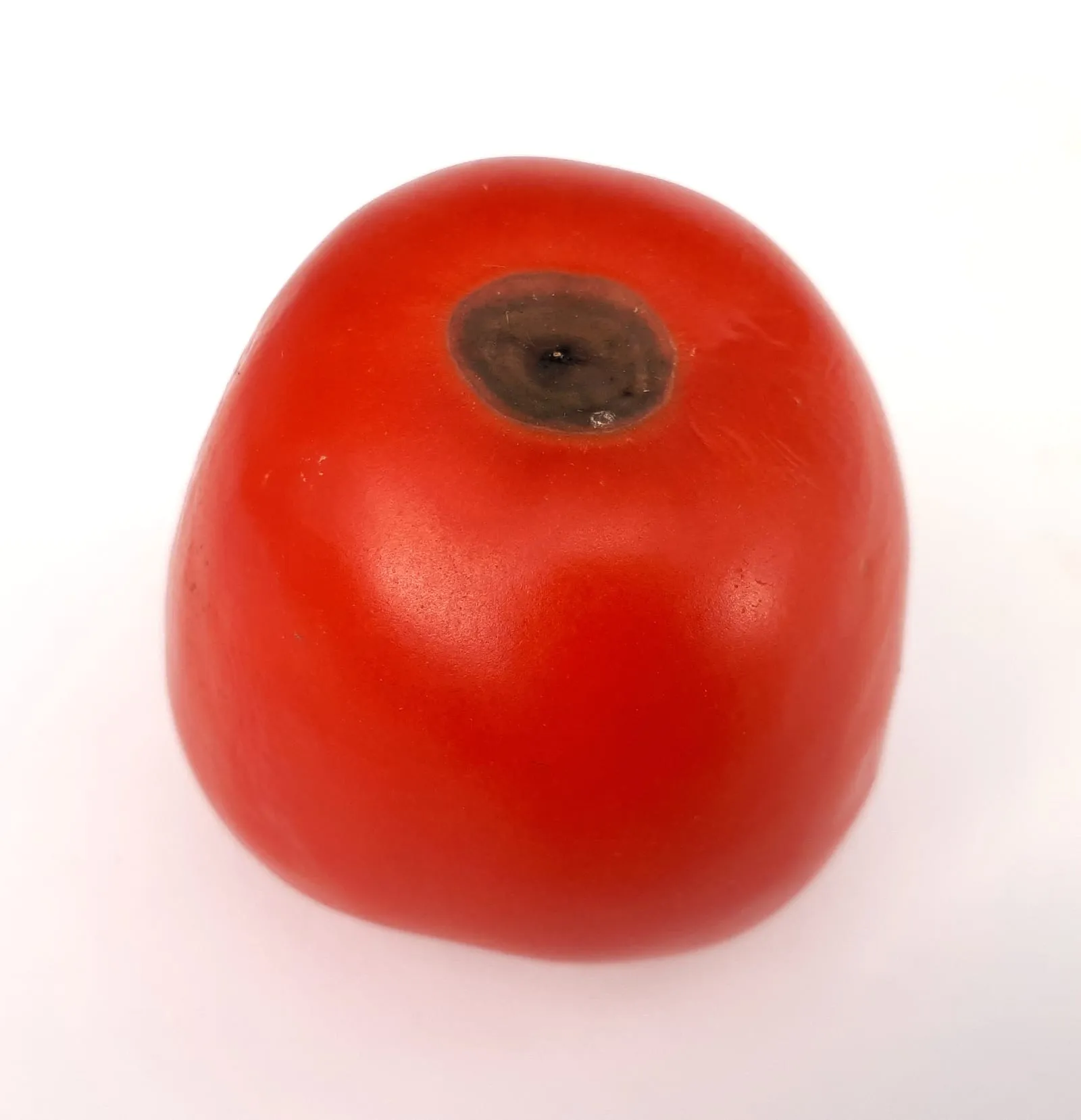
Calcium deficiency physiological disorder
Not a true disease but a calcium-uptake disorder caused by inconsistent soil moisture during fruit development. The dominant cause of damaged first-fruit on home tomato plantings.
Modified care for zone 7b
The main management adjustment in zone 7b is timing plantings to minimize overlap with peak pest and disease windows. Squash vine borer adults typically fly from late June through mid-August in piedmont North Carolina; a second planting started after July 4 largely sidesteps the heaviest egg-laying pressure. Row cover at transplanting provides additional protection for early plantings but must be removed at first flower for pollination.
Powdery Mildew and Downy Mildew both escalate in August when nights stay warm and dew persists. Wider plant spacing (at least 36 inches between hills), morning-only irrigation, and removing heavily infected leaves early slows spread. Japanese beetles and brown marmorated stink bugs feed on foliage and fruit from July onward; hand removal or targeted sprays during peak feeding reduce cosmetic damage. No extra winter protection is needed since the crop does not overwinter.
Frequently asked questions
- When should summer squash be planted in zone 7b?
Direct sow or transplant after the last frost, typically April 1 to April 15 in most of zone 7b, once soil temperature reaches 60°F. A second succession in mid-June extends harvest through fall and often escapes the worst squash vine borer pressure.
- What varieties of summer squash perform well in zone 7b?
Black Beauty Zucchini, Yellow Crookneck, Costata Romanesco, and Patty Pan all suit zone 7b conditions. Varieties with some disease tolerance are worth prioritizing given the region's late-summer humidity.
- How do I manage powdery mildew on summer squash in zone 7b?
Wider plant spacing, morning-only irrigation, and removing heavily infected leaves early are the most effective cultural controls. Succession planting keeps younger, more resistant plants in the ground through the high-pressure August period.
- Is squash vine borer a problem in zone 7b?
Yes. Adults typically fly from late June through mid-August in piedmont North Carolina. Row cover at planting protects young stems but must be removed at first flower. A second planting started after July 4 largely avoids peak egg-laying.
+−
+−
+−
+−
Summer Squash in adjacent zones
Image: "Cucurbita pepo Vilarromaris Oroso Galiza 2", by Lmbuga, via Wikimedia Commons, licensed under CC-BY Source.

Related