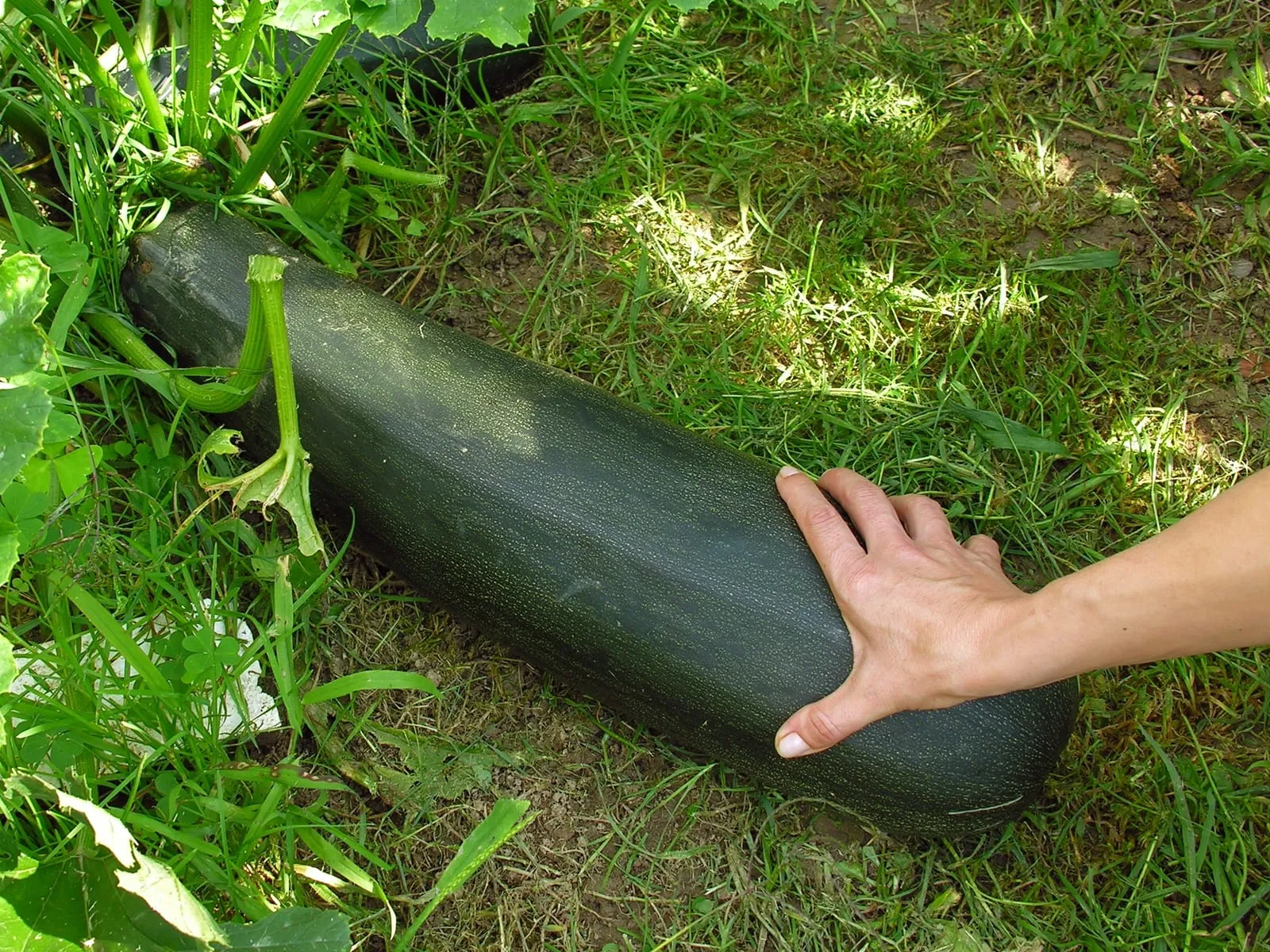
vegetable in zone 6a
Growing summer squash in zone 6a
Cucurbita pepo
- Zone
- 6a -10°F to -5°F
- Growing season
- 180 days
- Suitable varieties
- 4
- Days to harvest
- 45 to 60
The verdict
Zone 6a is a reliable growing zone for summer squash, not a marginal one. Unlike stone fruits or berry crops, summer squash carries no chill-hour requirement; the relevant variables are frost timing and accumulated soil warmth. With a growing season of approximately 180 days and last-frost dates typically falling between April 15 and May 5 depending on location within the zone, there is ample time to run two full successions and still harvest before the first fall freeze. Zone 6a minimum winter temperatures (-10 to -5°F) are irrelevant to an annual crop that completes its entire life cycle within the frost-free window.
Black Beauty Zucchini, Yellow Crookneck, Costata Romanesco, and Patty Pan all perform well here; none require unusually long seasons to produce. The limiting factor in zone 6a is not cold tolerance but disease management as the season stretches into humid late summer, particularly as powdery mildew and downy mildew pressure builds.
Recommended varieties for zone 6a
4 cultivars suited to this zone, with disease-resistance and zone-fit annotations.
| Variety | Notes | Zone fit | Disease resistance |
|---|---|---|---|
| Black Beauty Zucchini fits zone 6a | Mild, tender, classic dark green zucchini; the home-garden standard. Sauteing, grilling, breads, pasta. Heritage open-pollinated, prolific (almost too prolific). | | none noted |
| Yellow Crookneck fits zone 6a | Mild, buttery, slightly sweet; bright yellow curved-neck heritage Southern squash. Sauteing, casseroles, fritters. Less watery than zucchini, more flavor. | | none noted |
| Costata Romanesco fits zone 6a | Nutty, dense, exceptional flavor for a summer squash; Italian heirloom with deeply ribbed pale-green fruit. Slicing for grills, raw on salads, sauteing. | | none noted |
| Patty Pan fits zone 6a | Sweet, tender, mild; flying-saucer-shaped white or yellow squash. Stuffed, halved on the grill, fresh. Productive, picks small (2-3 inch) for best texture. | | none noted |
Critical timing for zone 6a
Summer squash germinates reliably once soil temperatures reach 60°F, typically late April to early May in zone 6a. Direct sowing after the last expected frost places first harvests in late June or early July, as most varieties mature in 45 to 55 days from seed. Plants enter heavy bloom in July, with male flowers appearing several days ahead of females; pollination and fruit set follow quickly in warm conditions.
The 180-day frost-free window in zone 6a supports succession plantings every three to four weeks through late June, extending continuous harvest well into September. First fall frosts generally arrive between mid-October and early November in this zone, which gives a late succession planting a reasonable run before the season closes.
Common challenges in zone 6a
- ▸ Brown rot in stone fruit
- ▸ Japanese beetles
- ▸ Spring frost damage to peach buds
Disease pressure to watch for
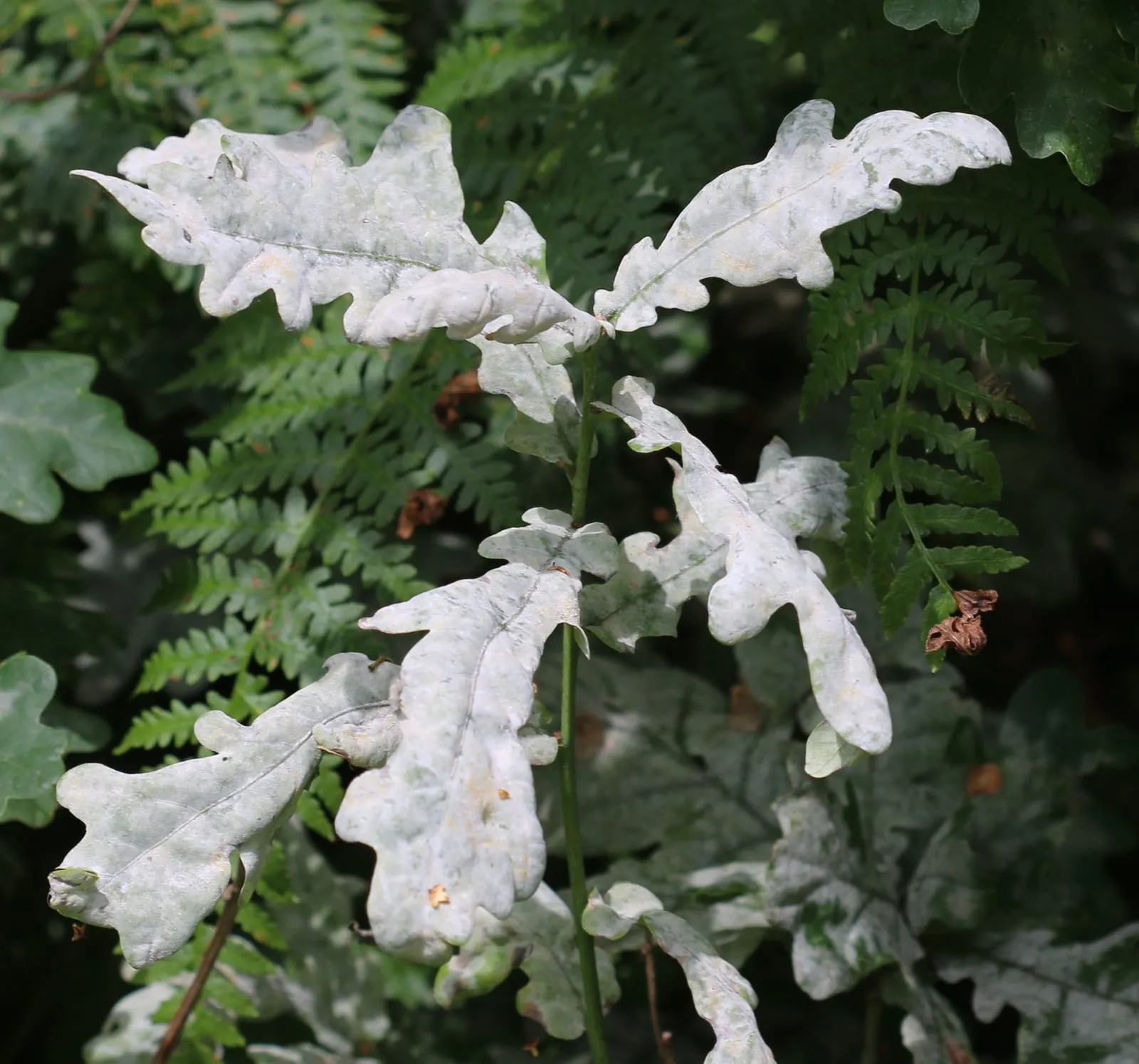
Multiple species (Erysiphales)
Surface-feeding fungal disease producing white powdery growth on leaves and stems. Reduces yield by stealing photosynthate and accelerating senescence.
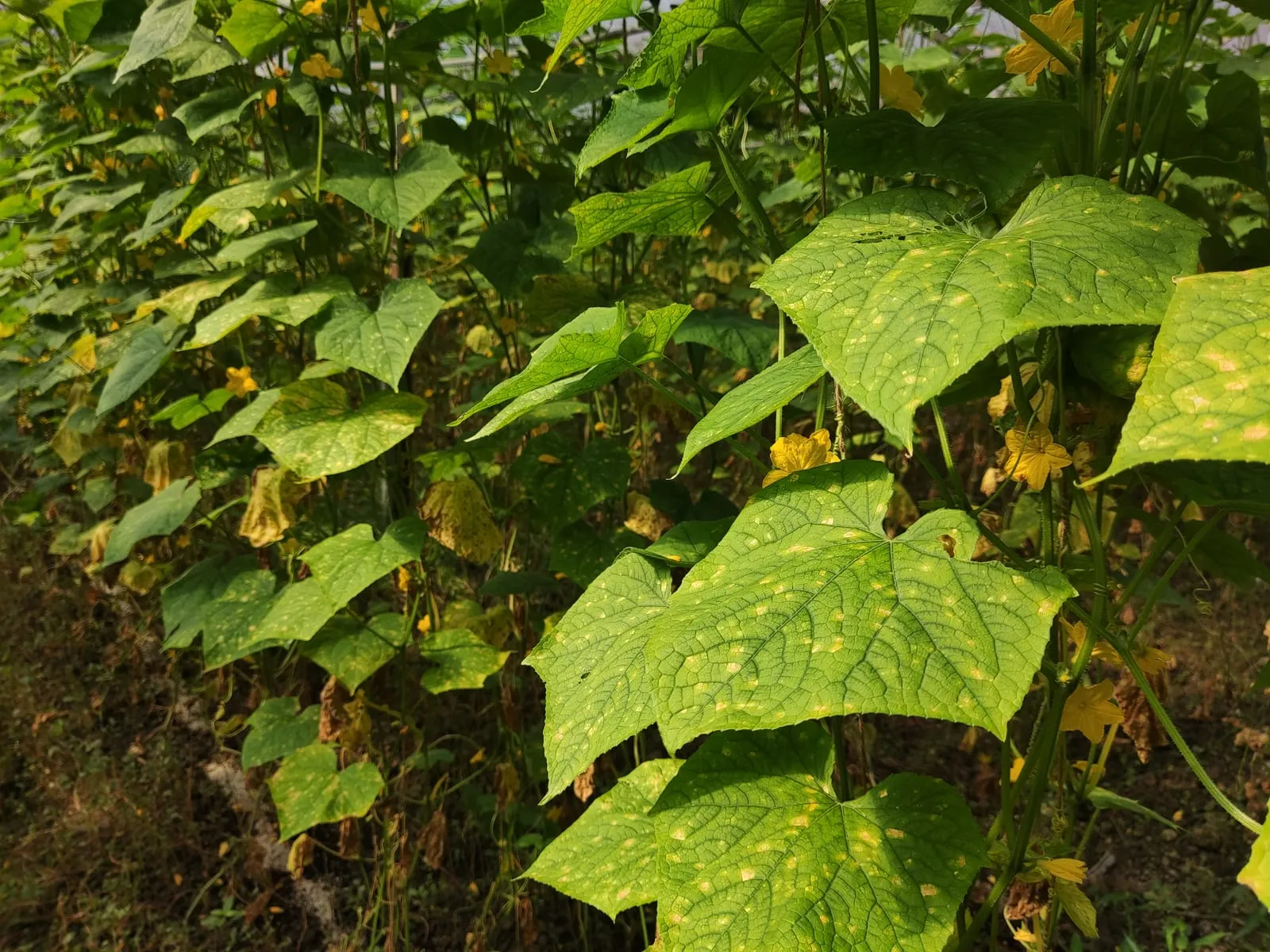
Pseudoperonospora cubensis (cucurbits) and others
Water mold (oomycete, not a true fungus) that thrives in cool damp conditions. Spreads rapidly through cucurbit and brassica plantings on wind-borne spores.
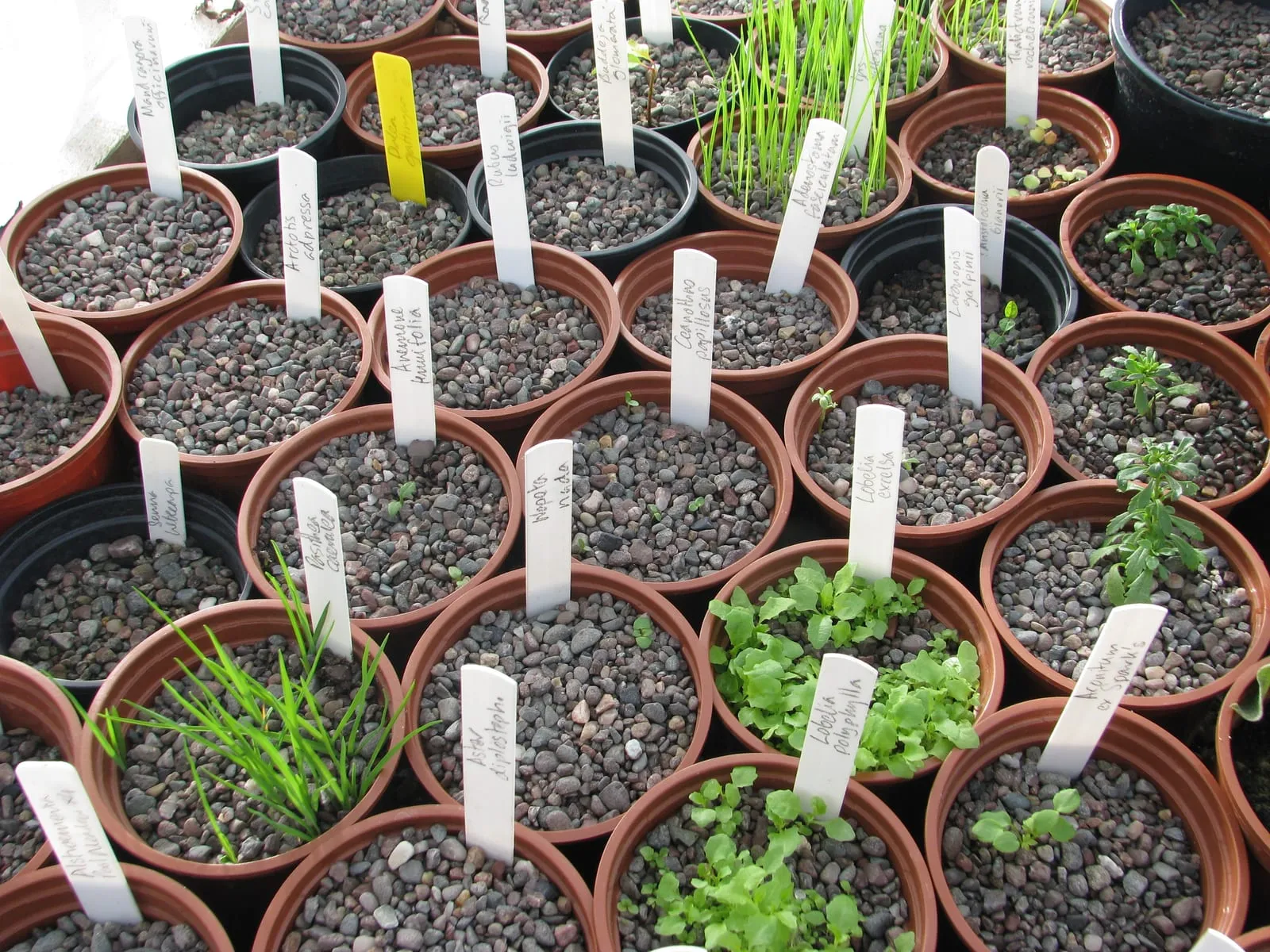
Pythium and Rhizoctonia species
Soil-borne complex of water molds and fungi that kill seedlings before or shortly after emergence. The single most common cause of seed-starting failures.
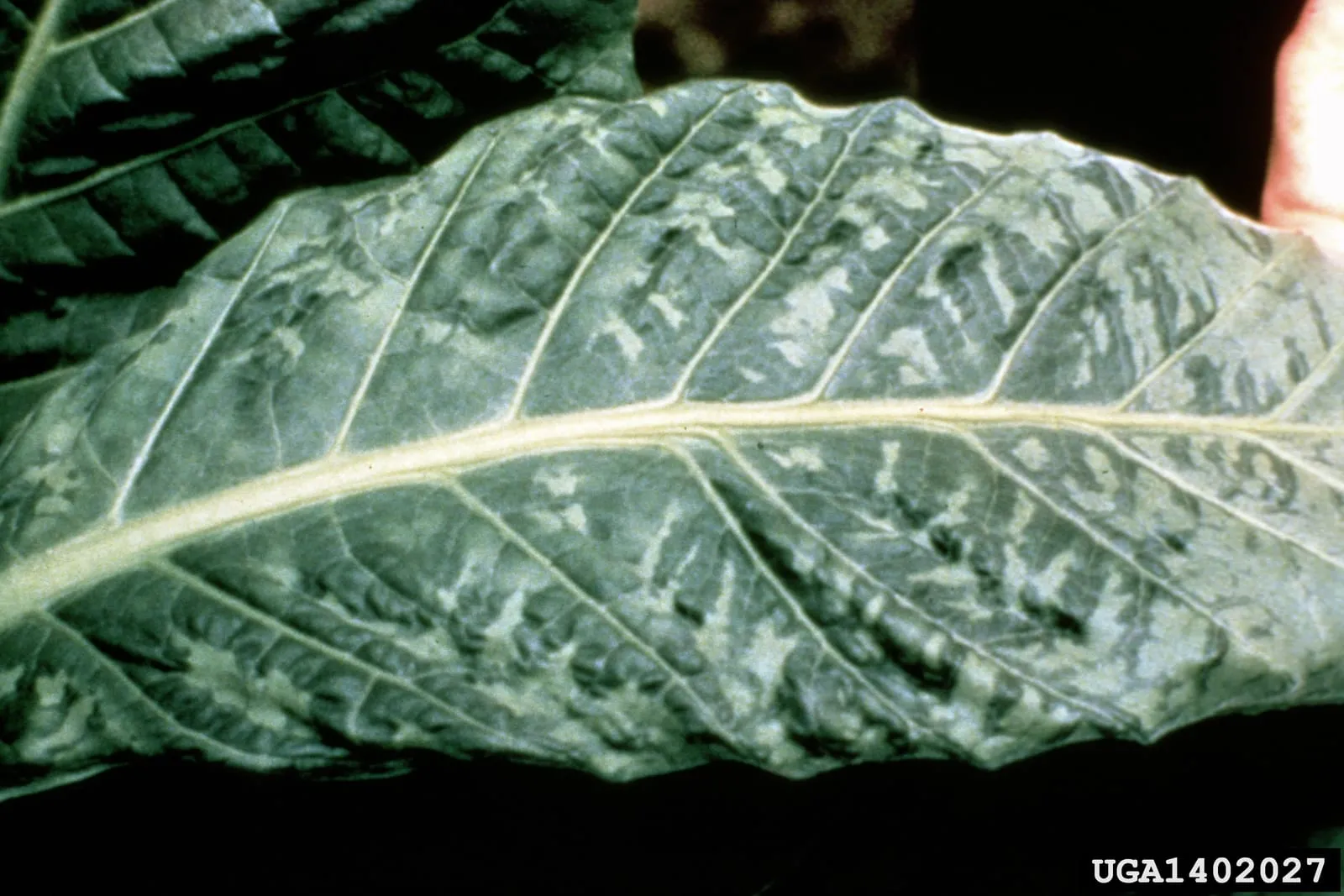
Cucumber mosaic virus, Tobacco mosaic virus, and others
Family of plant viruses producing mottled yellow-and-green leaf patterns. Vectored primarily by aphids; some are seed-transmitted or spread by handling tools and tobacco products.
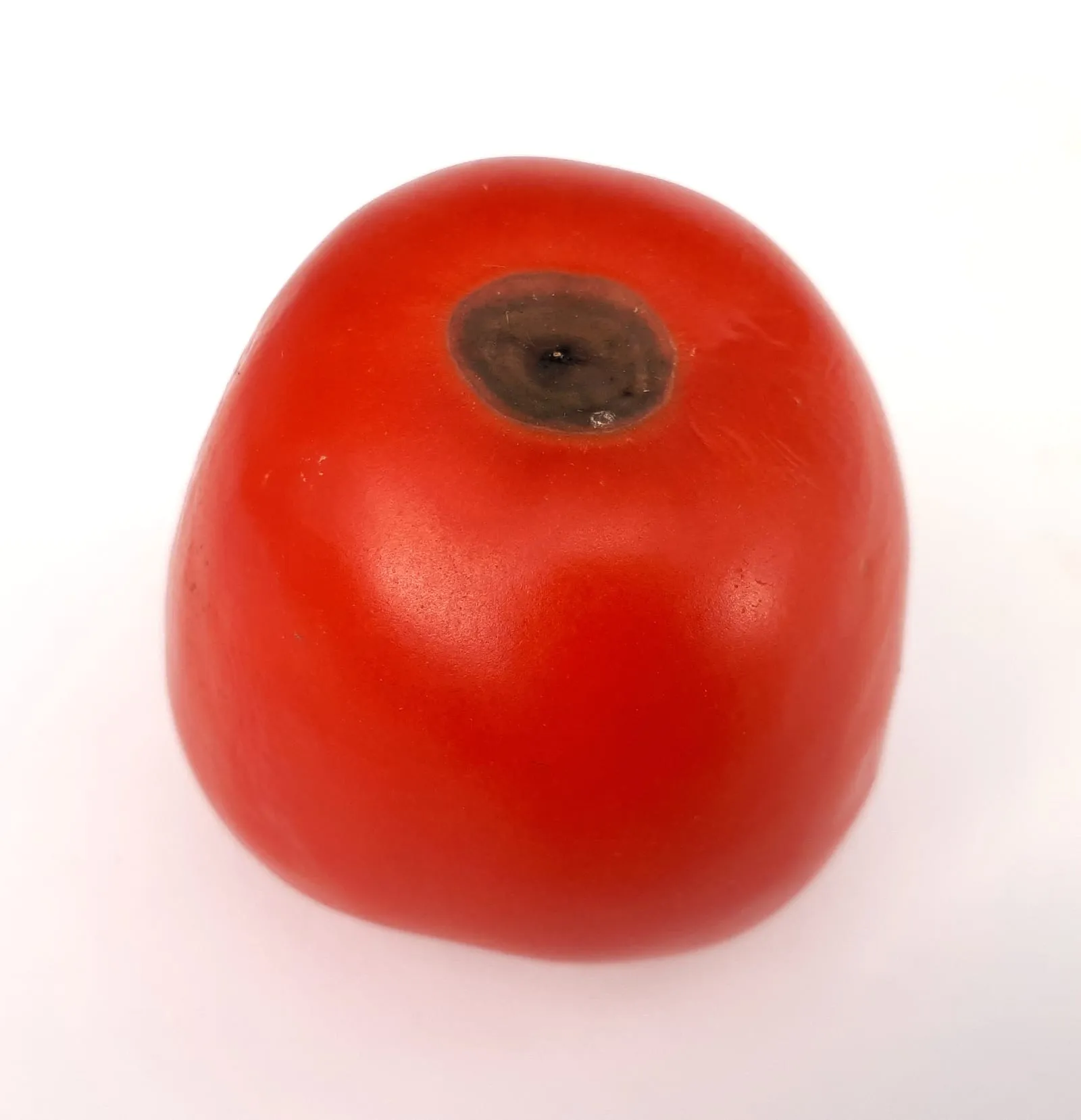
Calcium deficiency physiological disorder
Not a true disease but a calcium-uptake disorder caused by inconsistent soil moisture during fruit development. The dominant cause of damaged first-fruit on home tomato plantings.
Modified care for zone 6a
The two diseases most likely to shorten the productive season for summer squash in zone 6a are vegetable powdery mildew and downy mildew, both of which intensify during the warm, humid conditions common in late July and August across much of this zone. Spacing plants to 24 to 36 inches and avoiding overhead irrigation reduces leaf wetness and slows both pathogens. Costata Romanesco carries some tolerance to powdery mildew compared to standard zucchini types, making it a practical choice for growers who see heavy pressure in late summer.
Japanese beetles, a documented zone pressure, will also feed on squash foliage and flowers. Hand removal in the early morning, when beetles are sluggish, is the most practical control for small plantings. Starting transplants indoors two to three weeks before last frost can help growers get ahead of squash vine borer egg-laying, which peaks in early summer across much of zone 6a.
Frequently asked questions
- Is zone 6a too cold for summer squash?
No. Summer squash is an annual with no cold dormancy requirement; it only needs to avoid frost during its 45 to 55 day growing window. Zone 6a's 180-day frost-free season provides more than enough time for multiple successions.
- When should summer squash be planted in zone 6a?
Direct sow after the last frost, typically mid-April to early May in zone 6a. For earlier harvests, start transplants indoors two to three weeks before that date. Soil should be at least 60°F before sowing.
- Which summer squash varieties do best in zone 6a?
Black Beauty Zucchini, Yellow Crookneck, Costata Romanesco, and Patty Pan are all well-suited to zone 6a. Costata Romanesco offers some resistance to powdery mildew, which can be an advantage in humid late-summer conditions.
- What diseases are most common on summer squash in zone 6a?
Vegetable powdery mildew and downy mildew are the primary concerns, particularly from late July onward. Good air circulation, wide plant spacing, and drip irrigation rather than overhead watering help reduce both.
+−
+−
+−
+−
Summer Squash in adjacent zones
Image: "Cucurbita pepo Vilarromaris Oroso Galiza 2", by Lmbuga, via Wikimedia Commons, licensed under CC-BY Source.

Related