vegetable
Pole Bean
Phaseolus vulgaris
USDA hardiness range
- Zones
- 3b–9a
- Days to harvest
- 60 to 80
- Sun
- Full
- Water
- Moderate
- Lifespan
- annual
Growing pole bean
Pole beans (Phaseolus vulgaris) are warm-season annuals that produce over a longer window than bush types, requiring support but rewarding that investment with continuous harvests from a modest footprint. The crop is geographically flexible, performing well across zones 3b through 9a, but that range comes with conditions at both ends.
Success depends primarily on timing relative to soil temperature. Pole beans need soil at least 60°F for reliable germination; planting into cold, wet ground produces poor stands and increases seed rot risk. In short-season zones (3b through 5a), the 60-to-80-day harvest window leaves workable growing time between last and first frost, but margins in zone 3b are tight. Selecting faster-maturing varieties and counting from soil readiness rather than calendar date matters here.
At the warmer end of the range (zones 8b through 9a), the problem shifts to heat. Pod set becomes erratic when daytime temperatures consistently exceed 90°F. Planting in early spring to harvest before peak summer heat, or timing a fall planting after temperatures moderate, generally outperforms a midsummer attempt.
The crop is undemanding but not trouble-free. White mold pressure builds in humid, crowded conditions. Mexican bean beetle populations can defoliate plants quickly if scouting lapses. Recognizing both early, rather than reacting after the fact, separates a productive season from a failed one. See the Cornell Bean Production Guide for regional variety and timing data.
Recommended varieties
See all 4 →4 cultivars for home growers, with notes on flavor, ripening, and disease resistance.
| Variety | Notes | Zone fit | Disease resistance |
|---|---|---|---|
| Kentucky Wonder | Rich, classic snap-bean flavor; long round green pods. Fresh, canning, freezing. Heritage open-pollinated, prolific over a long picking season, the home-garden pole bean standard. | | none noted |
| Blue Lake Pole | Sweet, crisp, classic Pacific Northwest flavor; long straight green pods. Fresh, canning, freezing. Productive, holds quality on the vine, popular with home canners. | | none noted |
| Romano | Tender, meaty, fully developed bean flavor; flat Italian-style pods. Sauteing, fresh, slow cooking. The Italian classic, productive over many weeks. | | none noted |
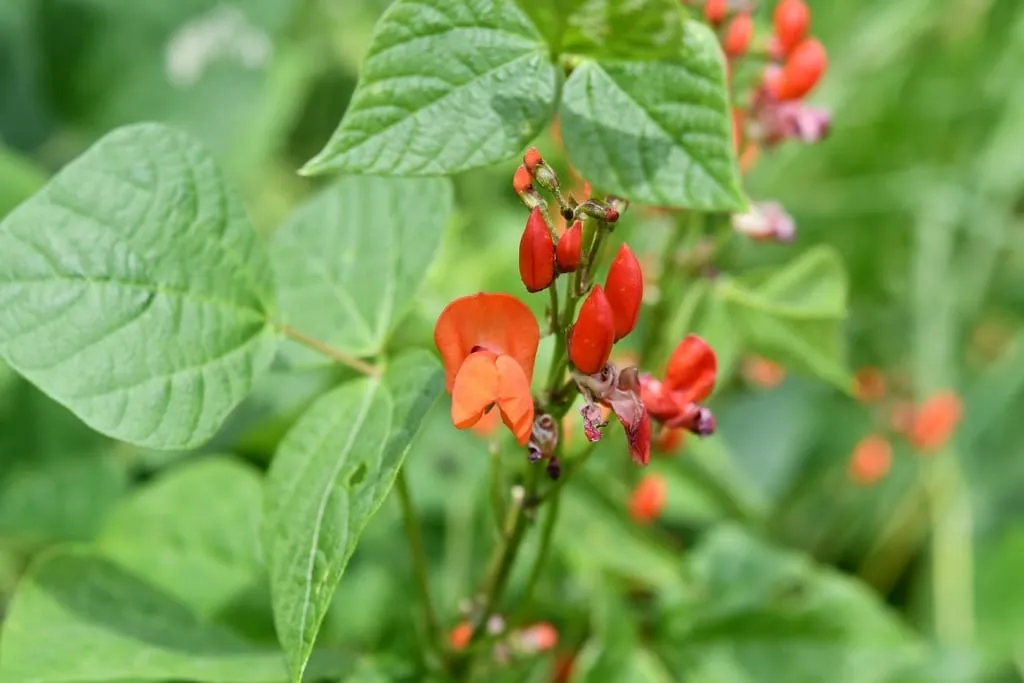
| Scarlet Runner | Hearty, slightly mealy, complex flavor; fresh-eating snap bean and dry shell-bean. Bright red flowers attract hummingbirds. Productive in cooler summers, prefers it cool. | | none noted |
Soil and site requirements
Pole beans perform best in well-drained, loamy soil with a pH between 6.0 and 6.8. Heavy clay that stays waterlogged after rain promotes root rot and creates conditions favorable for white mold; raised beds or ridged rows are the practical fix where drainage is poor.
Avoid nitrogen-heavy soils and heavy pre-season fertilizer applications. Beans fix their own nitrogen through root nodule bacteria, and excess nitrogen pushes leafy growth at the expense of pod set. If the bed previously grew heavy feeders, a light balanced application at planting is sufficient. High-nitrogen amendments are counterproductive.
Full sun is non-negotiable for consistent production: at least 6 to 8 hours of direct light daily. Partial shade reduces yield noticeably and raises humidity around foliage, which promotes fungal disease.
Spacing affects both yield and disease management. Plant seeds 3 to 4 inches apart within a row, rows 18 to 24 inches apart. Put support structures in place at planting; disturbing established root systems to install a trellis later sets plants back. A trellis height of 6 feet accommodates most varieties. Poles, cattle panels, and string trellises all work.
In short-season zones, planting against a south-facing wall or fence captures additional radiant heat and can extend the effective growing window by one to two weeks at each end of the season.
Common diseases
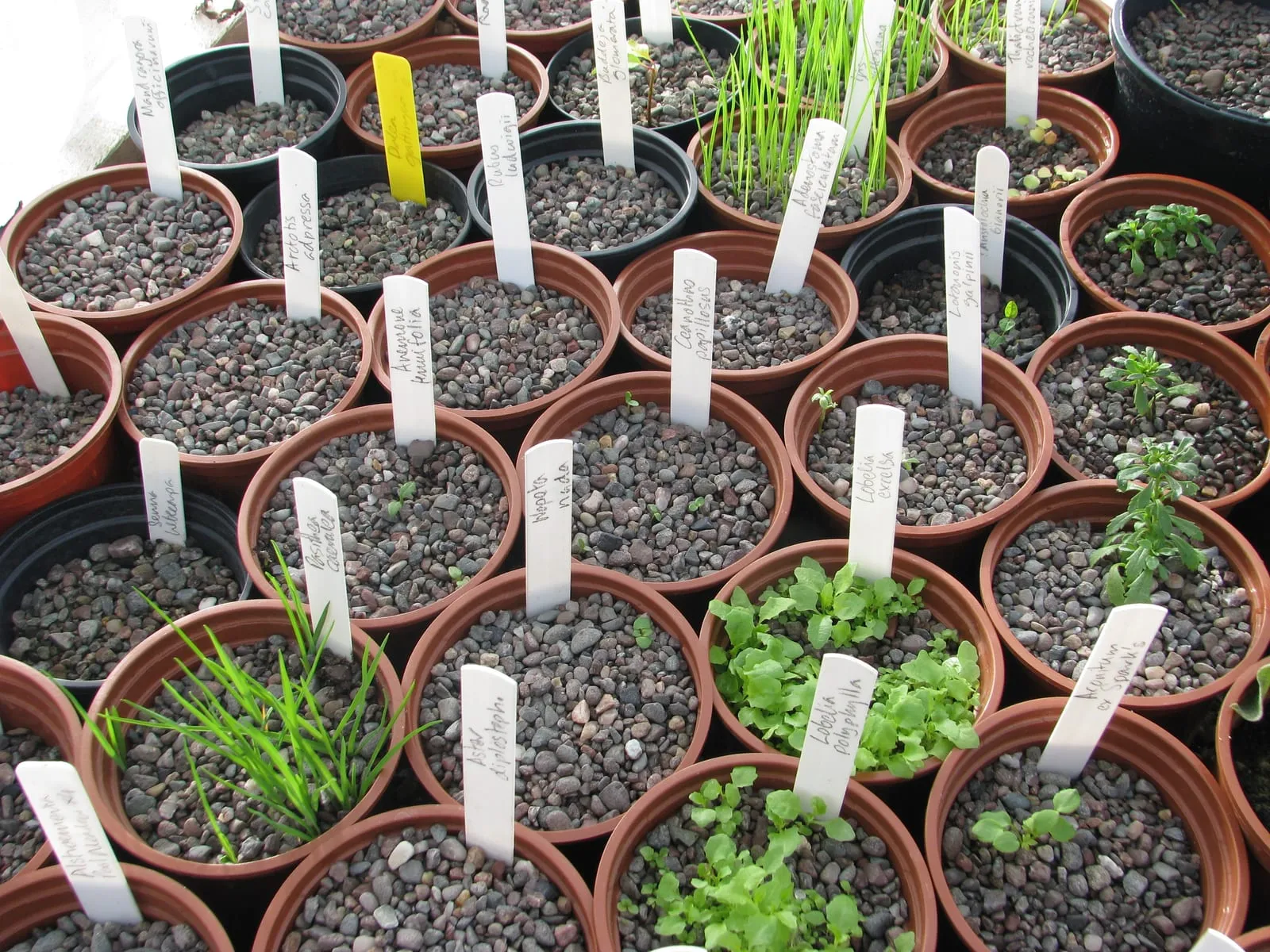
Pythium and Rhizoctonia species
Soil-borne complex of water molds and fungi that kill seedlings before or shortly after emergence. The single most common cause of seed-starting failures.
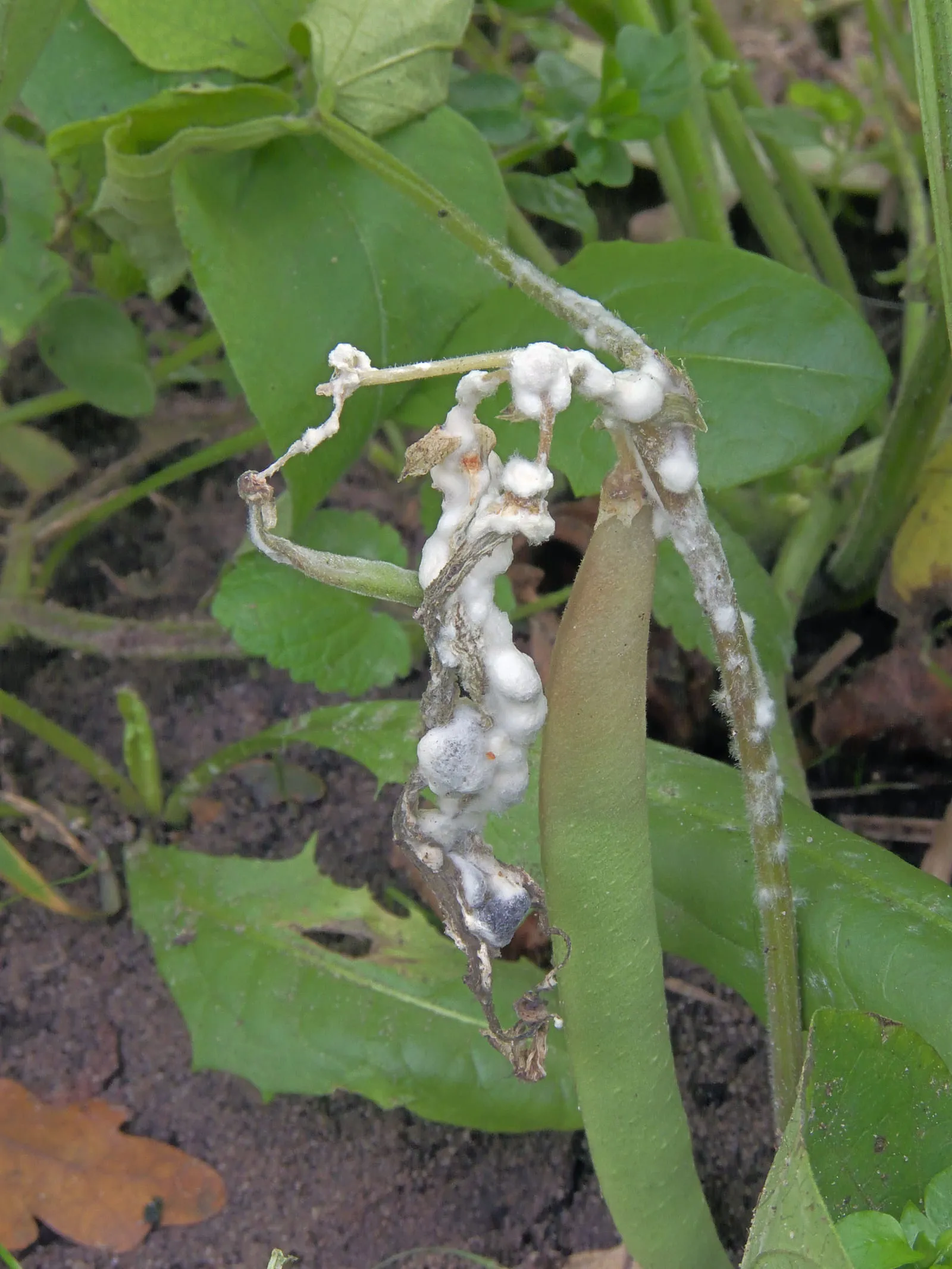
Sclerotinia sclerotiorum
Fungal disease that produces fluffy white mycelium on stems and lower leaves. Forms hard black sclerotia (resting bodies) that survive 5+ years in soil.
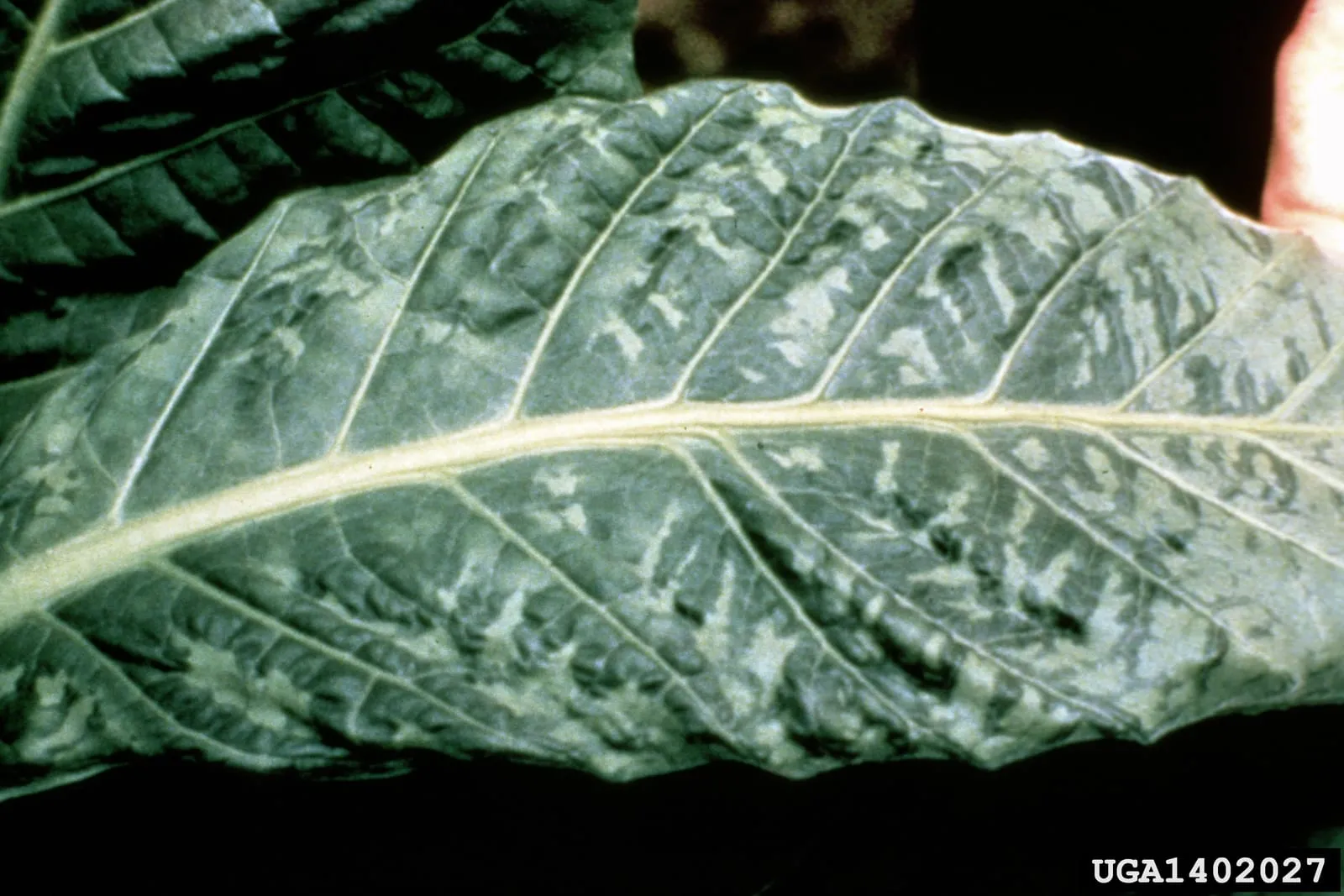
Cucumber mosaic virus, Tobacco mosaic virus, and others
Family of plant viruses producing mottled yellow-and-green leaf patterns. Vectored primarily by aphids; some are seed-transmitted or spread by handling tools and tobacco products.
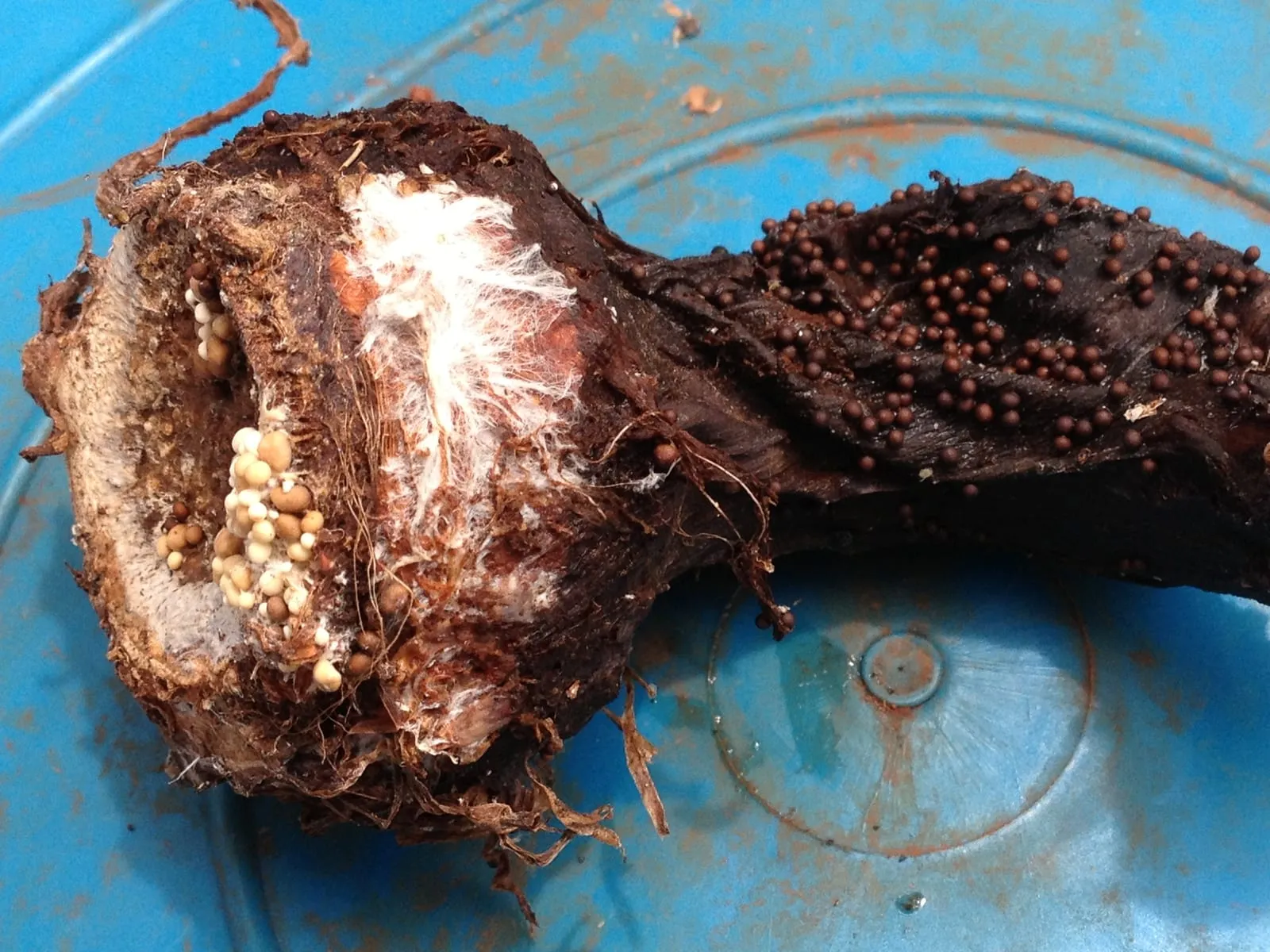
Sclerotium rolfsii
Soil-borne fungal disease most damaging in warm humid Southern conditions. White mycelial fans and small mustard-seed-sized sclerotia at the soil line are diagnostic.
Common pests
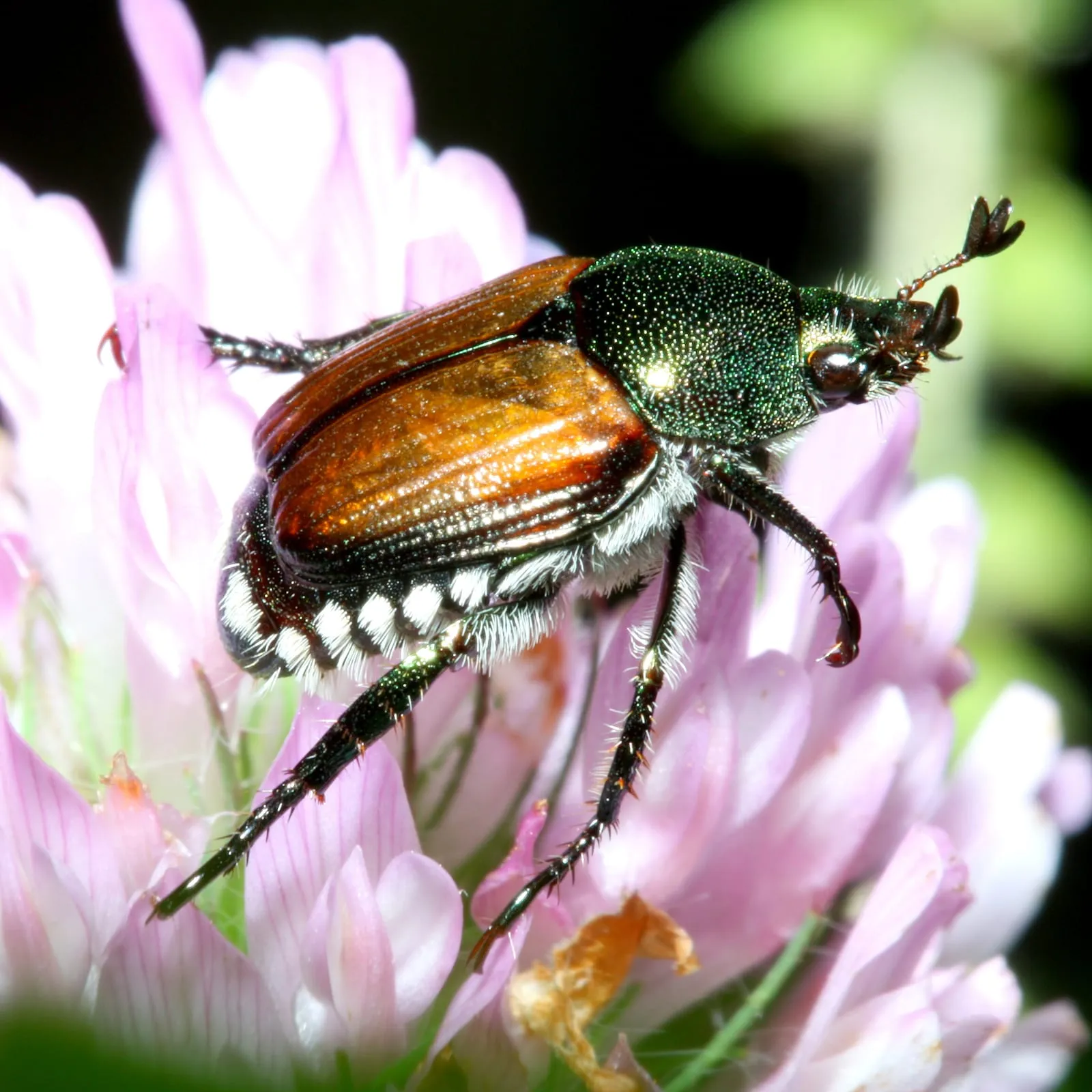
Popillia japonica
Defoliating beetle introduced to North America in 1916. Skeletonizes leaves of many fruit trees, berry canes, and pecan.
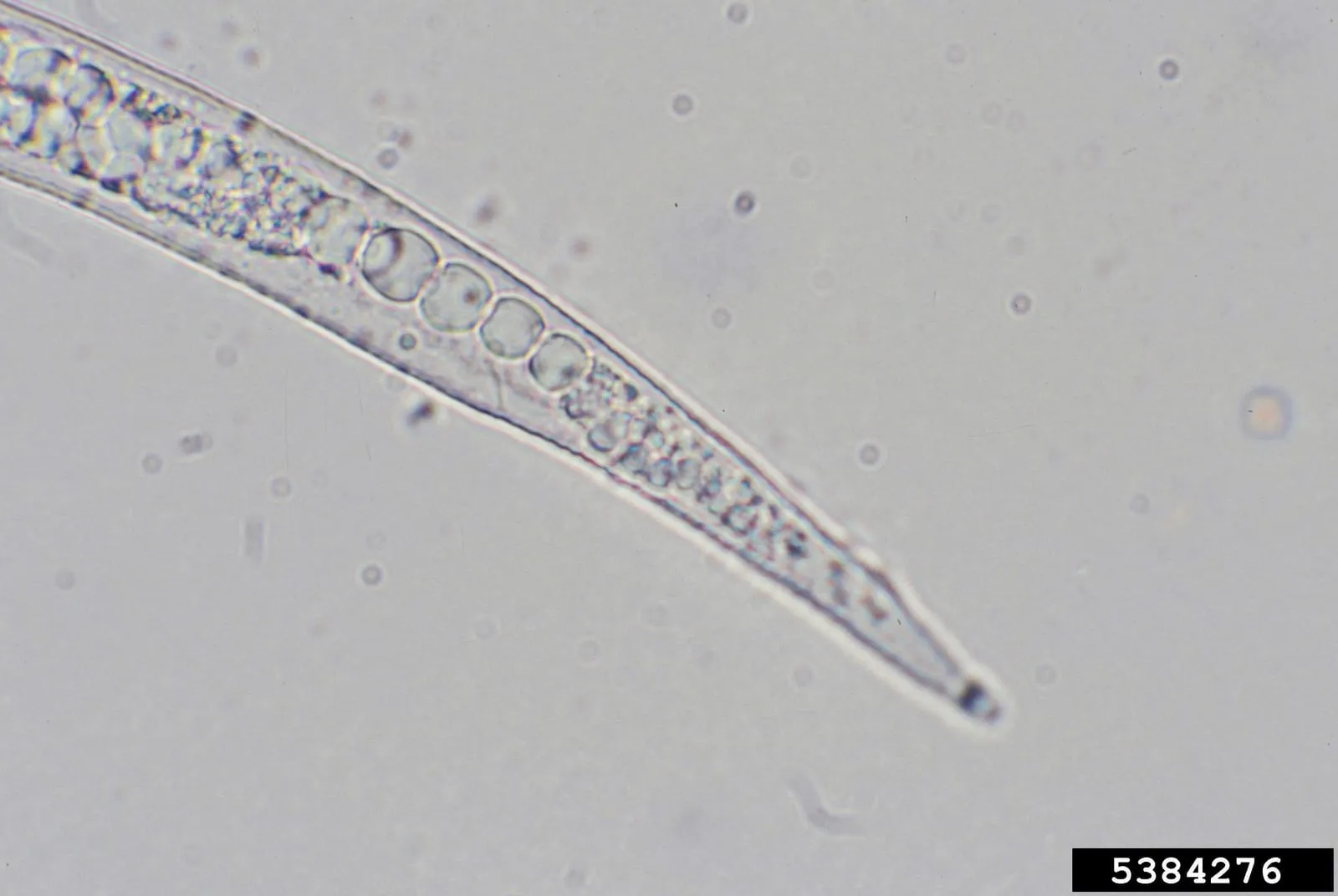
Meloidogyne species
Microscopic soil-dwelling worm that forms galls on roots, reducing vigor and yield.
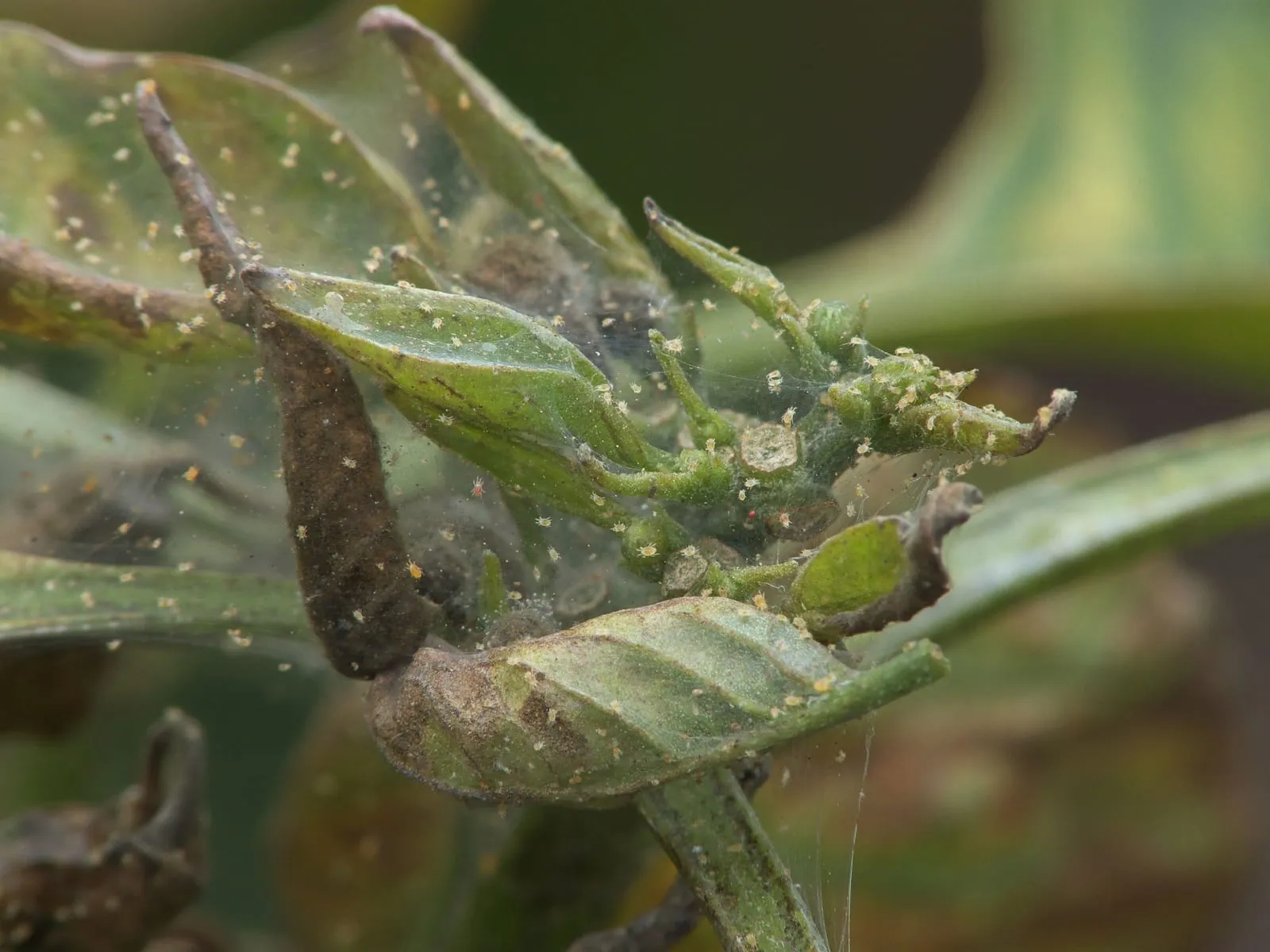
Tetranychus urticae
Tiny mite that feeds on leaf undersides, causing stippling and webbing during hot dry weather.
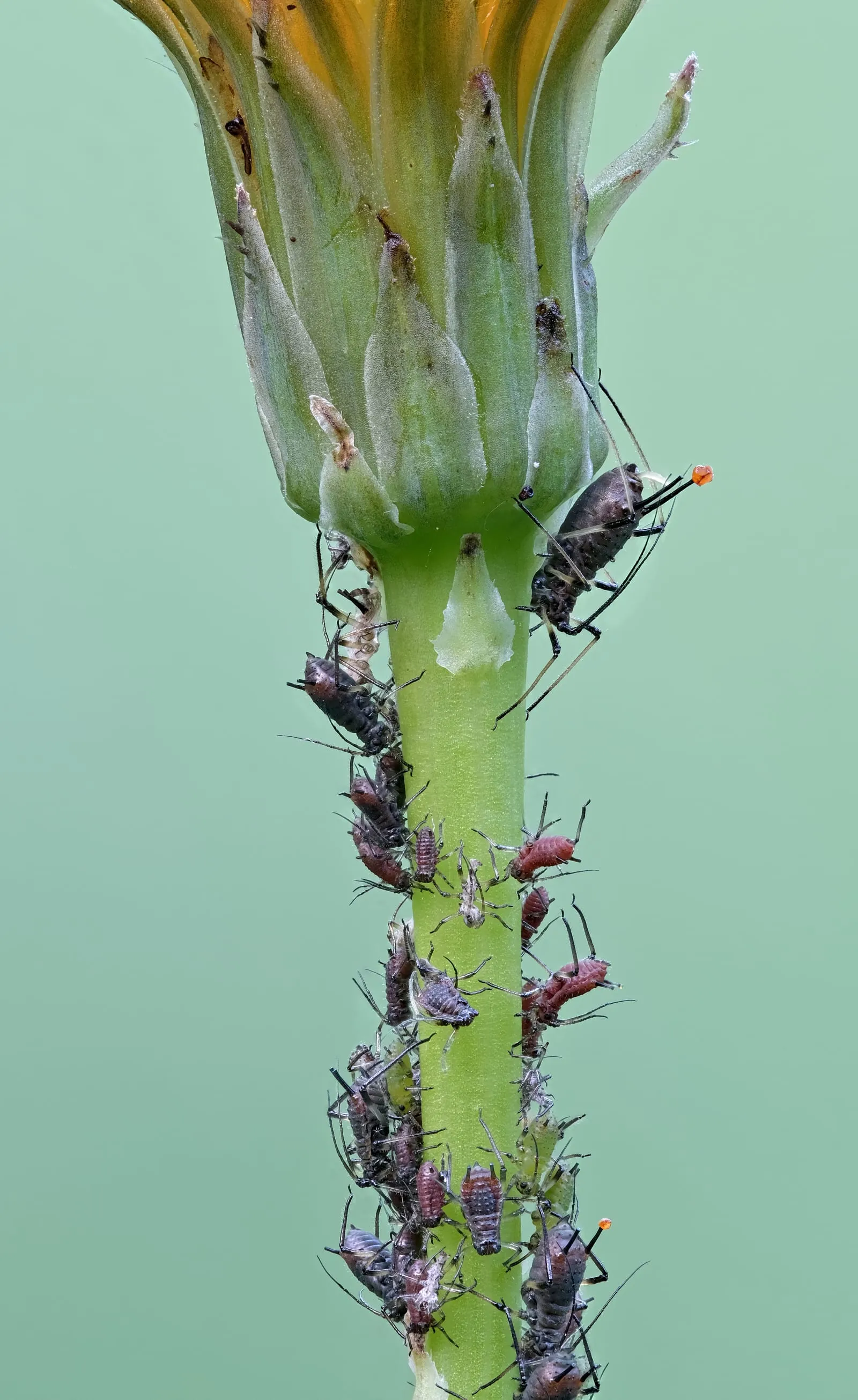
Multiple species (Aphididae)
Small soft-bodied sap-sucking insects that reproduce explosively in spring. Excrete honeydew that supports sooty mold and attracts ants. Transmit viral diseases.
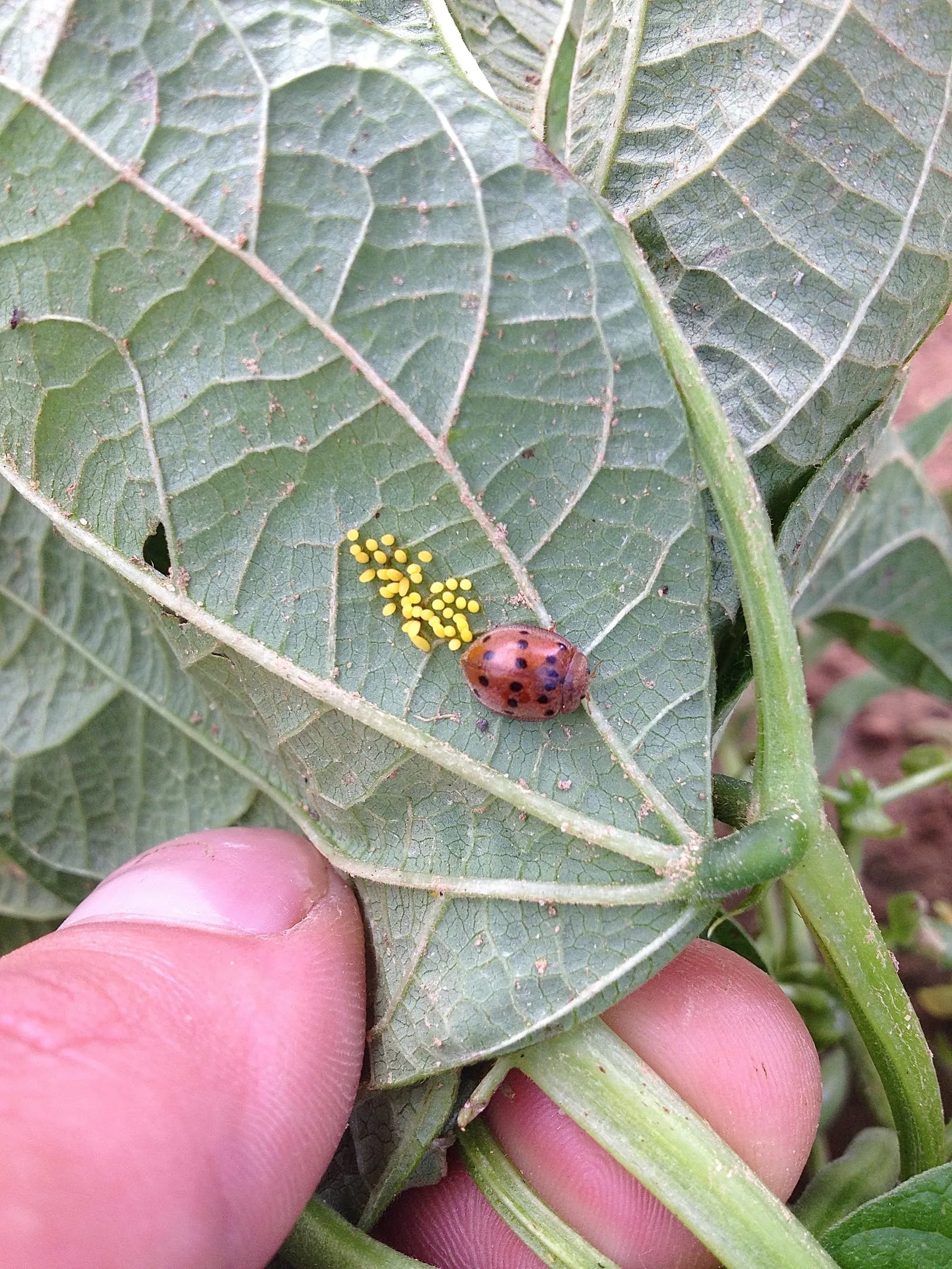
Epilachna varivestis
Coppery-orange ladybug-like adults and yellow spiny larvae that skeletonize bean foliage. The defining bean pest in the eastern US.
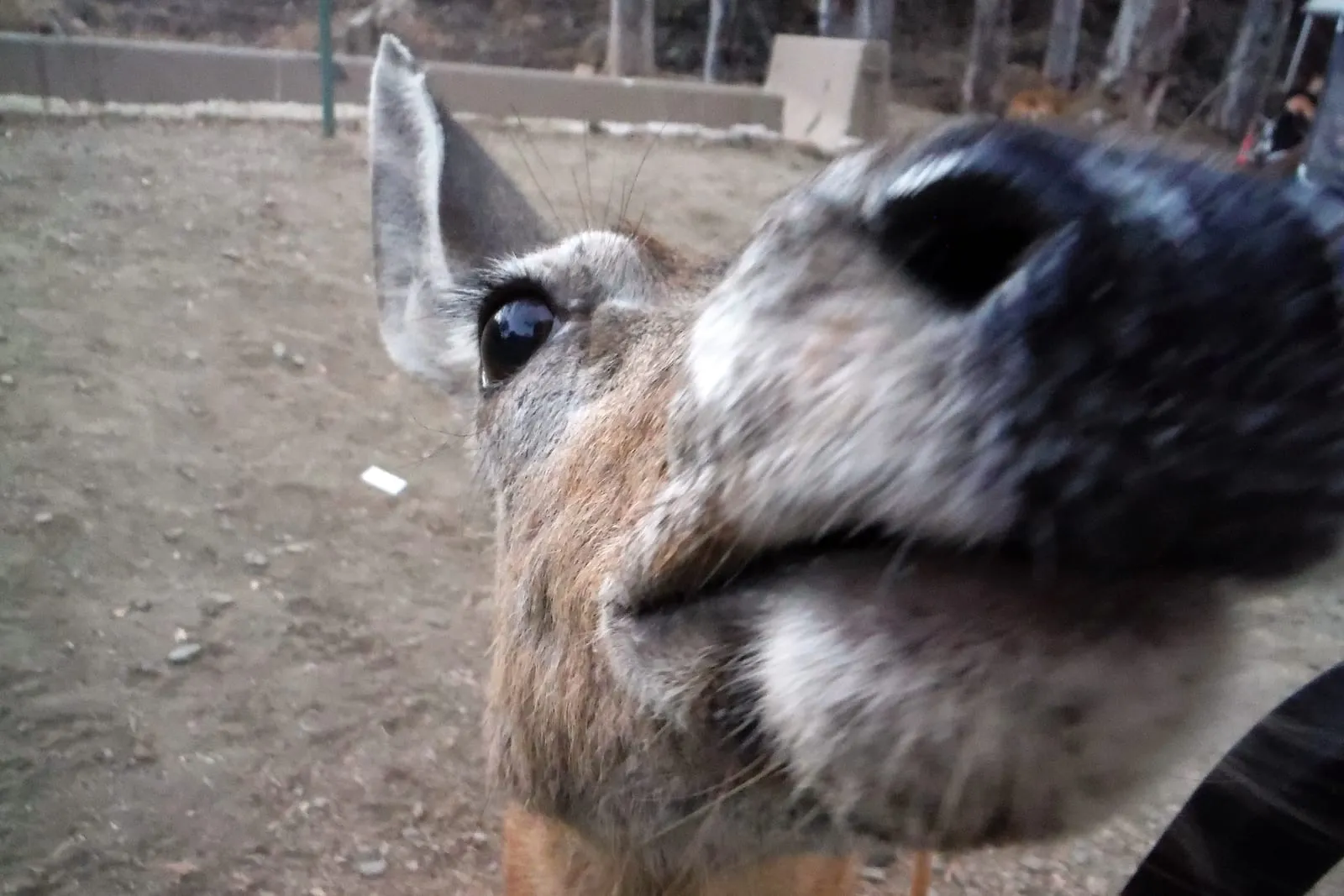
Odocoileus species
Whitetail and mule deer browse can devastate orchards and gardens, particularly in winter when food is scarce. Antler rub on young trunks kills saplings outright.
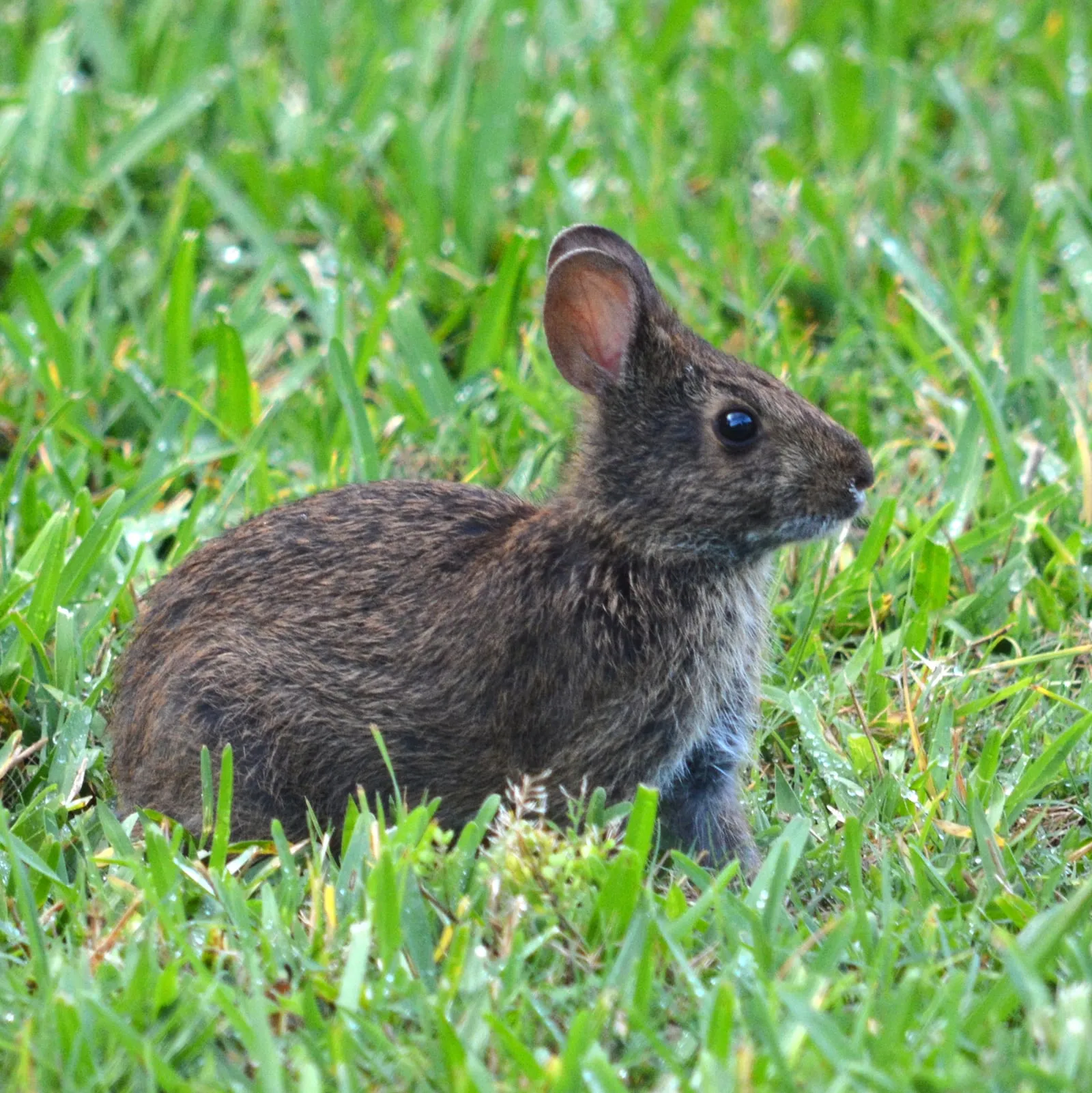
Sylvilagus and Lepus species
Cottontails and jackrabbits strip bark from young fruit trees in winter and graze tender garden vegetables year-round, especially seedlings.
Common challenges
Three problems account for most pole bean failures: cold-soil planting, white mold in humid conditions, and late-detected Mexican bean beetle pressure.
Planting too early is the single most common mistake. Cool, wet soil delays germination, causes seed rot, and produces weak seedlings prone to damping-off. Waiting until soil temperature reads at least 60°F, verified with a thermometer rather than estimated from calendar date, produces significantly better stands. Air temperature can reach 70°F days before soil catches up.
White mold (Sclerotinia sclerotiorum) attacks stems near the soil line, producing a watery soft rot and a characteristic white cottony growth. It spreads in cool, humid conditions and is difficult to reverse once established in a planting. Prevention is more effective than treatment: space plants to allow air movement, avoid overhead irrigation when possible, and remove infected material promptly rather than composting it.
Mexican bean beetle adults and larvae feed on leaf undersides, leaving a lacy skeleton that sharply reduces photosynthetic capacity. Populations can defoliate plants within a few weeks if unchecked. Scouting under leaves every few days through midsummer, when pressure peaks in most zones, allows control before populations overwhelm the crop. Handpicking egg masses and larvae works well at small scale. Aphids also concentrate on new growth and can transmit bean mosaic virus; a strong jet of water or an early application of insecticidal soap addresses them before colonies establish.
Companion plants
Frequently asked questions
- Do pole beans have chill-hour requirements?
No. Pole beans are warm-season annuals with no chill-hour requirement. Unlike fruit trees or strawberries, they do not need a period of cold dormancy. The relevant threshold is soil temperature at planting: at least 60°F for reliable germination and establishment.
- How many days from planting to first harvest?
Pole beans typically reach harvest in 60 to 80 days from direct sowing, depending on variety and growing conditions. Kentucky Wonder and Blue Lake Pole both fall within this window. Cooler soil temperatures early in the season slow development and push harvest dates toward the longer end of that range.
- Which USDA zones can grow pole beans?
Pole beans grow across zones 3b through 9a. In the coldest zones (3b through 5a), success depends on timing plantings carefully within the frost-free window and choosing varieties with days-to-harvest on the shorter end. In zones 8b and 9a, managing summer heat is the primary concern, since pod set declines when daytime temperatures consistently exceed 90°F.
- Are pole beans self-pollinating, or do they need pollinators?
Pole beans are self-fertile. Each flower contains both male and female parts and can set pods without insect pollination. Bee activity can improve fruit set under some conditions, but a productive harvest does not depend on pollinator presence. Row covers can remain on plants through flowering without affecting yields.
- What is the most common disease affecting pole beans?
White mold (Sclerotinia sclerotiorum) is the primary fungal threat, causing soft stem rot and a cottony white growth near the soil line. It spreads in cool, humid conditions and is difficult to control once established. Adequate plant spacing, limited overhead watering, and prompt removal of infected tissue are the most reliable preventive measures.
- Can pole beans be grown in containers?
Pole beans can grow in containers, but the containers need to be large (at least 12 to 15 inches deep and wide per plant cluster) and must drain freely. The main practical challenge is support: a trellis or tall pole must be anchored securely to the container, which becomes heavy and unstable in wind without ballasting.
- What is the difference between Kentucky Wonder and Blue Lake Pole?
Kentucky Wonder is a heritage open-pollinated variety with long round pods and a rich, classic snap-bean flavor; it has been a home-garden standard for generations. Blue Lake Pole produces long, straight pods with a sweeter, crisper flavor profile and holds its quality on the vine longer, making it particularly popular with home canners. Both are fresh-use and canning varieties that perform across the zones listed for this crop.
+−
+−
+−
+−
+−
+−
+−
Sources
Image: "Ayocote", by Neptalí Ramírez Marcial, via iNaturalist, licensed under CC-BY. Source.
Pole Bean by zone
Related