vegetable in zone 5a
Growing pole bean in zone 5a
Phaseolus vulgaris
- Zone
- 5a -20°F to -15°F
- Growing season
- 150 days
- Suitable varieties
- 4
- Days to harvest
- 60 to 80
The verdict
Pole beans are warm-season annuals with no chill-hour requirement, so the primary question in zone 5a is not cold hardiness but growing season length. At roughly 150 frost-free days, zone 5a provides adequate time for all four compatible varieties to reach full production. Kentucky Wonder and Blue Lake Pole both mature in 60 to 65 days from direct sowing; Romano runs closer to 70 days; Scarlet Runner can stretch to 75 days but still fits comfortably within the zone's window. The real constraint is the late-spring frost, typically landing around mid-May in zone 5a, which sets a hard floor on planting dates. Soil temperature is a second gating factor: pole bean seed rots in soil below 60 degrees Fahrenheit, and germination is erratic below 65 degrees. Zone 5a is not marginal for pole beans. It is a workable zone, with the caveat that a grower who rushes planting before soils warm will lose seed to rot rather than cold air.
Recommended varieties for zone 5a
4 cultivars suited to this zone, with disease-resistance and zone-fit annotations.
| Variety | Notes | Zone fit | Disease resistance |
|---|---|---|---|
| Kentucky Wonder fits zone 5a | Rich, classic snap-bean flavor; long round green pods. Fresh, canning, freezing. Heritage open-pollinated, prolific over a long picking season, the home-garden pole bean standard. | | none noted |
| Blue Lake Pole fits zone 5a | Sweet, crisp, classic Pacific Northwest flavor; long straight green pods. Fresh, canning, freezing. Productive, holds quality on the vine, popular with home canners. | | none noted |
| Romano fits zone 5a | Tender, meaty, fully developed bean flavor; flat Italian-style pods. Sauteing, fresh, slow cooking. The Italian classic, productive over many weeks. | | none noted |
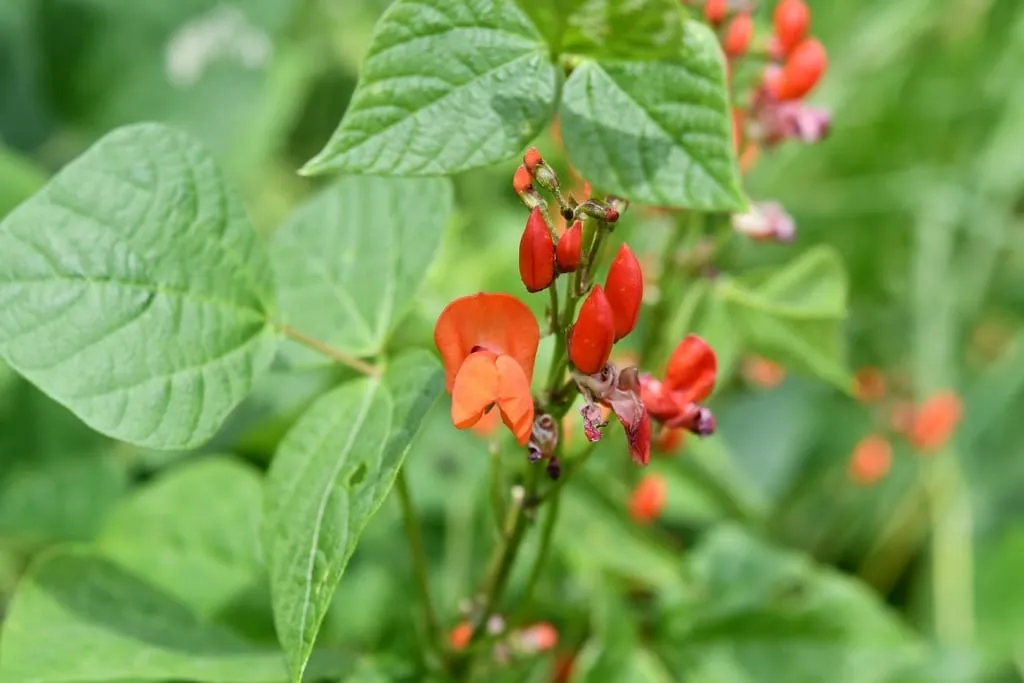
| Scarlet Runner fits zone 5a | Hearty, slightly mealy, complex flavor; fresh-eating snap bean and dry shell-bean. Bright red flowers attract hummingbirds. Productive in cooler summers, prefers it cool. | | none noted |
Critical timing for zone 5a
Planting in zone 5a should wait until after the average last frost date and until soil temperature at 2-inch depth holds consistently at or above 60 degrees Fahrenheit, which typically aligns with late May to early June in most zone 5a locations. Flowering begins 40 to 50 days after germination, placing bloom windows in mid- to late July. Harvest of the first pods follows roughly two weeks after bloom set, putting initial picking in late July through August. The first fall frost in zone 5a typically arrives in early to mid-October, leaving a productive harvest window of six to eight weeks before plants are killed. Succession planting within zone 5a is limited; a second direct sowing in late June is possible but risks running into the fall frost before full production is reached.
Common challenges in zone 5a
- ▸ Fire blight in pears
- ▸ Cedar-apple rust
- ▸ Late spring frosts
Disease pressure to watch for
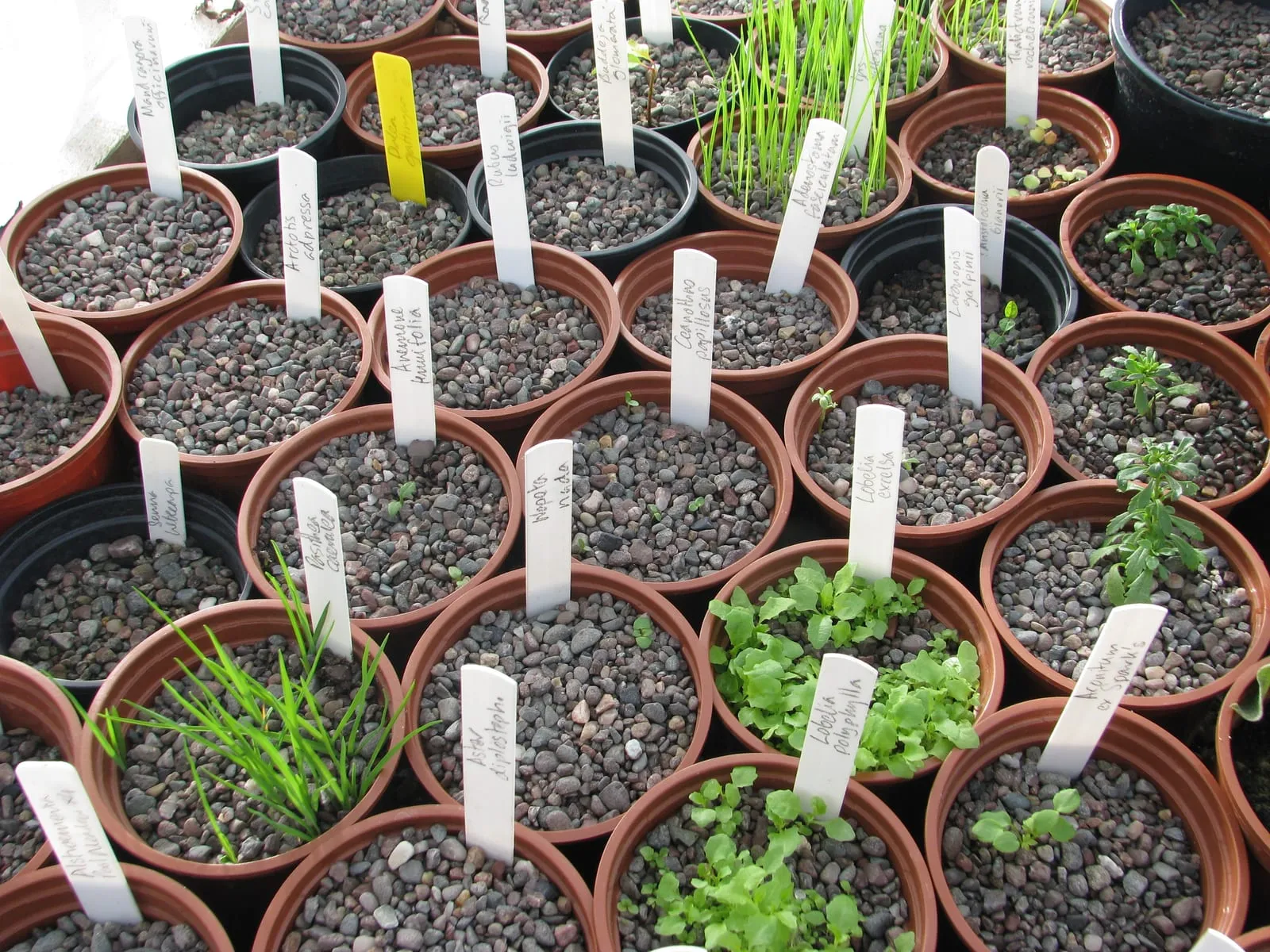
Pythium and Rhizoctonia species
Soil-borne complex of water molds and fungi that kill seedlings before or shortly after emergence. The single most common cause of seed-starting failures.
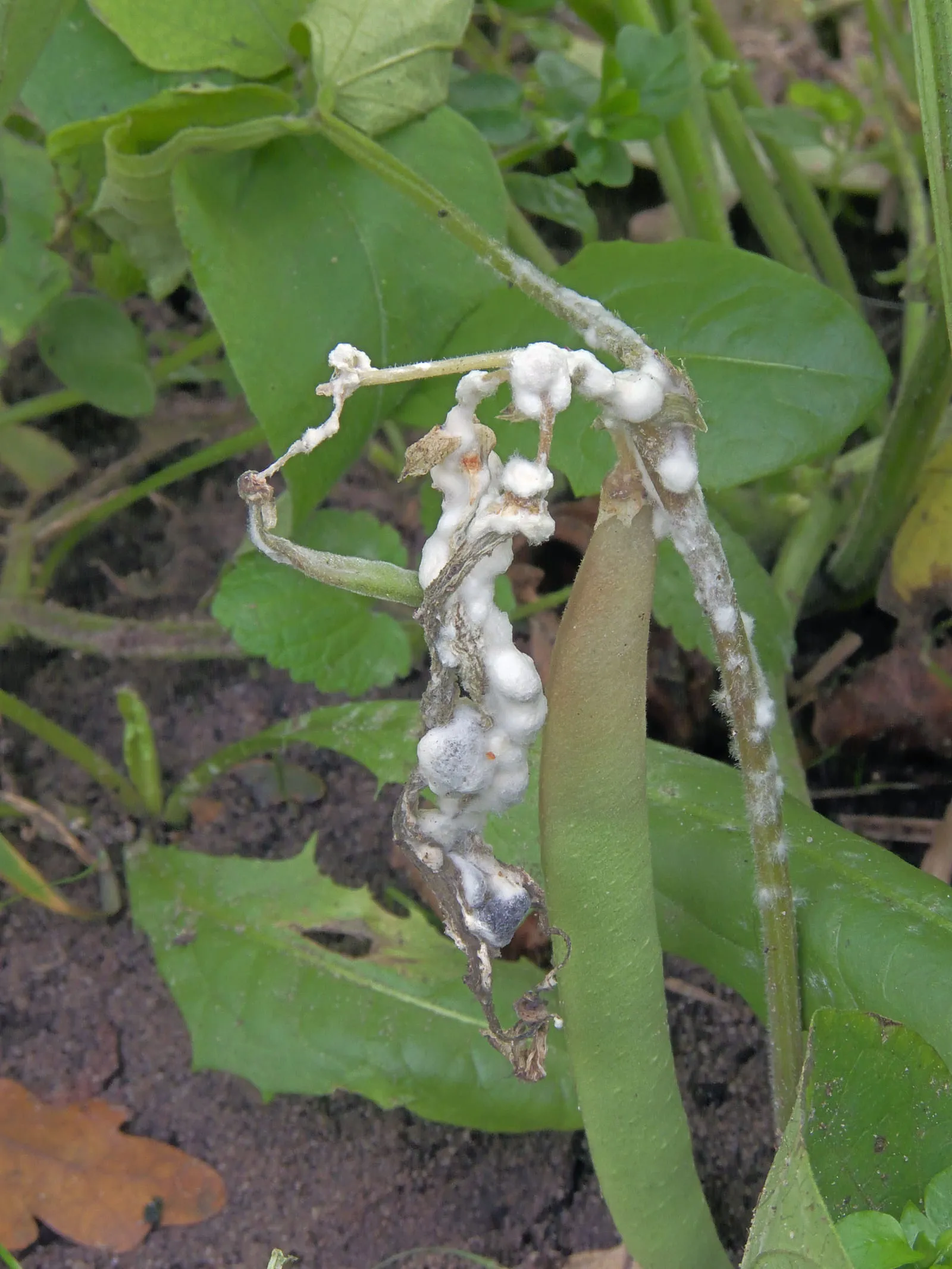
Sclerotinia sclerotiorum
Fungal disease that produces fluffy white mycelium on stems and lower leaves. Forms hard black sclerotia (resting bodies) that survive 5+ years in soil.
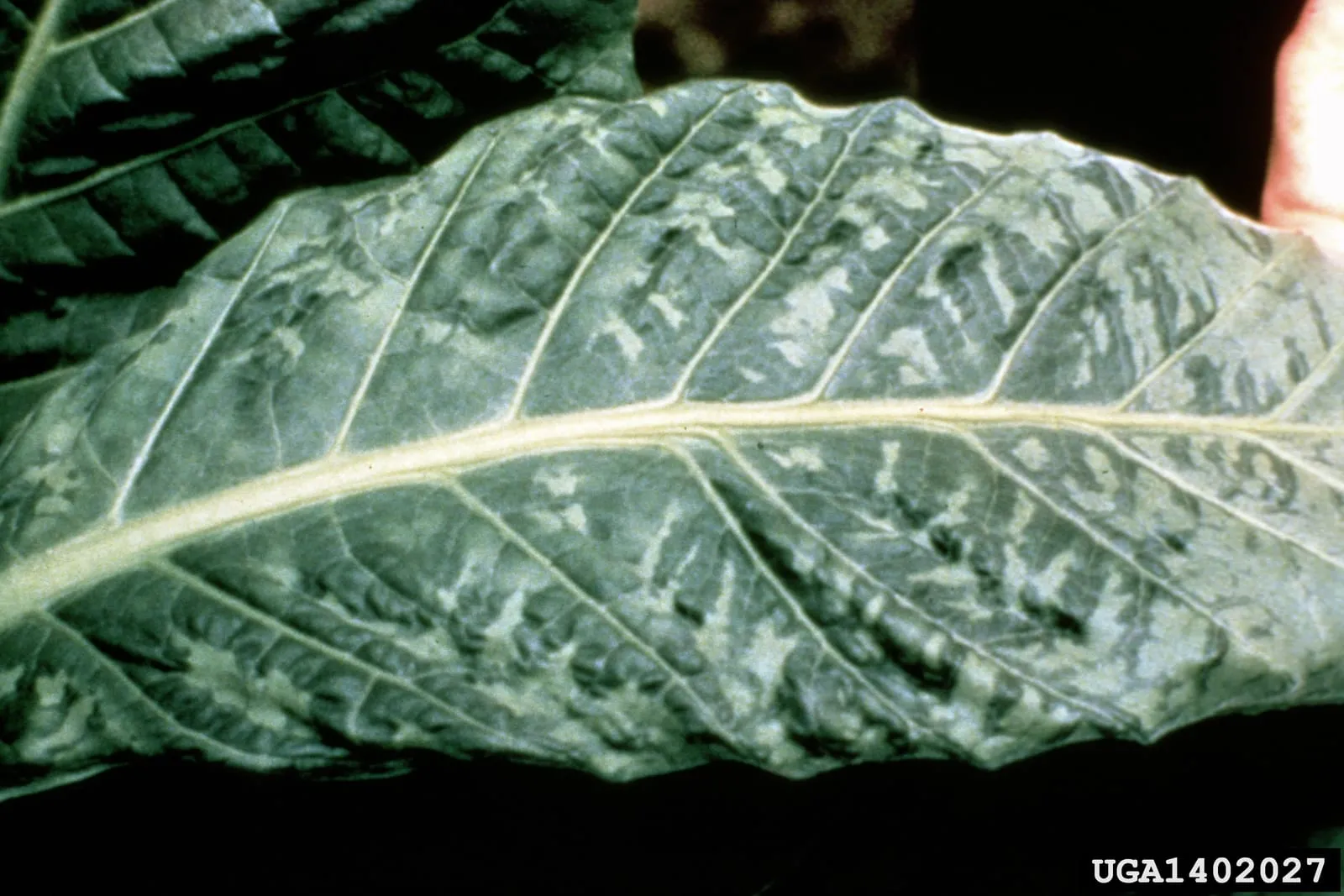
Cucumber mosaic virus, Tobacco mosaic virus, and others
Family of plant viruses producing mottled yellow-and-green leaf patterns. Vectored primarily by aphids; some are seed-transmitted or spread by handling tools and tobacco products.
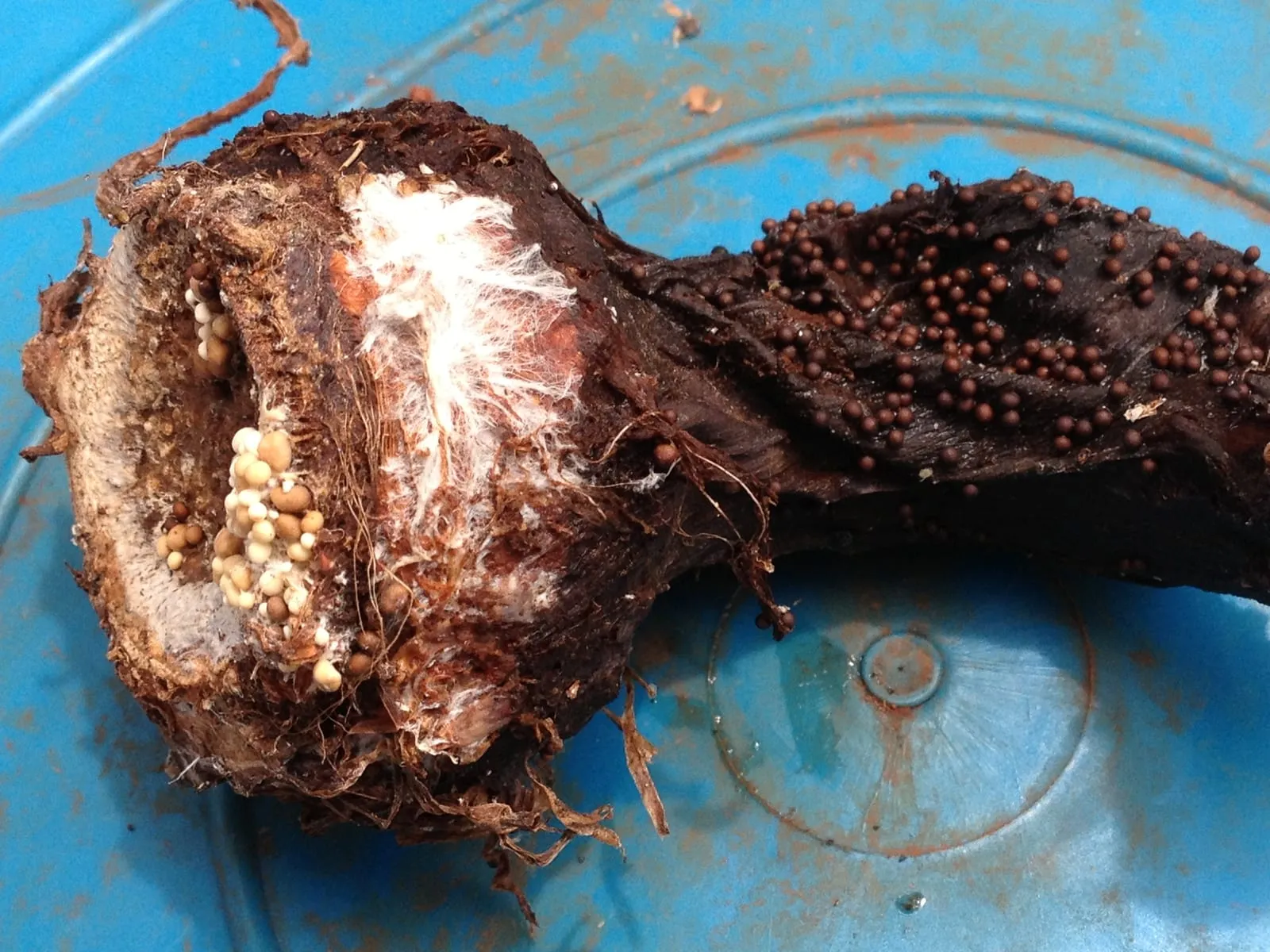
Sclerotium rolfsii
Soil-borne fungal disease most damaging in warm humid Southern conditions. White mycelial fans and small mustard-seed-sized sclerotia at the soil line are diagnostic.
Modified care for zone 5a
The principal adjustment for zone 5a is patience at planting time. Late spring frosts are a noted zone challenge, and pole beans offer no frost tolerance whatsoever; even a light frost at or just below 32 degrees Fahrenheit will kill emerged seedlings. Row cover can protect transplants or very young seedlings through a surprise late frost, but direct-sown seed should simply wait for confirmed soil warmth. White Mold (Sclerotinia sclerotiorum) is the primary disease concern listed for this crop. The pathogen thrives in cool, humid conditions with dense canopy, which zone 5a's cooler nights can encourage. Spacing plants at 6 inches along the pole or trellis, avoiding overhead irrigation, and removing any diseased plant tissue promptly reduces infection pressure significantly. Scarlet Runner germinates at slightly lower soil temperatures than the other listed varieties and can be direct-sown a week or two earlier, which modestly extends the harvest window in a short-season zone 5a garden.
Frequently asked questions
- Can pole beans survive a late frost in zone 5a?
No. Pole beans have no frost tolerance. Even a brief dip to 32 degrees Fahrenheit will kill emerged seedlings. Planting should wait until after the last expected frost date and until soil temperature holds at 60 degrees Fahrenheit or above.
- Which pole bean variety performs best in zone 5a?
Kentucky Wonder and Blue Lake Pole are the most reliable choices in zone 5a, both maturing in 60 to 65 days and leaving ample buffer before the fall frost. Romano at 70 days is workable but leaves less margin. Scarlet Runner tolerates slightly cooler soils at germination, which is an advantage in a late-spring zone.
- How does White Mold affect pole beans in zone 5a?
White Mold (Sclerotinia) is favored by the cooler, humid nights common in zone 5a. It appears as white cottony growth at the base of stems and on pods. Adequate plant spacing for airflow, drip rather than overhead irrigation, and prompt removal of affected tissue are the most practical controls.
- Is a second sowing of pole beans possible in zone 5a?
A second sowing in late June is possible but risky. Most pole bean varieties need 60 to 70 days to reach harvest, which would push production into late September or October, close to the average first fall frost. A late planting is better suited to fast-maturing bush bean varieties rather than pole types.
+−
+−
+−
+−
Pole Bean in adjacent zones
Image: "Ayocote", by Neptalí Ramírez Marcial, via iNaturalist, licensed under CC-BY Source.
Related