vegetable in zone 4b
Growing pole bean in zone 4b
Phaseolus vulgaris
- Zone
- 4b -25°F to -20°F
- Growing season
- 130 days
- Suitable varieties
- 4
- Days to harvest
- 60 to 80
The verdict
Pole beans are warm-season annuals, so chill-hour requirements do not apply. The relevant measure is growing-season length, and zone 4b's 130-day window is adequate for all four varieties in the input set. Kentucky Wonder, Blue Lake Pole, and Romano reach harvest in roughly 60 to 70 days from direct sowing; Romano and Scarlet Runner push toward the longer end of that range, but both finish comfortably within the available window when seeds go in promptly after last frost.
Zone 4b is not marginal for pole beans. It is a short-season zone that requires timing discipline, but the crop is well matched to it. The binding constraint is frost, not heat accumulation. Pole beans are killed outright by frost, so the planting window opens only after soil temperatures reach 60°F and closes when the first fall freeze threatens. In zone 4b, that window typically runs from late May or early June through late August or early September, which is tight but workable.
Recommended varieties for zone 4b
4 cultivars suited to this zone, with disease-resistance and zone-fit annotations.
| Variety | Notes | Zone fit | Disease resistance |
|---|---|---|---|
| Kentucky Wonder fits zone 4b | Rich, classic snap-bean flavor; long round green pods. Fresh, canning, freezing. Heritage open-pollinated, prolific over a long picking season, the home-garden pole bean standard. | | none noted |
| Blue Lake Pole fits zone 4b | Sweet, crisp, classic Pacific Northwest flavor; long straight green pods. Fresh, canning, freezing. Productive, holds quality on the vine, popular with home canners. | | none noted |
| Romano fits zone 4b | Tender, meaty, fully developed bean flavor; flat Italian-style pods. Sauteing, fresh, slow cooking. The Italian classic, productive over many weeks. | | none noted |
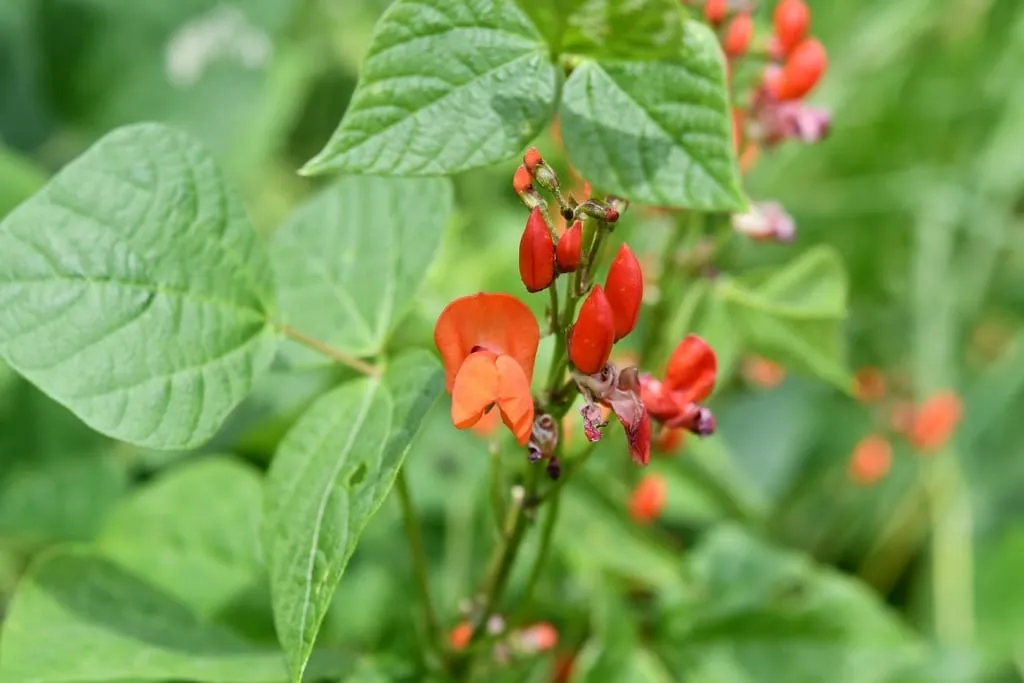
| Scarlet Runner fits zone 4b | Hearty, slightly mealy, complex flavor; fresh-eating snap bean and dry shell-bean. Bright red flowers attract hummingbirds. Productive in cooler summers, prefers it cool. | | none noted |
Critical timing for zone 4b
Direct sowing is the standard approach. Pole beans do not transplant reliably, and the soil temperature threshold of 60°F rarely arrives in zone 4b before late May. Sowing in cold soil delays germination and increases the risk of seed rot, so waiting pays off even if it feels late.
Blooms appear roughly six to seven weeks after germination. Harvest for snap beans follows two to three weeks after bloom, putting the main harvest window in mid-August for seeds sown in late May. Zone 4b's first fall frost can arrive as early as late August in colder pockets or early September in more sheltered sites. Growers who sow on the late side of the window should monitor extended forecasts closely from mid-August onward and be ready to harvest aggressively or protect plants if an early freeze threatens.
Common challenges in zone 4b
- ▸ Spring frost timing
- ▸ Apple scab pressure
- ▸ Cane berry winter dieback
Disease pressure to watch for
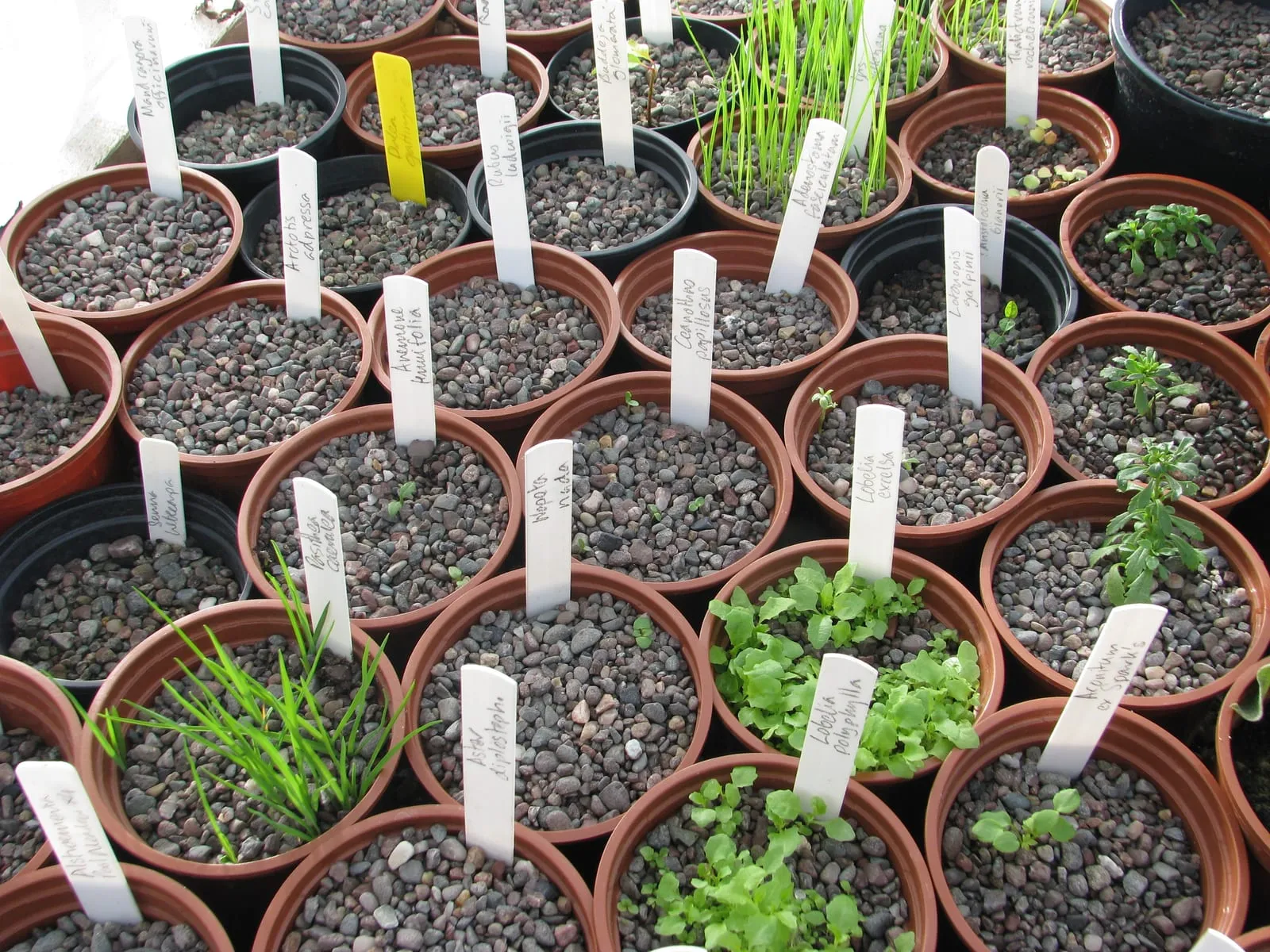
Pythium and Rhizoctonia species
Soil-borne complex of water molds and fungi that kill seedlings before or shortly after emergence. The single most common cause of seed-starting failures.
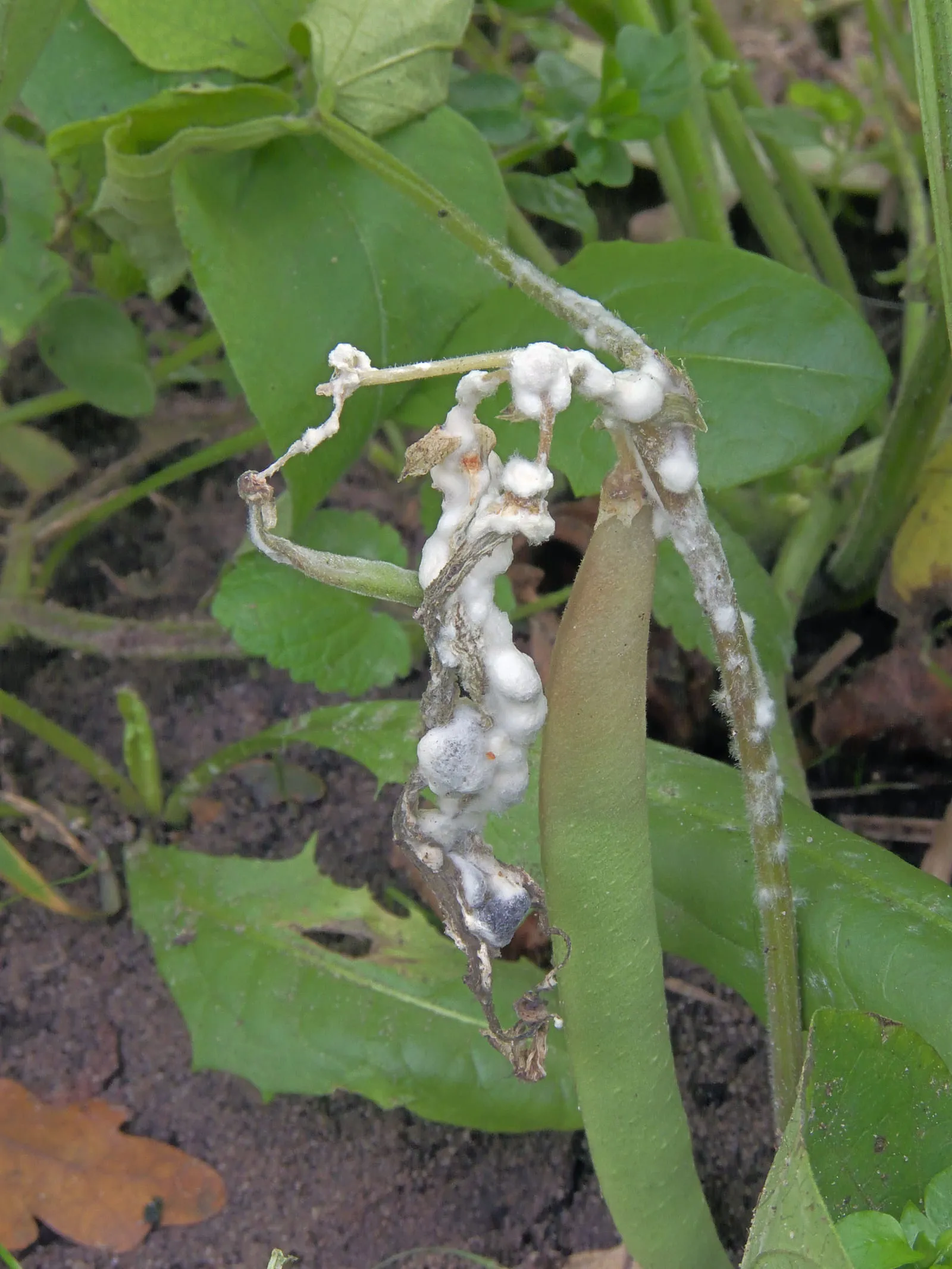
Sclerotinia sclerotiorum
Fungal disease that produces fluffy white mycelium on stems and lower leaves. Forms hard black sclerotia (resting bodies) that survive 5+ years in soil.
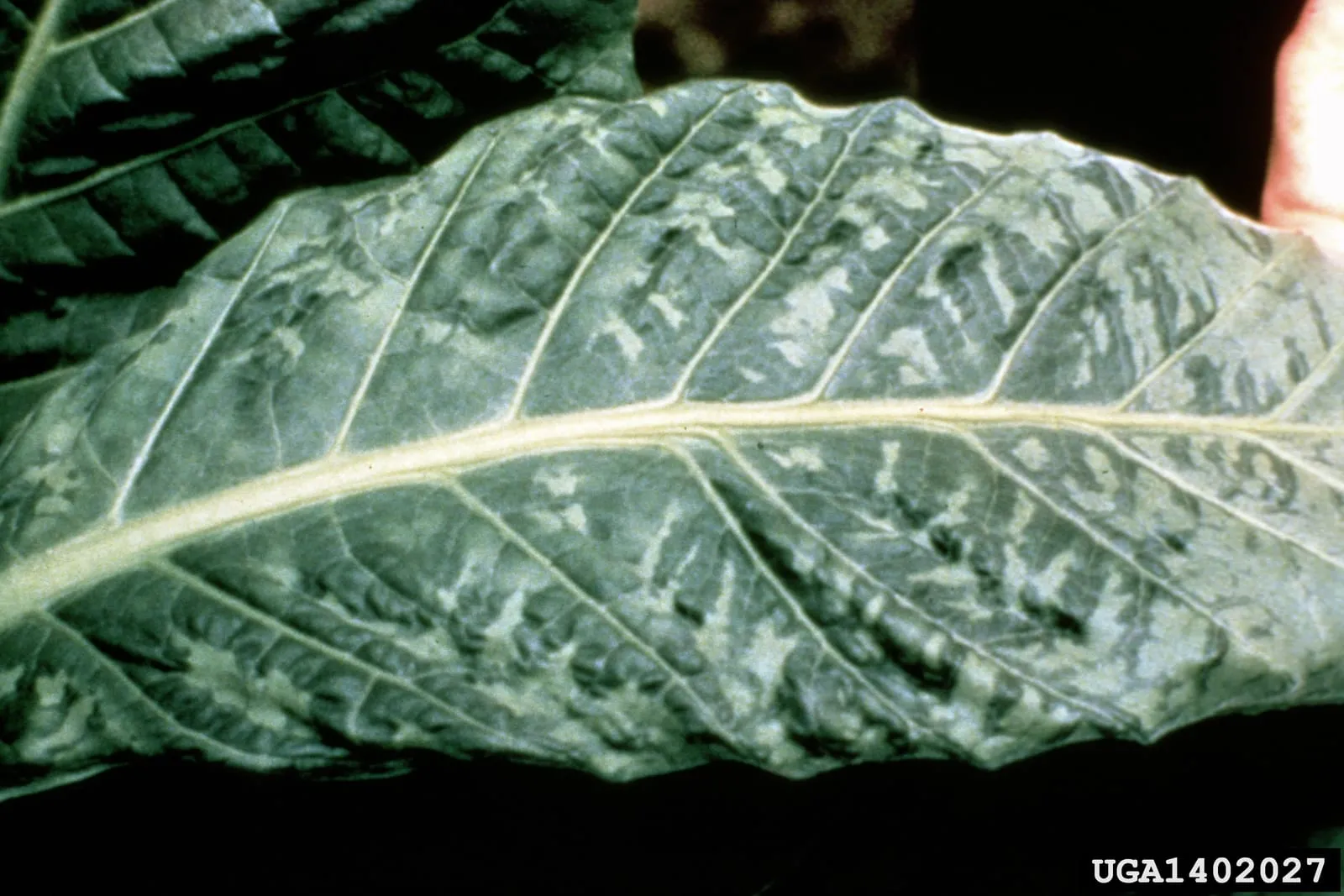
Cucumber mosaic virus, Tobacco mosaic virus, and others
Family of plant viruses producing mottled yellow-and-green leaf patterns. Vectored primarily by aphids; some are seed-transmitted or spread by handling tools and tobacco products.
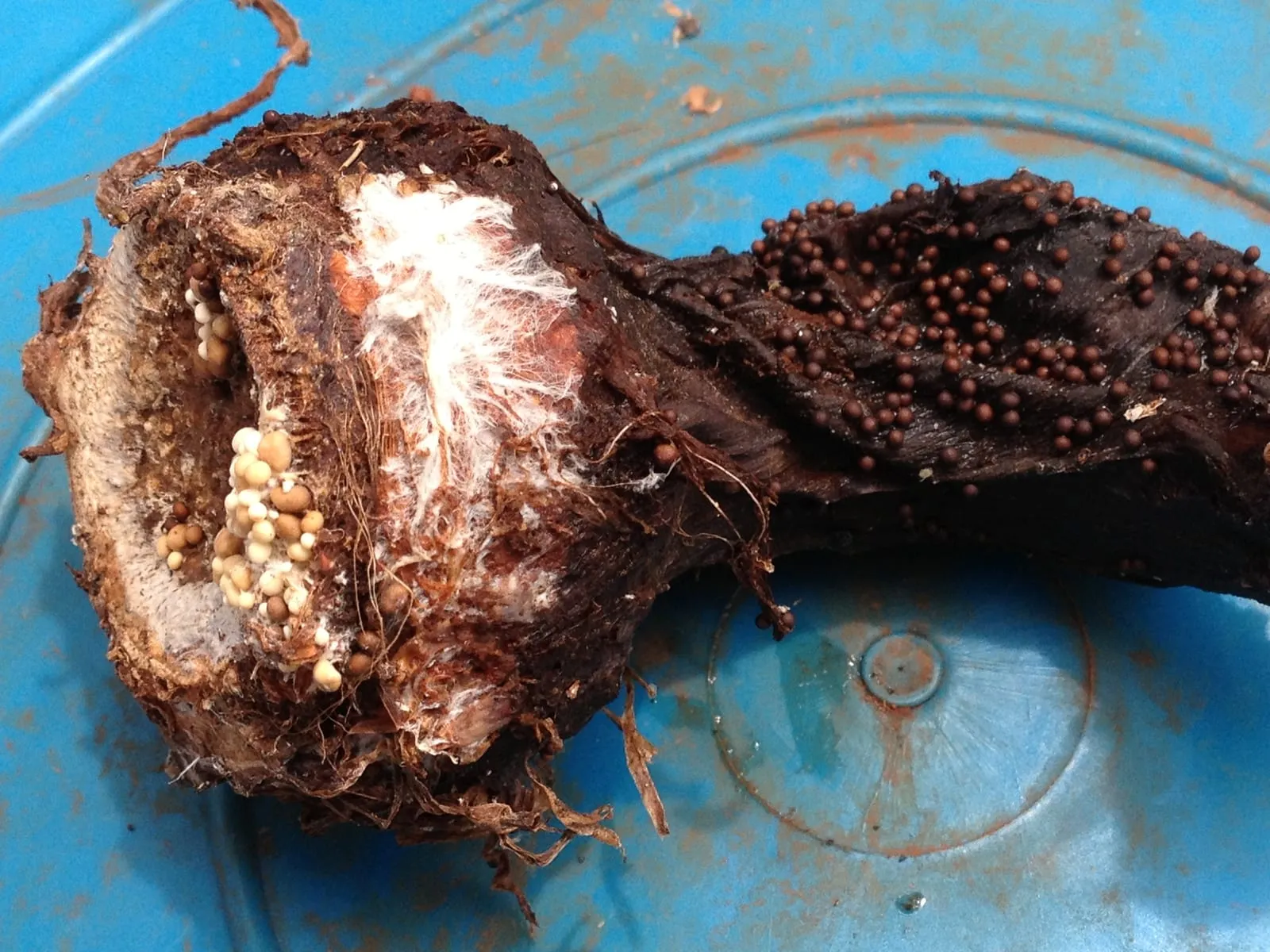
Sclerotium rolfsii
Soil-borne fungal disease most damaging in warm humid Southern conditions. White mycelial fans and small mustard-seed-sized sclerotia at the soil line are diagnostic.
Modified care for zone 4b
The primary adjustment in zone 4b is urgency. Every week of delay at the front end of the season costs a week at the harvest end, and that end is less negotiable. Soil thermometer confirmation at planting is worth the extra step.
White mold (Sclerotinia sclerotiorum) is the disease most likely to cause problems in zone 4b. Cool, moist summers favor the pathogen, and dense pole bean canopies trap humidity. Wider in-row spacing than is common in warmer zones improves airflow and reduces infection risk. Avoid overhead irrigation once plants are established; drip or furrow watering keeps foliage dry.
Row cover can extend the harvest end of the season by several degrees and is worth deploying if a light frost is forecast but the beans still have productive days ahead. Remove covers during the day to allow pollinator access.
Frequently asked questions
- Can pole beans be started indoors in zone 4b to extend the season?
Pole beans have sensitive roots and rarely transplant without setback, making indoor starting impractical for most growers. The better approach is to wait for the soil to reach 60°F, which typically arrives in late May in zone 4b, and direct sow at that point. The 130-day growing season is sufficient without an indoor head start.
- Which pole bean variety is the best fit for zone 4b's short season?
Kentucky Wonder and Blue Lake Pole both reach harvest in around 60 to 65 days and are reliable choices for zone 4b. Romano and Scarlet Runner take slightly longer; Scarlet Runner is also grown as an ornamental and tolerates cooler soil somewhat better than the others, which can be an advantage in a late-warming spring.
- What causes pole beans to rot at the base of the stem in cool-summer zones?
White mold (Sclerotinia sclerotiorum) is the most common culprit in cool, humid regions. The fungus thrives when canopy humidity stays high for extended periods. Wider plant spacing, drip irrigation over overhead watering, and prompt removal of infected tissue reduce disease pressure. Crop rotation away from beans for at least two seasons helps where the pathogen has established in the soil.
+−
+−
+−
Pole Bean in adjacent zones
Image: "Ayocote", by Neptalí Ramírez Marcial, via iNaturalist, licensed under CC-BY Source.
Related