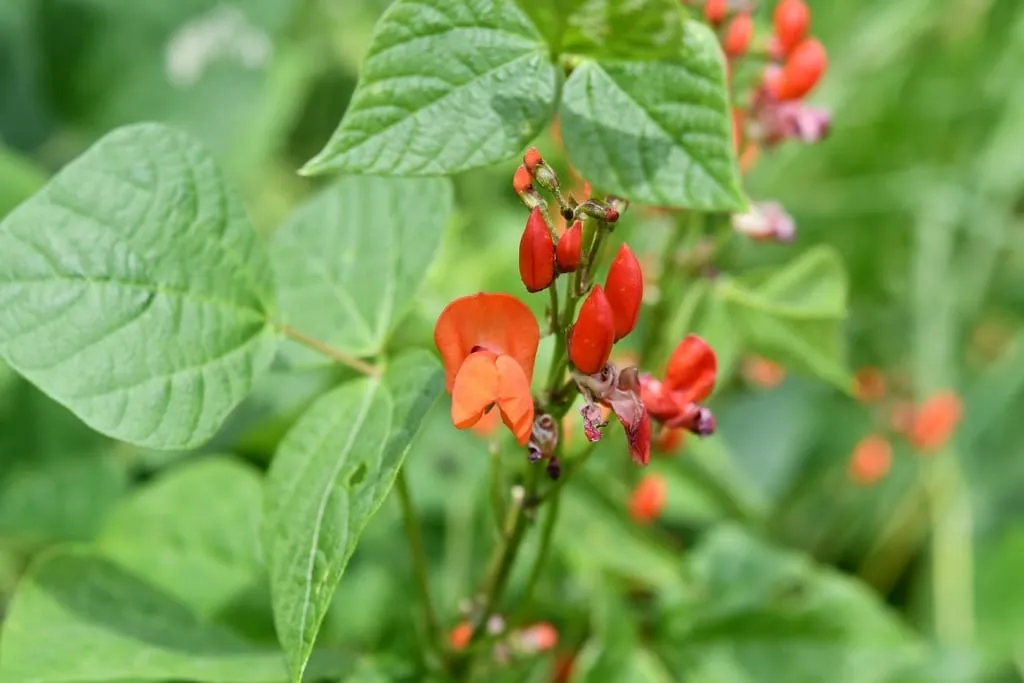
vegetable in zone 8b
Growing pole bean in zone 8b
Phaseolus vulgaris
- Zone
- 8b 15°F to 20°F
- Growing season
- 260 days
- Suitable varieties
- 1
- Days to harvest
- 60 to 80
The verdict
Zone 8b is well-suited to pole beans. With a 260-day growing season and minimum winter temperatures of 15 to 20°F, the zone presents no meaningful cold-hardiness barriers for this warm-season annual. Pole beans carry no chill-hour requirement, so the variety-selection constraints that affect fruit crops in this zone simply do not apply.
The more relevant limitation is summer heat intensity rather than winter cold. Prolonged soil temperatures above 90°F reduce pod set and accelerate plant decline, but zone 8b's long shoulder seasons on either side of summer provide reliable high-quality production windows. Kentucky Wonder performs dependably across this zone, tolerating the heat and humidity common in zone 8b landscapes.
Nematodes in sandy soils represent the most realistic production constraint. Where nematode pressure is established, crop rotation and organic matter incorporation shift from optional practices to essential ones.
Recommended varieties for zone 8b
1 cultivar suited to this zone, with disease-resistance and zone-fit annotations.
| Variety | Notes | Zone fit | Disease resistance |
|---|---|---|---|
| Kentucky Wonder fits zone 8b | Rich, classic snap-bean flavor; long round green pods. Fresh, canning, freezing. Heritage open-pollinated, prolific over a long picking season, the home-garden pole bean standard. | | none noted |
Critical timing for zone 8b
Direct sowing is practical once soil temperatures reach 60°F, typically from mid-March through early April across most of zone 8b. Plants flower approximately 45 to 55 days after germination, with pods reaching harvest stage 55 to 65 days from planting. A spring succession timed for mid-March avoids both late frost (last average frost in most of zone 8b falls between late February and mid-March) and the peak heat of July and August.
A second succession planted in late August or early September captures the mild fall shoulder and often produces higher-quality pods than the spring crop. First fall frost in zone 8b typically arrives in late November or December, giving a late-summer planting a full run to maturity.
Common challenges in zone 8b
- ▸ Low chill hours limit apple variety selection
- ▸ Citrus greening risk
- ▸ Nematodes in sandy soils
Disease pressure to watch for
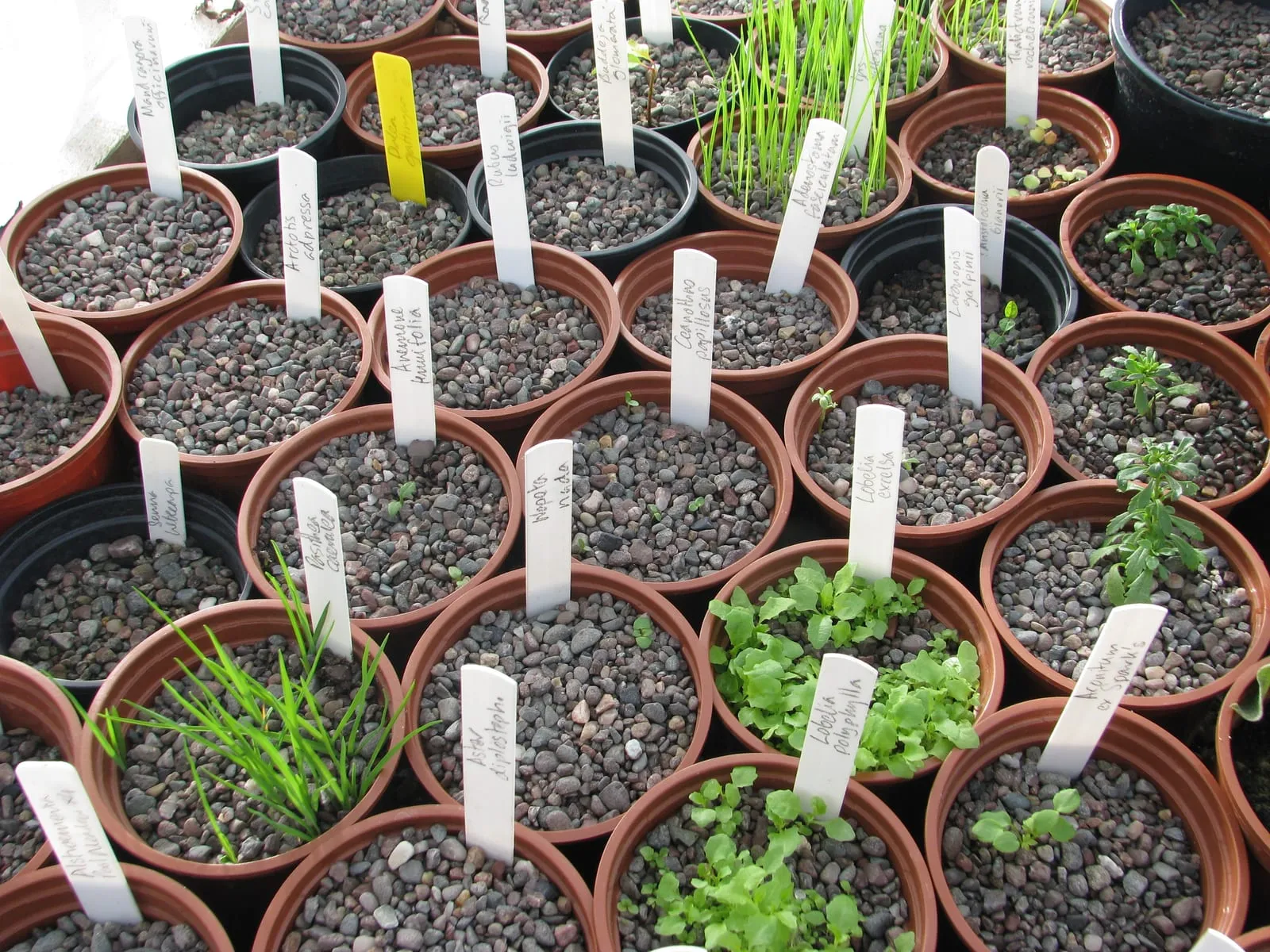
Pythium and Rhizoctonia species
Soil-borne complex of water molds and fungi that kill seedlings before or shortly after emergence. The single most common cause of seed-starting failures.
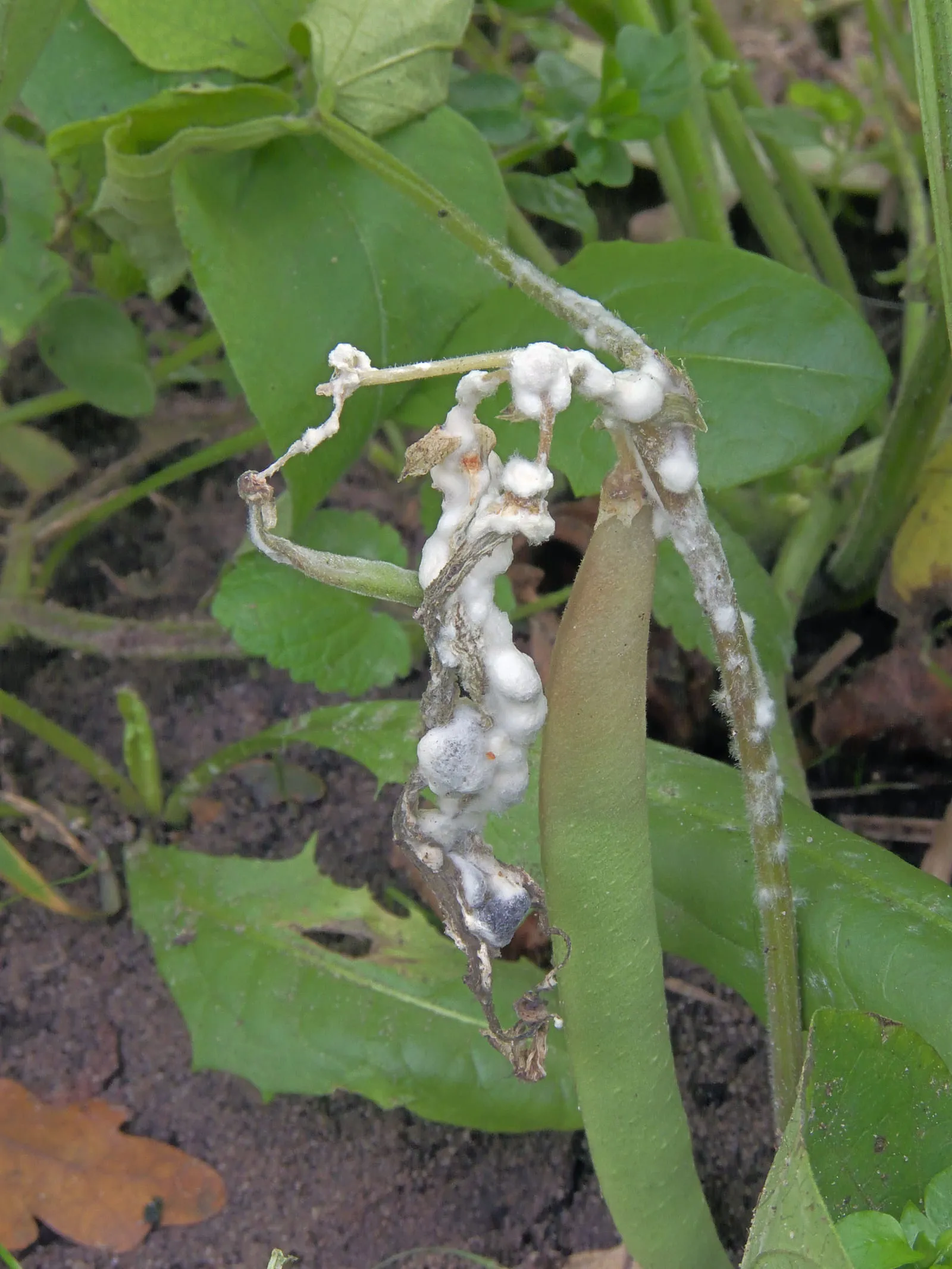
Sclerotinia sclerotiorum
Fungal disease that produces fluffy white mycelium on stems and lower leaves. Forms hard black sclerotia (resting bodies) that survive 5+ years in soil.
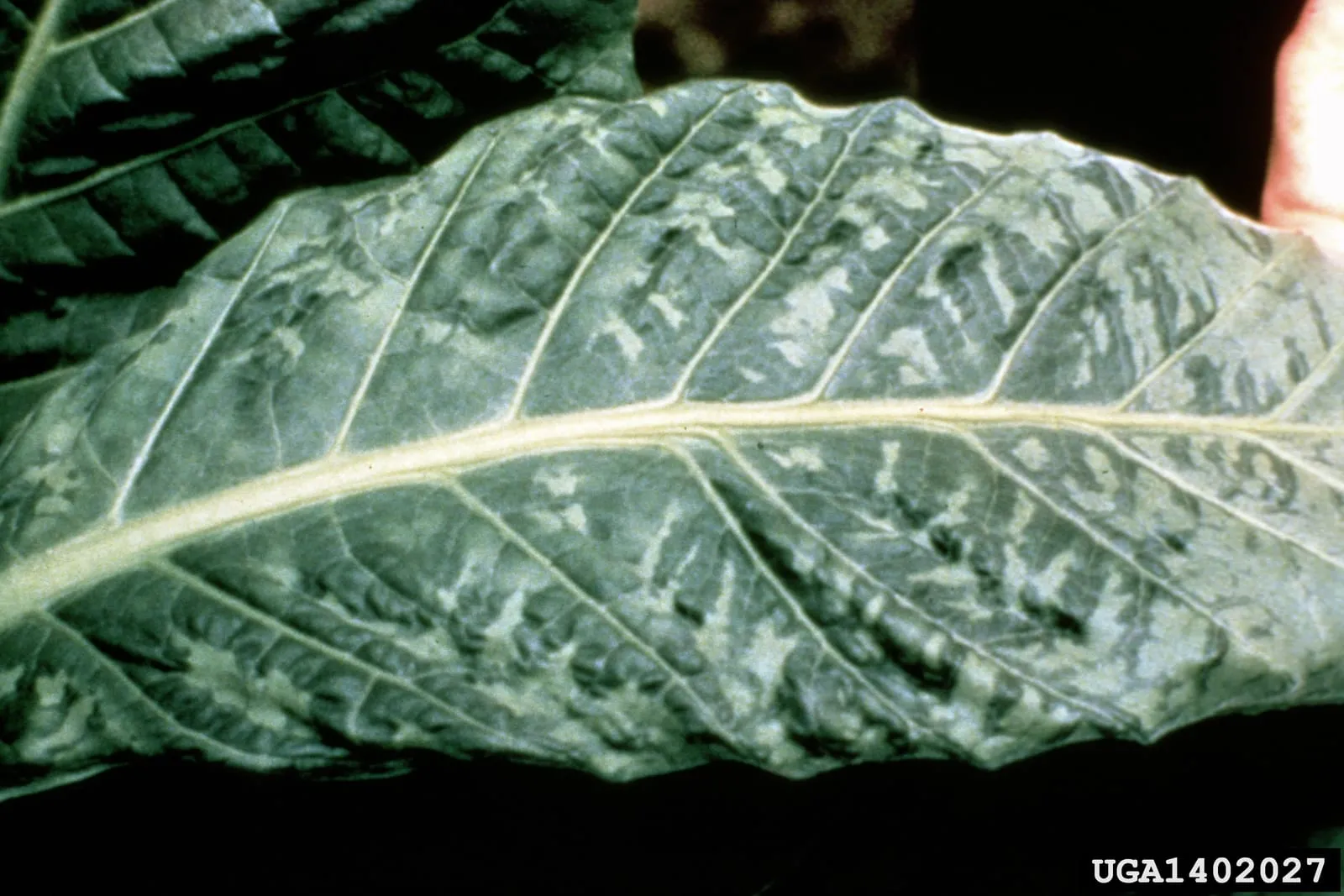
Cucumber mosaic virus, Tobacco mosaic virus, and others
Family of plant viruses producing mottled yellow-and-green leaf patterns. Vectored primarily by aphids; some are seed-transmitted or spread by handling tools and tobacco products.
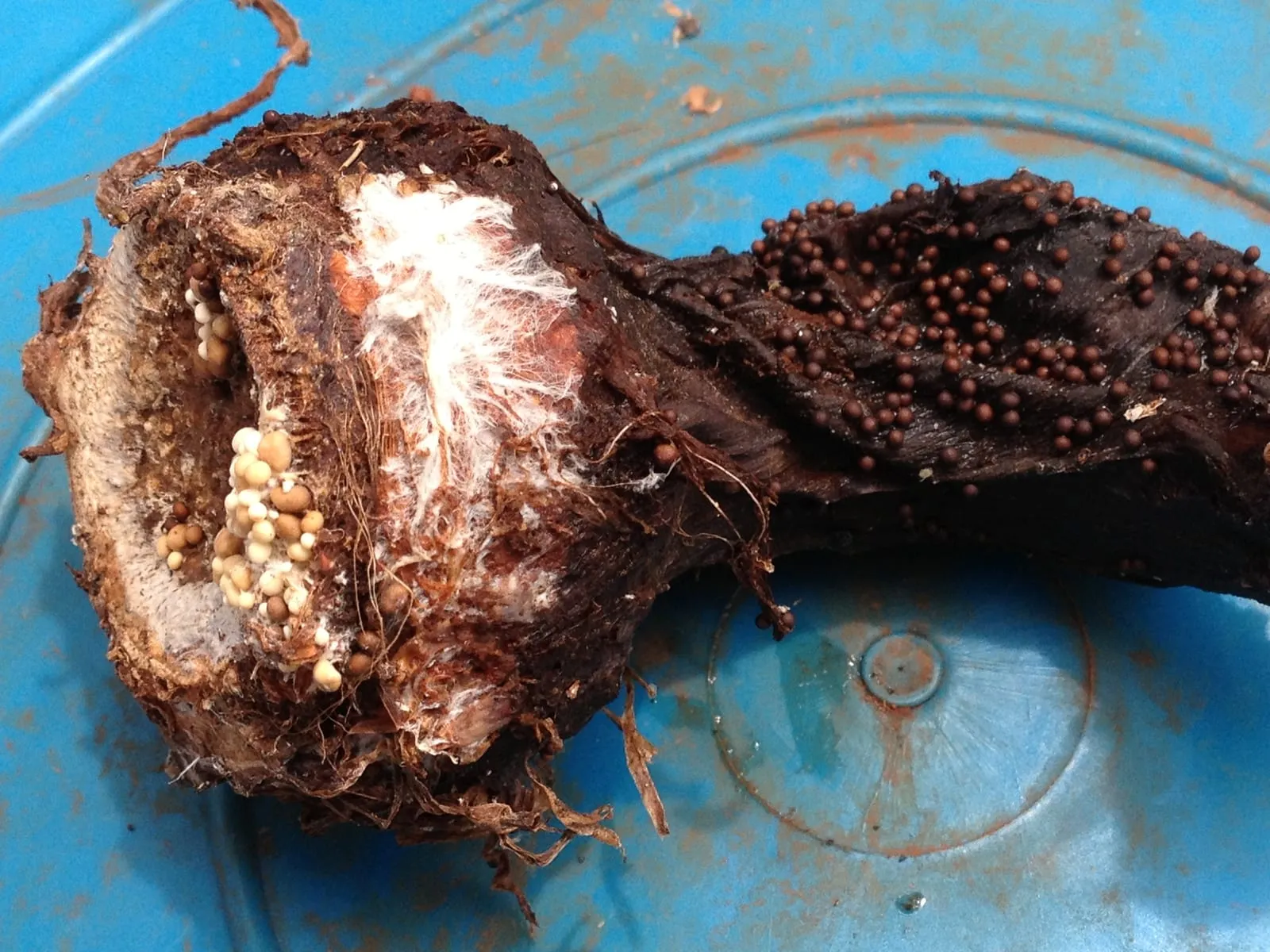
Sclerotium rolfsii
Soil-borne fungal disease most damaging in warm humid Southern conditions. White mycelial fans and small mustard-seed-sized sclerotia at the soil line are diagnostic.
Modified care for zone 8b
The primary scheduling adjustment for zone 8b is avoiding planting for mid-summer harvest. That window produces poor pod set and elevated disease pressure; spring and fall successions sidestep both problems.
White mold (Sclerotinia stem rot) becomes more active under the warm, humid conditions typical of zone 8b summers. Adequate plant spacing to promote airflow, avoiding overhead irrigation late in the day, and prompt removal of affected plant material all reduce spread. In seasons with extended wet periods, fungicide applications may be warranted.
In sandy soils with a history of nematode pressure, rotating pole beans to a different bed location each season is important. Incorporating compost before planting improves water retention and supports microbial activity that competes with nematode populations. Trellises and staking systems should be anchored firmly, since zone 8b's occasional high-wind events can topple supports that would hold elsewhere in the crop's range.
Pole Bean in adjacent zones
Image: "Ayocote", by Neptalí Ramírez Marcial, via iNaturalist, licensed under CC-BY Source.
Related