vegetable in zone 9a
Growing pole bean in zone 9a
Phaseolus vulgaris
- Zone
- 9a 20°F to 25°F
- Growing season
- 290 days
- Suitable varieties
- 0
- Days to harvest
- 60 to 80
The verdict
Zone 9a is a strong fit for pole beans. The 290-day growing season gives growers room to run two distinct crops per year, one in spring and one in fall, without the compressed timing that shorter-season zones impose. Pole beans carry no chill-hour requirement, so the mild winters in zone 9a are not a limiting factor.
The primary friction is summer heat rather than cold. When daytime temperatures consistently push past 95°F, plants remain vegetative but pod set drops off sharply. This is a condition of the zone to plan around rather than a disqualifier. The standard approach is a two-wave planting calendar that brackets the hottest weeks rather than pushing through them.
Soil temperatures above 65°F are needed for reliable germination, which zone 9a meets from late February onward. For most growers in this zone, pole beans are a reliable, productive crop and among the easier warm-season vegetables to fit into the schedule.
Critical timing for zone 9a
Spring planting opens in late February to early March, once soil temperatures reliably clear 65°F. Pole beans planted in that window typically reach first harvest in late April to early May, 60 to 70 days after sowing. The spring crop runs productively through June before summer heat suppresses pod set.
Fall is often the higher-yield season in zone 9a. Planting in late August through mid-September puts harvest in October and November, when temperatures have moderated and day length encourages steady cropping. First fall frost in zone 9a typically arrives in late November to December, leaving ample harvest time after the fall crop matures.
The gap between the two windows, roughly July through mid-August, is best left unplanted. Beans sown in that window germinate fine but produce sparse pods until temperatures ease.
Common challenges in zone 9a
- ▸ Limited stone fruit options due to insufficient chill
- ▸ Hurricane and tropical storm exposure
- ▸ Citrus disease pressure
Disease pressure to watch for
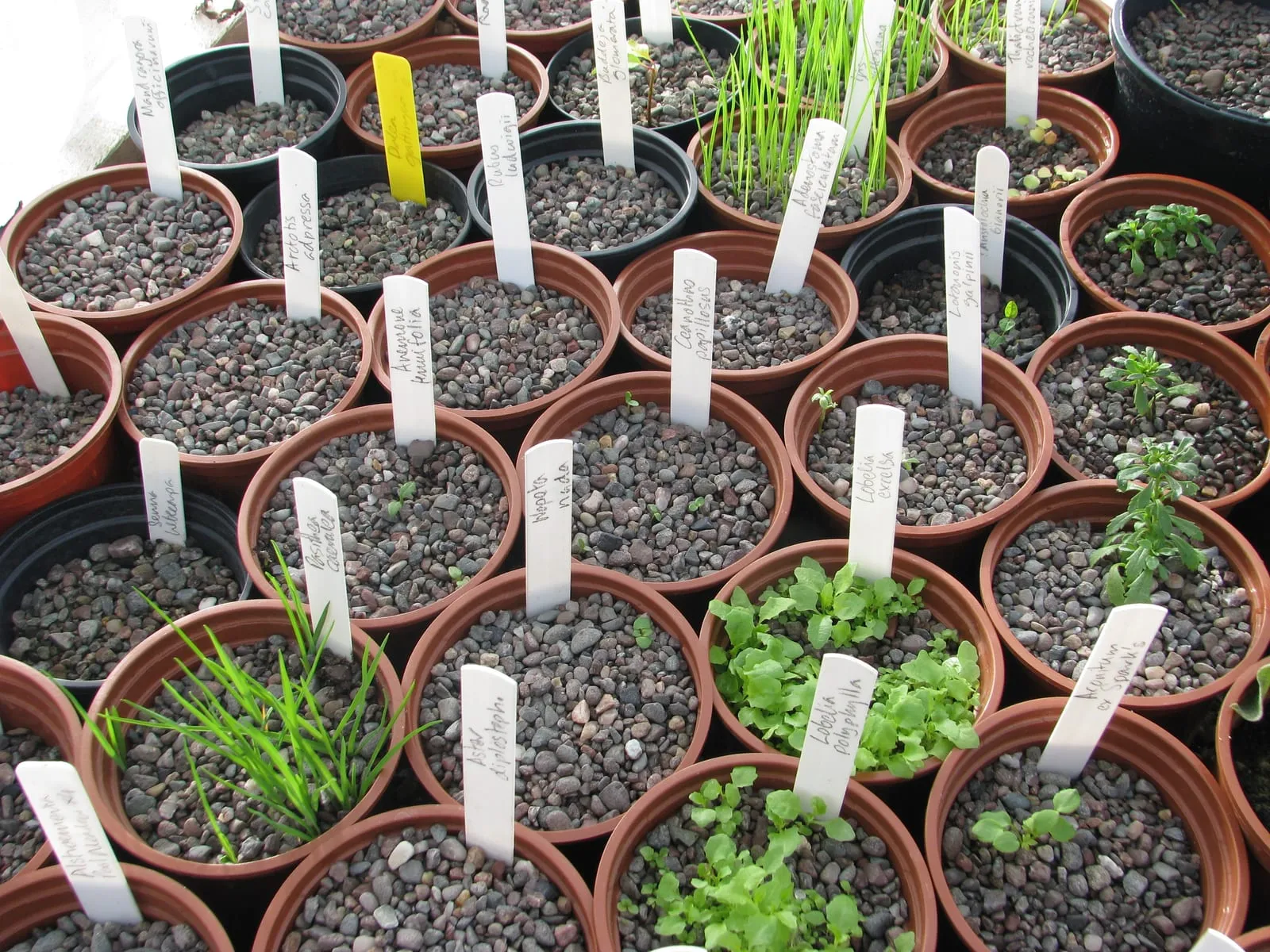
Pythium and Rhizoctonia species
Soil-borne complex of water molds and fungi that kill seedlings before or shortly after emergence. The single most common cause of seed-starting failures.
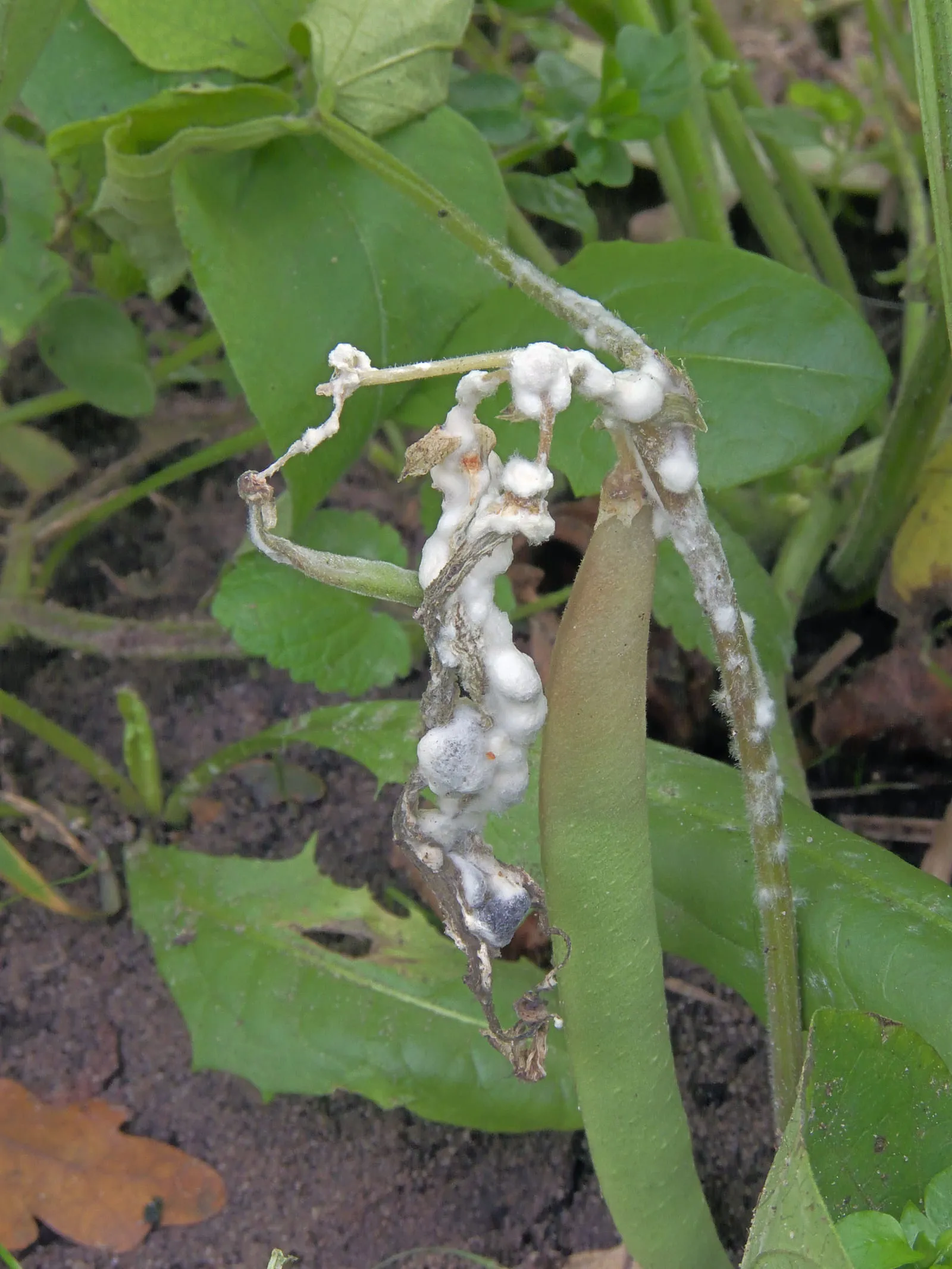
Sclerotinia sclerotiorum
Fungal disease that produces fluffy white mycelium on stems and lower leaves. Forms hard black sclerotia (resting bodies) that survive 5+ years in soil.
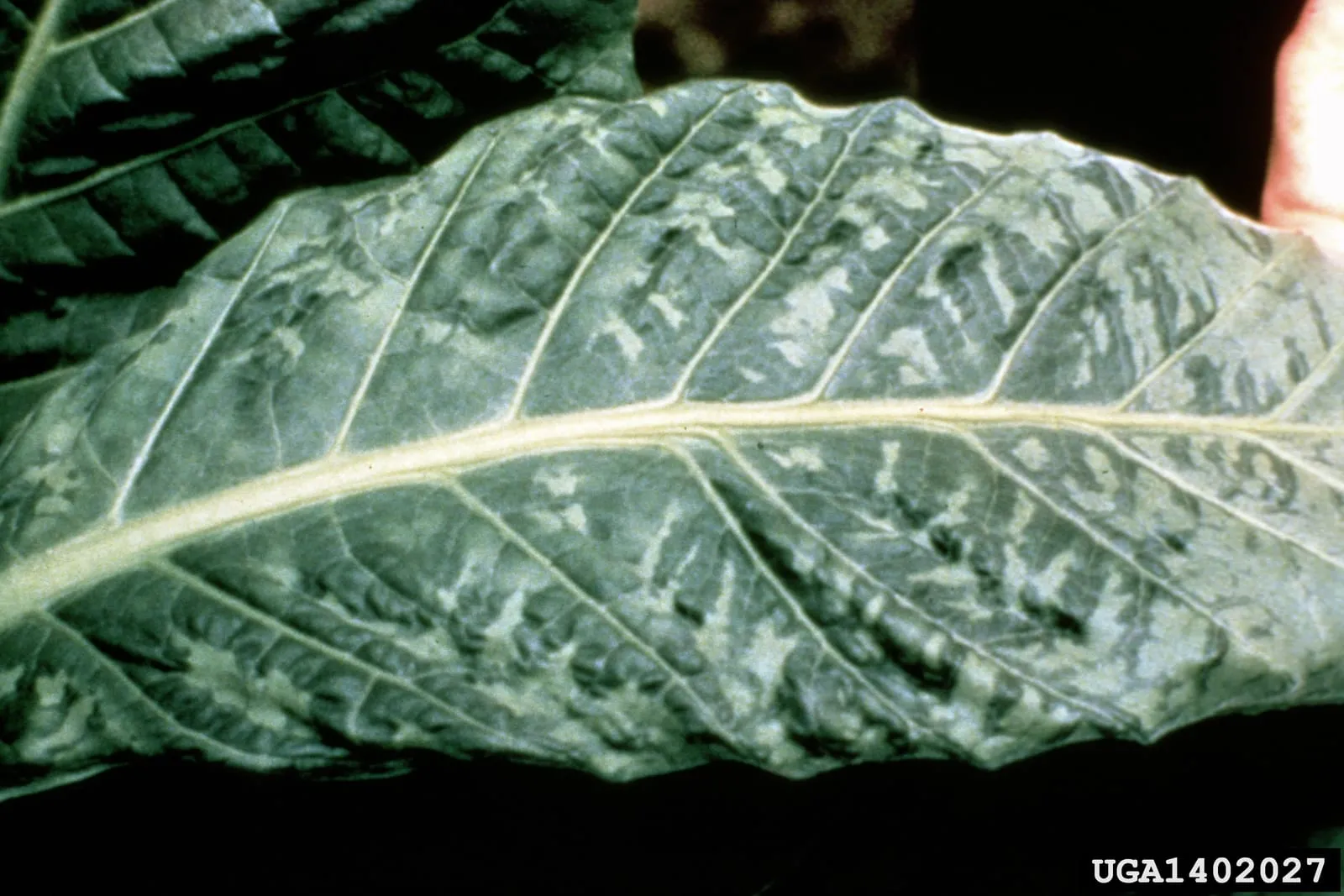
Cucumber mosaic virus, Tobacco mosaic virus, and others
Family of plant viruses producing mottled yellow-and-green leaf patterns. Vectored primarily by aphids; some are seed-transmitted or spread by handling tools and tobacco products.
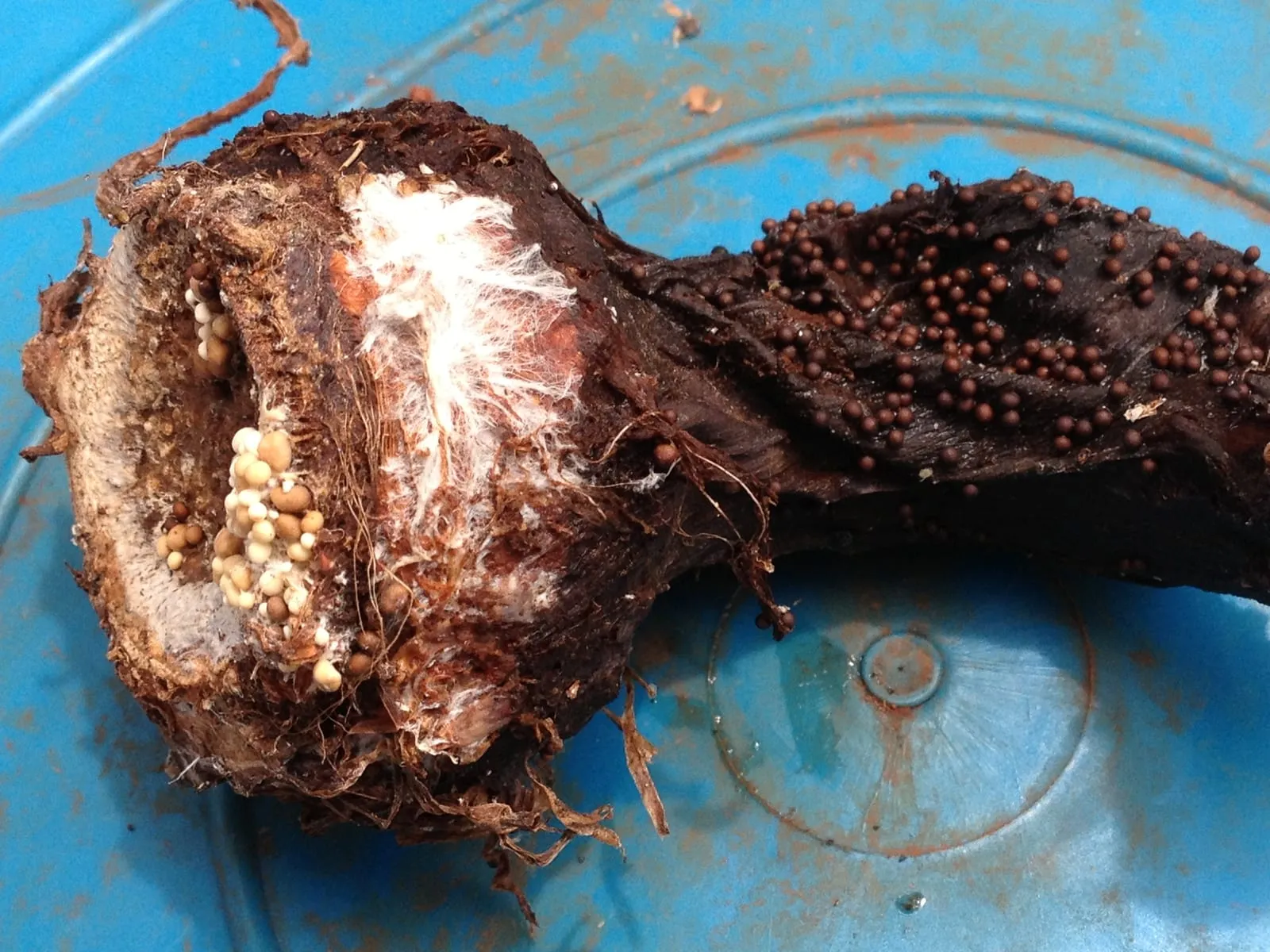
Sclerotium rolfsii
Soil-borne fungal disease most damaging in warm humid Southern conditions. White mycelial fans and small mustard-seed-sized sclerotia at the soil line are diagnostic.
Modified care for zone 9a
Heat management is the primary adjustment for zone 9a. Consistent irrigation matters more here than in cooler parts of the crop's range, as pole beans under extended heat stress drop flowers before pods can set. Drip irrigation or deep watering every two to three days during dry stretches limits the moisture swings that amplify heat stress.
White mold (Sclerotinia stem rot) can develop during the cooler, wetter portions of the season, particularly in fall plantings. It favors dense canopies with poor airflow. Spacing plants at least 6 inches apart and training vines up vertical supports rather than allowing them to sprawl are the most effective preventive measures. Avoid overhead irrigation during the fall crop window.
Hurricane season overlaps with fall planting preparation. Stakes and trellis systems should be anchored more firmly than in less-exposed regions, particularly for plantings started in August or September.
Frequently asked questions
- Can pole beans be grown year-round in zone 9a?
Not continuously. The peak summer months (July through mid-August) are too hot for reliable pod set, and a brief winter cool period slows growth. Two productive windows, spring and fall, account for the bulk of the harvest season in zone 9a.
- Do pole beans need a trellis in zone 9a?
Yes, and the support should be sturdier than in calmer climates. Zone 9a's hurricane season overlaps with fall planting, so vertical supports anchored at least 12 inches into the soil are worth the extra effort.
- What causes pole bean pods to drop in summer in zone 9a?
Heat stress is the most common cause. When daytime temperatures stay above 95°F for several consecutive days, plants abort flowers and small pods to conserve resources. Consistent soil moisture reduces but does not fully eliminate the effect.
- How do I prevent white mold on pole beans in zone 9a?
White mold (Sclerotinia stem rot) thrives in cool, wet, dense conditions. Thin plantings, vertical trellising, and drip or base-level irrigation rather than overhead watering reduce infection pressure significantly, especially during the fall crop window.
+−
+−
+−
+−
Pole Bean in adjacent zones
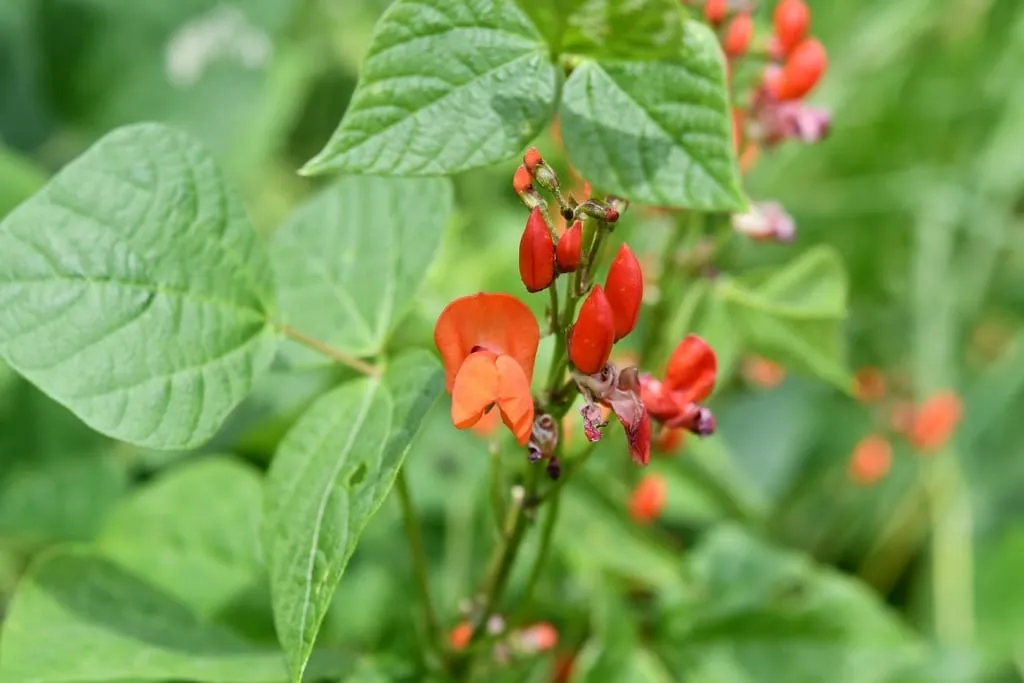
Image: "Ayocote", by Neptalí Ramírez Marcial, via iNaturalist, licensed under CC-BY Source.
Related