vegetable in zone 7b
Growing pole bean in zone 7b
Phaseolus vulgaris
- Zone
- 7b 5°F to 10°F
- Growing season
- 220 days
- Suitable varieties
- 3
- Days to harvest
- 60 to 80
The verdict
Pole beans are warm-season annuals with no chill-hour requirement, so zone 7b's 220-day growing season is a genuine asset rather than a constraint. The crop needs soil temperatures above 60°F to germinate reliably and daytime temperatures in the 65 to 85°F range for consistent pod set. Zone 7b delivers both conditions across a long window, making it a sweet spot for multiple succession plantings rather than a marginal fit.
The one complication is summer heat. Zone 7b regularly sees extended stretches above 90°F in July and August, which causes blossom drop and thin pod set. Kentucky Wonder, Blue Lake Pole, and Romano all tolerate heat reasonably well among common varieties, but no pole bean fully ignores sustained high temperatures during bloom. Growers who time plantings to finish or restart around the worst heat get substantially better yields than those who plant once and leave plants to struggle through August.
Recommended varieties for zone 7b
3 cultivars suited to this zone, with disease-resistance and zone-fit annotations.
| Variety | Notes | Zone fit | Disease resistance |
|---|---|---|---|
| Kentucky Wonder fits zone 7b | Rich, classic snap-bean flavor; long round green pods. Fresh, canning, freezing. Heritage open-pollinated, prolific over a long picking season, the home-garden pole bean standard. | | none noted |
| Blue Lake Pole fits zone 7b | Sweet, crisp, classic Pacific Northwest flavor; long straight green pods. Fresh, canning, freezing. Productive, holds quality on the vine, popular with home canners. | | none noted |
| Romano fits zone 7b | Tender, meaty, fully developed bean flavor; flat Italian-style pods. Sauteing, fresh, slow cooking. The Italian classic, productive over many weeks. | | none noted |
Critical timing for zone 7b
In zone 7b, last frost typically falls between mid-March and mid-April depending on location within the zone. Direct sow once soil temperatures reach 60°F, which usually aligns with late April. Germination takes 8 to 14 days; first harvest follows roughly 60 to 70 days after sowing, placing the main spring harvest window from late June through July.
A fall succession planted in late July or early August avoids the worst summer heat during flowering and can yield into October, well ahead of zone 7b's first fall frost (typically late October to early November). This two-window strategy, spring and fall, is more productive in zone 7b than trying to sustain a single planting through the full season.
Common challenges in zone 7b
- ▸ Cedar-apple rust pressure heavy in piedmont
- ▸ Japanese beetles
- ▸ Brown marmorated stink bug
- ▸ Late summer disease pressure
Disease pressure to watch for
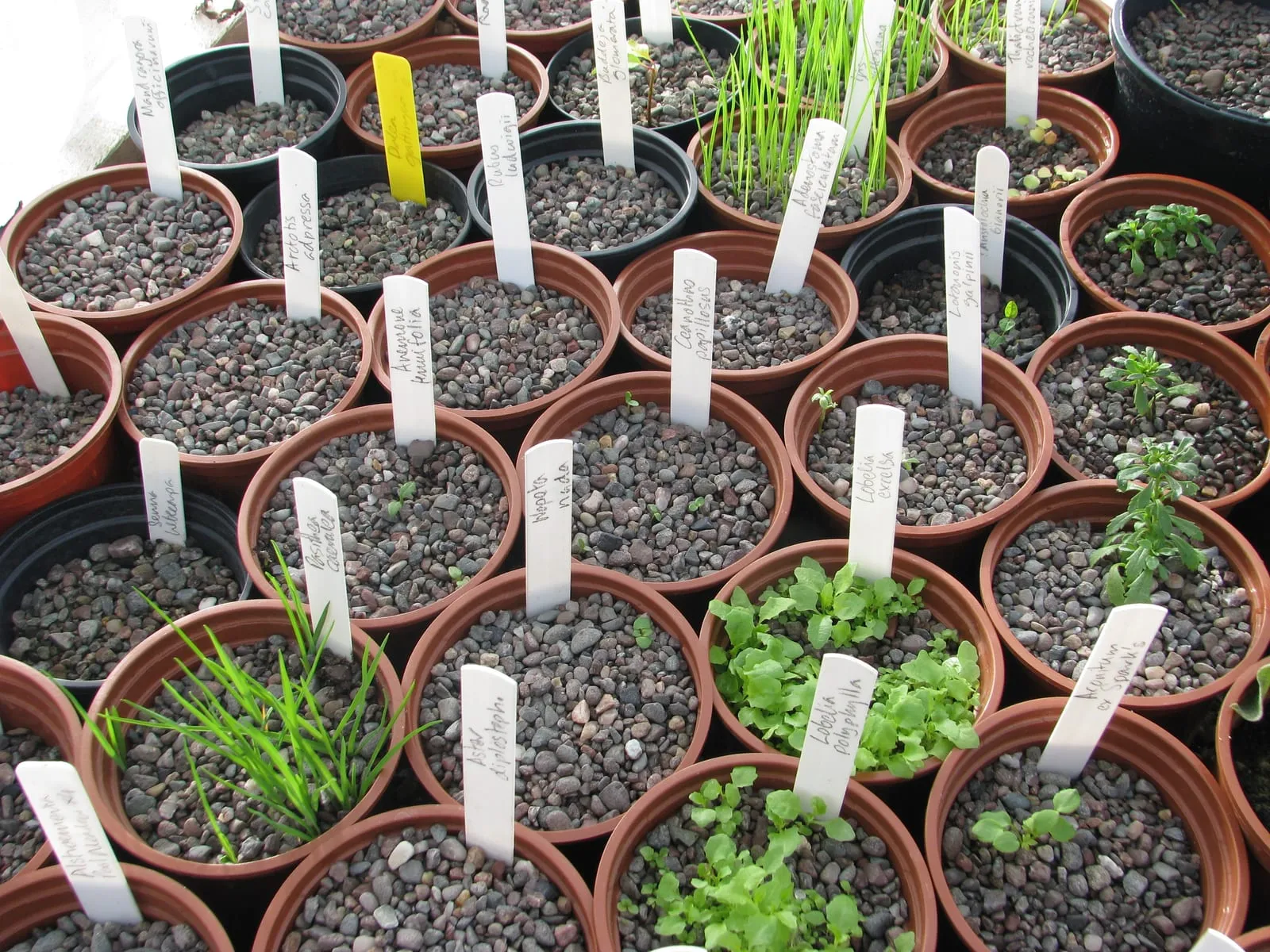
Pythium and Rhizoctonia species
Soil-borne complex of water molds and fungi that kill seedlings before or shortly after emergence. The single most common cause of seed-starting failures.
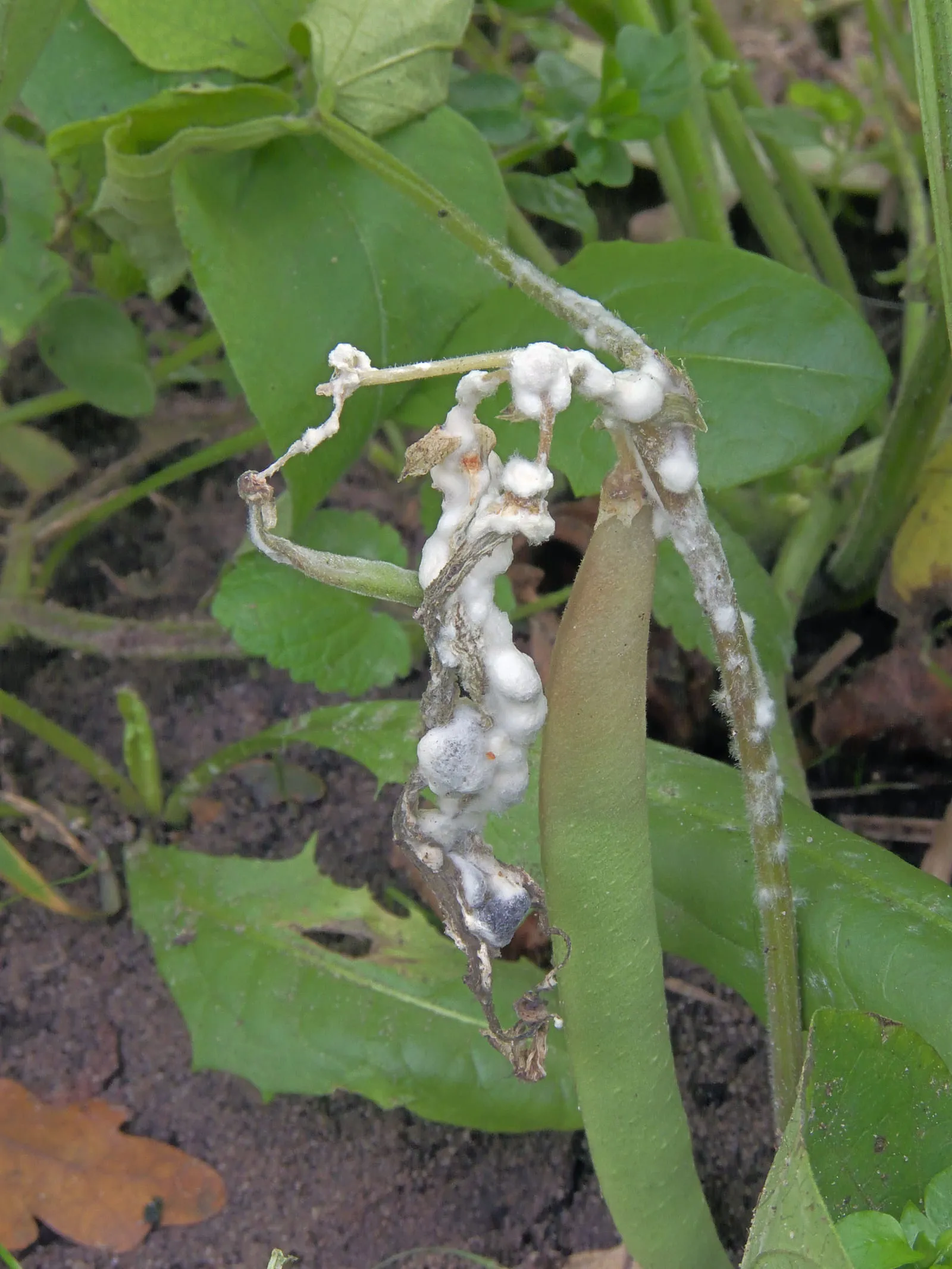
Sclerotinia sclerotiorum
Fungal disease that produces fluffy white mycelium on stems and lower leaves. Forms hard black sclerotia (resting bodies) that survive 5+ years in soil.
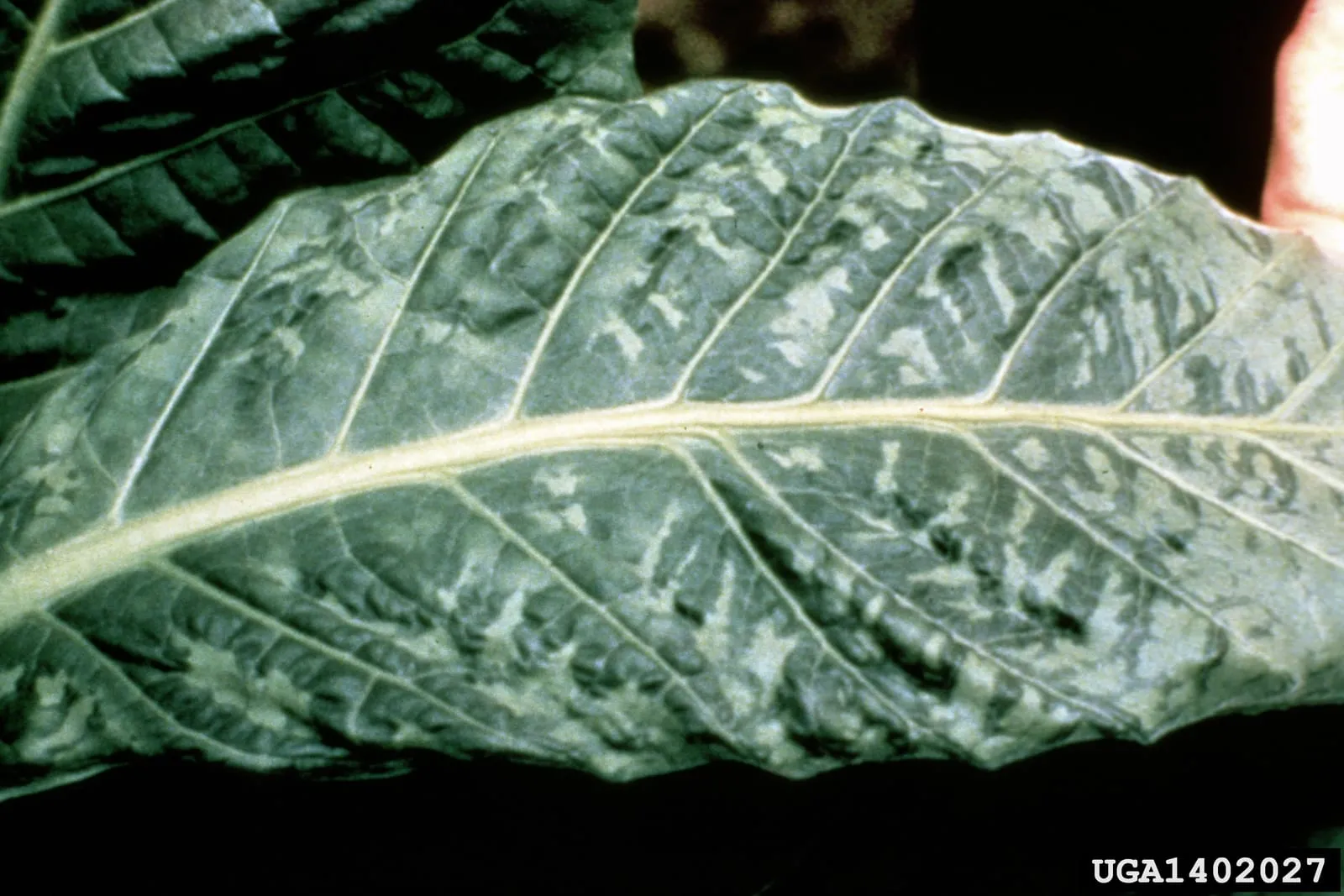
Cucumber mosaic virus, Tobacco mosaic virus, and others
Family of plant viruses producing mottled yellow-and-green leaf patterns. Vectored primarily by aphids; some are seed-transmitted or spread by handling tools and tobacco products.
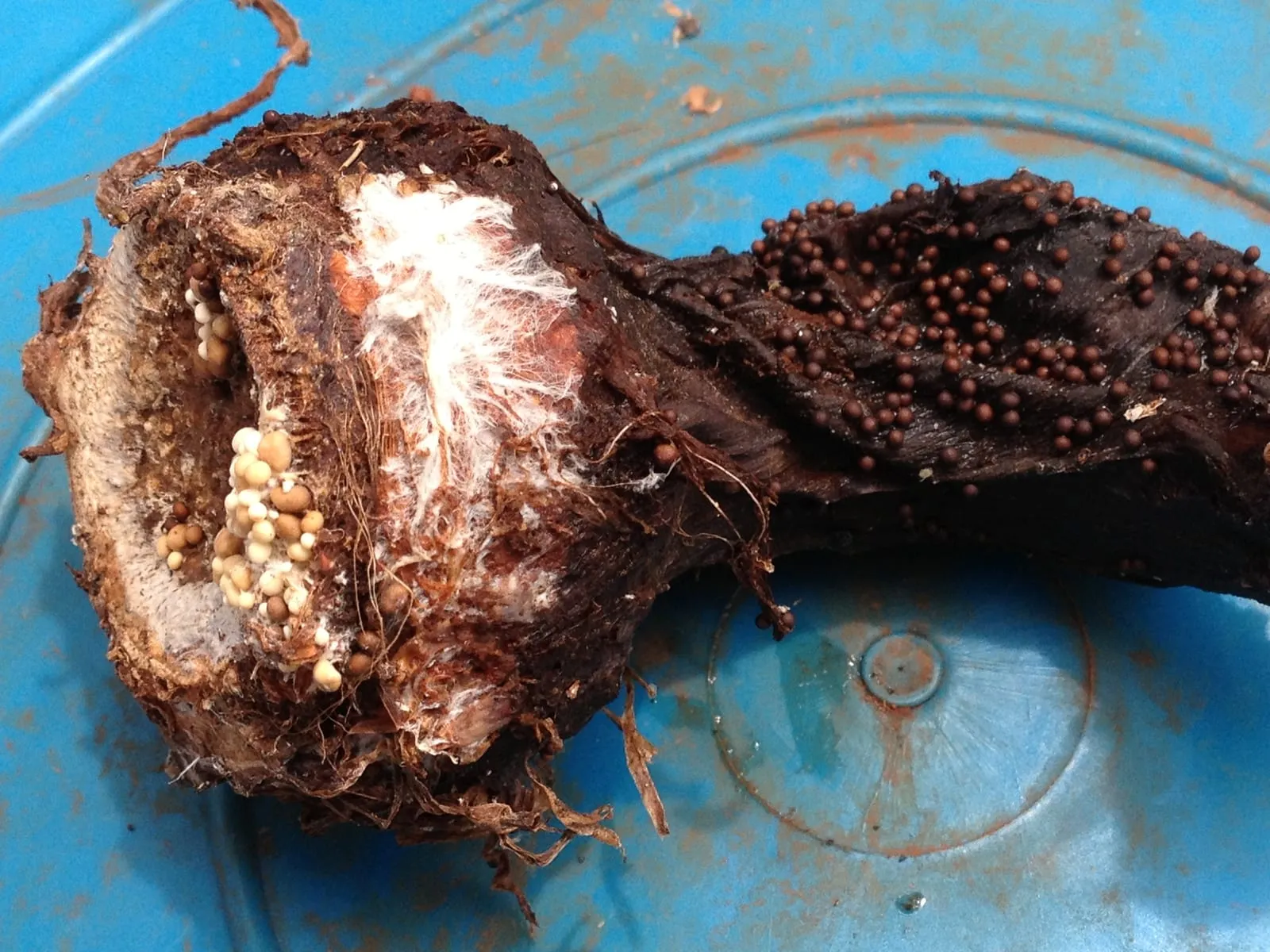
Sclerotium rolfsii
Soil-borne fungal disease most damaging in warm humid Southern conditions. White mycelial fans and small mustard-seed-sized sclerotia at the soil line are diagnostic.
Modified care for zone 7b
Late summer disease pressure is the primary care adjustment in zone 7b. Humid piedmont conditions create favorable conditions for white mold, particularly when canopy airflow is poor. Spacing plants at the high end of recommendations, pruning lower foliage as the season progresses, and avoiding overhead irrigation reduces infection risk.
Japanese beetles peak from June through August and feed aggressively on bean foliage. Handpicking in early morning remains one of the more effective controls at garden scale; neem-based sprays offer partial suppression. Brown marmorated stink bugs cause pod dimpling and internal damage that is not always visible at harvest. Row covers during early pod fill offer physical protection but require removal during pollination or manual pollination.
Cedar-apple rust listed among zone challenges affects Rosaceae crops rather than beans directly, so it is not a relevant pressure here. Focus disease scouting on white mold and bacterial blight during wet periods.
Pole Bean in adjacent zones
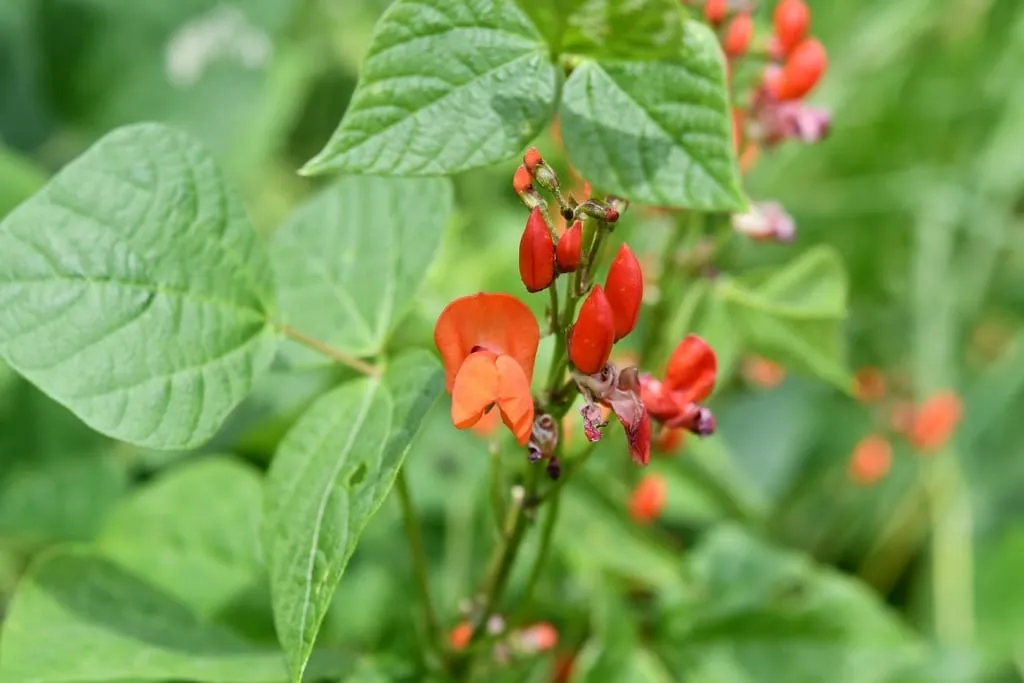
Image: "Ayocote", by Neptalí Ramírez Marcial, via iNaturalist, licensed under CC-BY Source.
Related