vegetable in zone 7a
Growing pole bean in zone 7a
Phaseolus vulgaris
- Zone
- 7a 0°F to 5°F
- Growing season
- 210 days
- Suitable varieties
- 4
- Days to harvest
- 60 to 80
The verdict
Pole beans are warm-season annuals with no chill-hour requirement, so the zone 7a winter temperature range of 0 to 5°F is irrelevant to performance. What matters is the growing season, and at 210 days zone 7a delivers comfortably more than pole beans need. Most varieties reach first harvest in 60 to 70 days from direct sowing and can produce continuously for 6 to 8 weeks. That math leaves room for two successions before first fall frost, or one long main planting with a late follow-up.
Zone 7a is a sweet spot for this crop. Soil temperatures climb above the 60°F germination threshold by late April across most of the zone, and the season closes in late October to early November, giving plants a full productive window. The main risk is not temperature extremes but the zone's characteristically high summer humidity, which creates favorable conditions for White Mold and bacterial diseases during periods of dense canopy.
Recommended varieties for zone 7a
4 cultivars suited to this zone, with disease-resistance and zone-fit annotations.
| Variety | Notes | Zone fit | Disease resistance |
|---|---|---|---|
| Kentucky Wonder fits zone 7a | Rich, classic snap-bean flavor; long round green pods. Fresh, canning, freezing. Heritage open-pollinated, prolific over a long picking season, the home-garden pole bean standard. | | none noted |
| Blue Lake Pole fits zone 7a | Sweet, crisp, classic Pacific Northwest flavor; long straight green pods. Fresh, canning, freezing. Productive, holds quality on the vine, popular with home canners. | | none noted |
| Romano fits zone 7a | Tender, meaty, fully developed bean flavor; flat Italian-style pods. Sauteing, fresh, slow cooking. The Italian classic, productive over many weeks. | | none noted |
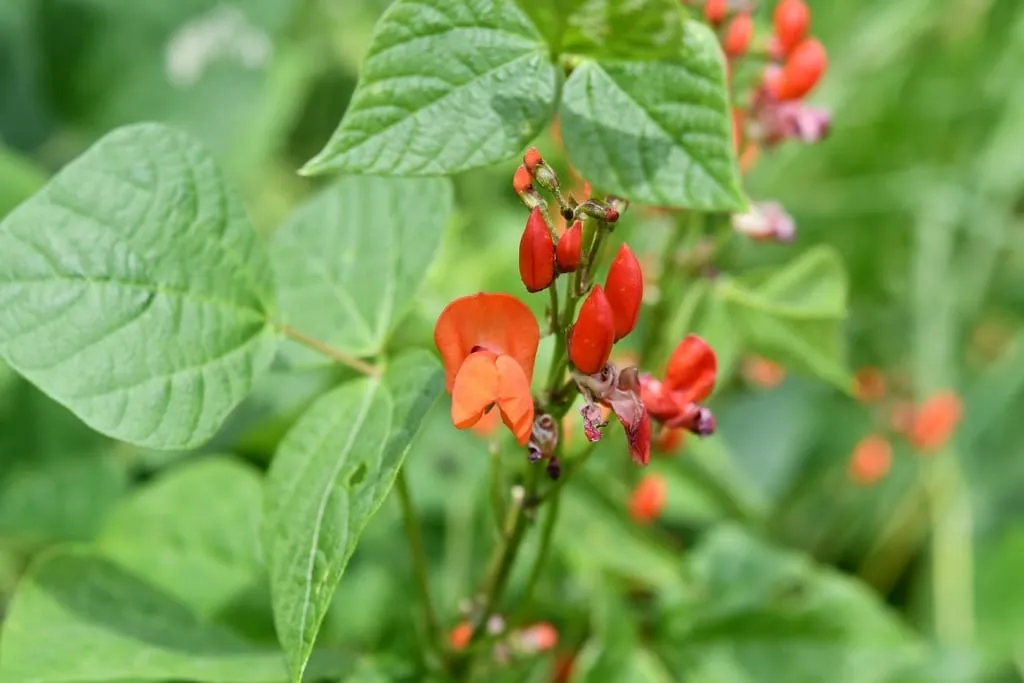
| Scarlet Runner fits zone 7a | Hearty, slightly mealy, complex flavor; fresh-eating snap bean and dry shell-bean. Bright red flowers attract hummingbirds. Productive in cooler summers, prefers it cool. | | none noted |
Critical timing for zone 7a
Soil temperature rather than calendar date drives planting timing. In zone 7a, soils typically reach 60°F between late April and early May, which is the practical planting window. Germination is poor and seedling stress is high below that threshold, so waiting pays off even if nights feel warm enough in mid-April.
Bloom typically begins 45 to 55 days after planting, placing the first flowers in mid-June for an early-May sowing. Pods reach harvestable size 10 to 14 days after bloom. The first fall frost in zone 7a generally arrives between mid-October and early November, which means a mid-July second sowing can still finish before frost kills the vines. Harvest of that planting runs through September and into October.
Common challenges in zone 7a
- ▸ Cedar-apple rust
- ▸ Brown rot
- ▸ Fire blight
- ▸ High humidity disease pressure
Disease pressure to watch for
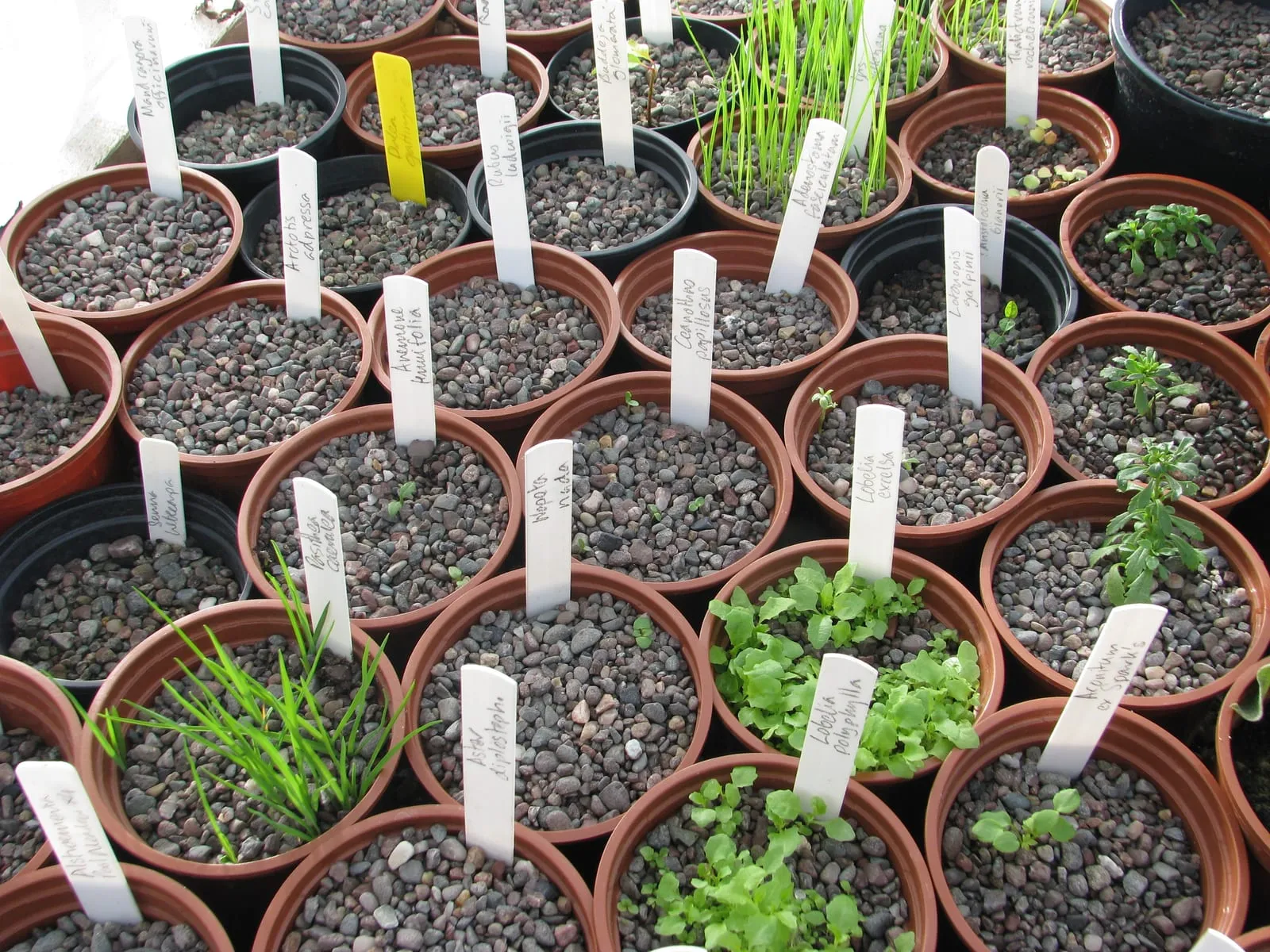
Pythium and Rhizoctonia species
Soil-borne complex of water molds and fungi that kill seedlings before or shortly after emergence. The single most common cause of seed-starting failures.
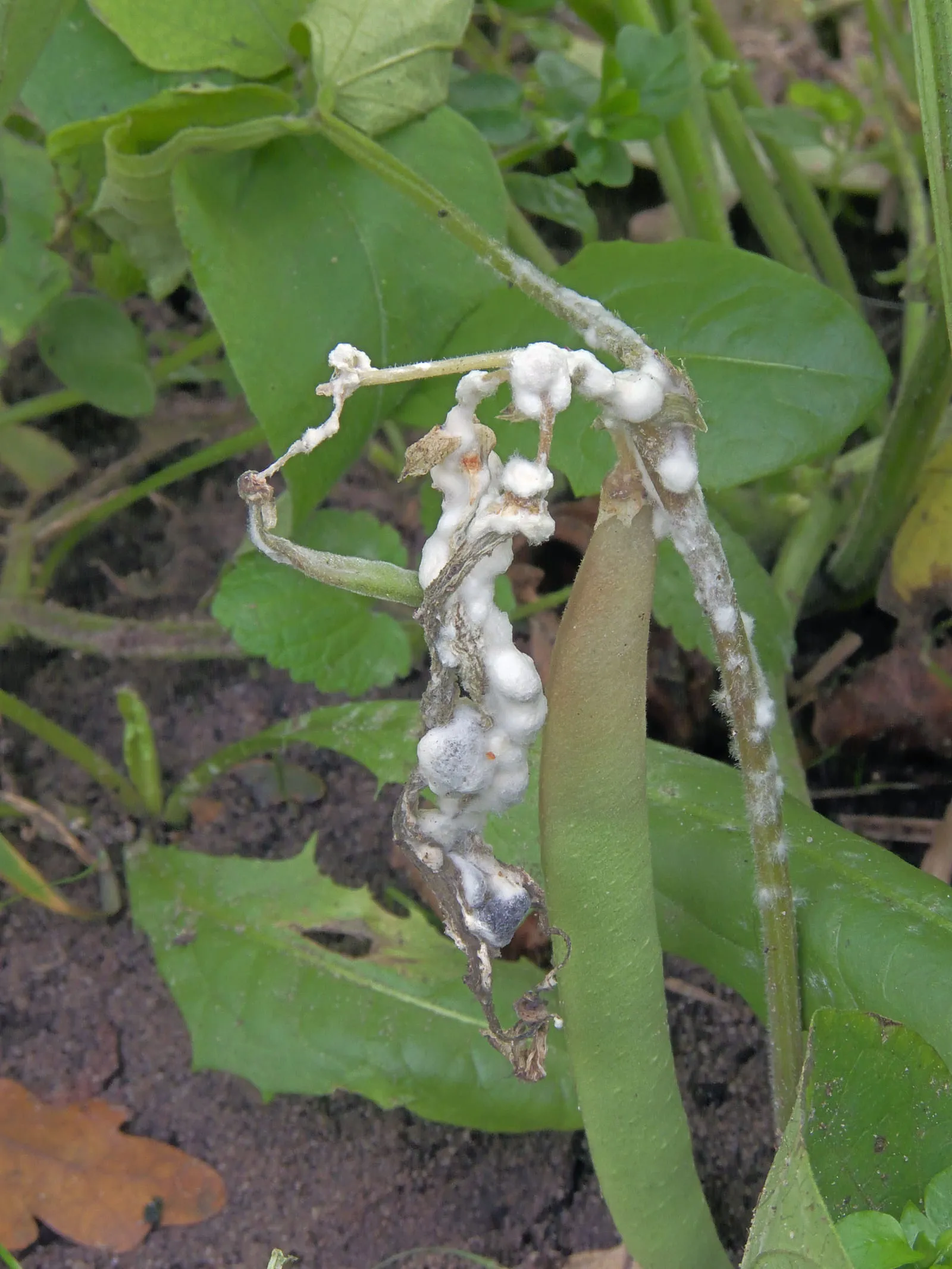
Sclerotinia sclerotiorum
Fungal disease that produces fluffy white mycelium on stems and lower leaves. Forms hard black sclerotia (resting bodies) that survive 5+ years in soil.
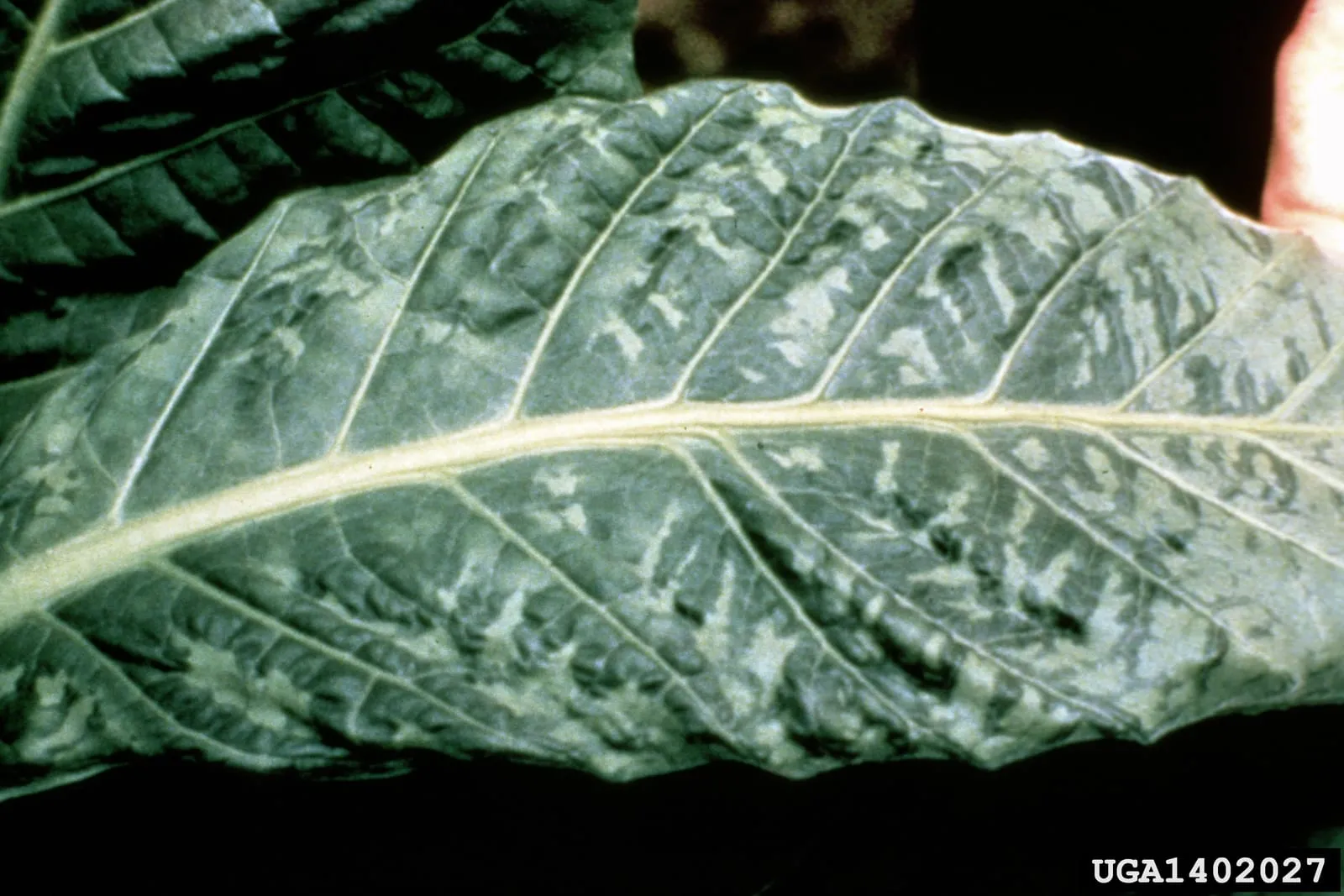
Cucumber mosaic virus, Tobacco mosaic virus, and others
Family of plant viruses producing mottled yellow-and-green leaf patterns. Vectored primarily by aphids; some are seed-transmitted or spread by handling tools and tobacco products.
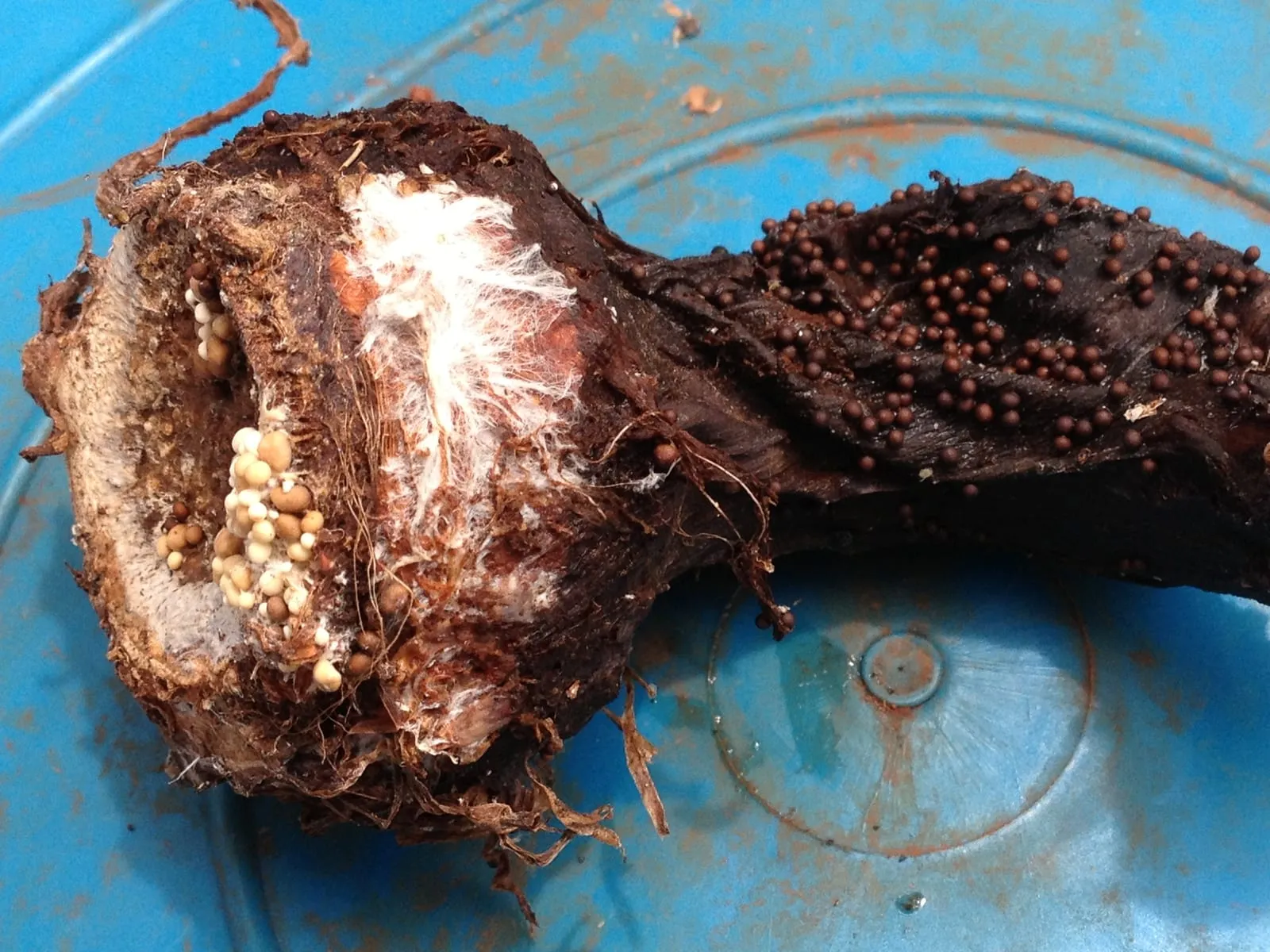
Sclerotium rolfsii
Soil-borne fungal disease most damaging in warm humid Southern conditions. White mycelial fans and small mustard-seed-sized sclerotia at the soil line are diagnostic.
Modified care for zone 7a
High humidity is the dominant management variable in zone 7a. White Mold (Sclerotinia sclerotiorum) builds quickly in dense, poorly ventilated plantings during wet spells. Row spacing wider than standard catalog recommendations, around 18 to 24 inches between plants rather than 12, improves airflow through the canopy. Drip irrigation or soaker hoses reduce foliar wetness compared to overhead watering, which matters during the humid stretches common in July and August.
Peak summer heat in zone 7a occasionally pushes afternoon temperatures above 95°F, which can interrupt pod set on heat-sensitive varieties. Kentucky Wonder and Romano both show reasonable tolerance; Scarlet Runner is more heat-sensitive and may stall during the hottest weeks of late July. Mulching the root zone conserves soil moisture and moderates soil temperature fluctuations during those periods.
Frequently asked questions
- Can pole beans be planted before the last frost in zone 7a?
No. Pole beans are frost-tender and will not germinate reliably in cold soil. Wait until soil temperature reaches 60°F, which in zone 7a typically falls in late April to early May, a week or two after the average last frost date.
- Is White Mold a serious problem for pole beans in zone 7a?
It can be during wet, humid summers. The disease thrives in dense canopies with poor airflow. Wider plant spacing, drip irrigation, and prompt removal of infected tissue are the most effective management steps. Fungicide applications are generally not warranted in home garden settings.
- Which pole bean variety performs best in zone 7a?
Kentucky Wonder and Blue Lake Pole are reliable across the zone. Romano offers broader pods and good flavor, with comparable performance. Scarlet Runner is worth growing for its ornamental value but may show reduced pod set during peak summer heat.
- How many times can pole beans be harvested in a zone 7a season?
A single planting will produce continuously for 6 to 8 weeks if pods are harvested every 2 to 3 days. The 210-day season also allows two successive plantings, one in late April to early May and a second in mid-July, extending harvest through October.
+−
+−
+−
+−
Pole Bean in adjacent zones
Image: "Ayocote", by Neptalí Ramírez Marcial, via iNaturalist, licensed under CC-BY Source.
Related