vegetable in zone 6b
Growing pole bean in zone 6b
Phaseolus vulgaris
- Zone
- 6b -5°F to 0°F
- Growing season
- 190 days
- Suitable varieties
- 4
- Days to harvest
- 60 to 80
The verdict
Pole bean is a warm-season annual with no chill-hour requirement, which makes the hardiness zone less relevant than it is for perennial tree crops. What matters in zone 6b is the frost-free growing window and summer heat accumulation. Zone 6b's 190-day growing season delivers ample time: most pole bean varieties reach harvest in 60 to 70 days from direct sowing, leaving room for successive plantings and a full fall run before first frost.
Varieties suited to zone 6b include Kentucky Wonder, Blue Lake Pole, Romano, and Scarlet Runner. All four perform reliably in the moderate summers typical of zone 6b without significant heat stress. Zone 6b is not a marginal zone for pole beans; it sits well within the crop's preferred range. The main limiting factor is the cold spring, which delays the planting window rather than reducing yield.
Recommended varieties for zone 6b
4 cultivars suited to this zone, with disease-resistance and zone-fit annotations.
| Variety | Notes | Zone fit | Disease resistance |
|---|---|---|---|
| Kentucky Wonder fits zone 6b | Rich, classic snap-bean flavor; long round green pods. Fresh, canning, freezing. Heritage open-pollinated, prolific over a long picking season, the home-garden pole bean standard. | | none noted |
| Blue Lake Pole fits zone 6b | Sweet, crisp, classic Pacific Northwest flavor; long straight green pods. Fresh, canning, freezing. Productive, holds quality on the vine, popular with home canners. | | none noted |
| Romano fits zone 6b | Tender, meaty, fully developed bean flavor; flat Italian-style pods. Sauteing, fresh, slow cooking. The Italian classic, productive over many weeks. | | none noted |
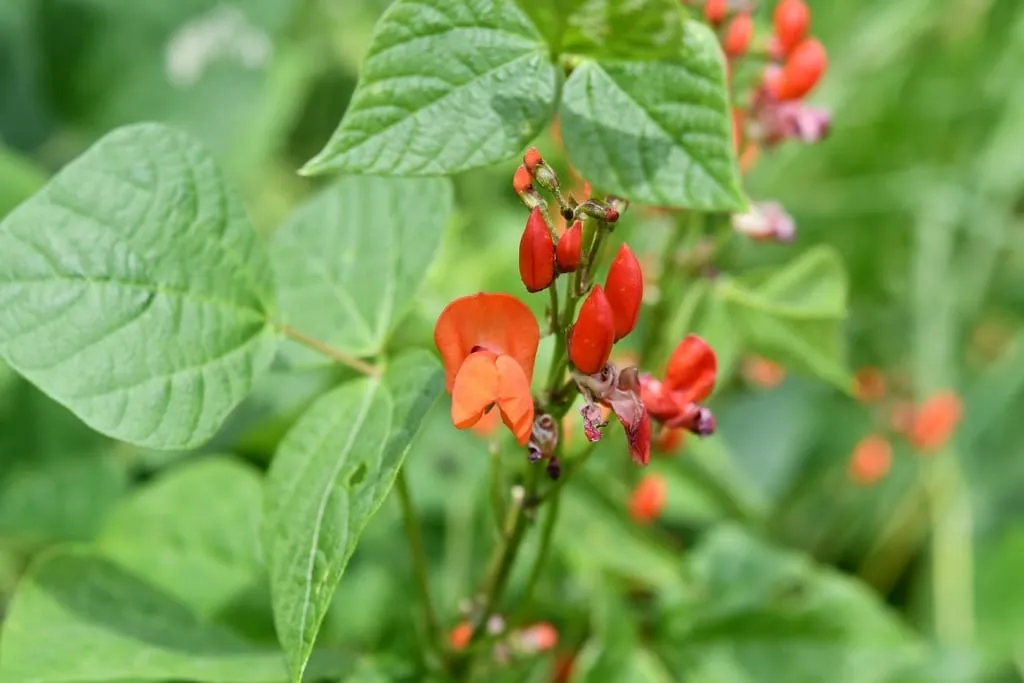
| Scarlet Runner fits zone 6b | Hearty, slightly mealy, complex flavor; fresh-eating snap bean and dry shell-bean. Bright red flowers attract hummingbirds. Productive in cooler summers, prefers it cool. | | none noted |
Critical timing for zone 6b
In zone 6b, last spring frost typically falls between April 15 and May 1, depending on local elevation and topography. Pole bean seed germinates poorly in soil below 60°F and rots readily in cool, wet conditions. Practical planting dates run from early to mid-May once soil temperature at 2-inch depth has warmed consistently. With a 65-day average to harvest, the first picking arrives in mid- to late July.
The 190-day season allows for at least one succession sowing in late June or early July, extending harvest into September. First fall frost in zone 6b generally arrives in mid-October, giving late-planted beans a full run if conditions stay warm. Bloom typically begins 5 to 6 weeks after sowing; that window is the key scheduling constraint when planning around frost.
Common challenges in zone 6b
- ▸ Cedar-apple rust
- ▸ Fire blight
- ▸ Stink bugs
Disease pressure to watch for
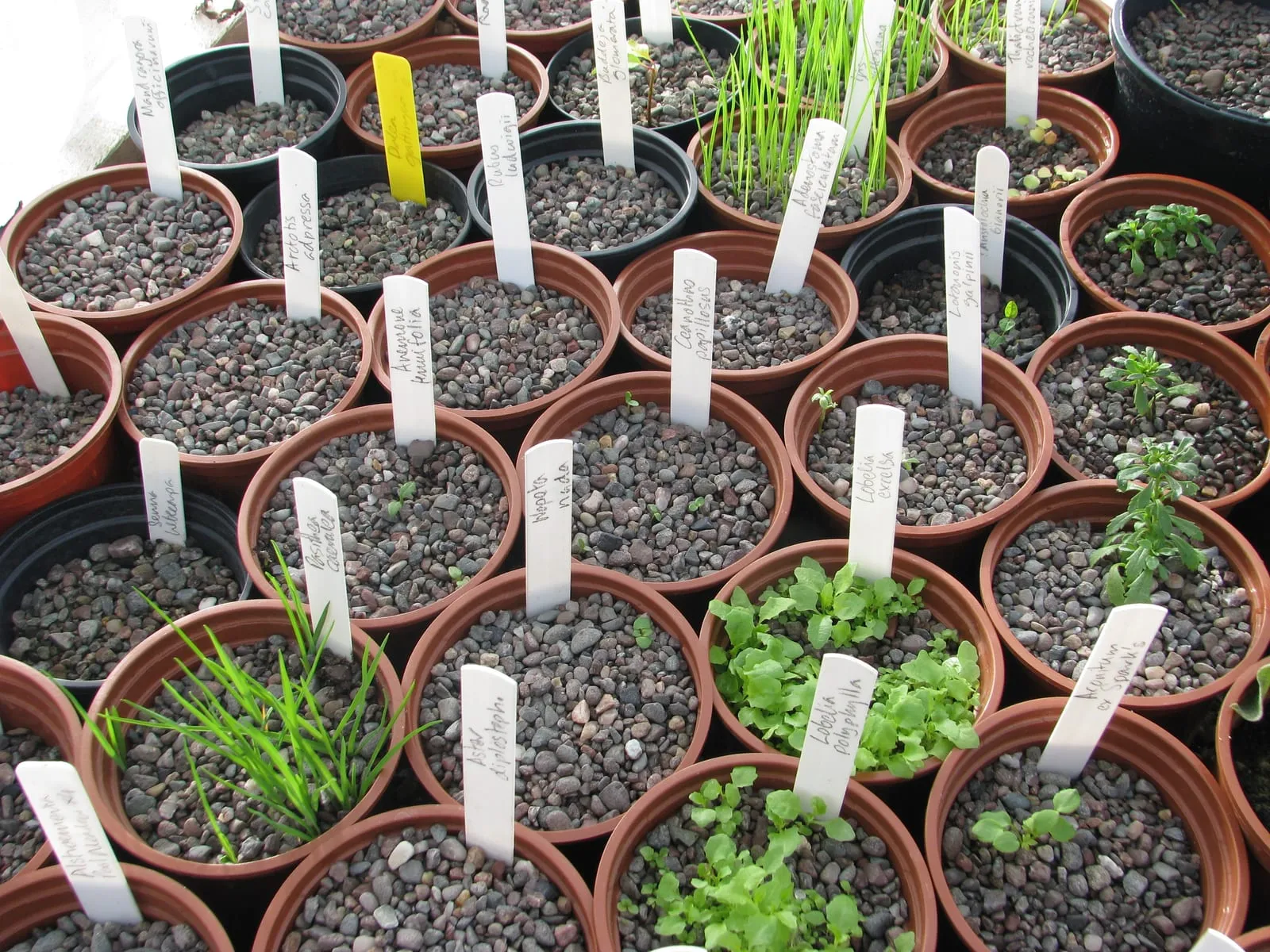
Pythium and Rhizoctonia species
Soil-borne complex of water molds and fungi that kill seedlings before or shortly after emergence. The single most common cause of seed-starting failures.
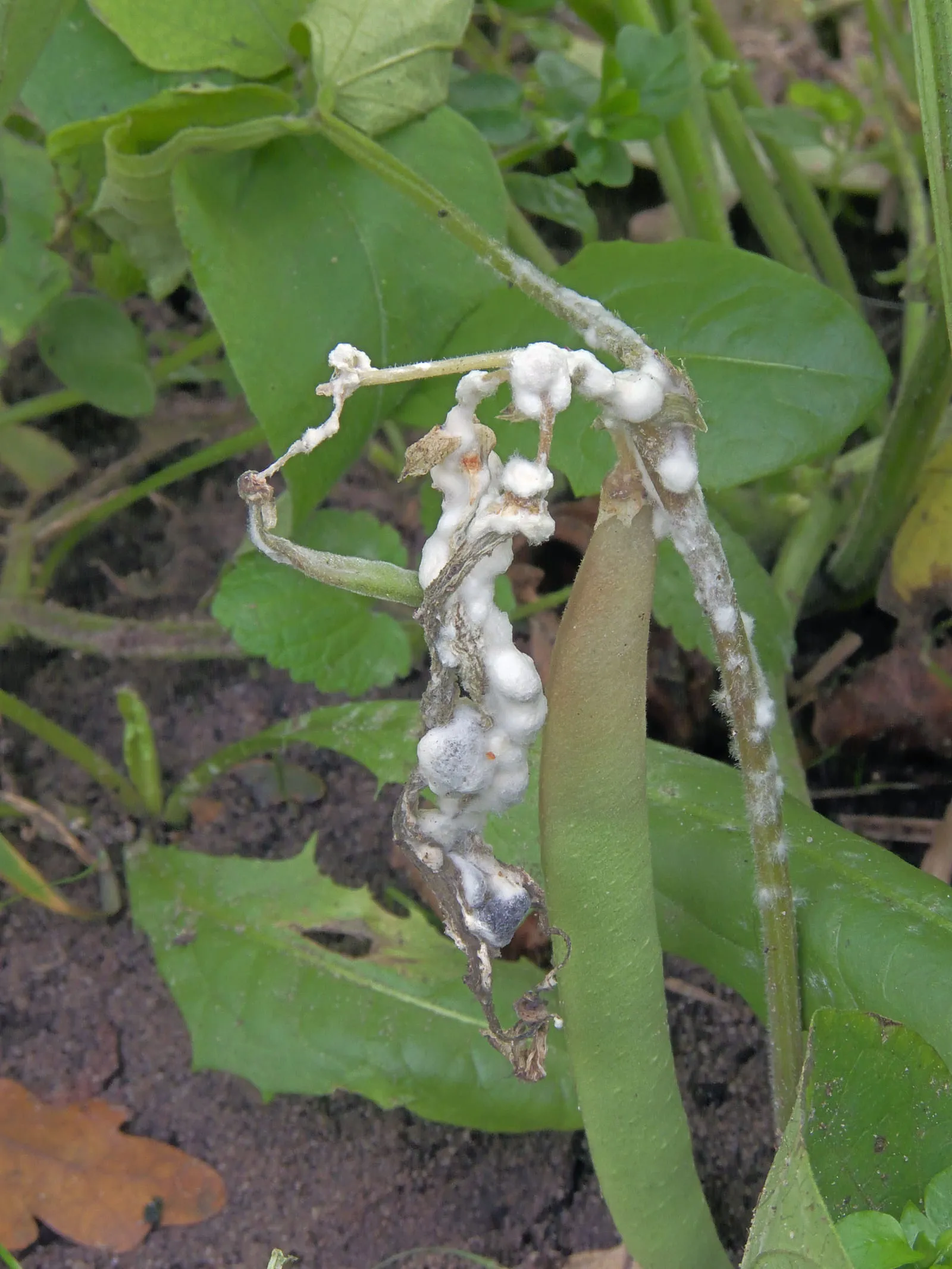
Sclerotinia sclerotiorum
Fungal disease that produces fluffy white mycelium on stems and lower leaves. Forms hard black sclerotia (resting bodies) that survive 5+ years in soil.
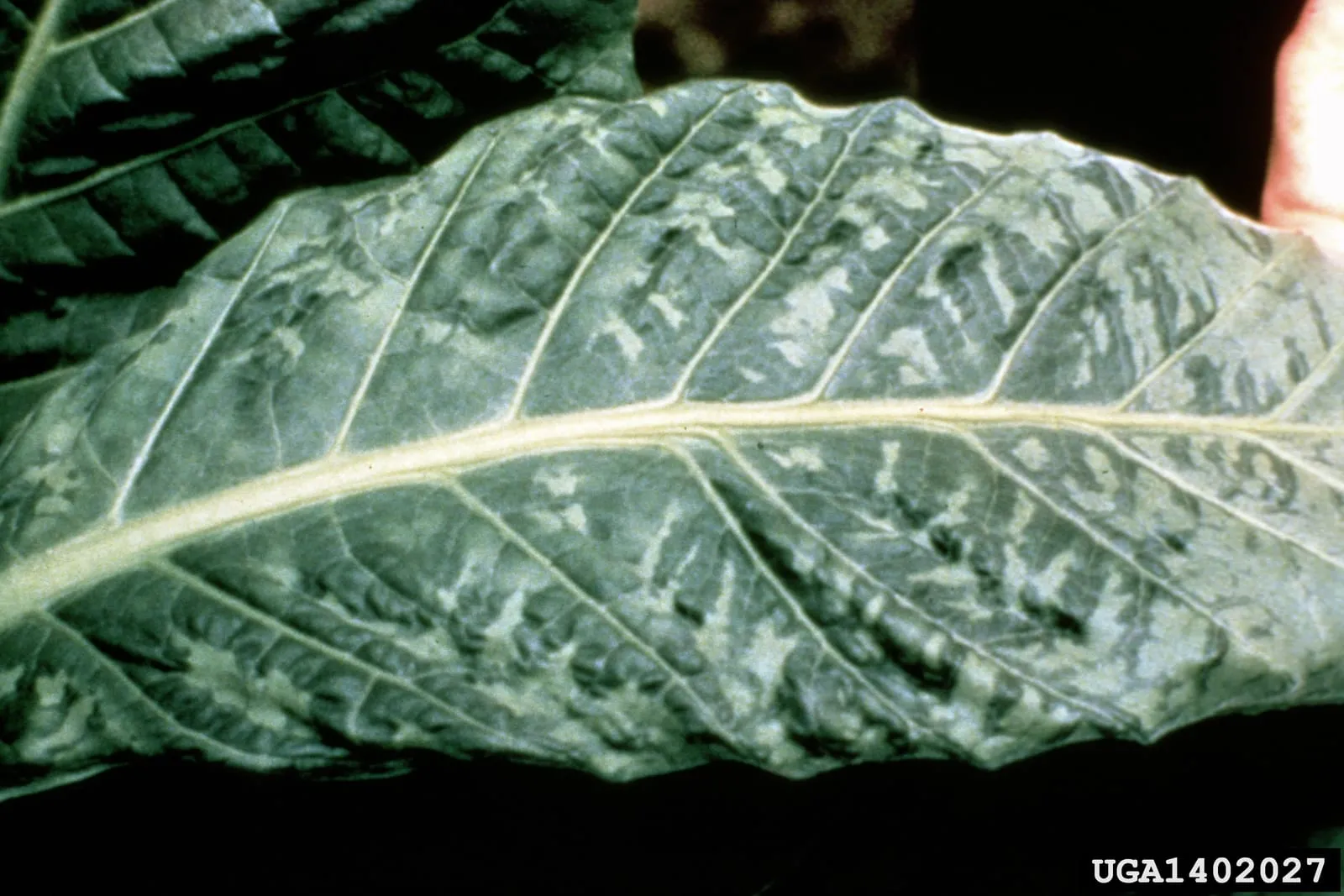
Cucumber mosaic virus, Tobacco mosaic virus, and others
Family of plant viruses producing mottled yellow-and-green leaf patterns. Vectored primarily by aphids; some are seed-transmitted or spread by handling tools and tobacco products.
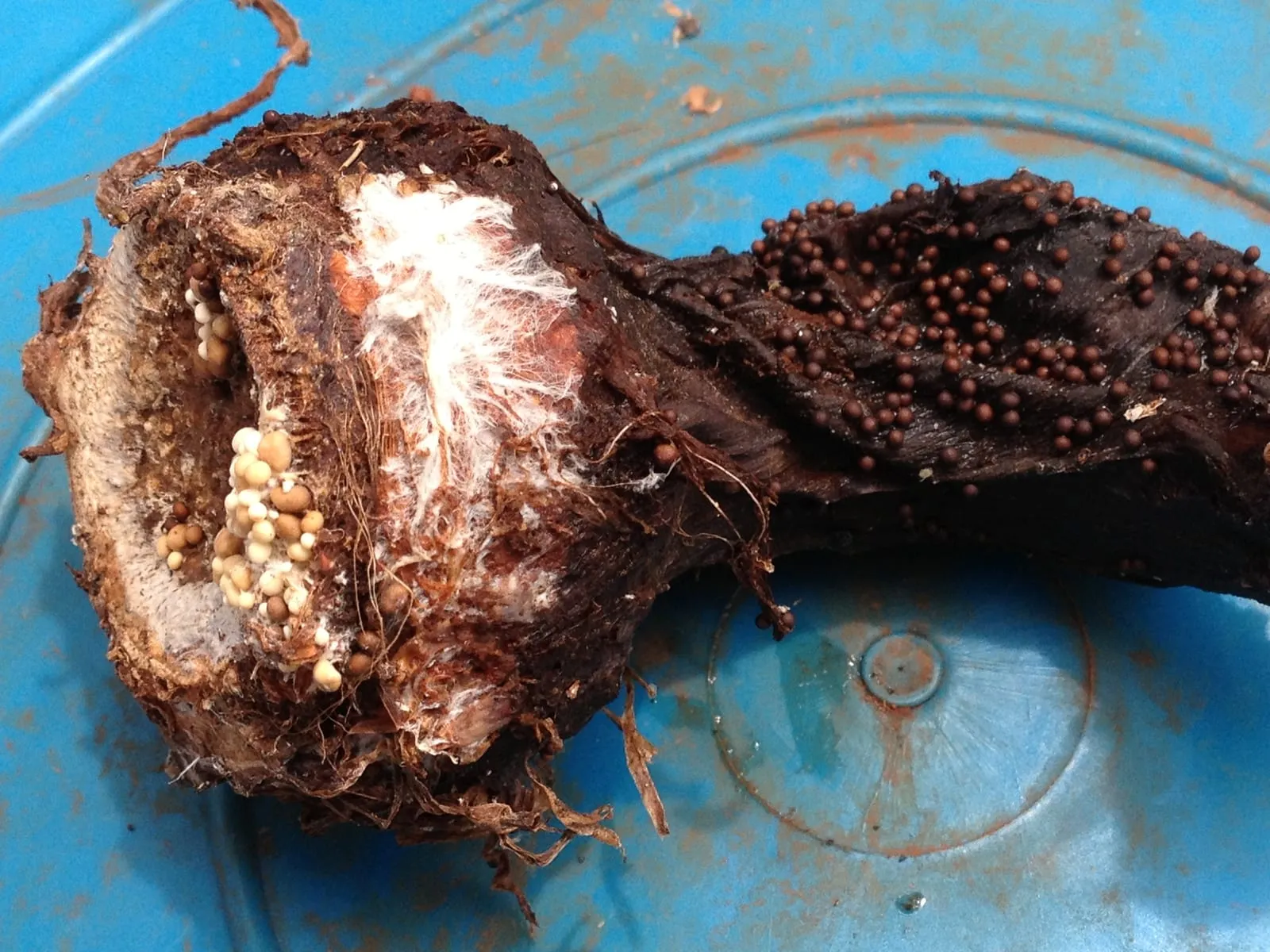
Sclerotium rolfsii
Soil-borne fungal disease most damaging in warm humid Southern conditions. White mycelial fans and small mustard-seed-sized sclerotia at the soil line are diagnostic.
Modified care for zone 6b
The most significant adjustment in zone 6b is patience at planting time. Jumping the season by two weeks rarely pays off; cold-shocked seedlings often stall and are overtaken by beans planted in properly warm soil. Waiting for confirmed soil temperature is more reliable than going by calendar date.
White mold (Sclerotinia sclerotiorum) is the primary disease pressure to manage. The fungus thrives in cool, humid conditions common in zone 6b during early-season weather. Wider row spacing and positioning rows to maximize airflow reduce canopy humidity; avoid overhead irrigation once plants are setting flowers. Stink bugs are an increasing pressure across zone 6b and will puncture developing pods, causing discoloration and internal damage. Early morning scouting when temperatures are still cool gives the best opportunity to catch populations before they spike.
Pole Bean in adjacent zones
Image: "Ayocote", by Neptalí Ramírez Marcial, via iNaturalist, licensed under CC-BY Source.
Related