vegetable in zone 6a
Growing pole bean in zone 6a
Phaseolus vulgaris
- Zone
- 6a -10°F to -5°F
- Growing season
- 180 days
- Suitable varieties
- 4
- Days to harvest
- 60 to 80
The verdict
Pole beans are warm-season annuals with no chill-hour requirement, so zone 6a's winter minimums of -10 to -5°F are irrelevant to performance. What matters for this crop is summer heat accumulation and a frost-free window long enough to complete the cycle from sowing to final harvest. Zone 6a's 180-day growing season provides that window comfortably. Pole beans need roughly 60 to 70 days from direct sowing to first harvest, and productive varieties like Kentucky Wonder and Blue Lake Pole will continue bearing for 4 to 6 weeks after that if picked regularly. The main limitation in zone 6a is at the season's edges: cold spring soil delays sowing, and an early hard frost in October can cut the harvest short. Within those bookends, this is a reliable zone for pole beans, not marginal.
Recommended varieties for zone 6a
4 cultivars suited to this zone, with disease-resistance and zone-fit annotations.
| Variety | Notes | Zone fit | Disease resistance |
|---|---|---|---|
| Kentucky Wonder fits zone 6a | Rich, classic snap-bean flavor; long round green pods. Fresh, canning, freezing. Heritage open-pollinated, prolific over a long picking season, the home-garden pole bean standard. | | none noted |
| Blue Lake Pole fits zone 6a | Sweet, crisp, classic Pacific Northwest flavor; long straight green pods. Fresh, canning, freezing. Productive, holds quality on the vine, popular with home canners. | | none noted |
| Romano fits zone 6a | Tender, meaty, fully developed bean flavor; flat Italian-style pods. Sauteing, fresh, slow cooking. The Italian classic, productive over many weeks. | | none noted |
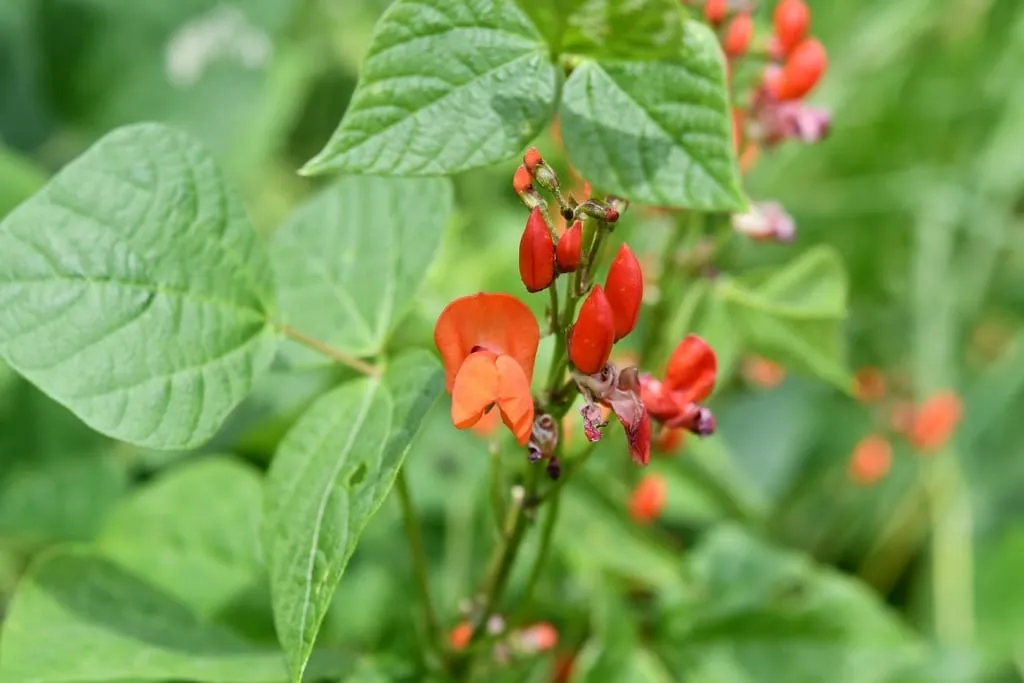
| Scarlet Runner fits zone 6a | Hearty, slightly mealy, complex flavor; fresh-eating snap bean and dry shell-bean. Bright red flowers attract hummingbirds. Productive in cooler summers, prefers it cool. | | none noted |
Critical timing for zone 6a
Sowing should wait until soil temperature reaches at least 60°F at 2-inch depth, typically late May in zone 6a after the last frost has passed. Germination in cold soil is erratic and seeds may rot rather than sprout. First bloom appears roughly 6 to 8 weeks after sowing, generally mid to late July. Harvest begins shortly after and continues through August into September with consistent picking. The first fall frost in zone 6a typically arrives in October, ending the season. Growers who sow in late May rather than waiting for June will capture 3 to 4 more weeks of productive harvest before frost closes the window.
Common challenges in zone 6a
- ▸ Brown rot in stone fruit
- ▸ Japanese beetles
- ▸ Spring frost damage to peach buds
Disease pressure to watch for
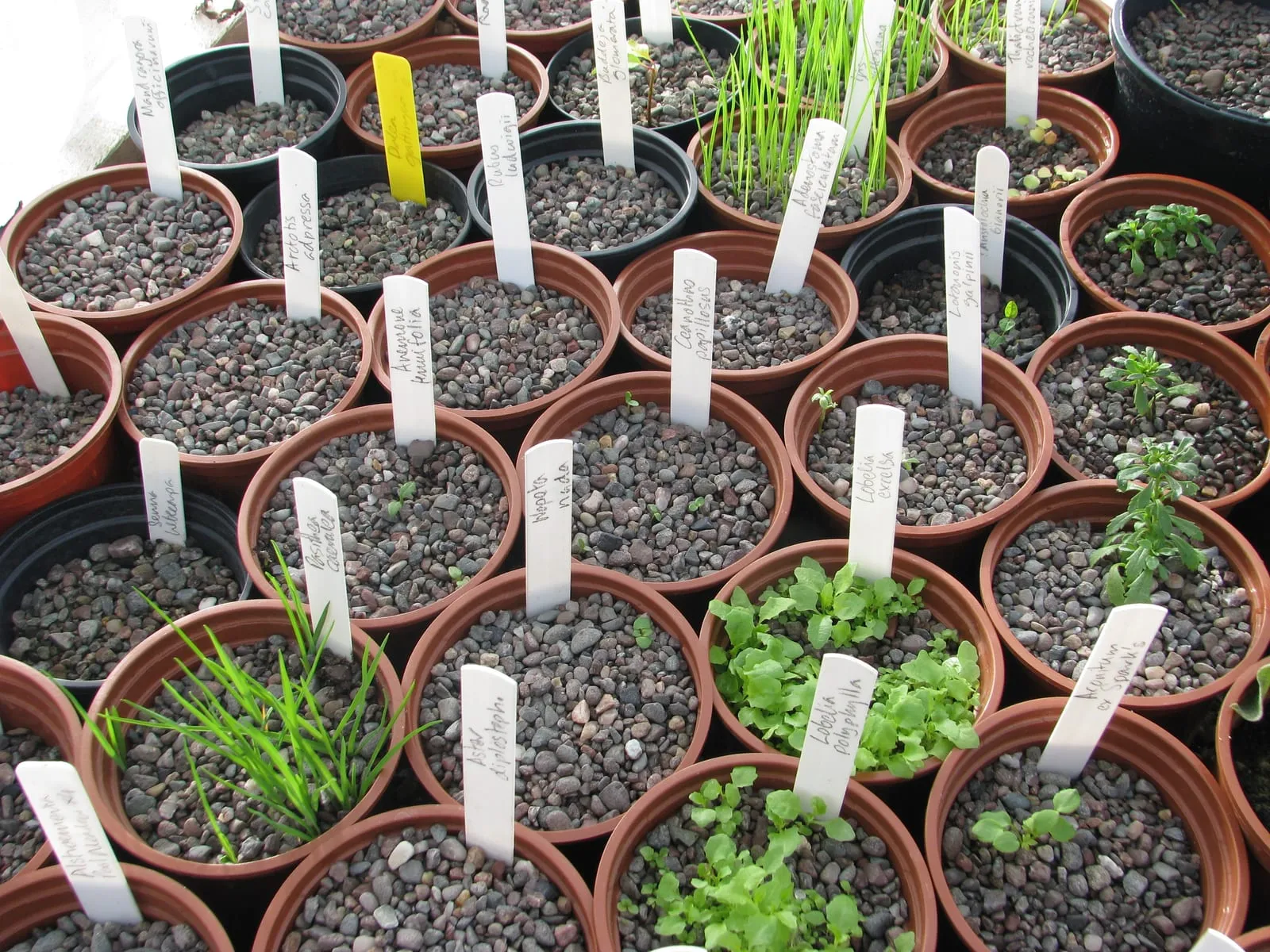
Pythium and Rhizoctonia species
Soil-borne complex of water molds and fungi that kill seedlings before or shortly after emergence. The single most common cause of seed-starting failures.
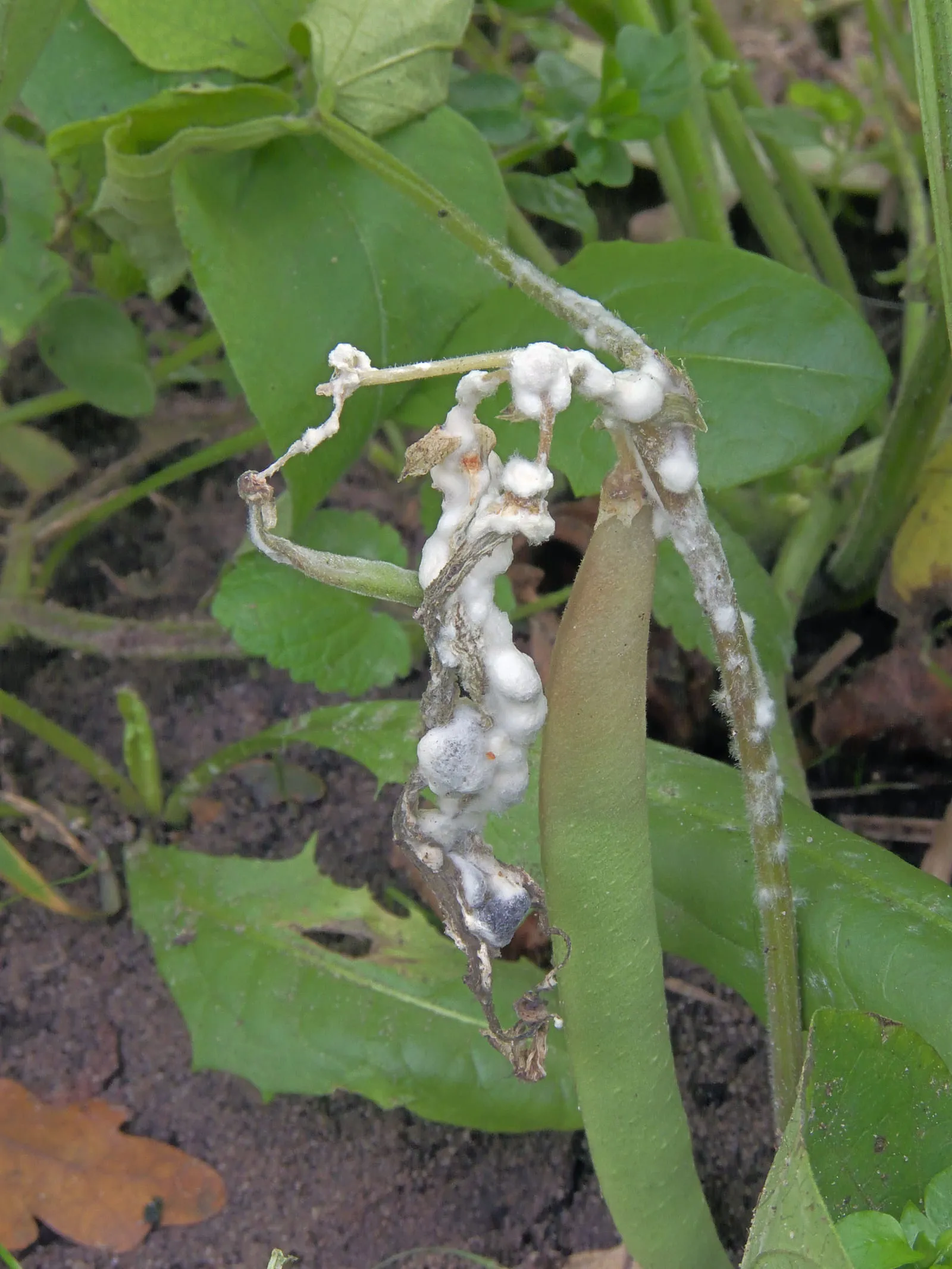
Sclerotinia sclerotiorum
Fungal disease that produces fluffy white mycelium on stems and lower leaves. Forms hard black sclerotia (resting bodies) that survive 5+ years in soil.
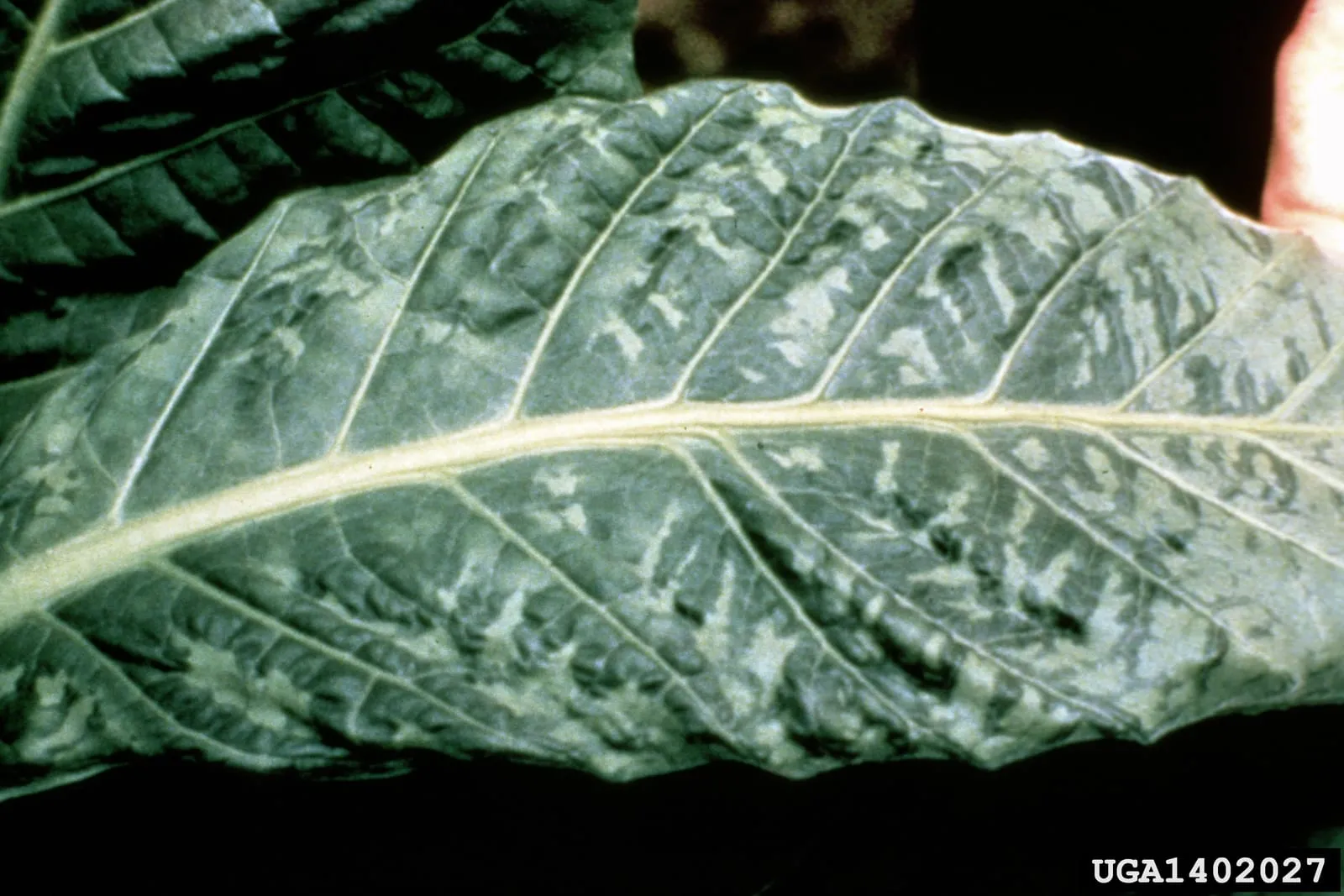
Cucumber mosaic virus, Tobacco mosaic virus, and others
Family of plant viruses producing mottled yellow-and-green leaf patterns. Vectored primarily by aphids; some are seed-transmitted or spread by handling tools and tobacco products.
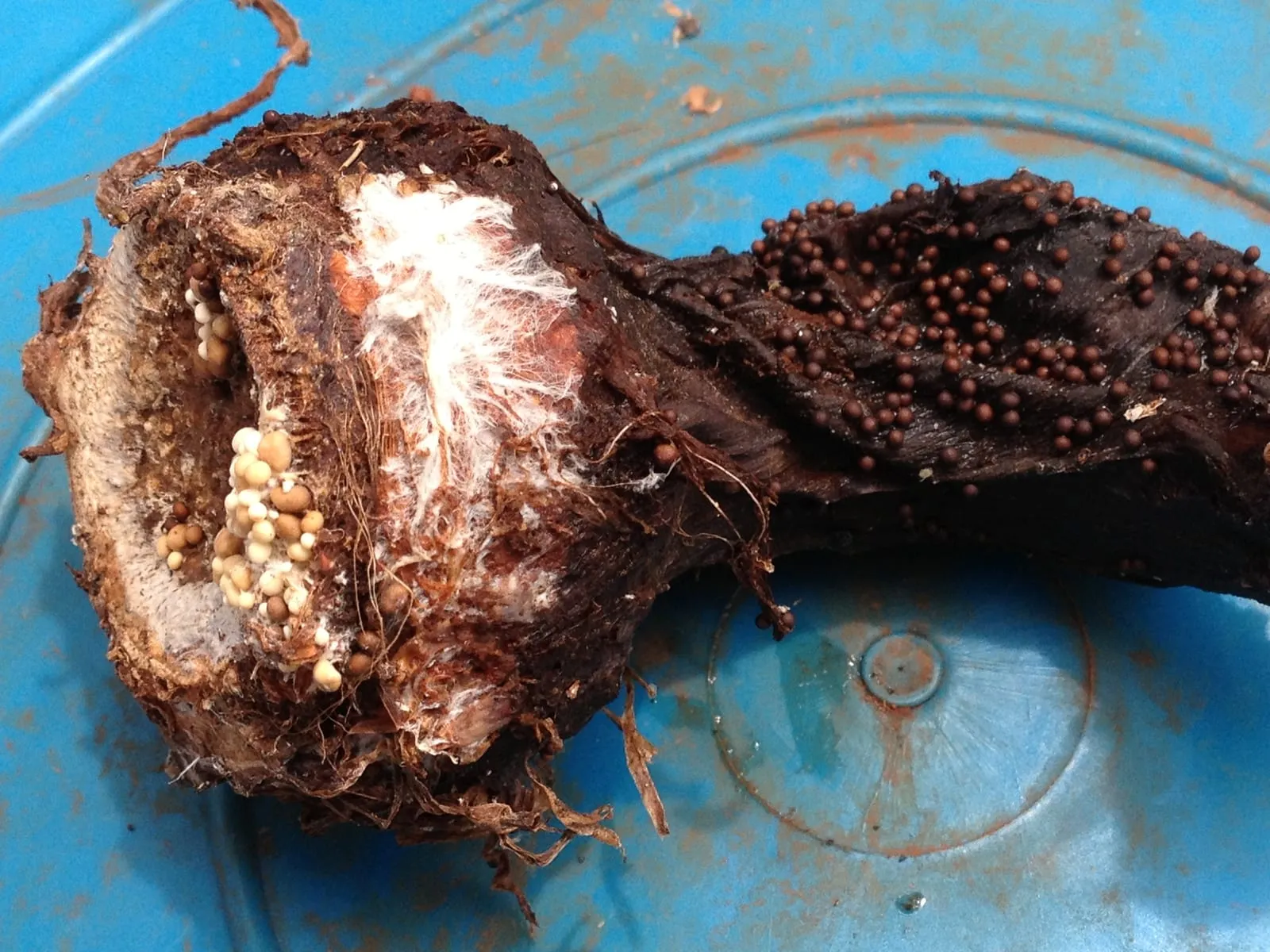
Sclerotium rolfsii
Soil-borne fungal disease most damaging in warm humid Southern conditions. White mycelial fans and small mustard-seed-sized sclerotia at the soil line are diagnostic.
Modified care for zone 6a
White mold (Sclerotinia sclerotiorum) is the primary disease concern for pole beans in zone 6a. The pathogen thrives in cool, humid conditions and spreads rapidly through dense plantings where air circulation is poor. Spacing rows at least 18 inches apart and avoiding overhead irrigation reduces canopy humidity enough to limit infection cycles. Remove and bag any infected tissue rather than composting it, since sclerotia persist in soil for years. Japanese beetles are a documented pressure in zone 6a and will defoliate bean plants quickly during peak adult emergence in July. Hand-picking early in infestations, before populations build, is more effective than reactive spraying. Neem-based products offer some reduction in feeding damage but require repeated application.
Frequently asked questions
- Can pole beans handle a light frost in zone 6a?
No. Pole beans are frost-tender and will be killed or severely damaged by temperatures at or below 32°F. Both seedlings and mature plants are vulnerable. Sow only after the last frost date has passed and soil has warmed, and plan for harvest to end before the first fall frost.
- How do I manage white mold on pole beans?
Wide plant spacing, drip irrigation instead of overhead watering, and prompt removal of infected stems are the most effective controls. Fungicide applications can help suppress early infections but will not eliminate established mold. Crop rotation away from beans and other susceptible hosts for at least 3 years reduces soil inoculum over time.
- Which pole bean variety performs best in zone 6a?
Kentucky Wonder and Blue Lake Pole are the most consistent performers across zone 6a, with broad adaptability and reliable yields. Romano offers a flat pod with a distinct flavor profile and similar hardiness. Scarlet Runner is worth growing for its ornamental value and edible beans, though it prefers slightly cooler summer temperatures and may slow in peak July heat.
+−
+−
+−
Pole Bean in adjacent zones
Image: "Ayocote", by Neptalí Ramírez Marcial, via iNaturalist, licensed under CC-BY Source.
Related