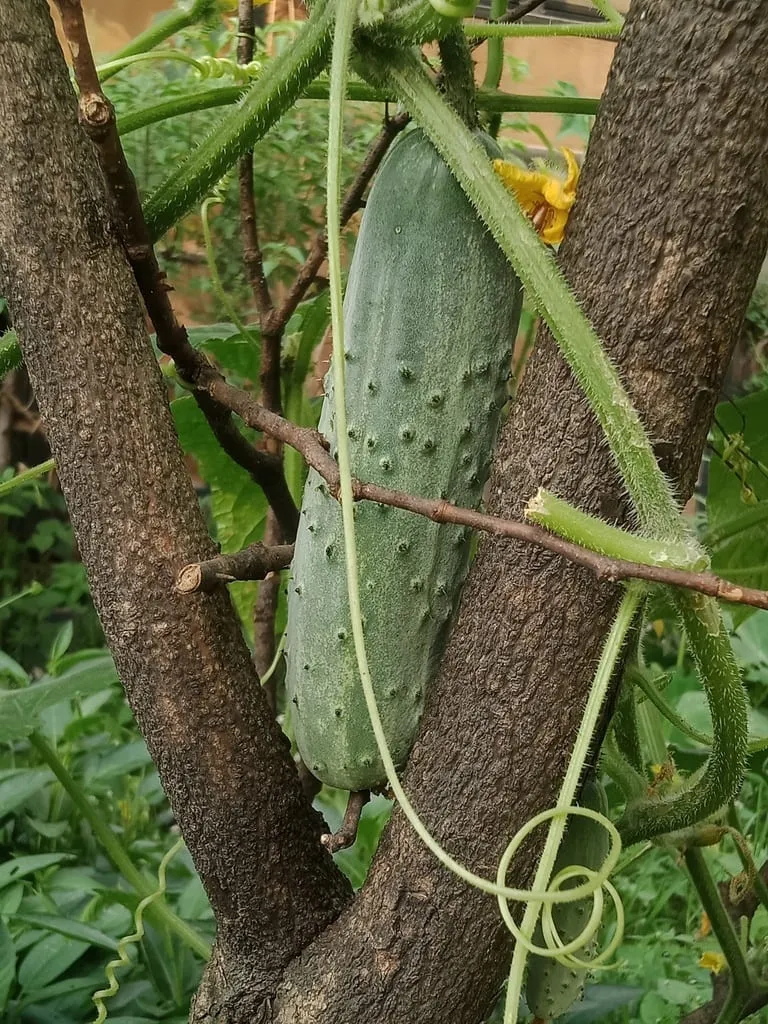
vegetable
Cucumber
Cucumis sativus
USDA hardiness range
- Zones
- 3b–10a
- Days to harvest
- 50 to 70
- Sun
- Full
- Water
- Moderate
- Lifespan
- annual
Growing cucumber
Cucumber (Cucumis sativus) is a warm-season annual that performs well across USDA zones 3b through 10a, though genuine reliability narrows considerably in the colder end of that range. The crop needs soil temperatures above 60°F to germinate without stalling or rotting, and air temperatures consistently above 50°F to grow without setback. Frost kills it at any stage. In zones 3b through 5a, the window between last spring frost and first fall frost is tight enough that direct seeding is a gamble; starting transplants indoors 3 to 4 weeks before last frost is the standard workaround. In zones 6 through 9, direct seeding after last frost is common and often preferred, since cucumbers dislike root disturbance during transplanting.
What separates productive cucumber plantings from failed ones is usually a combination of three factors: soil temperature at planting time, consistent moisture through fruit set, and early management of cucumber beetle. Plants put into cold soil stall and become vulnerable to disease. Uneven watering during flowering and fruiting produces bitter, misshapen fruit. Cucumber beetle (Diabrotica species) transmits bacterial wilt, which can collapse an entire planting within days of the first visible symptoms, and there is no cure once the disease is established.
The Cornell Cucumber Production Guide remains the most comprehensive reference for variety selection and integrated pest management. Varieties like Marketmore 76, a Cornell release, offer built-in disease resistance that reduces pressure on growers across zones 4 through 8.
Recommended varieties
See all 5 →5 cultivars for home growers, with notes on flavor, ripening, and disease resistance.
| Variety | Notes | Zone fit | Disease resistance |
|---|---|---|---|
| Marketmore 76 | Crisp, mild, classic American slicing cucumber; long dark green fruit. Salads, fresh, sandwiches. Disease-resistant Cornell release, the home-garden standard. | | none noted |
| National Pickling | Crisp, blocky, ideal for fermentation; classic short pickling cucumber. Pickles, fresh, pickle relish. Productive, concentrated harvest for putting up. | | none noted |
| Lemon | Mild, crisp, slightly sweet; round pale-yellow cucumber the size of a tennis ball. Salads, fresh out of hand, pickling whole. Heat-tolerant heritage variety. | | none noted |
| Suyo Long | Sweet, burpless, crisp; foot-long ribbed Asian cucumber. Stir-fries, fresh, salads. Productive in heat where other cucumbers fail. Trellis required. | | none noted |
| Persian / Beit Alpha | Sweet, thin-skinned, no need to peel; small smooth fruits. Fresh eating, salads, snacks. Parthenocarpic types set without pollination, productive in greenhouses. | | none noted |
Soil and site requirements
Cucumbers prefer well-drained, loamy soil with a pH between 6.0 and 6.8. Compact or waterlogged soil is a common failure point: roots sitting in saturated conditions become susceptible to fungal root rots even when surface conditions look fine. On heavy clay sites, raised beds or mounded rows improve drainage and warm the soil faster in spring, both of which matter considerably in zones 5 and colder.
Full sun is non-negotiable. Plants in partial shade produce fewer flowers and become substantially more vulnerable to foliar fungal diseases, particularly powdery mildew and downy mildew. A site with at least 8 hours of direct sun per day is the practical minimum.
Spacing depends on training method. Bush varieties can be set 12 to 18 inches apart in rows 4 to 5 feet wide. Vining types grown on a trellis can be planted closer together in a single row, with the vertical structure handling spread. Trellising improves air circulation around foliage, which directly reduces mildew pressure across the season.
Microclimate matters in zones 5 and colder. A south-facing slope or a position against a south-facing wall extends the effective growing season and keeps soil temperatures higher during cool spells. In zones 9 and 10, afternoon shade from a structure or tall companion planting reduces heat stress and extends the harvest window deeper into summer before heat triggers bitterness.
Common diseases
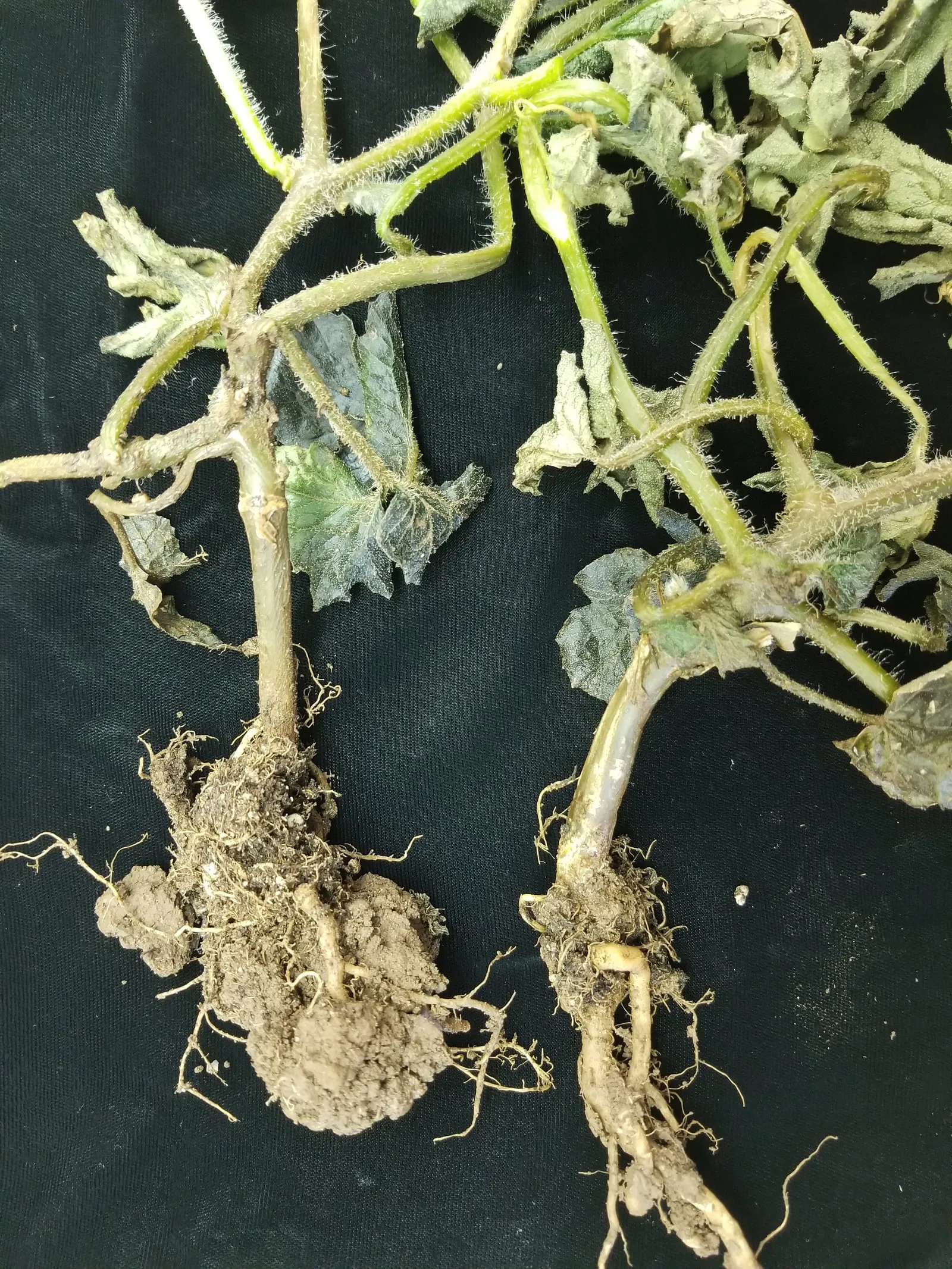
Erwinia tracheiphila
Bacterial disease vectored exclusively by cucumber beetles. Once a plant is infected there is no recovery; whole-plant collapse follows.
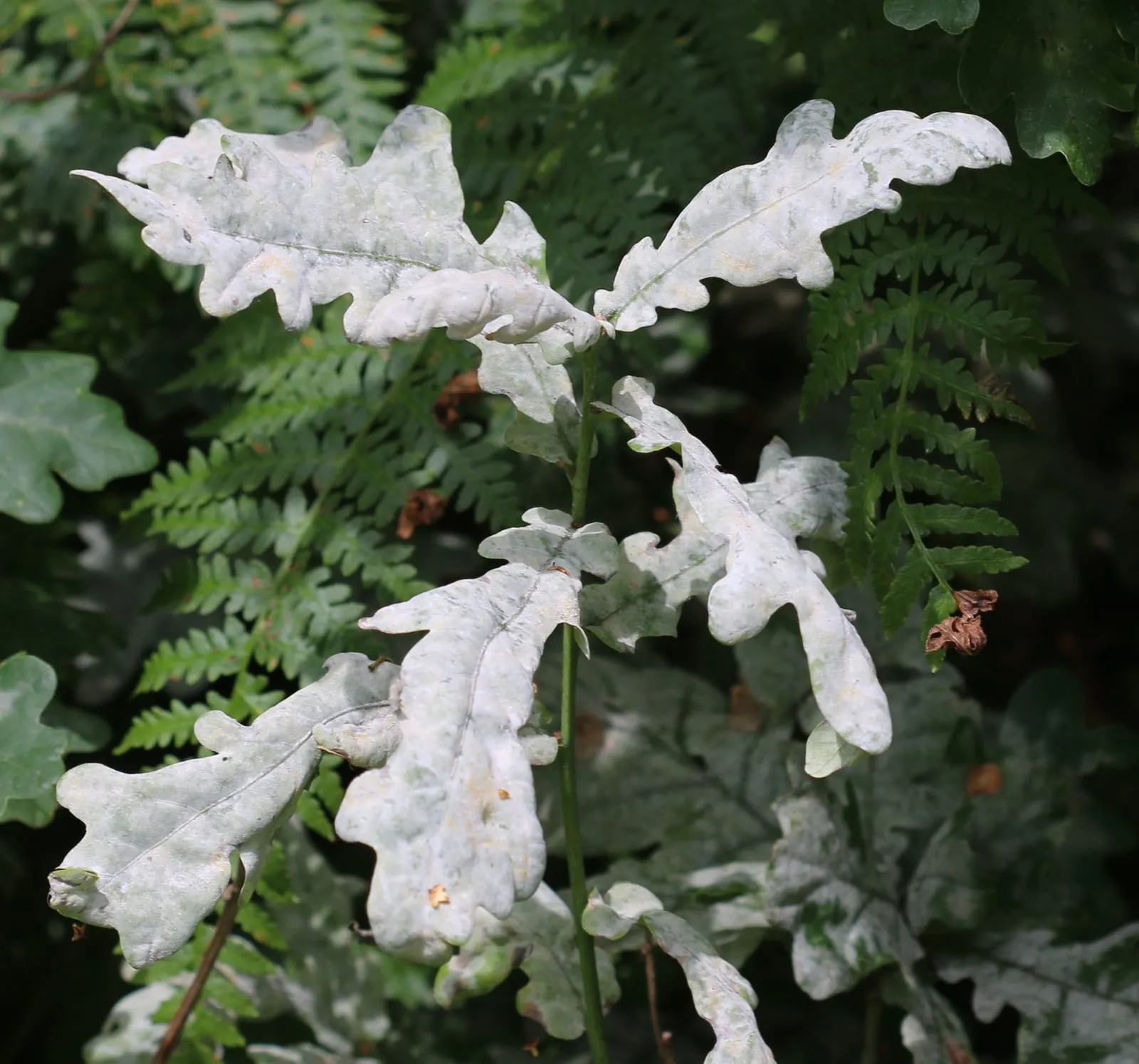
Multiple species (Erysiphales)
Surface-feeding fungal disease producing white powdery growth on leaves and stems. Reduces yield by stealing photosynthate and accelerating senescence.
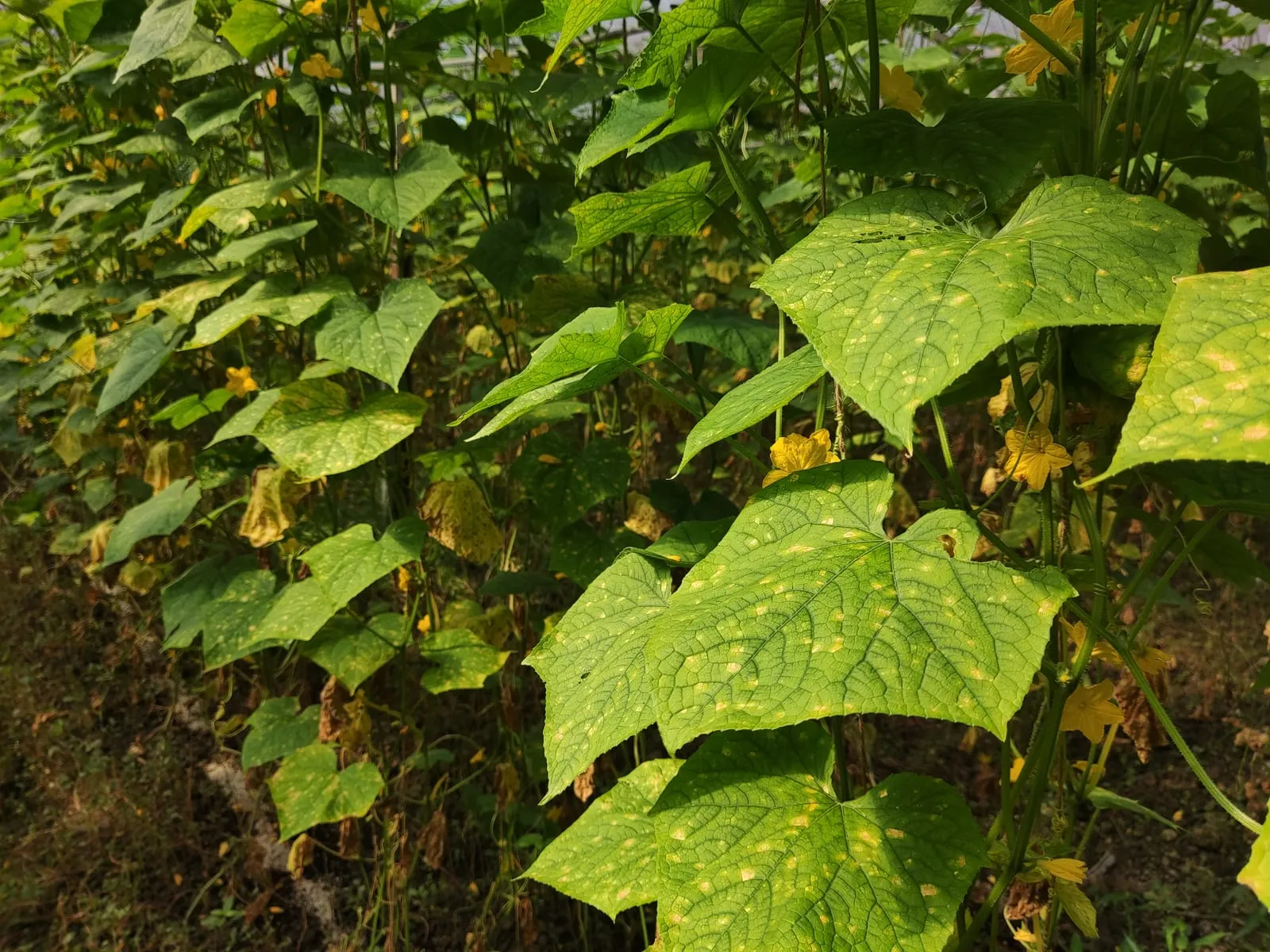
Pseudoperonospora cubensis (cucurbits) and others
Water mold (oomycete, not a true fungus) that thrives in cool damp conditions. Spreads rapidly through cucurbit and brassica plantings on wind-borne spores.
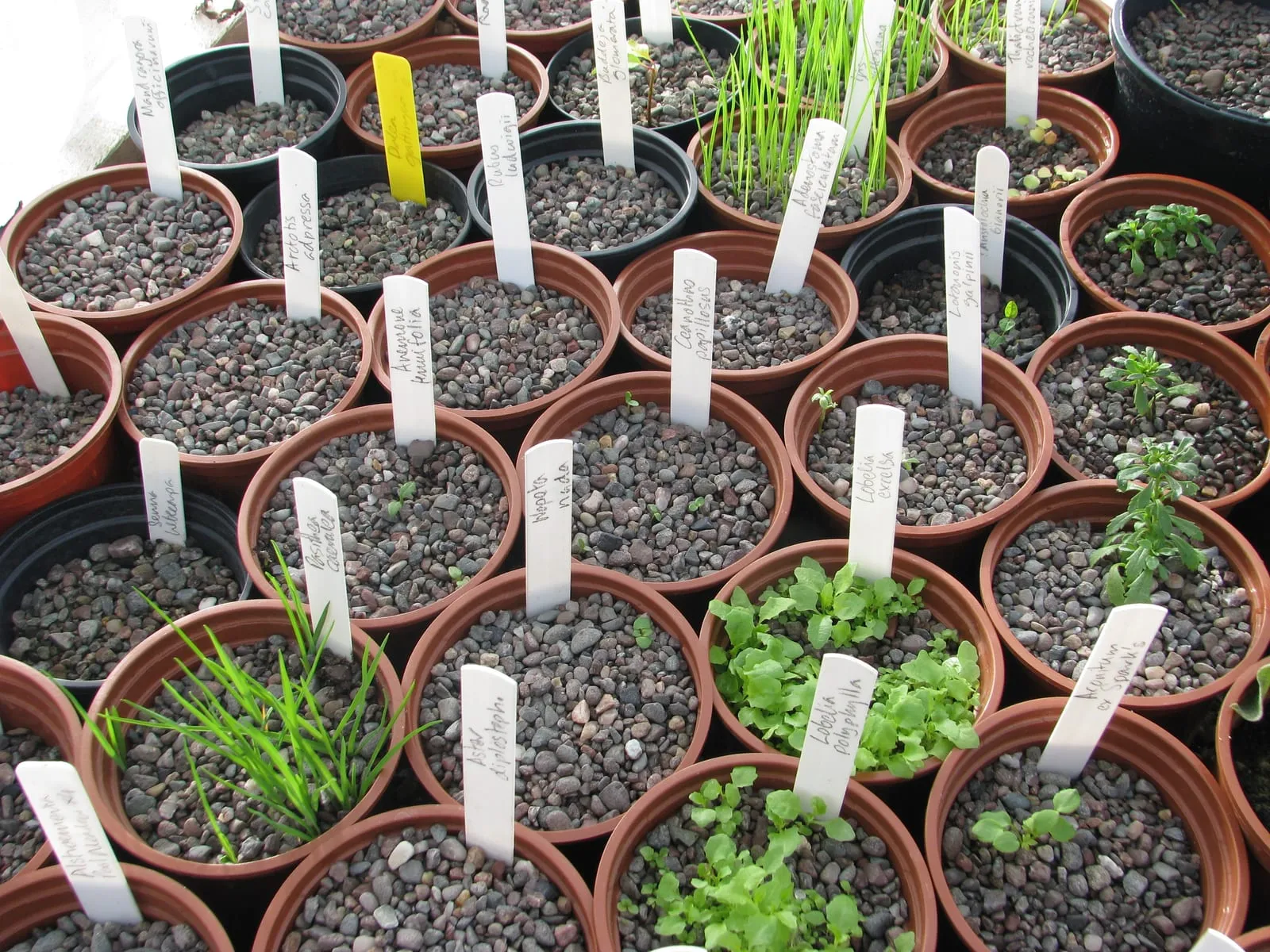
Pythium and Rhizoctonia species
Soil-borne complex of water molds and fungi that kill seedlings before or shortly after emergence. The single most common cause of seed-starting failures.
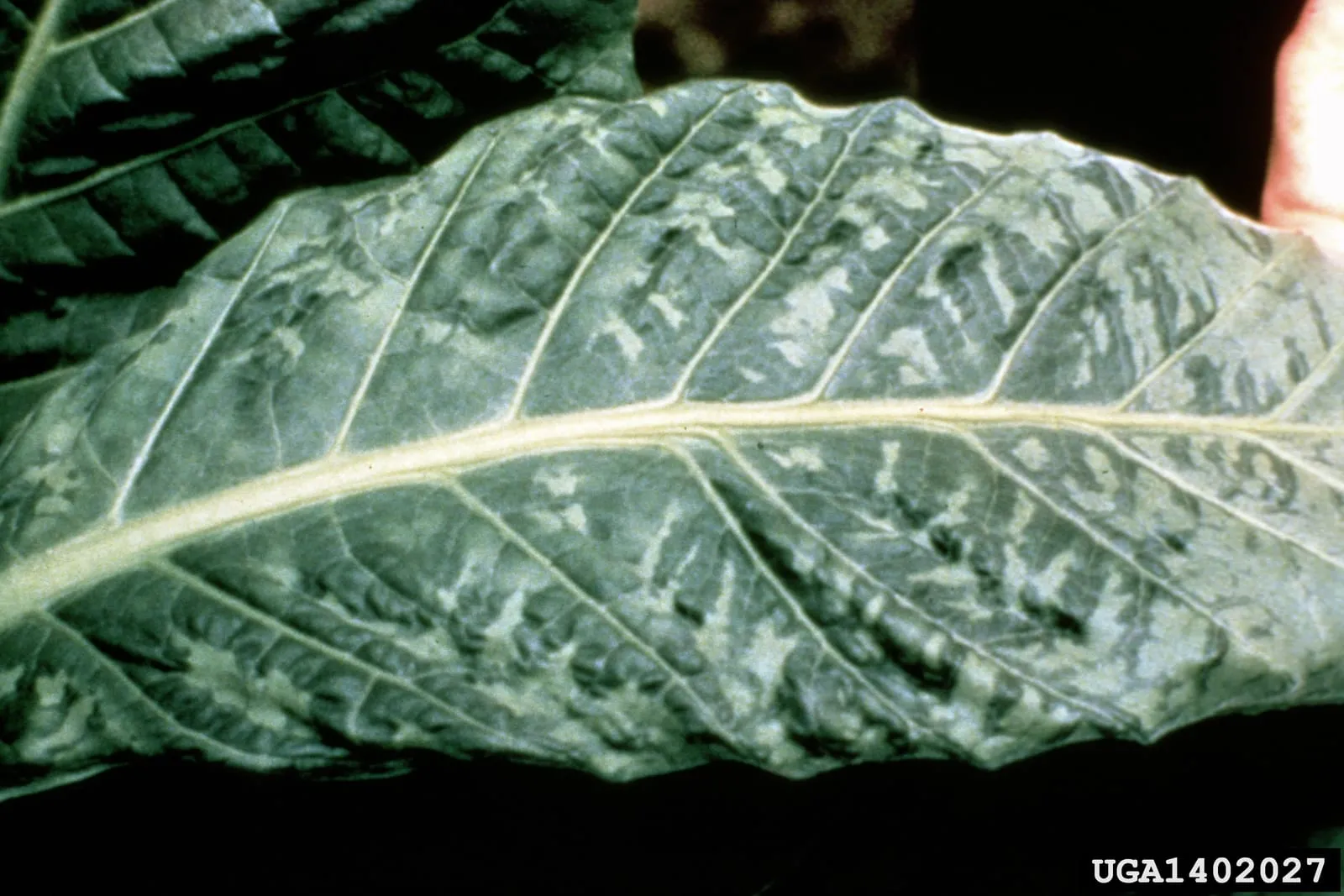
Cucumber mosaic virus, Tobacco mosaic virus, and others
Family of plant viruses producing mottled yellow-and-green leaf patterns. Vectored primarily by aphids; some are seed-transmitted or spread by handling tools and tobacco products.
Common pests
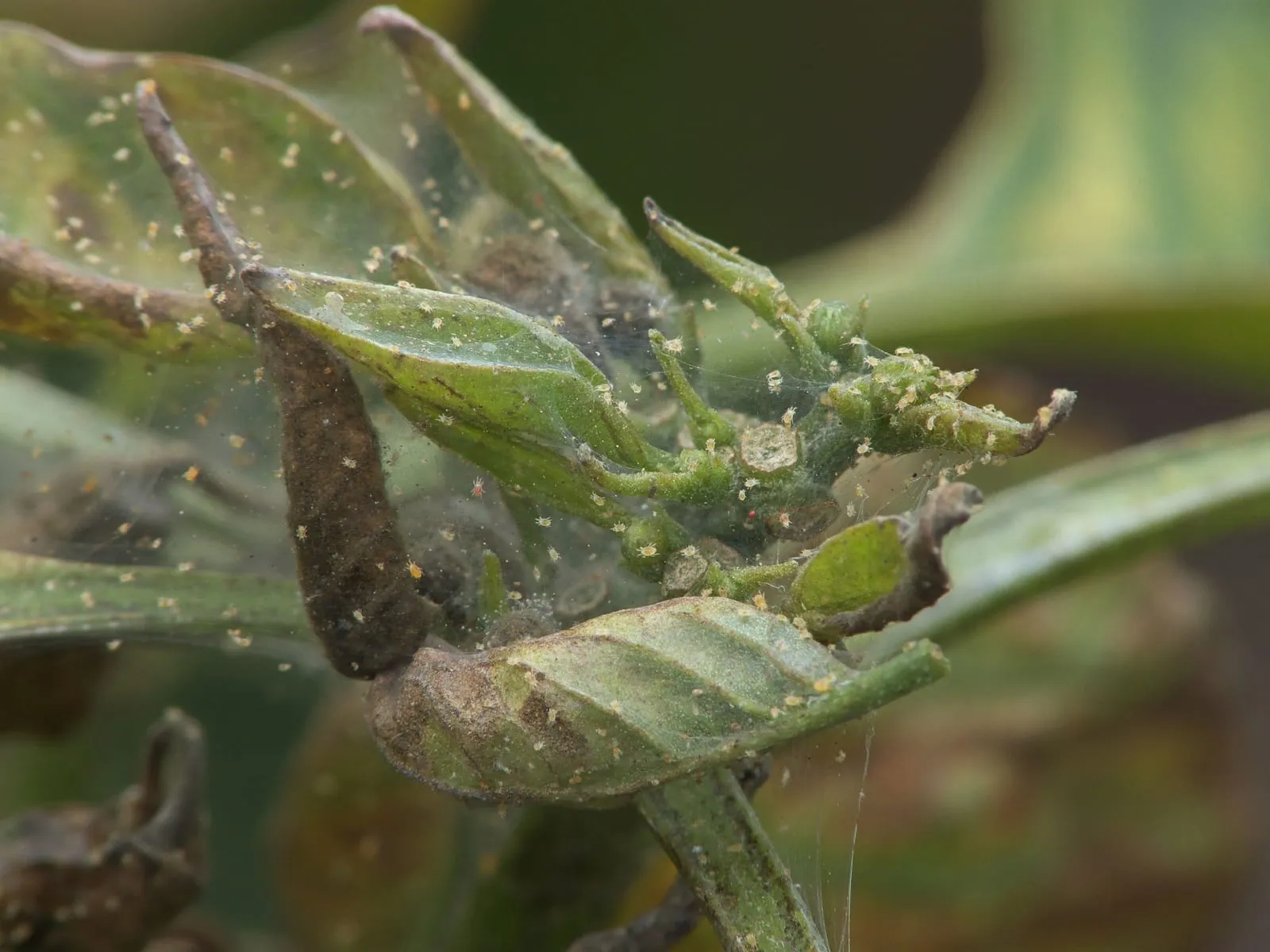
Tetranychus urticae
Tiny mite that feeds on leaf undersides, causing stippling and webbing during hot dry weather.
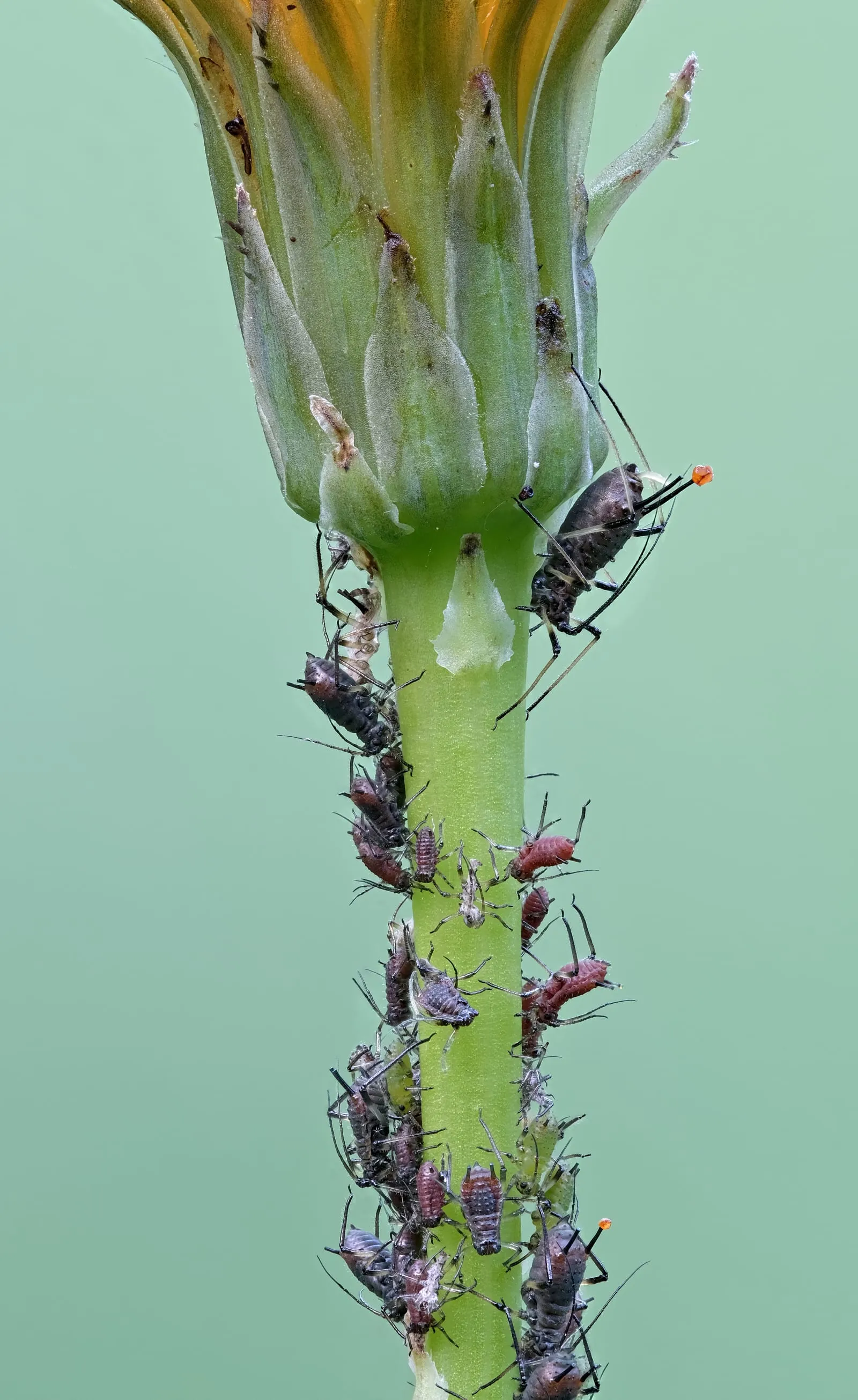
Multiple species (Aphididae)
Small soft-bodied sap-sucking insects that reproduce explosively in spring. Excrete honeydew that supports sooty mold and attracts ants. Transmit viral diseases.
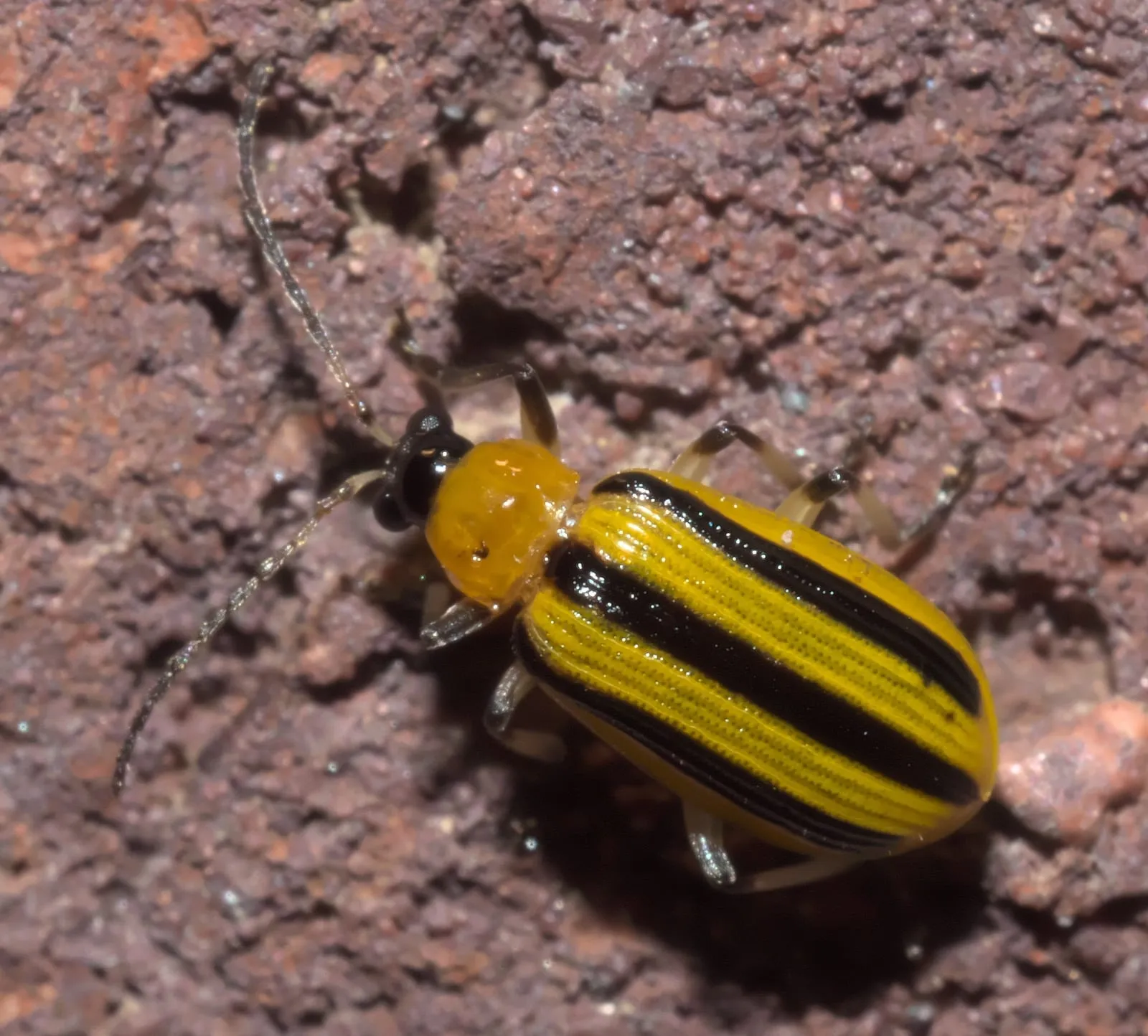
Acalymma vittatum (striped) and Diabrotica undecimpunctata (spotted)
Yellow-and-black beetles that feed on cucurbit foliage and flowers, but the bigger problem is that they vector bacterial wilt and cucumber mosaic virus.
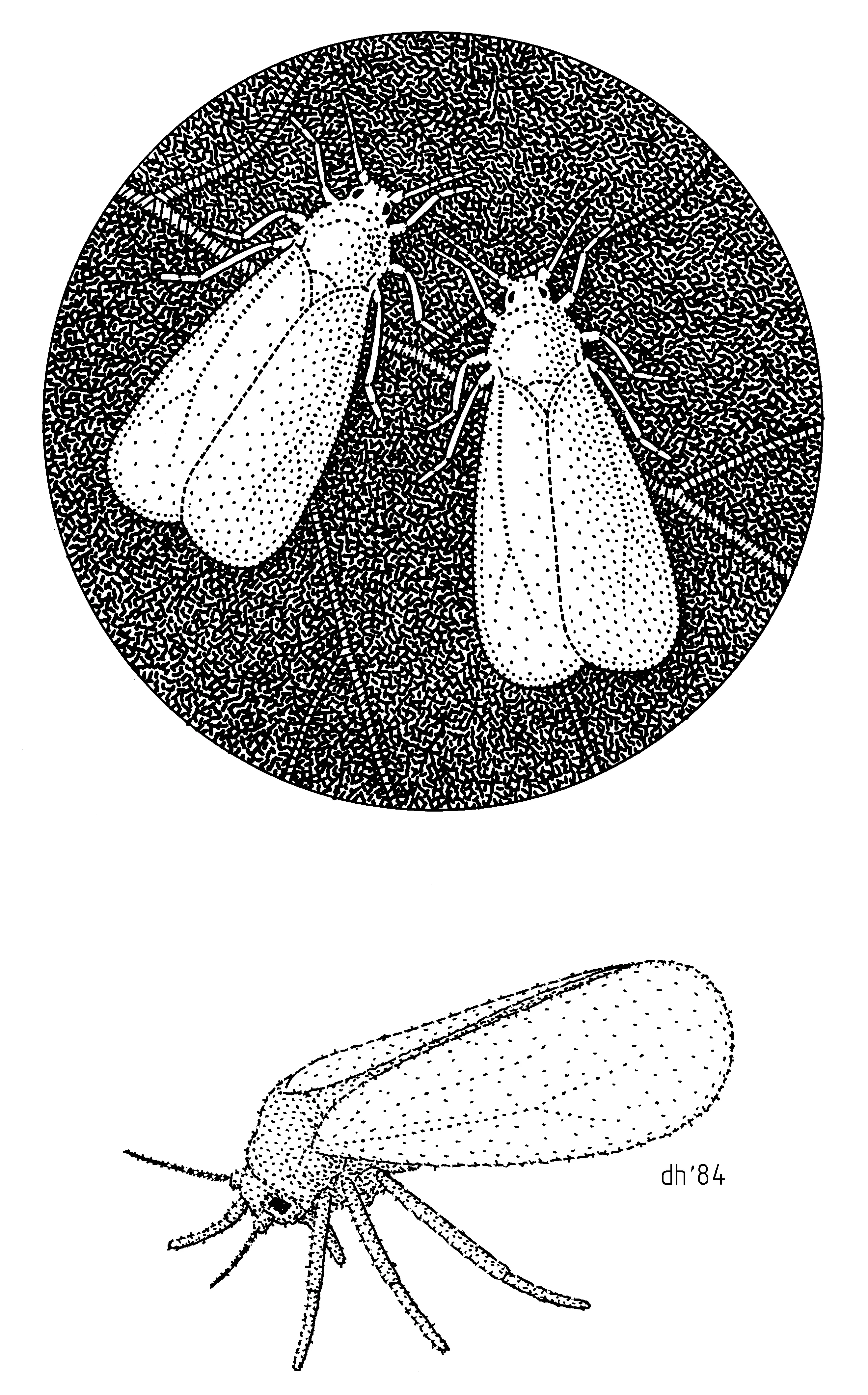
Multiple species (Aleyrodidae)
Tiny white moth-like flying insects that feed on plant sap and excrete honeydew. Transmit numerous viral diseases including tomato yellow leaf curl virus.
Common challenges
The three most common reasons cucumber plantings fail are bacterial wilt, planting into cold soil, and inconsistent irrigation during fruiting.
Bacterial wilt is the most destructive. The disease is vectored by striped and spotted cucumber beetles (Diabrotica species), which infect plants through feeding wounds. Infected plants wilt rapidly, often collapsing within a week of the first symptoms, with no effective intervention once the disease takes hold. Prevention requires reducing beetle populations from the start. Row cover applied immediately after transplanting and removed only when flowers appear is the most reliable non-chemical approach. Some growers use a trap crop of Blue Hubbard squash nearby to draw beetles away from cucumber rows.
Planting timing is the second common error. Seeds and transplants put into soil below 60°F germinate slowly, often rotting before emerging, and young plants exposed to temperatures below 50°F suffer setbacks that linger for weeks. In zones 5 and cooler, a soil thermometer is a more reliable planting guide than the calendar date alone.
Fruit quality degrades quickly under uneven moisture. Drought stress during fruit development concentrates cucurbitacins, the compounds responsible for bitterness, and stress during flowering reduces fruit set. Drip irrigation or a consistent overhead schedule that maintains even soil moisture through the fruiting period produces the most reliable yields. Letting the soil dry out significantly between waterings is a common mistake that compromises both flavor and total harvest.
Companion plants
Frequently asked questions
- Do cucumbers require chill hours before planting?
No. Cucumbers are a warm-season annual with no chill-hour requirement. They need accumulated heat, not cold. Planting is timed to after last frost when soil temperatures reach 60°F or above, not to any winter chilling period.
- How many days does cucumber take to produce fruit?
Most varieties reach harvest in 50 to 70 days from transplanting. Pickling types tend toward the shorter end of that range. Large slicing types, including Marketmore 76, typically take 65 to 70 days. Days-to-harvest figures assume transplants set out after frost in warm soil; cold conditions at planting extend the timeline.
- What USDA zones can cucumber grow in?
Cucumber grows as an annual in zones 3b through 10a. In zones 3b through 5a, the season is tight enough that transplants started indoors 3 to 4 weeks before last frost are significantly more reliable than direct seeding. In zones 9 and 10, a late-summer planting can produce a fall harvest after the peak heat of midsummer passes.
- Do cucumbers need pollinators to set fruit?
Most garden cucumber varieties produce separate male and female flowers on the same plant and require bee pollination to set fruit. Parthenocarpic varieties, commonly marketed as greenhouse or seedless types, set fruit without pollination and are useful in tunnels or enclosed spaces where bee access is limited.
- What is the most serious disease threat to cucumbers?
Bacterial wilt, transmitted by cucumber beetles, is the most destructive. There is no treatment once a plant is infected; prevention through beetle control is the only effective strategy. Powdery mildew and downy mildew are also common in humid conditions or where air circulation is poor. Varieties with disease resistance, such as Marketmore 76, reduce baseline pressure from foliar diseases.
- How do you know when a cucumber is ready to harvest?
Harvest timing depends on type. Slicing cucumbers are best at 6 to 8 inches, while still deep green and firm. Pickling types like National Pickling are harvested at 2 to 4 inches. Overripe fruit turns yellow, develops a tough skin, and signals the plant to slow new production. Frequent harvesting maintains yield.
- Can cucumbers be grown on a trellis?
Vining cucumber types grow well on a trellis and benefit from it. Vertical growth improves air circulation around the foliage, reducing mildew pressure, and makes fruit easier to find and harvest. A simple cattle-panel or wire-mesh trellis 4 to 5 feet tall is sufficient for most garden varieties.
+−
+−
+−
+−
+−
+−
+−
Sources
Image: "Cucumber", by Patricia Rose, via iNaturalist, licensed under CC-BY. Source.
Cucumber by zone
Related