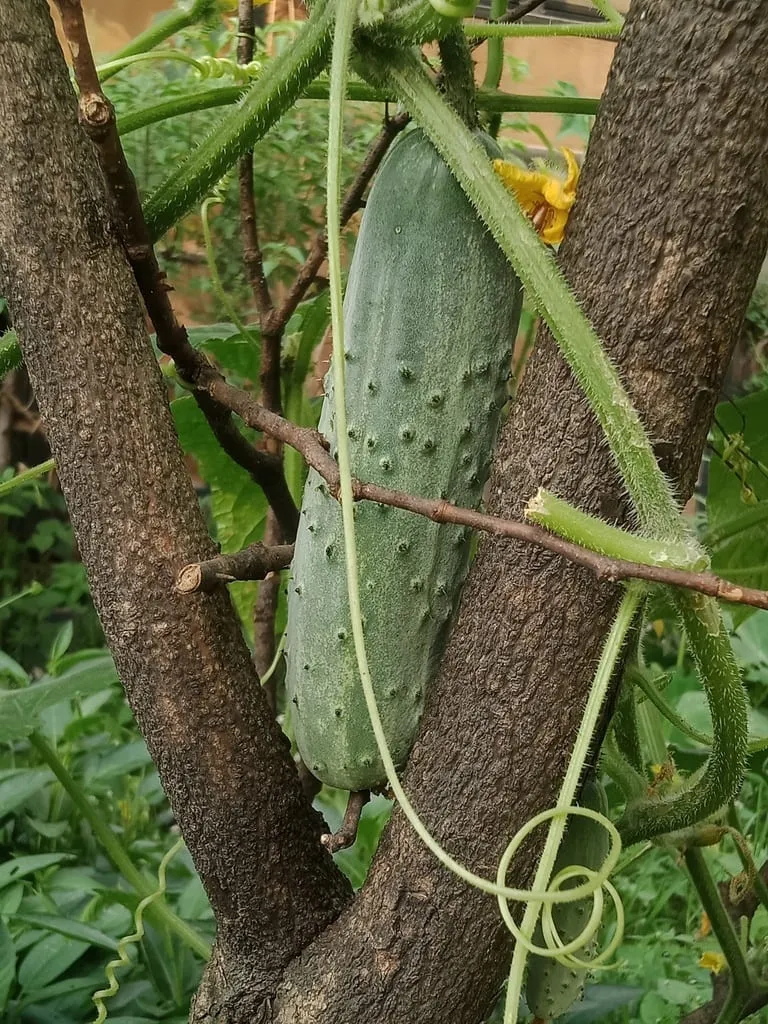
vegetable in zone 6b
Growing cucumber in zone 6b
Cucumis sativus
- Zone
- 6b -5°F to 0°F
- Growing season
- 190 days
- Suitable varieties
- 5
- Days to harvest
- 50 to 70
The verdict
Zone 6b is a reliable, productive zone for cucumbers. Unlike fruit trees, cucumbers carry no chill-hour requirement; what matters is frost-free growing time and warm soil. Zone 6b's 190-day growing season comfortably covers the 50 to 70 days most slicing and pickling varieties need from transplant to first harvest, with room left over for a second succession planting in early summer.
The zone's winter minimum of -5 to 0°F is irrelevant for cucumbers grown as warm-season annuals. What does matter is the bookend frost dates: a last spring frost that typically falls in late April and a first fall frost in mid-October give growers a workable window without the marginal scramble that shorter-season zones impose. The varieties listed for this zone, including fast-maturing types like National Pickling and Persian/Beit Alpha, all complete their cycles well within that window. Zone 6b is not a compromise zone for cucumbers; it is solidly within the crop's productive range.
Recommended varieties for zone 6b
5 cultivars suited to this zone, with disease-resistance and zone-fit annotations.
| Variety | Notes | Zone fit | Disease resistance |
|---|---|---|---|
| Marketmore 76 fits zone 6b | Crisp, mild, classic American slicing cucumber; long dark green fruit. Salads, fresh, sandwiches. Disease-resistant Cornell release, the home-garden standard. | | none noted |
| National Pickling fits zone 6b | Crisp, blocky, ideal for fermentation; classic short pickling cucumber. Pickles, fresh, pickle relish. Productive, concentrated harvest for putting up. | | none noted |
| Lemon fits zone 6b | Mild, crisp, slightly sweet; round pale-yellow cucumber the size of a tennis ball. Salads, fresh out of hand, pickling whole. Heat-tolerant heritage variety. | | none noted |
| Suyo Long fits zone 6b | Sweet, burpless, crisp; foot-long ribbed Asian cucumber. Stir-fries, fresh, salads. Productive in heat where other cucumbers fail. Trellis required. | | none noted |
| Persian / Beit Alpha fits zone 6b | Sweet, thin-skinned, no need to peel; small smooth fruits. Fresh eating, salads, snacks. Parthenocarpic types set without pollination, productive in greenhouses. | | none noted |
Critical timing for zone 6b
Soil temperature is the starting gun for cucumbers in zone 6b, not the calendar. Germination stalls below 60°F and is unreliable below 65°F. In practice, direct seeding or transplanting into zone 6b soil is typically safe from mid-May onward, a week or two after the average last frost, once the ground has had time to warm.
Most slicing varieties reach harvest in 60 to 70 days from transplant; pickling types like National Pickling run closer to 52 to 55 days. A mid-May transplant puts peak harvest in mid-July to early August. The first fall frost in mid-October ends the season, so a second planting seeded directly in late June can still finish before frost closes the window. Bloom begins roughly 4 to 6 weeks after transplanting; pollination is insect-dependent, and heat above 90°F can temporarily suppress fruit set.
Common challenges in zone 6b
- ▸ Cedar-apple rust
- ▸ Fire blight
- ▸ Stink bugs
Disease pressure to watch for
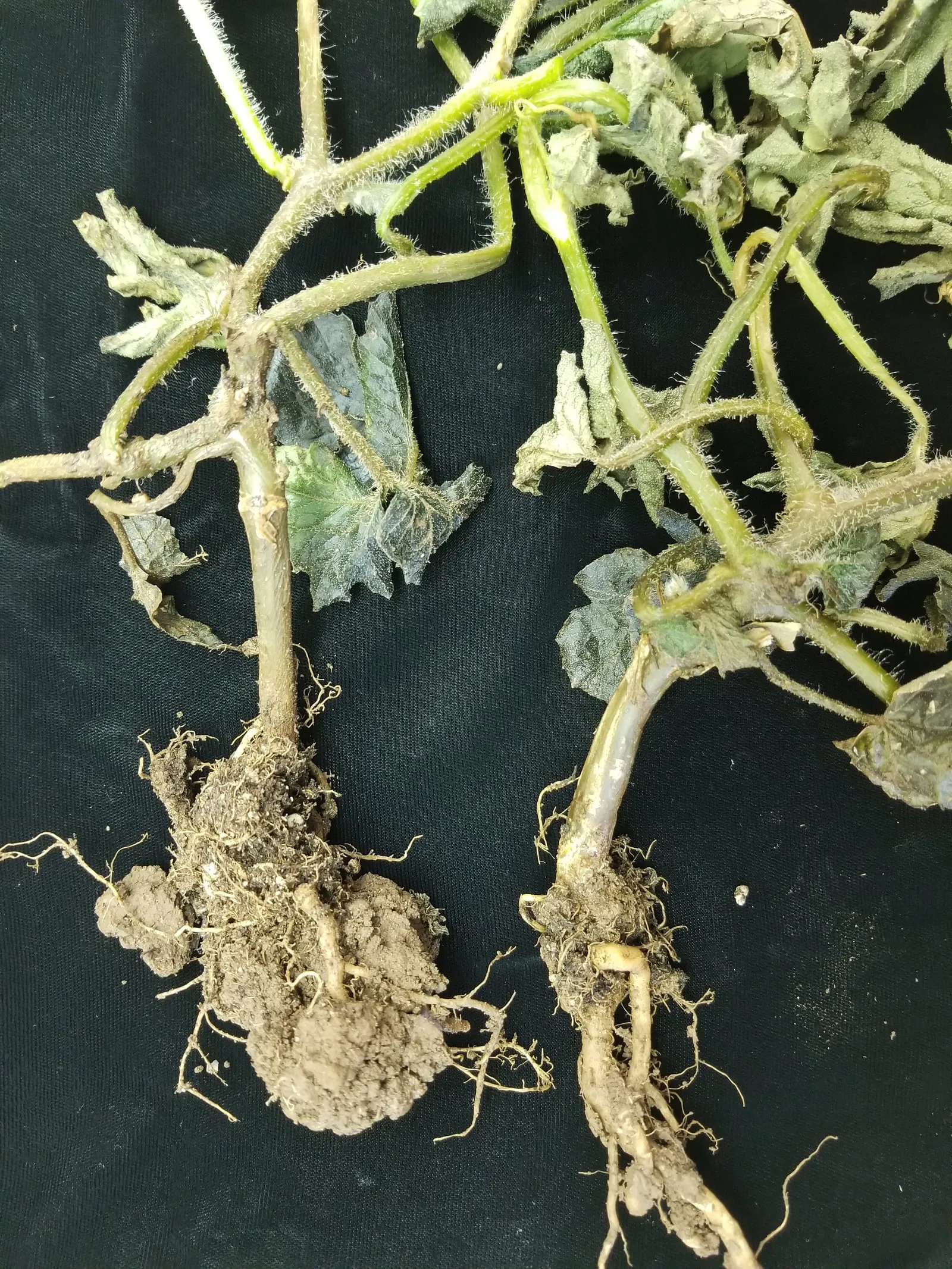
Erwinia tracheiphila
Bacterial disease vectored exclusively by cucumber beetles. Once a plant is infected there is no recovery; whole-plant collapse follows.
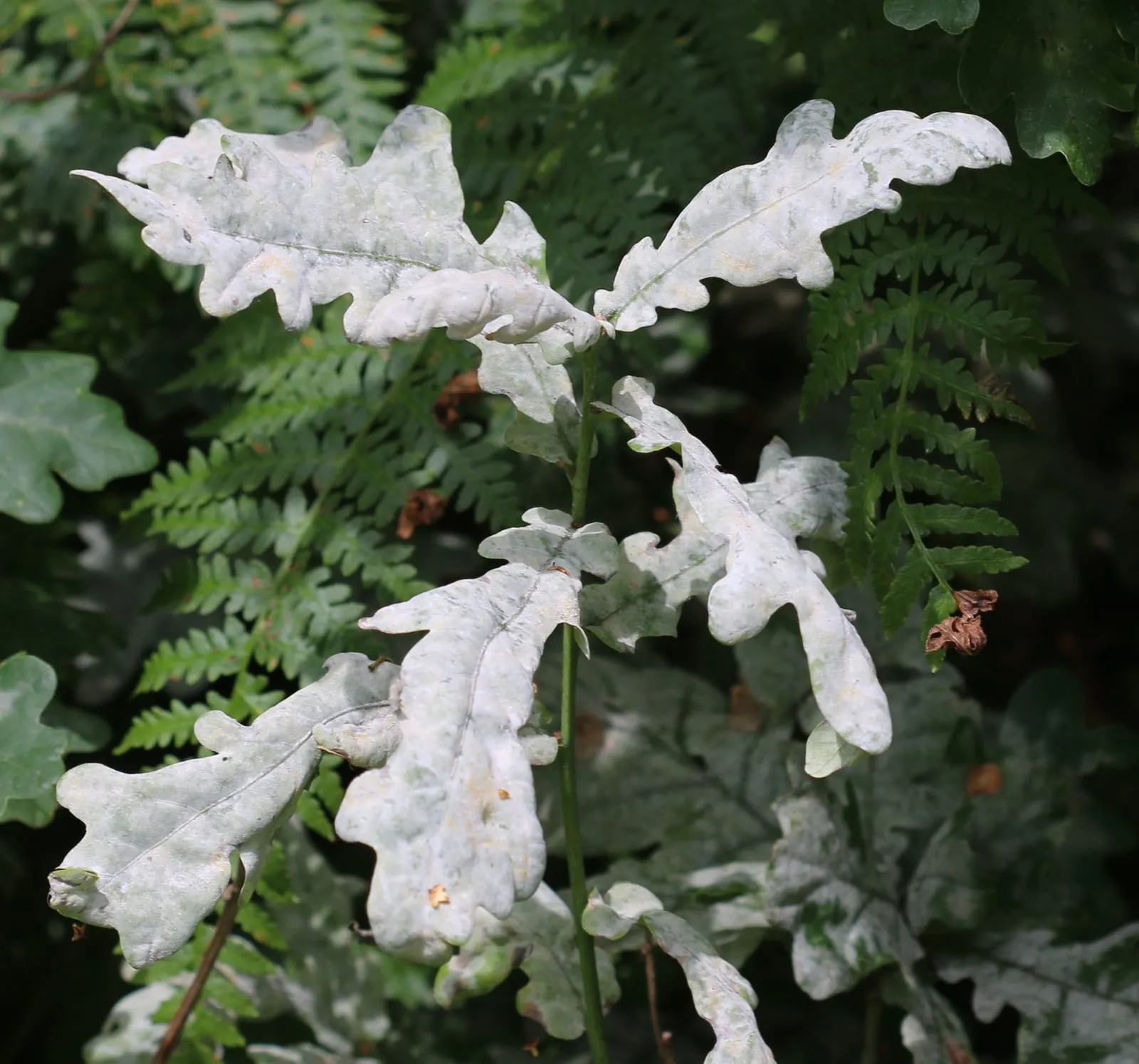
Multiple species (Erysiphales)
Surface-feeding fungal disease producing white powdery growth on leaves and stems. Reduces yield by stealing photosynthate and accelerating senescence.
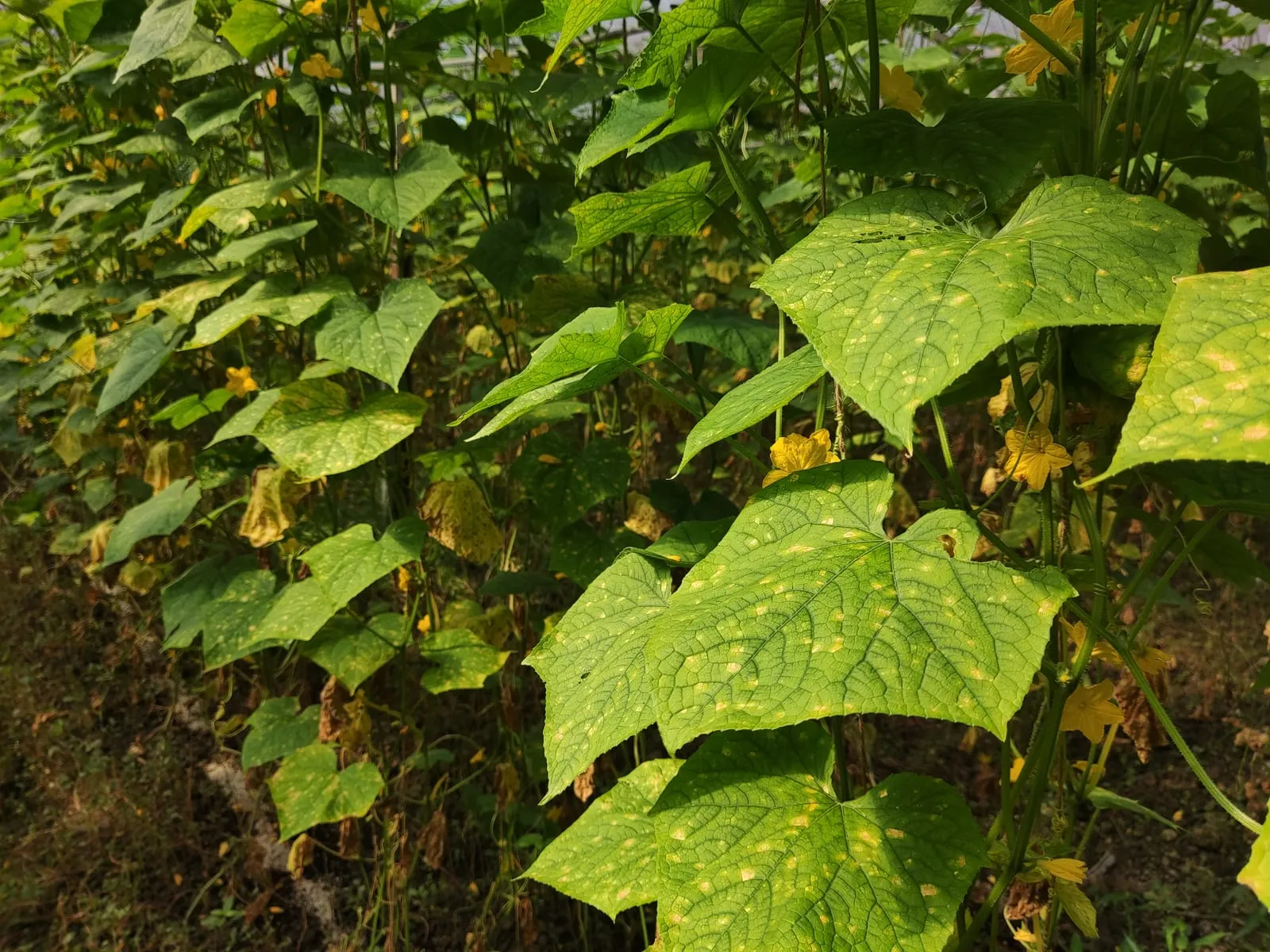
Pseudoperonospora cubensis (cucurbits) and others
Water mold (oomycete, not a true fungus) that thrives in cool damp conditions. Spreads rapidly through cucurbit and brassica plantings on wind-borne spores.
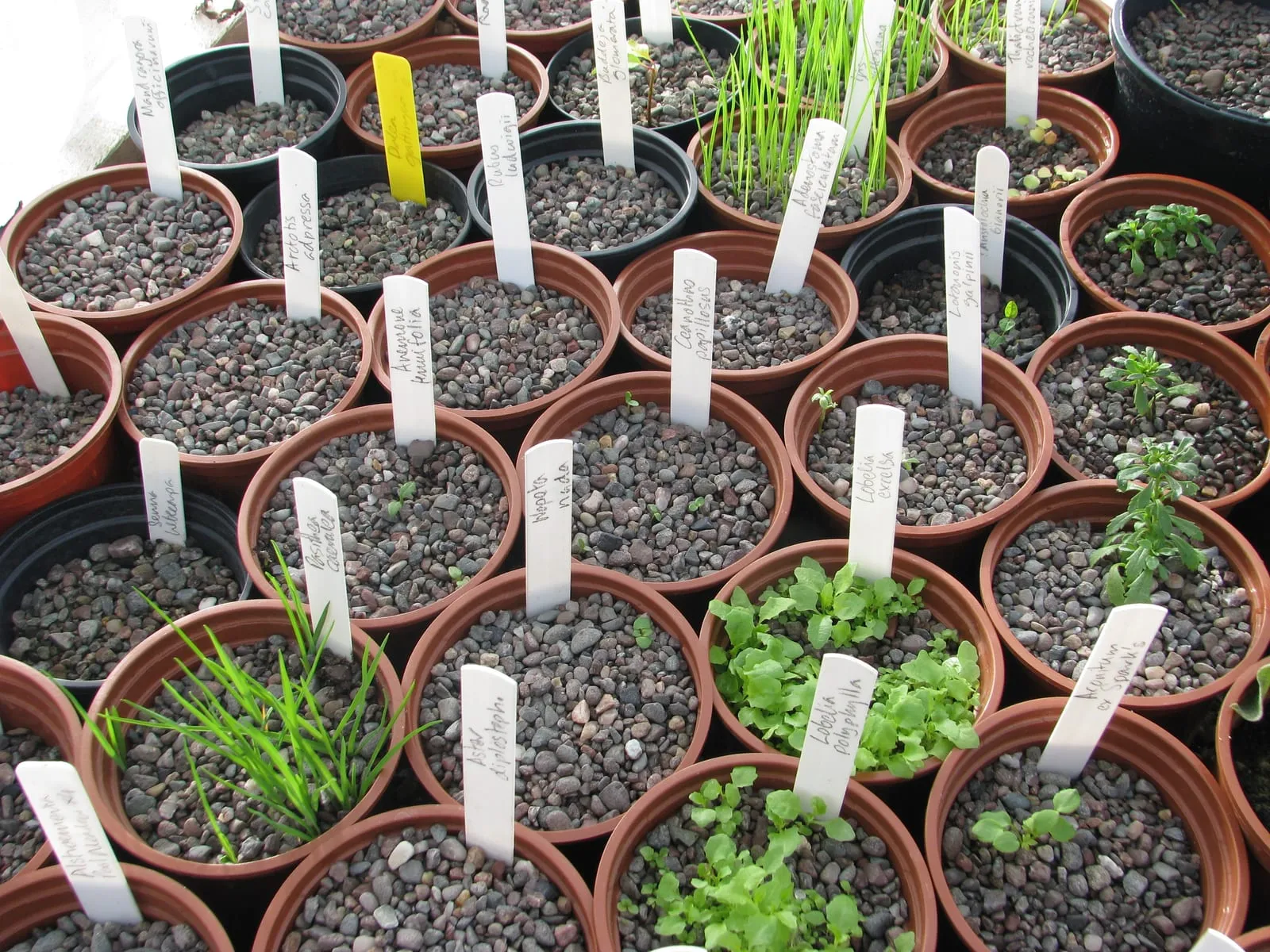
Pythium and Rhizoctonia species
Soil-borne complex of water molds and fungi that kill seedlings before or shortly after emergence. The single most common cause of seed-starting failures.
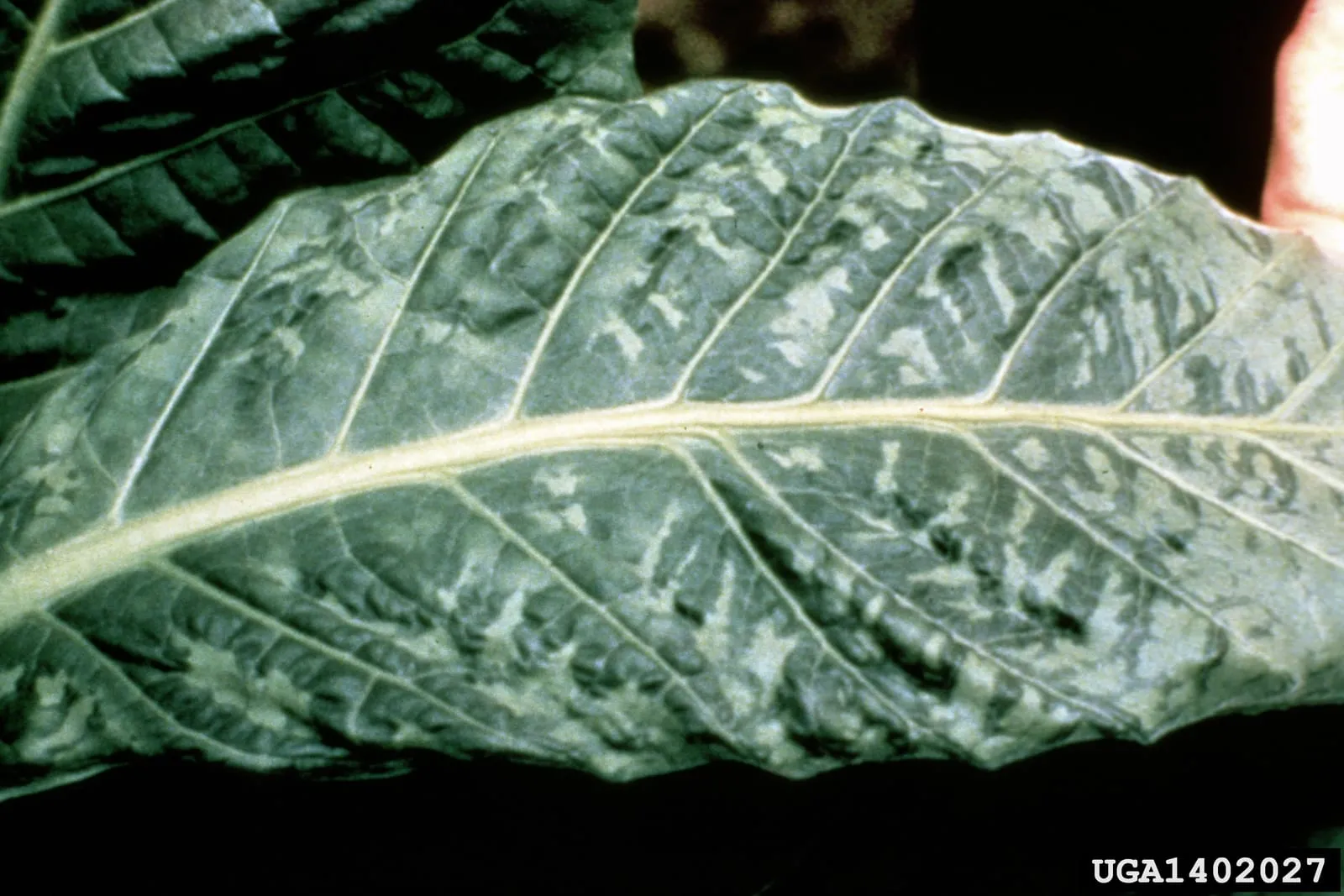
Cucumber mosaic virus, Tobacco mosaic virus, and others
Family of plant viruses producing mottled yellow-and-green leaf patterns. Vectored primarily by aphids; some are seed-transmitted or spread by handling tools and tobacco products.
Modified care for zone 6b
Bacterial wilt, spread by cucumber beetles, is the most consequential disease risk in zone 6b. The pathogen overwinters in the beetle population and arrives with adults early in the season. Row covers applied at transplant and removed only at first bloom for pollinator access provide the most reliable protection. Once a plant wilts from bacterial wilt infection, there is no recovery; early exclusion is the only effective management.
Downy mildew and powdery mildew both intensify during the humid late-summer conditions common in much of zone 6b. Selecting mildew-tolerant varieties such as Marketmore 76 and Persian/Beit Alpha reduces but does not eliminate pressure. Adequate plant spacing and avoiding overhead irrigation help extend productive foliage into harvest. Stink bugs, listed as a zone pressure, pierce developing fruit and cause scarring and misshapen cucumbers beginning in midsummer; monitoring and early removal of egg masses on leaf undersides is the low-input management approach.
Frequently asked questions
- Can cucumbers be planted directly from seed in zone 6b, or is transplanting necessary?
Both are viable in zone 6b. Direct seeding works well once soil consistently exceeds 65°F, typically by late May. Starting transplants indoors 3 to 4 weeks before the last frost and setting them out in mid-May saves time in the field, which is useful for getting a second succession started later in summer.
- What cucumber varieties perform best in zone 6b?
Marketmore 76 is a well-documented slicing variety with tolerance to multiple foliar diseases. National Pickling matures quickly at around 52 days, making it practical for pickling-volume harvests. Persian/Beit Alpha types produce tender, thin-skinned fruit and tolerate powdery mildew better than many heirlooms. Suyo Long performs well in heat but may need attentive watering during dry stretches.
- How does cucumber beetle pressure affect zone 6b growers specifically?
Cucumber beetles are the primary vector for bacterial wilt, which is uniformly fatal to infected plants. Zone 6b's mixed agricultural landscape often supports higher overwintering beetle populations than more northern zones. Row covers at transplant, removed only for pollination, are the most practical barrier. Resistant varieties are not currently available for bacterial wilt.
+−
+−
+−
Cucumber in adjacent zones
Image: "Cucumber", by Patricia Rose, via iNaturalist, licensed under CC-BY Source.
Related