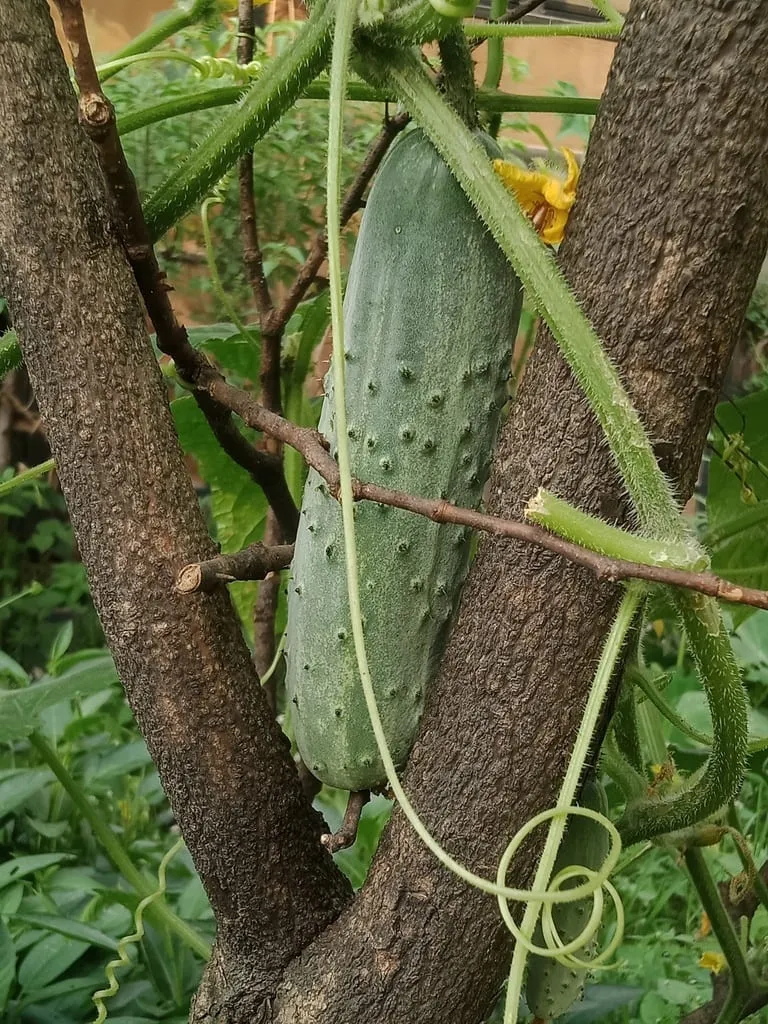
vegetable in zone 6a
Growing cucumber in zone 6a
Cucumis sativus
- Zone
- 6a -10°F to -5°F
- Growing season
- 180 days
- Suitable varieties
- 5
- Days to harvest
- 50 to 70
The verdict
Zone 6a is a comfortable fit for cucumbers, not a marginal one. Cucumbers are warm-season annuals with no chill-hour requirement, so the zone's winter minimum temperatures (-10 to -5°F) are irrelevant to fruit set. What matters is the length of the frost-free window and the rate at which soils warm in spring. With a 180-day growing season, zone 6a provides enough warm-weather time for even slower-maturing slicing types like Marketmore 76 to hit full production well before fall frost.
The real limiting factor is soil temperature at planting, not zone hardiness. Cucumbers stall below 50°F and suffer chilling injury near 40°F, so a late-April last-frost date in zone 6a compresses the safe direct-sow window to mid-May or later. That still leaves a generous production window through September. Bacterial Wilt of Cucurbits is the principal yield threat in this zone, arriving with the cucumber beetles that track newly emerged seedlings, and it warrants more management attention than any cold-weather consideration.
Recommended varieties for zone 6a
5 cultivars suited to this zone, with disease-resistance and zone-fit annotations.
| Variety | Notes | Zone fit | Disease resistance |
|---|---|---|---|
| Marketmore 76 fits zone 6a | Crisp, mild, classic American slicing cucumber; long dark green fruit. Salads, fresh, sandwiches. Disease-resistant Cornell release, the home-garden standard. | | none noted |
| National Pickling fits zone 6a | Crisp, blocky, ideal for fermentation; classic short pickling cucumber. Pickles, fresh, pickle relish. Productive, concentrated harvest for putting up. | | none noted |
| Lemon fits zone 6a | Mild, crisp, slightly sweet; round pale-yellow cucumber the size of a tennis ball. Salads, fresh out of hand, pickling whole. Heat-tolerant heritage variety. | | none noted |
| Suyo Long fits zone 6a | Sweet, burpless, crisp; foot-long ribbed Asian cucumber. Stir-fries, fresh, salads. Productive in heat where other cucumbers fail. Trellis required. | | none noted |
| Persian / Beit Alpha fits zone 6a | Sweet, thin-skinned, no need to peel; small smooth fruits. Fresh eating, salads, snacks. Parthenocarpic types set without pollination, productive in greenhouses. | | none noted |
Critical timing for zone 6a
Direct sowing into outdoor beds is viable from mid-May onward in zone 6a, once soil temperature holds consistently at 65°F or above. Starting transplants indoors three to four weeks before the last expected frost date allows an earlier start without the germination failure that comes from cold, wet soil. Flowering typically begins 45 to 60 days after germination depending on variety; for direct-sown plantings, that places first bloom in late June to early July.
Harvest windows for slicing types run from mid-July through September. Persian and Beit Alpha types mature faster (around 50 days) and can be worked into a second succession planting started in late June or early July. First fall frost in zone 6a typically arrives mid-October, leaving a workable margin for most planting schedules without the tight squeeze that shorter-season zones require.
Common challenges in zone 6a
- ▸ Brown rot in stone fruit
- ▸ Japanese beetles
- ▸ Spring frost damage to peach buds
Disease pressure to watch for
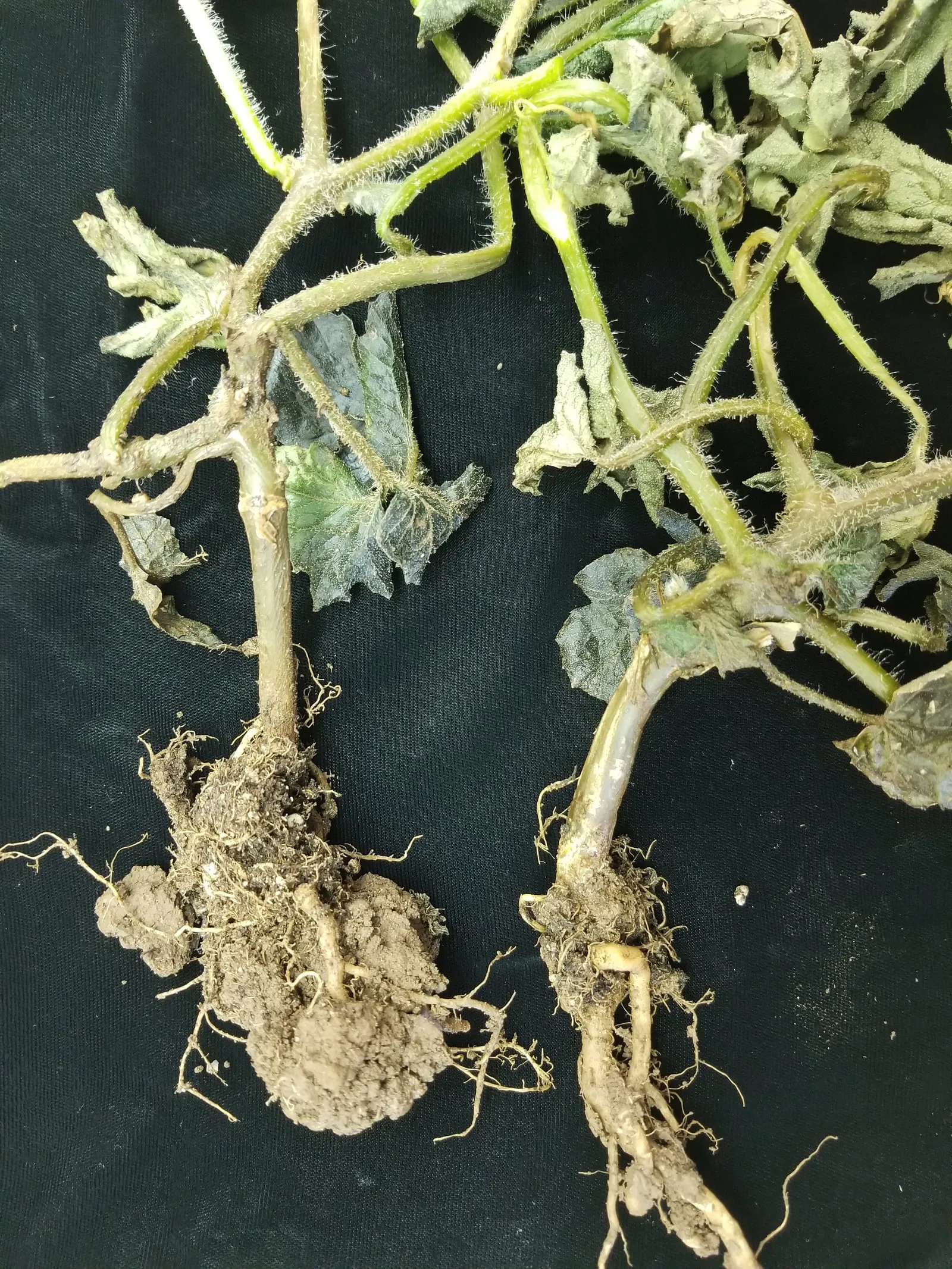
Erwinia tracheiphila
Bacterial disease vectored exclusively by cucumber beetles. Once a plant is infected there is no recovery; whole-plant collapse follows.
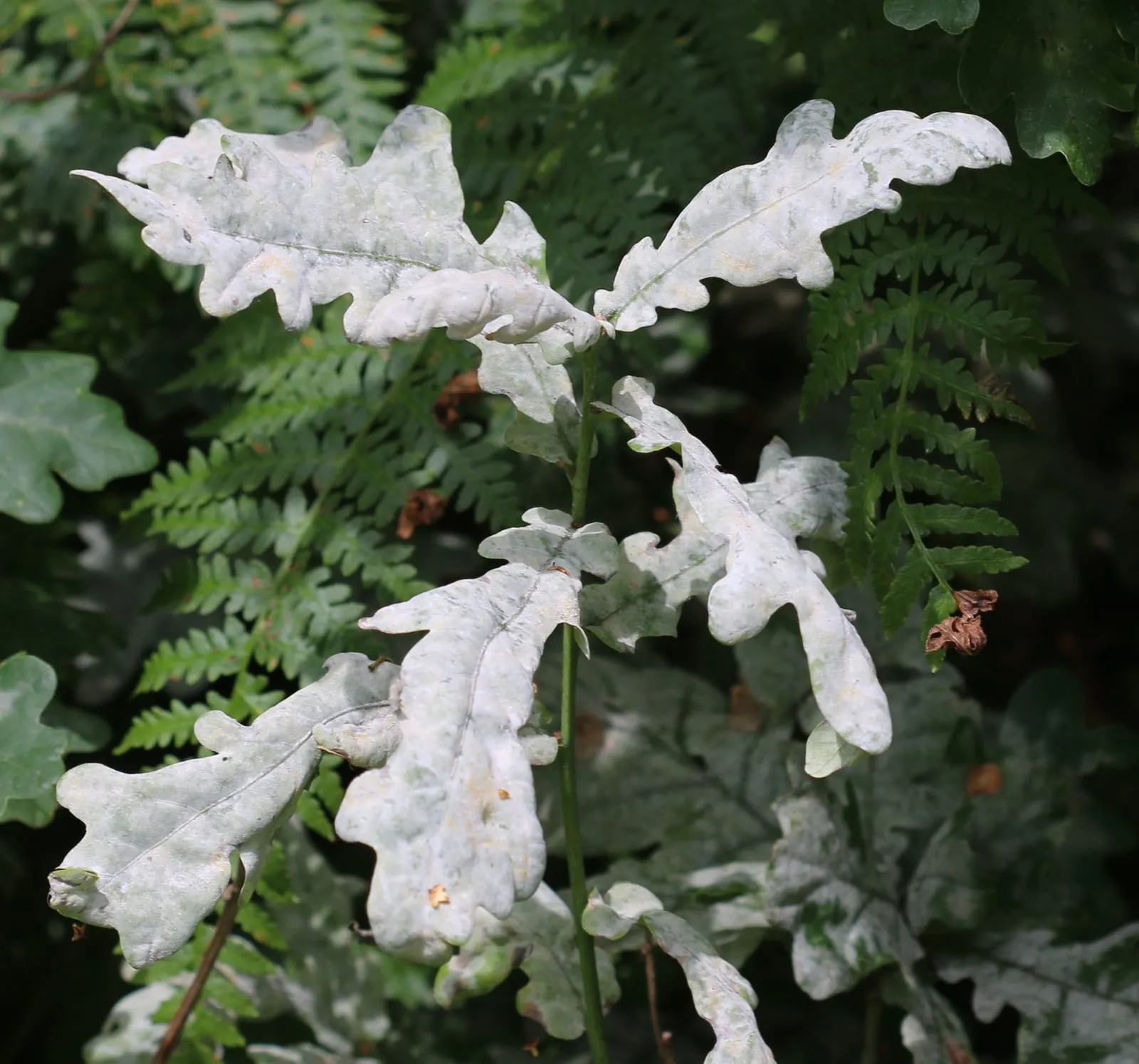
Multiple species (Erysiphales)
Surface-feeding fungal disease producing white powdery growth on leaves and stems. Reduces yield by stealing photosynthate and accelerating senescence.
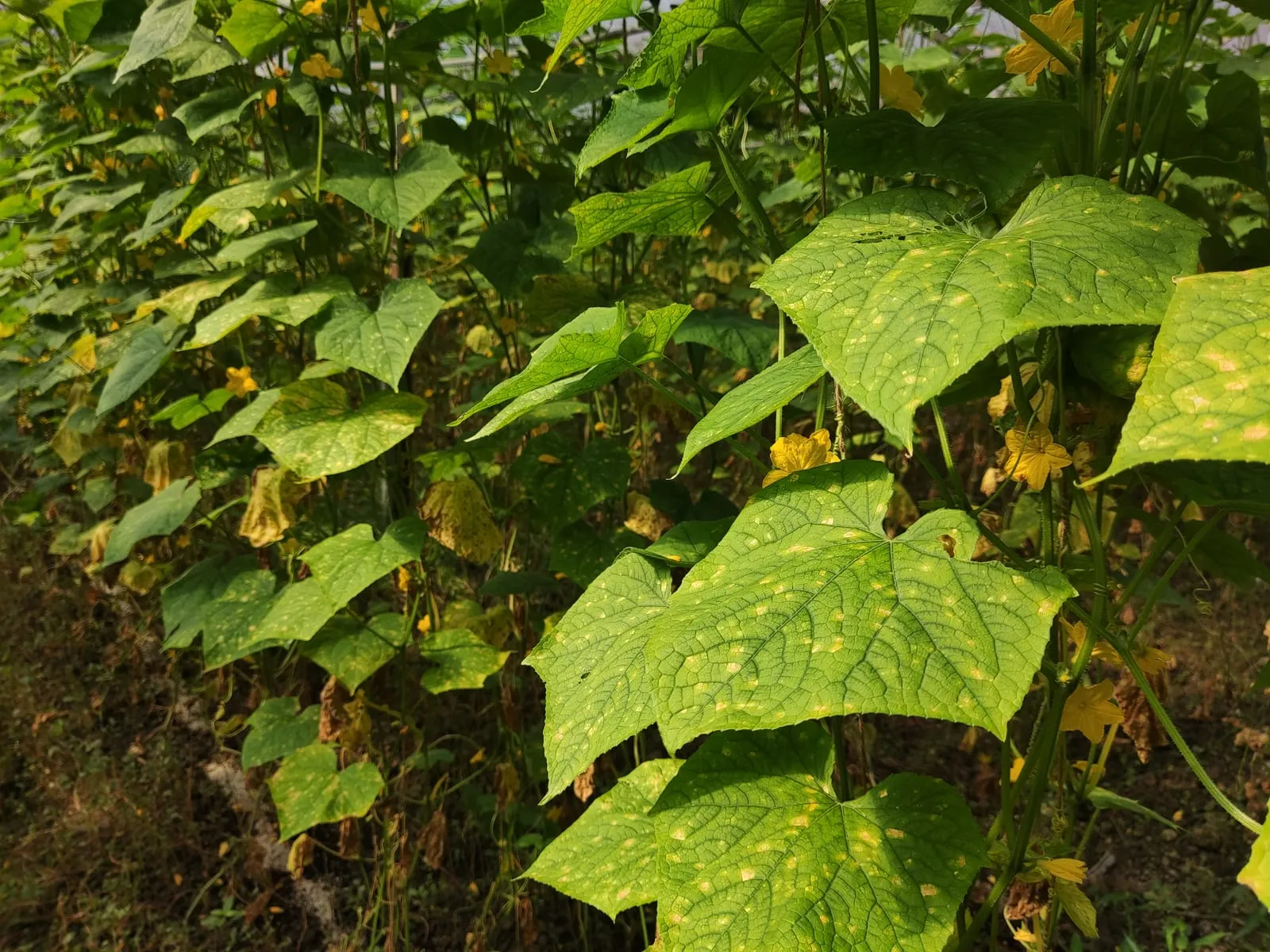
Pseudoperonospora cubensis (cucurbits) and others
Water mold (oomycete, not a true fungus) that thrives in cool damp conditions. Spreads rapidly through cucurbit and brassica plantings on wind-borne spores.
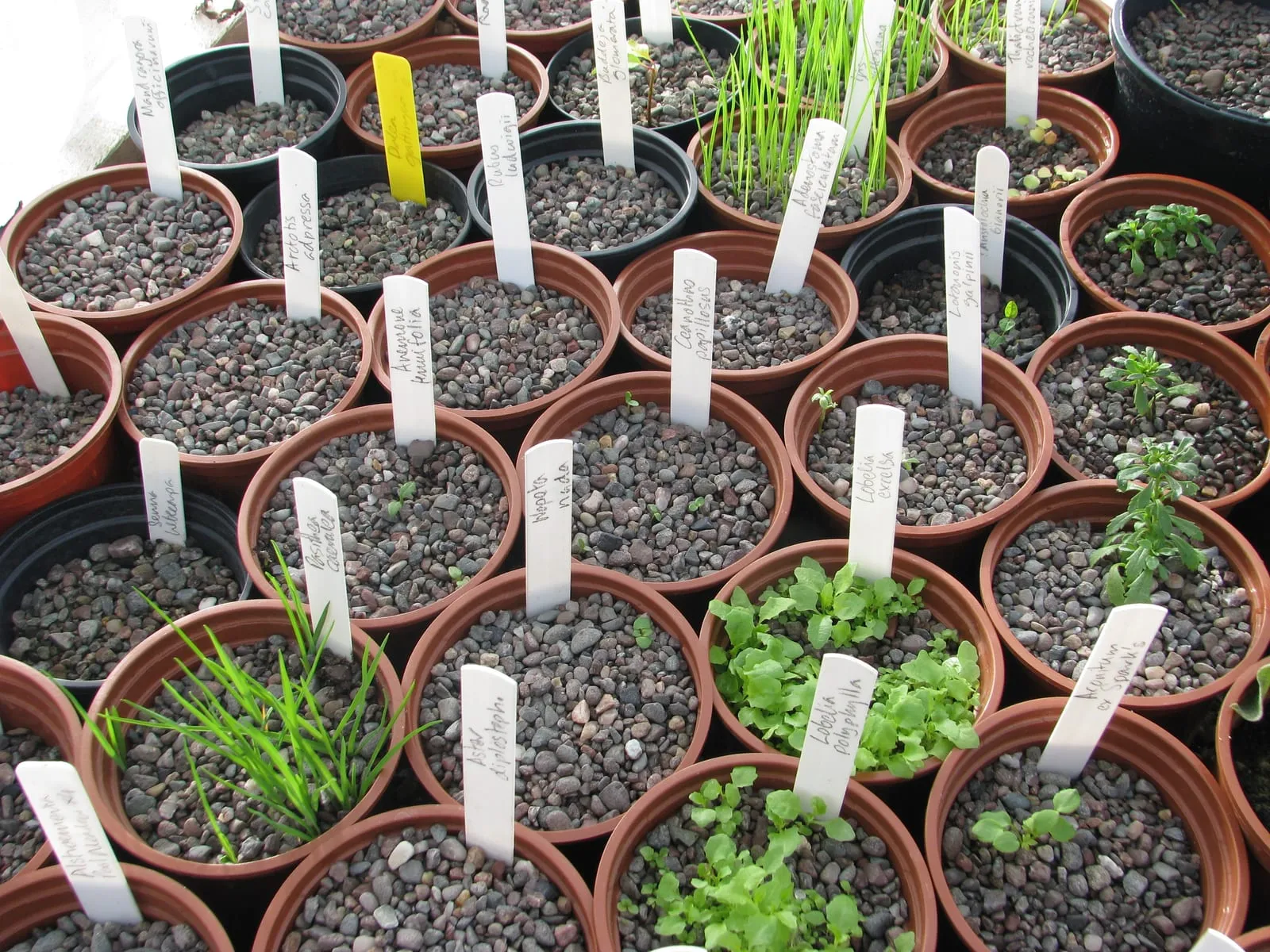
Pythium and Rhizoctonia species
Soil-borne complex of water molds and fungi that kill seedlings before or shortly after emergence. The single most common cause of seed-starting failures.
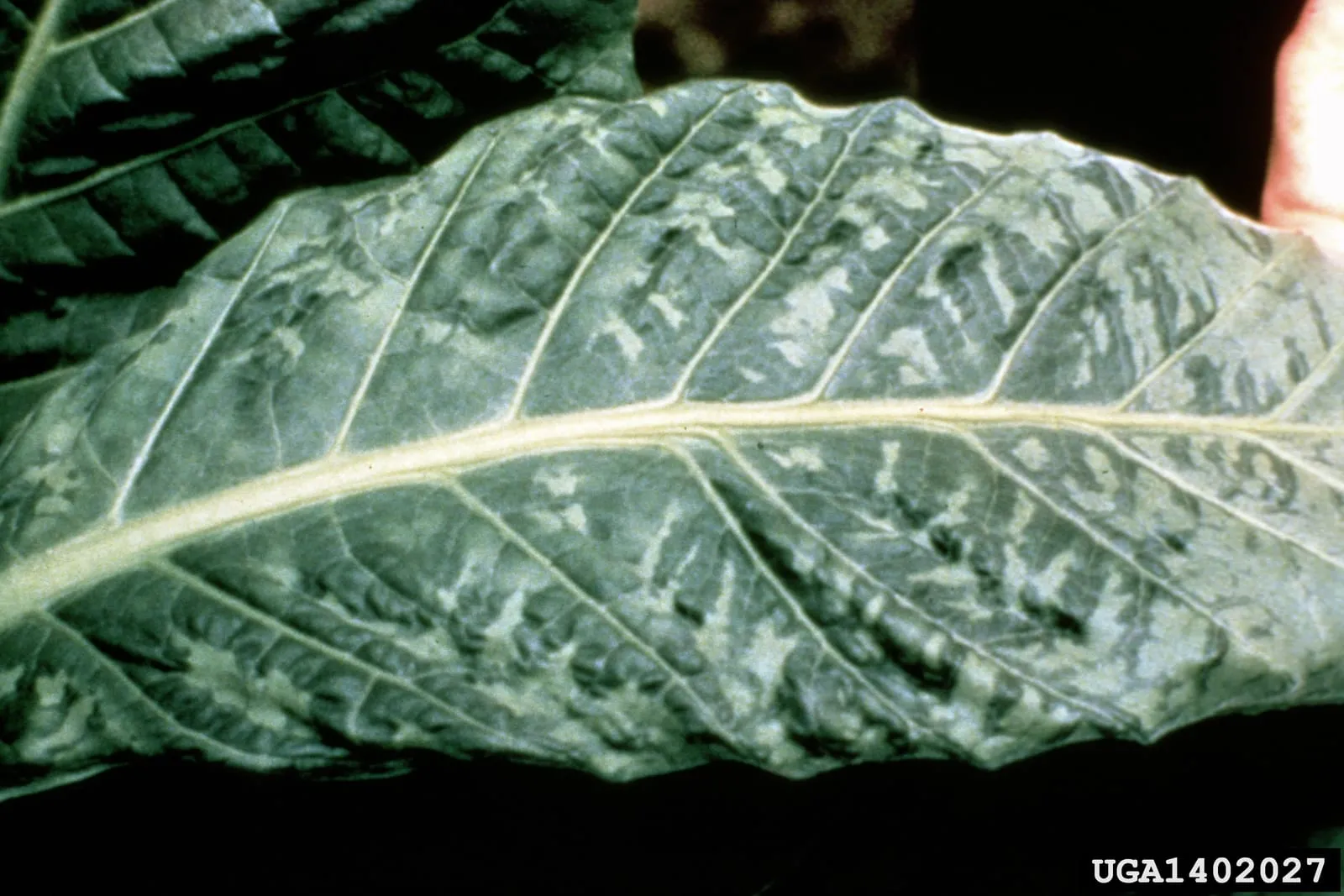
Cucumber mosaic virus, Tobacco mosaic virus, and others
Family of plant viruses producing mottled yellow-and-green leaf patterns. Vectored primarily by aphids; some are seed-transmitted or spread by handling tools and tobacco products.
Modified care for zone 6a
The spring transition is the critical pressure point in zone 6a. Soils warm slowly after the last frost, and early planting into cold, wet ground invites rot and uneven germination. Laying black plastic mulch two to three weeks before transplanting pre-warms beds and reduces that risk meaningfully. Row cover installed at transplant time serves double duty: it extends warmth in cool nights and, more importantly, keeps cucumber beetles off young plants during their most vulnerable weeks. Because cucumber beetles vector Bacterial Wilt of Cucurbits, physical exclusion is the most effective management tool available before the canopy fills in.
Once summer heat arrives, Japanese beetles shift from background noise to genuine defoliators. Hand-picking in the early morning is practical at garden scale; kaolin clay reduces feeding on larger plantings without harming pollinators. Downy Mildew and Powdery Mildew both accelerate in zone 6a's humid late-summer conditions. Spacing vines to maintain airflow and choosing partially resistant varieties like Suyo Long delays onset and extends the productive harvest window into September.
Cucumber in adjacent zones
Image: "Cucumber", by Patricia Rose, via iNaturalist, licensed under CC-BY Source.
Related