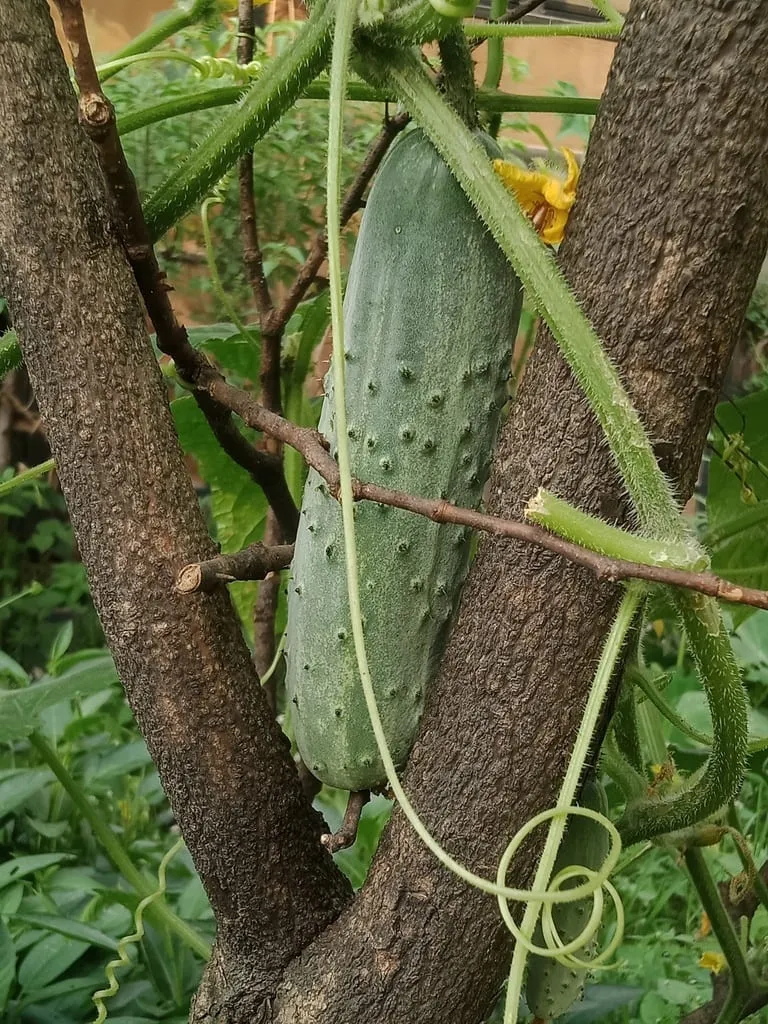
vegetable in zone 4b
Growing cucumber in zone 4b
Cucumis sativus
- Zone
- 4b -25°F to -20°F
- Growing season
- 130 days
- Suitable varieties
- 2
- Days to harvest
- 50 to 70
The verdict
Cucumber is a warm-season annual, so chill-hour accumulation is not a relevant metric. Cucumbers require no winter dormancy period; what limits them is the opposite end of the calendar: heat and frost-free days. Zone 4b's 130-day growing season is workable for cucumbers, but it places this zone in marginal territory rather than a sweet spot. Most slicing and pickling varieties require 50 to 70 days from direct sowing to first harvest. That leaves enough buffer for a single main crop, but no room for succession plantings or recovery from a slow start. Marketmore 76 (approximately 65 days to harvest) and National Pickling (approximately 53 days) are well-matched to this constraint. The zone's minimum winter temperatures of -25 to -20°F are irrelevant to an annual crop; what matters is soil temperature in late spring and the timing of the first fall freeze. Zone 4b growers can produce cucumbers reliably, but the margin for error is considerably thinner than in zones 6 and warmer.
Recommended varieties for zone 4b
2 cultivars suited to this zone, with disease-resistance and zone-fit annotations.
| Variety | Notes | Zone fit | Disease resistance |
|---|---|---|---|
| Marketmore 76 fits zone 4b | Crisp, mild, classic American slicing cucumber; long dark green fruit. Salads, fresh, sandwiches. Disease-resistant Cornell release, the home-garden standard. | | none noted |
| National Pickling fits zone 4b | Crisp, blocky, ideal for fermentation; classic short pickling cucumber. Pickles, fresh, pickle relish. Productive, concentrated harvest for putting up. | | none noted |
Critical timing for zone 4b
In zone 4b, the last spring frost typically falls between late May and early June, often as late as May 25 to June 1 in many locations. Cucumbers are frost-intolerant and cannot go into the ground until soil temperatures reach 60°F consistently. Direct sowing should wait until that threshold is met. Transplants started indoors 3 to 4 weeks before the last frost date can recover meaningful time on the season. Flowering begins roughly 40 to 55 days after planting, with harvest following shortly after. For Marketmore 76 and National Pickling, expect harvestable fruit in late July through mid-August. The first fall frost in zone 4b typically arrives between September 1 and September 15, leaving a harvest window of 4 to 6 weeks if the season starts on time. A delayed last frost or a cool, wet June can compress that window to the point where a second planting is not viable.
Common challenges in zone 4b
- ▸ Spring frost timing
- ▸ Apple scab pressure
- ▸ Cane berry winter dieback
Disease pressure to watch for
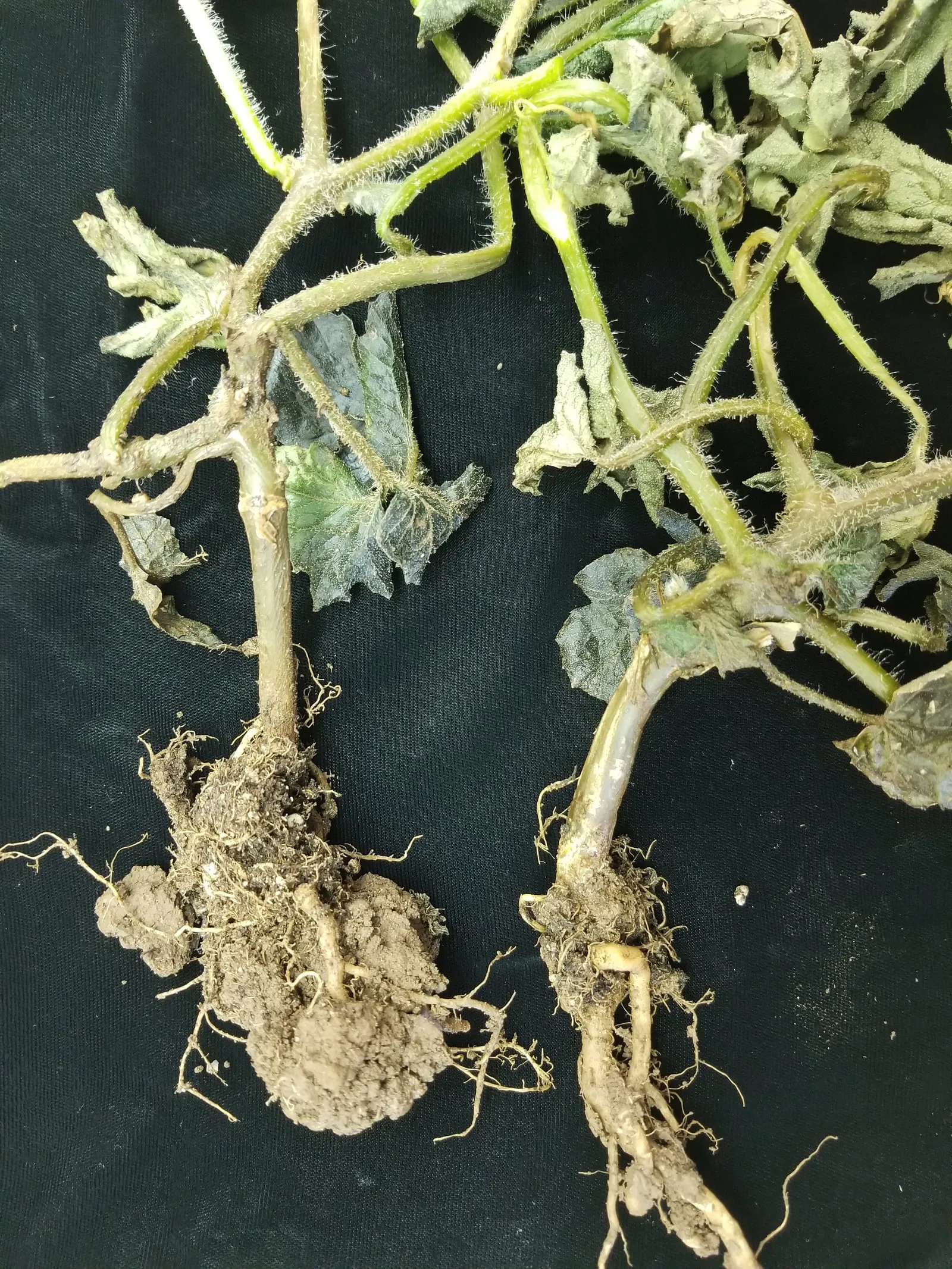
Erwinia tracheiphila
Bacterial disease vectored exclusively by cucumber beetles. Once a plant is infected there is no recovery; whole-plant collapse follows.
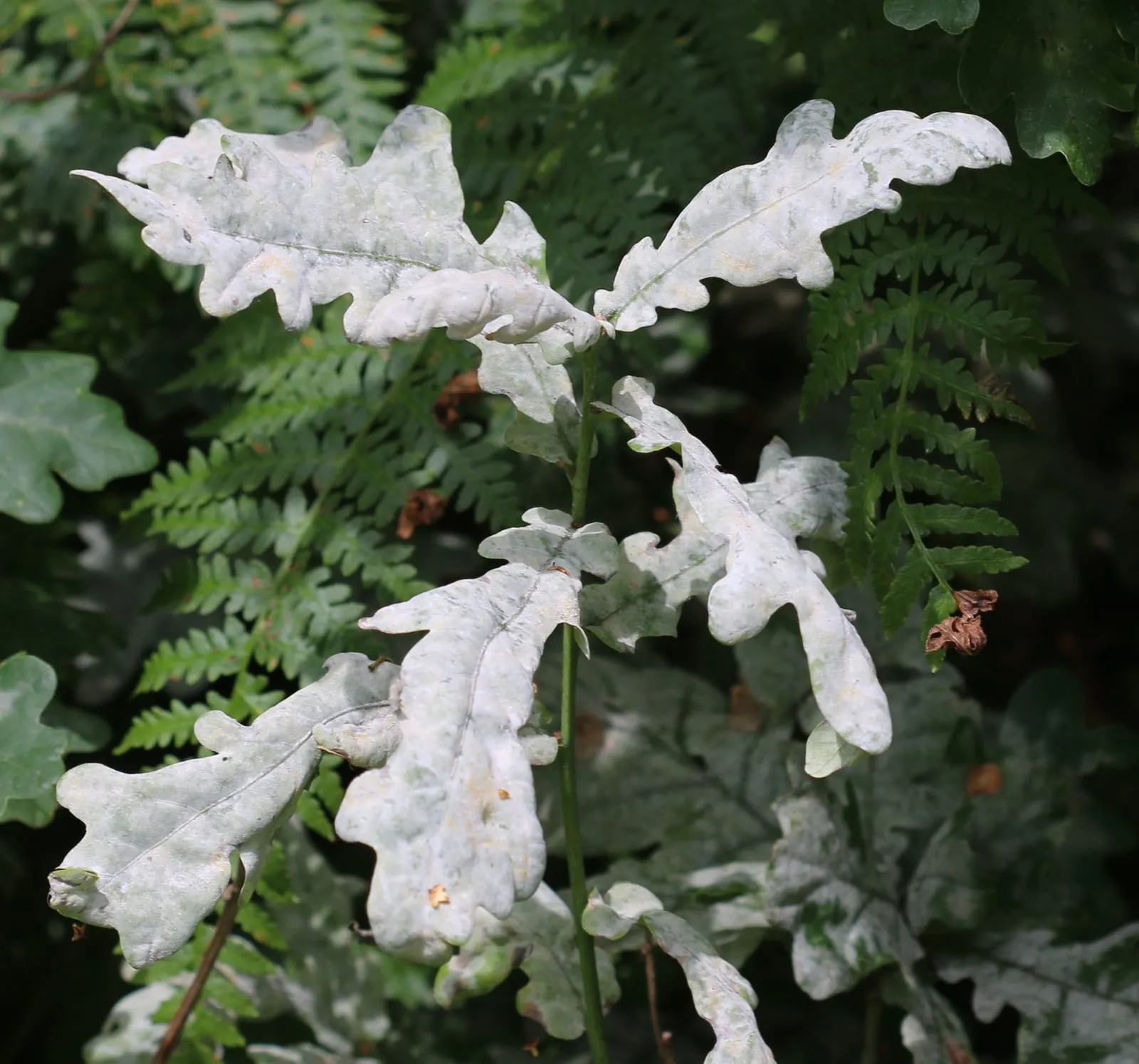
Multiple species (Erysiphales)
Surface-feeding fungal disease producing white powdery growth on leaves and stems. Reduces yield by stealing photosynthate and accelerating senescence.
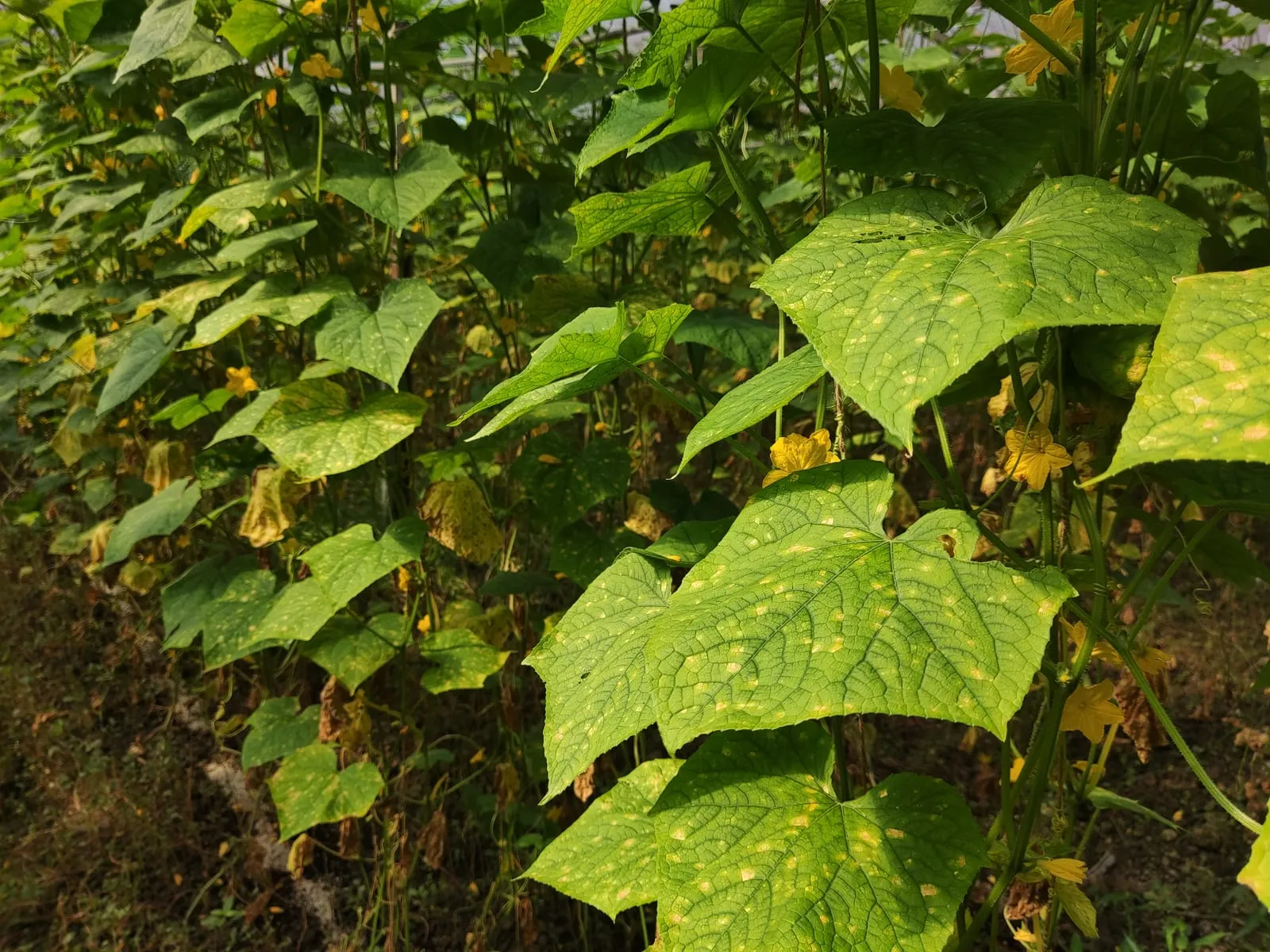
Pseudoperonospora cubensis (cucurbits) and others
Water mold (oomycete, not a true fungus) that thrives in cool damp conditions. Spreads rapidly through cucurbit and brassica plantings on wind-borne spores.
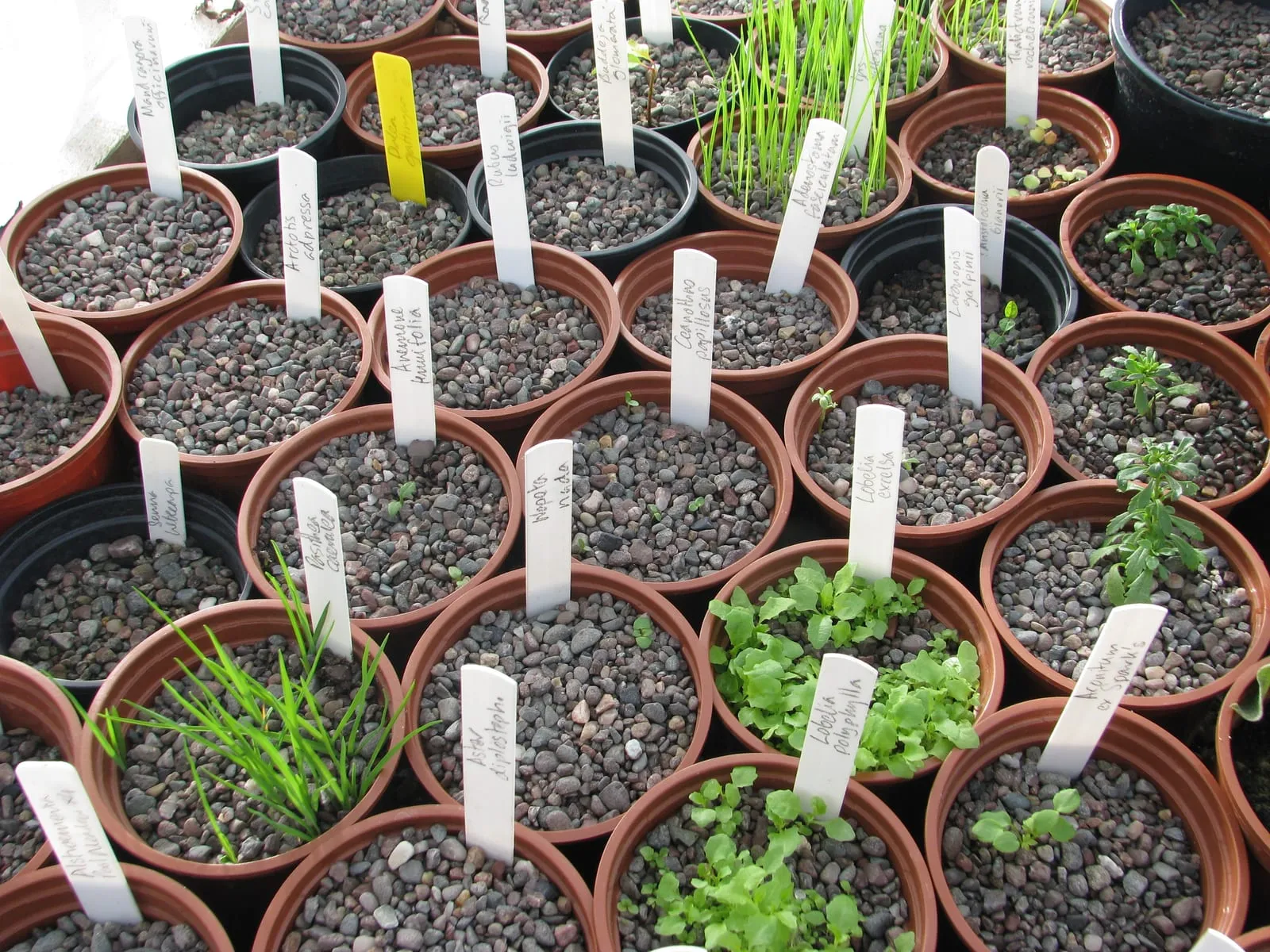
Pythium and Rhizoctonia species
Soil-borne complex of water molds and fungi that kill seedlings before or shortly after emergence. The single most common cause of seed-starting failures.
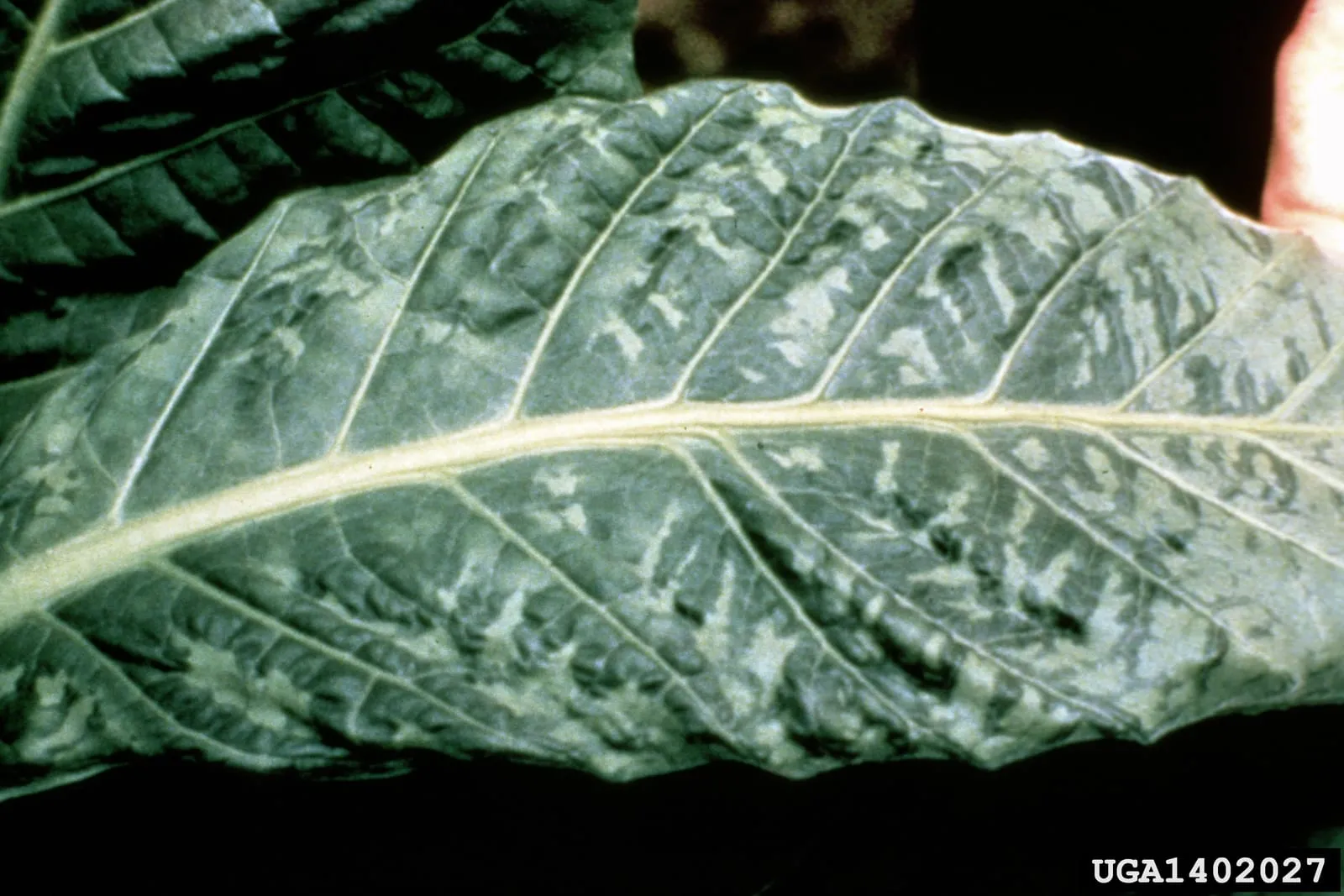
Cucumber mosaic virus, Tobacco mosaic virus, and others
Family of plant viruses producing mottled yellow-and-green leaf patterns. Vectored primarily by aphids; some are seed-transmitted or spread by handling tools and tobacco products.
Modified care for zone 4b
The most important adjustment for zone 4b is accelerating soil warm-up in spring. Black plastic mulch laid 2 weeks before transplanting raises soil temperatures by 6 to 10°F and stretches the effective growing window on both ends of the season. Row covers over young transplants protect against late cold snaps and physically exclude cucumber beetles during the critical early weeks. Cucumber beetles are the primary vector for Bacterial Wilt of Cucurbits; once a plant is infected, there is no recovery, and the shorter season makes replanting impractical. Beetle management is therefore more consequential in zone 4b than in warmer zones where a second planting is still possible. Powdery Mildew and Downy Mildew both intensify in the humid conditions common across the northern regions that occupy zone 4b. Maintaining good air circulation through plant spacing and choosing resistant varieties where available reduces pressure. Because there is little time to recover from a poor establishment, starting with transplants rather than direct-sown seed is the more reliable approach in this zone.
Cucumber in adjacent zones
Image: "Cucumber", by Patricia Rose, via iNaturalist, licensed under CC-BY Source.
Related