vegetable in zone 4a
Growing cucumber in zone 4a
Cucumis sativus
- Zone
- 4a -30°F to -25°F
- Growing season
- 120 days
- Suitable varieties
- 2
- Days to harvest
- 50 to 70
The verdict
Cucumber is a warm-season annual with no chill-hour requirement, so that fruit-tree metric does not apply here. The binding constraint in zone 4a is the compressed growing season of roughly 120 days. Cucumbers are frost-intolerant and need soil temperatures at or above 60°F to germinate reliably. With last frost dates in zone 4a typically landing in late May to early June, and first fall frosts arriving as early as late August in colder 4a locations, the usable window is narrow.
Marketmore 76 (approximately 67 days to harvest) and National Pickling (approximately 52 days) both fit inside a 120-day season when transplanted from indoor starts rather than direct-seeded. Zone 4a is marginal for cucumbers, not a sweet spot. Success is consistent for growers who use transplants, warm the soil before setting plants out, and monitor fall frost forecasts. Growers who direct-seed and skip season extension measures often run out of season before getting a full harvest.
Recommended varieties for zone 4a
2 cultivars suited to this zone, with disease-resistance and zone-fit annotations.
| Variety | Notes | Zone fit | Disease resistance |
|---|---|---|---|
| Marketmore 76 fits zone 4a | Crisp, mild, classic American slicing cucumber; long dark green fruit. Salads, fresh, sandwiches. Disease-resistant Cornell release, the home-garden standard. | | none noted |
| National Pickling fits zone 4a | Crisp, blocky, ideal for fermentation; classic short pickling cucumber. Pickles, fresh, pickle relish. Productive, concentrated harvest for putting up. | | none noted |
Critical timing for zone 4a
Seeds started indoors in late April can be transplanted outdoors after last frost, generally the last week of May through the first week of June in zone 4a. Soil temperature must reach 60°F before transplanting; planting into cold soil delays root establishment and encourages damping-off pathogens. First blossoms typically appear five to seven weeks after transplanting under adequate warmth and sun.
National Pickling varieties begin producing around mid-July under this schedule; Marketmore 76 follows roughly two weeks later. The fall frost window in zone 4a closes hard. Growers should plan to complete the main harvest push by mid-August and watch extended forecasts carefully. A single overnight frost below 32°F ends the season with no recovery.
Common challenges in zone 4a
- ▸ Late frosts damage early bloomers
- ▸ Limited peach varieties
Disease pressure to watch for
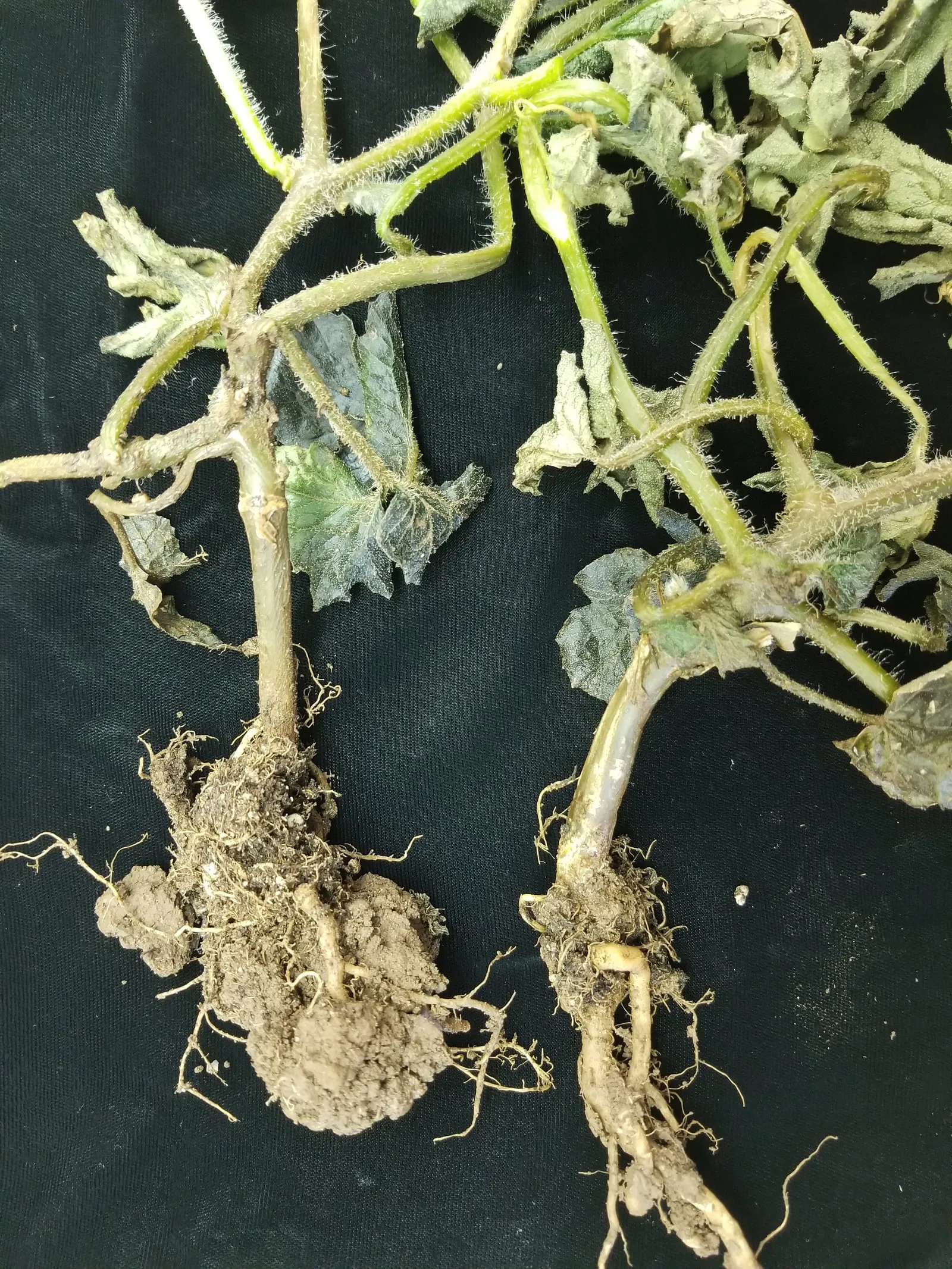
Erwinia tracheiphila
Bacterial disease vectored exclusively by cucumber beetles. Once a plant is infected there is no recovery; whole-plant collapse follows.
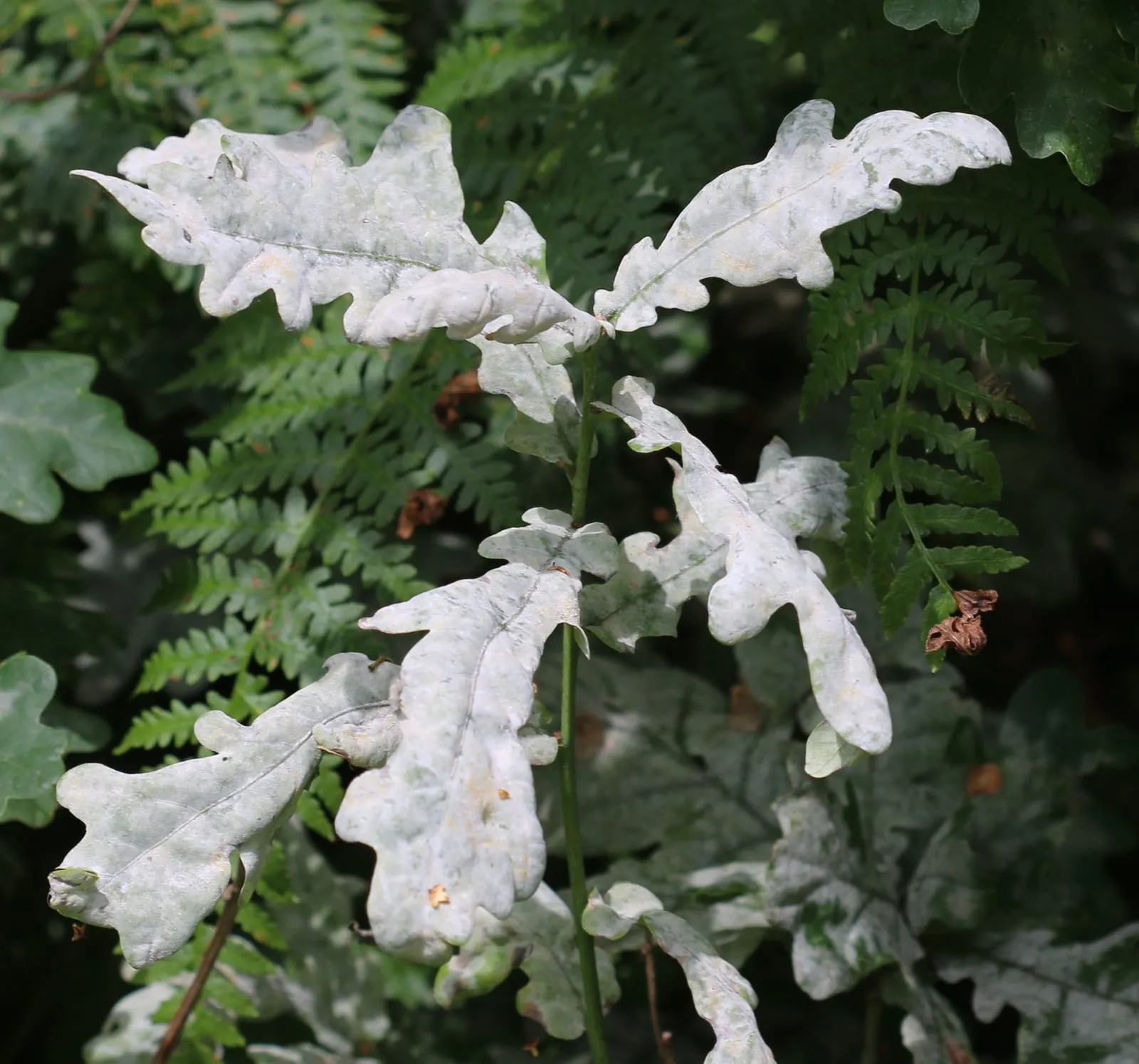
Multiple species (Erysiphales)
Surface-feeding fungal disease producing white powdery growth on leaves and stems. Reduces yield by stealing photosynthate and accelerating senescence.
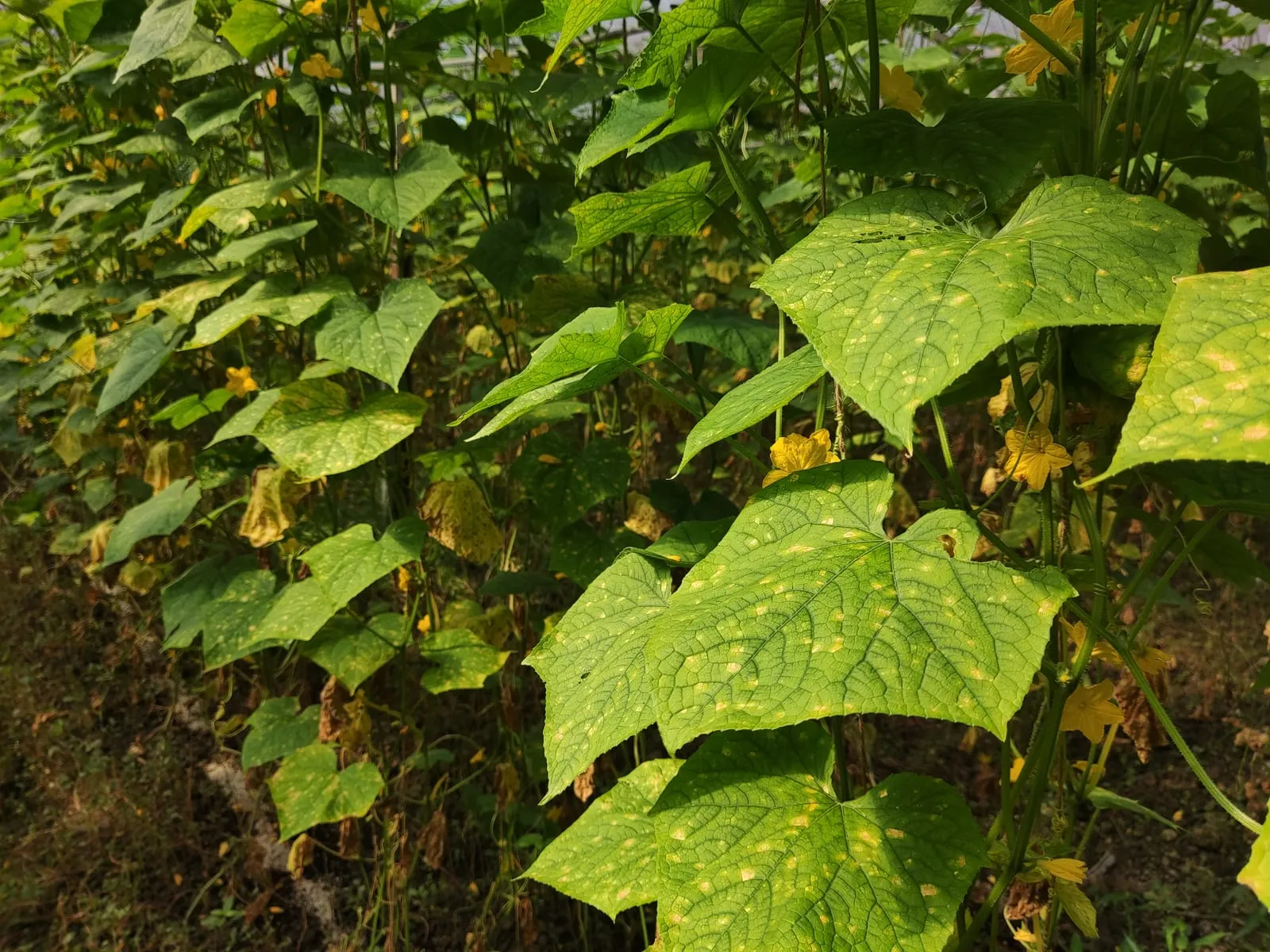
Pseudoperonospora cubensis (cucurbits) and others
Water mold (oomycete, not a true fungus) that thrives in cool damp conditions. Spreads rapidly through cucurbit and brassica plantings on wind-borne spores.
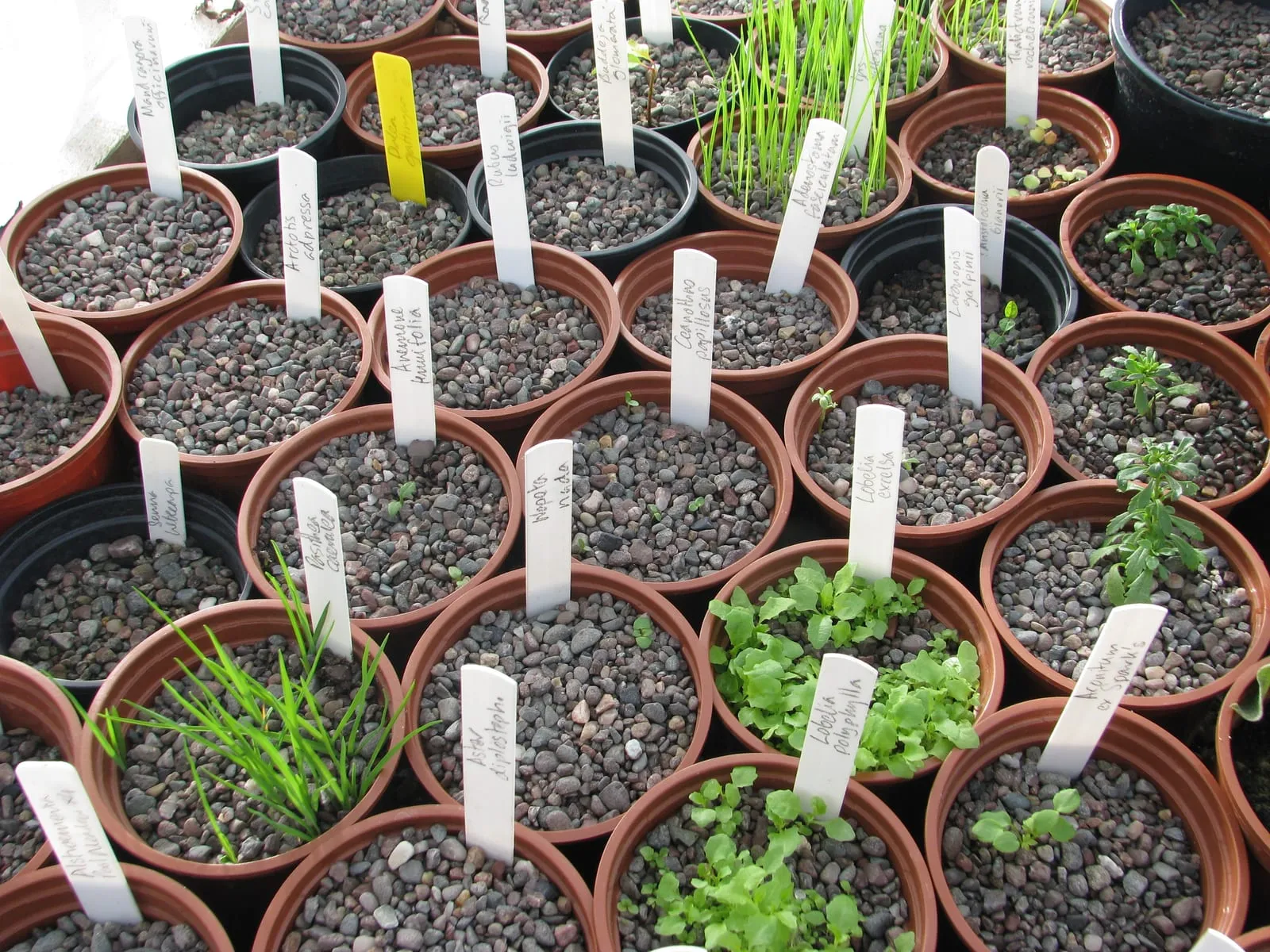
Pythium and Rhizoctonia species
Soil-borne complex of water molds and fungi that kill seedlings before or shortly after emergence. The single most common cause of seed-starting failures.
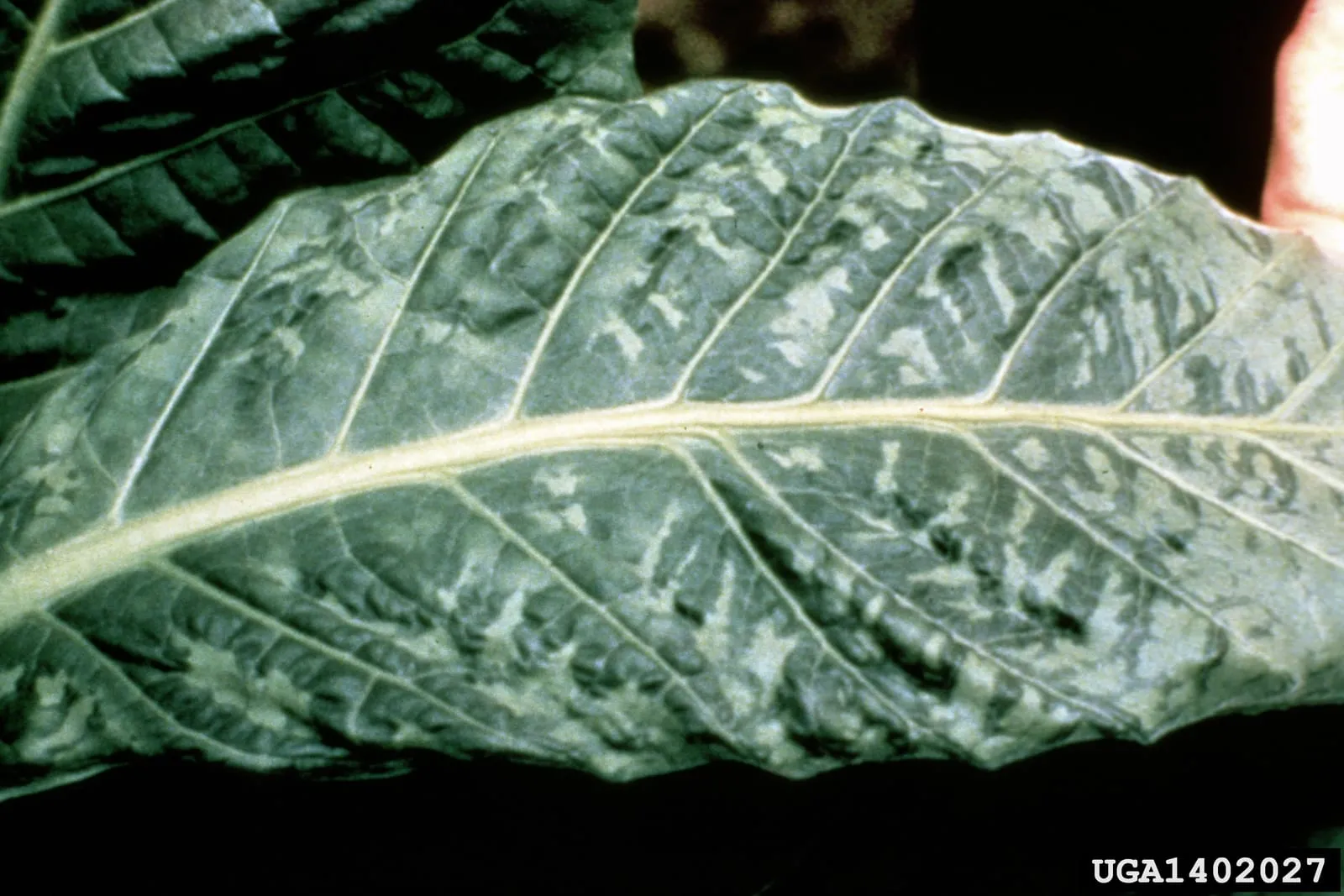
Cucumber mosaic virus, Tobacco mosaic virus, and others
Family of plant viruses producing mottled yellow-and-green leaf patterns. Vectored primarily by aphids; some are seed-transmitted or spread by handling tools and tobacco products.
Modified care for zone 4a
Starting transplants indoors three to four weeks before last frost is the single most important adaptation in zone 4a. It is not a shortcut but a necessity for fitting the crop into the available season.
Black plastic mulch applied at transplant time warms soil quickly and has been documented to advance cucumber maturity by one to two weeks in short-season trials. Row covers extend both ends of the season but must come off once female flowers open, since cucumber requires insect pollination. Leaving row covers on through flowering results in poor fruit set.
Bacterial Wilt of Cucurbits is the most management-intensive disease on the zone 4a list. It spreads through cucumber beetle feeding and has no curative treatment once a plant is infected. Controlling cucumber beetle populations in the first three to four weeks after transplant, before feeding damage accumulates, is more effective than any late-season response. Downy Mildew and Powdery Mildew typically peak late in the season; zone 4a's early fall frost often ends the season before pressure reaches economically significant levels.
Frequently asked questions
- Can cucumbers be direct-seeded in zone 4a?
Technically yes, but the math is tight. Direct seeding delays harvest by three to four weeks compared to transplanting, leaving little margin before fall frost. Transplants started indoors three to four weeks before last frost are the more reliable approach in a 120-day season.
- Does Marketmore 76 perform better than National Pickling in zone 4a?
National Pickling's shorter days-to-harvest (roughly 52 days versus 67 for Marketmore 76) gives it a timing advantage in short seasons. Marketmore 76 produces larger slicing fruit but requires the full season to yield well. Growing both hedges against an early fall frost cutting the harvest short.
- How do you know when cucumber beetle pressure is high enough to act on?
Scout transplants daily for the first three weeks. Finding more than one or two beetles per plant during that establishment window warrants intervention, since even moderate feeding at this stage creates entry points for Bacterial Wilt. Row covers before flowering exclude beetles entirely if the edges are sealed.
+−
+−
+−
Cucumber in adjacent zones
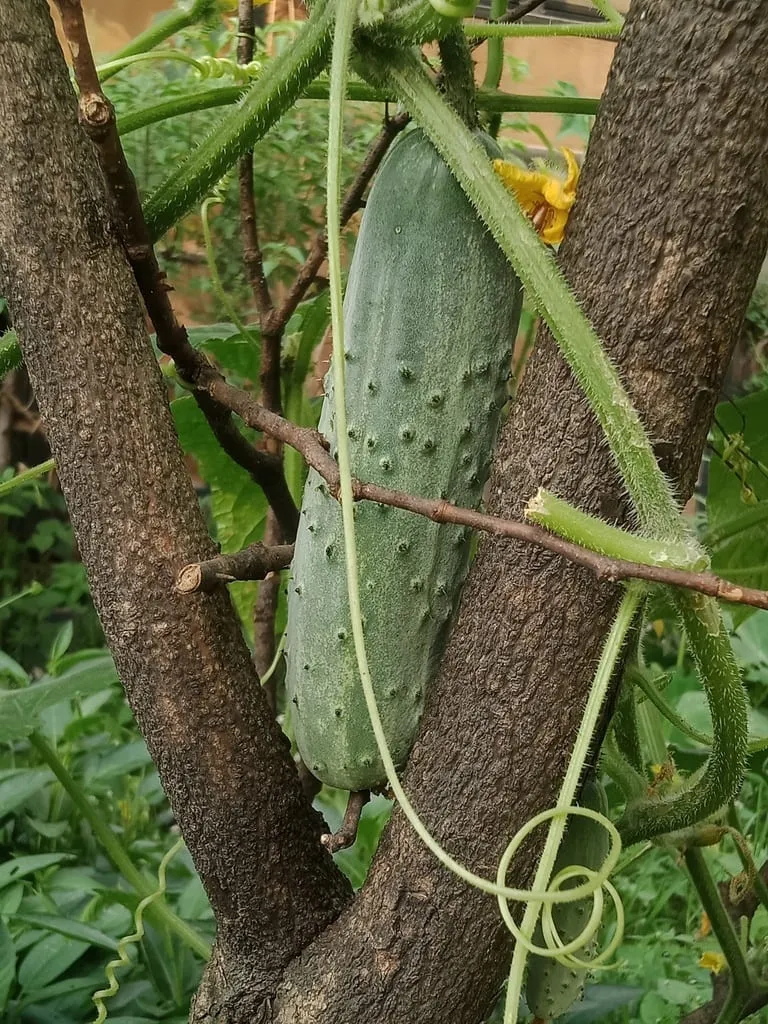
Image: "Cucumber", by Patricia Rose, via iNaturalist, licensed under CC-BY Source.
Related