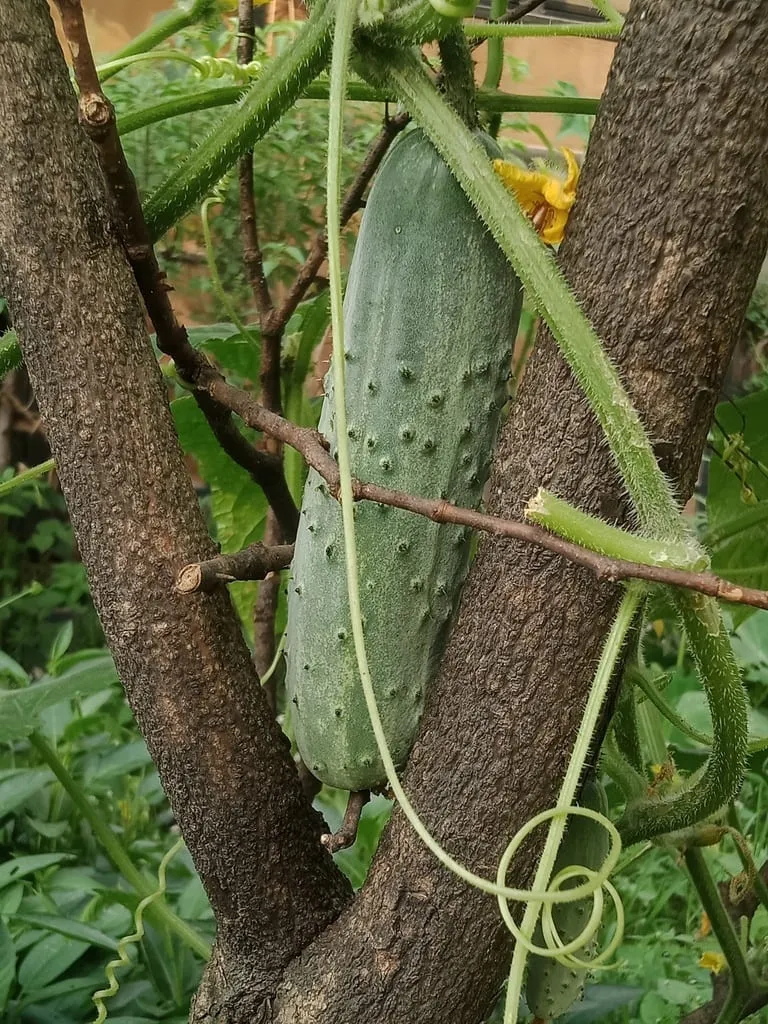
vegetable in zone 3b
Growing cucumber in zone 3b
Cucumis sativus
- Zone
- 3b -35°F to -30°F
- Growing season
- 100 days
- Suitable varieties
- 0
- Days to harvest
- 50 to 70
The verdict
Zone 3b is a marginal zone for cucumbers. The binding constraint is the growing season length of approximately 100 days, not cold hardiness in the conventional sense. Cucumbers have no chill-hour requirement; they are warm-season annuals that cannot tolerate frost and grow slowly when soil temperatures fall below 60°F. In zone 3b, last frost typically falls in late May to early June, and first fall frost can arrive as early as late August. That leaves a frost-free window narrow enough that only short-season varieties (55 to 65 days to harvest from transplant) are practical.
This is not a sweet spot for cucumbers. Gardeners in zone 3b can grow a crop, but margin for error is thin. A cold June, a late planting, or a standard-season variety stretching past 70 days will produce little or nothing before the season closes. Success here depends heavily on variety selection and season-extension techniques rather than passive growing conditions.
Critical timing for zone 3b
Starting cucumbers indoors 3 to 4 weeks before last frost is the standard approach in zone 3b, since direct sowing gives the crop almost no buffer against the abbreviated season. Transplanting happens in early to mid-June once frost risk has passed and soil temperatures have warmed to at least 60°F.
With a 55 to 65 day variety, bloom typically begins in late June to mid-July, roughly 5 to 7 weeks after transplanting. Harvest follows 10 to 14 days after pollinated flowers set fruit, placing peak harvest in late July through mid-August. First fall frost in zone 3b can occur as early as late August in colder pockets, so the effective harvest window may be 4 to 6 weeks. Extended cool spells during the bloom period reduce pollinator activity and can limit fruit set.
Common challenges in zone 3b
- ▸ Short season
- ▸ Winter desiccation
- ▸ Site selection critical for fruit trees
Disease pressure to watch for
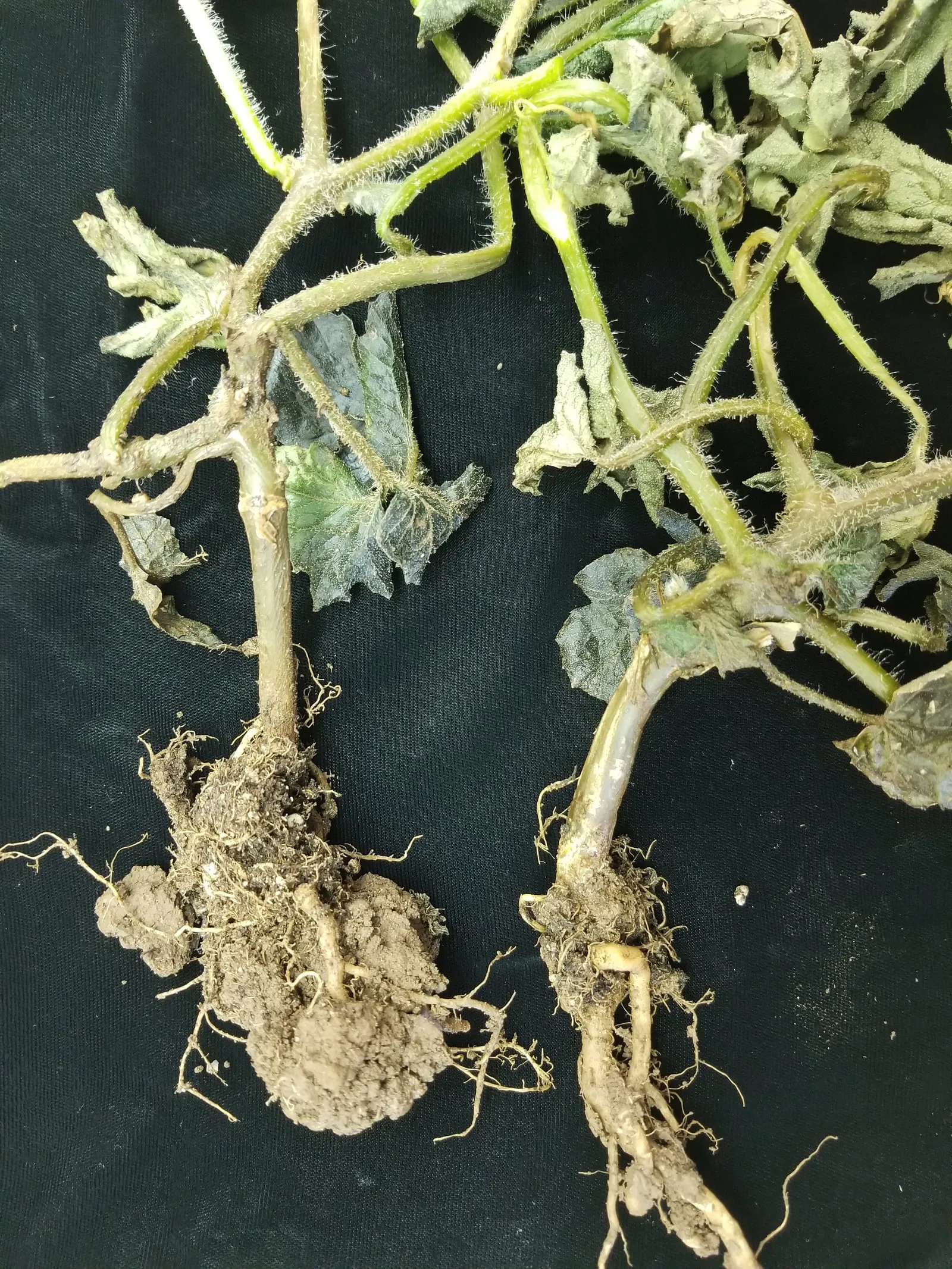
Erwinia tracheiphila
Bacterial disease vectored exclusively by cucumber beetles. Once a plant is infected there is no recovery; whole-plant collapse follows.
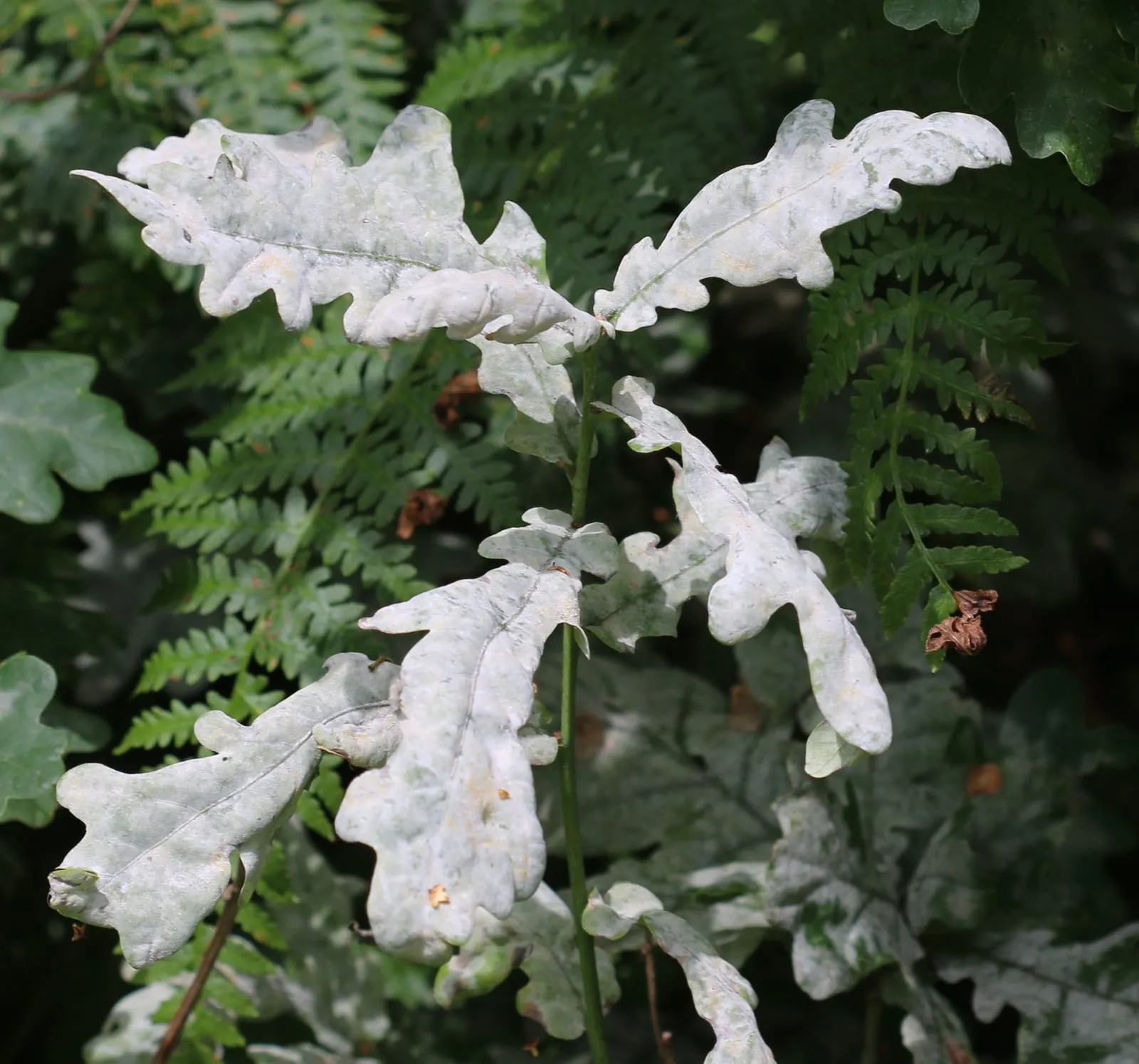
Multiple species (Erysiphales)
Surface-feeding fungal disease producing white powdery growth on leaves and stems. Reduces yield by stealing photosynthate and accelerating senescence.
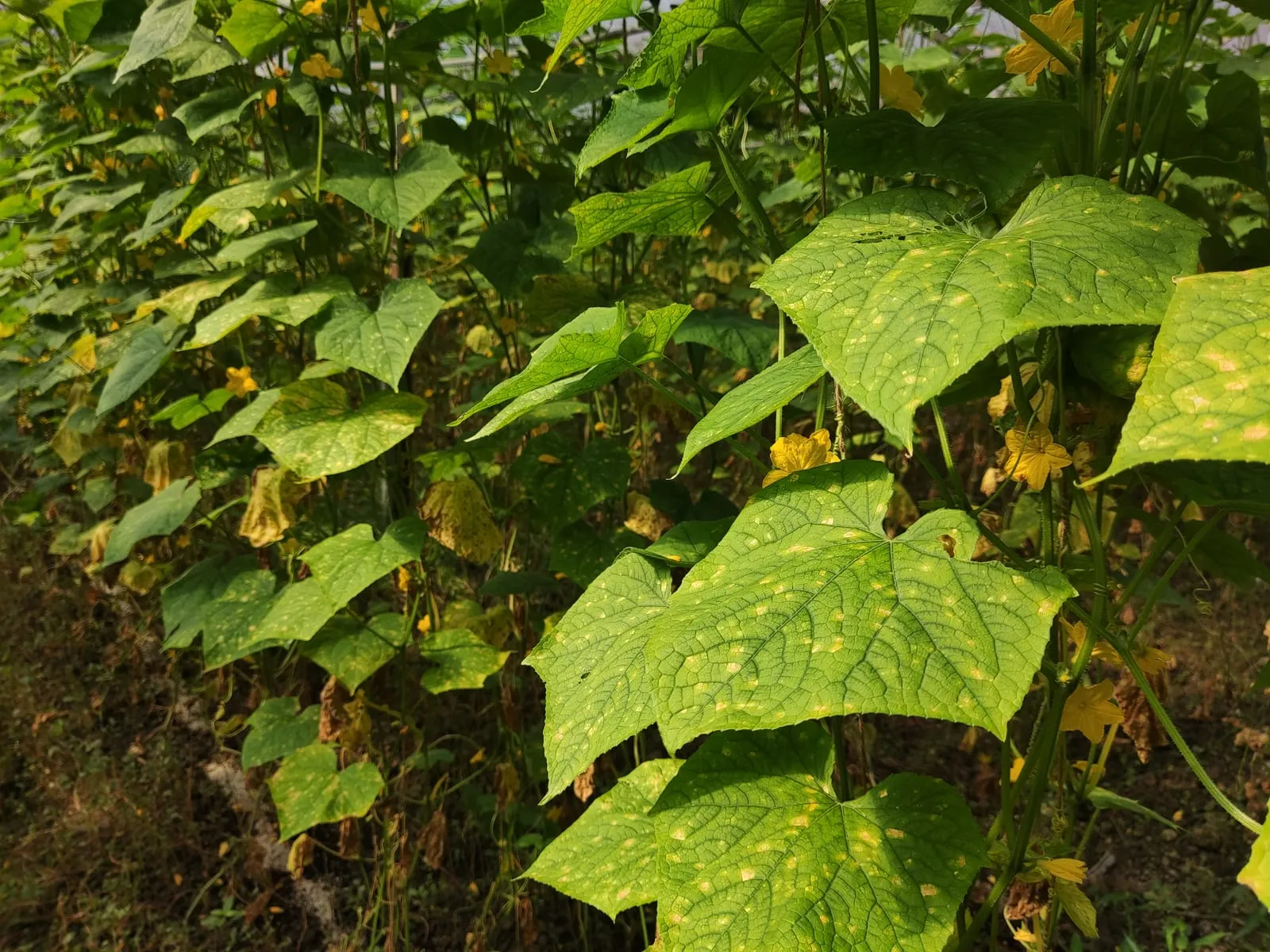
Pseudoperonospora cubensis (cucurbits) and others
Water mold (oomycete, not a true fungus) that thrives in cool damp conditions. Spreads rapidly through cucurbit and brassica plantings on wind-borne spores.
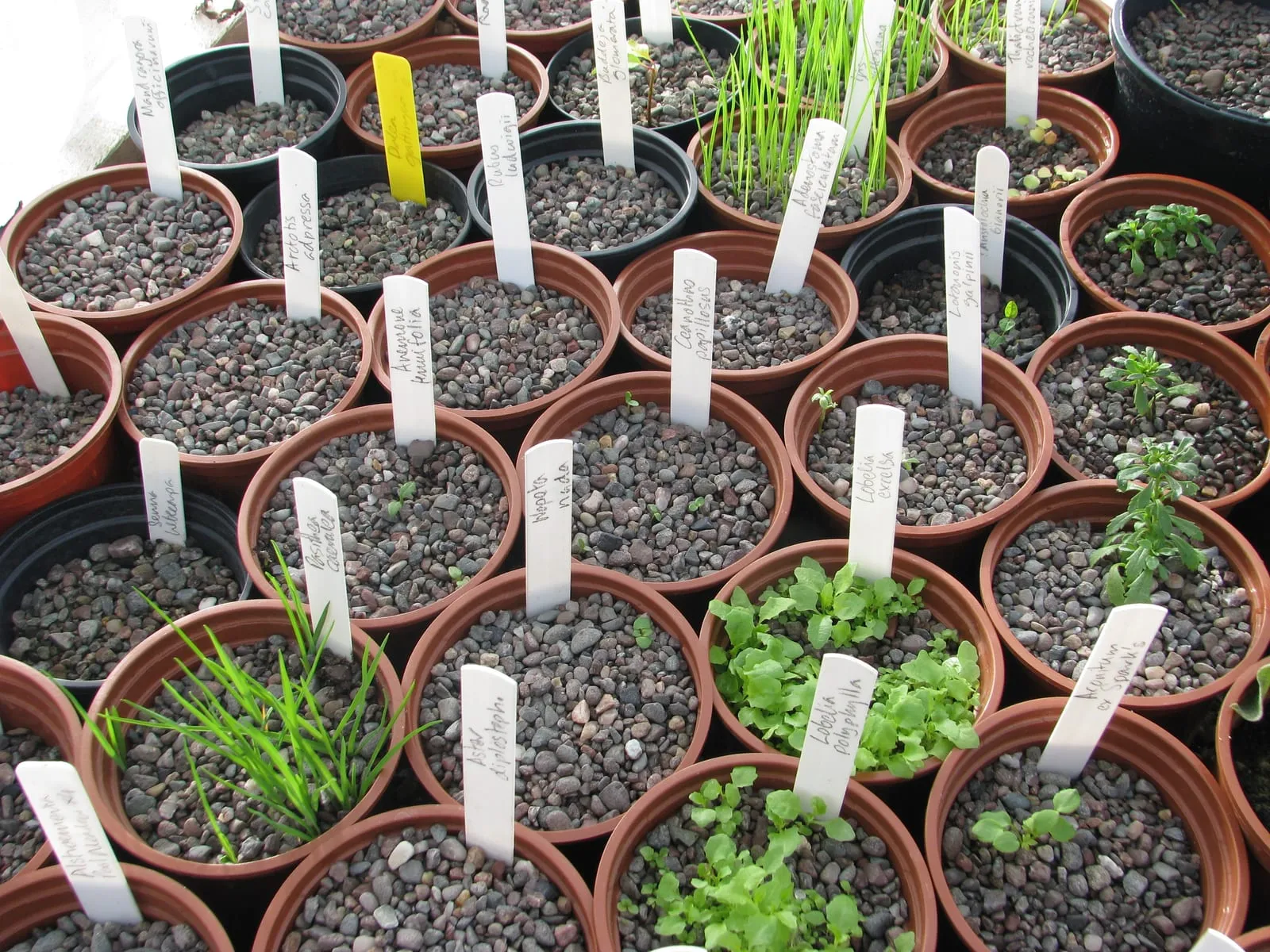
Pythium and Rhizoctonia species
Soil-borne complex of water molds and fungi that kill seedlings before or shortly after emergence. The single most common cause of seed-starting failures.
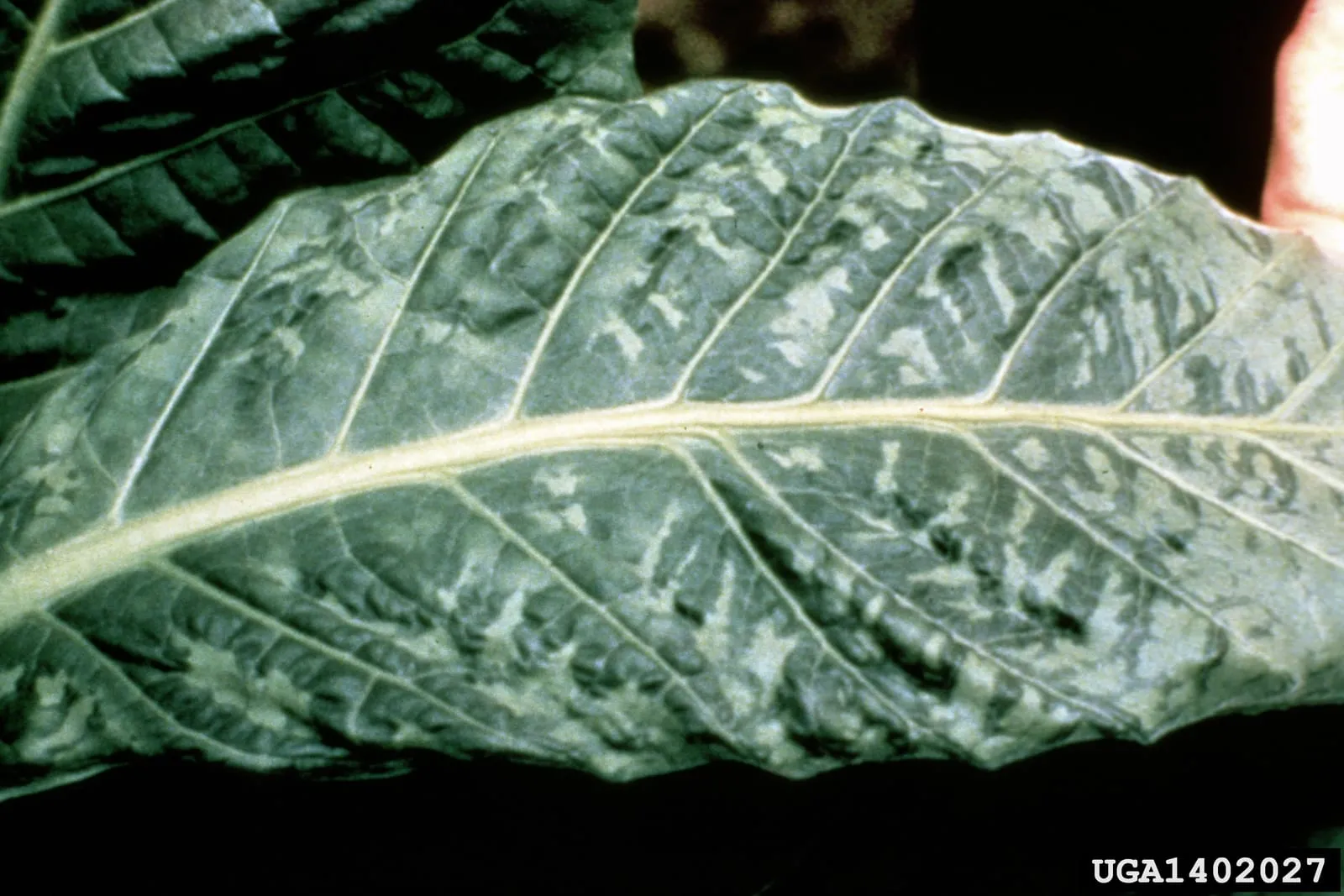
Cucumber mosaic virus, Tobacco mosaic virus, and others
Family of plant viruses producing mottled yellow-and-green leaf patterns. Vectored primarily by aphids; some are seed-transmitted or spread by handling tools and tobacco products.
Modified care for zone 3b
Black plastic mulch is one of the more reliable tools in zone 3b, warming soil temperatures by 5 to 10°F and accelerating early establishment. Row covers over transplants at planting extend the warm microclimate further, but they must come off when flowers open to allow pollinator access.
Cucumber beetle pressure deserves early attention here. Bacterial wilt, which cucumber beetles transmit, can kill plants in mid-July in zone 3b, effectively ending the harvest before it fully starts. Row covers provide physical exclusion of beetles during the vulnerable early weeks.
Powdery mildew and downy mildew are listed disease risks, but in zone 3b the short season often works in the grower's favor: the frost arrives before late-season mildew becomes severe. If mildew does establish in August, it accelerates plant decline, but the crop is typically near the end of its useful life regardless.
Frequently asked questions
- Can cucumbers be grown outdoors in zone 3b?
Yes, but only with short-season varieties (55 to 65 days) and season-extension techniques such as transplanting rather than direct sowing, black plastic mulch, and row covers early in the season. The frost-free window is narrow enough that standard-season varieties often fail to produce before fall frost closes the season.
- When should cucumber transplants go in the ground in zone 3b?
After last frost has reliably passed and soil temperatures reach at least 60°F, typically early to mid-June in most zone 3b locations. Starting seeds indoors 3 to 4 weeks before that date gives transplants a meaningful head start over direct-sown seed.
- What is the biggest disease risk for cucumbers in zone 3b?
Bacterial wilt, transmitted by cucumber beetles, poses the most immediate threat because it can kill plants in mid-season when there is no time to replant. Floating row covers during the early weeks exclude beetles and reduce wilt risk, but must be removed at flowering to allow pollination.
+−
+−
+−
Cucumber in adjacent zones
Image: "Cucumber", by Patricia Rose, via iNaturalist, licensed under CC-BY Source.
Related