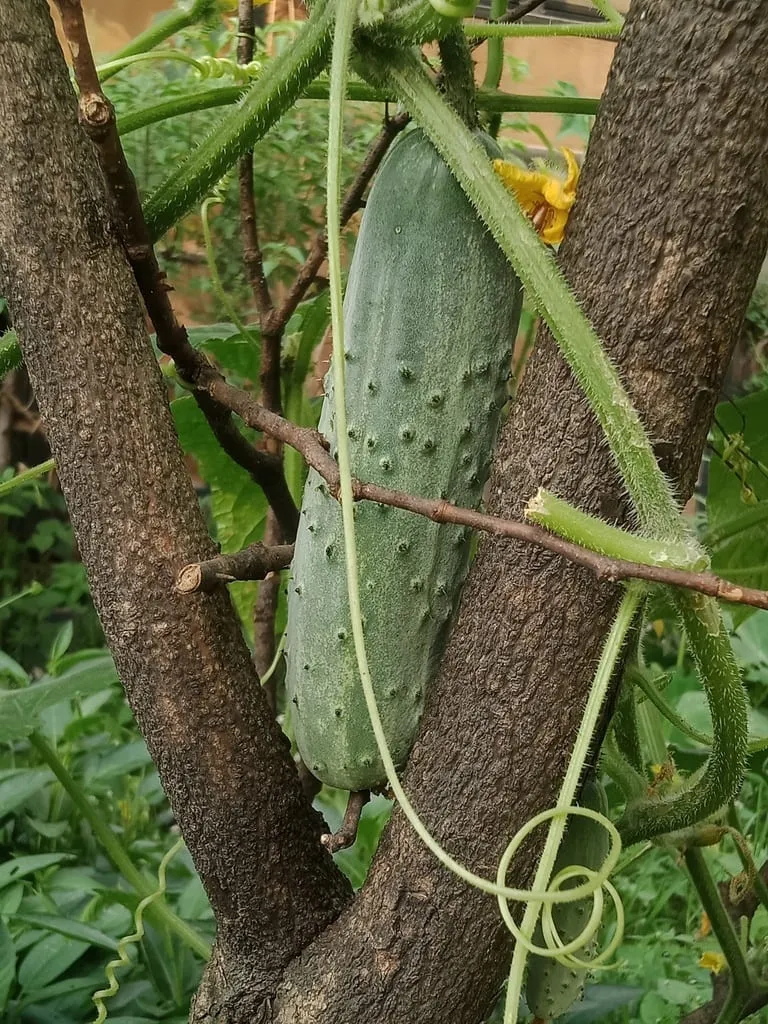
vegetable in zone 8a
Growing cucumber in zone 8a
Cucumis sativus
- Zone
- 8a 10°F to 15°F
- Growing season
- 240 days
- Suitable varieties
- 5
- Days to harvest
- 50 to 70
The verdict
Cucumber is a warm-season annual with no chill-hour requirement, so zone 8a's 240-day frost-free window is a genuine advantage rather than a limitation. This is a reliable zone for cucumbers, not a marginal one. The primary suitability constraint is heat, not cold: cucumber fruit set begins to falter when daytime temperatures consistently exceed 90°F, and zone 8a summers routinely reach that threshold, particularly in the Southeast and central Texas portions of the zone. The long season compensates for this. Growers can run a spring crop to harvest before the worst heat arrives and a separate fall crop that escapes it from the other direction. The five varieties listed here, from the compact Persian types to the heat-tolerant Suyo Long, cover the full range of zone 8a conditions. None require special cold accommodation. The limiting factor to plan around is summer heat management, not zone hardiness.
Recommended varieties for zone 8a
5 cultivars suited to this zone, with disease-resistance and zone-fit annotations.
| Variety | Notes | Zone fit | Disease resistance |
|---|---|---|---|
| Marketmore 76 fits zone 8a | Crisp, mild, classic American slicing cucumber; long dark green fruit. Salads, fresh, sandwiches. Disease-resistant Cornell release, the home-garden standard. | | none noted |
| National Pickling fits zone 8a | Crisp, blocky, ideal for fermentation; classic short pickling cucumber. Pickles, fresh, pickle relish. Productive, concentrated harvest for putting up. | | none noted |
| Lemon fits zone 8a | Mild, crisp, slightly sweet; round pale-yellow cucumber the size of a tennis ball. Salads, fresh out of hand, pickling whole. Heat-tolerant heritage variety. | | none noted |
| Suyo Long fits zone 8a | Sweet, burpless, crisp; foot-long ribbed Asian cucumber. Stir-fries, fresh, salads. Productive in heat where other cucumbers fail. Trellis required. | | none noted |
| Persian / Beit Alpha fits zone 8a | Sweet, thin-skinned, no need to peel; small smooth fruits. Fresh eating, salads, snacks. Parthenocarpic types set without pollination, productive in greenhouses. | | none noted |
Critical timing for zone 8a
In zone 8a, last frost typically falls between late February and mid-March depending on latitude and local topography. Direct sowing or transplanting can begin once soil temperature reaches 60°F consistently, usually late February to early April. From planting, cucumber varieties generally reach first bloom in 45 to 55 days and first harvest in 55 to 70 days. A spring planting in March yields harvest from late May through July. A second succession sown in late July or early August matures through October and into November, well ahead of the first fall frost in late November or December. The fall succession often outperforms spring in flavor because it develops during cooling temperatures. Avoid planting into the ground during peak summer heat in July; seedlings started indoors in late June and hardened off for the August planting work better than direct-seeded midsummer crops.
Common challenges in zone 8a
- ▸ Insufficient chill hours for some apple varieties
- ▸ Pierce's disease in grapes
- ▸ Heat stress on cool-season crops
Disease pressure to watch for
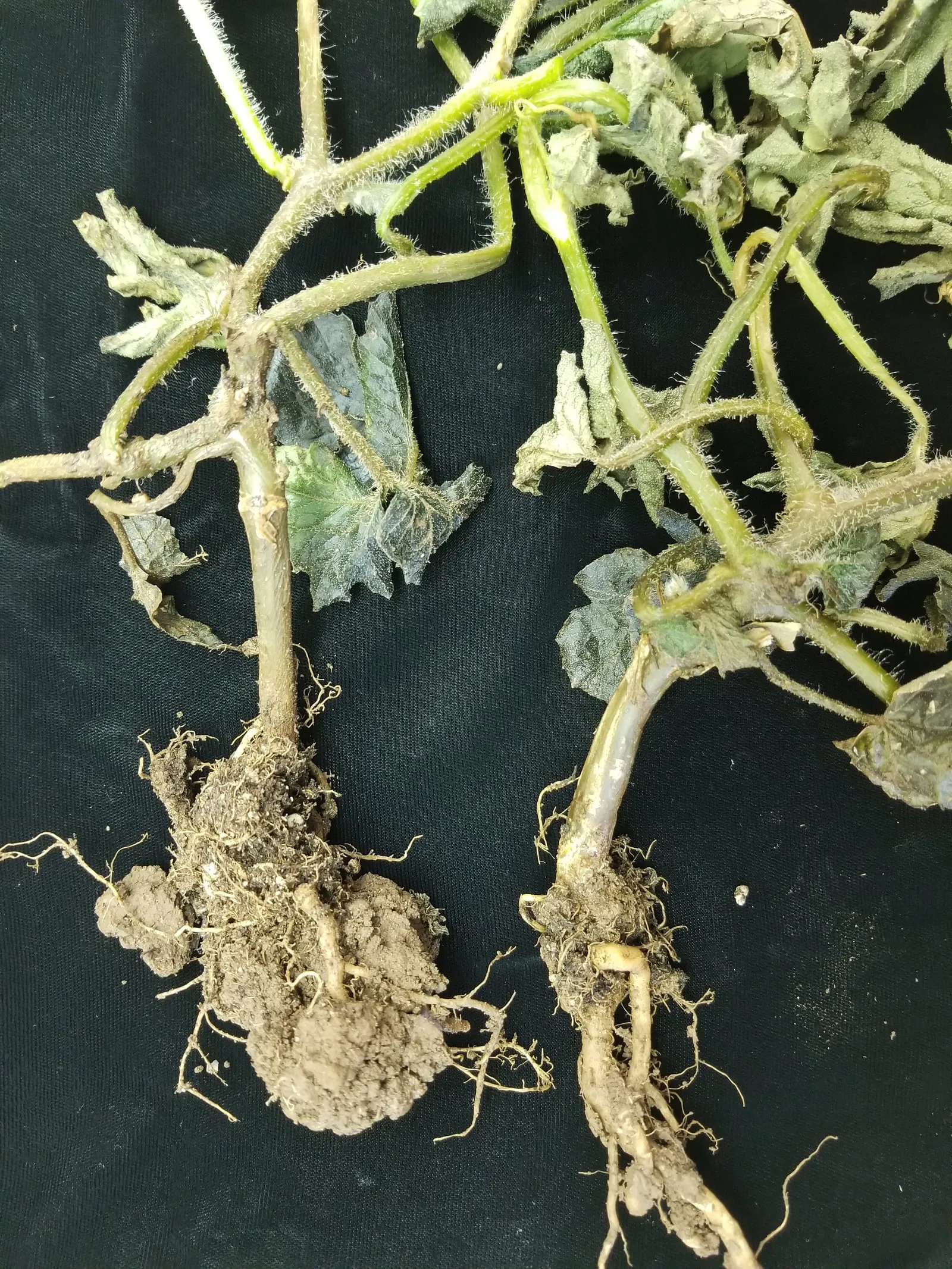
Erwinia tracheiphila
Bacterial disease vectored exclusively by cucumber beetles. Once a plant is infected there is no recovery; whole-plant collapse follows.
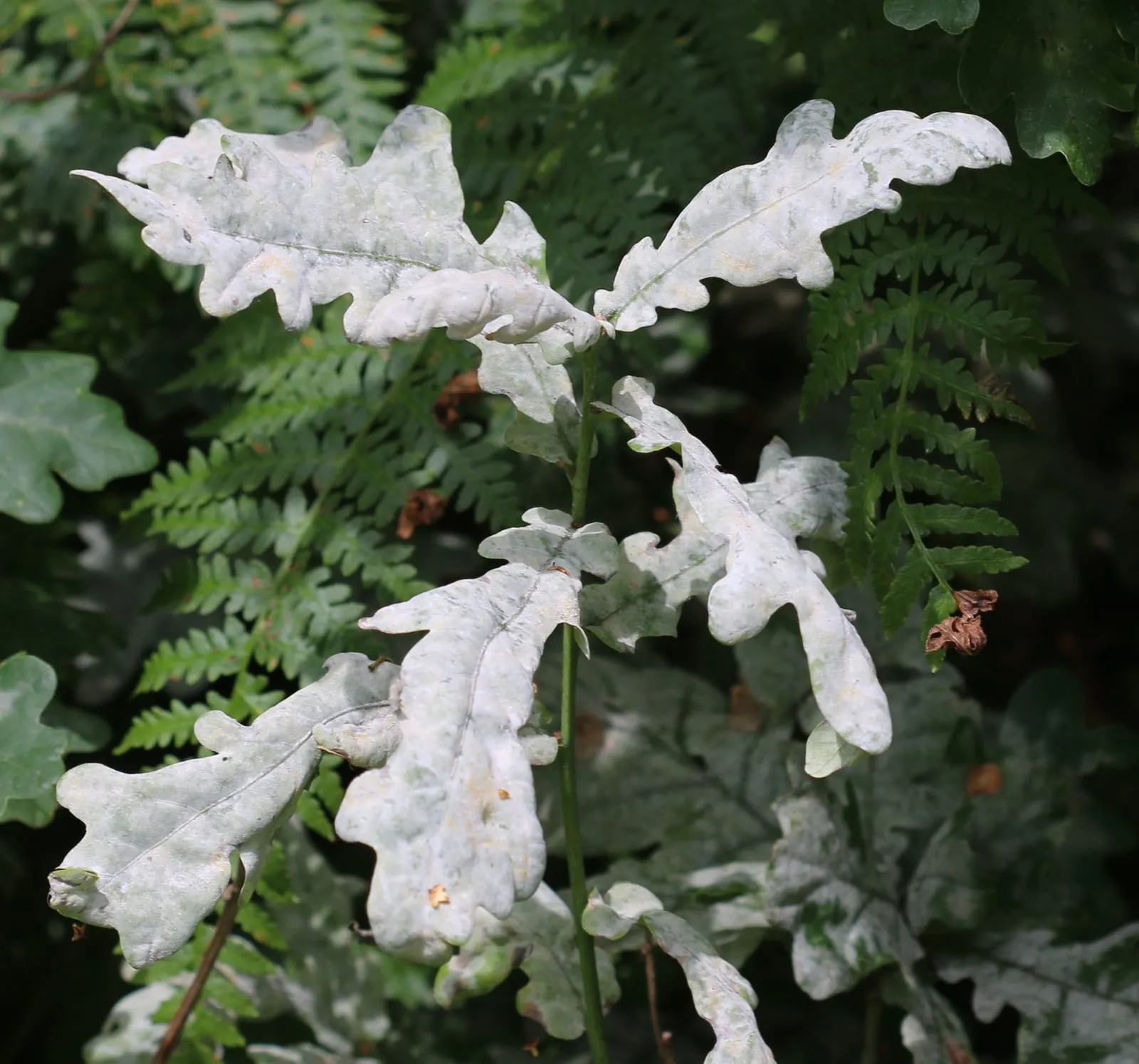
Multiple species (Erysiphales)
Surface-feeding fungal disease producing white powdery growth on leaves and stems. Reduces yield by stealing photosynthate and accelerating senescence.
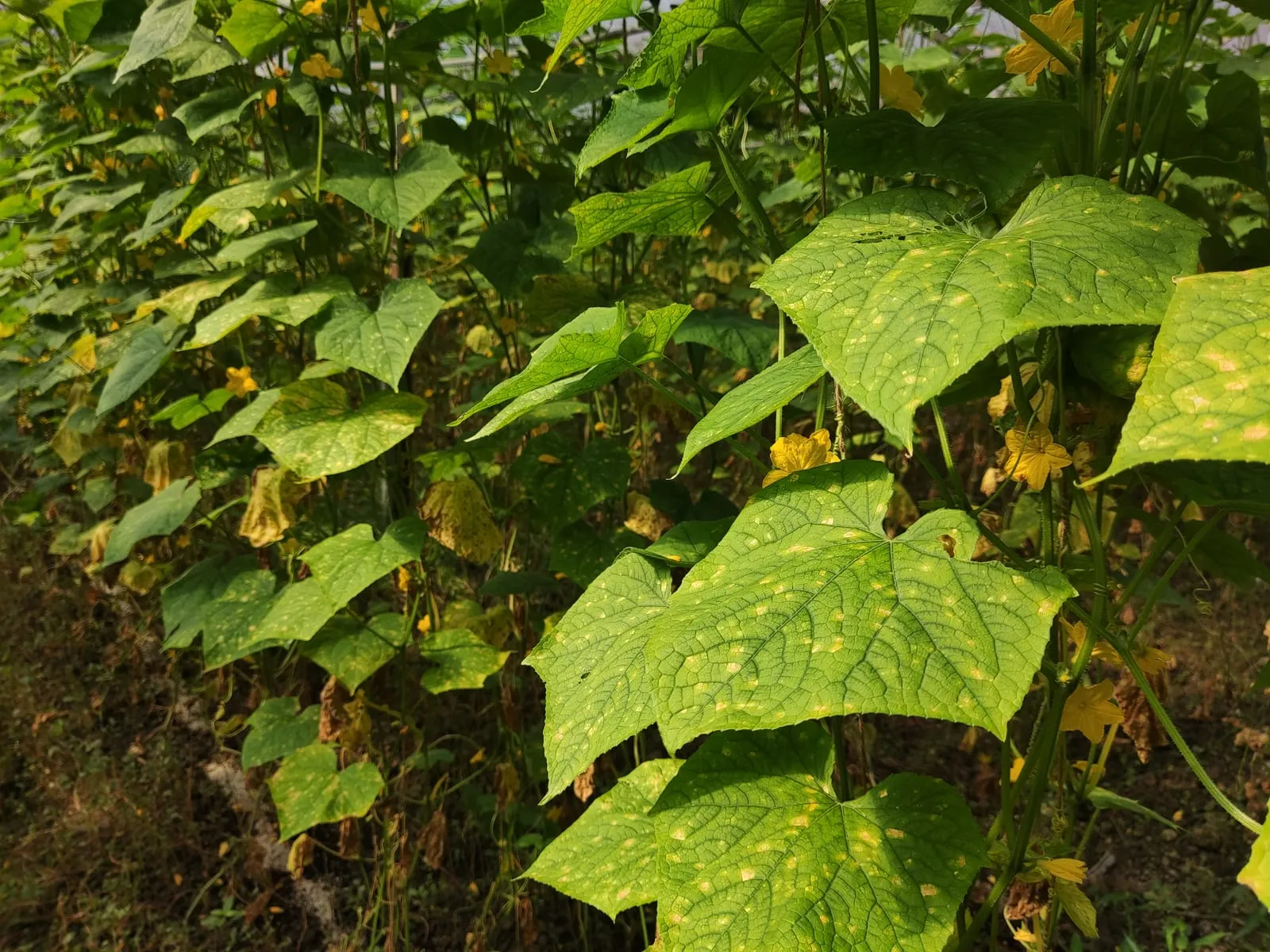
Pseudoperonospora cubensis (cucurbits) and others
Water mold (oomycete, not a true fungus) that thrives in cool damp conditions. Spreads rapidly through cucurbit and brassica plantings on wind-borne spores.
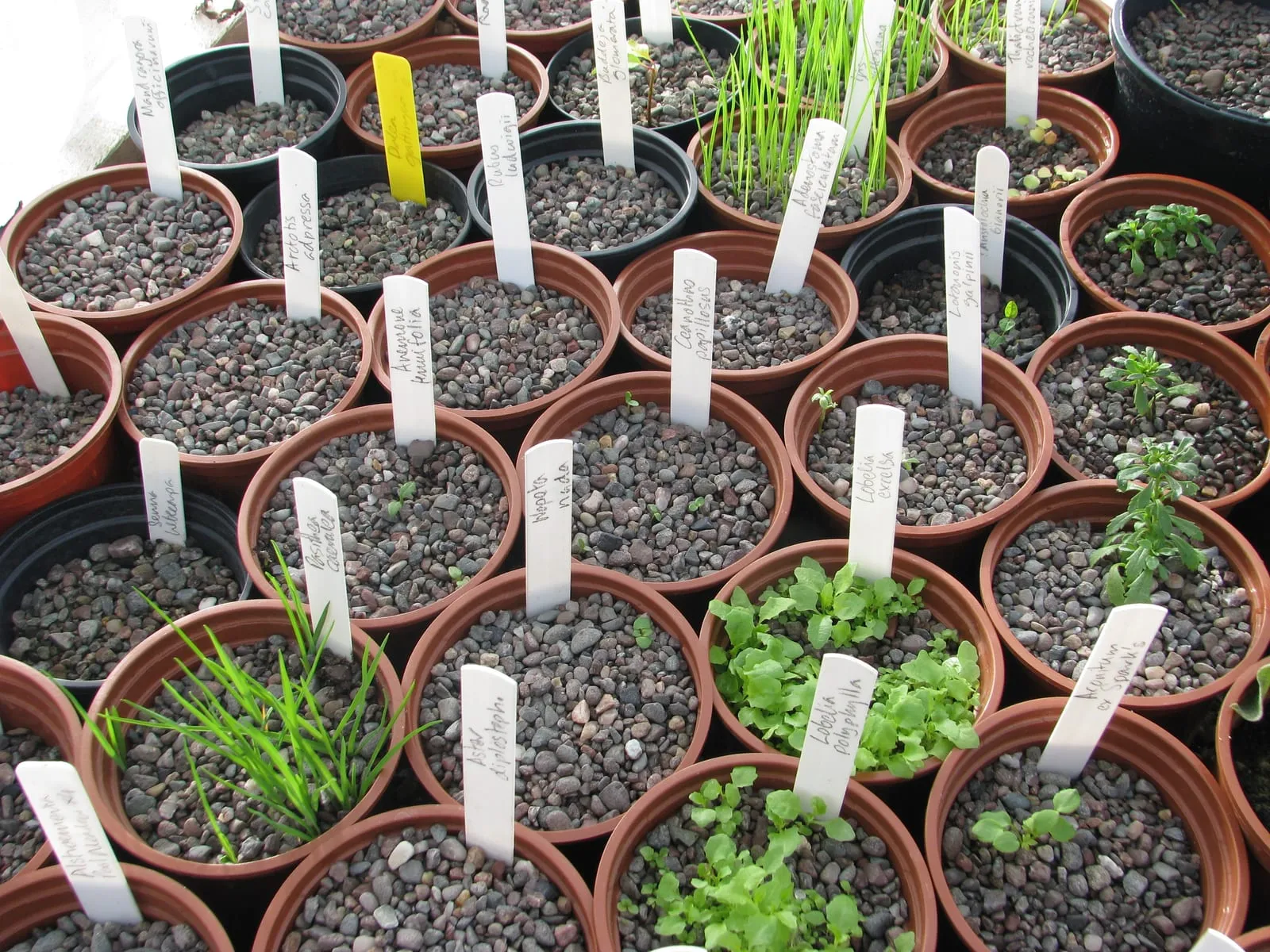
Pythium and Rhizoctonia species
Soil-borne complex of water molds and fungi that kill seedlings before or shortly after emergence. The single most common cause of seed-starting failures.
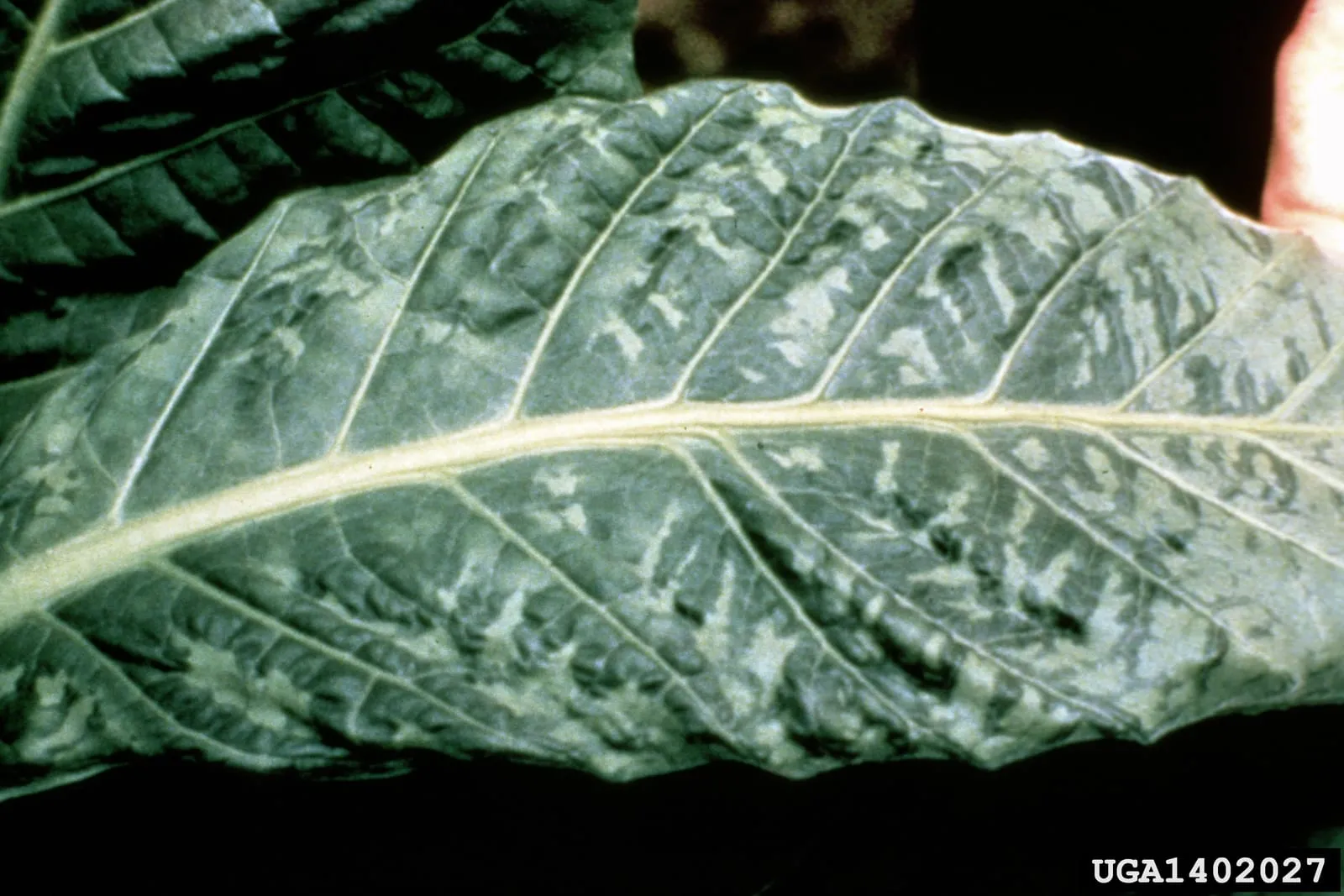
Cucumber mosaic virus, Tobacco mosaic virus, and others
Family of plant viruses producing mottled yellow-and-green leaf patterns. Vectored primarily by aphids; some are seed-transmitted or spread by handling tools and tobacco products.
Modified care for zone 8a
The main care adjustments in zone 8a center on heat and disease. During July and August, afternoon shade cloth (30 to 40 percent density) can keep fruit set from stalling during heat spikes. Consistent irrigation matters more here than in cooler zones because drought stress compounds heat stress rapidly. Bacterial wilt, spread by cucumber beetles, is a serious threat in zone 8a's extended warm season, which supports multiple beetle generations per year. Row covers from planting until first flower buds appear reduce beetle pressure significantly; remove them when blooms open to allow pollination. Powdery mildew and downy mildew both build pressure in the humid portions of zone 8a (Gulf Coast and Southeastern subregions especially) as summer progresses. Marketmore 76 carries useful resistance to several common cucurbit diseases. Trellis-grown plants with good airflow see lower disease incidence than sprawling ground-grown vines in high-humidity conditions.
Frequently asked questions
- Can cucumbers handle zone 8a summers without extra protection?
Spring and fall crops do well without special protection. Midsummer plantings are the challenge, since cucumber fruit set drops when temperatures stay above 90°F for extended stretches. A shade cloth during the hottest weeks and consistent watering are the practical interventions. The goal is to time crops so harvest happens before or after the peak heat, not through it.
- What is the biggest disease risk for cucumbers in zone 8a?
Bacterial wilt transmitted by cucumber beetles is the most damaging, because infected plants cannot be saved. Row covers during the seedling stage reduce early beetle feeding significantly. Powdery and downy mildew also build pressure as the season progresses, particularly in humid, low-airflow conditions. Selecting resistant varieties and trellising for airflow address both without chemical inputs.
- Is a second cucumber planting worth the effort in zone 8a?
Yes. Zone 8a's long frost-free window makes a late-summer succession planting practical and often more productive than the spring planting. Cucumbers sown in late July and transplanted in early August typically harvest from October through mid-November in good conditions. Fall fruit tends to be crisper with thinner skin than heat-stressed summer fruit.
+−
+−
+−
Cucumber in adjacent zones
Image: "Cucumber", by Patricia Rose, via iNaturalist, licensed under CC-BY Source.
Related