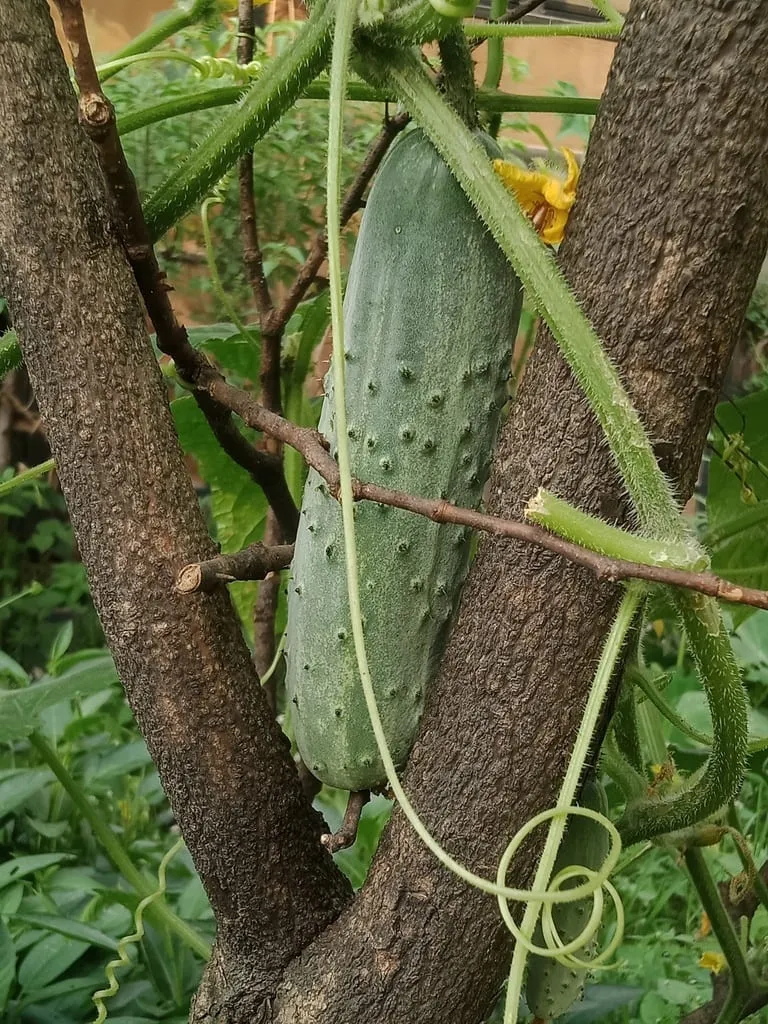
vegetable in zone 10a
Growing cucumber in zone 10a
Cucumis sativus
- Zone
- 10a 30°F to 35°F
- Growing season
- 340 days
- Suitable varieties
- 0
- Days to harvest
- 50 to 70
The verdict
Cucumber is a warm-season annual that requires no chilling period, so zone 10a's minimal frost exposure is an asset rather than a limitation. The 340-day growing season allows for multiple plantings each year, and cucumbers perform well wherever nighttime temperatures stay reliably above 55°F. The primary constraint in zone 10a is peak summer heat: sustained temperatures above 95°F cause flower drop and can push fruit toward bitterness, particularly in standard slicing types. Zone 10a is not marginal for cucumbers, it is simply a zone that inverts the conventional growing calendar. The productive windows are fall through early spring rather than summer. Growers who time plantings to avoid the hottest months will find cucumber among the easiest crops to establish here. Disease pressure, particularly from downy mildew and powdery mildew, is elevated in the humid parts of zone 10a and deserves more attention than it typically gets in cooler climates.
Critical timing for zone 10a
In zone 10a, cucumber plantings typically begin in late August or September as temperatures moderate from summer peaks, with a second window opening in January through March. Days to harvest vary by type, generally 50 to 65 days from direct sowing. A fall planting started in September can reach harvest by late October or November. With a last frost date that rarely falls later than mid-February and a first frost rarely arriving before December, the fall-to-spring growing window spans roughly six months with minimal cold interruption. Bloom typically occurs four to five weeks after germination. Because frost risk is low, plants can be left in the ground longer without the urgency of a hard cutoff date common in zones 5 through 7.
Common challenges in zone 10a
- ▸ No chilling for traditional temperate fruit
- ▸ Hurricane exposure
- ▸ Heat-tolerant cultivars only
Disease pressure to watch for
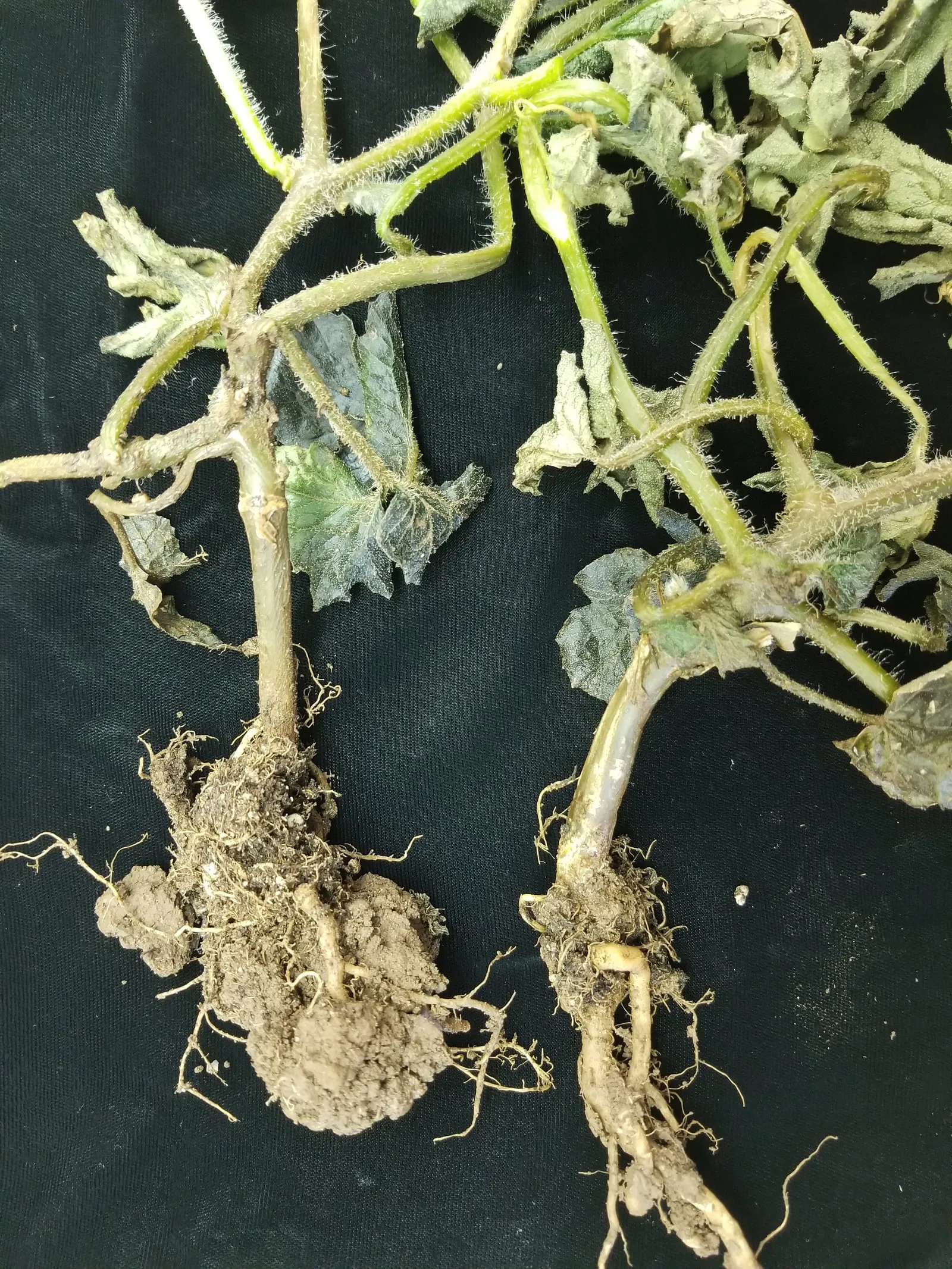
Erwinia tracheiphila
Bacterial disease vectored exclusively by cucumber beetles. Once a plant is infected there is no recovery; whole-plant collapse follows.
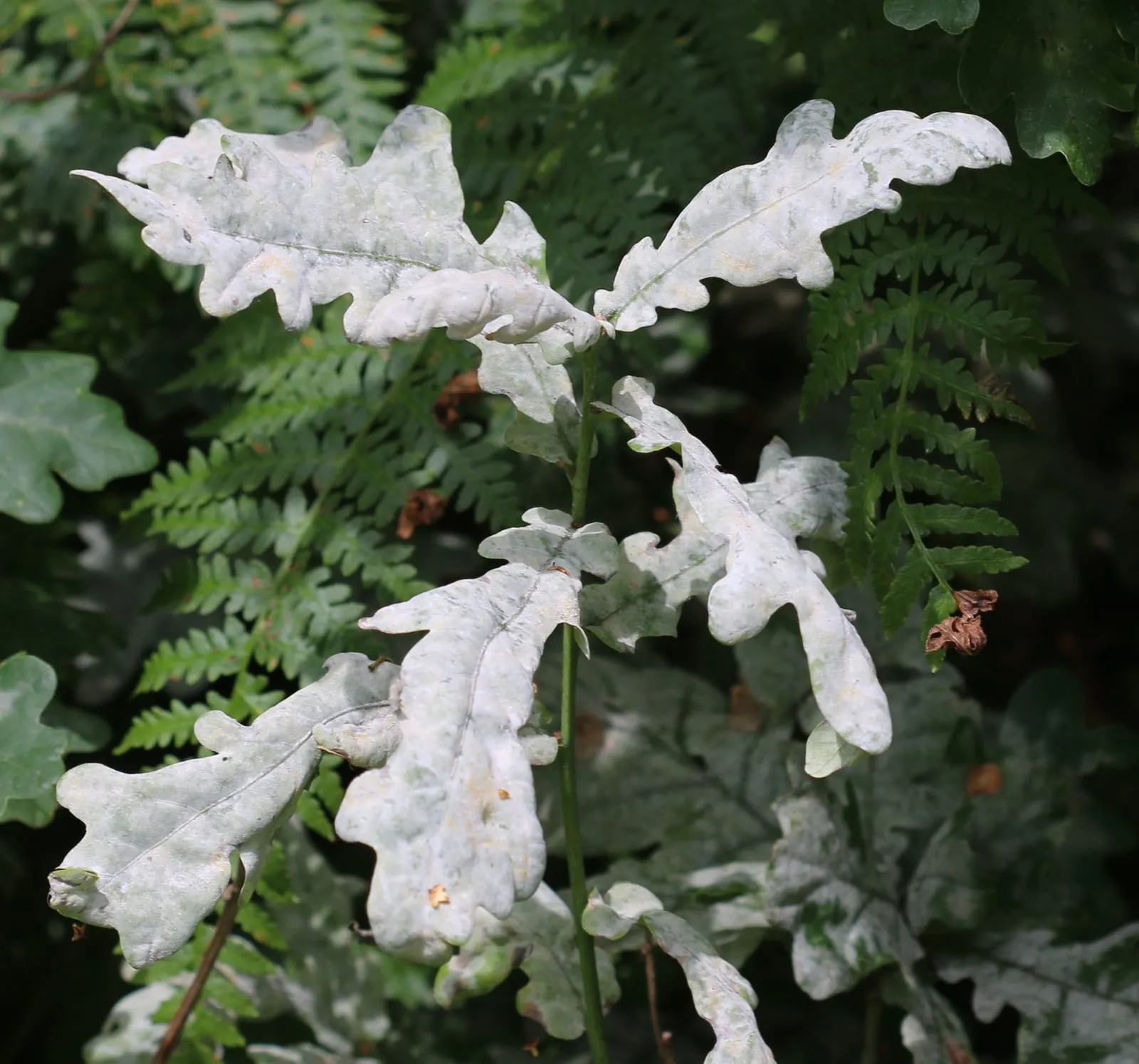
Multiple species (Erysiphales)
Surface-feeding fungal disease producing white powdery growth on leaves and stems. Reduces yield by stealing photosynthate and accelerating senescence.
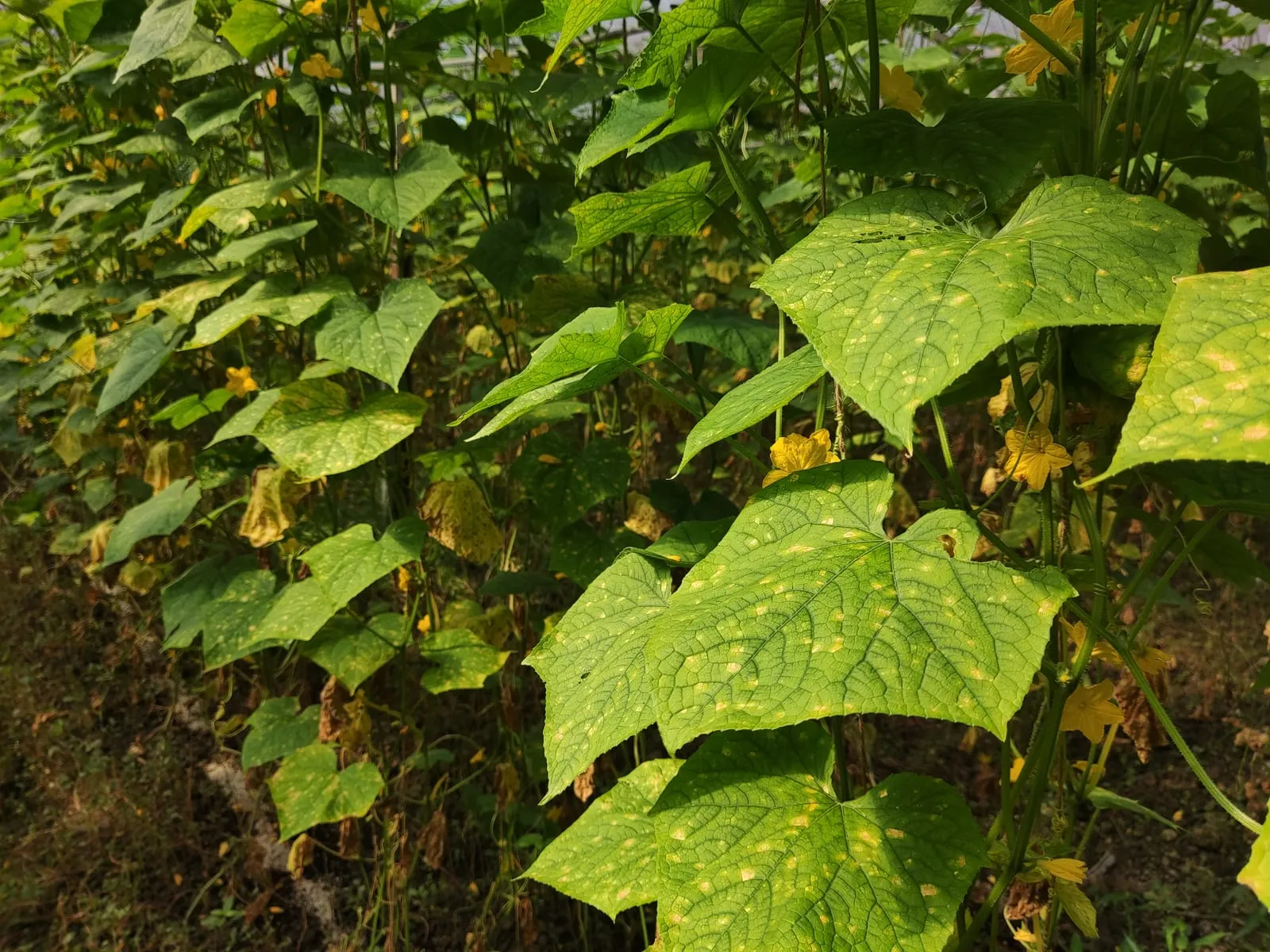
Pseudoperonospora cubensis (cucurbits) and others
Water mold (oomycete, not a true fungus) that thrives in cool damp conditions. Spreads rapidly through cucurbit and brassica plantings on wind-borne spores.
Pythium and Rhizoctonia species
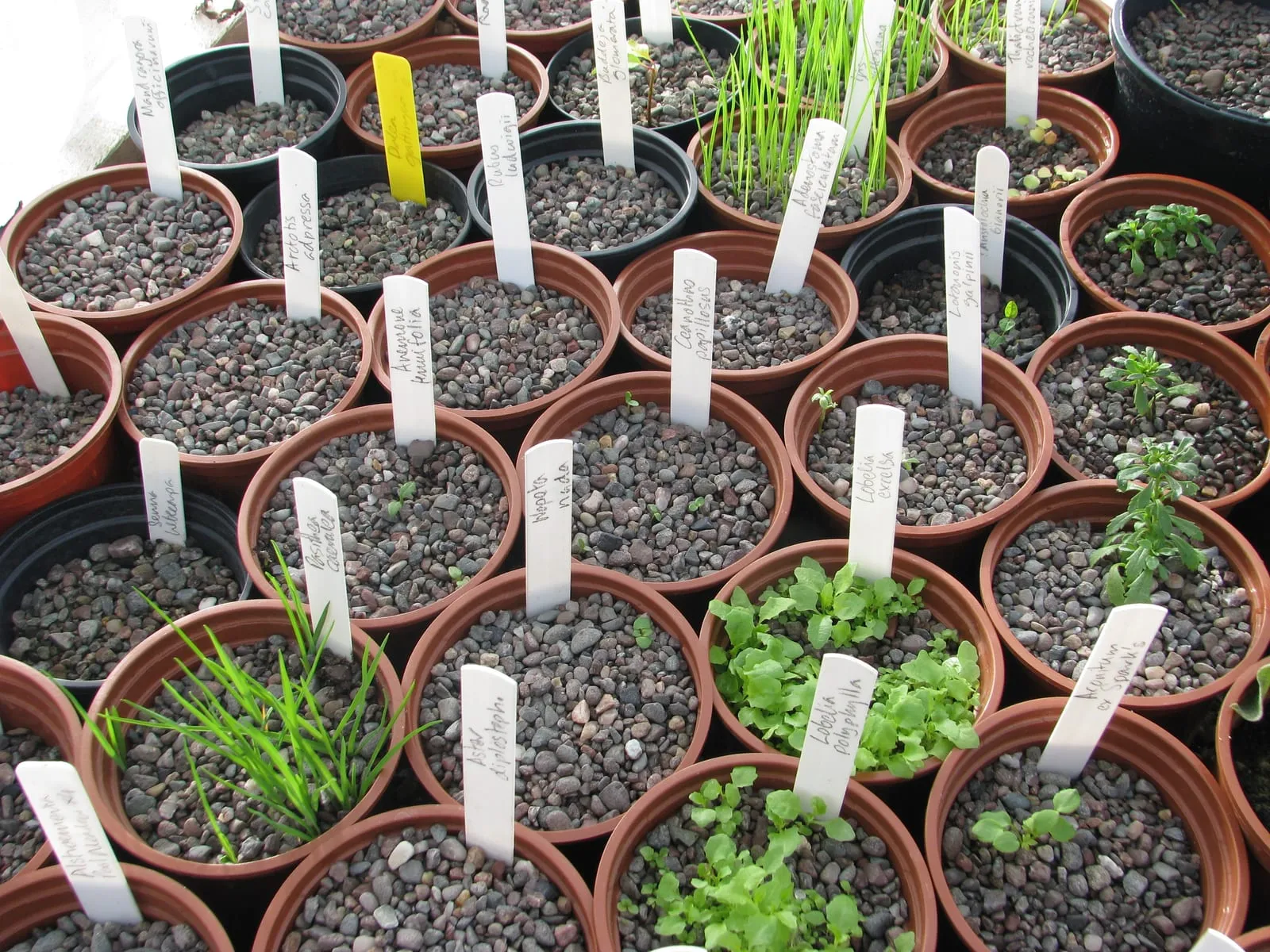
Soil-borne complex of water molds and fungi that kill seedlings before or shortly after emergence. The single most common cause of seed-starting failures.
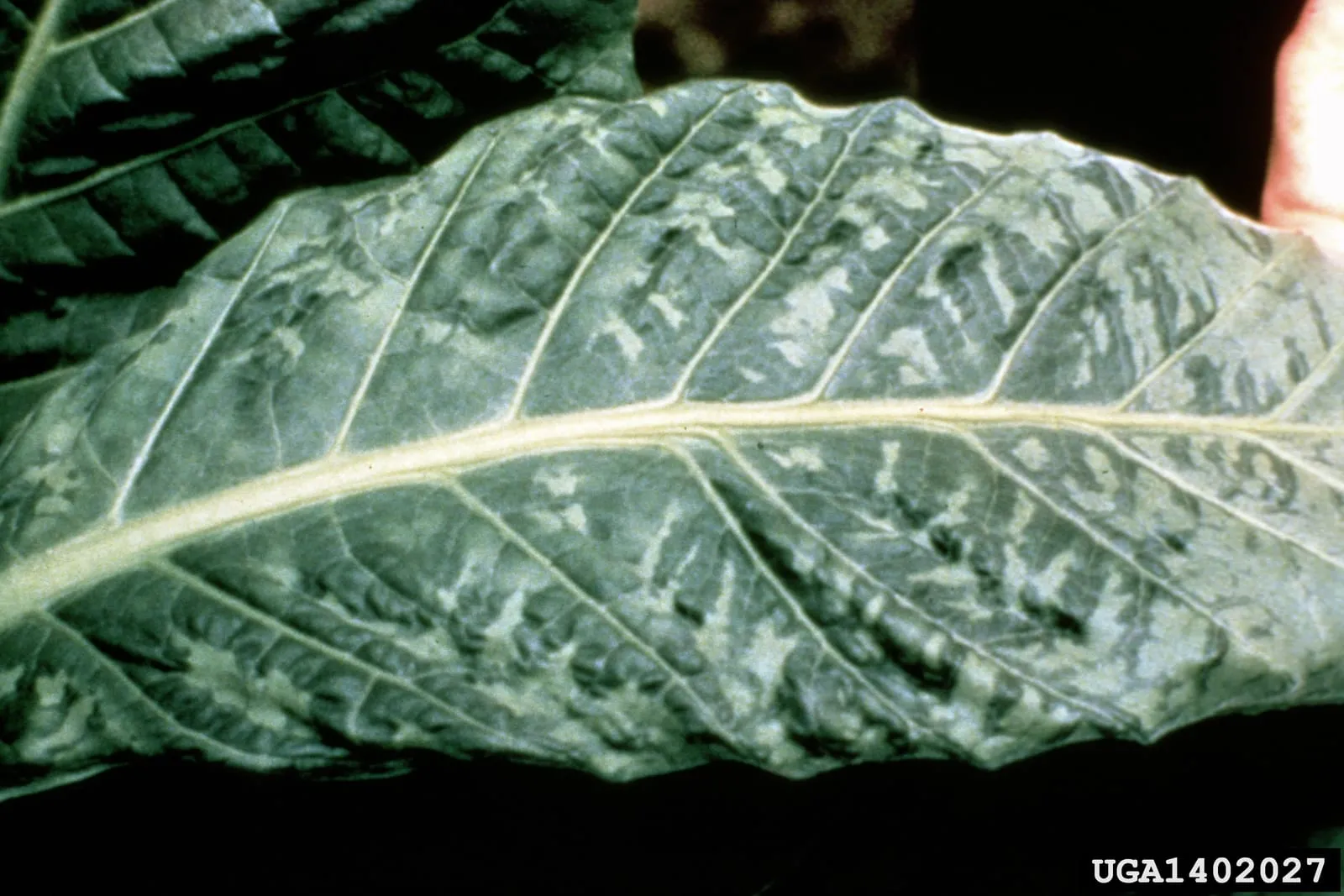
Cucumber mosaic virus, Tobacco mosaic virus, and others
Family of plant viruses producing mottled yellow-and-green leaf patterns. Vectored primarily by aphids; some are seed-transmitted or spread by handling tools and tobacco products.
Modified care for zone 10a
The main care adjustment in zone 10a is protecting plants from heat stress during bloom. Afternoon shade cloth (30 to 40 percent reduction) applied during any extended stretch above 95°F helps preserve flower set and fruit quality. Consistent irrigation is critical since cucumbers are roughly 96 percent water; uneven soil moisture leads to misshapen fruit and bitter flavor. Mulching to a depth of 3 inches holds soil moisture and moderates root-zone temperature. Bacterial wilt, spread by cucumber beetles, warrants early monitoring because beetle populations are persistent in warm climates with no hard freeze to reduce overwintering adults. Downy mildew moves quickly in humid conditions, so selecting varieties with published resistance ratings, where available, is a practical first line of defense. Fungicide applications may be needed earlier in the season than growers from cooler zones expect.
Frequently asked questions
- Can cucumbers be grown year-round in zone 10a?
Not quite. Peak summer heat above 95°F causes flower drop and reduces fruit quality, making June through August the least productive period. The practical growing windows are September through November and January through April, which together span the majority of the year.
- Does bacterial wilt pose a bigger risk in zone 10a than in cooler zones?
Yes. Bacterial wilt is transmitted by cucumber beetles, and populations in zone 10a are not suppressed by hard winter freezes the way they are in zones 5 through 7. Early-season monitoring and quick removal of infected plants are more important in warm climates.
- Is powdery mildew avoidable in zone 10a cucumber plantings?
Rarely avoidable entirely, but manageable. Good air circulation between plants, avoiding overhead irrigation, and selecting varieties with mildew resistance ratings reduce pressure significantly. Powdery mildew typically appears toward the end of a planting's productive life rather than early in the season.
+−
+−
+−
Cucumber in adjacent zones
Image: "Cucumber", by Patricia Rose, via iNaturalist, licensed under CC-BY Source.
Related