vegetable in zone 9b
Growing cucumber in zone 9b
Cucumis sativus
- Zone
- 9b 25°F to 30°F
- Growing season
- 310 days
- Suitable varieties
- 0
- Days to harvest
- 50 to 70
The verdict
Cucumber is a warm-season crop with no chill-hour requirement, so the zone 9b temperature range is not a limiting factor in the way it would be for tree fruit. The 310-day growing season is a genuine asset: growers can run two full production cycles per year, one in spring and one in fall, sidestepping the most difficult summer months when daytime temperatures regularly exceed the crop's comfort range.
The main constraint in zone 9b is heat, not cold. Cucumbers set fruit reliably between roughly 60 and 90°F; above 95°F, pollen viability drops and blossom drop increases. This makes zone 9b a conditional sweet spot rather than an unconditional one. Spring and fall windows are excellent. Midsummer planting is risky without active mitigation. Coastal growers contending with salt spray face an added layer of stress on foliage during hot periods, which can compound disease susceptibility.
Critical timing for zone 9b
In zone 9b, the practical planting windows run from late January through March for spring crops and from mid-August through September for fall crops. Spring transplants set out in February typically reach harvest by late April or early May, well ahead of peak summer heat. Direct-sown seed in late January germinates quickly in warming soil and produces fruit on a similar schedule.
Fall plantings are often the higher-yielding cycle in this zone. Seed started in mid-August matures through October and November, when temperatures are consistently in the optimal range and disease pressure from heat-related stress subsides. The frost risk in zone 9b is low but real; a brief frost event in late December or January can terminate a fall crop that has run long. Harvest typically spans 50 to 65 days from transplant depending on variety type.
Common challenges in zone 9b
- ▸ Heat stress in summer
- ▸ Insufficient chill for most apples
- ▸ Salt spray near coasts
Disease pressure to watch for
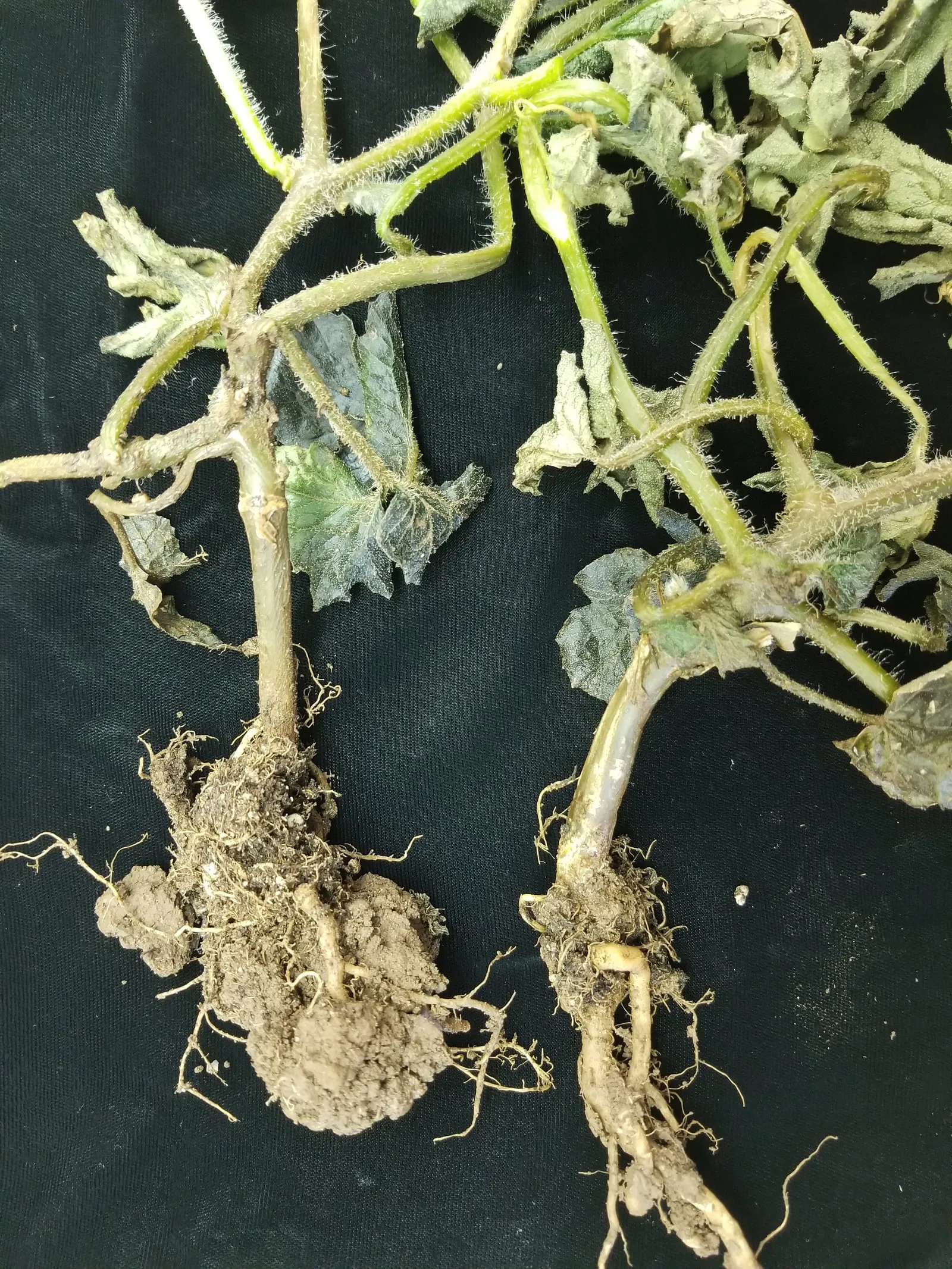
Erwinia tracheiphila
Bacterial disease vectored exclusively by cucumber beetles. Once a plant is infected there is no recovery; whole-plant collapse follows.
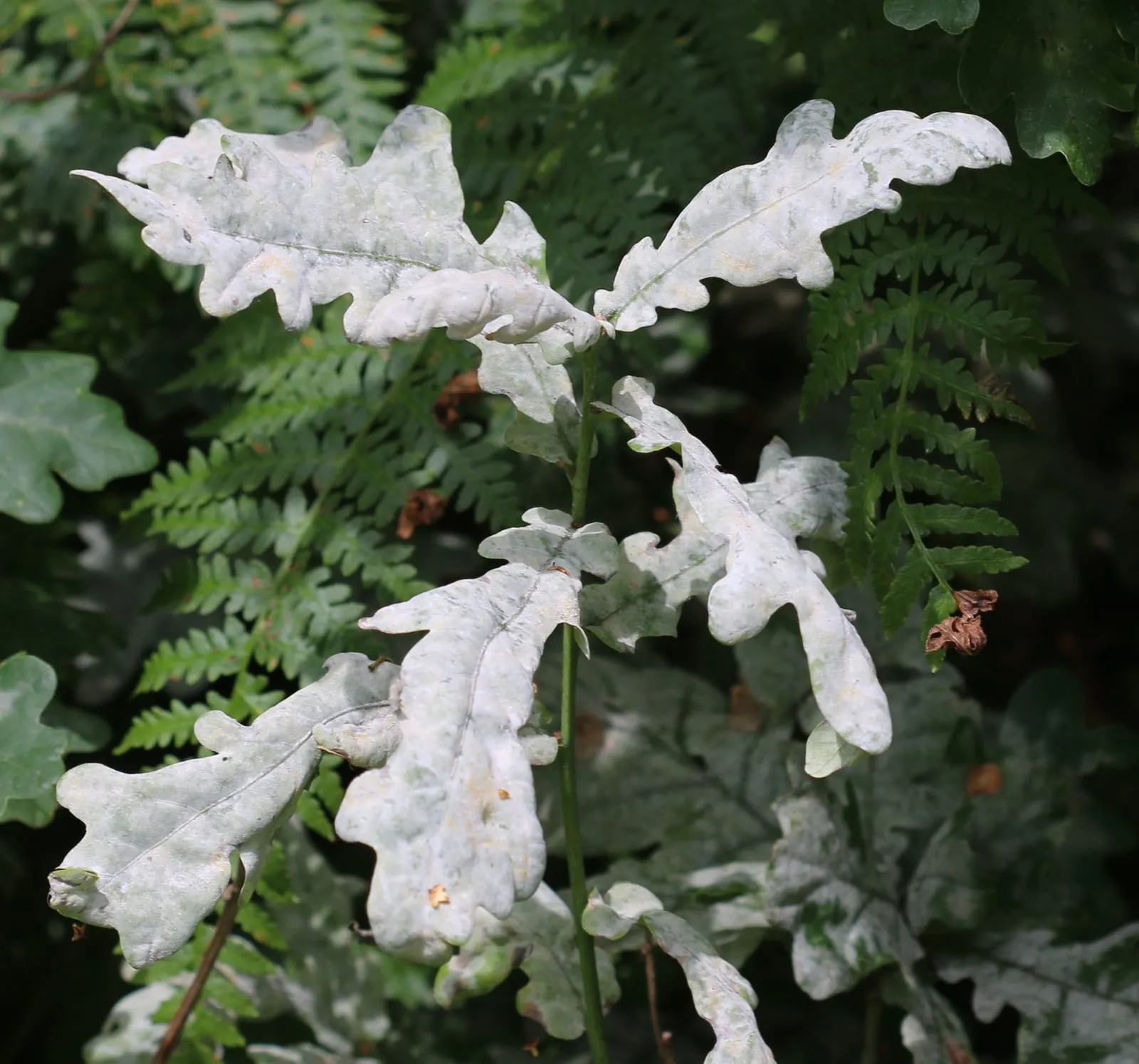
Multiple species (Erysiphales)
Surface-feeding fungal disease producing white powdery growth on leaves and stems. Reduces yield by stealing photosynthate and accelerating senescence.
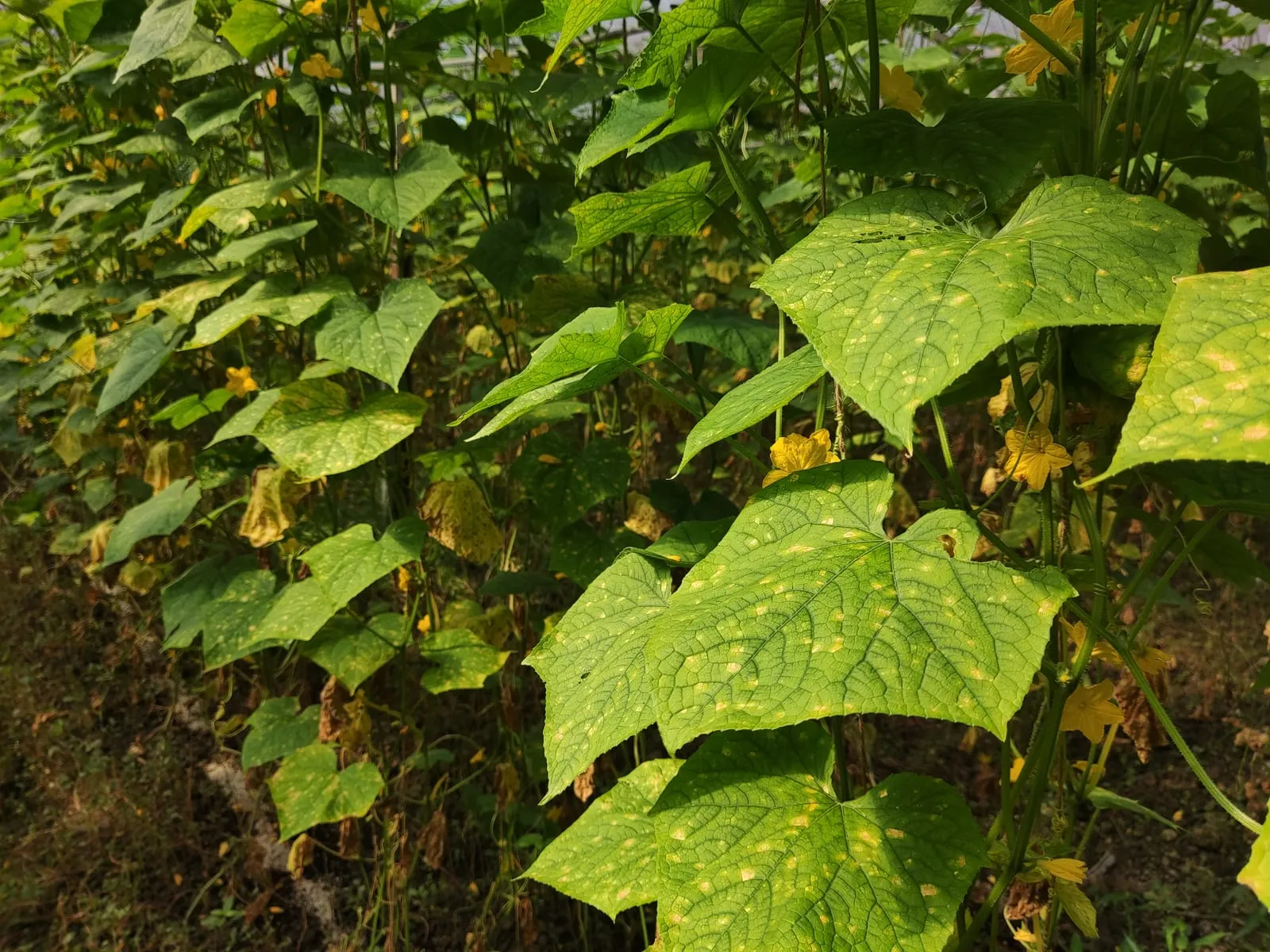
Pseudoperonospora cubensis (cucurbits) and others
Water mold (oomycete, not a true fungus) that thrives in cool damp conditions. Spreads rapidly through cucurbit and brassica plantings on wind-borne spores.
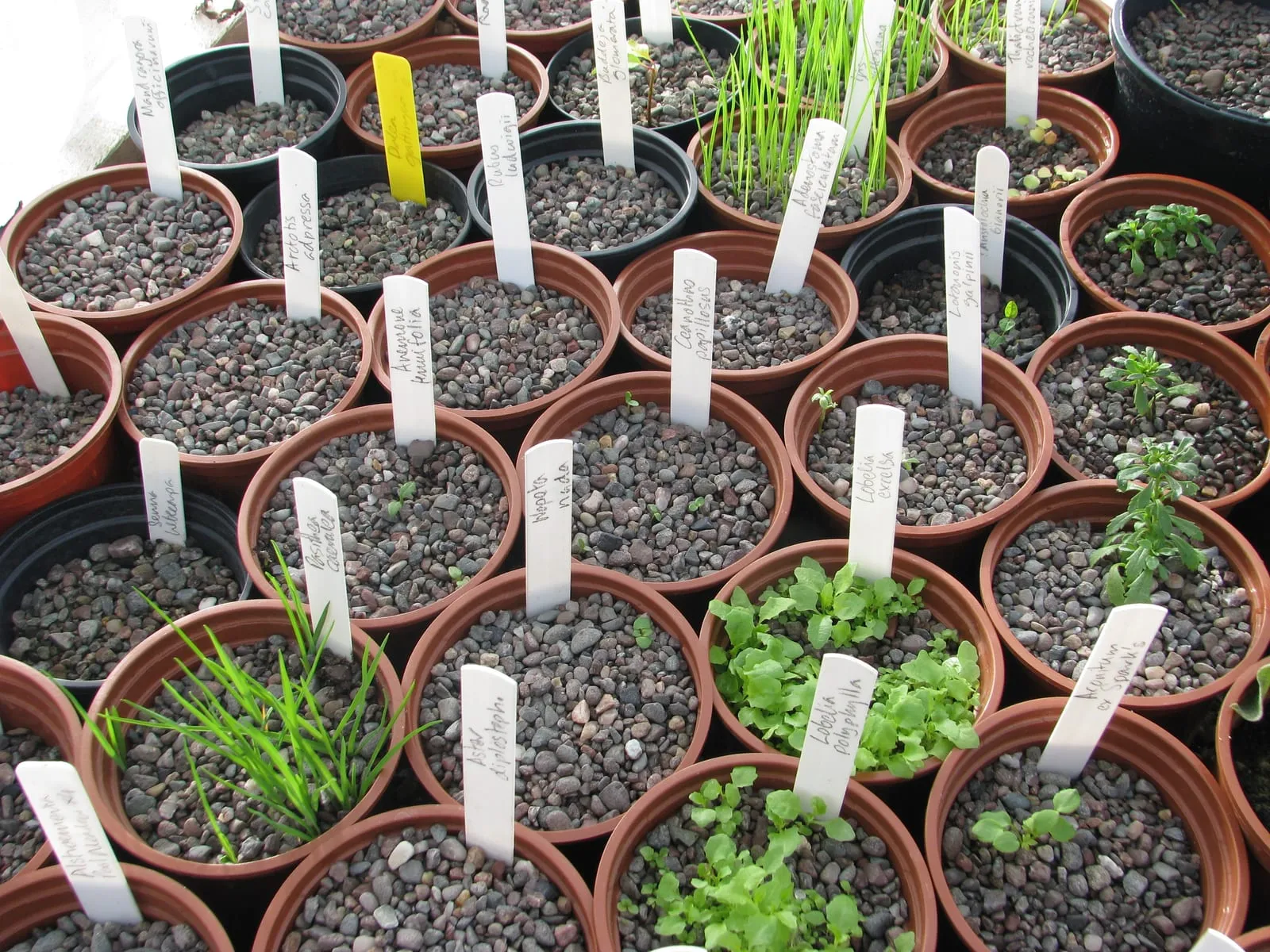
Pythium and Rhizoctonia species
Soil-borne complex of water molds and fungi that kill seedlings before or shortly after emergence. The single most common cause of seed-starting failures.
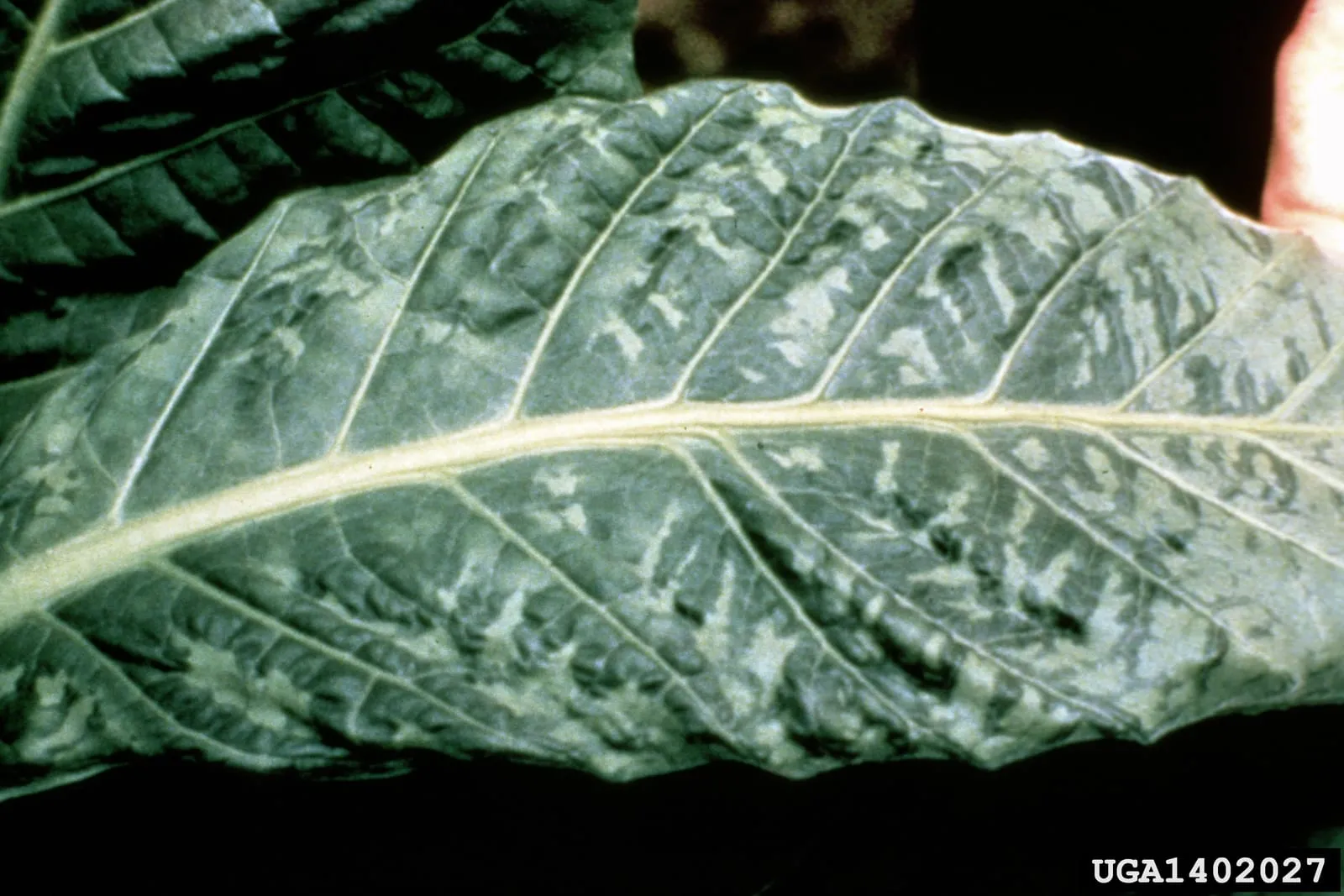
Cucumber mosaic virus, Tobacco mosaic virus, and others
Family of plant viruses producing mottled yellow-and-green leaf patterns. Vectored primarily by aphids; some are seed-transmitted or spread by handling tools and tobacco products.
Modified care for zone 9b
The two adjustments that matter most in zone 9b are shade management during summer and consistent soil moisture throughout the season. During June through August, a 30 to 40 percent shade cloth over cucumber rows reduces canopy temperature enough to maintain better fruit set. Without it, yields in a summer planting drop sharply.
Downy mildew and powdery mildew both intensify under the combination of warm nights, high humidity, and stressed plants that zone 9b summers produce. Selecting resistant varieties where available and maintaining airflow through trellised plants reduces infection pressure more reliably than reactive spraying. Bacterial wilt, spread by cucumber beetles, is harder to manage culturally; row covers during early establishment delay beetle access and are worth the added work. Mulching to 3 to 4 inches conserves moisture and moderates soil temperature, which helps plants sustain production longer into hot spells.
Frequently asked questions
- Can cucumber be grown year-round in zone 9b?
Not practically. Midsummer heat above 95°F reduces fruit set significantly, and a brief winter frost can kill plants in December or January. Two cycles per year, spring and fall, are the reliable approach. A greenhouse or heavy row cover can extend the season, but open-field year-round production is inconsistent.
- Why does cucumber drop blossoms in zone 9b summers?
Pollen viability declines sharply above about 95°F, and pollinator activity also drops during peak heat. The result is blossom drop and poor fruit set. This is a temperature effect, not a disease or nutrient issue. Planting earlier in spring or waiting for the fall window avoids it.
- Which diseases are most common for cucumber in zone 9b?
Downy mildew and powdery mildew are the primary concerns, particularly in fall when humidity rises and nights cool. Bacterial wilt, vectored by striped and spotted cucumber beetles, occurs throughout the season. Selecting resistant varieties and using row covers during establishment addresses both categories.
- How much water does cucumber need in zone 9b's heat?
Cucumber needs consistent moisture, roughly 1 to 1.5 inches per week, and more during heat spikes. Irregular watering contributes to bitter fruit and blossom end problems. Drip irrigation under mulch is more efficient than overhead watering and reduces foliar disease pressure.
+−
+−
+−
+−
Cucumber in adjacent zones
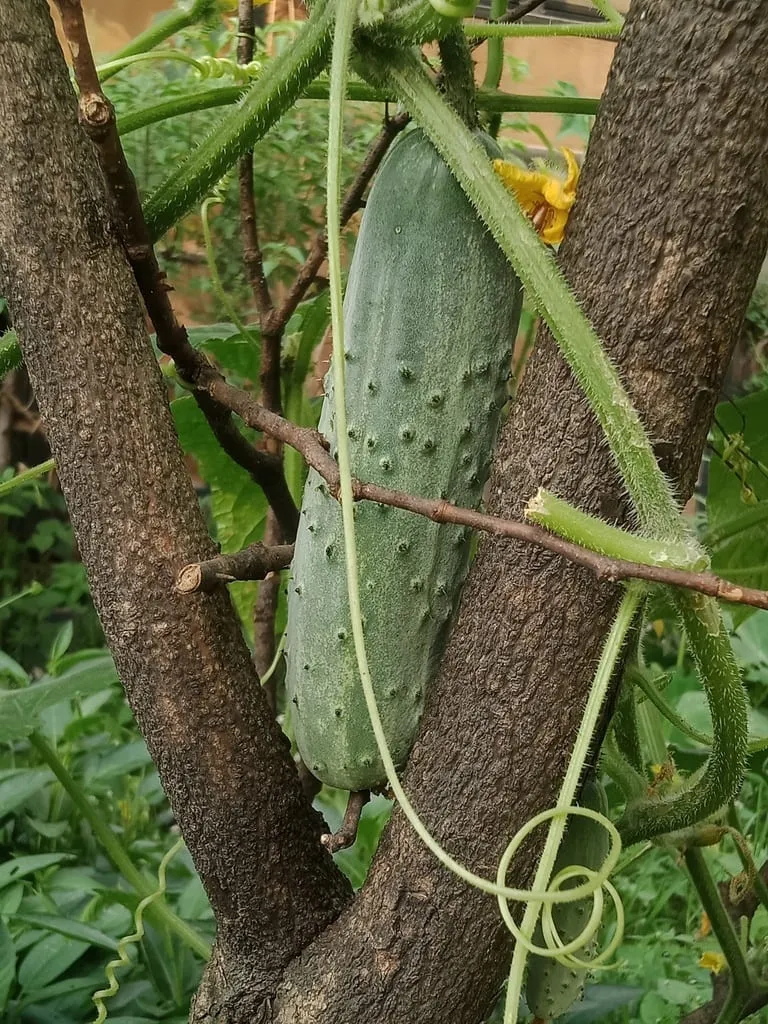
Image: "Cucumber", by Patricia Rose, via iNaturalist, licensed under CC-BY Source.
Related