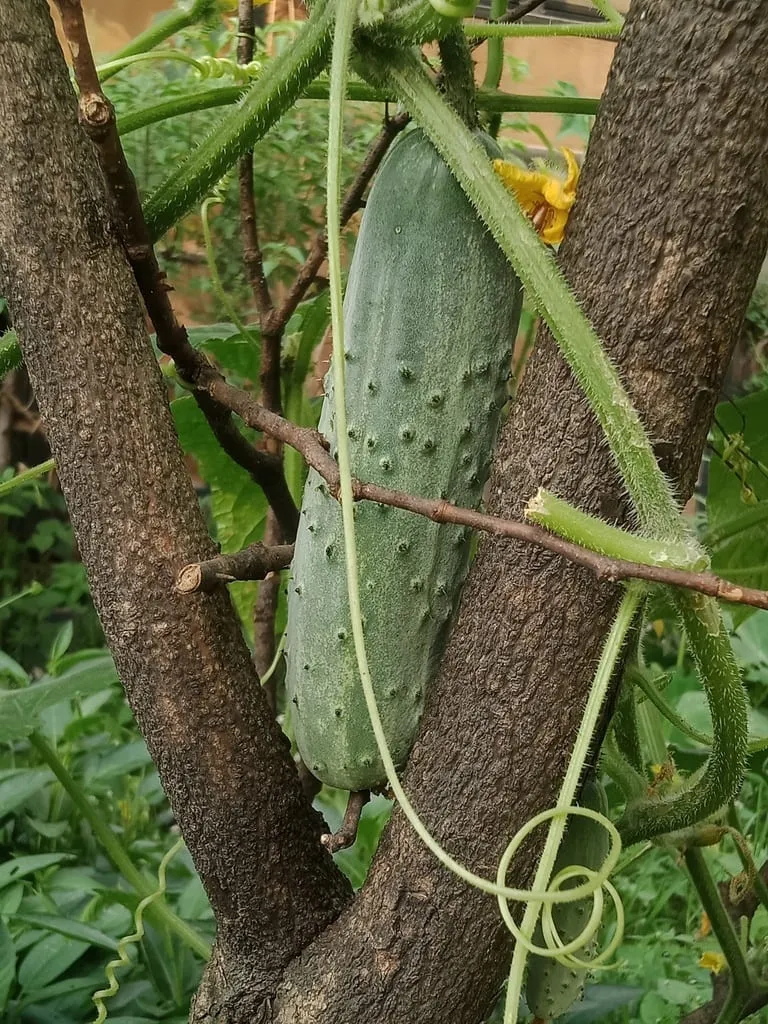
vegetable in zone 9a
Growing cucumber in zone 9a
Cucumis sativus
- Zone
- 9a 20°F to 25°F
- Growing season
- 290 days
- Suitable varieties
- 1
- Days to harvest
- 50 to 70
The verdict
Cucumber is a warm-season annual with no chill-hour requirement, so the cold-hardiness calculations that complicate stone fruit selection in zone 9a simply do not apply. The 290-day growing season substantially exceeds what cucumbers need to complete a full cycle, and mild winters allow for both an early spring window and a productive fall window that shorter-season zones cannot support. Zone 9a is a genuine sweet spot for cucumbers, not a marginal case.
The primary constraint shifts from cold to heat: sustained temperatures above 95°F can reduce fruit set and accelerate bitterness in less heat-tolerant varieties. Suyo Long, a traditional Asian slicing type noted for this zone, handles warm conditions well and produces long, mild-flavored fruit with thinner skin than most American slicers. Disease pressure, particularly bacterial wilt vectored by cucumber beetles, powdery mildew, and downy mildew, is a more significant management challenge in zone 9a than temperature extremes ever will be.
Recommended varieties for zone 9a
1 cultivar suited to this zone, with disease-resistance and zone-fit annotations.
| Variety | Notes | Zone fit | Disease resistance |
|---|---|---|---|
| Suyo Long fits zone 9a | Sweet, burpless, crisp; foot-long ribbed Asian cucumber. Stir-fries, fresh, salads. Productive in heat where other cucumbers fail. Trellis required. | | none noted |
Critical timing for zone 9a
Zone 9a supports two productive planting windows. The spring window opens in late February to early March, when soil temperatures reliably reach 60°F and frost risk has largely passed. Direct-seeded cucumbers emerge in 7 to 10 days at that soil temperature; expect first harvest 50 to 65 days from sowing depending on variety. Plants typically peak in May and early June before summer heat intensifies.
The fall window opens in mid-August, allowing plants to mature well before temperatures drop below the crop's productive range in November. This timing also partially sidesteps peak summer disease pressure. Hurricane season runs June through November and overlaps with both windows; gardeners in coastal zone 9a should account for the possibility of storm damage during late-summer harvests.
Common challenges in zone 9a
- ▸ Limited stone fruit options due to insufficient chill
- ▸ Hurricane and tropical storm exposure
- ▸ Citrus disease pressure
Disease pressure to watch for
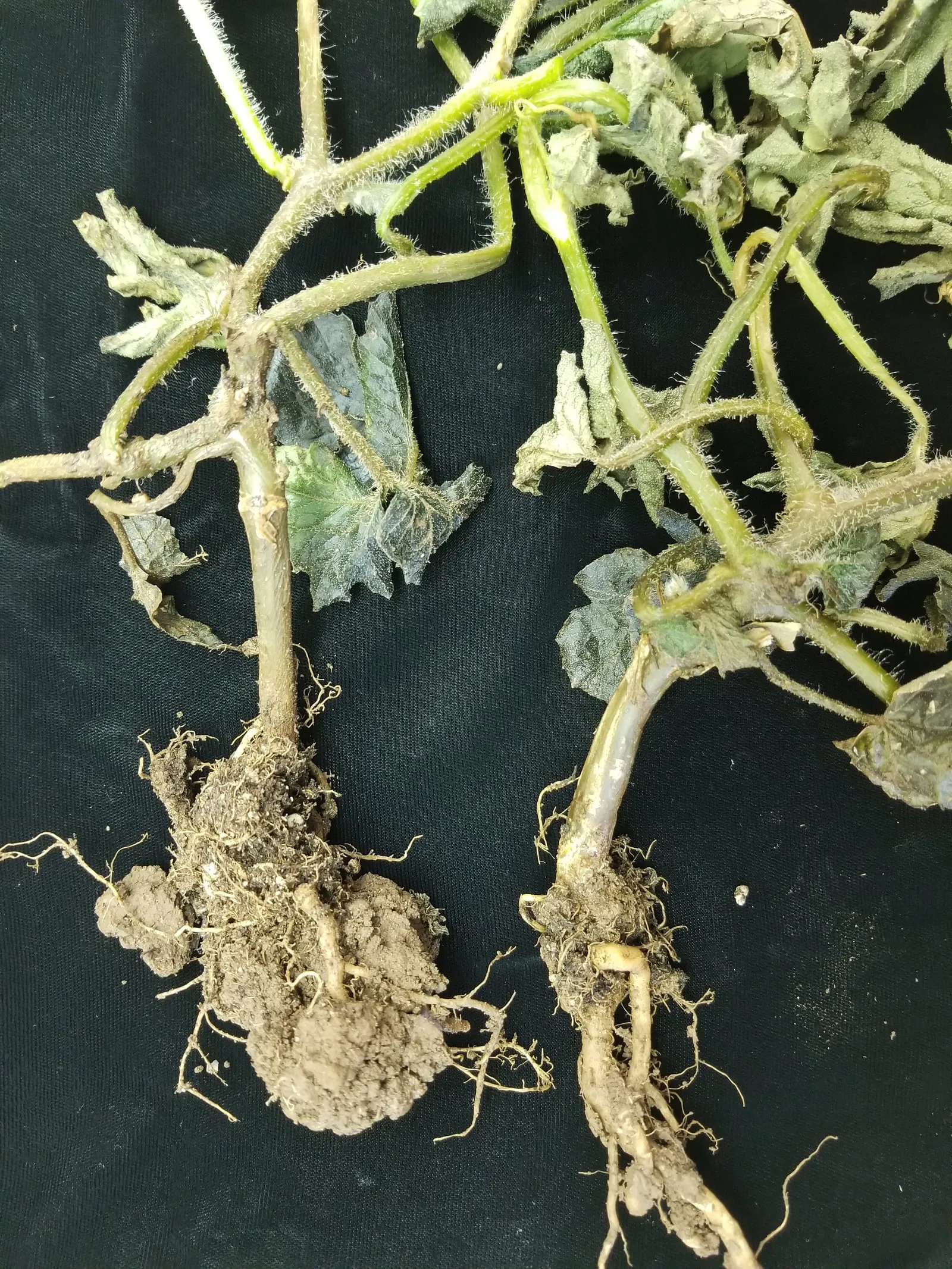
Erwinia tracheiphila
Bacterial disease vectored exclusively by cucumber beetles. Once a plant is infected there is no recovery; whole-plant collapse follows.
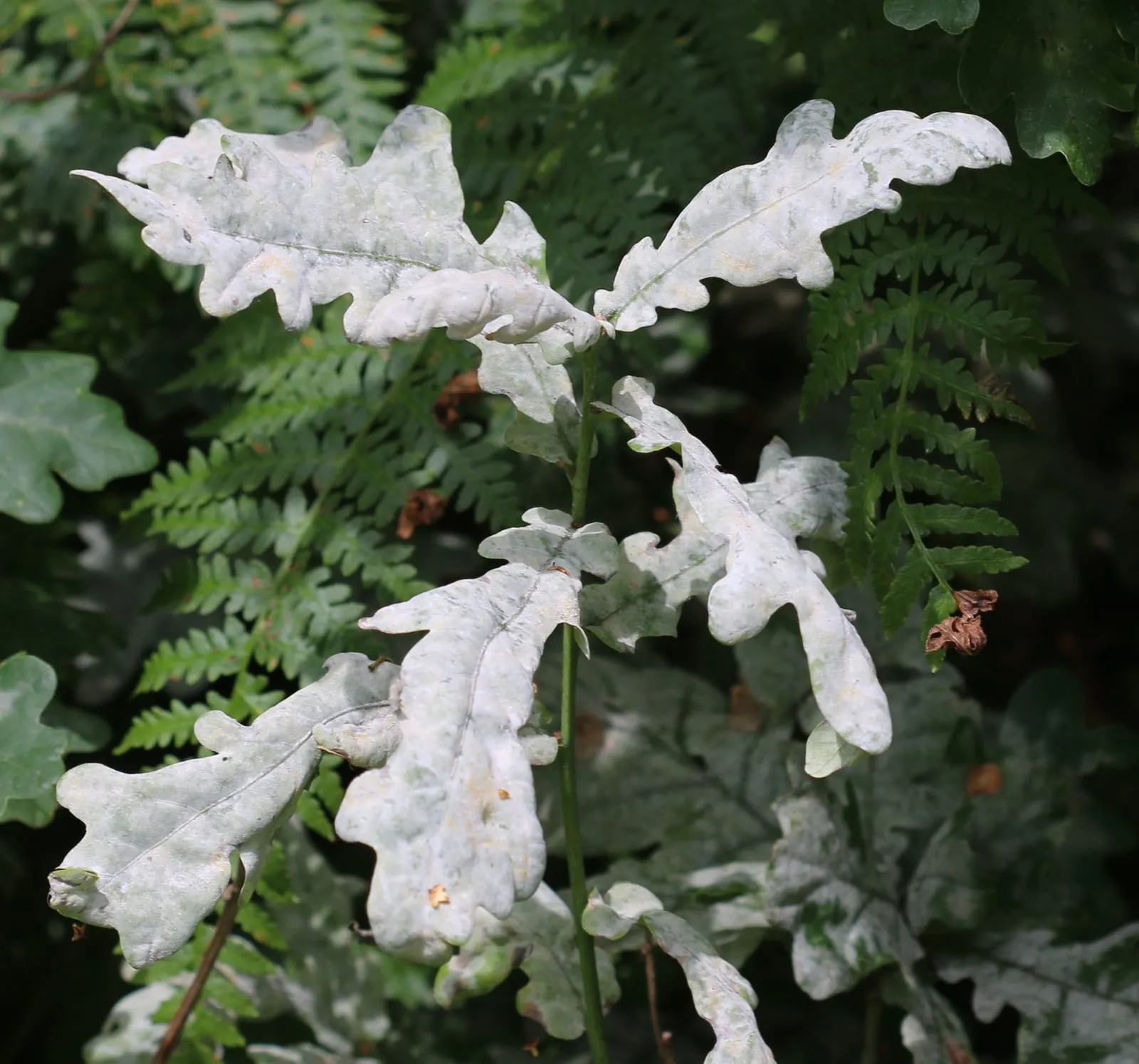
Multiple species (Erysiphales)
Surface-feeding fungal disease producing white powdery growth on leaves and stems. Reduces yield by stealing photosynthate and accelerating senescence.
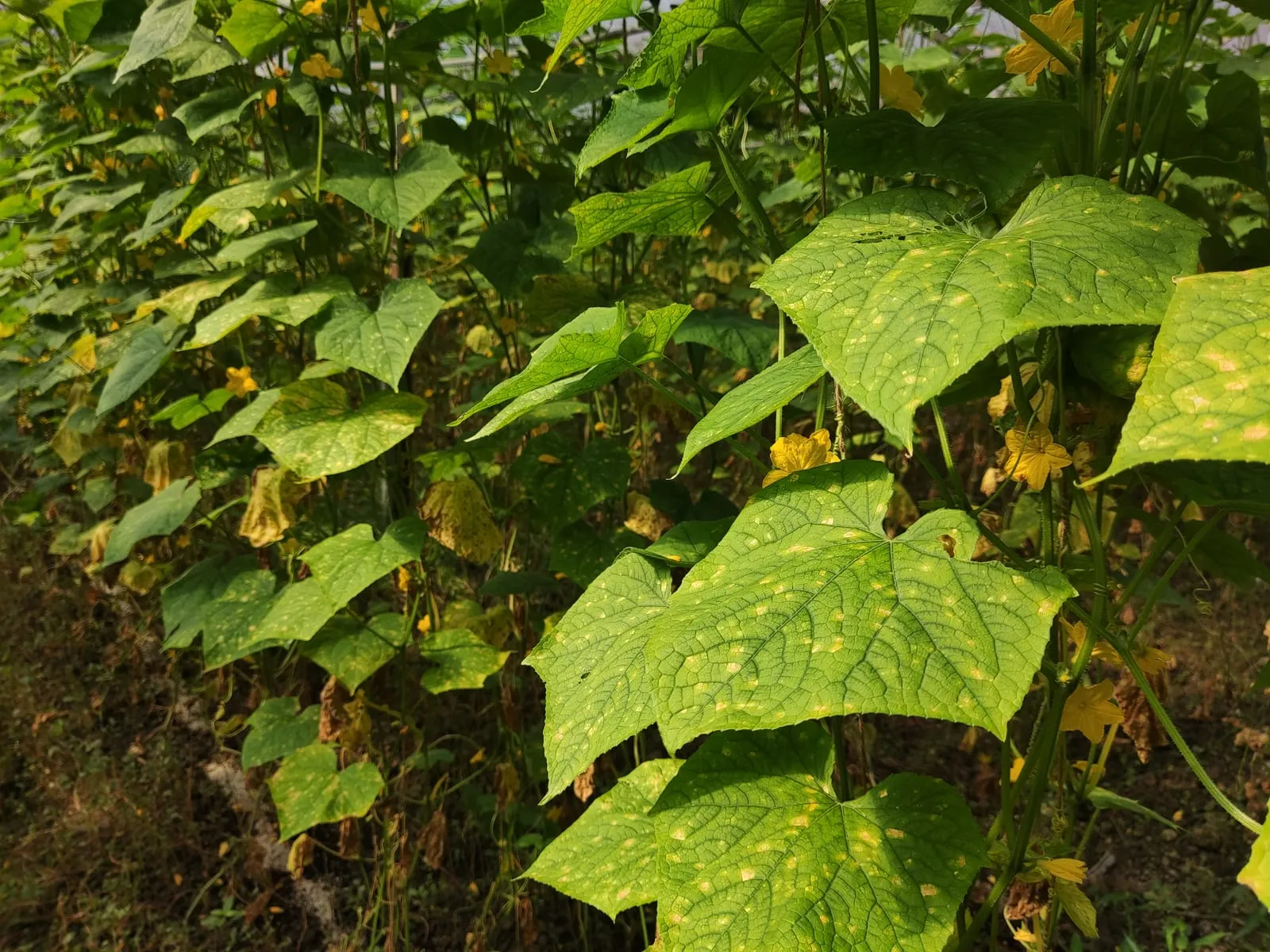
Pseudoperonospora cubensis (cucurbits) and others
Water mold (oomycete, not a true fungus) that thrives in cool damp conditions. Spreads rapidly through cucurbit and brassica plantings on wind-borne spores.
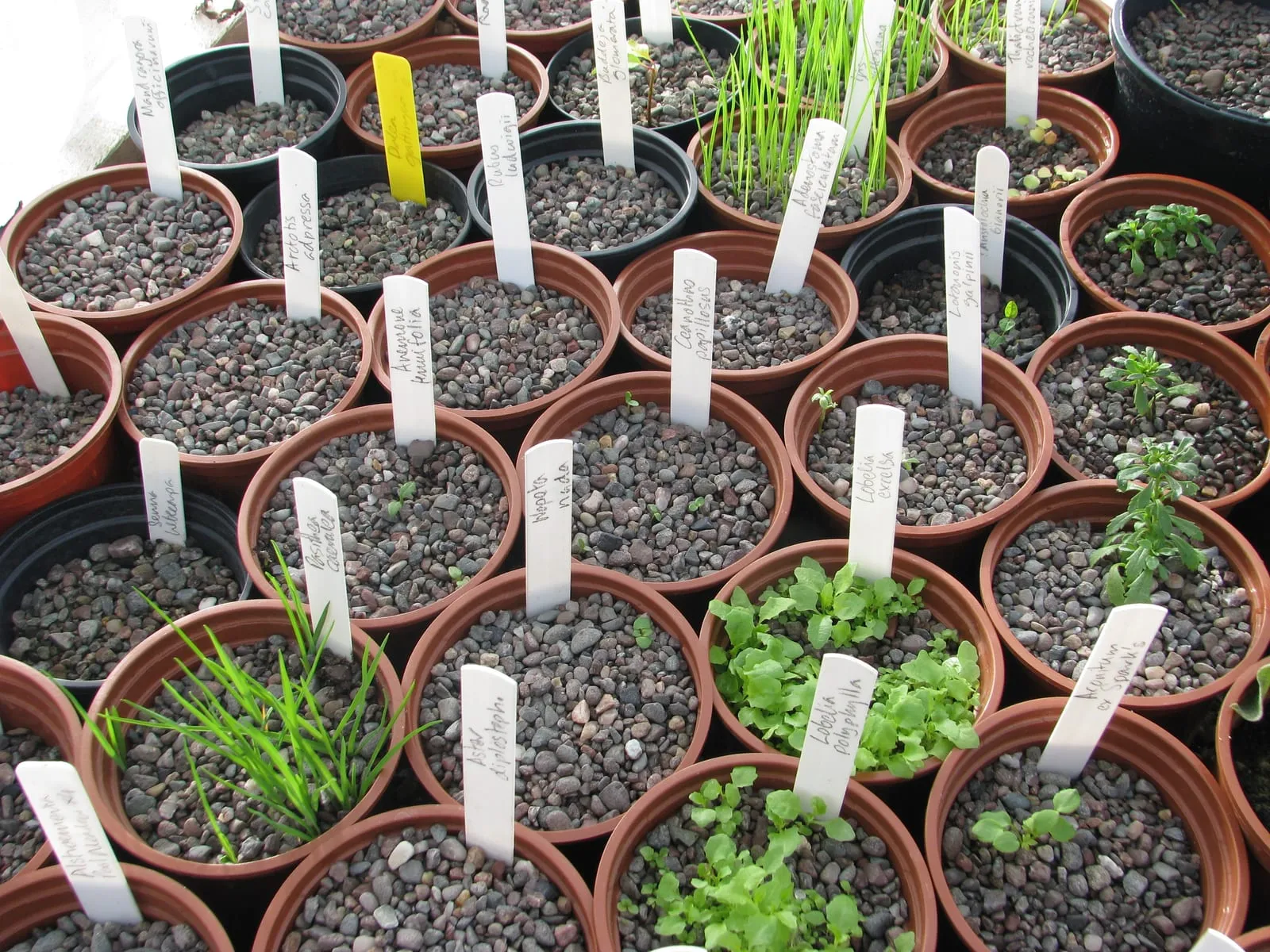
Pythium and Rhizoctonia species
Soil-borne complex of water molds and fungi that kill seedlings before or shortly after emergence. The single most common cause of seed-starting failures.
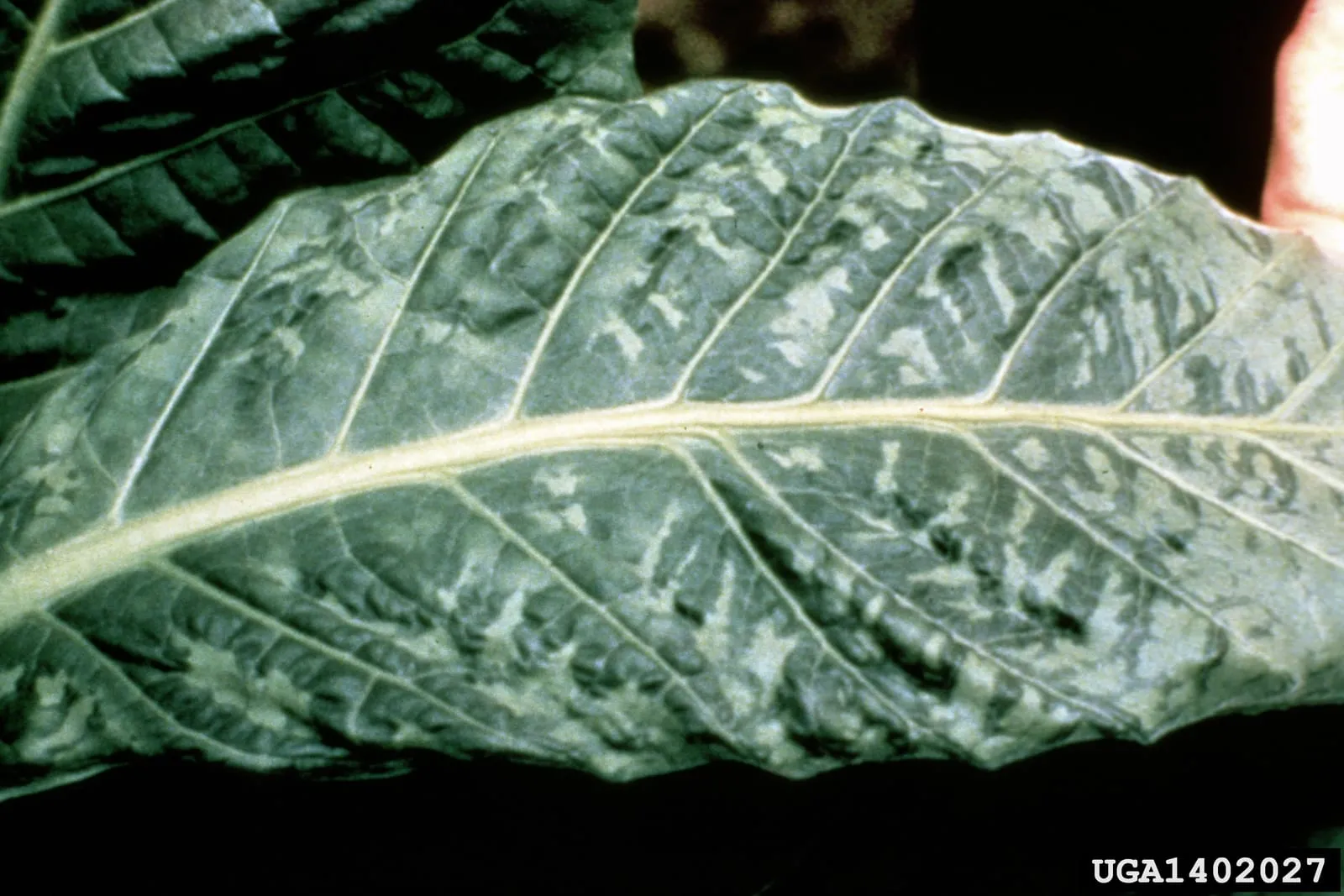
Cucumber mosaic virus, Tobacco mosaic virus, and others
Family of plant viruses producing mottled yellow-and-green leaf patterns. Vectored primarily by aphids; some are seed-transmitted or spread by handling tools and tobacco products.
Modified care for zone 9a
The primary adjustments in zone 9a center on heat and disease management. During peak summer months, shade cloth rated at 30 to 40 percent reduces leaf scorch and supports fruit set when temperatures regularly exceed 95°F. Consistent, deep watering is more critical here than in northern zones; uneven soil moisture accelerates bitterness in fruit and weakens plant resistance to foliar disease.
Bacterial wilt spreads through cucumber beetle feeding, and beetle populations are active longer in zone 9a's extended warm season. Floating row covers during the seedling stage reduce early feeding pressure, though covers must come off once flowers open for pollination. Powdery mildew and downy mildew both intensify under the humid conditions common to this zone; trellis training to open the canopy and prompt removal of infected foliage limit spread more effectively than reactive sprays. No winter protection is needed, as the crop completes its cycle well before zone 9a's mild winter minimums become relevant.
Frequently asked questions
- Can cucumbers be grown year-round in zone 9a?
Not continuously. Cucumbers stall and decline when temperatures regularly exceed 100°F, making midsummer in the hottest parts of zone 9a unproductive. Two defined windows, spring and fall, yield the best results. A brief gap in July and early August is normal rather than a failure of the planting plan.
- Why is Suyo Long recommended for zone 9a over standard American slicers?
Suyo Long tolerates heat better than most American slicing types and produces thin-skinned fruit that does not require peeling. It also shows reasonable tolerance to bitter flavor under heat stress. That combination makes it better suited to zone 9a's extended warm season than varieties bred for northern climates.
- How do cucumber beetles spread bacterial wilt, and can it be treated once a plant is infected?
Striped and spotted cucumber beetles carry the bacterium Erwinia tracheiphila in their gut and transmit it while feeding. Once a plant wilts from bacterial wilt infection, there is no effective cure; the plant should be removed and discarded, not composted. Prevention through beetle control before feeding occurs is the only reliable management approach.
+−
+−
+−
Cucumber in adjacent zones
Image: "Cucumber", by Patricia Rose, via iNaturalist, licensed under CC-BY Source.
Related