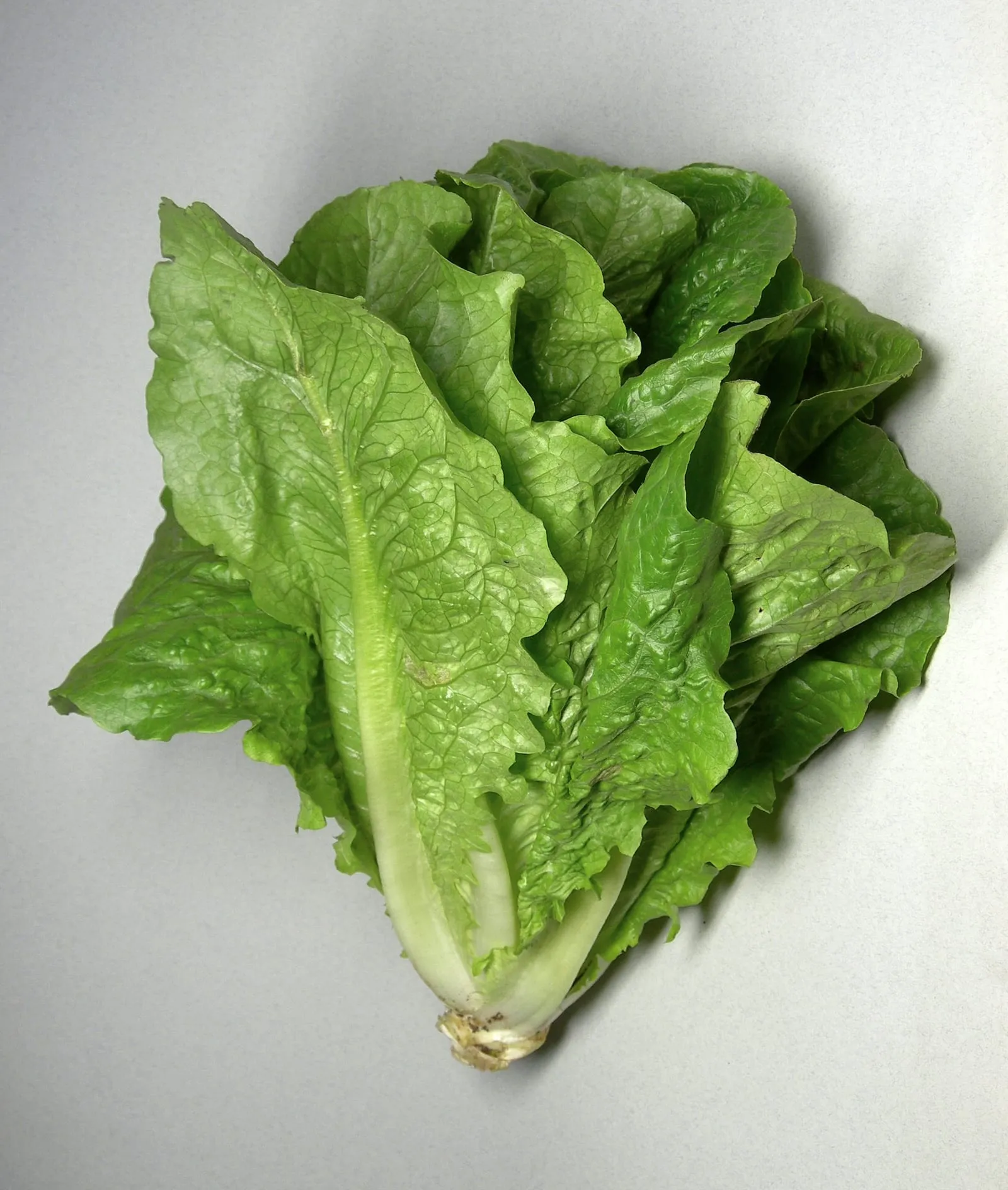
vegetable
Lettuce
Lactuca sativa
USDA hardiness range
- Zones
- 3a–9b
- Days to harvest
- 30 to 70
- Sun
- Partial
- Water
- Moderate
- Lifespan
- annual
Growing lettuce
Lettuce (Lactuca sativa) is listed as suitable for zones 3a through 9b, a range that covers nearly the entire continental United States. The binding constraint is not zone but temperature window. Lettuce is a cool-season annual that grows best when daytime highs stay between 60 and 70°F. Below 45°F, growth slows markedly. Above 75°F sustained, most varieties bolt, sending up a seed stalk and turning leaves bitter within days.
In zones 3a through 5b, the productive window runs from late spring through early fall, with frost risk on both ends. In zones 6 and 7, spring and fall crops are both reliable; July and August planting is difficult without shade or bolt-tolerant varieties. In zones 8 and 9, lettuce shifts to a fall-through-spring crop, with summer planting rarely succeeding regardless of variety selection.
Days to harvest range from 30 days for cut-and-come-again leaf harvest to 70 days for full-head types. That short window makes succession sowing every two to three weeks practical and worthwhile. Growers who struggle with lettuce typically do one of two things: they plant heading types too close to the onset of summer heat, or they treat it as a set-and-forget crop rather than one that demands attention to timing. Lettuce rewards close observation and loses quickly when timing is off by even two weeks.
Recommended varieties
See all 5 →5 cultivars for home growers, with notes on flavor, ripening, and disease resistance.
| Variety | Notes | Zone fit | Disease resistance |
|---|---|---|---|
| Buttercrunch | Sweet, tender, buttery; loose-heading bibb-style green leaf. Salads, sandwiches, fresh. AAS winner, slow to bolt, heat-tolerant for the type, the home-garden butter lettuce standard. | | none noted |
| Black Seeded Simpson | Sweet, crisp, classic loose-leaf flavor; pale green frilly leaves. Salads, sandwiches, fast cut-and-come-again harvest. Heritage variety, fastest to harvest (45 days from seed). | | none noted |
| Romaine Parris Island | Crisp, refreshing, classic upright Romaine flavor; tall green heads. Caesar salad, sandwiches, wraps. Heat-tolerant, slow to bolt, the home-garden romaine standard. | | none noted |
| Red Sails | Mild, slightly sweet, deep wine-red ruffled leaves; loose-leaf. Salads, garnish. AAS winner, slow to bolt, holds color and quality. | | none noted |
| Iceberg / Great Lakes | Crisp, watery, mild; classic crisphead with tight pale-green head. BLTs, taco shells, wedge salads. Heritage commercial variety, slow to germinate but solid heading. | | none noted |
Soil and site requirements
Lettuce performs best in loose, well-drained soil with a pH between 6.0 and 7.0. Compacted or heavy clay soils slow surface drainage, increasing the risk of white mold at the crown and producing shallow, underdeveloped roots. Raised beds amended with compost address both issues simultaneously, improving drainage while maintaining the consistent moisture lettuce requires.
The partial-sun designation reflects a practical tradeoff that shifts by zone. In zones 3 through 5, full sun is generally preferable; ambient temperatures are moderate enough that additional light speeds maturity without triggering bolting. In zones 6 through 9, afternoon shade extends the harvest window by two to three weeks by moderating soil temperature. East-facing exposures with morning sun and afternoon shade are preferable for late-spring plantings in warm zones.
Spacing depends on harvest strategy. Leaf varieties harvested cut-and-come-again tolerate dense sowing at two to three inches, with thinnings eaten as they come. Heading varieties need eight to ten inches to form properly; crowded heads restrict airflow and create conditions favorable for downy mildew. Water at the base rather than overhead to keep foliage dry, and apply mulch to maintain even soil moisture. Irregular moisture, more than any other cultural variable, triggers tipburn and accelerates bolting in warming weather. See the Cornell Lettuce Production Guide for soil preparation and fertility recommendations.
Common diseases
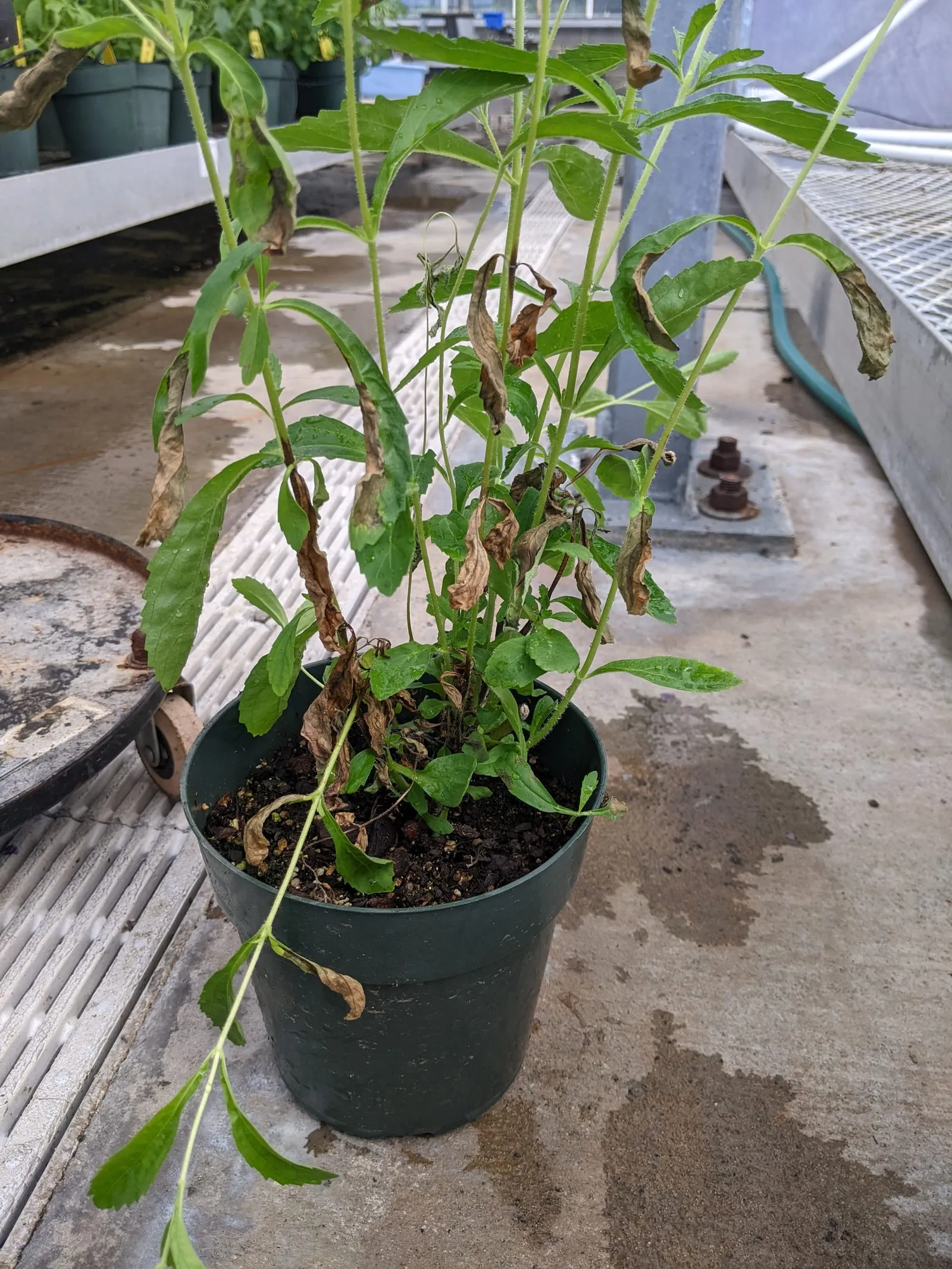
Tomato spotted wilt orthotospovirus (TSWV)
Virus vectored by thrips, particularly western flower thrips. Wide host range and growing global distribution. No cure once infected.
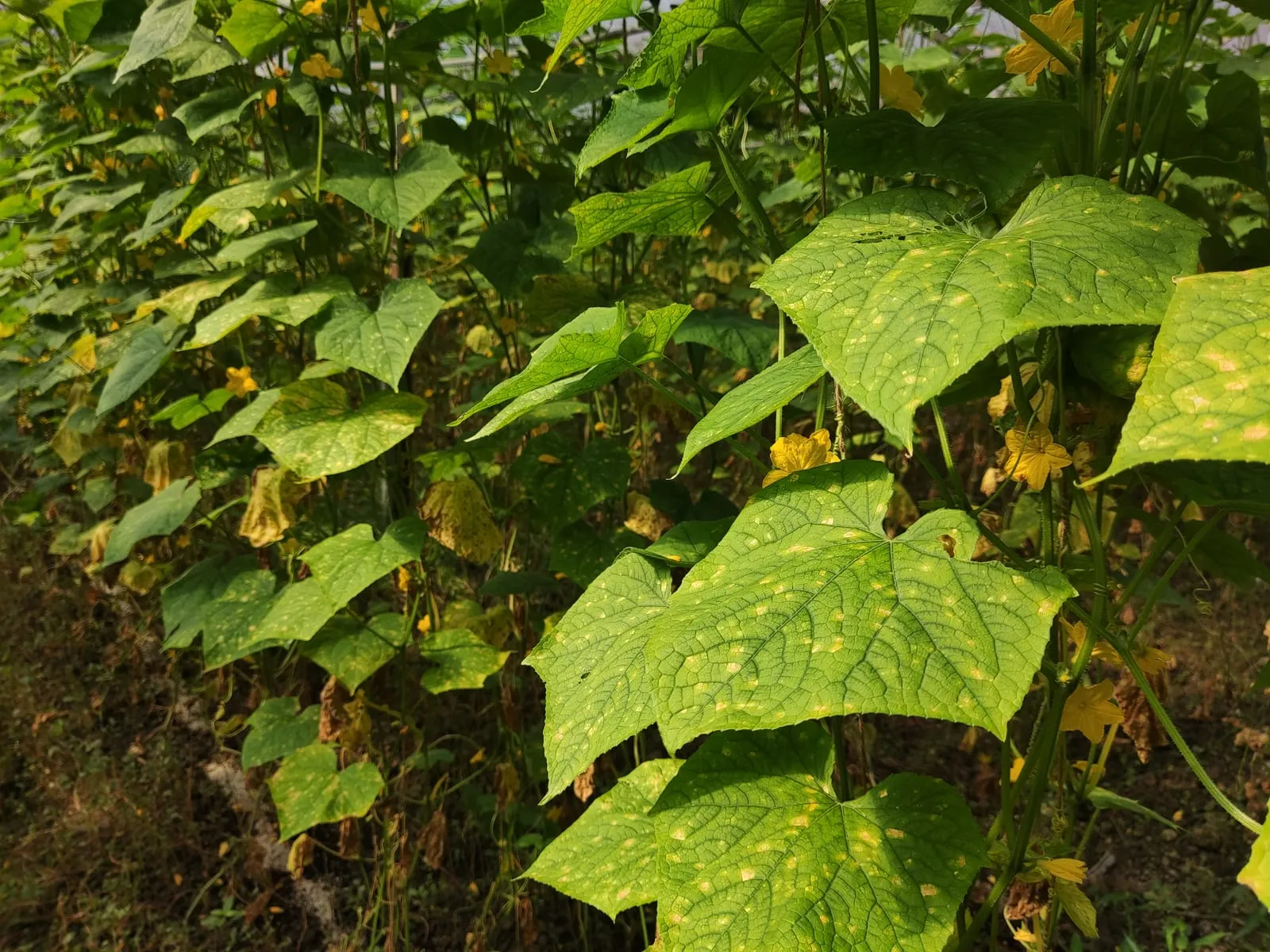
Pseudoperonospora cubensis (cucurbits) and others
Water mold (oomycete, not a true fungus) that thrives in cool damp conditions. Spreads rapidly through cucurbit and brassica plantings on wind-borne spores.
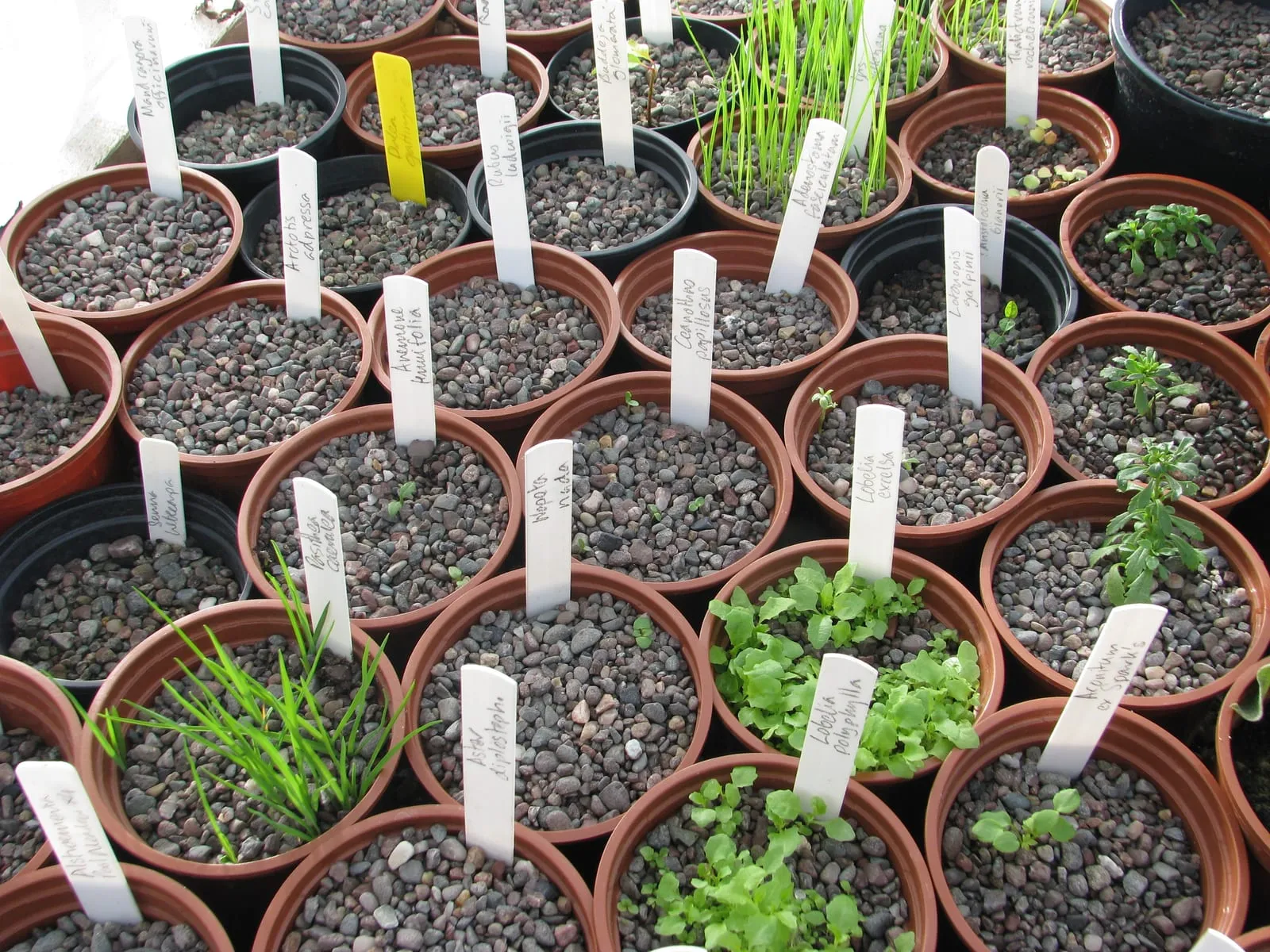
Pythium and Rhizoctonia species
Soil-borne complex of water molds and fungi that kill seedlings before or shortly after emergence. The single most common cause of seed-starting failures.
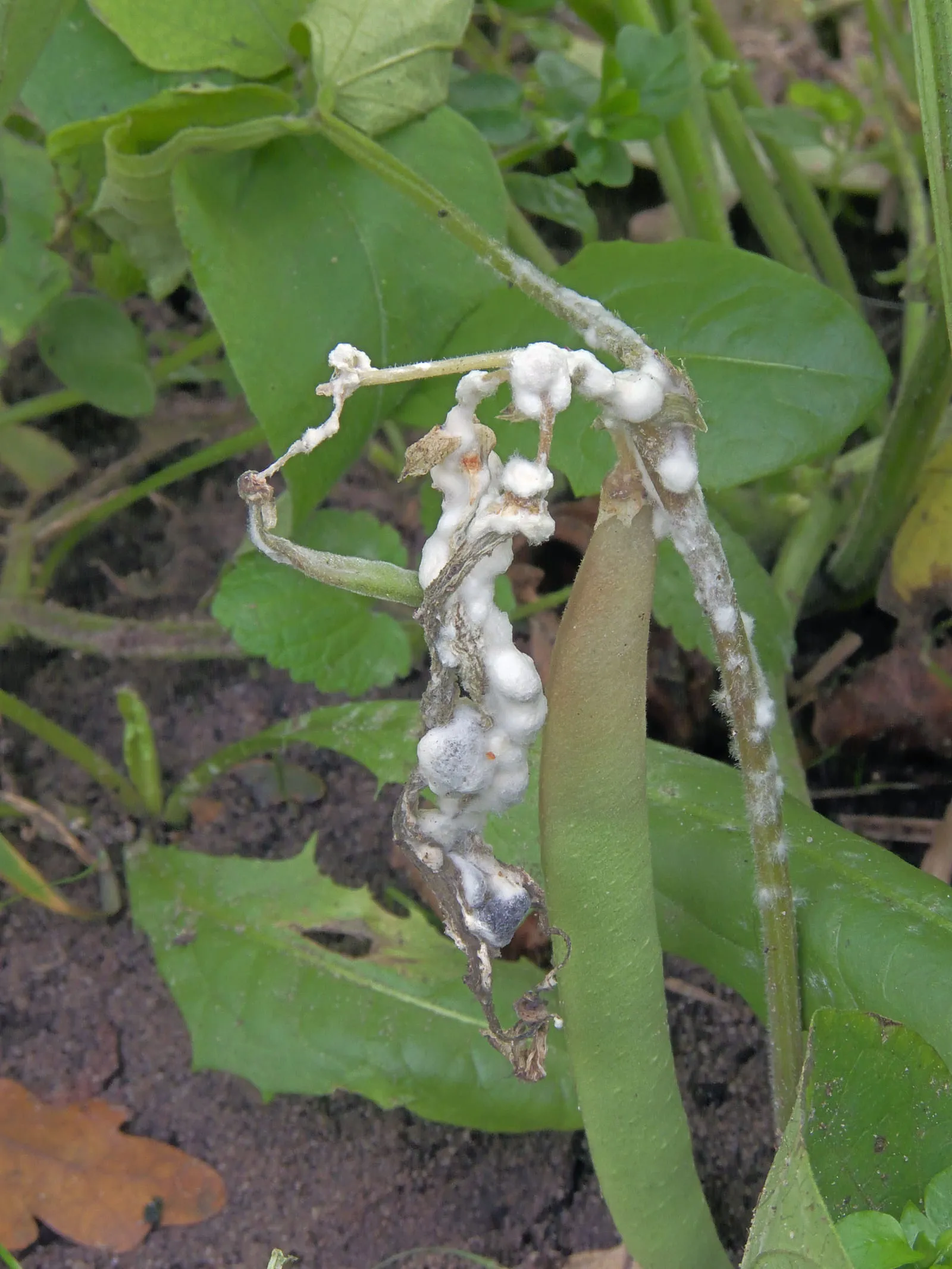
Sclerotinia sclerotiorum
Fungal disease that produces fluffy white mycelium on stems and lower leaves. Forms hard black sclerotia (resting bodies) that survive 5+ years in soil.
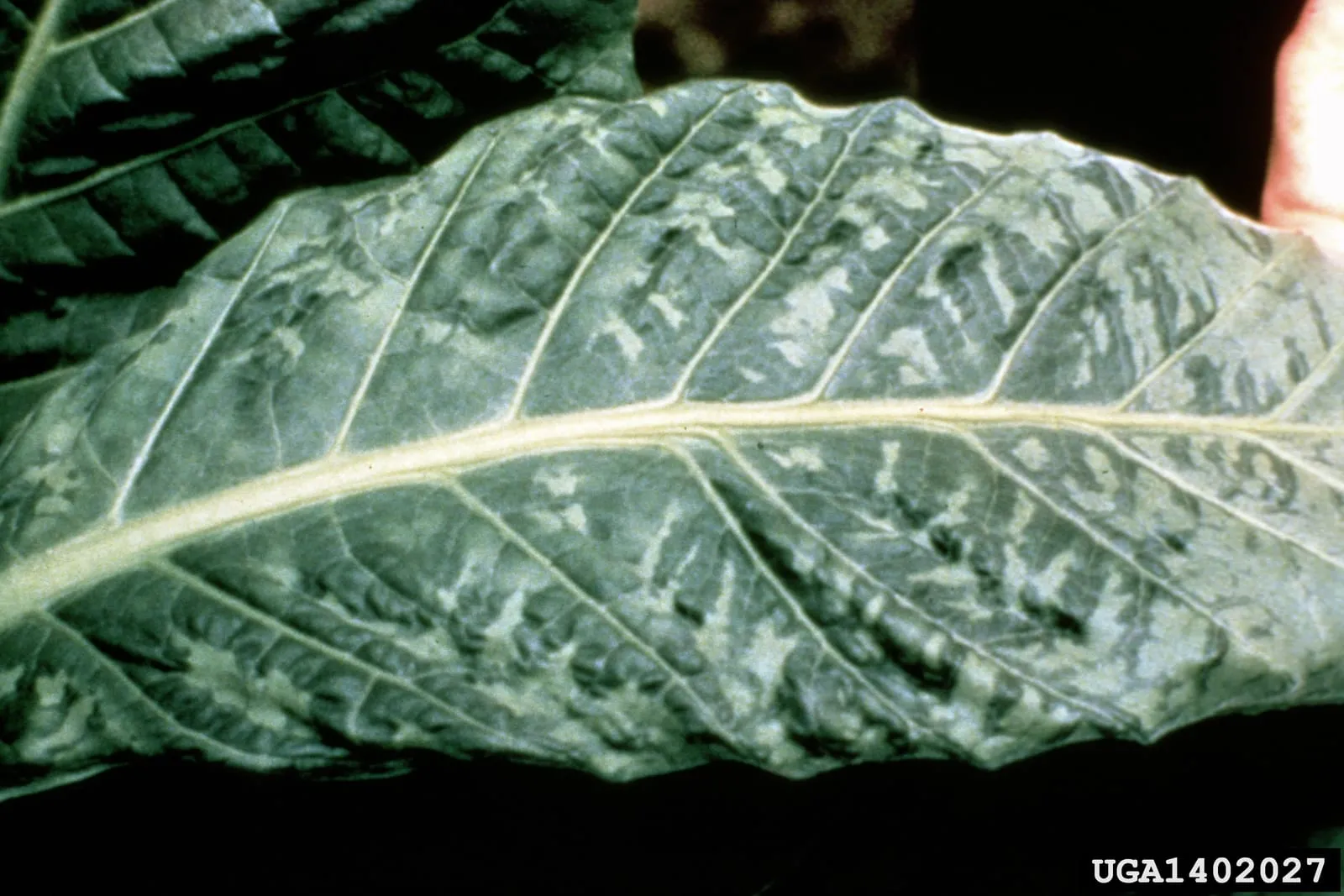
Cucumber mosaic virus, Tobacco mosaic virus, and others
Family of plant viruses producing mottled yellow-and-green leaf patterns. Vectored primarily by aphids; some are seed-transmitted or spread by handling tools and tobacco products.
Common pests
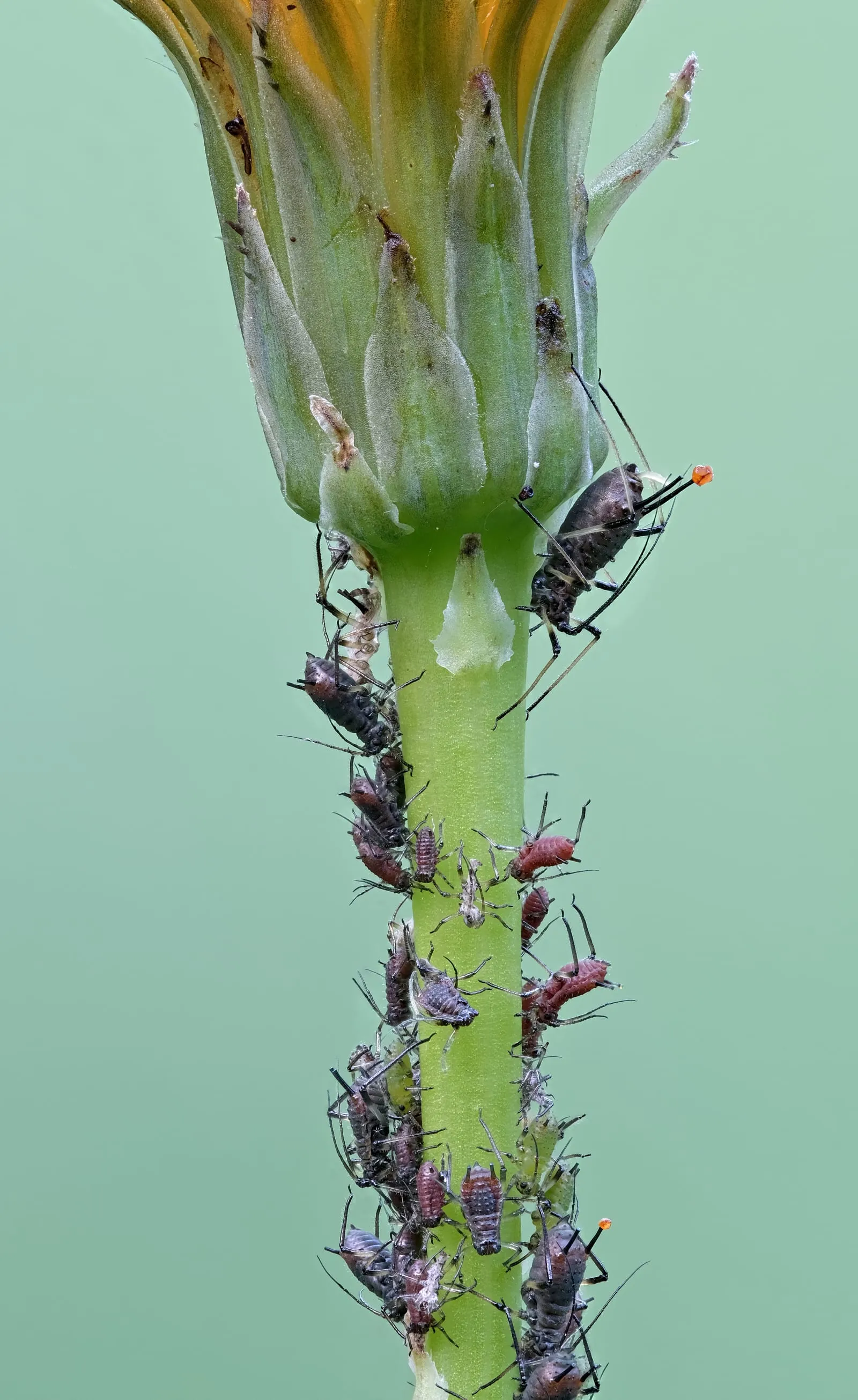
Multiple species (Aphididae)
Small soft-bodied sap-sucking insects that reproduce explosively in spring. Excrete honeydew that supports sooty mold and attracts ants. Transmit viral diseases.
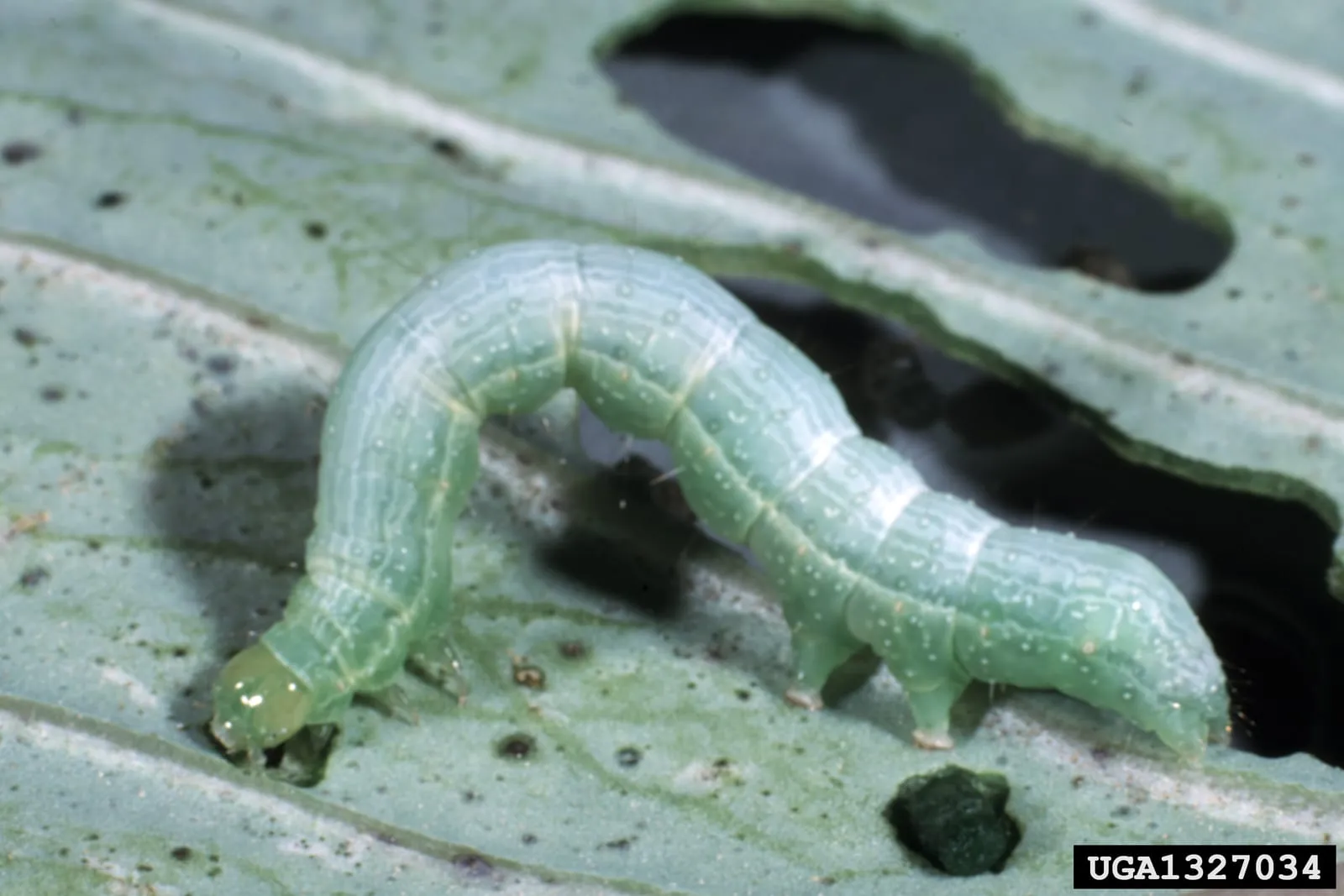
Trichoplusia ni
Pale green caterpillars that arch their backs (loop) when crawling. Defoliate brassicas and lettuce, contaminate harvested heads. Adults are mottled gray-brown moths.
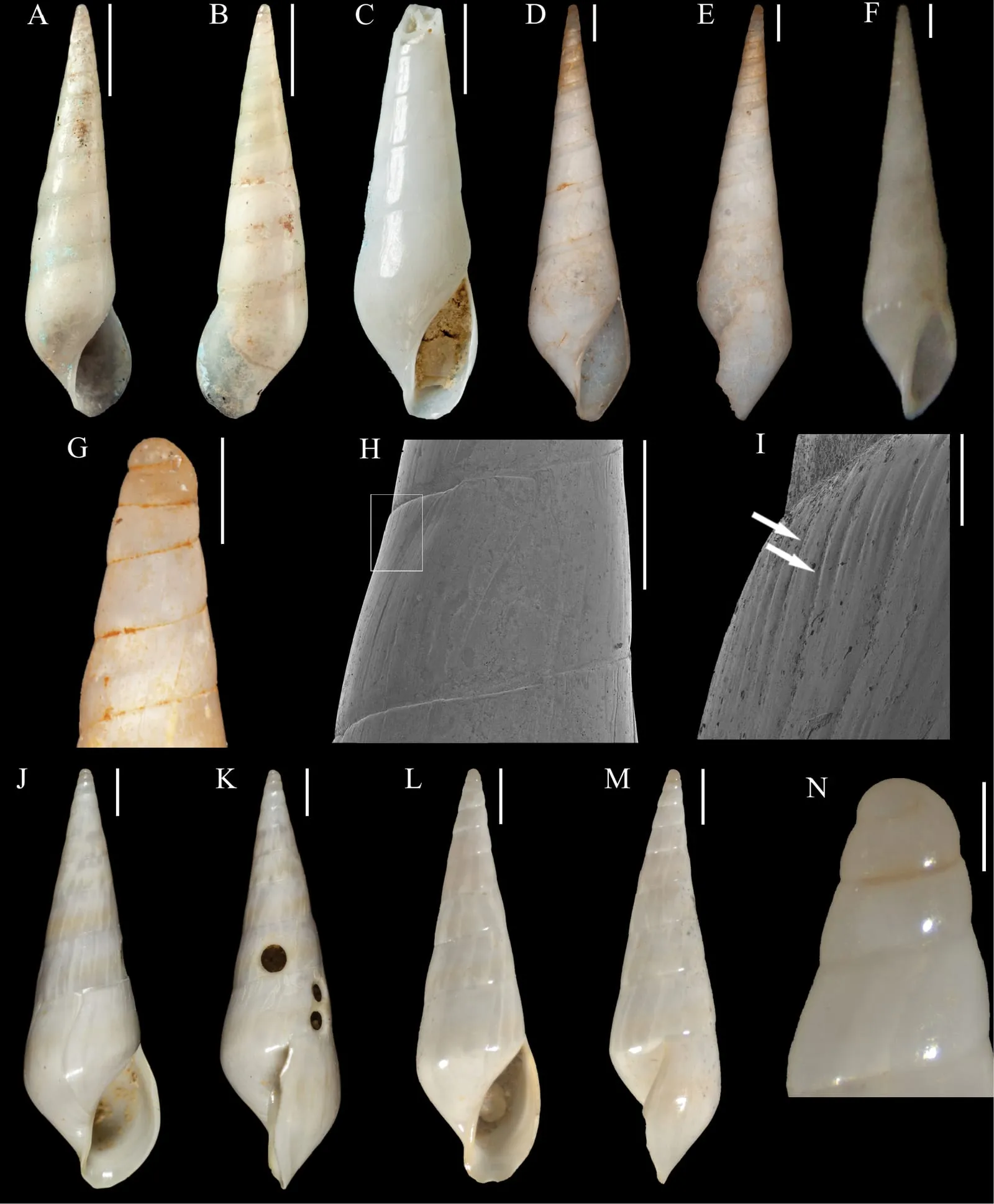
Multiple species (Gastropoda)
Soft-bodied mollusks that feed on tender leaves and seedlings primarily at night. Damaging especially in wet years and shaded mulched gardens.

Odocoileus species
Whitetail and mule deer browse can devastate orchards and gardens, particularly in winter when food is scarce. Antler rub on young trunks kills saplings outright.
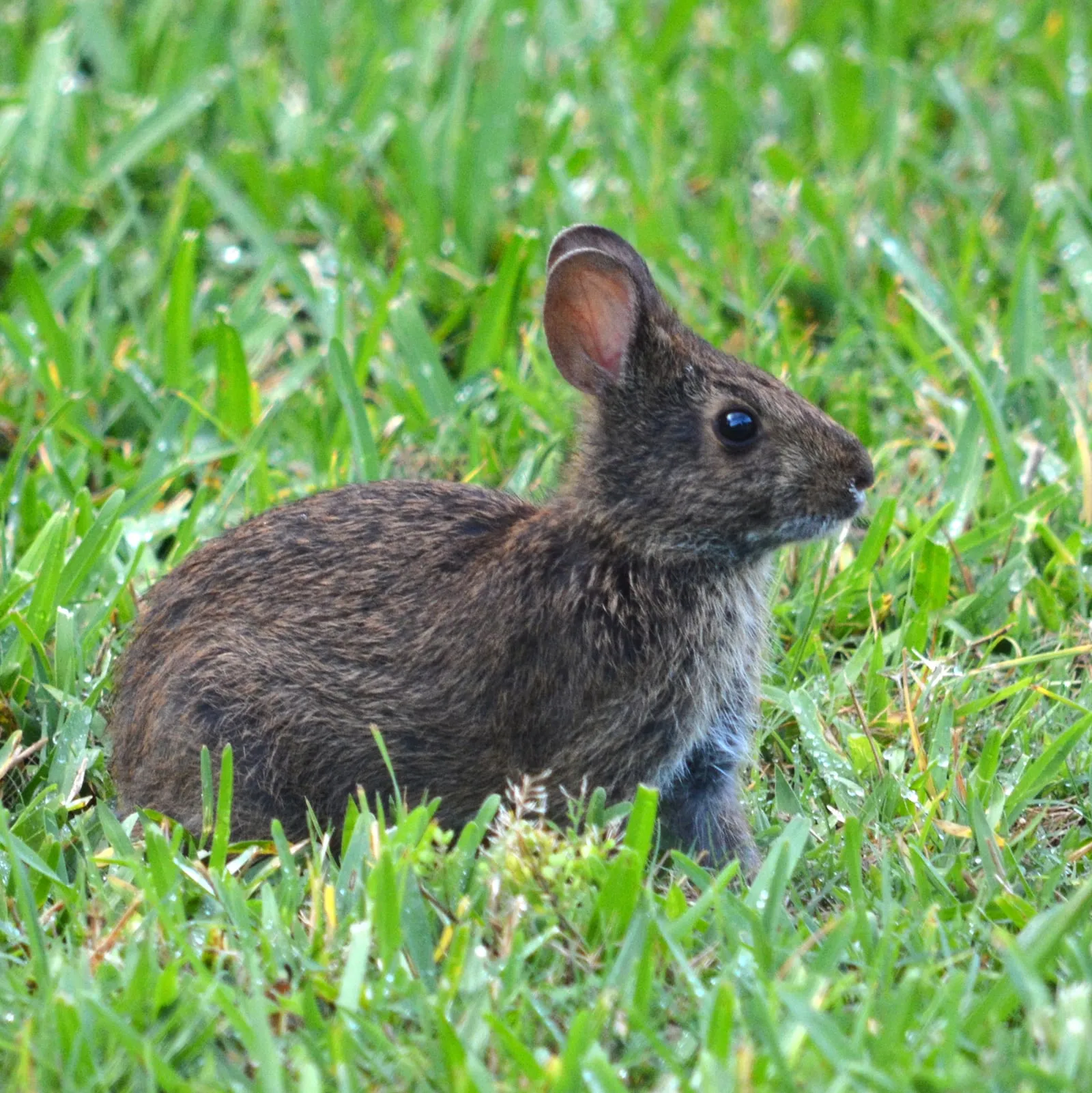
Sylvilagus and Lepus species
Cottontails and jackrabbits strip bark from young fruit trees in winter and graze tender garden vegetables year-round, especially seedlings.
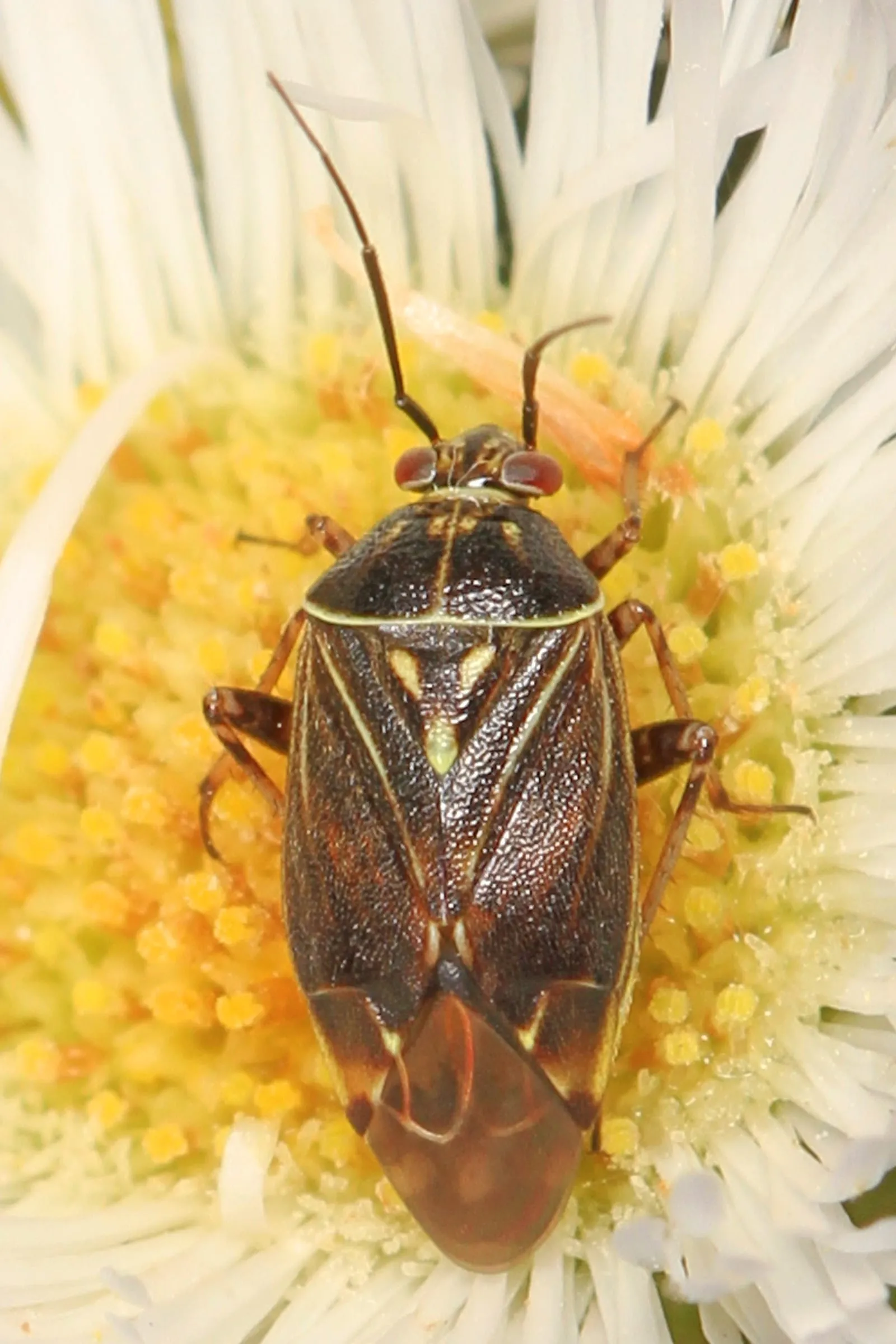
Lygus lineolaris
Mottled brown sucking bug that probes flower buds and developing fruit, causing 'cat-facing' deformities on tomato, peach, and strawberry. Wide host range and rapid generations.
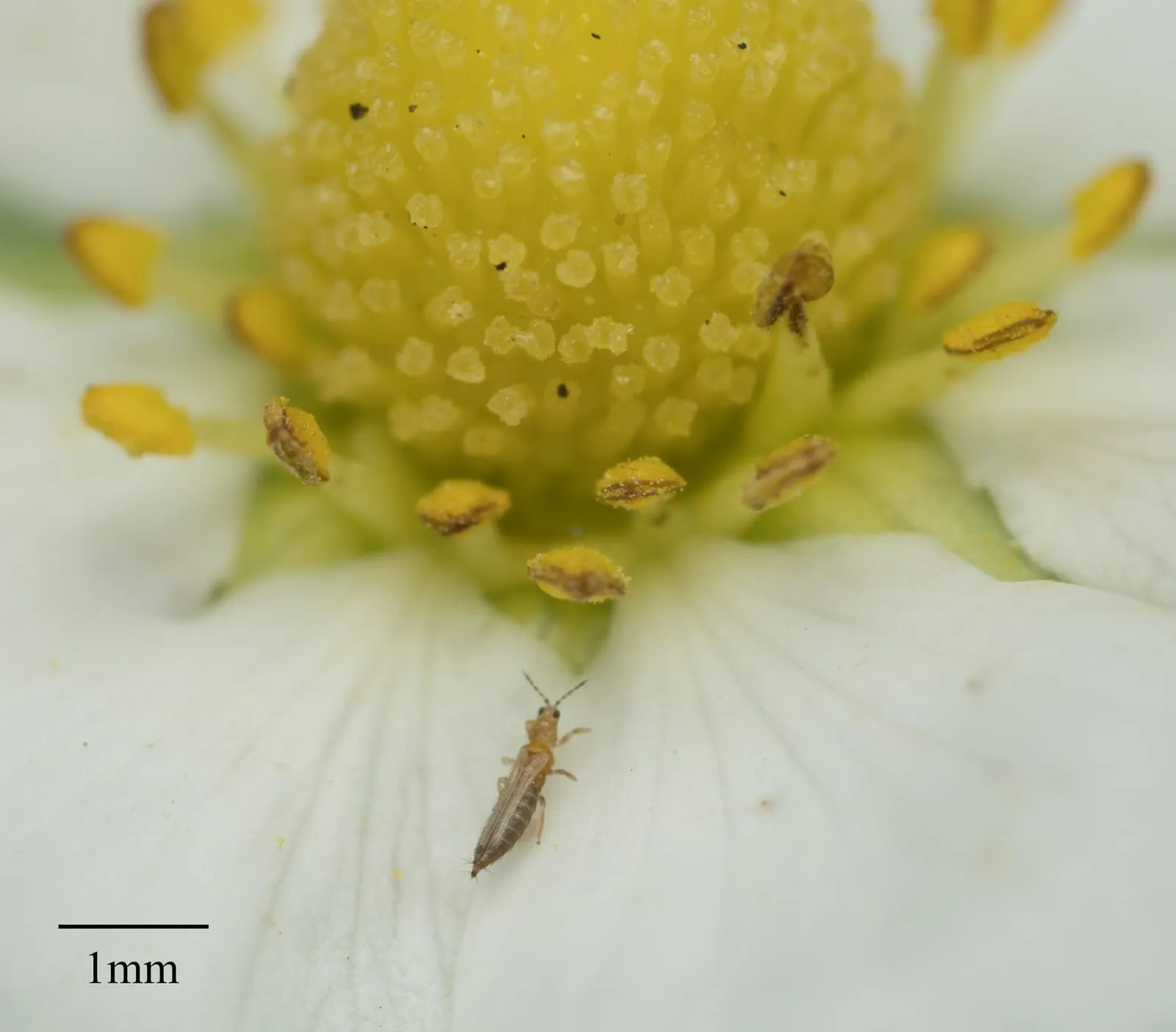
Frankliniella occidentalis
Tiny slender insect that rasps leaf and flower surfaces. The primary vector for Tomato Spotted Wilt Virus and Iris Yellow Spot Virus, which makes it more damaging through disease transmission than direct feeding.
Common challenges
Bolting is the dominant failure mode, and it almost always traces back to timing. Planting a heading variety two weeks too late in spring, or failing to account for an early heat spell in zones 6 and above, can turn a promising crop into a bitter, unusable stand within days of bolting onset. Bolt-resistant varieties such as Buttercrunch and Romaine Parris Island extend the window, but no variety holds when daytime highs consistently exceed 80°F for a week or more. Timing the crop to mature before that threshold, not after, is the reliable solution.
Downy mildew (Bremia lactucae) is the most common disease problem for home lettuce growers, particularly in cool and humid spring and fall conditions. It presents as pale yellow patches on upper leaf surfaces with a grayish-white sporulation on the undersides. Spores spread rapidly when foliage stays wet. The practical controls are consistent: space plants to improve airflow, water at the base, and avoid working the bed when leaves are wet. Resistance in commercial varieties is race-specific and can erode over time.
White mold (Sclerotinia sclerotiorum) is a secondary but serious problem in wet seasons or densely planted beds. It produces cottony white growth at the plant crown and causes rapid collapse. Crop rotation and wider spacing are the effective preventive tools; no practical home-garden fungicide controls established white mold infection. Aphids, slugs, and snails are common pests; regular scouting and physical barriers or traps address most infestations before they affect yield.
Companion plants
Frequently asked questions
- Does lettuce require chill hours?
Lettuce does not have a chill-hour requirement the way fruit trees do. It is a cool-season annual that germinates best when soil temperature is between 40 and 75°F. What matters is ambient air temperature during growth: sustained daytime highs above 75 to 80°F trigger bolting. Timing plantings to avoid that window is the key variable.
- How many days does lettuce take from seed to harvest?
It depends on variety and harvest method. Loose-leaf types harvested cut-and-come-again can be ready in as few as 30 days from direct sowing. Full-head varieties like romaine take closer to 60 to 70 days. Black Seeded Simpson, one of the fastest loose-leaf types, is commonly harvested at 45 days.
- What USDA zones can lettuce be grown in?
Lettuce is suited for zones 3a through 9b, covering nearly all of the continental United States. The challenge in warmer zones (8 and 9) is heat: lettuce becomes a fall, winter, and spring crop in those zones rather than a summer one. In zones 3 through 5, the productive window is late spring through early fall.
- Is lettuce self-fertile, or does it need pollinators?
Lettuce is self-fertile. For fresh eating, pollination is irrelevant because the crop is harvested before it flowers. Gardeners saving seed for the following season will find that plants pollinate themselves readily without insect assistance, though cross-pollination between nearby varieties can occur.
- What is the most common disease on lettuce?
Downy mildew (Bremia lactucae) is the most frequently encountered disease in home gardens, appearing as yellow patches on upper leaf surfaces with gray-white mold on the undersides. It spreads most aggressively in cool, wet conditions when foliage stays wet. Improved plant spacing and base watering are the most reliable preventive measures.
- Can lettuce be grown in partial shade?
Yes, and in zones 6 through 9, afternoon shade is beneficial rather than merely tolerable. Shading from direct afternoon sun moderates soil temperature and can extend the harvest window by two to three weeks in late spring. In cooler zones (3 through 5), full sun is generally preferable because heat stress is less of a concern.
- Why does lettuce turn bitter?
Bitterness is the main symptom of bolting, the transition from vegetative to reproductive growth. Once a plant bolts, it channels energy into producing a flower stalk, and the leaves accumulate compounds that taste intensely bitter. Heat above 75 to 80°F sustained over several days is the primary trigger. Harvesting before bolting begins, not after, is the only effective response.
+−
+−
+−
+−
+−
+−
+−
Sources
Image: "Romaine lettuce", by Rainer Zenz, via Wikimedia Commons, licensed under CC-BY. Source.

Lettuce by zone
Related