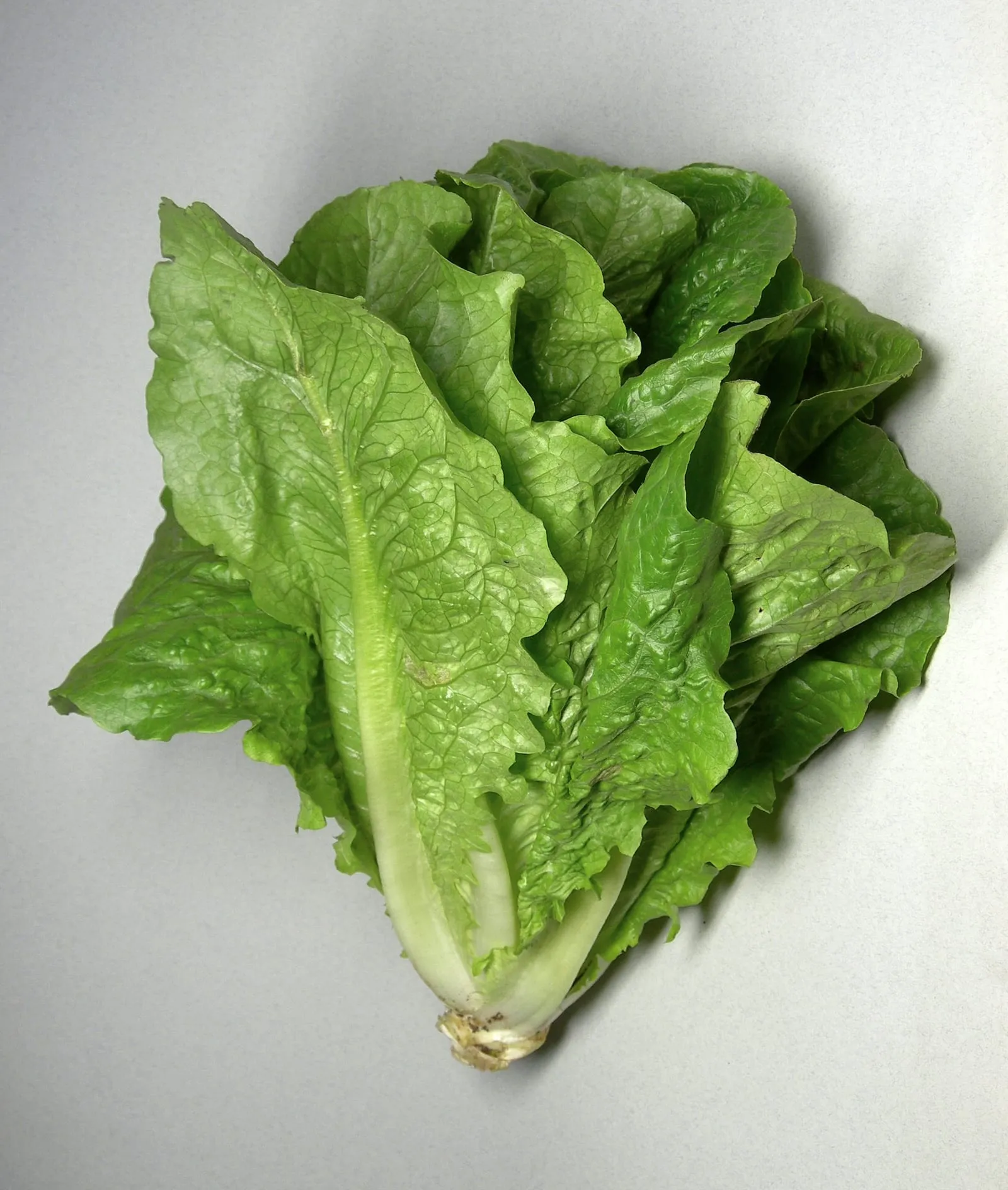
vegetable in zone 3a
Growing lettuce in zone 3a
Lactuca sativa
- Zone
- 3a -40°F to -35°F
- Growing season
- 90 days
- Suitable varieties
- 0
- Days to harvest
- 30 to 70
The verdict
Zone 3a's extreme winter minimum temperatures (-40 to -35°F) are irrelevant for lettuce, which completes its lifecycle within a single growing season. Chill-hour accumulation, a critical metric for perennial fruits, does not apply to lettuce, so the harsh winters pose no dormancy or bud-break complications.
What matters for lettuce is the length and temperature profile of the frost-free window, and here zone 3a performs better than many assume. With a 90-day growing season and reliably cool summers, lettuce can complete full head formation or repeated cut-and-come-again harvests without the premature bolting that shortens the season in warmer zones. The combination of mild midsummer temperatures and ample daylight at northern latitudes creates good conditions for quality lettuce. Zone 3a is not marginal territory for this crop.
Critical timing for zone 3a
Last frost in zone 3a falls anywhere from late May to early June depending on specific location. Lettuce tolerates light frost, so transplants can go out two to three weeks before the expected last frost date under row covers. Direct sowing begins in early May indoors, with outdoor transplanting after the frost-free window opens.
Heading types reach maturity in 70 to 80 days; loose-leaf varieties can be cut in 45 to 50 days. A first planting targeting an early-to-mid July harvest leaves just enough time for a second succession crop before the first fall frost, which in zone 3a often arrives in late August or early September. The window does not accommodate more than two full crops, so timing the second succession at least 60 days before the expected first fall frost matters.
Common challenges in zone 3a
- ▸ Very short growing season
- ▸ Late spring frosts
- ▸ Limited fruit-tree options
- ▸ Heavy mulching required
Disease pressure to watch for
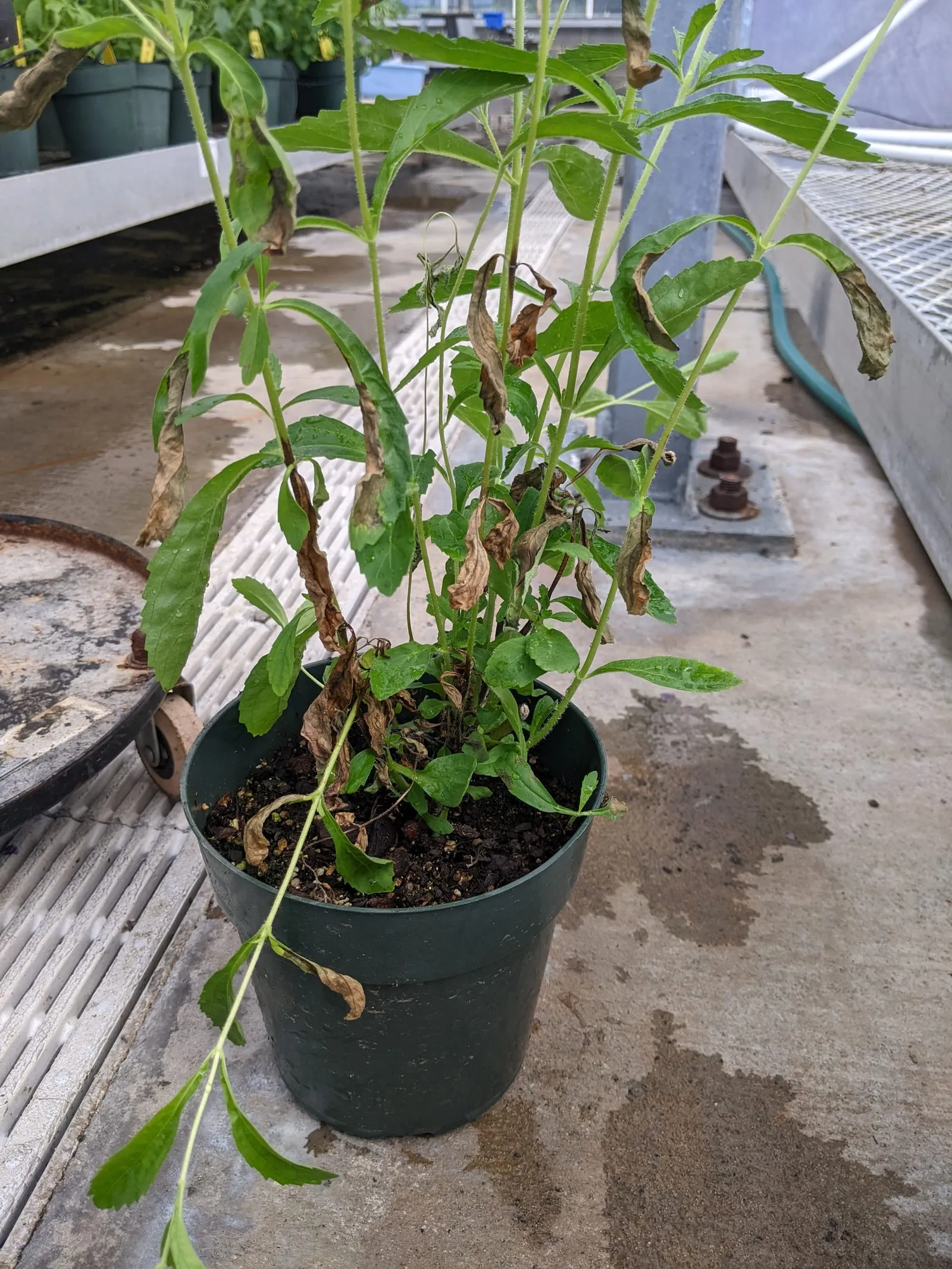
Tomato spotted wilt orthotospovirus (TSWV)
Virus vectored by thrips, particularly western flower thrips. Wide host range and growing global distribution. No cure once infected.
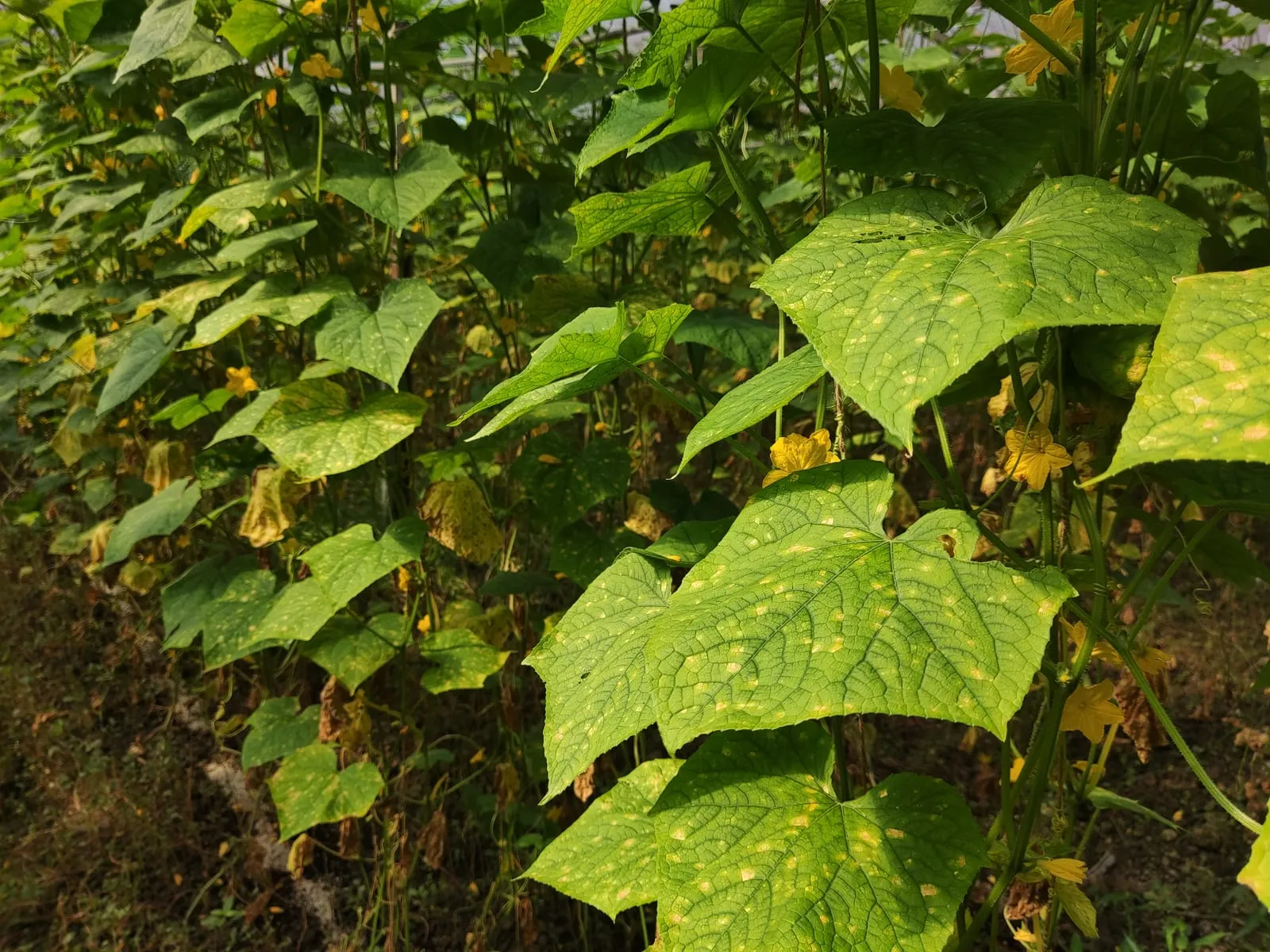
Pseudoperonospora cubensis (cucurbits) and others
Water mold (oomycete, not a true fungus) that thrives in cool damp conditions. Spreads rapidly through cucurbit and brassica plantings on wind-borne spores.
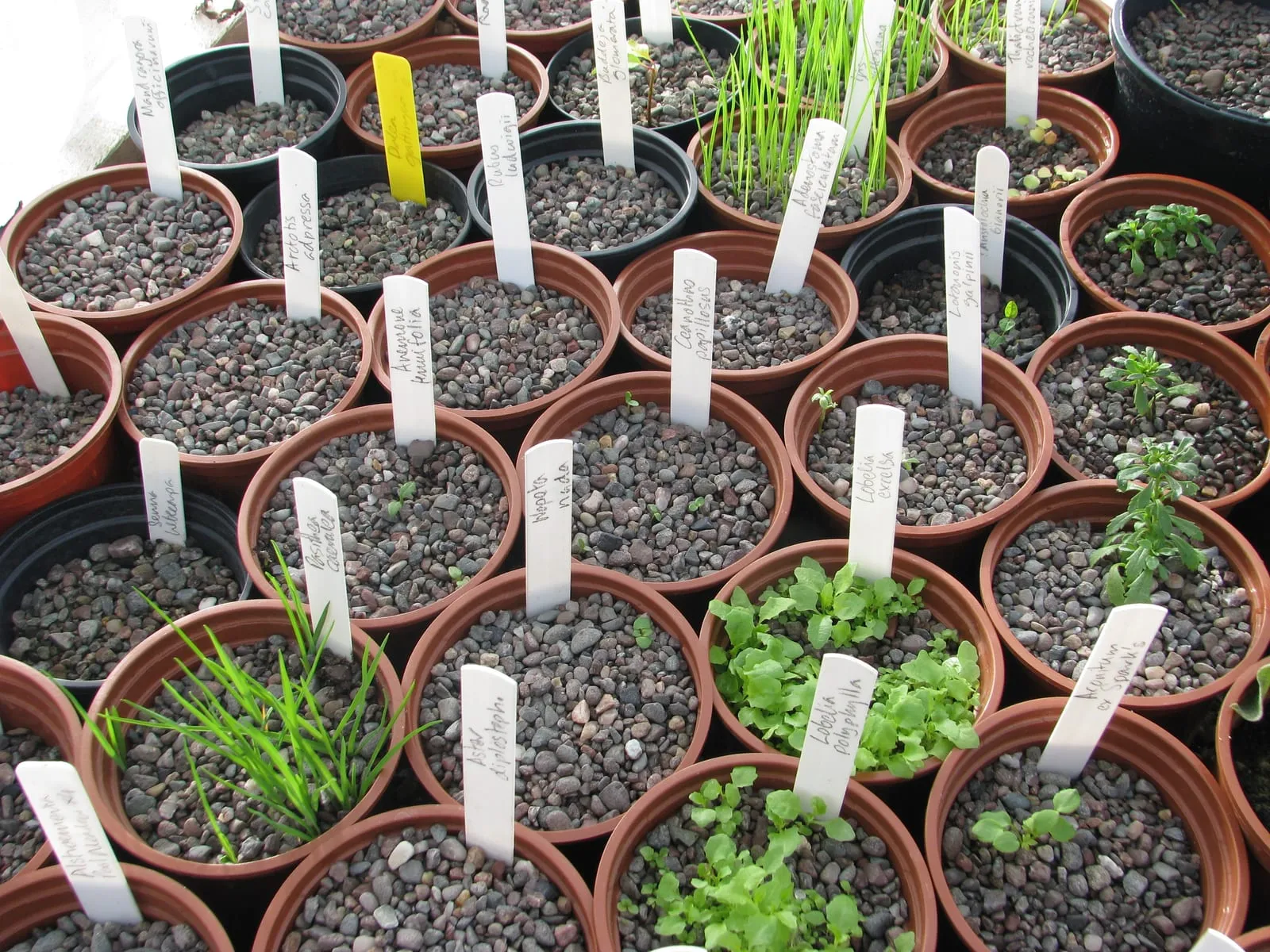
Pythium and Rhizoctonia species
Soil-borne complex of water molds and fungi that kill seedlings before or shortly after emergence. The single most common cause of seed-starting failures.
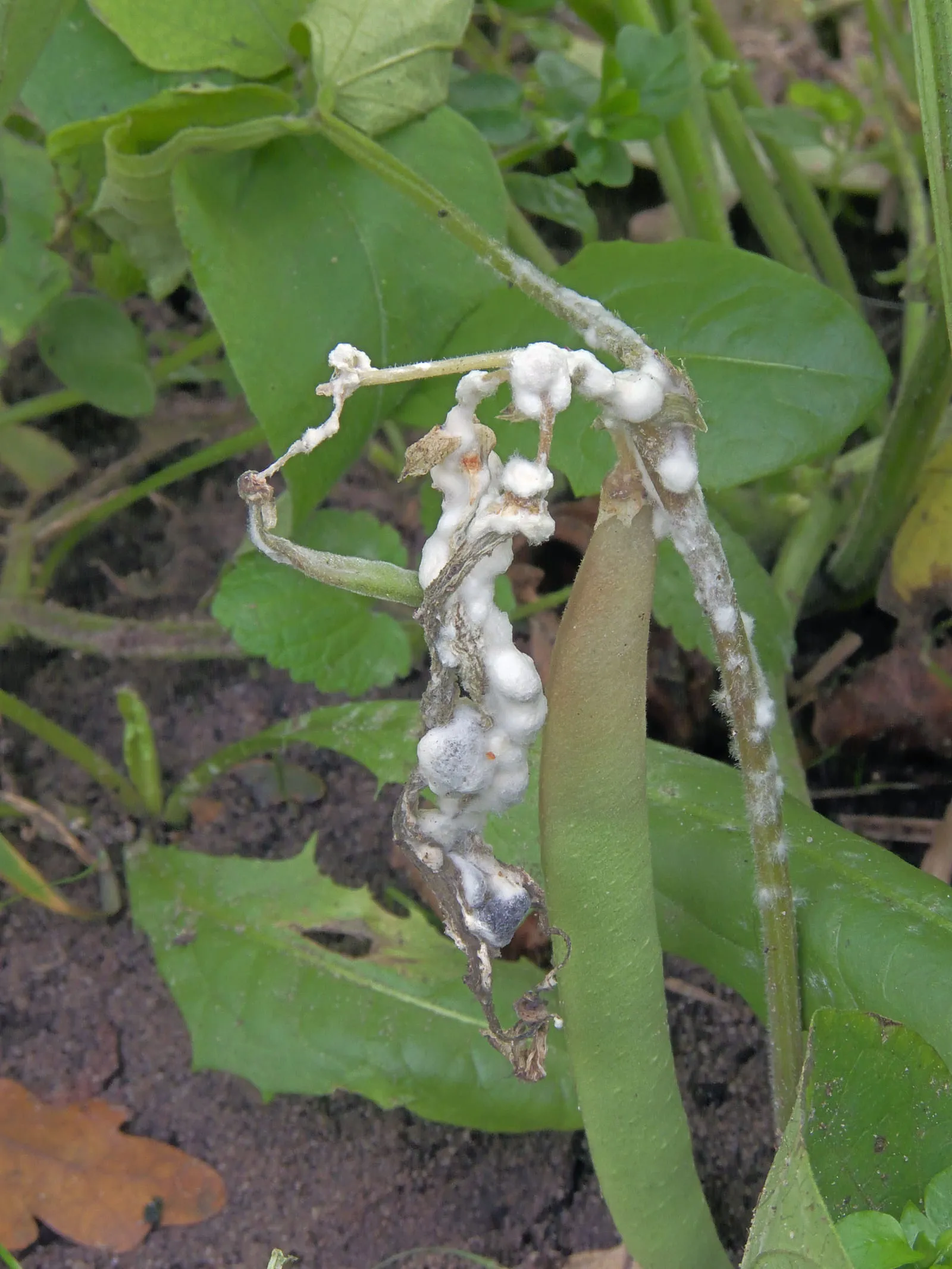
Sclerotinia sclerotiorum
Fungal disease that produces fluffy white mycelium on stems and lower leaves. Forms hard black sclerotia (resting bodies) that survive 5+ years in soil.
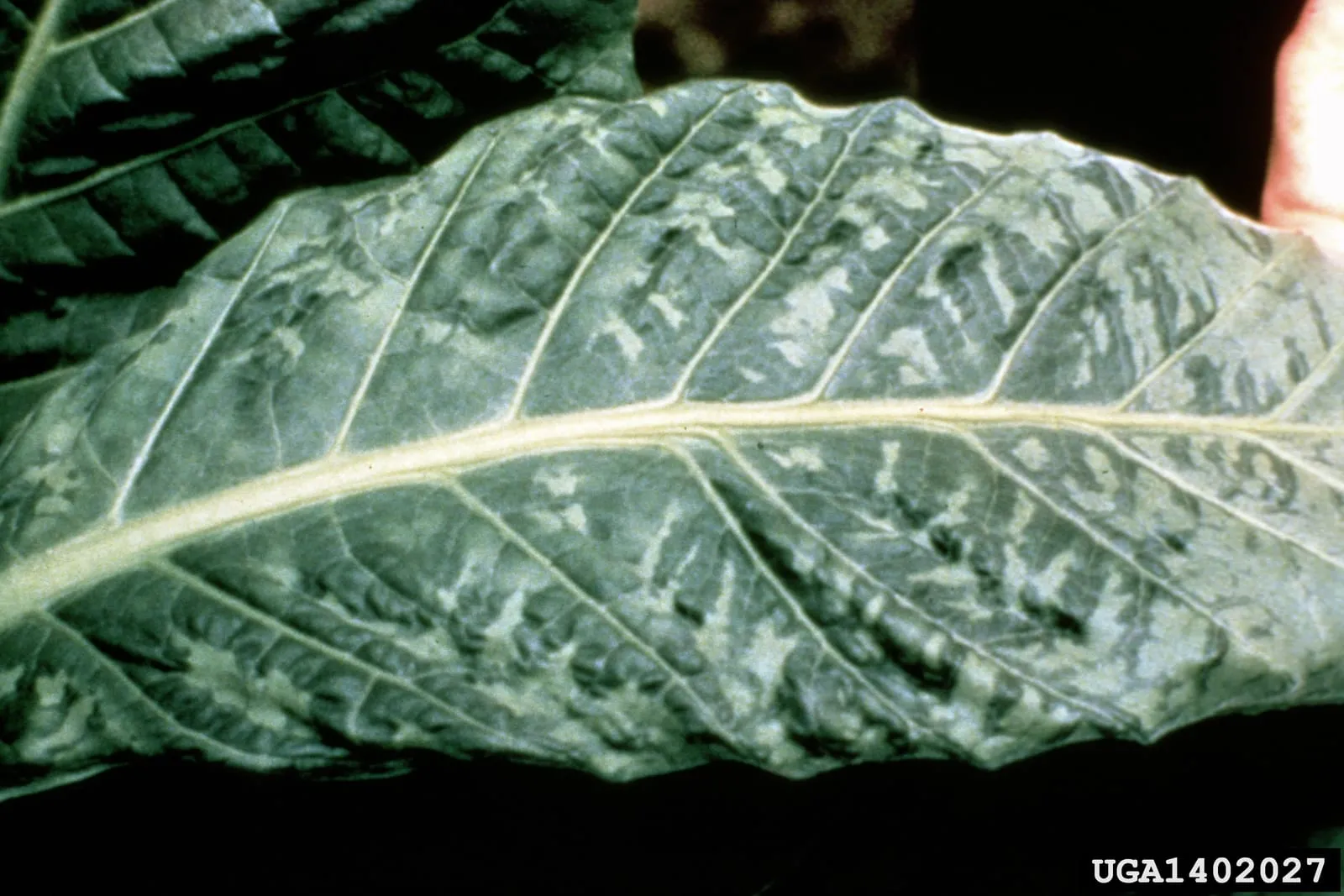
Cucumber mosaic virus, Tobacco mosaic virus, and others
Family of plant viruses producing mottled yellow-and-green leaf patterns. Vectored primarily by aphids; some are seed-transmitted or spread by handling tools and tobacco products.
Modified care for zone 3a
The primary adaptation in zone 3a is working with the compressed season rather than against it. Row covers provide measurable frost protection and are worth deploying at both ends: in spring to get transplants established before the last frost date, and in fall to extend harvest past the first fall frost. Because zone 3a summers stay cool, shade cloth is unnecessary, unlike in zones 7 and above where afternoon heat triggers bolting.
Downy mildew pressure increases in wet springs, particularly in crowded plantings with limited airflow; spacing of 8 to 12 inches per plant reduces risk. White mold (Sclerotinia) can develop during damp periods, so consistent plant spacing and avoiding late-day overhead watering help limit spread. Mulching moderates the soil temperature swings common in short-season climates.
Lettuce in adjacent zones
Image: "Romaine lettuce", by Rainer Zenz, via Wikimedia Commons, licensed under CC-BY Source.

Related