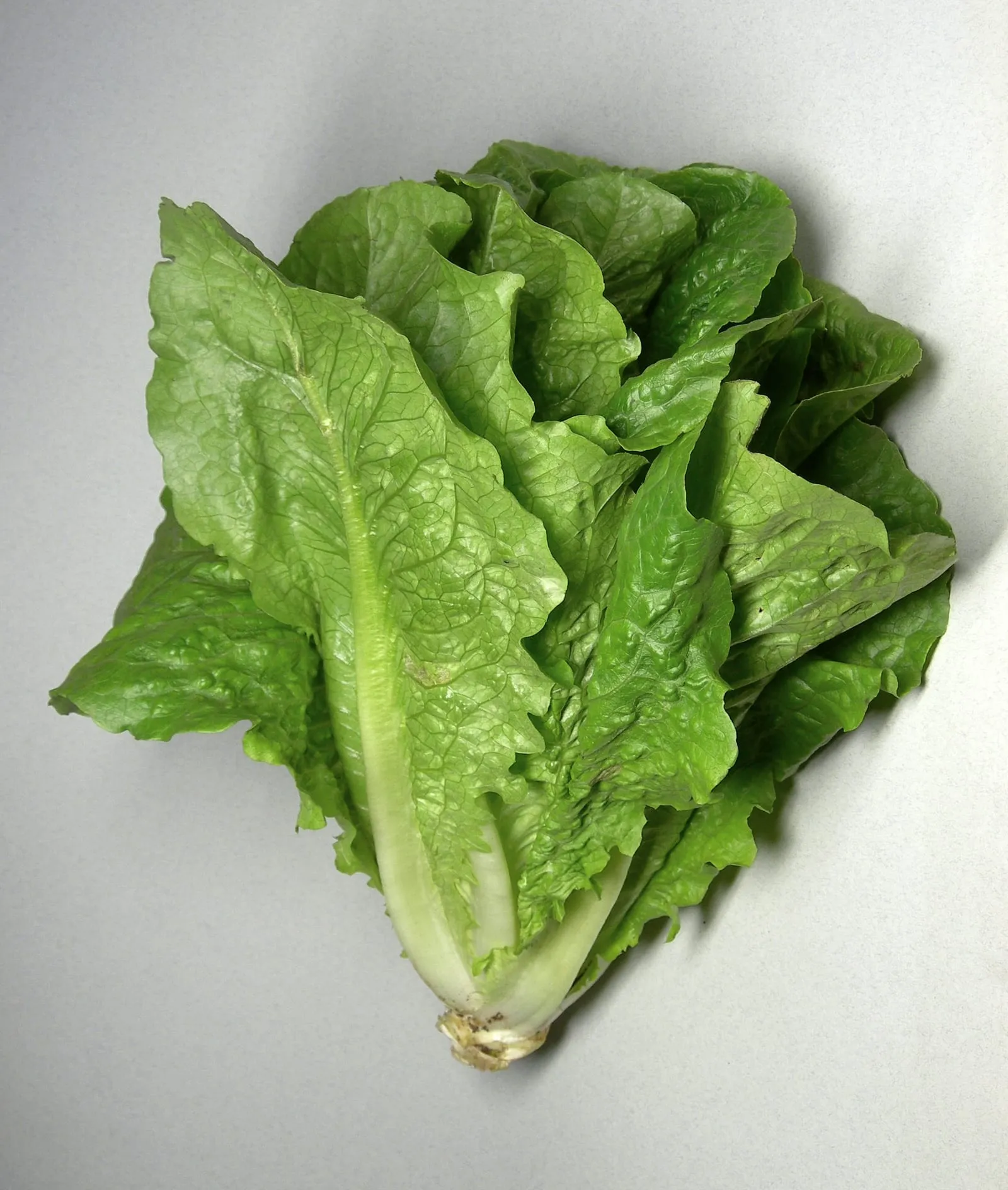
vegetable in zone 3b
Growing lettuce in zone 3b
Lactuca sativa
- Zone
- 3b -35°F to -30°F
- Growing season
- 100 days
- Suitable varieties
- 4
- Days to harvest
- 30 to 70
The verdict
Lettuce is a reasonable fit for zone 3b, and in some respects a better fit than for warmer zones. As a cool-season crop, lettuce performs best when daytime temperatures stay between 45°F and 75°F; zone 3b summers rarely push past that upper bound for extended stretches, which means bolt pressure is lower than in zones 6 and warmer. The 100-day frost-free window is tight but workable. Most lettuce varieties mature in 45 to 80 days from transplant, and all four varieties on the compatible list fall within that range. Buttercrunch and Black Seeded Simpson, which can be ready in 45 to 55 days, are particularly well-matched to the compressed season. This is not a marginal zone for lettuce. The main constraints are the late last spring frost and the early return of fall frost, not summer heat stress. Seedlings tolerate light frost, which allows plantings at both ends of the season to straddle the frost-free window slightly.
Recommended varieties for zone 3b
4 cultivars suited to this zone, with disease-resistance and zone-fit annotations.
| Variety | Notes | Zone fit | Disease resistance |
|---|---|---|---|
| Buttercrunch fits zone 3b | Sweet, tender, buttery; loose-heading bibb-style green leaf. Salads, sandwiches, fresh. AAS winner, slow to bolt, heat-tolerant for the type, the home-garden butter lettuce standard. | | none noted |
| Black Seeded Simpson fits zone 3b | Sweet, crisp, classic loose-leaf flavor; pale green frilly leaves. Salads, sandwiches, fast cut-and-come-again harvest. Heritage variety, fastest to harvest (45 days from seed). | | none noted |
| Romaine Parris Island fits zone 3b | Crisp, refreshing, classic upright Romaine flavor; tall green heads. Caesar salad, sandwiches, wraps. Heat-tolerant, slow to bolt, the home-garden romaine standard. | | none noted |
| Red Sails fits zone 3b | Mild, slightly sweet, deep wine-red ruffled leaves; loose-leaf. Salads, garnish. AAS winner, slow to bolt, holds color and quality. | | none noted |
Critical timing for zone 3b
In zone 3b, the last spring frost typically arrives in late May to early June, and the first fall frost returns in late August to early September, producing a frost-free window of roughly 90 to 100 days. Lettuce seedlings tolerate light frost to around 28°F, so outdoor transplanting can begin 2 to 4 weeks before the last expected frost date, putting first transplants in the ground in early to mid-May in most of zone 3b. Direct sowing is feasible on the same schedule for cold-tolerant varieties. Succession sowings every 2 to 3 weeks through mid-July maintain continuous harvest. Any sowing after mid-July should target varieties maturing in 50 days or fewer to clear the fall frost cutoff. Starting transplants indoors under lights 4 to 6 weeks before the last frost date gives the most reliable early harvest.
Common challenges in zone 3b
- ▸ Short season
- ▸ Winter desiccation
- ▸ Site selection critical for fruit trees
Disease pressure to watch for
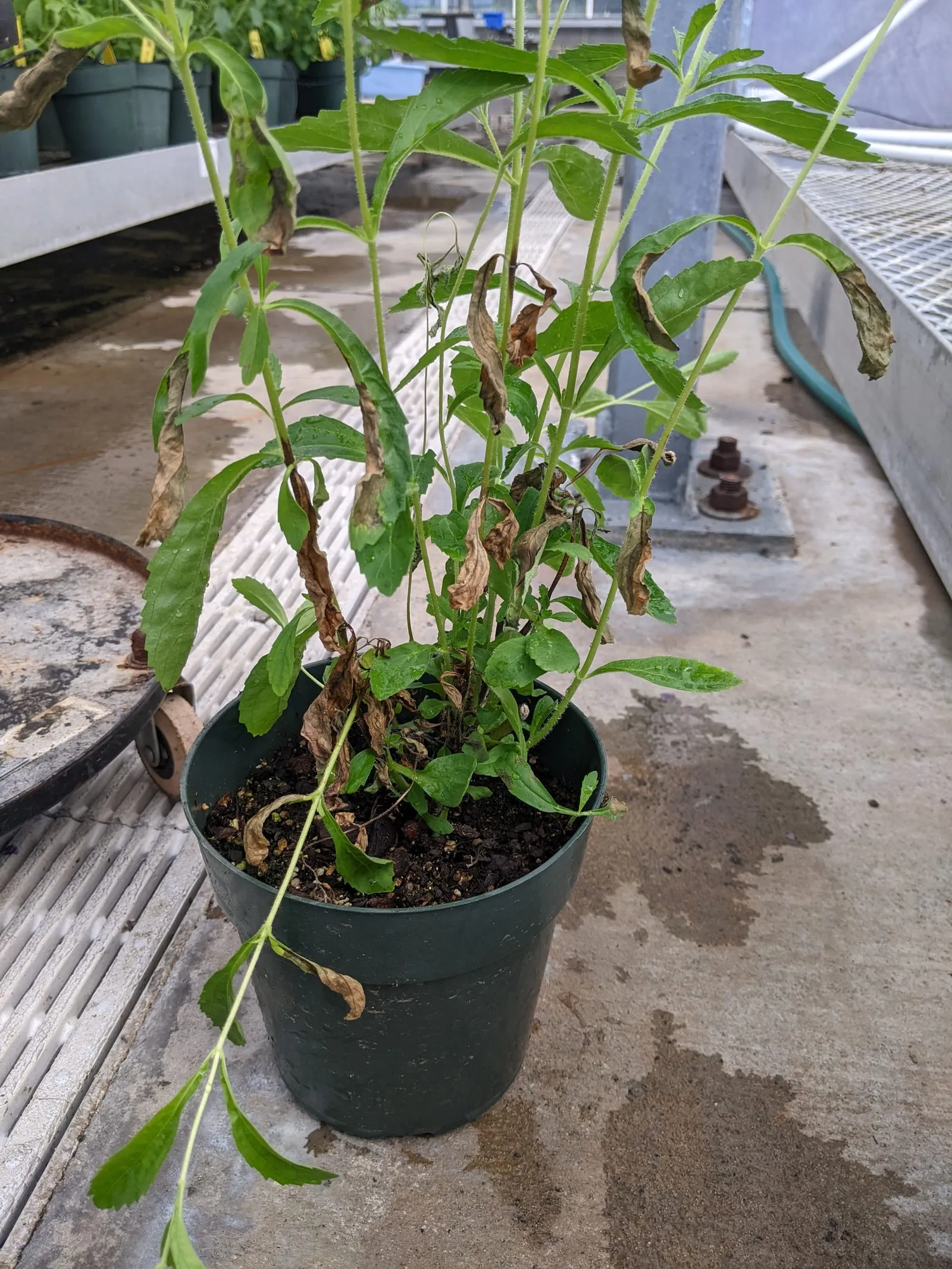
Tomato spotted wilt orthotospovirus (TSWV)
Virus vectored by thrips, particularly western flower thrips. Wide host range and growing global distribution. No cure once infected.
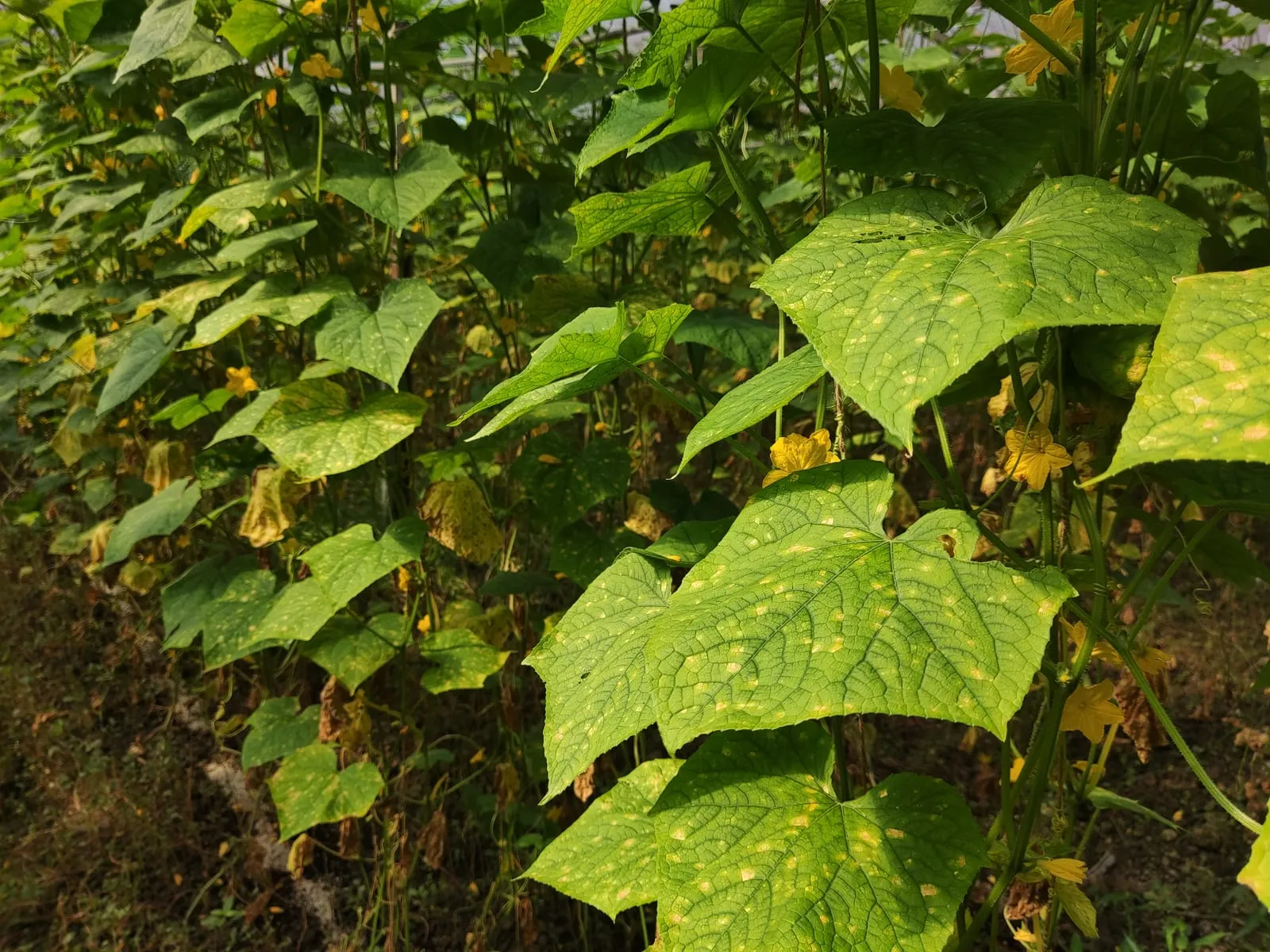
Pseudoperonospora cubensis (cucurbits) and others
Water mold (oomycete, not a true fungus) that thrives in cool damp conditions. Spreads rapidly through cucurbit and brassica plantings on wind-borne spores.
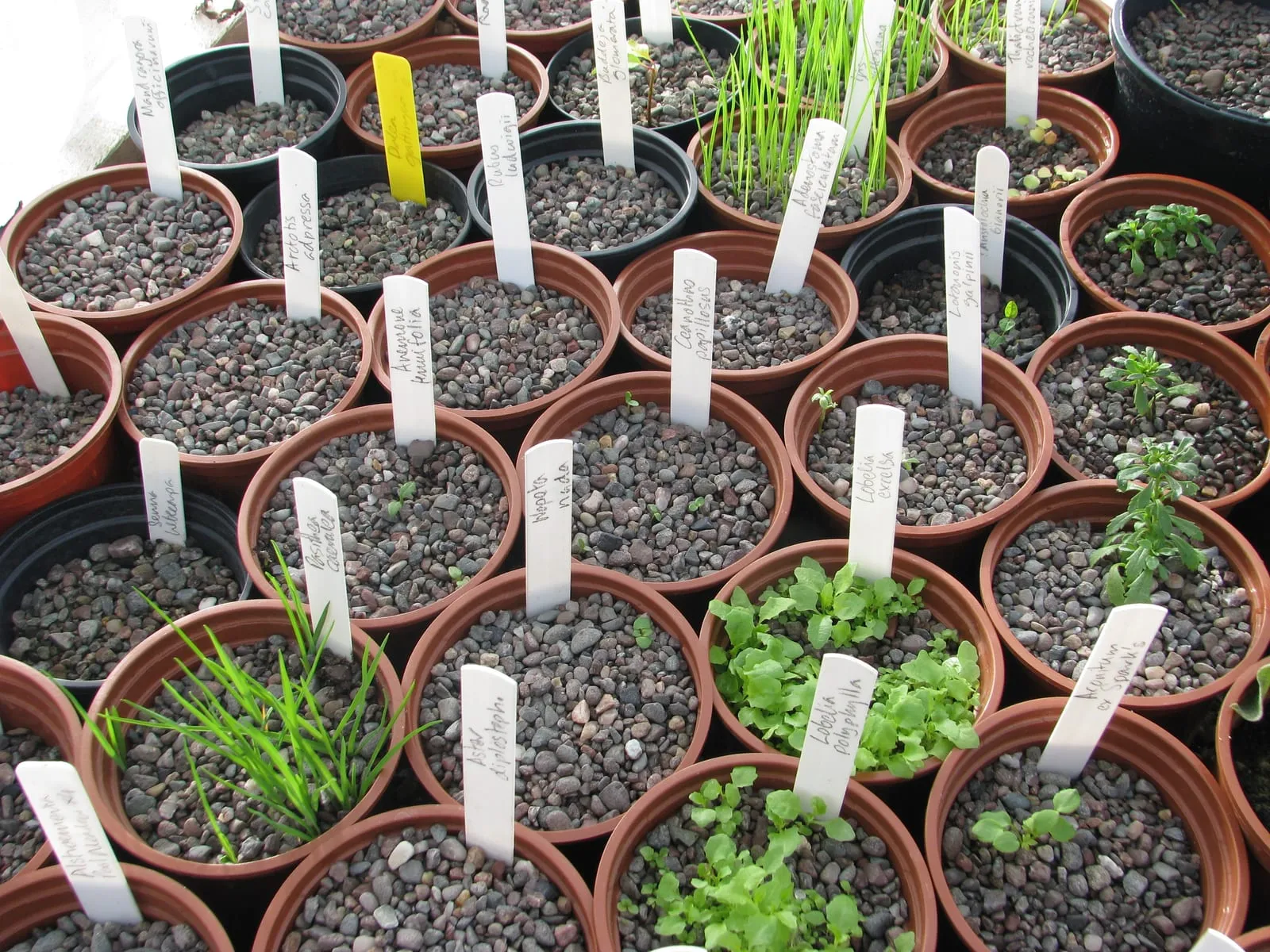
Pythium and Rhizoctonia species
Soil-borne complex of water molds and fungi that kill seedlings before or shortly after emergence. The single most common cause of seed-starting failures.
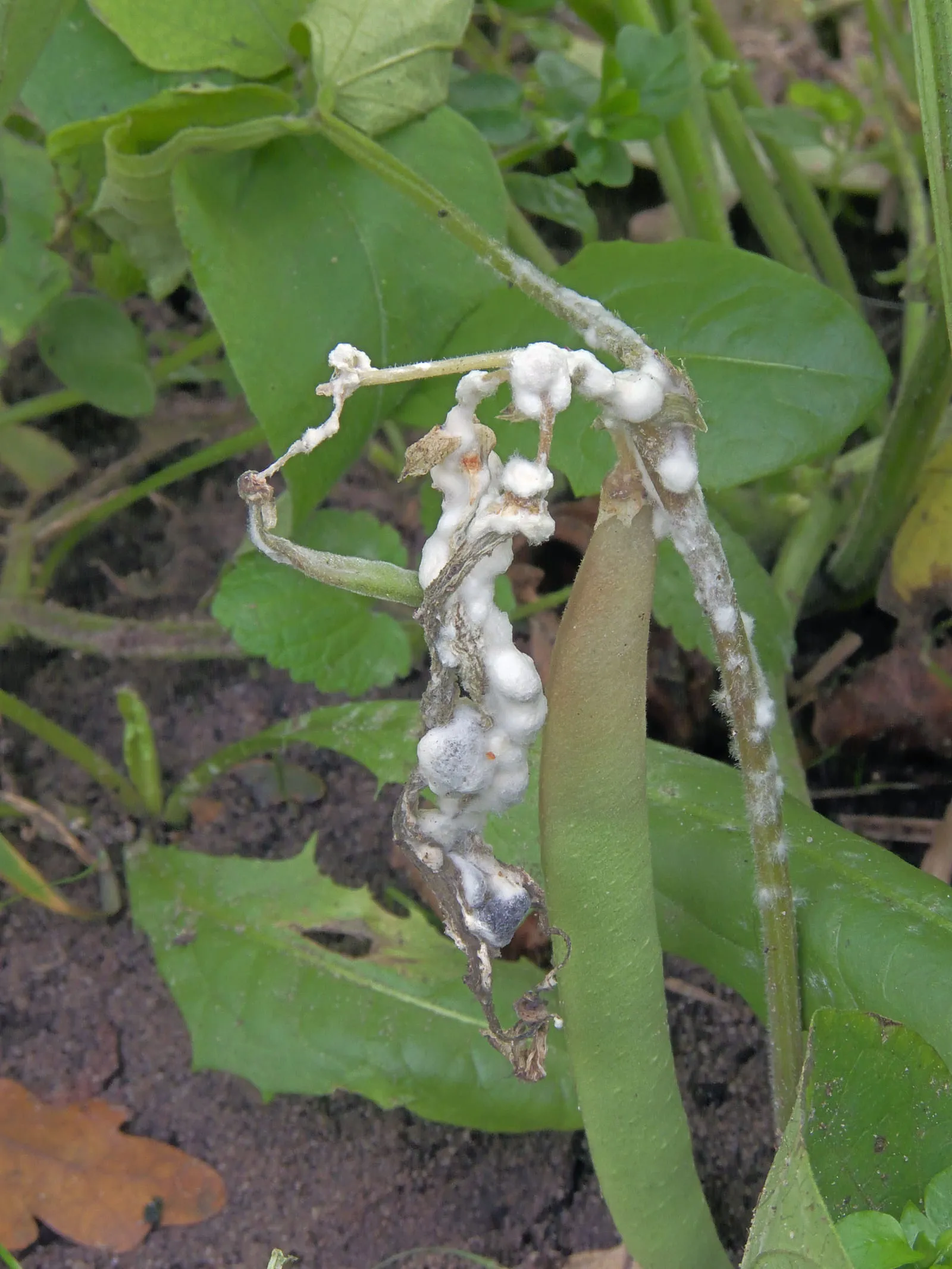
Sclerotinia sclerotiorum
Fungal disease that produces fluffy white mycelium on stems and lower leaves. Forms hard black sclerotia (resting bodies) that survive 5+ years in soil.
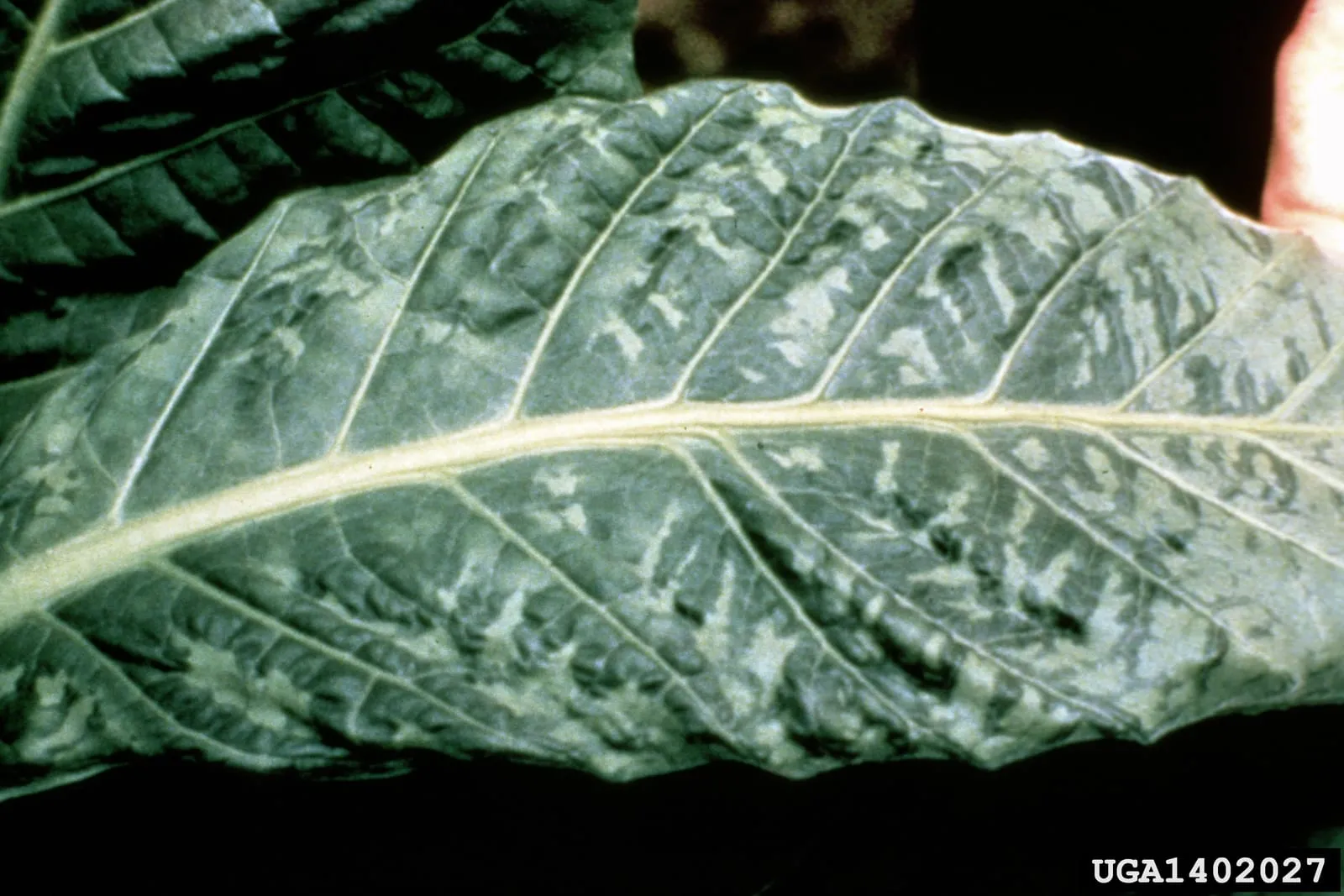
Cucumber mosaic virus, Tobacco mosaic virus, and others
Family of plant viruses producing mottled yellow-and-green leaf patterns. Vectored primarily by aphids; some are seed-transmitted or spread by handling tools and tobacco products.
Modified care for zone 3b
The compressed season in zone 3b rewards indoor starts over direct-sow-only approaches. Starting transplants under lights 4 to 6 weeks before the last frost extends productive time without a greenhouse. Row cover or low tunnels at both ends of the season add 3 to 5 degrees of frost protection and can meaningfully extend harvest into periods that would otherwise end the crop. Downy mildew pressure peaks during cool, wet springs and again in late summer; spacing plants at least 10 to 12 inches apart and avoiding overhead watering in the evening reduces spore spread significantly. White mold is more problematic in densely planted beds with poor airflow. The short zone 3b season limits the window for disease to accumulate, but the same cool, moist conditions that favor lettuce also favor both pathogens. When either disease has appeared in previous seasons, prioritize Buttercrunch and Red Sails, which carry better field tolerance than open-headed types.
Frequently asked questions
- Can lettuce be grown year-round in zone 3b?
No. Zone 3b winters reach -35°F to -30°F, far below what lettuce can survive outdoors. The practical outdoor season runs from early May through early September. Cold frames or unheated hoop structures can push that window a few weeks in each direction, but true winter production requires supplemental heat.
- Which lettuce varieties are most reliable in zone 3b?
Buttercrunch and Black Seeded Simpson are the most forgiving, maturing in 45 to 55 days and tolerating light frost at both ends of the season. Red Sails adds useful disease tolerance when downy mildew has been a recurring problem. All four compatible varieties are workable given succession planting.
- Will lettuce bolt quickly in zone 3b summers?
Bolt pressure is lower in zone 3b than in most of the country because summers stay relatively cool. Extended heat spells above 80°F can trigger bolting, but they are shorter and less frequent than in warmer zones. Planting in a location with afternoon shade helps during any warm spells.
- Does zone 3b lettuce need row cover?
Row cover is not strictly required during the frost-free period, but it pays off at both ends of the season. A single layer of floating row cover extends planting into early May and stretches harvest into September by providing 3 to 5 degrees of frost protection. It also reduces wind desiccation in exposed sites.
+−
+−
+−
+−
Lettuce in adjacent zones
Image: "Romaine lettuce", by Rainer Zenz, via Wikimedia Commons, licensed under CC-BY Source.

Related