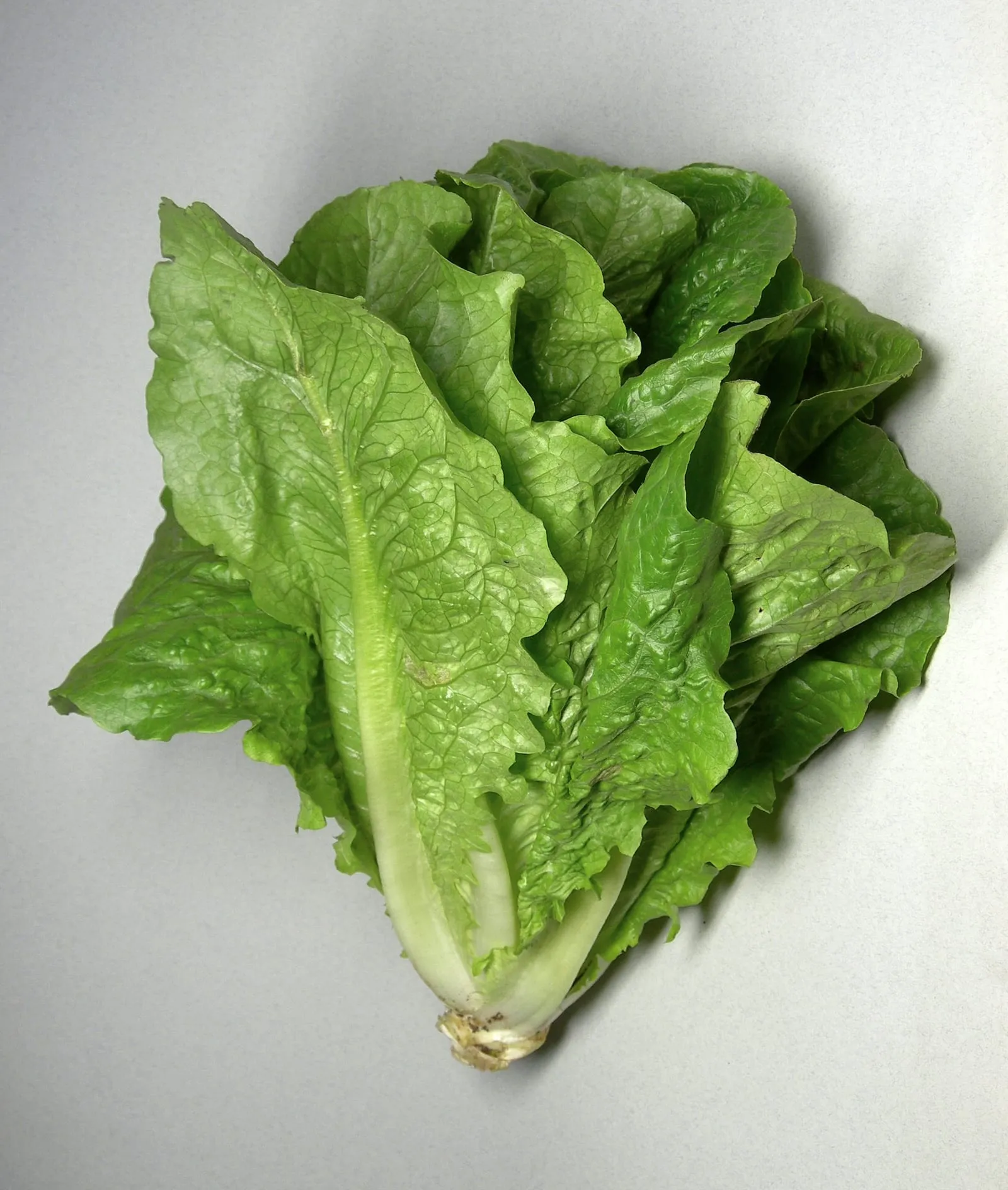
vegetable in zone 9b
Growing lettuce in zone 9b
Lactuca sativa
- Zone
- 9b 25°F to 30°F
- Growing season
- 310 days
- Suitable varieties
- 0
- Days to harvest
- 30 to 70
The verdict
Lettuce is a cool-season annual with no chill-hour requirement, which makes zone 9b one of the more productive zones for fall-through-spring production. The mild winter temperatures, rarely sustained below freezing for extended periods, combined with average daytime highs of 55 to 68°F from November through February, align closely with the crop's preferred 45 to 75°F growth range.
Zone 9b is not a marginal zone for lettuce overall, but it is a seasonally constrained one. The limiting factor is summer heat: lettuce bolts rapidly once daytime temperatures exceed 75 to 80°F, and zone 9b summers push well past that threshold for months at a time. Expect no productive lettuce from late April through September. The trade-off is a long, reliable cool season spanning roughly seven months, which allows multiple succession plantings and a continuous harvest window that growers in colder zones cannot replicate.
Critical timing for zone 9b
The primary planting window in zone 9b opens in late September and runs through early November for fall crops. A second window opens in late January or early February as days lengthen while temperatures remain cool enough for germination and steady growth. Most of zone 9b sees its last frost between late January and mid-February, with light freezes rarely threatening established transplants or cold-tolerant leaf types.
Harvest typically begins 45 to 60 days after transplanting, placing peak fall harvests in November and December and spring harvests in March and April. As April temperatures climb toward 80°F, quality deteriorates quickly and seed stalks emerge. Growers targeting a late-spring harvest should plan to be done by mid-April rather than trying to push through the warming trend.
Common challenges in zone 9b
- ▸ Heat stress in summer
- ▸ Insufficient chill for most apples
- ▸ Salt spray near coasts
Disease pressure to watch for
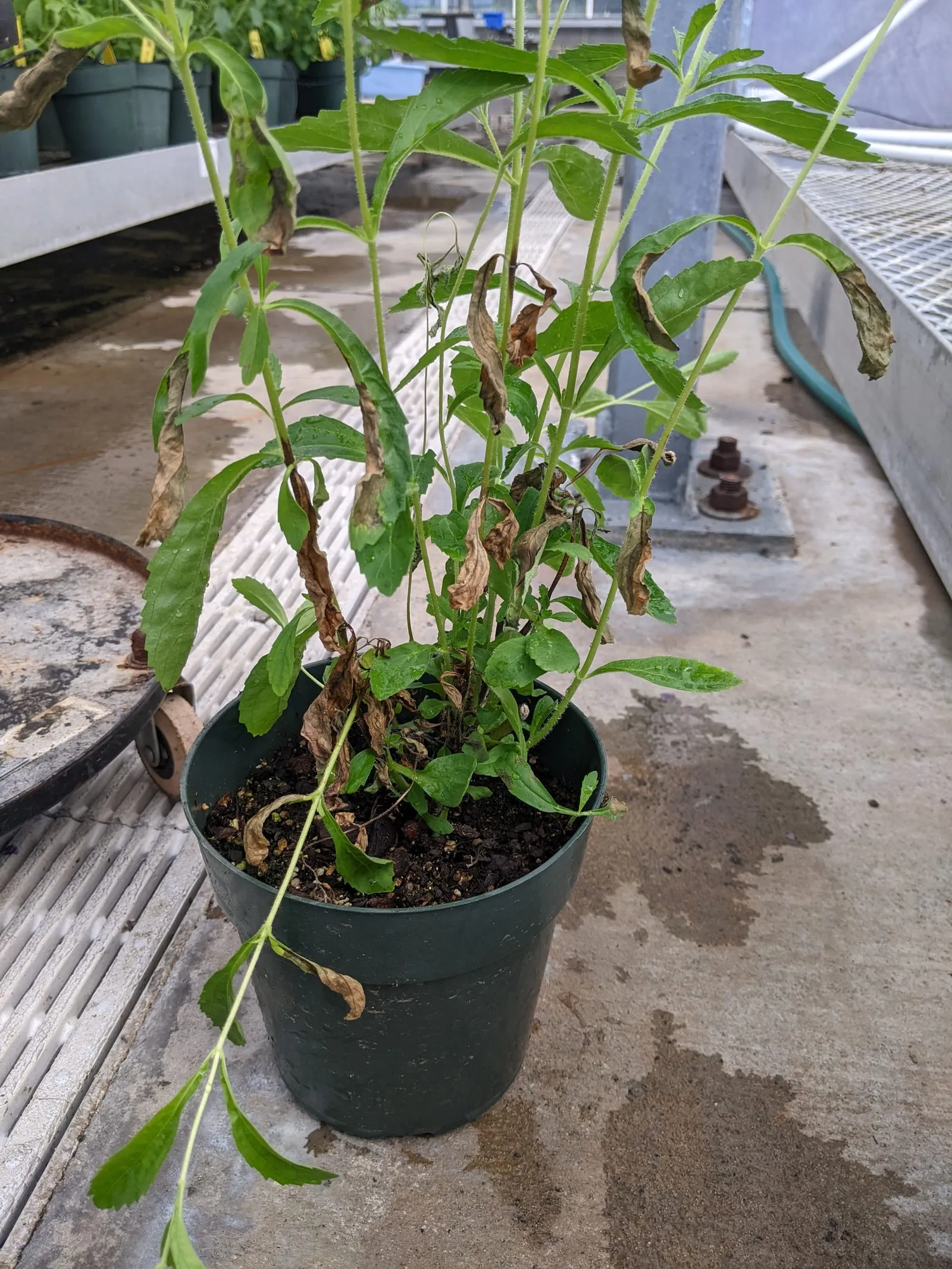
Tomato spotted wilt orthotospovirus (TSWV)
Virus vectored by thrips, particularly western flower thrips. Wide host range and growing global distribution. No cure once infected.
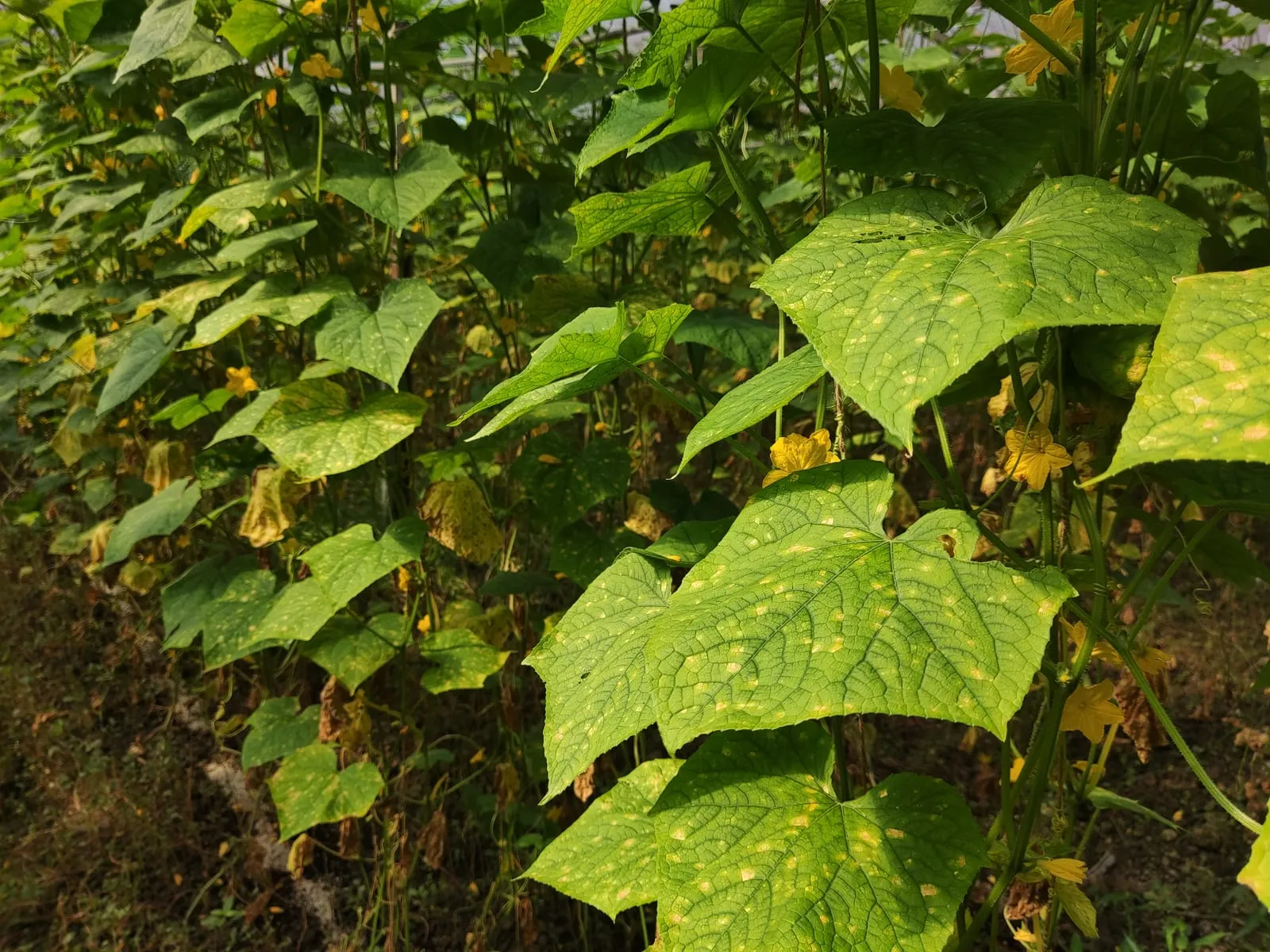
Pseudoperonospora cubensis (cucurbits) and others
Water mold (oomycete, not a true fungus) that thrives in cool damp conditions. Spreads rapidly through cucurbit and brassica plantings on wind-borne spores.
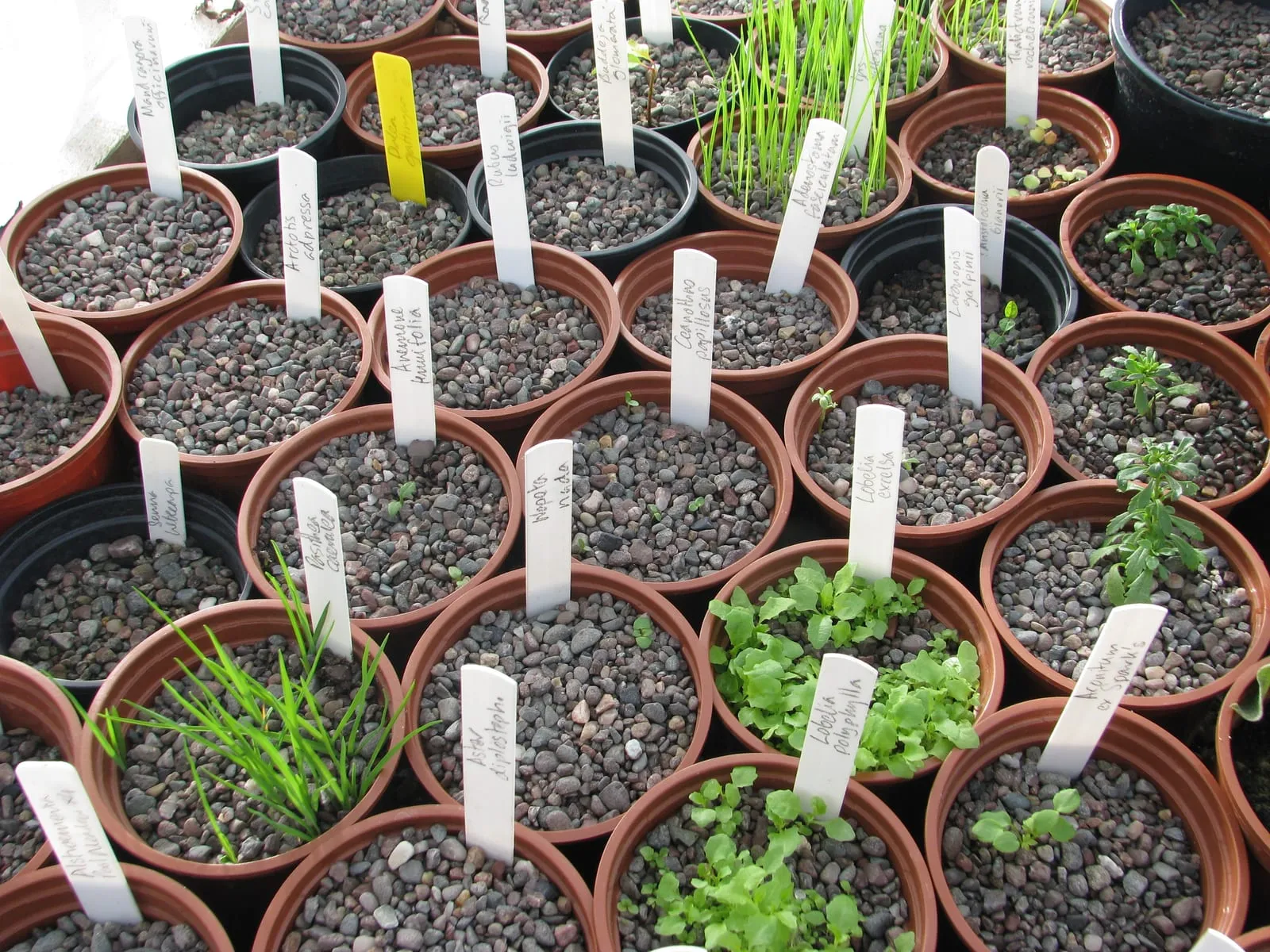
Pythium and Rhizoctonia species
Soil-borne complex of water molds and fungi that kill seedlings before or shortly after emergence. The single most common cause of seed-starting failures.
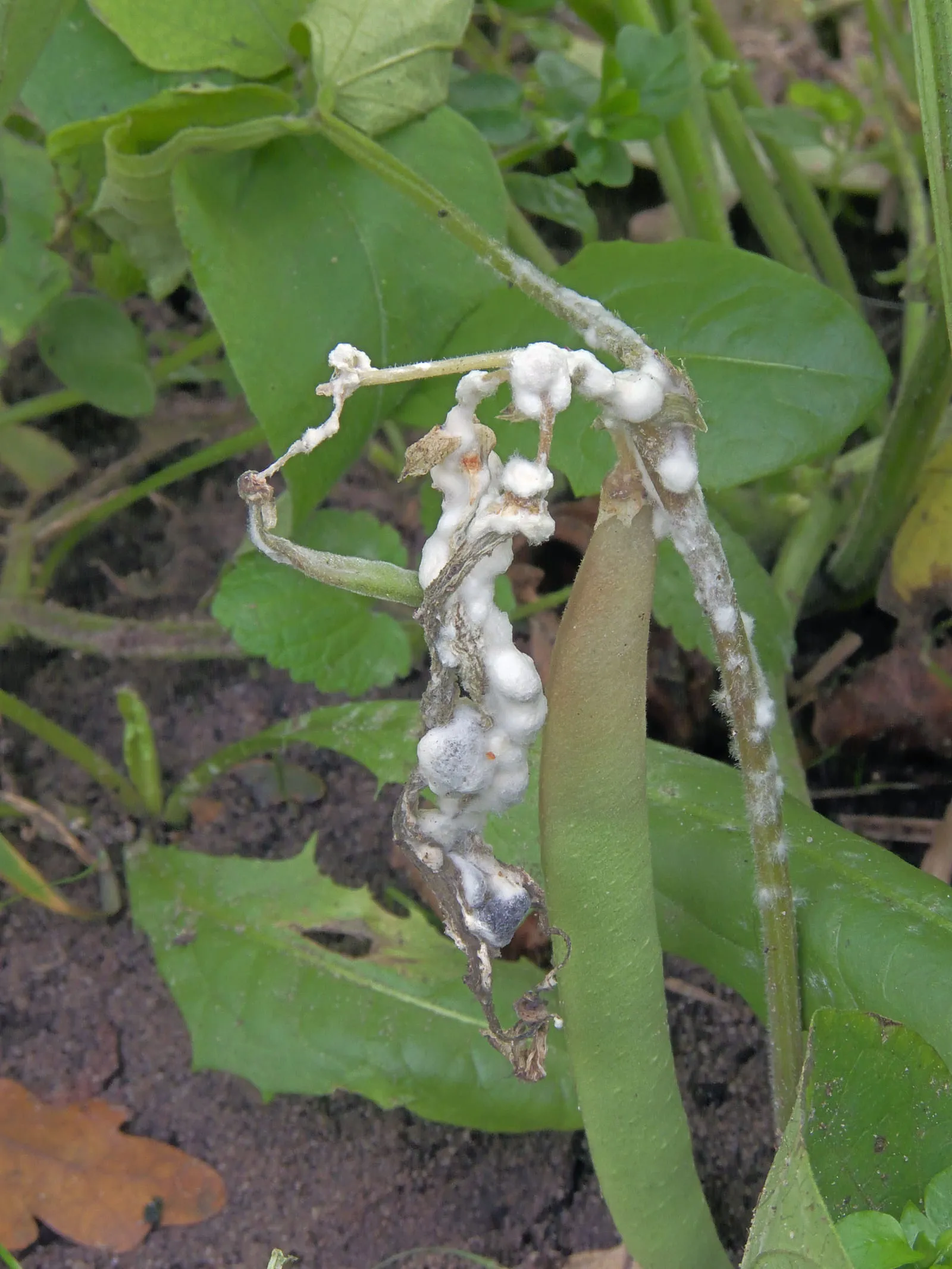
Sclerotinia sclerotiorum
Fungal disease that produces fluffy white mycelium on stems and lower leaves. Forms hard black sclerotia (resting bodies) that survive 5+ years in soil.
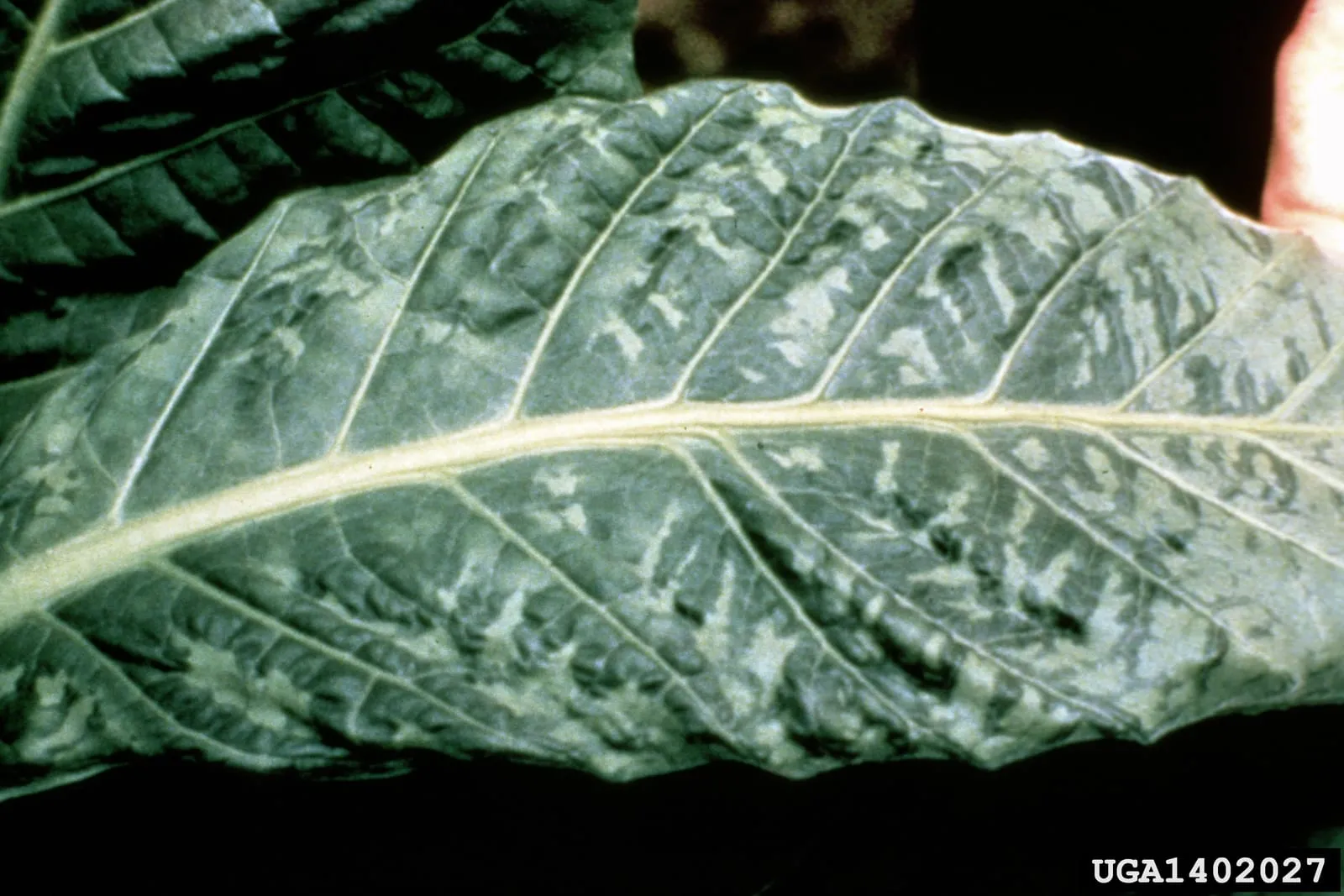
Cucumber mosaic virus, Tobacco mosaic virus, and others
Family of plant viruses producing mottled yellow-and-green leaf patterns. Vectored primarily by aphids; some are seed-transmitted or spread by handling tools and tobacco products.
Modified care for zone 9b
The primary management adjustment in zone 9b is treating summer as a complete lettuce gap and concentrating all effort in the cool months. Succession planting every two to three weeks from October through February maintains a continuous harvest and reduces the risk of an entire planting bolting simultaneously as spring temperatures rise.
Downy mildew pressure is elevated during the damp, mild winters typical of zone 9b. Spacing transplants for good airflow and avoiding evening overhead irrigation reduces infection rates considerably. White mold, which thrives in cool, wet conditions with poor drainage, is a secondary concern; remove affected plants promptly rather than leaving debris in the bed.
Shade cloth at 30 to 40 percent density can extend spring production by two to three weeks when daytime highs begin pushing above 75°F in March and April. Coastal growers contending with salt spray should rinse foliage after high-wind events and favor varieties with denser, more waxy outer leaves.
Lettuce in adjacent zones
Image: "Romaine lettuce", by Rainer Zenz, via Wikimedia Commons, licensed under CC-BY Source.

Related