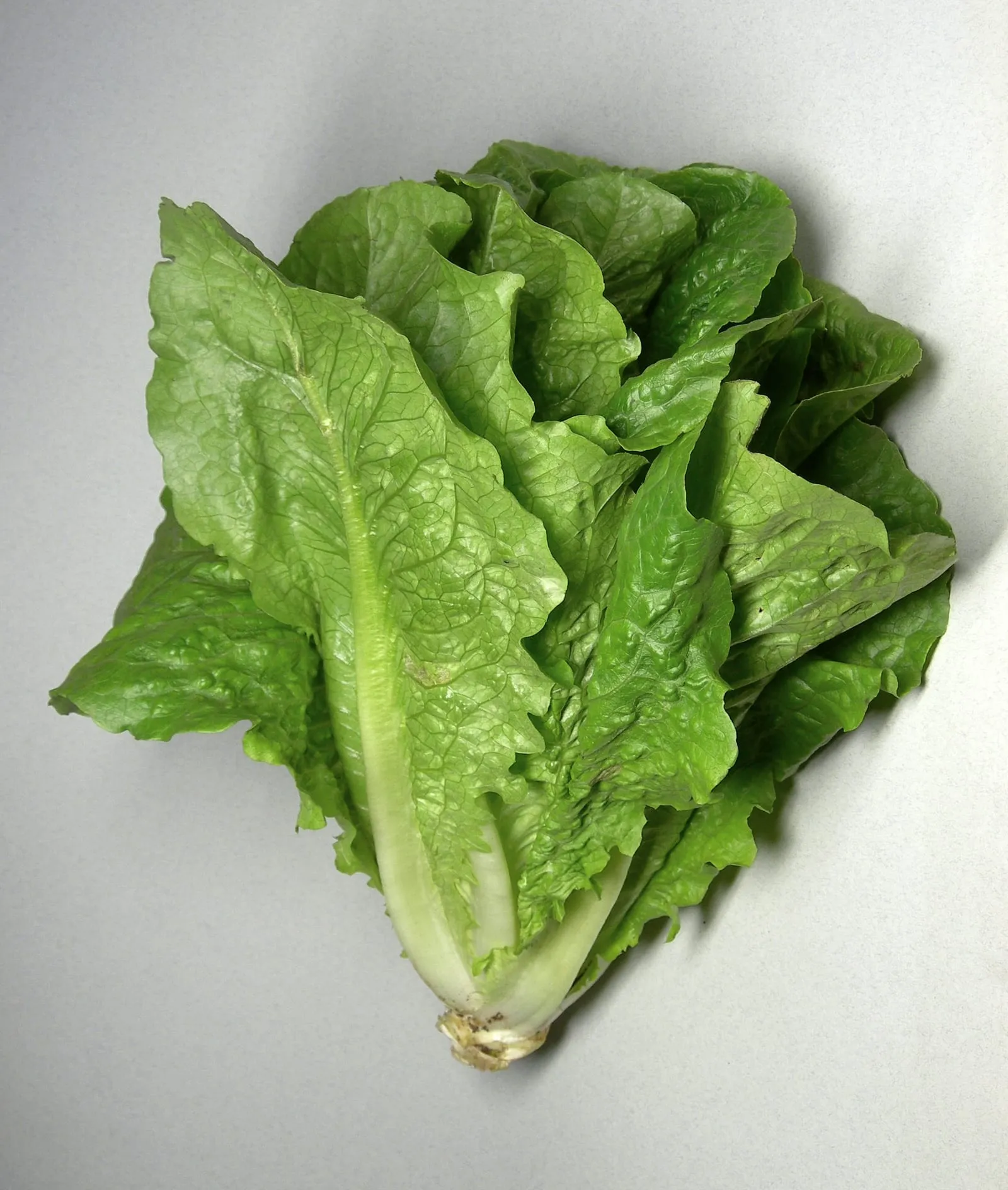
vegetable in zone 9a
Growing lettuce in zone 9a
Lactuca sativa
- Zone
- 9a 20°F to 25°F
- Growing season
- 290 days
- Suitable varieties
- 0
- Days to harvest
- 30 to 70
The verdict
Zone 9a is a workable, not ideal, zone for lettuce. The crop is cool-season by nature, thriving between roughly 45°F and 70°F, and lettuce does not require chill hours the way stone fruits or pome fruits do. The relevant constraint in 9a is heat, not cold. The 290-day growing season sounds generous, but most of those days are too warm for quality lettuce production. Summers are reliably hostile: temperatures above 75°F accelerate bolting and turn leaf texture bitter within days.
The genuine advantage of zone 9a is its mild winter. Minimum temperatures in the 20-25°F range mean outdoor lettuce survives most winters with little or no protection, and the period from October through April offers a reliable cool-season window. Growers who treat lettuce as a winter crop rather than a spring or fall crop often get the cleanest results. The zone is not a sweet spot, but it rewards growers who work within the cool-season window rather than against the summer heat.
Critical timing for zone 9a
The productive window for lettuce in zone 9a runs from mid-October through late April, bookended by summer heat on both ends. Fall transplants or direct-sown seeds started in early to mid-October are ready for first harvest by late November. Plantings made in November and December mature through January and February, which are typically the mildest and most productive months for the crop in this zone.
Spring succession planting can begin in late January and continue through March, but the harvest window compresses as temperatures climb into May. Light frost events, which can occur between November and February in zone 9a, pose minimal risk to established lettuce plants; most varieties tolerate brief dips to 28°F without significant damage. The primary timing risk is not late frost but early heat: a warm March or April can trigger bolting weeks ahead of schedule.
Common challenges in zone 9a
- ▸ Limited stone fruit options due to insufficient chill
- ▸ Hurricane and tropical storm exposure
- ▸ Citrus disease pressure
Disease pressure to watch for
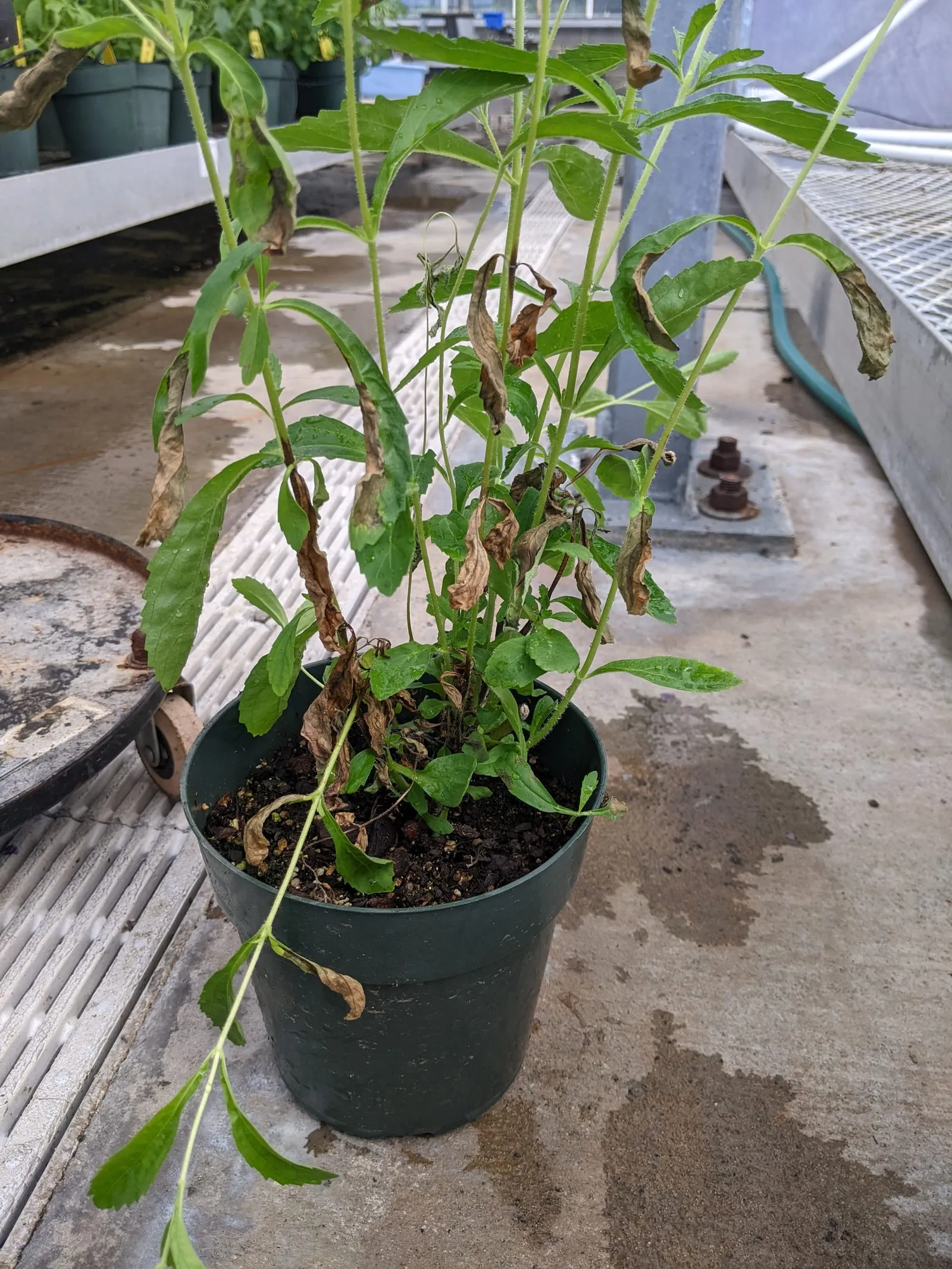
Tomato spotted wilt orthotospovirus (TSWV)
Virus vectored by thrips, particularly western flower thrips. Wide host range and growing global distribution. No cure once infected.
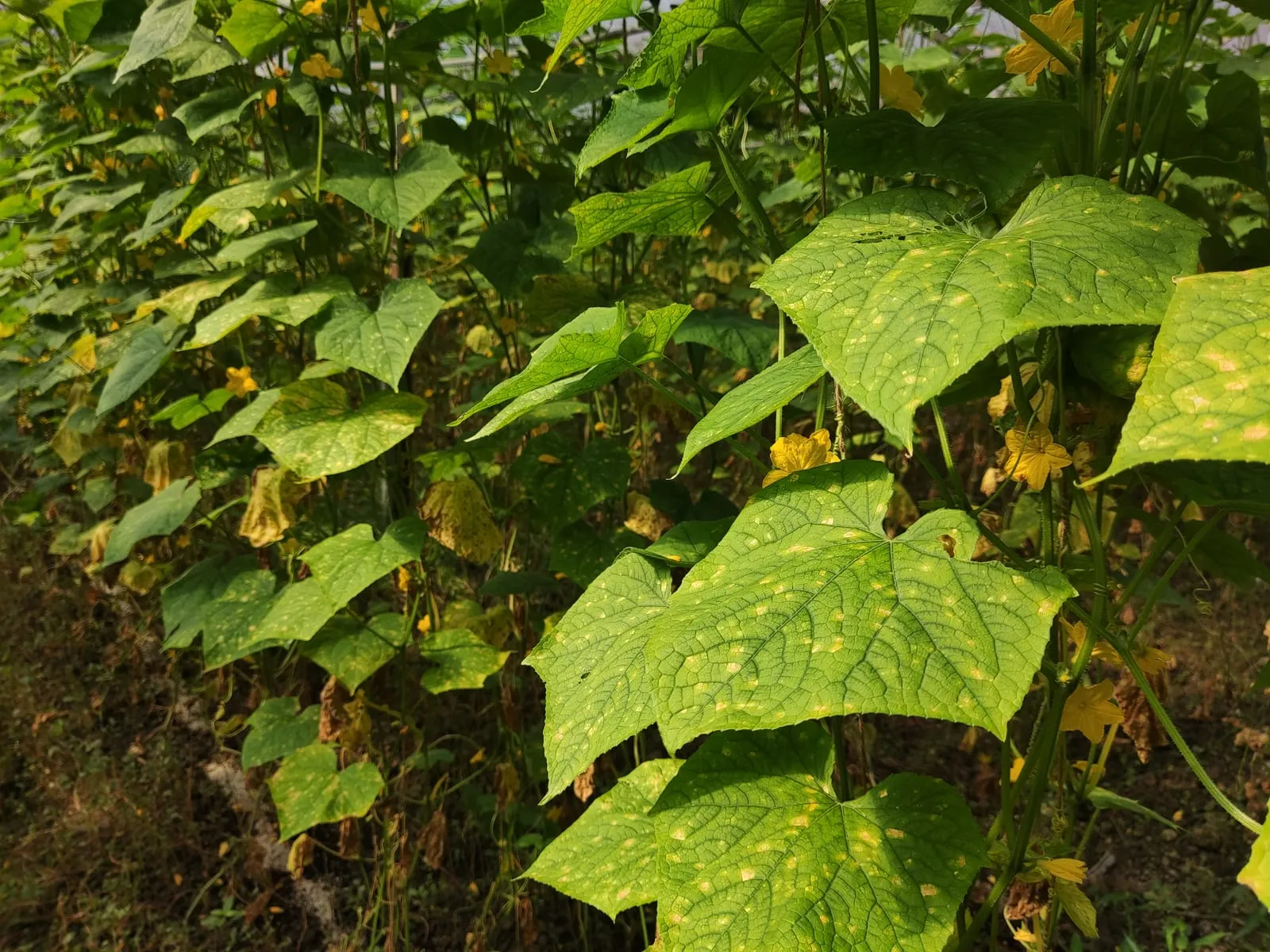
Pseudoperonospora cubensis (cucurbits) and others
Water mold (oomycete, not a true fungus) that thrives in cool damp conditions. Spreads rapidly through cucurbit and brassica plantings on wind-borne spores.
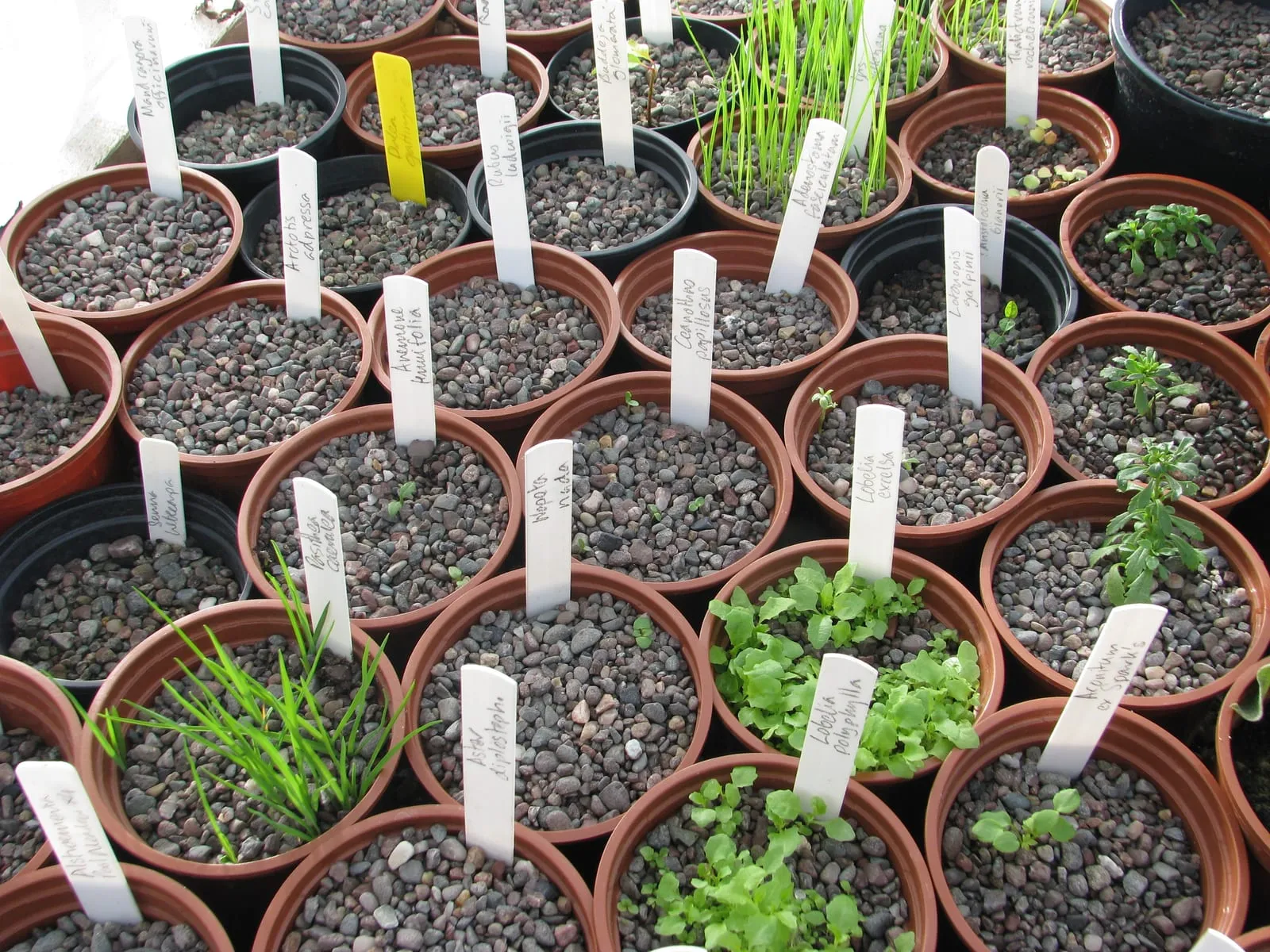
Pythium and Rhizoctonia species
Soil-borne complex of water molds and fungi that kill seedlings before or shortly after emergence. The single most common cause of seed-starting failures.
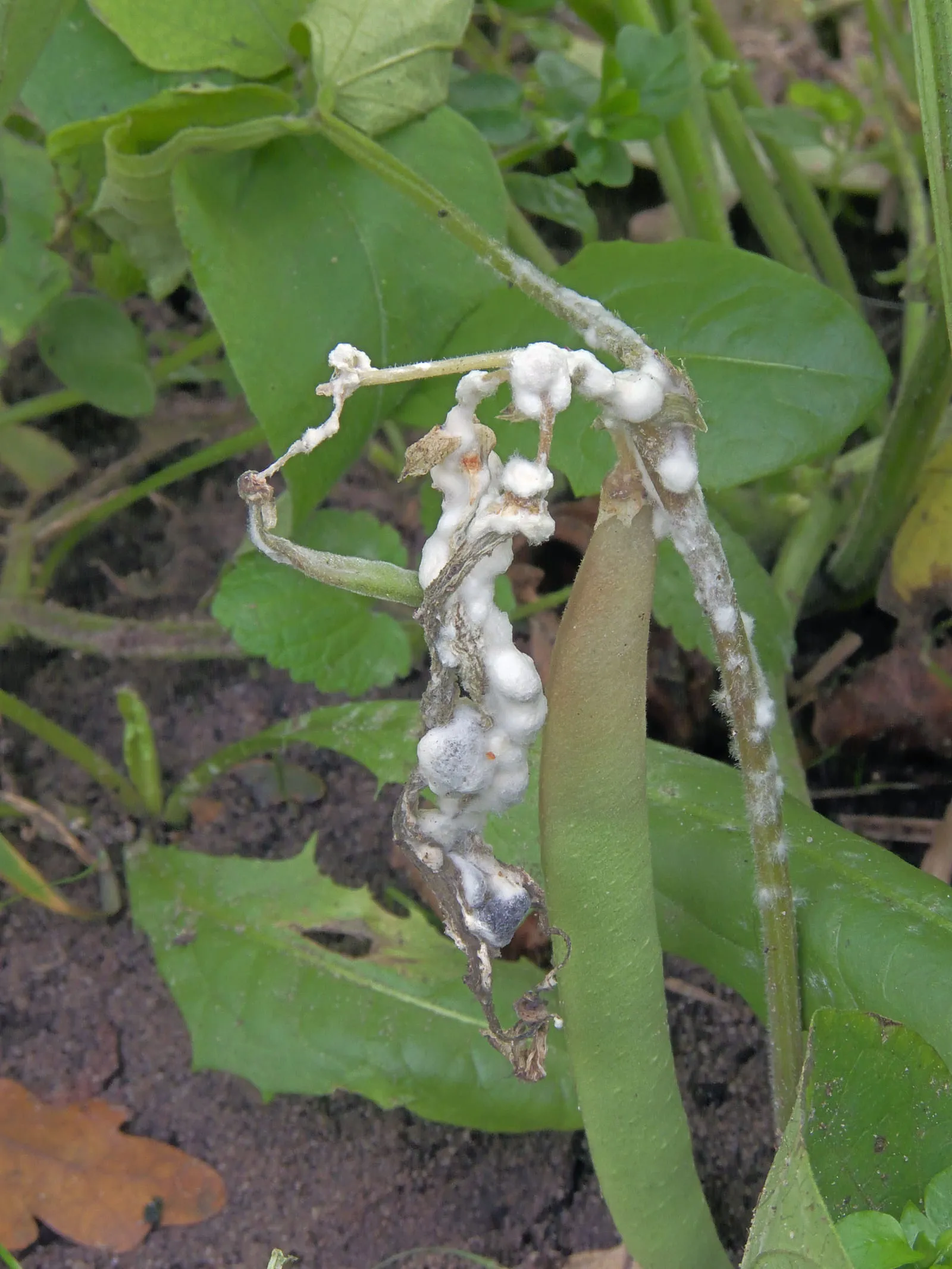
Sclerotinia sclerotiorum
Fungal disease that produces fluffy white mycelium on stems and lower leaves. Forms hard black sclerotia (resting bodies) that survive 5+ years in soil.
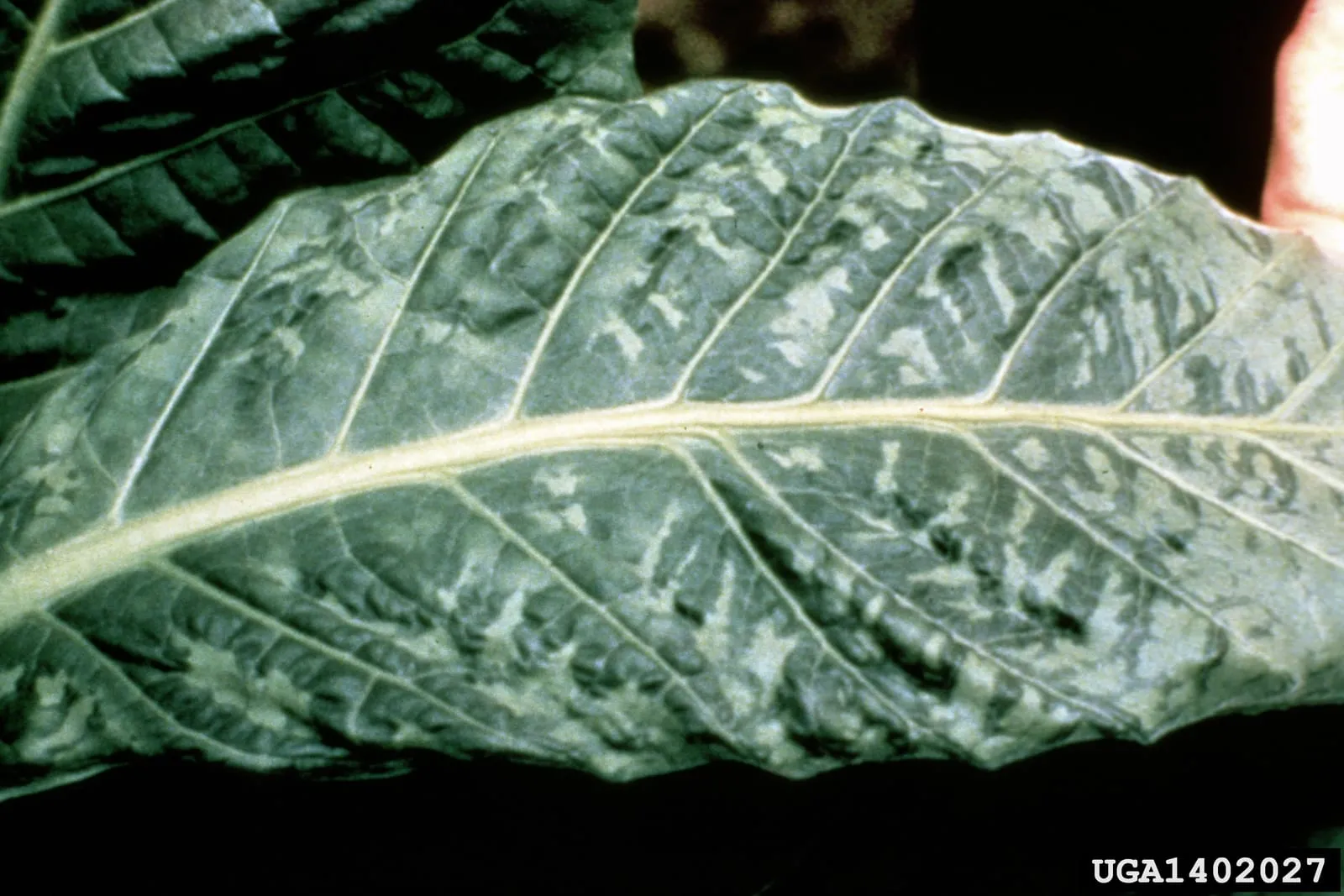
Cucumber mosaic virus, Tobacco mosaic virus, and others
Family of plant viruses producing mottled yellow-and-green leaf patterns. Vectored primarily by aphids; some are seed-transmitted or spread by handling tools and tobacco products.
Modified care for zone 9a
Heat management is the primary adaptation required in zone 9a. A 30 to 40 percent shade cloth extends the viable harvest window by two to three weeks on both ends of the cool season. Positioning beds on the north side of taller structures or using row cover to block afternoon sun provides similar benefit without permanent infrastructure.
Downy mildew is the dominant disease concern, particularly during humid fall planting periods. Wider spacing (10 to 12 inches rather than 6 to 8) and avoiding overhead irrigation in the evening reduce canopy moisture. White mold risk peaks in the cool, damp core of winter when foliage stays wet overnight; morning watering and good airflow between plants limit incidence. Succession planting every two to three weeks through the October to March window is more practical in 9a than in cooler zones because no single planting will hold well once temperatures rise.
Frequently asked questions
- Can lettuce survive summer in zone 9a?
Not reliably. Temperatures above 75°F cause rapid bolting and bitterness. Some heat-tolerant varieties tolerate short warm spells under shade cloth, but sustained zone 9a summers push well past that threshold. The practical approach is to treat lettuce as a winter crop and skip summer production entirely.
- Does lettuce need frost protection in zone 9a?
Established lettuce plants tolerate brief frosts down to roughly 28°F without significant damage, and zone 9a winters rarely drop below the 20-25°F range for extended periods. Light row cover provides adequate insurance for seedlings and tender transplants during the coldest nights.
- How many lettuce successions can a zone 9a grower fit in a season?
Four to six successions, planted every two to three weeks from mid-October through early March, is realistic. Each succession matures in 45 to 60 days depending on variety, so the October-through-April window accommodates multiple harvests before heat ends the season.
- Why is downy mildew a bigger problem in zone 9a than in cooler zones?
Humid fall conditions combined with mild temperatures create favorable conditions for Peronospora effusa, the pathogen responsible for lettuce downy mildew. Cooler zones often see drier fall weather or earlier hard frosts that interrupt the disease cycle. In 9a, the fall planting window coincides with the period of highest risk.
+−
+−
+−
+−
Lettuce in adjacent zones
Image: "Romaine lettuce", by Rainer Zenz, via Wikimedia Commons, licensed under CC-BY Source.

Related