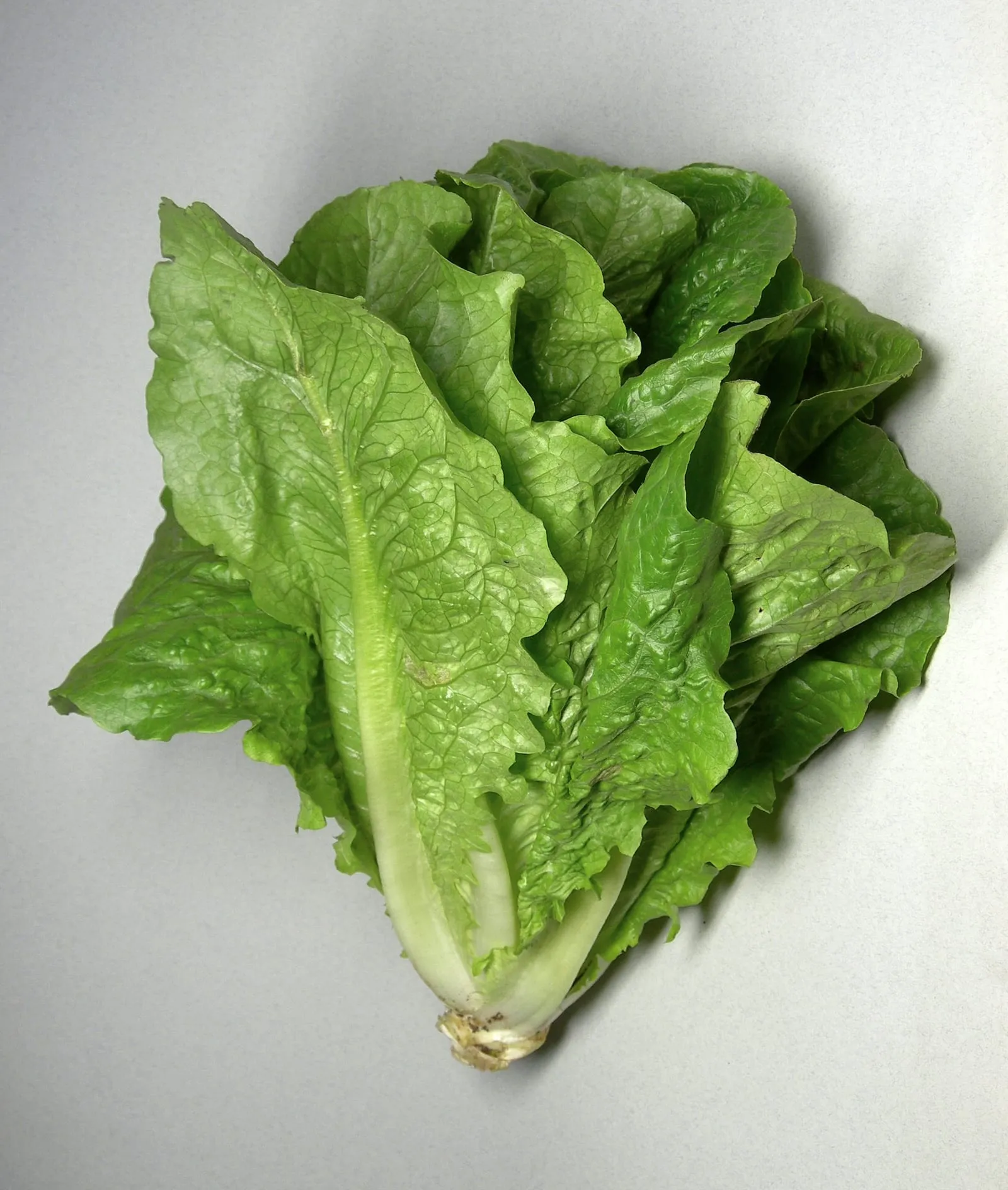
vegetable in zone 8b
Growing lettuce in zone 8b
Lactuca sativa
- Zone
- 8b 15°F to 20°F
- Growing season
- 260 days
- Suitable varieties
- 0
- Days to harvest
- 30 to 70
The verdict
Zone 8b is a legitimate sweet spot for lettuce, with one significant caveat: summer is a write-off. The mild winter minimum of 15 to 20°F means lettuce survives outdoors with minimal protection for most of the cool season, and the 260-day growing season allows three distinct planting windows across fall, winter, and early spring. Lettuce has no chill-hour requirement, so the low-chill limitations that constrain apple growers in zone 8b are irrelevant here.
The real constraint is heat. Lettuce bolts when daytime temperatures consistently push past 80°F, and zone 8b summers cross that threshold reliably by May or June and stay there through September. That window eliminates summer production except in shaded or evaporatively cooled setups. Outside that window, zone 8b conditions are genuinely favorable: cool nights, mild frosts, and a long shoulder season on both ends of winter.
Critical timing for zone 8b
The primary lettuce season in zone 8b runs from mid-September through late April, split into three overlapping windows. Fall planting begins around September 15 and continues through November; these crops mature in 45 to 70 days depending on variety type, placing harvests between late October and early January. Winter planting (November through January) is viable in most zone 8b locations, though hard freezes below 25°F can cause tip burn on unprotected heads. Spring planting opens again in February and should wrap up by mid-April before consistent warm nights trigger bolting.
The frost-free last date in zone 8b typically falls in late February to mid-March, which means spring lettuce can often be direct-sown outdoors while light frosts are still possible. Lettuce tolerates light frost well; it is the heat at the other end of the season that sets the hard deadline.
Common challenges in zone 8b
- ▸ Low chill hours limit apple variety selection
- ▸ Citrus greening risk
- ▸ Nematodes in sandy soils
Disease pressure to watch for
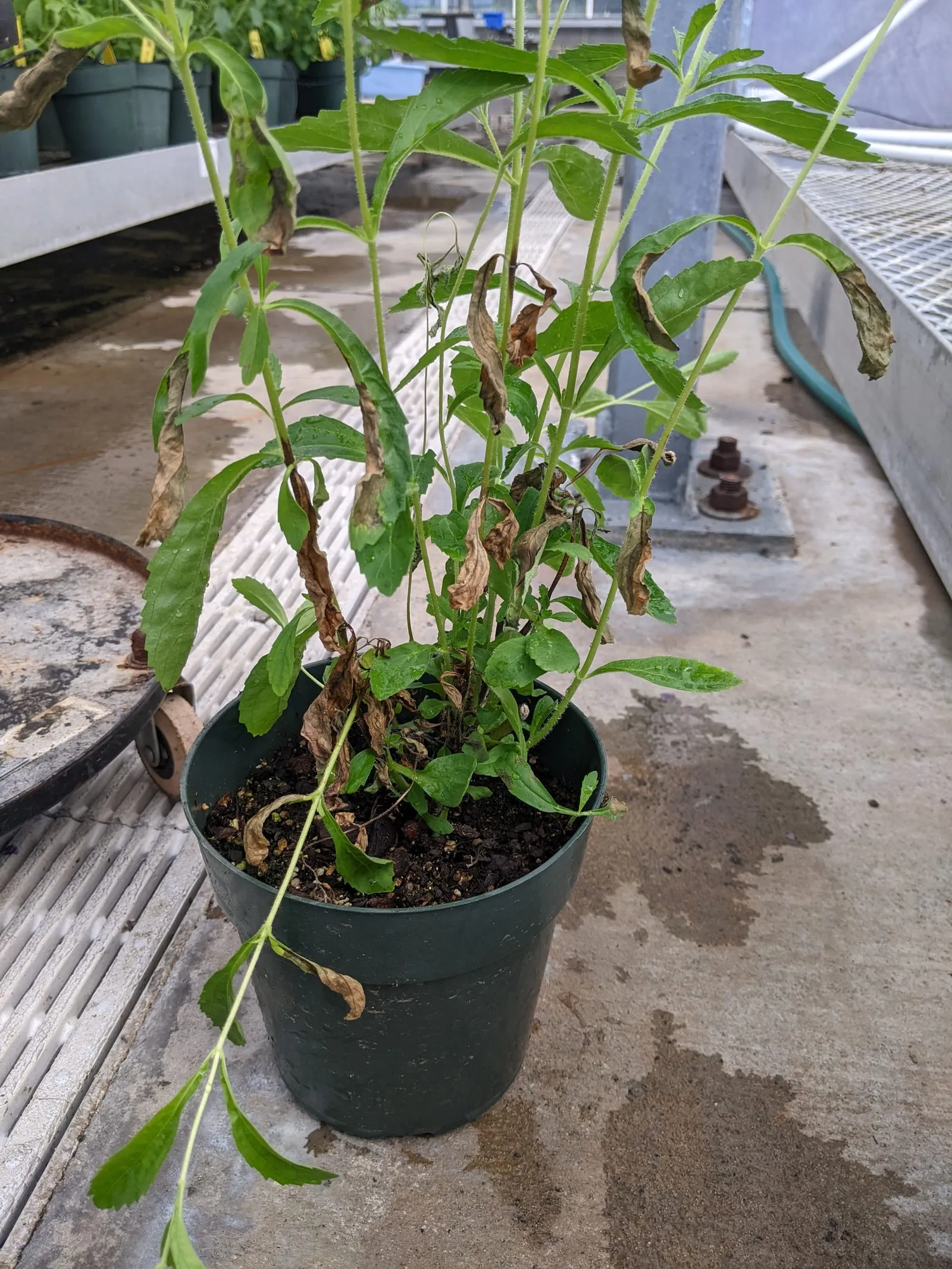
Tomato spotted wilt orthotospovirus (TSWV)
Virus vectored by thrips, particularly western flower thrips. Wide host range and growing global distribution. No cure once infected.
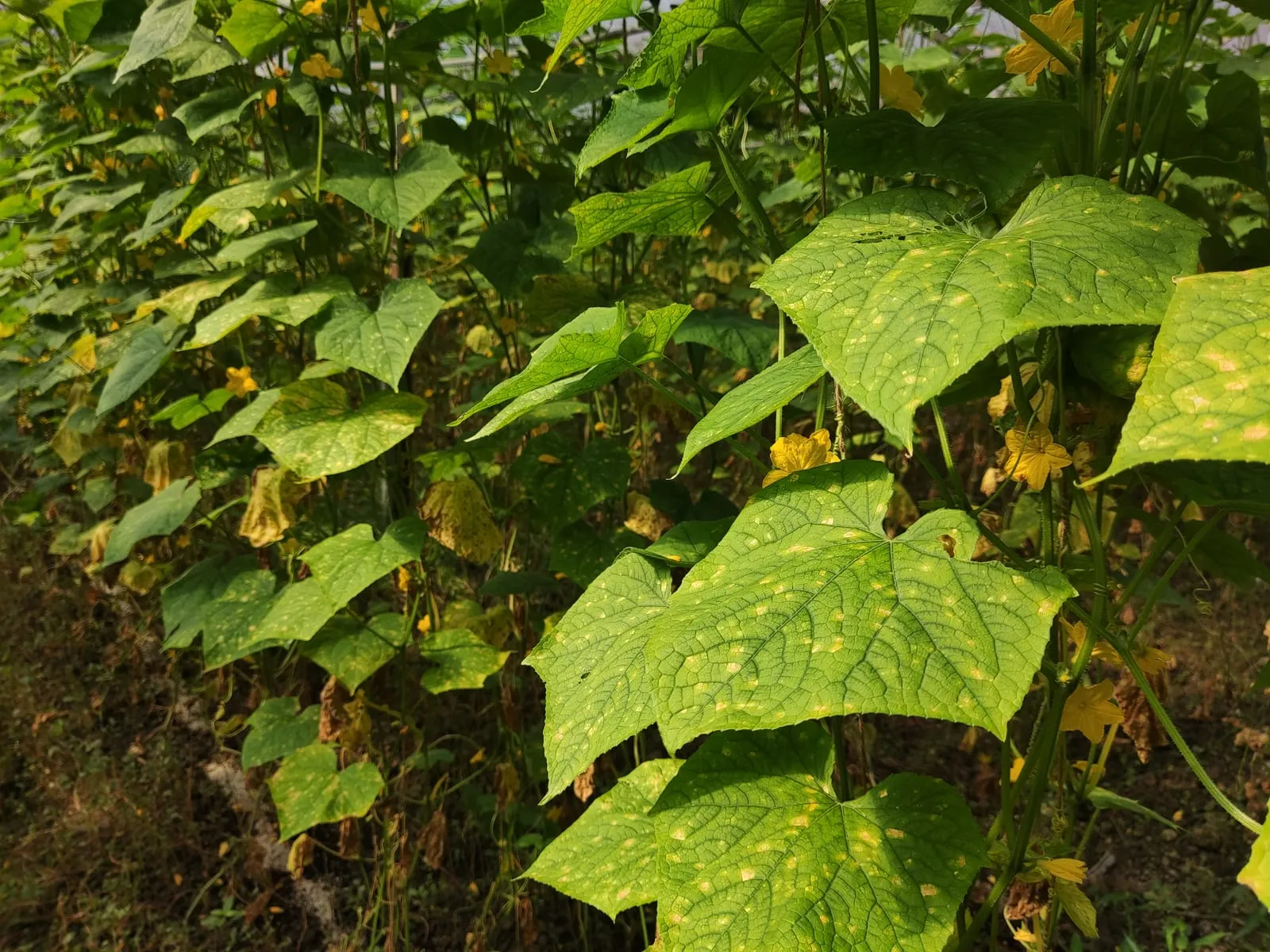
Pseudoperonospora cubensis (cucurbits) and others
Water mold (oomycete, not a true fungus) that thrives in cool damp conditions. Spreads rapidly through cucurbit and brassica plantings on wind-borne spores.
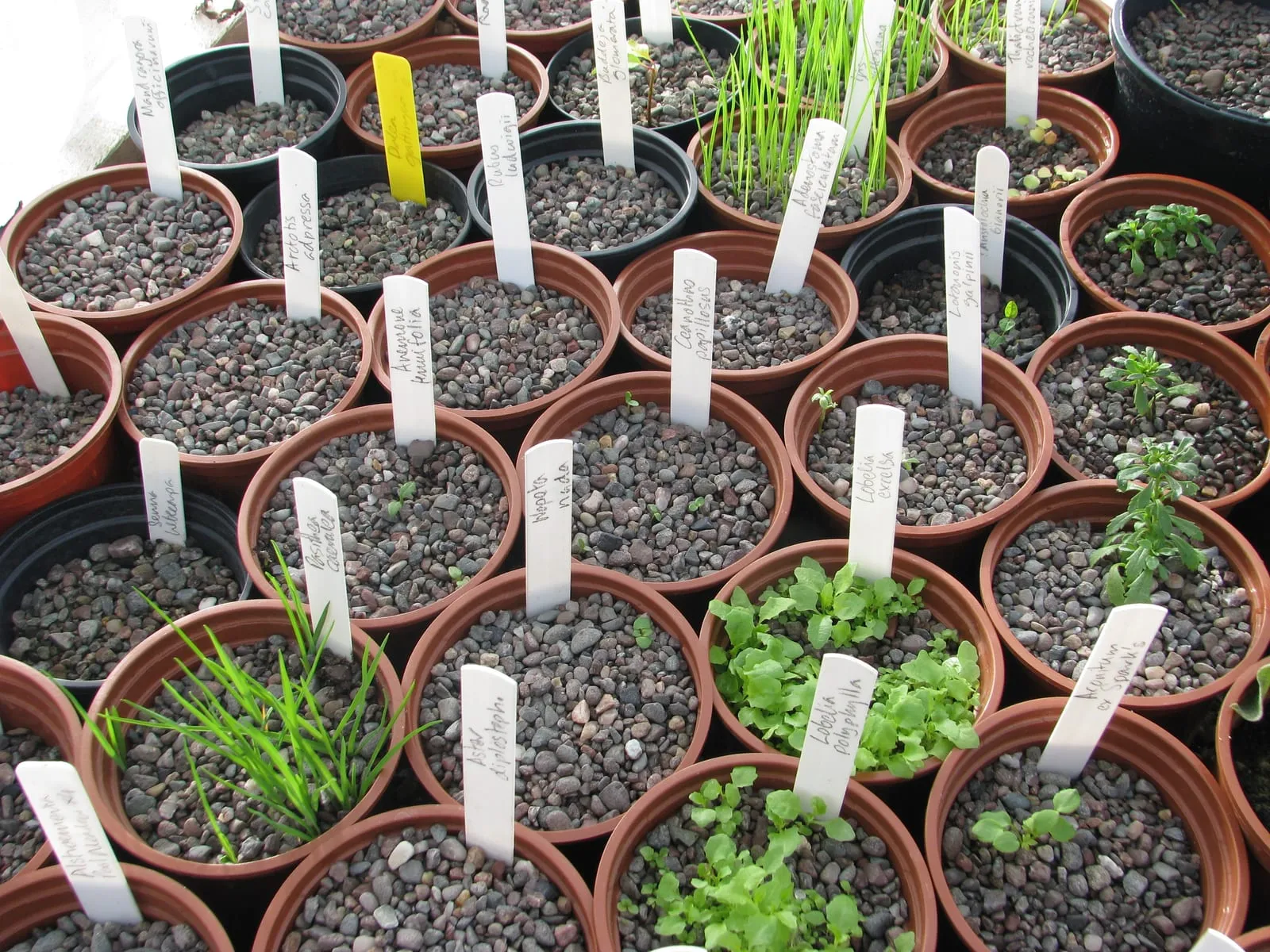
Pythium and Rhizoctonia species
Soil-borne complex of water molds and fungi that kill seedlings before or shortly after emergence. The single most common cause of seed-starting failures.
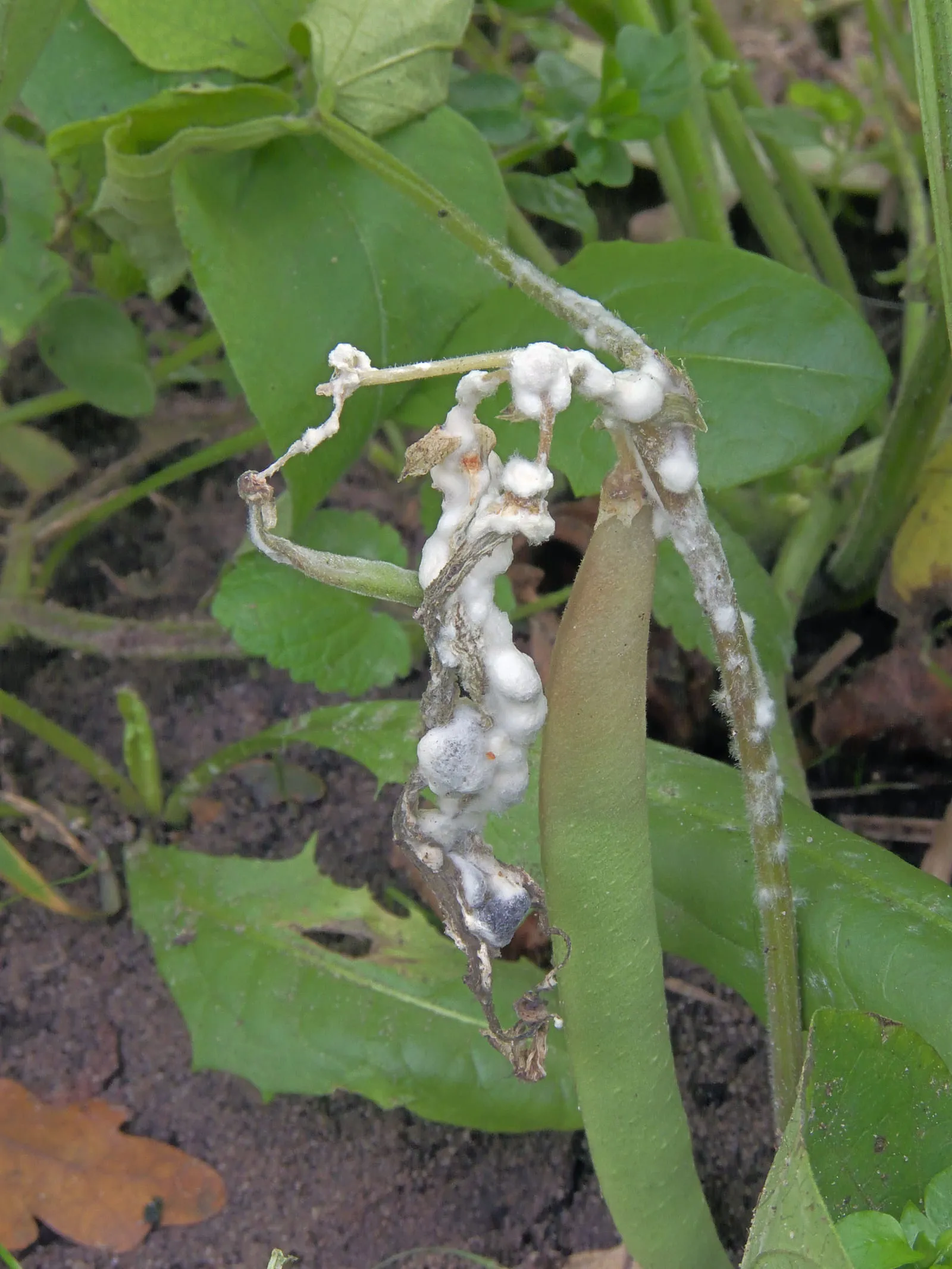
Sclerotinia sclerotiorum
Fungal disease that produces fluffy white mycelium on stems and lower leaves. Forms hard black sclerotia (resting bodies) that survive 5+ years in soil.
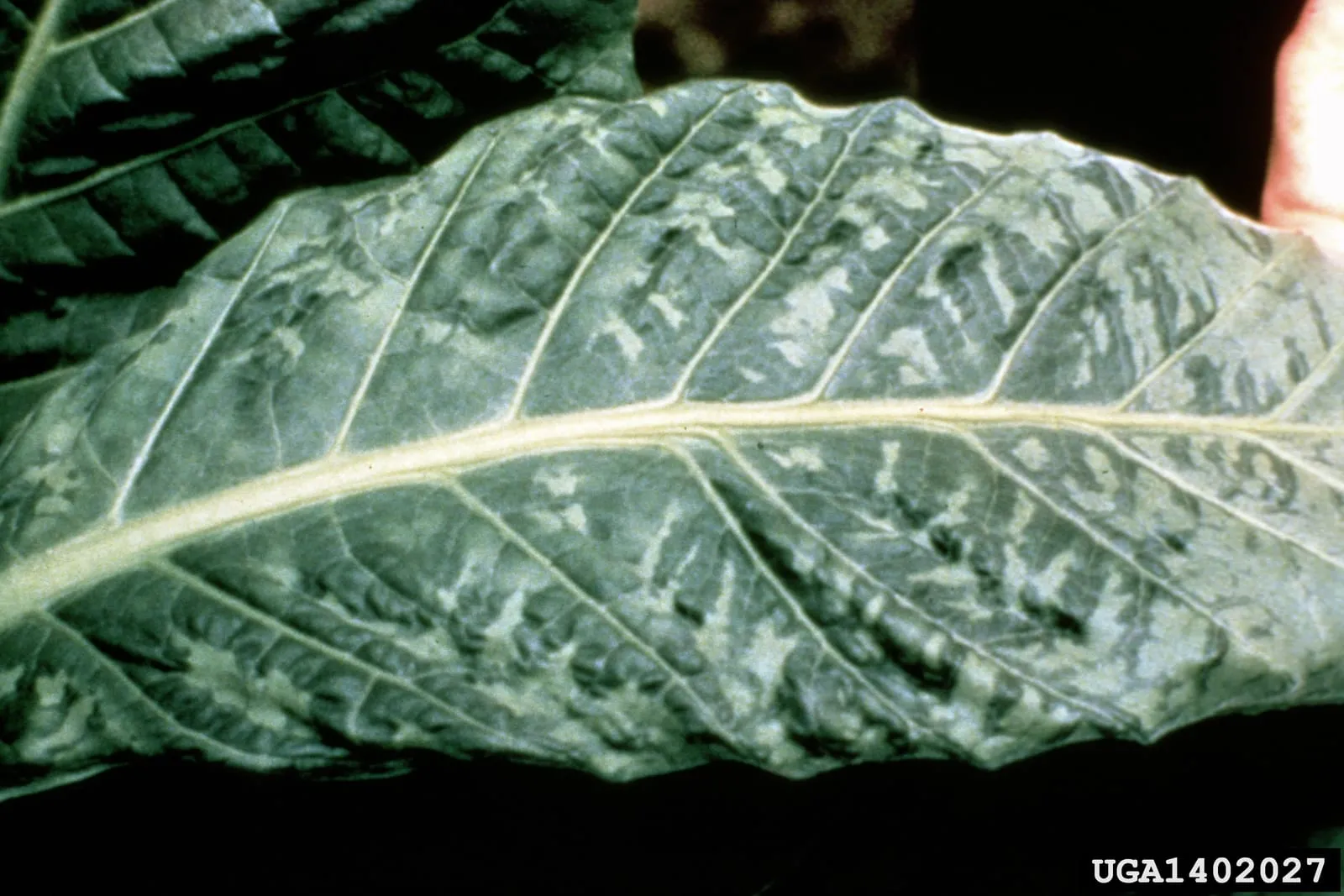
Cucumber mosaic virus, Tobacco mosaic virus, and others
Family of plant viruses producing mottled yellow-and-green leaf patterns. Vectored primarily by aphids; some are seed-transmitted or spread by handling tools and tobacco products.
Modified care for zone 8b
The dominant adaptation in zone 8b is managing the transition out of each cool season. Shade cloth rated at 30 to 40% transmission can push the spring harvest window two to three weeks later by reducing daytime heat load. Choosing heat-tolerant varieties (batavian and oakleaf types generally outperform heading types in warm conditions) also extends the productive window.
Downy mildew pressure increases during the wet winter months typical of zone 8b. Plant spacing of at least 8 to 10 inches for loose-leaf types, combined with drip irrigation rather than overhead watering, reduces humidity around the canopy where spores establish. White mold is a secondary concern in dense fall plantings during cool, wet spells; thinning aggressively and removing dead outer leaves reduces inoculum. In locations with sandy soils, nematode populations can stunt shallow lettuce roots; rotating lettuce with alliums or a sorghum-sudangrass cover crop ahead of planting helps suppress populations over time.
Frequently asked questions
- Can lettuce be grown year-round in zone 8b?
Practically, no. Fall through spring (September through April) is the viable window. Summer heat reliably triggers bolting and degrades leaf quality, making outdoor summer production impractical without significant infrastructure. Three successive seasonal plantings within the cool window are achievable, which is more than most northern zones allow.
- Does lettuce need frost protection in zone 8b winters?
Light to moderate frost (down to about 25°F) causes little damage to established lettuce. Below that threshold, row cover or cold frames prevent tip burn on heading types. Most zone 8b winters stay above 25°F the majority of the time, so protection is an occasional precaution rather than a routine requirement.
- Which lettuce types perform best in zone 8b?
Loose-leaf and batavian (French crisp) types are more heat-tolerant than iceberg-style heading types and are better suited to zone 8b's warm spring conditions. Butterhead types fall in between. For the fall and winter windows, most types perform well; variety choice matters most when pushing into late April.
- How does downy mildew affect lettuce in zone 8b?
Downy mildew is the primary foliar disease concern during cool, wet winter growth. It appears as yellow patches on upper leaf surfaces with gray-purple sporulation underneath. Resistant varieties exist and are worth selecting when available. Good airflow and avoiding wet foliage overnight are the most practical cultural controls.
+−
+−
+−
+−
Lettuce in adjacent zones
Image: "Romaine lettuce", by Rainer Zenz, via Wikimedia Commons, licensed under CC-BY Source.

Related