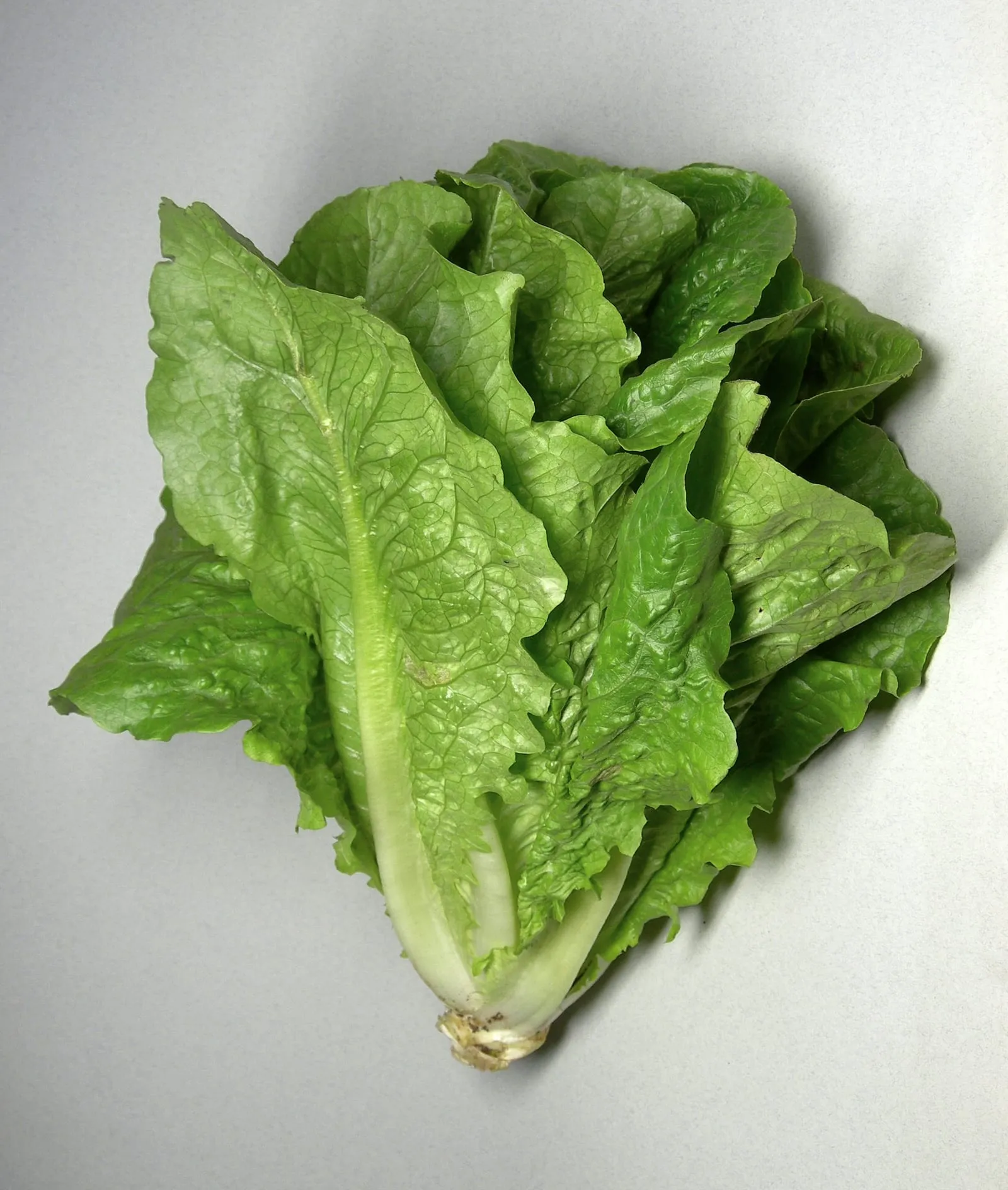
vegetable in zone 6a
Growing lettuce in zone 6a
Lactuca sativa
- Zone
- 6a -10°F to -5°F
- Growing season
- 180 days
- Suitable varieties
- 5
- Days to harvest
- 30 to 70
The verdict
Zone 6a is a strong fit for lettuce. The crop is a cool-season annual that performs best when air temperatures stay between 45 and 75°F, and zone 6a delivers exactly that during spring and fall. Unlike perennial fruit crops, lettuce carries no chill-hour requirement; the relevant question is whether the zone offers adequate cool-season windows before summer heat triggers bolting. With a 180-day growing season and minimum winter temperatures between -10 and -5°F, zone 6a supports two distinct lettuce windows per year: a spring window from late March through early June, and a fall window from late August through October. Neither window is marginal. The primary limiting factor is the summer heat gap between them, when temperatures push above 80°F and plants shift toward flowering and seed production. Zone 6a growers can extend both windows with row covers or cold frames, but the base season is already more favorable than zones 7 and warmer, where summer arrives faster and the cool window narrows.
Recommended varieties for zone 6a
5 cultivars suited to this zone, with disease-resistance and zone-fit annotations.
| Variety | Notes | Zone fit | Disease resistance |
|---|---|---|---|
| Buttercrunch fits zone 6a | Sweet, tender, buttery; loose-heading bibb-style green leaf. Salads, sandwiches, fresh. AAS winner, slow to bolt, heat-tolerant for the type, the home-garden butter lettuce standard. | | none noted |
| Black Seeded Simpson fits zone 6a | Sweet, crisp, classic loose-leaf flavor; pale green frilly leaves. Salads, sandwiches, fast cut-and-come-again harvest. Heritage variety, fastest to harvest (45 days from seed). | | none noted |
| Romaine Parris Island fits zone 6a | Crisp, refreshing, classic upright Romaine flavor; tall green heads. Caesar salad, sandwiches, wraps. Heat-tolerant, slow to bolt, the home-garden romaine standard. | | none noted |
| Red Sails fits zone 6a | Mild, slightly sweet, deep wine-red ruffled leaves; loose-leaf. Salads, garnish. AAS winner, slow to bolt, holds color and quality. | | none noted |
| Iceberg / Great Lakes fits zone 6a | Crisp, watery, mild; classic crisphead with tight pale-green head. BLTs, taco shells, wedge salads. Heritage commercial variety, slow to germinate but solid heading. | | none noted |
Critical timing for zone 6a
Spring planting typically begins 4 to 6 weeks before the last expected frost, which in zone 6a falls around mid-April across most of the range. Direct seeding can start in late February or early March under cover; transplants move outdoors in late March as soil temperatures climb above 40°F. Harvest of mature heads runs from mid-May through June depending on variety. As summer temperatures consistently exceed 80°F, plants bolt: the stem elongates, flavor turns bitter, and the harvest window closes. This bolting point marks the practical end of spring production. Fall planting works backward from the first fall frost, which arrives in zone 6a around late October. Seeding in mid-August to early September gives plants enough time to reach harvest size, with mature heads typically ready from late September through mid-October.
Common challenges in zone 6a
- ▸ Brown rot in stone fruit
- ▸ Japanese beetles
- ▸ Spring frost damage to peach buds
Disease pressure to watch for
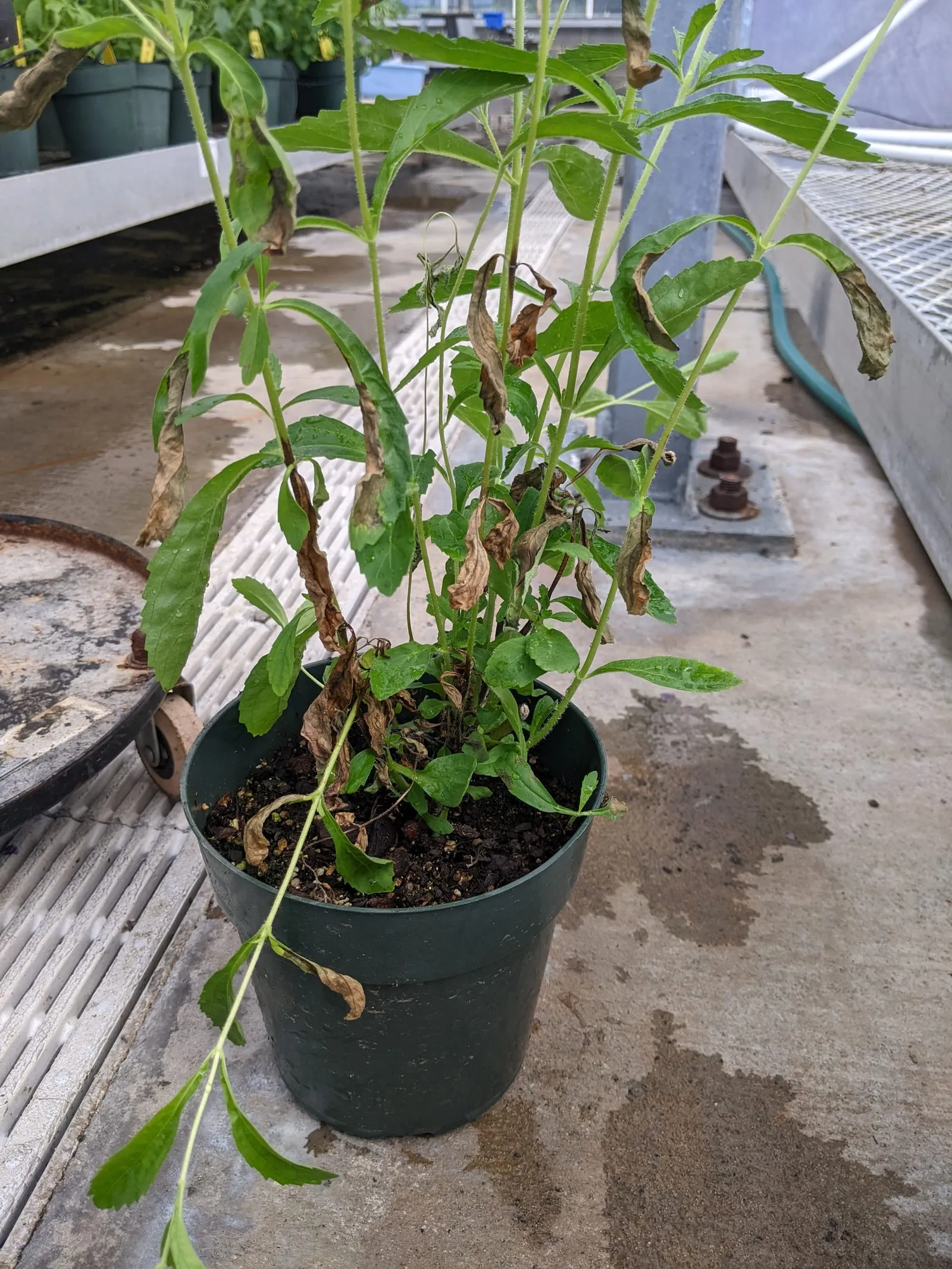
Tomato spotted wilt orthotospovirus (TSWV)
Virus vectored by thrips, particularly western flower thrips. Wide host range and growing global distribution. No cure once infected.
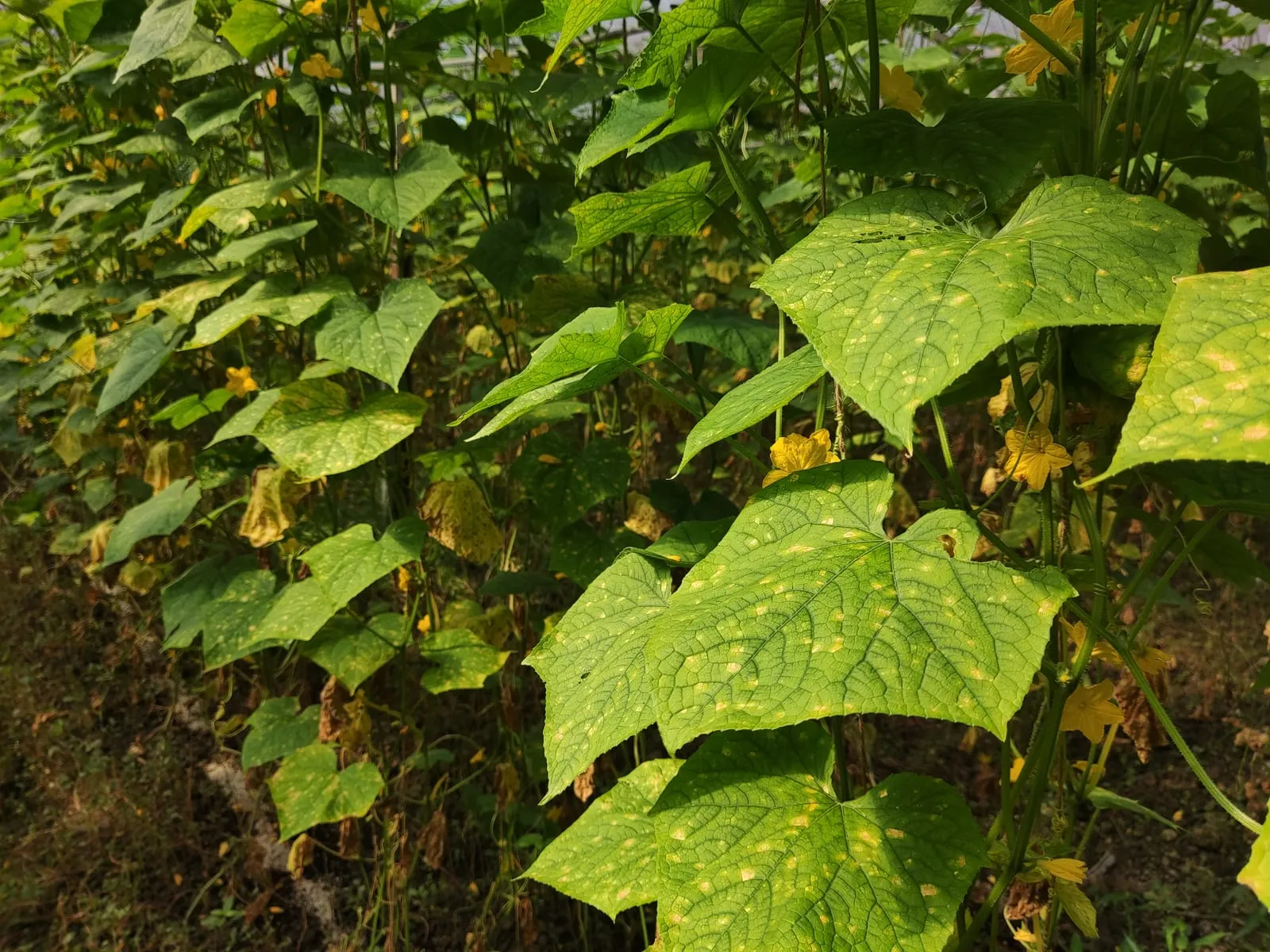
Pseudoperonospora cubensis (cucurbits) and others
Water mold (oomycete, not a true fungus) that thrives in cool damp conditions. Spreads rapidly through cucurbit and brassica plantings on wind-borne spores.
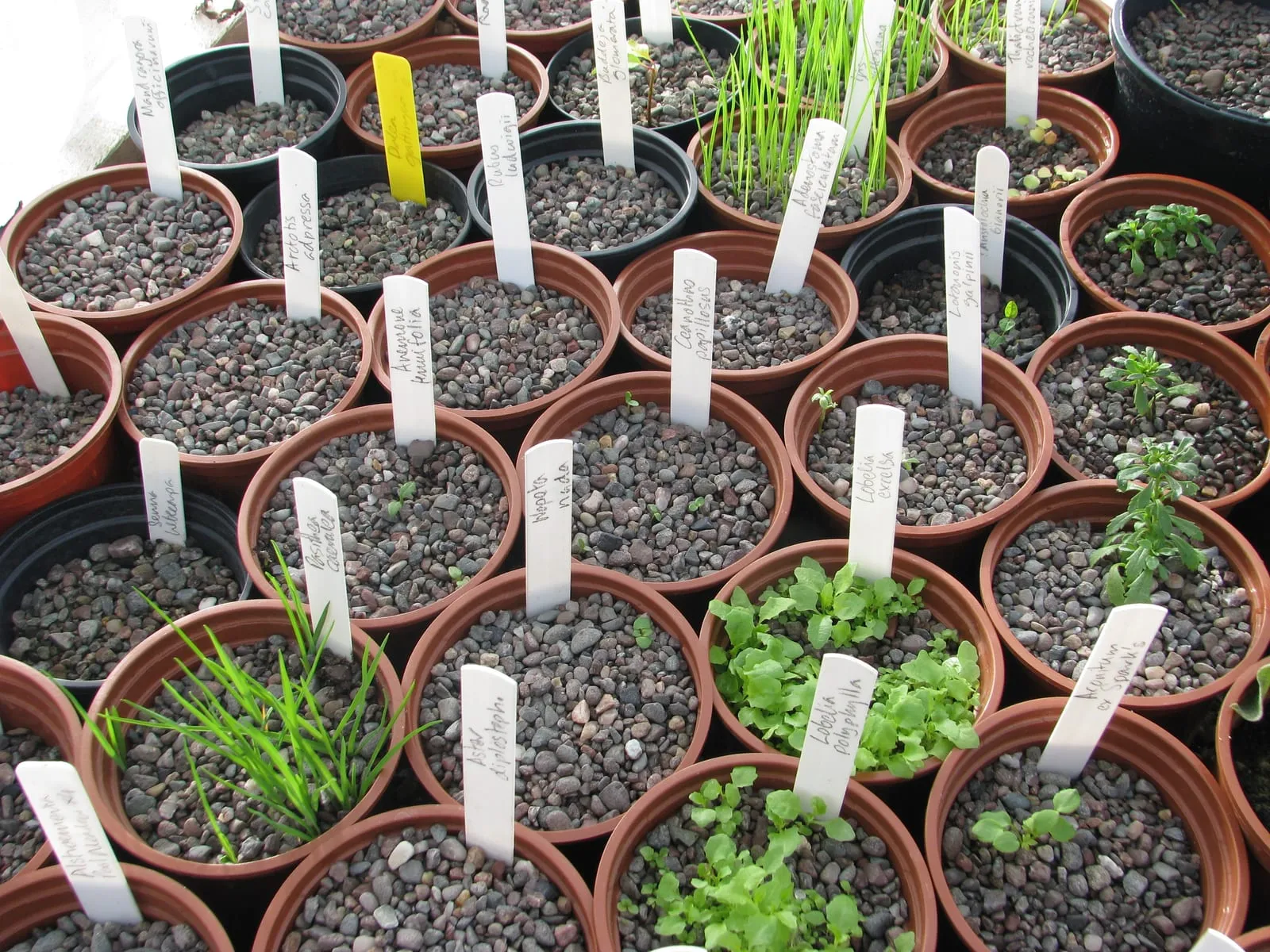
Pythium and Rhizoctonia species
Soil-borne complex of water molds and fungi that kill seedlings before or shortly after emergence. The single most common cause of seed-starting failures.
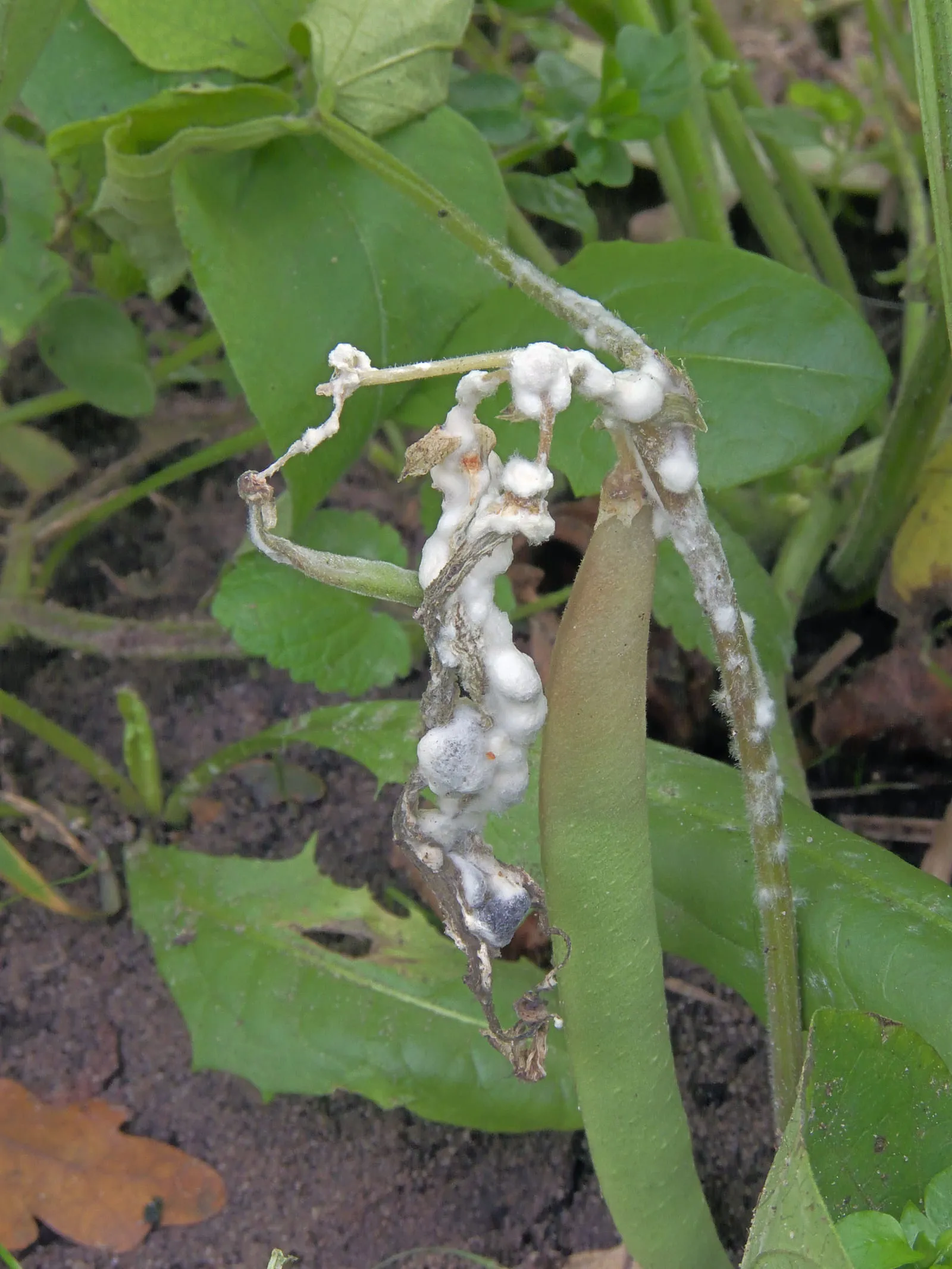
Sclerotinia sclerotiorum
Fungal disease that produces fluffy white mycelium on stems and lower leaves. Forms hard black sclerotia (resting bodies) that survive 5+ years in soil.
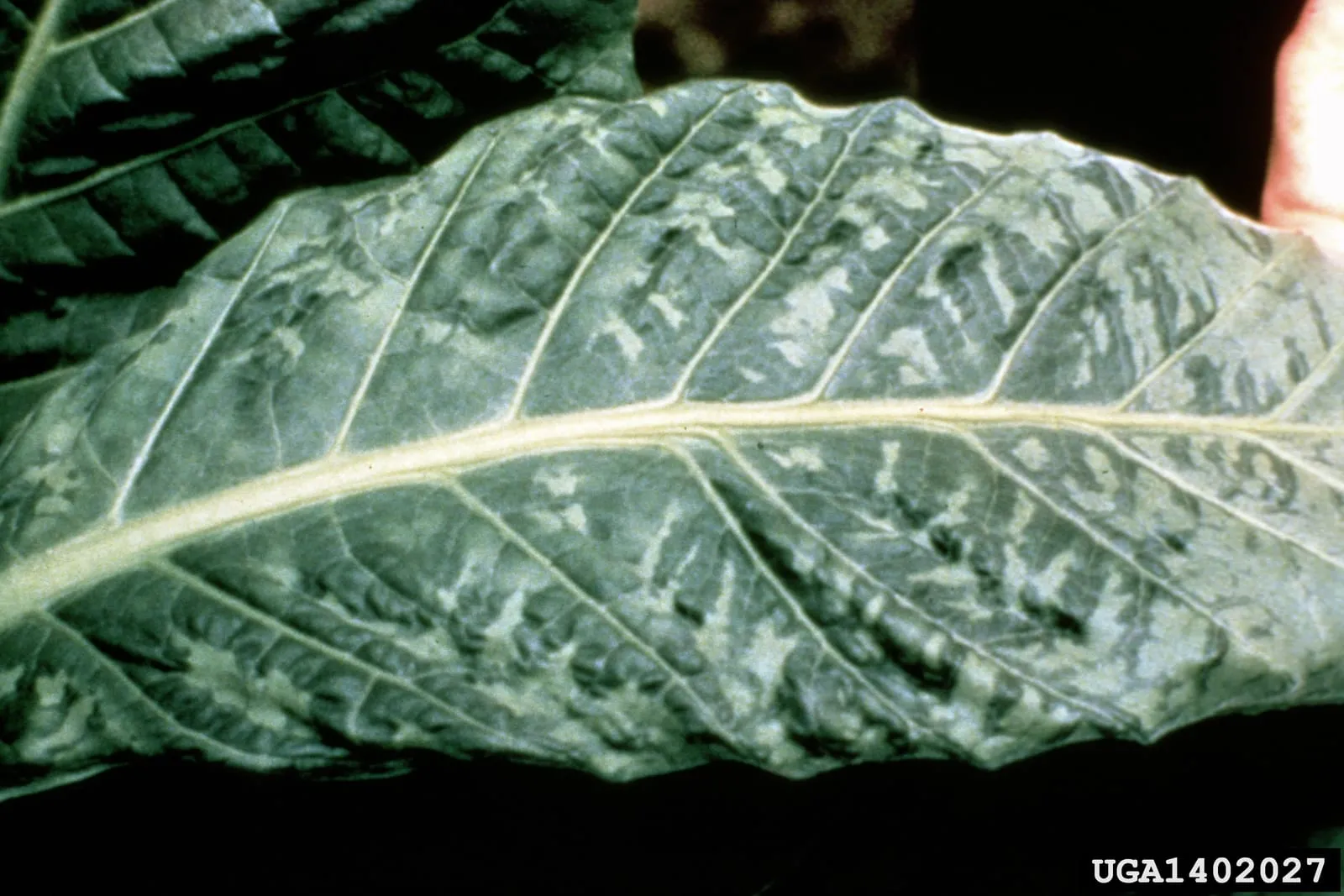
Cucumber mosaic virus, Tobacco mosaic virus, and others
Family of plant viruses producing mottled yellow-and-green leaf patterns. Vectored primarily by aphids; some are seed-transmitted or spread by handling tools and tobacco products.
Modified care for zone 6a
The most consistent adjustment in zone 6a is protecting plants at the season edges. Spring transplants moved outdoors before mid-April face frost risk; floating row covers provide several degrees of protection without restricting growth. In fall, the same covers extend harvest two to three weeks past the first light frost. Downy mildew is a recurrent concern in cool, wet springs: spacing plants to ensure airflow and avoiding overhead irrigation in the evening reduces infection pressure. White mold develops in dense plantings when soils stay wet and temperatures drop; raised beds with well-drained soil lower incidence significantly. Zone 6a's relatively cool summers actually work in favor of lettuce compared to warmer zones, keeping the bolt window later in the season. Shade cloth is rarely warranted except during unusual early heat spells in late May or June.
Lettuce in adjacent zones
Image: "Romaine lettuce", by Rainer Zenz, via Wikimedia Commons, licensed under CC-BY Source.

Related