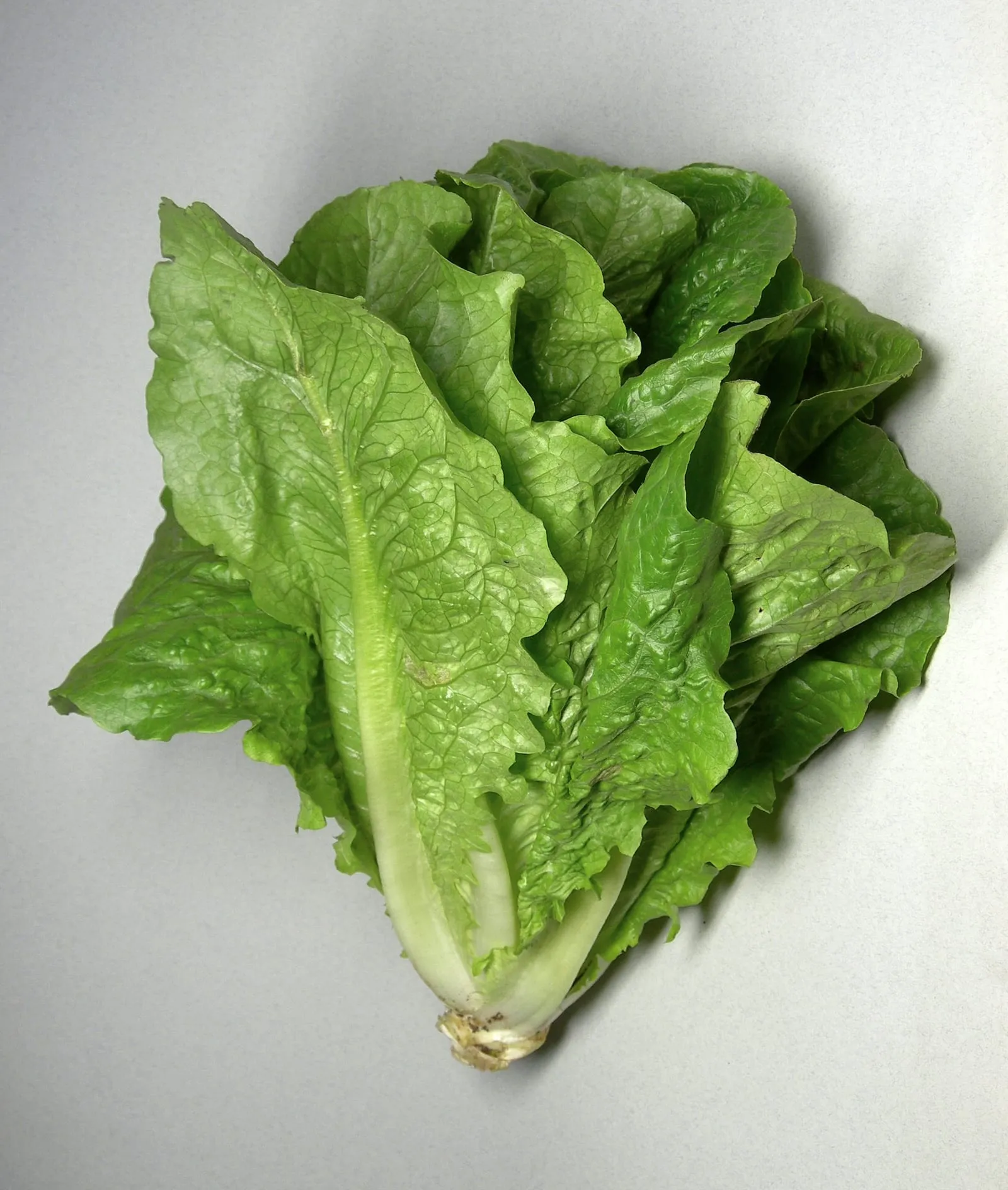
vegetable in zone 4b
Growing lettuce in zone 4b
Lactuca sativa
- Zone
- 4b -25°F to -20°F
- Growing season
- 130 days
- Suitable varieties
- 5
- Days to harvest
- 30 to 70
The verdict
Lettuce is a cool-season annual with no chill-hour requirement, so the zone 4b winter temperature range of -25 to -20°F is irrelevant to its performance. What matters is the 130-day frost-free window and the shoulder-season temperatures on either side of it. On both counts, zone 4b is a genuine sweet spot for lettuce, not a marginal one.
Cool springs and cool falls extend the palatable harvest window well beyond what growers in zones 7 and warmer can expect. Lettuce quality degrades quickly once daytime temperatures consistently exceed 75 to 80°F; in zone 4b, that heat-induced bolting pressure arrives later and departs sooner than in much of the country. Varieties like Buttercrunch, Black Seeded Simpson, and Red Sails all perform reliably here. The main constraint is not cold tolerance but the compressed timing around spring frost: the window between "workable soil" and "reliably past frost" is narrow, which requires either row cover or indoor starts to maximize the season.
Recommended varieties for zone 4b
5 cultivars suited to this zone, with disease-resistance and zone-fit annotations.
| Variety | Notes | Zone fit | Disease resistance |
|---|---|---|---|
| Buttercrunch fits zone 4b | Sweet, tender, buttery; loose-heading bibb-style green leaf. Salads, sandwiches, fresh. AAS winner, slow to bolt, heat-tolerant for the type, the home-garden butter lettuce standard. | | none noted |
| Black Seeded Simpson fits zone 4b | Sweet, crisp, classic loose-leaf flavor; pale green frilly leaves. Salads, sandwiches, fast cut-and-come-again harvest. Heritage variety, fastest to harvest (45 days from seed). | | none noted |
| Romaine Parris Island fits zone 4b | Crisp, refreshing, classic upright Romaine flavor; tall green heads. Caesar salad, sandwiches, wraps. Heat-tolerant, slow to bolt, the home-garden romaine standard. | | none noted |
| Red Sails fits zone 4b | Mild, slightly sweet, deep wine-red ruffled leaves; loose-leaf. Salads, garnish. AAS winner, slow to bolt, holds color and quality. | | none noted |
| Iceberg / Great Lakes fits zone 4b | Crisp, watery, mild; classic crisphead with tight pale-green head. BLTs, taco shells, wedge salads. Heritage commercial variety, slow to germinate but solid heading. | | none noted |
Critical timing for zone 4b
The last spring frost in zone 4b typically falls between mid-May and early June depending on local elevation and air drainage. Lettuce transplants can go out 3 to 4 weeks before that date under floating row cover, pushing outdoor harvest into late May or early June. Direct-sown spring crops follow the same rough window, maturing 45 to 65 days after germination depending on variety.
A midsummer pause is common when afternoon temperatures climb above 78 to 80°F and bolting accelerates. Fall plantings seeded in late July or early August catch the cooling trend in September and often yield the best-quality heads of the season. First fall frost in zone 4b arrives roughly mid-September to early October, so timing fall successions to harvest before that date is the critical calculation.
Common challenges in zone 4b
- ▸ Spring frost timing
- ▸ Apple scab pressure
- ▸ Cane berry winter dieback
Disease pressure to watch for
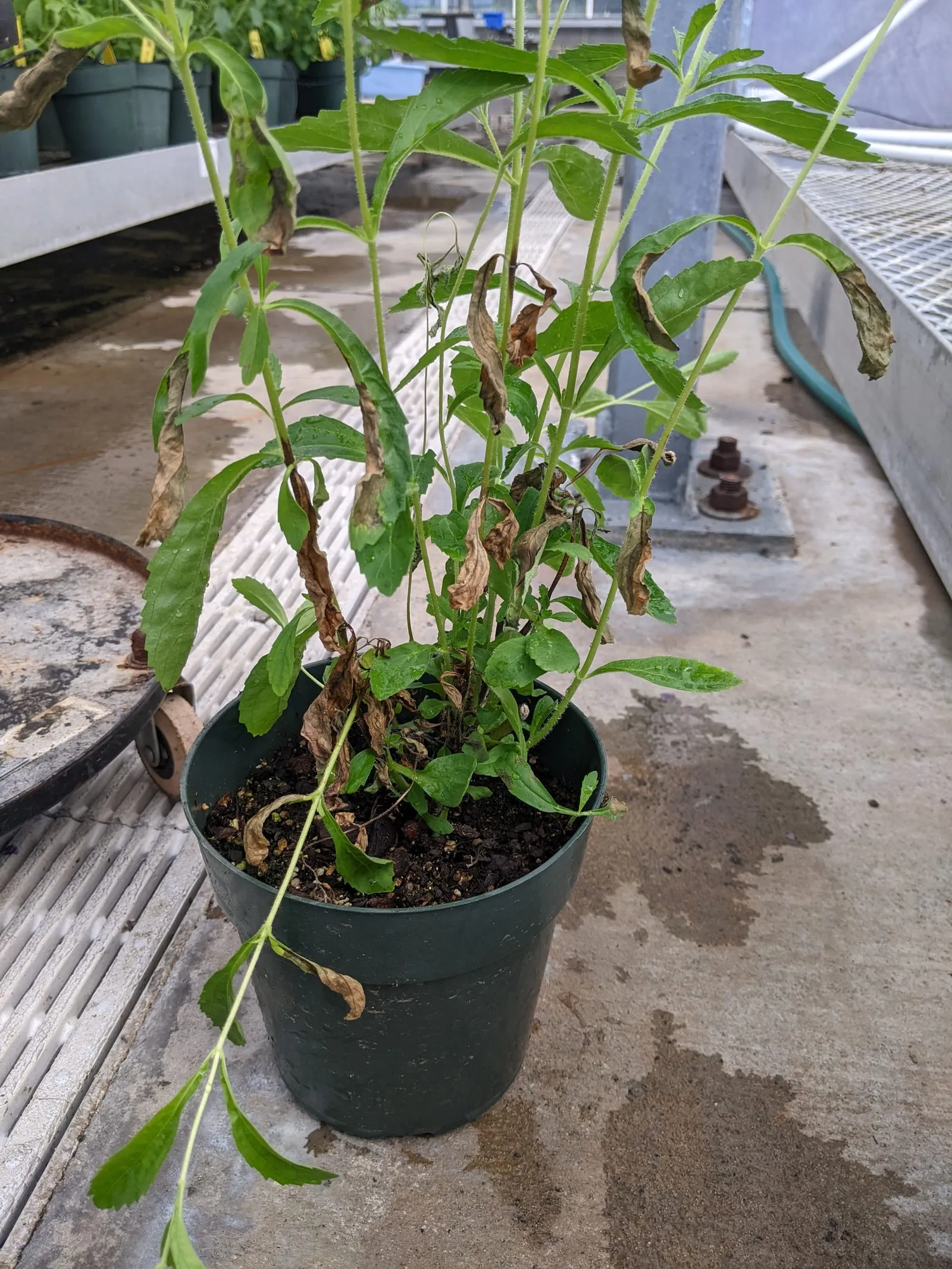
Tomato spotted wilt orthotospovirus (TSWV)
Virus vectored by thrips, particularly western flower thrips. Wide host range and growing global distribution. No cure once infected.
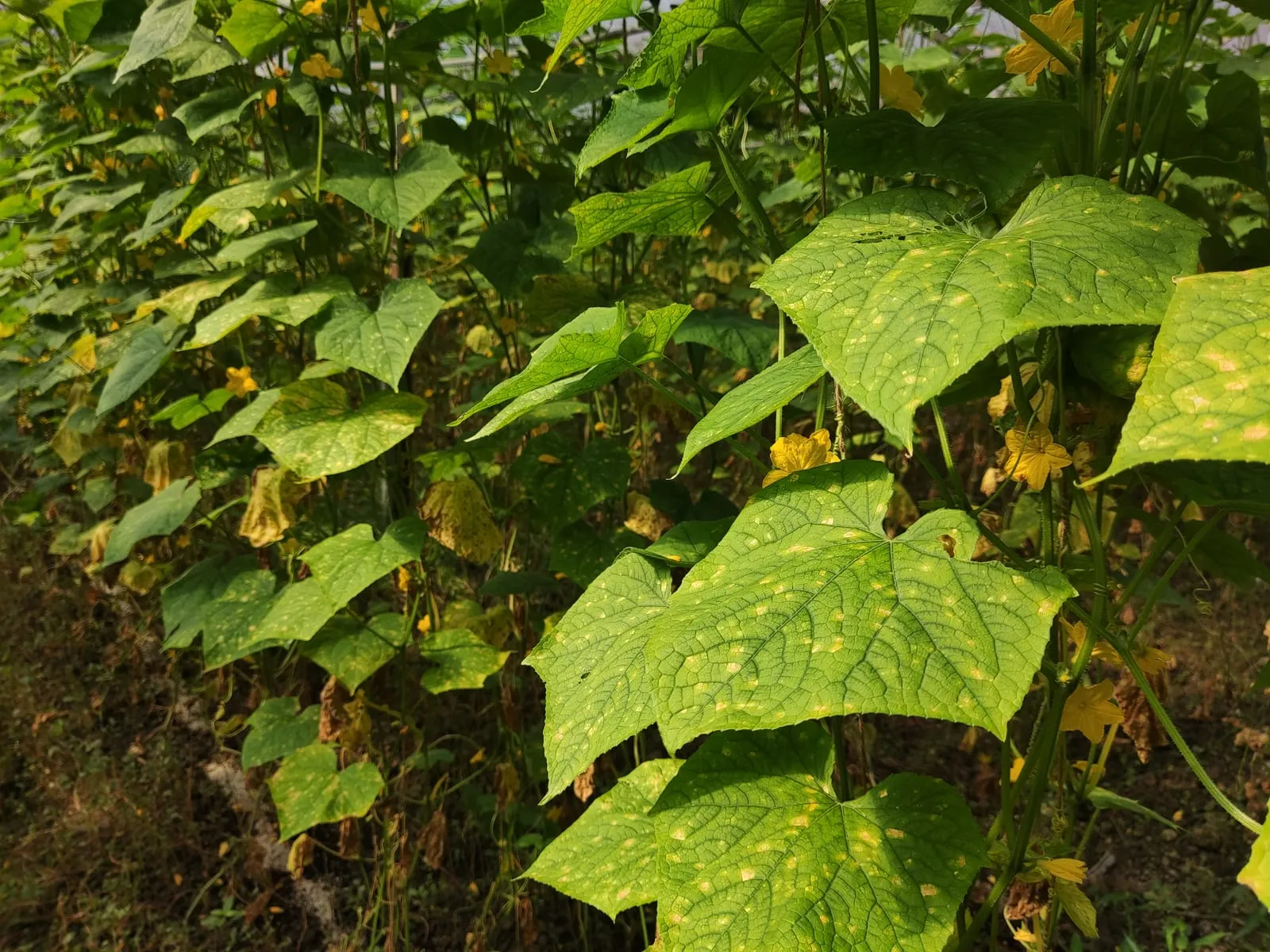
Pseudoperonospora cubensis (cucurbits) and others
Water mold (oomycete, not a true fungus) that thrives in cool damp conditions. Spreads rapidly through cucurbit and brassica plantings on wind-borne spores.
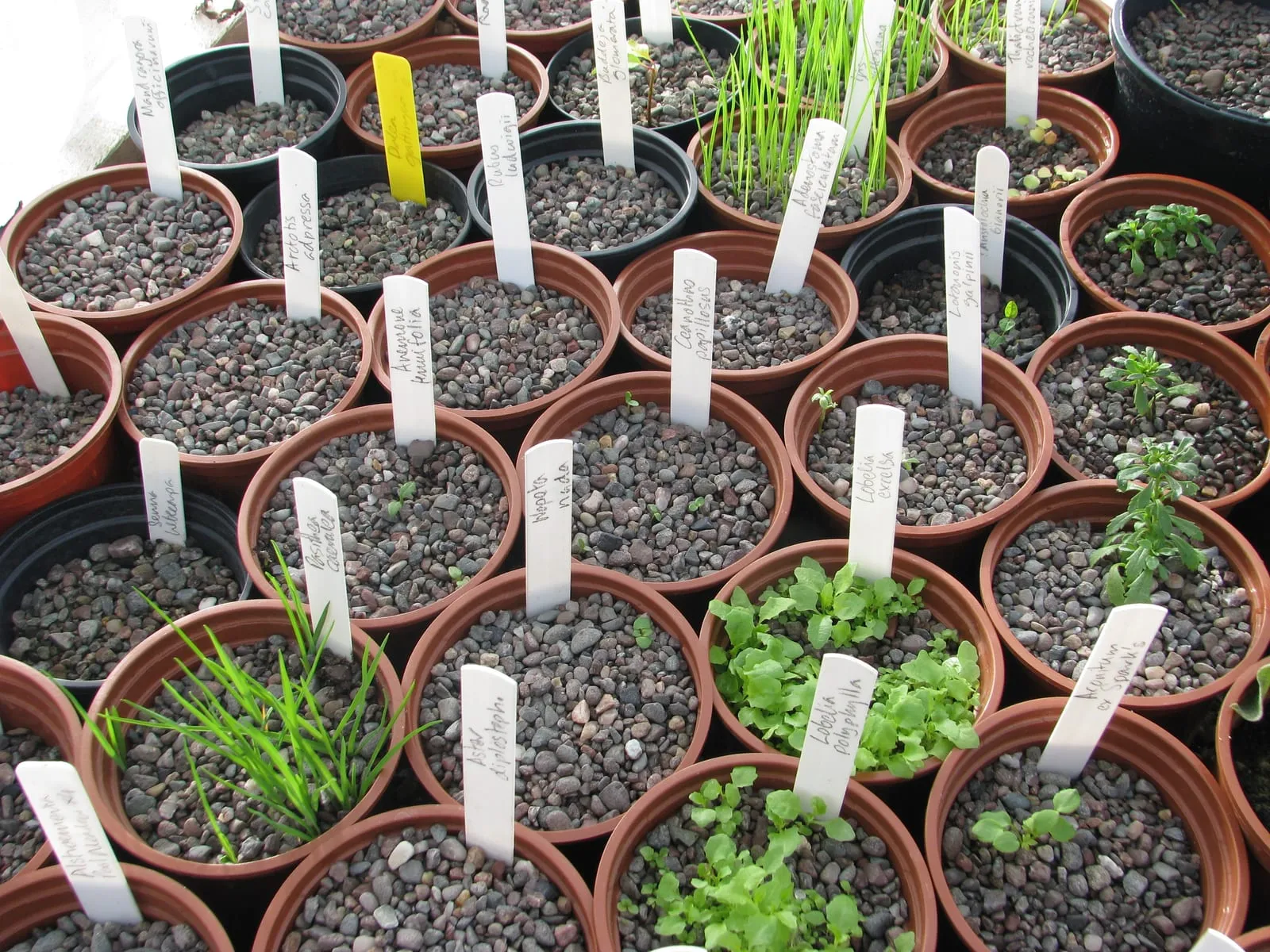
Pythium and Rhizoctonia species
Soil-borne complex of water molds and fungi that kill seedlings before or shortly after emergence. The single most common cause of seed-starting failures.
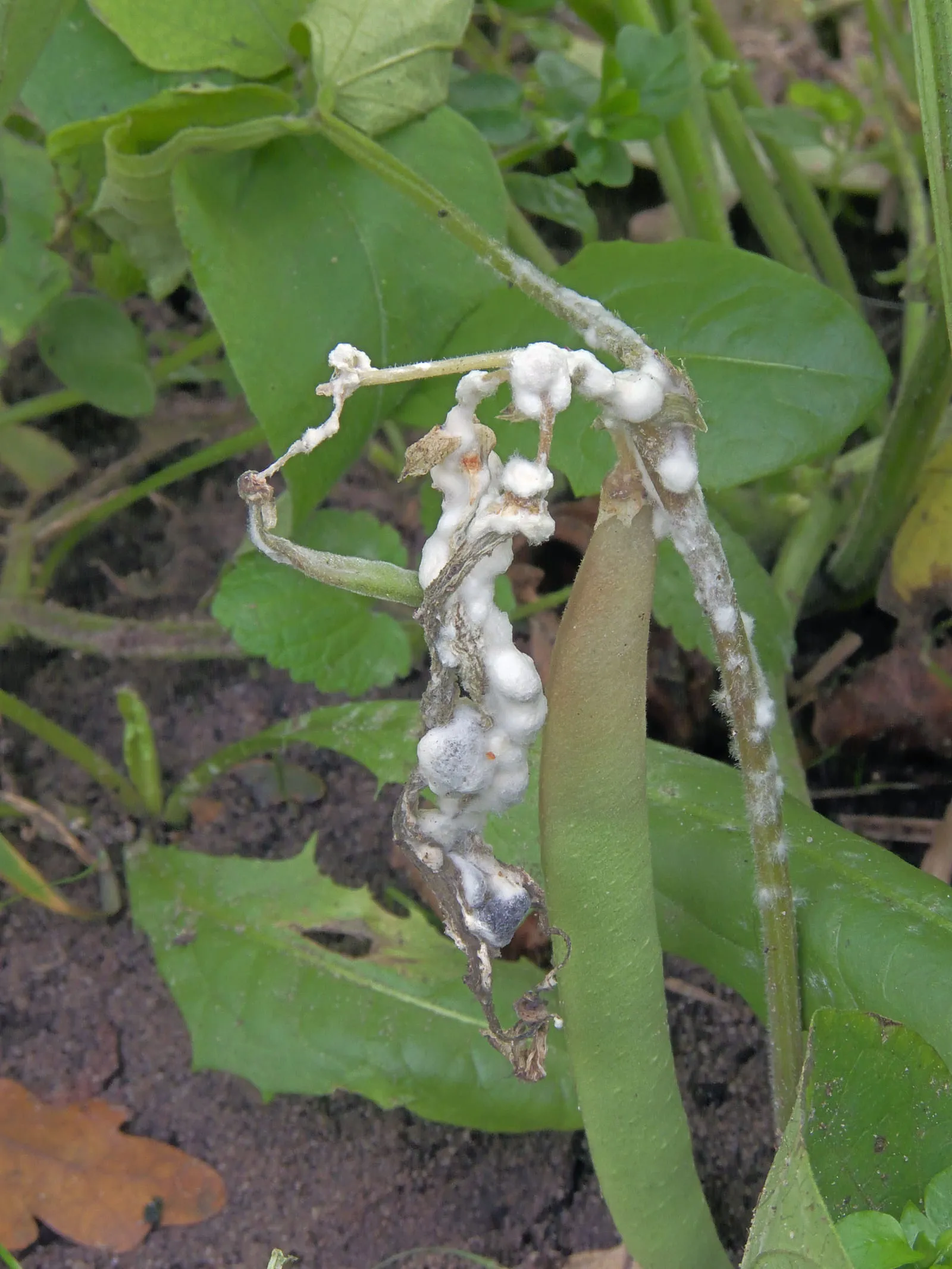
Sclerotinia sclerotiorum
Fungal disease that produces fluffy white mycelium on stems and lower leaves. Forms hard black sclerotia (resting bodies) that survive 5+ years in soil.
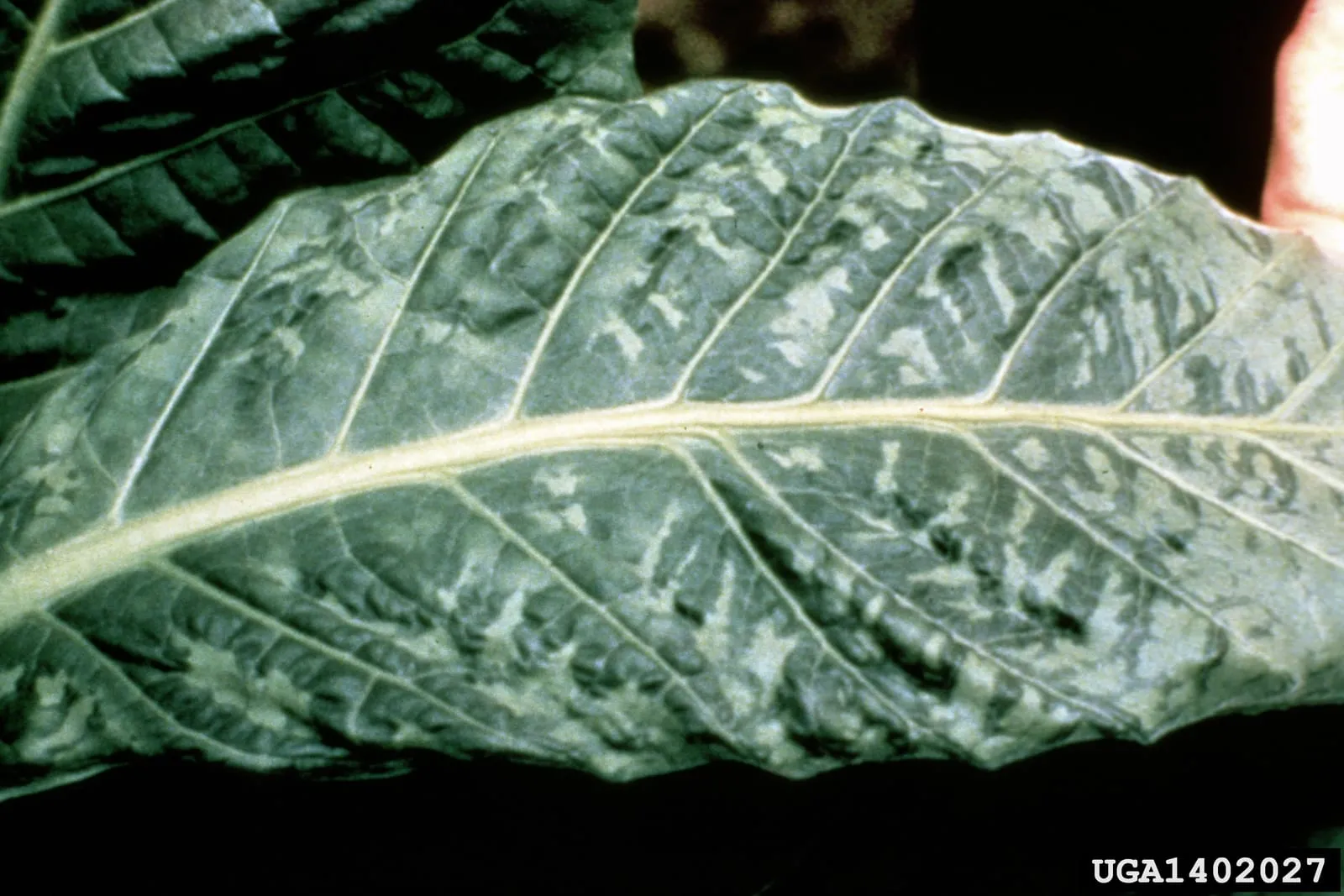
Cucumber mosaic virus, Tobacco mosaic virus, and others
Family of plant viruses producing mottled yellow-and-green leaf patterns. Vectored primarily by aphids; some are seed-transmitted or spread by handling tools and tobacco products.
Modified care for zone 4b
The most important zone 4b adaptation is front-loading season extension in spring. Floating row cover (1.5 oz or heavier) allows transplanting 3 to 4 weeks earlier than unprotected soil permits and protects against unexpected late frosts that remain a real risk through Memorial Day in this zone.
Downy mildew pressure increases when cool nights follow warm, humid days, a pattern common during both the spring and fall growing windows here. Spacing plants at the wider end of recommendations (10 to 12 inches for head types) improves airflow and reduces leaf wetness duration. Avoid overhead irrigation in the evening. White mold, encouraged by dense canopy and persistently moist conditions, is managed similarly: ground-level drip irrigation and removing outer leaves as they senesce limits the moist debris where the pathogen overwinters. Both diseases are present but controllable with these adjustments rather than fungicide programs.
Frequently asked questions
- Can lettuce survive a late frost in zone 4b?
Established lettuce tolerates light frost down to about 28 to 30°F without significant damage. A hard frost below 25°F can burn outer leaves or kill transplants that lack any protection. Row cover rated at 4 to 6 degrees of frost protection covers most late-season surprises in this zone.
- Which lettuce varieties hold up best in zone 4b heat before bolting?
Buttercrunch and Red Sails are among the slower-bolting options for this zone. Romaine types like Parris Island also show reasonable heat tolerance compared to crisphead varieties. No lettuce variety resists bolting indefinitely once temperatures consistently exceed 80°F; succession planting every 2 to 3 weeks is more reliable than variety selection alone.
- Is it worth growing a fall lettuce crop in zone 4b given the short season?
Fall crops are often the highest quality of the year in zone 4b. Seeding in late July for a mid-September to early October harvest catches decreasing day length and cooling temperatures that slow bolting and improve leaf texture. The risk is a hard frost arriving earlier than average, which row cover mitigates.
+−
+−
+−
Lettuce in adjacent zones
Image: "Romaine lettuce", by Rainer Zenz, via Wikimedia Commons, licensed under CC-BY Source.

Related