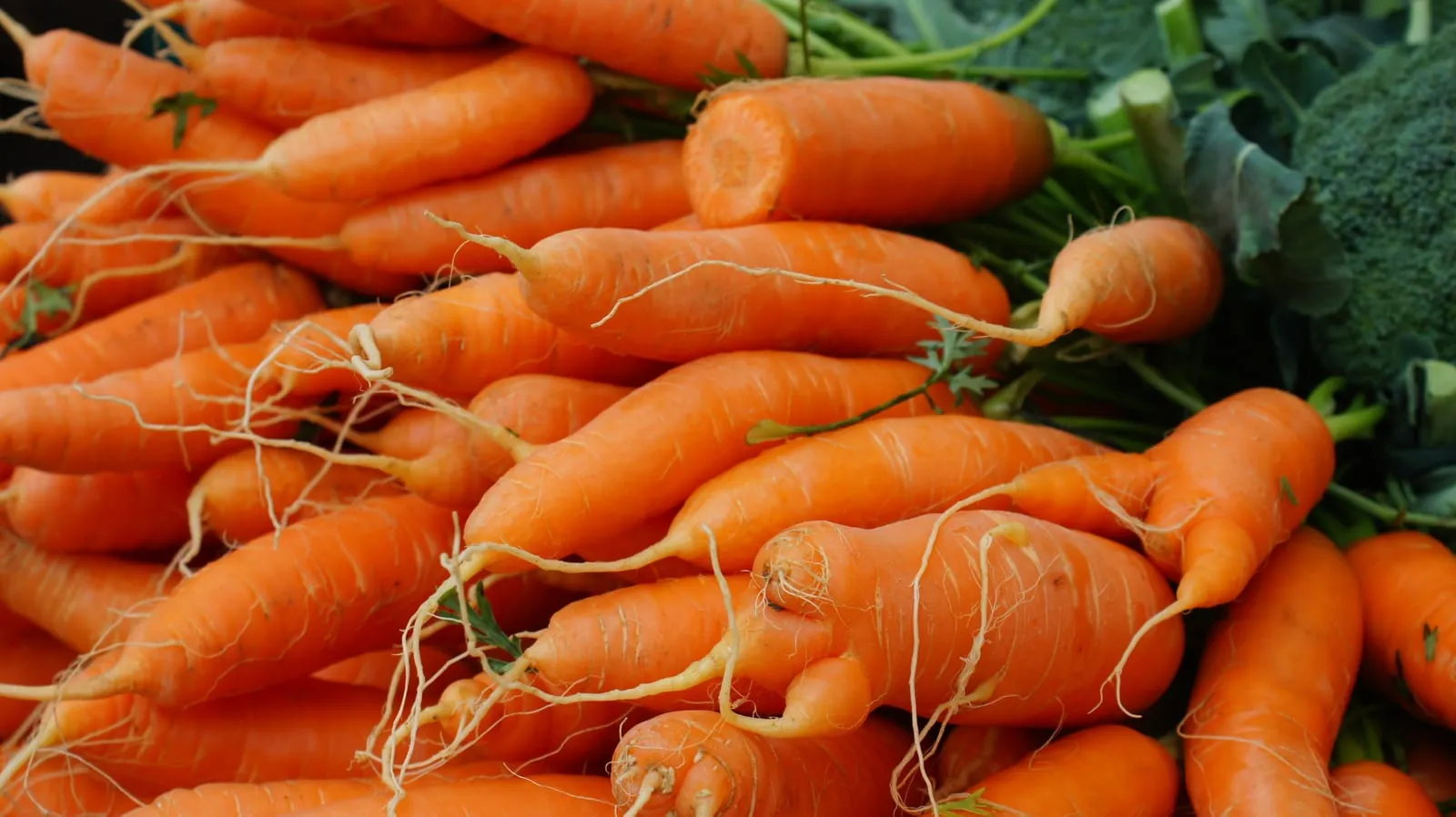
vegetable
Carrot
Daucus carota subsp. sativus
USDA hardiness range
- Zones
- 3a–9a
- Days to harvest
- 60 to 80
- Sun
- Full
- Water
- Moderate
- Lifespan
- biennial grown as annual
Growing carrot
Carrots grow across a wide band from zone 3a through 9a, which makes them adaptable but also easy to misread. Flavor improves significantly when roots mature during cool weather, so a late-summer-sown fall crop often outperforms a spring planting that finishes into summer heat. In zones 3-6, both spring and fall plantings work within the frost-free season. In zones 7-9, the fall and winter corridor is the more reliable window; summer planting is not practical.
What separates productive carrot plantings from failed ones is almost always the soil. Carrots require deeply worked, loose, stone-free ground to form straight, full-length roots. Compaction, hardpan, gravel, or clay at root depth causes forking, stunting, and misshapen roots that are still edible but frustrating. On clay-heavy or shallow sites, short-rooted types like Chantenay hold up better than long Nantes or Danvers forms.
The second consistent failure point is germination. Carrot seed is slow (10-21 days under good conditions) and seedlings are fragile. Any soil crust forming over the seed bed during that window smothers emergence before it starts. Zone 9a marks roughly the southern limit for dependable production; the cool-season window compresses to fall through early spring. Zones 3-7 offer the most calendar flexibility, with room for succession plantings from early spring through late summer. Full sun and consistent moisture from germination through root fill are non-negotiable regardless of zone.
Recommended varieties
See all 5 →5 cultivars for home growers, with notes on flavor, ripening, and disease resistance.
| Variety | Notes | Zone fit | Disease resistance |
|---|---|---|---|
| Nantes | Sweet, crisp, very low bitterness; cylindrical orange roots with blunt tips. Fresh, juicing, salads, the snacking carrot standard. Heritage French variety, sweetens with frost. | | none noted |
| Danvers Half Long | Sweet, slightly stronger flavor; tapered orange roots that handle heavier soil. Fresh, cooking, storage. Heritage 1870s American variety, the root-cellar standard. | | none noted |
| Chantenay Red Core | Sweet, juicy, broad shoulders tapering to a stubby point; copes with shallow or rocky soil. Fresh, juicing, soups. Heritage stocky variety good for difficult soils. | | none noted |
| Cosmic Purple | Sweet, mild, novelty deep purple skin with orange core; holds purple when cooked briefly. Fresh, salads. Anthocyanin-rich, ornamental, kid-friendly. | | none noted |
| Atomic Red | Mild, slightly bitter raw, sweet when cooked; deep red roots that turn brighter with cooking. Roasting, soups. Lycopene-rich, novelty for color. | | none noted |
Soil and site requirements
Loose, deep, well-drained soil is the foundational requirement. Target a pH of 6.0-6.8; below 5.5, calcium becomes limiting and root quality declines. Raised beds or in-ground beds worked to at least 12 inches (18 inches for long-rooted Danvers types) give roots room to develop without resistance.
Heavy clay soils can be amended with coarse sand and aged compost, but on sites where subsoil clay cannot be improved, raised beds or containers with a purpose-built mix are more reliable than working against the native soil. Avoid fresh manure in the season of planting; excess nitrogen drives leafy top growth at the expense of root development and contributes to forking.
Full sun is required. Partial shade reduces root size and delays maturity. Consistent moisture matters from germination through sizing, particularly during the first three to four weeks after sowing. Drip irrigation or soaker hoses work better than overhead watering once seedlings are established, reducing soil crusting and foliar pressure. Thin to 2-3 inches between plants after seedlings reach 2 inches tall; crowded roots remain thin and misshapen regardless of soil quality. On sloped sites, position carrot beds on gentle grades that drain freely, as standing water even briefly invites crown rot and increases carrot rust fly pressure.
Common pests
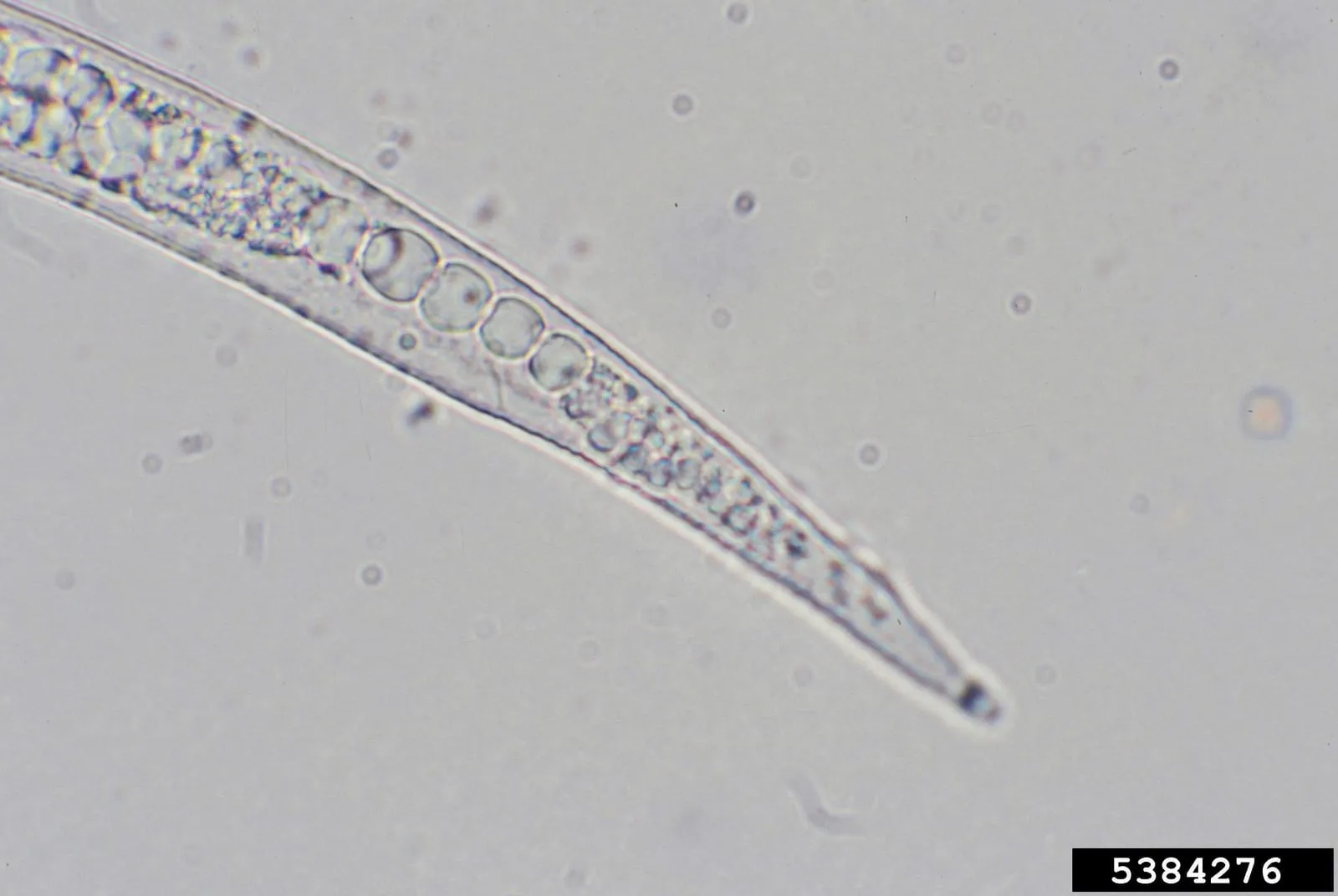
Meloidogyne species
Microscopic soil-dwelling worm that forms galls on roots, reducing vigor and yield.
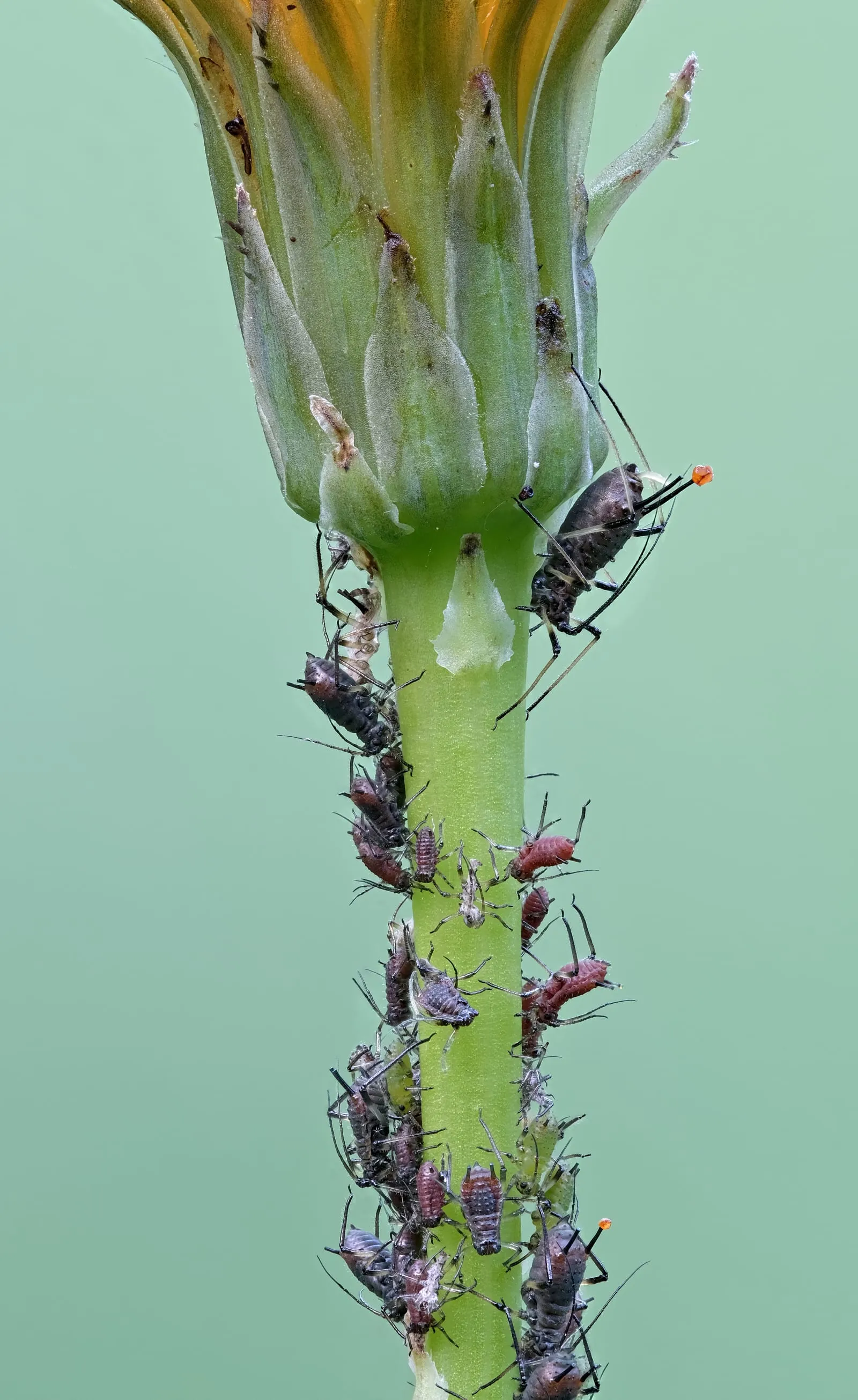
Multiple species (Aphididae)
Small soft-bodied sap-sucking insects that reproduce explosively in spring. Excrete honeydew that supports sooty mold and attracts ants. Transmit viral diseases.
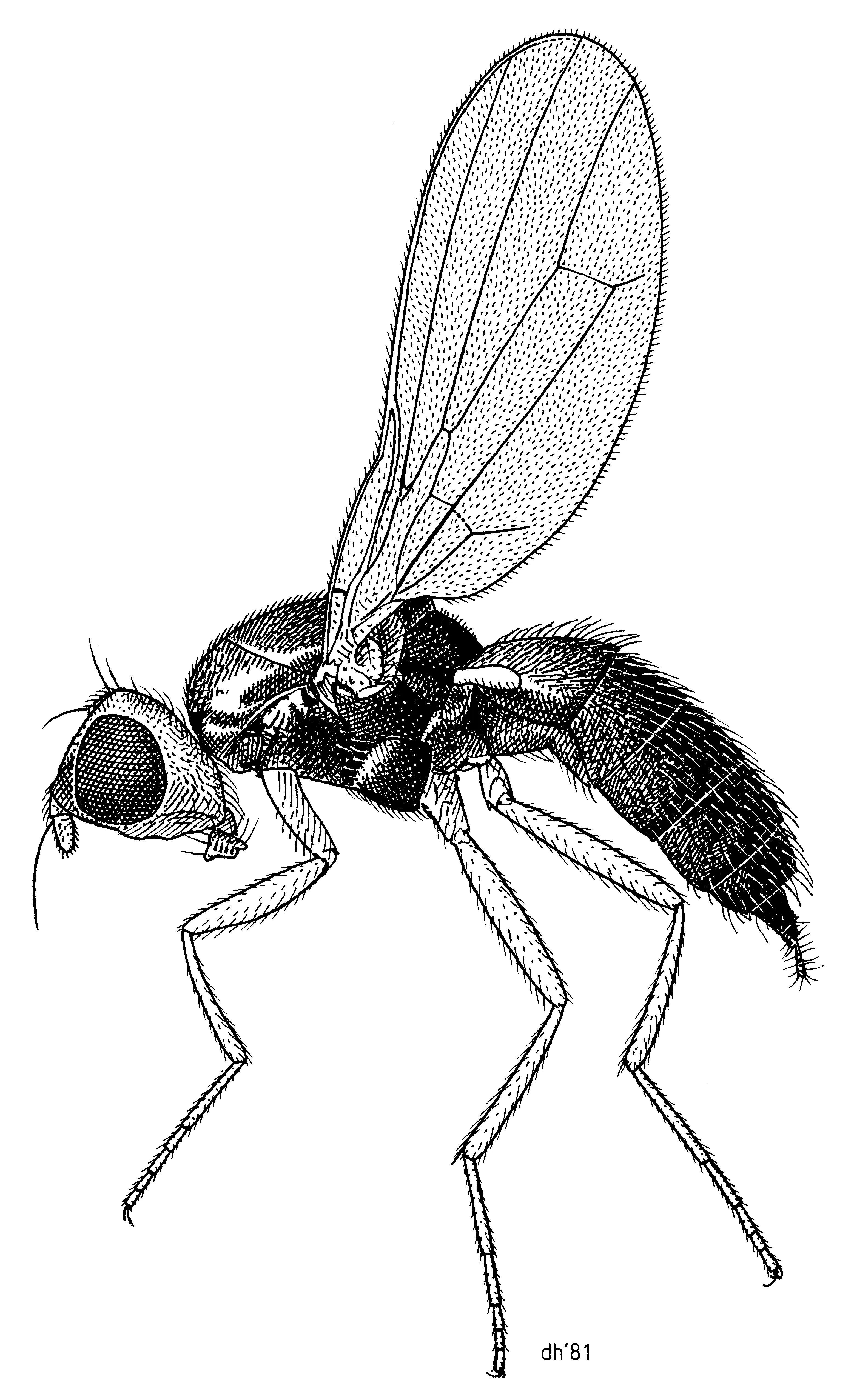
Psila rosae
Fly whose larvae tunnel into carrot and parsnip roots, leaving rust-colored scars and entry points for secondary rot.
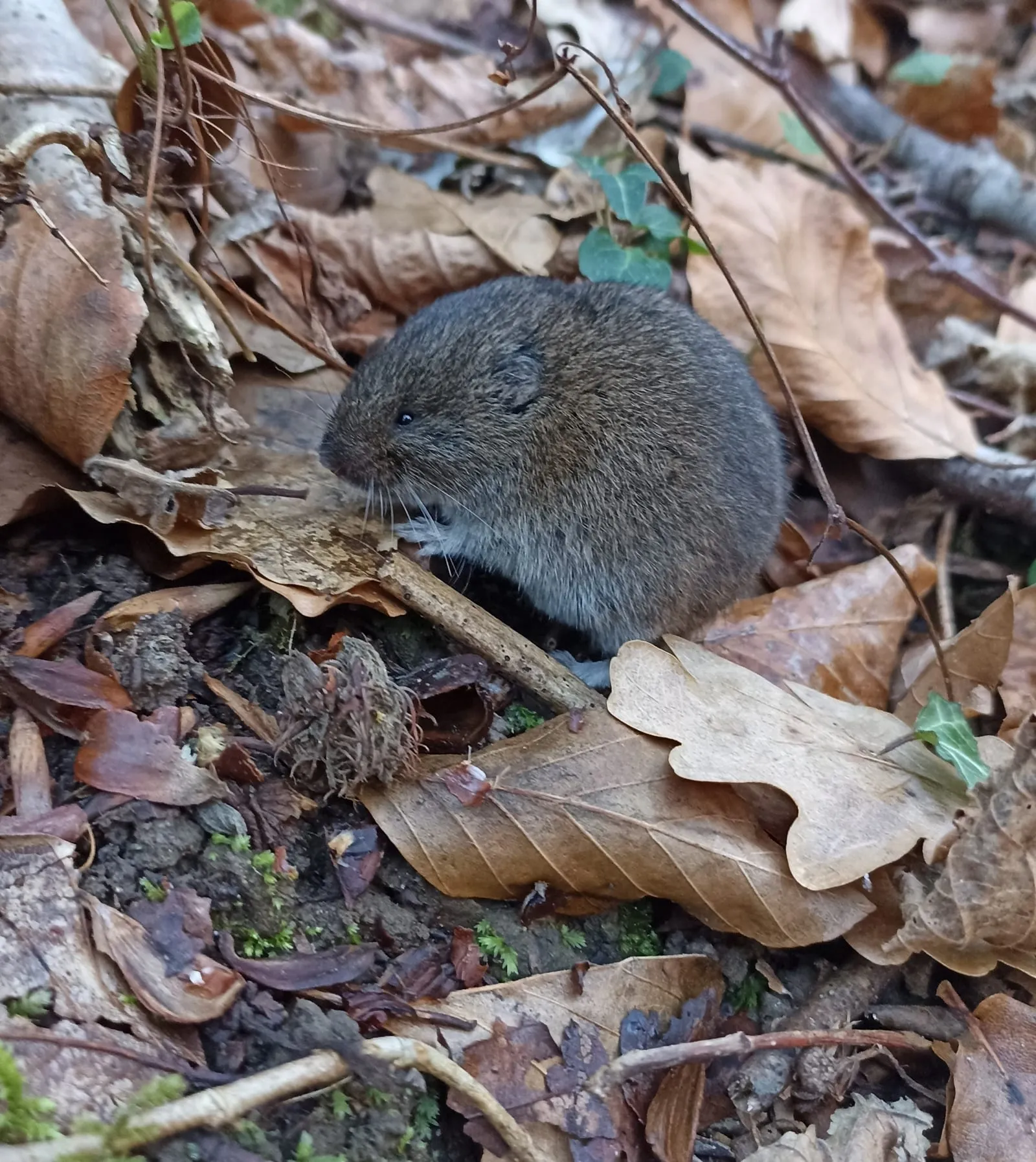
Microtus species
Field voles and meadow voles girdle young fruit-tree trunks under snow cover during winter and chew root crops. The leading cause of mysterious orchard losses.
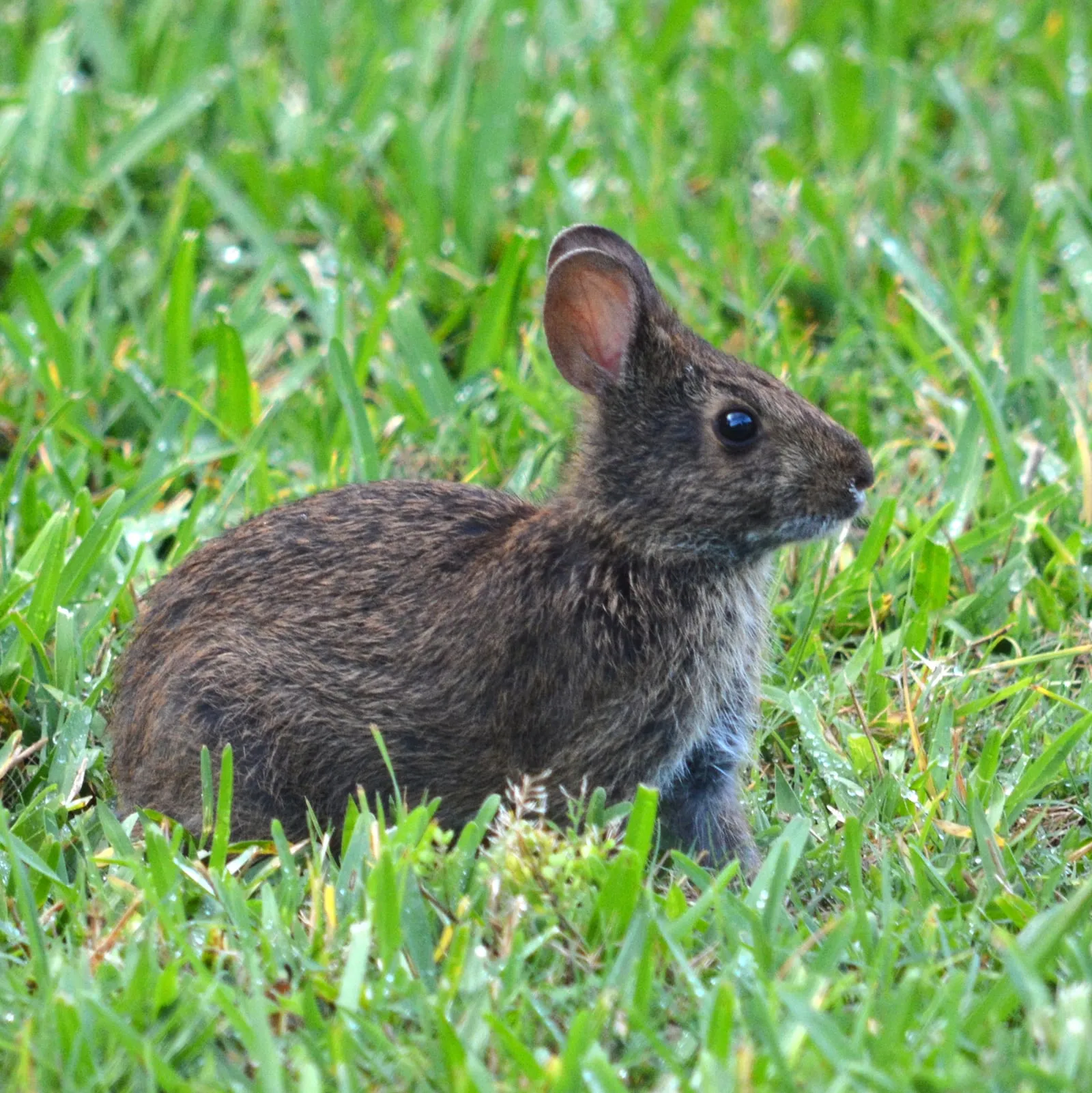
Sylvilagus and Lepus species
Cottontails and jackrabbits strip bark from young fruit trees in winter and graze tender garden vegetables year-round, especially seedlings.
Common challenges
The three most consistent failure modes for home carrot growers are poor emergence, forked roots, and carrot rust fly damage.
Poor emergence traces to overlapping causes: soil crust forming over slow-germinating seeds, covering seed too deep (no more than 1/4 inch of soil), and cold or wet soil below 50°F that pushes germination past 21 days and invites seed rot. Patience is warranted, but stands that have not emerged at all by 25-30 days usually indicate a failure and benefit from reseeding rather than waiting further.
Forked and misshapen roots are a soil problem, not a variety problem. Any obstruction at root depth (stones, hard soil layers, clumps of fresh compost, or compaction from foot traffic) causes roots to split around the obstacle. This must be addressed before sowing, not after the crop is in the ground.
Carrot rust fly (Psila rosae) is the most damaging pest in cool, wet climates, particularly in zones 5-8 across the Pacific Northwest and Northeast. Larvae tunnel into roots, leaving rusty-brown channels that render roots unmarketable and invite secondary rot. Row cover applied at sowing and kept in place through harvest is the most reliable preventive. Avoiding carrot plantings near established wild carrot or Queen Anne's lace also reduces local fly populations. The Cornell Carrot Production Guide covers pest timing and economic thresholds in detail.
Companion plants
Frequently asked questions
- Do carrots need chill hours to produce roots?
No. Chill-hour accumulation triggers second-year bolting, which is irrelevant when carrots are grown as annuals for root harvest. What matters for root quality is cool temperatures during the 30-45 days before harvest; roots maturing at 50-65°F develop more sugar than those finishing in summer heat above 75°F.
- How many days do carrots take from sowing to harvest?
60 to 80 days depending on variety and soil temperature. Nantes types tend toward the shorter end; Danvers and storage types run longer. Cool soil temperatures extend the timeline, so fall-sown crops in zones 7 and above may take longer than the seed packet suggests if early fall stays warm.
- What zones can carrots grow in reliably?
Zones 3a through 9a. In zones 3-5, both spring and fall plantings work within the frost-free season. In zones 7-9, fall through early spring is the primary window; summer planting is not practical. Zone 9a represents roughly the southern limit for consistent production.
- Are carrots self-fertile, or do they need pollinators for root production?
Pollinators are not needed for root yield. Carrots grown for eating are harvested in their first year, before any flowering occurs. Pollination only matters in the second year when plants flower and set seed; that is relevant only to seed savers.
- Can carrots survive frost in the ground?
Yes. Light frosts (28-32°F) improve flavor by triggering starch-to-sugar conversion in the roots. Established carrots with mulch protection can survive temperatures into the low 20s°F, making in-ground storage through early winter feasible in zones 5-7. Harvest before hard freezes penetrate deeper than the root zone.
- What is the most damaging pest for carrots?
Carrot rust fly (Psila rosae) causes the most consistent damage in cool, humid climates. Larvae tunnel through roots, leaving brown-scarred channels that invite secondary rot. Row cover applied from sowing through harvest is the standard preventive, particularly in zones 5-8 in the Pacific Northwest and Northeast.
- What is the best way to improve carrot germination rates?
Keep the seed bed consistently moist throughout the 10-21 day germination period, cover seeds with no more than 1/4 inch of fine soil or compost, and prevent soil crusting with a light mulch or shade cloth until sprouts emerge. Soil temperature at 60-75°F accelerates germination significantly; below 50°F, germination slows and seed rot risk increases.
+−
+−
+−
+−
+−
+−
+−
Sources
Image: "Carrots at Ljubljana Central Market", by domdomegg, via Wikimedia Commons, licensed under CC-BY. Source.

Carrot by zone
Related