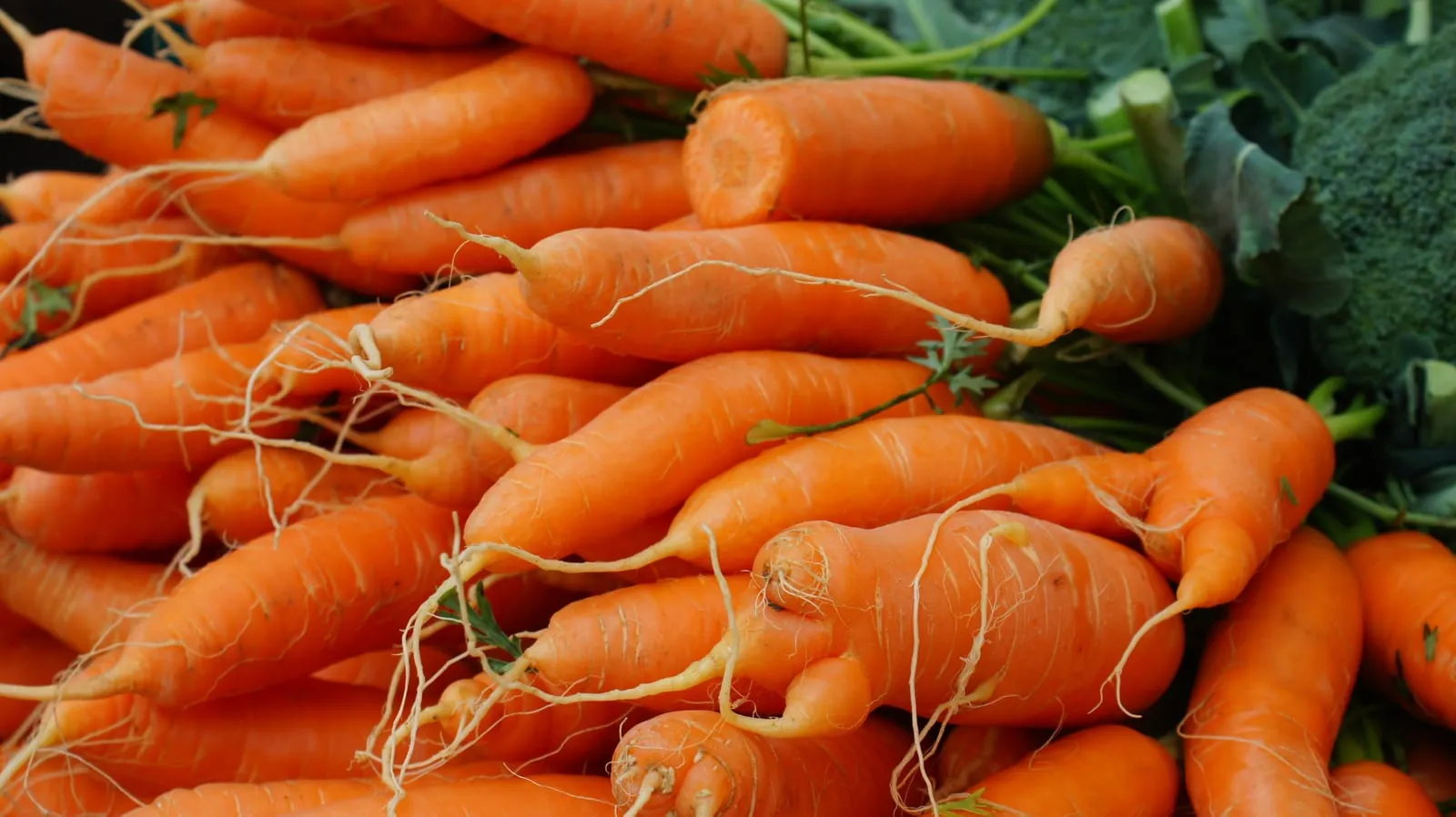
vegetable in zone 3a
Growing carrot in zone 3a
Daucus carota subsp. sativus
- Zone
- 3a -40°F to -35°F
- Growing season
- 90 days
- Suitable varieties
- 0
- Days to harvest
- 60 to 80
The verdict
Carrots are a cool-season root crop, and zone 3a is workable rather than marginal for them. Unlike fruit trees, carrots require no chill hours; what they need is loose, deep soil, consistent moisture, and enough frost-free days to size up before the season closes. Zone 3a's 90-day growing window is tight but sufficient for short-season varieties that mature in 55 to 70 days. The crop actually benefits from cool temperatures during root development, which concentrates sugars and improves flavor. The main constraint is calendar management: seeds must go in the ground as early as the soil can be worked, and late frosts in late May or early June can nip emerging seedlings. Row cover mitigates that risk. Heavy clay or compacted soils are a bigger threat to success in this zone than cold alone, because stunted or forked roots result from any resistance below the surface.
Critical timing for zone 3a
Direct seeding typically begins in late May to early June in zone 3a, once soil temperatures reach at least 50°F for reliable germination. Carrot seeds are slow to sprout (10 to 21 days), so early sowing is important to capture the full growing window. Seedlings tolerate light frost once leaves are established, which allows sowing 1 to 2 weeks before the expected last frost date. For a 90-day season, a single sowing of a 65-day variety leaves a narrow but adequate margin for harvest in mid to late August. A second succession sowing in late June is possible if the first variety matures before late July; late-sown carrots exposed to the first fall frosts actually sweeten in the ground and can be harvested through early September before hard freezes.
Common challenges in zone 3a
- ▸ Very short growing season
- ▸ Late spring frosts
- ▸ Limited fruit-tree options
- ▸ Heavy mulching required
Modified care for zone 3a
Zone 3a growers should select varieties with days-to-maturity under 70, such as Chantenay or short Nantes types, to fit the season reliably. Standard full-size varieties at 75 to 80 days are a gamble given an average 90-day window. Soil preparation matters more here than in longer-season zones: beds should be loosened to at least 12 inches and cleared of rocks and debris to prevent forking and stunted growth. Row cover over newly seeded beds protects against late spring frosts and speeds germination by raising soil temperature a few degrees. Consistent watering is critical during germination and early root development; dry spells cause cracking. If early frosts threaten before harvest, a thick layer of straw mulch over the bed can extend the harvest window by 2 to 3 weeks, allowing roots to continue sizing in insulated soil.
Frequently asked questions
- Can carrots be grown successfully in zone 3a with its short growing season?
Yes, with the right variety selection. Short-season carrots that mature in 55 to 70 days fit comfortably within zone 3a's 90-day growing window. Chantenay and short Nantes types are standard choices. Sow as early as soil is workable and use row cover to protect against late spring frosts.
- Do carrots need to be started indoors in zone 3a?
No. Carrots do not transplant well due to their taproot; any root disturbance causes forking or stunting. Direct sow into prepared garden beds once soil temperatures reach 50°F. Starting indoors is not only unnecessary but counterproductive for this crop.
- Can carrots overwinter in zone 3a?
In-ground overwintering is not realistic in zone 3a given minimum temperatures of -40 to -35°F. Roots can be left in the ground for a few weeks after the first light frosts to sweeten, but they must be harvested before the soil freezes hard, typically by mid-September.
+−
+−
+−
Carrot in adjacent zones
Image: "Carrots at Ljubljana Central Market", by domdomegg, via Wikimedia Commons, licensed under CC-BY Source.

Related