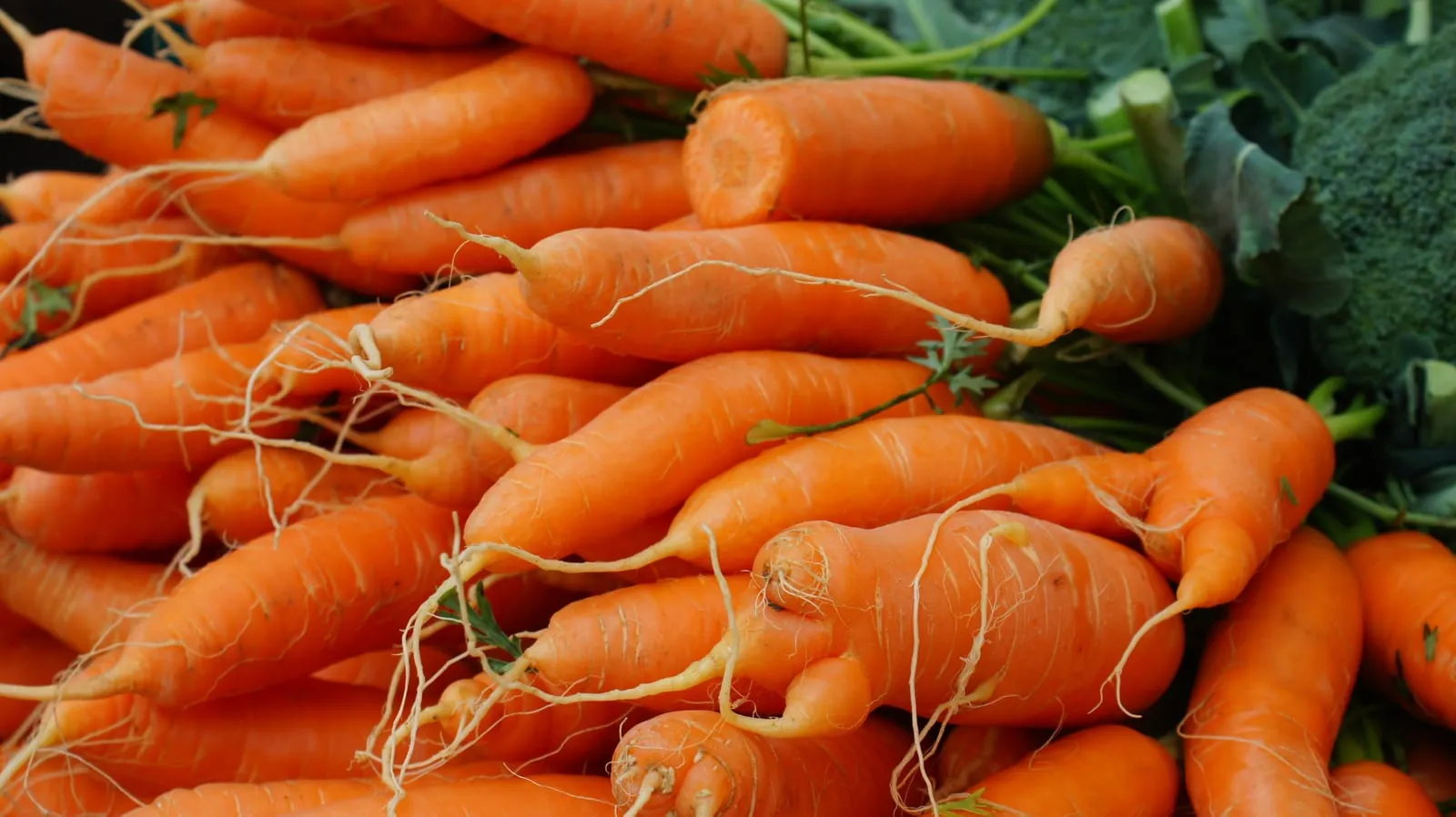
vegetable in zone 9a
Growing carrot in zone 9a
Daucus carota subsp. sativus
- Zone
- 9a 20°F to 25°F
- Growing season
- 290 days
- Suitable varieties
- 0
- Days to harvest
- 60 to 80
The verdict
Carrots are a cool-season root crop with no chill-hour requirement, so the zone 9a winter temperature range (20 to 25°F minimum) is not the primary concern. The real constraint is summer heat. Carrot roots develop best when soil temperatures stay between 55 and 75°F; prolonged heat above 80°F causes stunted, misshapen, or bitter roots and increases the likelihood of early bolting. Zone 9a's 290-day growing season is genuinely useful here, because it allows for a long fall-through-spring production window when temperatures are favorable. The zone is not marginal for carrots overall, but summer production is effectively off the table in most of it. Growers who time plantings to the cooler months will find zone 9a conditions nearly ideal: mild winters keep the ground workable and allow overwintering crops without the freeze damage that interrupts production in colder zones.
Critical timing for zone 9a
In zone 9a, the main planting windows are late summer into fall (late August through October) and late winter (January through February). Fall-planted carrots sown in September typically reach harvest size by December or January, taking roughly 70 to 80 days depending on variety and soil conditions. Winter-planted crops sown in January mature in March or April before summer heat becomes problematic. The mild zone 9a winter is an asset: carrots left in the ground after maturity hold well in cool soil without the hard freezes that damage roots in colder regions. Summer planting (June through August) is not recommended, as soil temperatures routinely exceed the threshold for healthy root development during those months.
Common challenges in zone 9a
- ▸ Limited stone fruit options due to insufficient chill
- ▸ Hurricane and tropical storm exposure
- ▸ Citrus disease pressure
Modified care for zone 9a
The main adaptation in zone 9a is scheduling, not technique. Planting outside the cool-season windows is the most common cause of poor results. Beyond timing, loose, deep soil preparation (at least 12 inches) matters more in zone 9a's heavier clay regions, where compaction causes forking and stunted roots. Consistent moisture is critical during germination, which can be slow in warm fall soils; a light straw mulch over the seed bed helps retain moisture and moderates soil temperature during establishment. Disease pressure from Alternaria leaf blight and Cercospora can be elevated in humid parts of zone 9a, particularly in the Gulf Coast region; adequate spacing for airflow and avoiding overhead irrigation late in the day reduces incidence. No special winter protection is needed.
Frequently asked questions
- Can carrots be grown year-round in zone 9a?
Not practically. Fall through spring (roughly September through April) is the productive window. Summer heat pushes soil temperatures above the range where carrot roots develop properly, so June through August plantings rarely produce usable crops in most of zone 9a.
- Do carrots need frost to taste sweet in zone 9a?
A light frost does improve sugar content by prompting the plant to convert starches. Zone 9a winters are mild enough to provide occasional light frosts without the hard freezes that damage roots, so overwintered carrots often develop good sweetness by harvest.
- Which carrot types handle zone 9a conditions best?
Shorter, heat-tolerant types such as Chantenay and Danvers-type carrots tend to perform better in zone 9a than long Imperator types, which need sustained cool temperatures for full root development. Nantes types are a reasonable middle ground for fall plantings.
+−
+−
+−
Carrot in adjacent zones
Image: "Carrots at Ljubljana Central Market", by domdomegg, via Wikimedia Commons, licensed under CC-BY Source.

Related