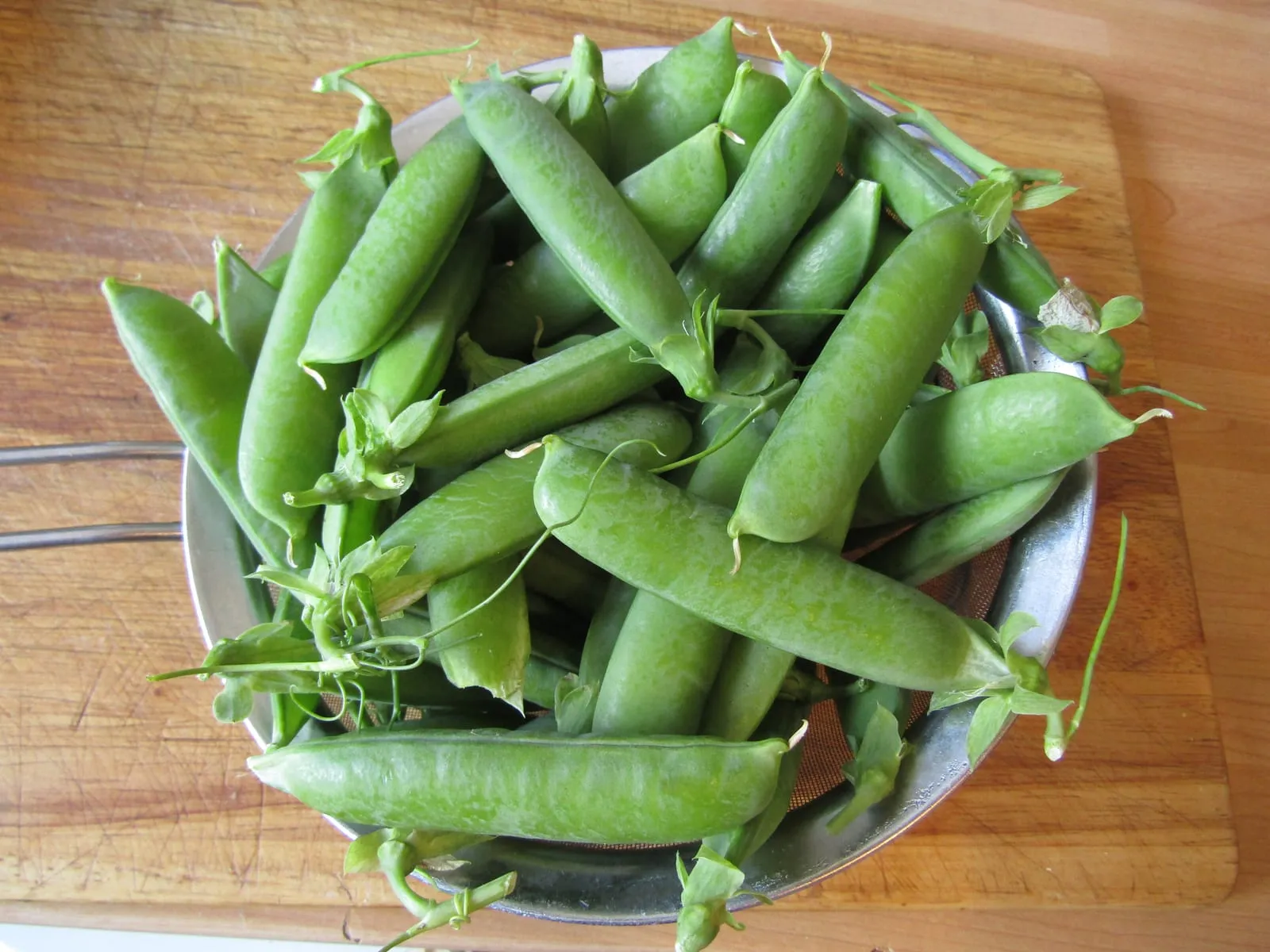
vegetable
Pea
Pisum sativum
USDA hardiness range
- Zones
- 3a–8b
- Days to harvest
- 55 to 75
- Sun
- Full
- Water
- Moderate
- Lifespan
- annual
Growing pea
Peas (Pisum sativum) are a cool-season annual that grow well across zones 3a through 8b, but the planting window is narrow and unforgiving. Germination and pod set require cool soil and air; once daytime temperatures consistently exceed 80°F, pod production stops and vines collapse. In zones 3 through 5, spring is the only reliable window, with direct sowing as soon as the ground can be worked, often late March through April. In zones 6 and 7, both a spring and a fall planting are feasible. In zones 8a and 8b, fall through early winter planting typically outperforms spring, since the warm season arrives before a spring crop can finish.
The three pea types, shelling, snap, and snow, share site requirements but differ at harvest. Lincoln, a shelling pea, needs picking before the pod toughens around mature seeds. Sugar Snap is harvested when the pod fills out but remains crisp and edible. Oregon Sugar Pod II, a snow pea, goes in well before the seeds swell, while the flat pod is still tender. Missing the window by even a few days degrades quality substantially.
Peas are self-fertile and require no pollinators for pod set, though bee activity during bloom can improve yield. Most crop failures trace to planting too late into warming soil, waterlogged beds, or inconsistent moisture during pod fill. Timing is the single greatest variable separating a productive planting from a disappointing one.
Recommended varieties
See all 4 →4 cultivars for home growers, with notes on flavor, ripening, and disease resistance.
| Variety | Notes | Zone fit | Disease resistance |
|---|---|---|---|
| Lincoln | Sweet, classic shelling-pea flavor; long pods with 7-9 dark green peas. Fresh, freezing, classic pea soup. Heritage variety, productive, cold-tolerant for early planting. | | none noted |
| Sugar Snap | Very sweet, crisp, edible pod with full peas; the original snap pea. Fresh raw, stir-fries, blanched salads. AAS winner, productive, the home-garden snap pea standard. | | none noted |
| Oregon Sugar Pod II | Sweet, tender, edible flat pod harvested before peas swell; classic snow pea. Stir-fries, fresh salads, garnish. Productive, disease-tolerant. | | none noted |
| Cascadia | Sweet, crisp, full snap-pea flavor; short vines (3 ft) suit small gardens. Fresh raw, stir-fries. Productive, disease-resistant, the modern home-grower's compact snap. | | none noted |
Soil and site requirements
Peas prefer well-drained soil with a pH between 6.0 and 7.0. Root nodules fix atmospheric nitrogen, so heavy pre-plant nitrogen fertilization is unnecessary and tends to favor foliage over pod production. Compost incorporated before sowing, or a modest balanced fertilizer at planting, is sufficient.
Drainage is the most critical site factor. Peas are susceptible to root rot in waterlogged conditions, particularly during the cool, wet springs typical of zones 4 through 6. Raised beds or gently sloped ground help shed excess moisture. Avoid low-lying areas where cold air and standing water accumulate; late-frost damage to open flowers causes direct yield loss.
Full sun drives the strongest yields. Shaded plants put energy into foliage and produce fewer pods. In zones 7b through 8b, some afternoon shade can extend the harvest window marginally, but the tradeoff is reduced productivity in the earlier, cooler weeks when peas are most productive.
Spacing of 2 to 4 inches between seeds in rows 18 to 24 inches apart is standard. Taller climbing varieties, Sugar Snap can reach 5 to 6 feet, require sturdy trellising from the start. Installing support before sowing avoids disrupting roots and delicate tendrils once the plant establishes.
Common diseases
Common pests
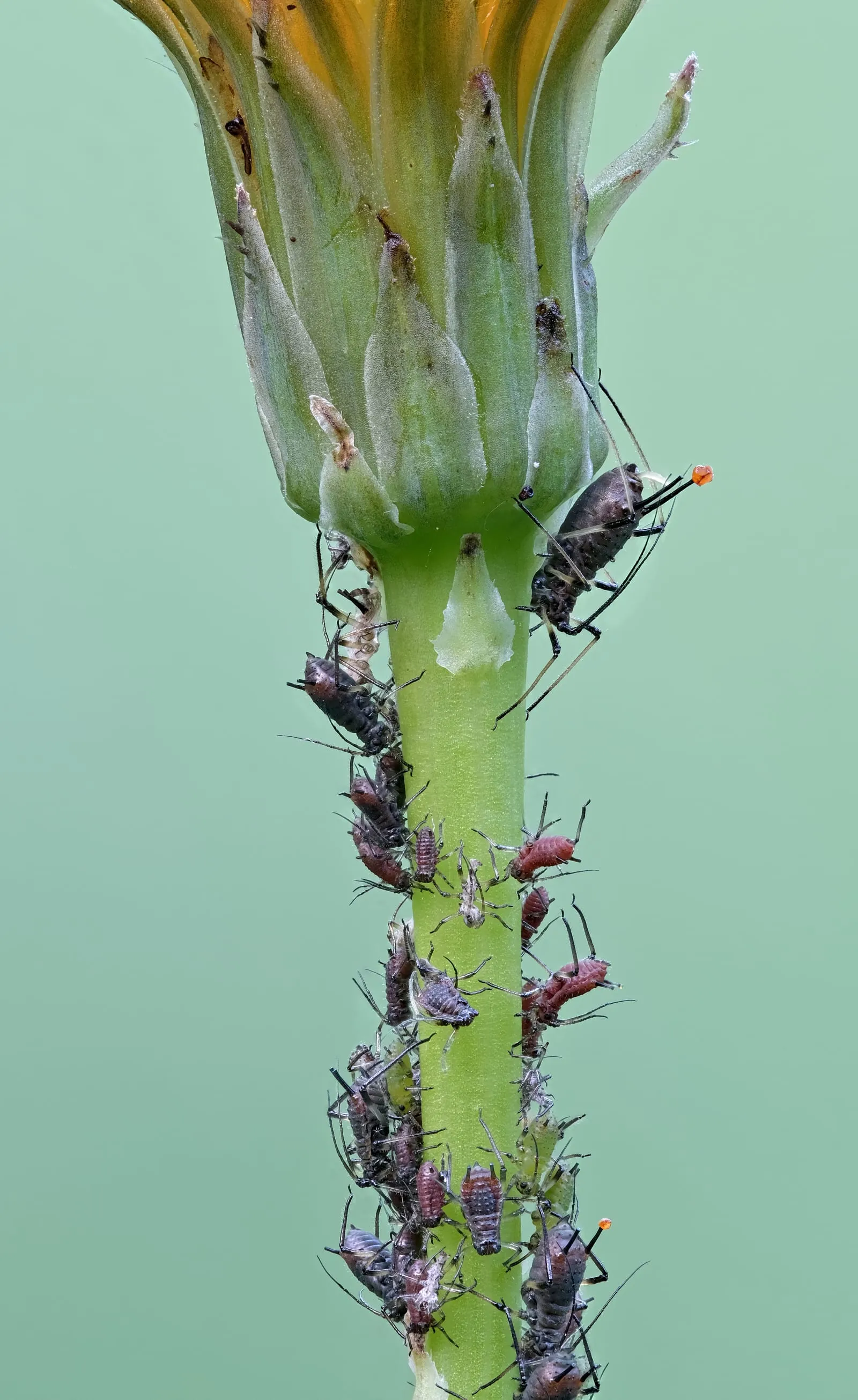
Multiple species (Aphididae)
Small soft-bodied sap-sucking insects that reproduce explosively in spring. Excrete honeydew that supports sooty mold and attracts ants. Transmit viral diseases.
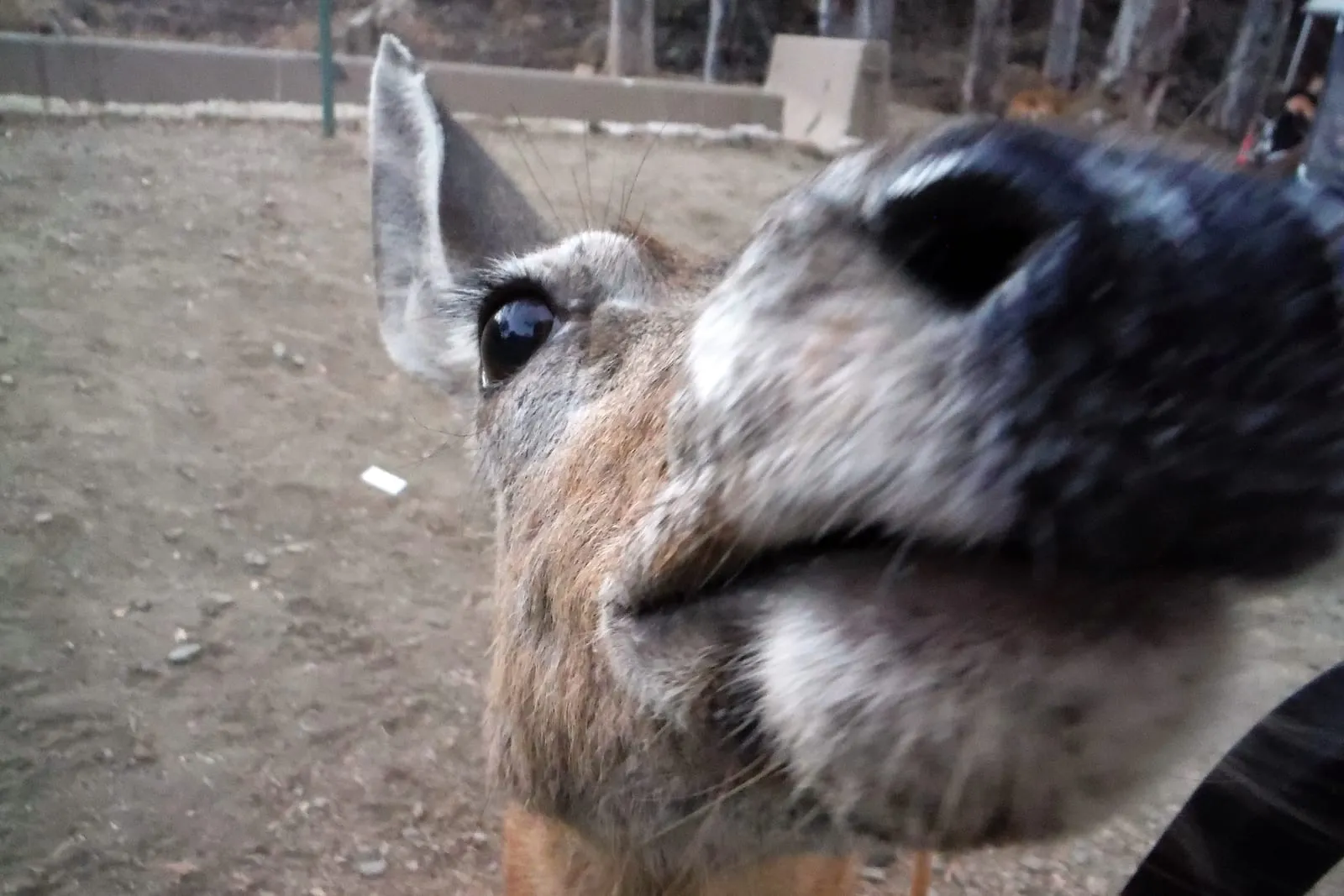
Odocoileus species
Whitetail and mule deer browse can devastate orchards and gardens, particularly in winter when food is scarce. Antler rub on young trunks kills saplings outright.
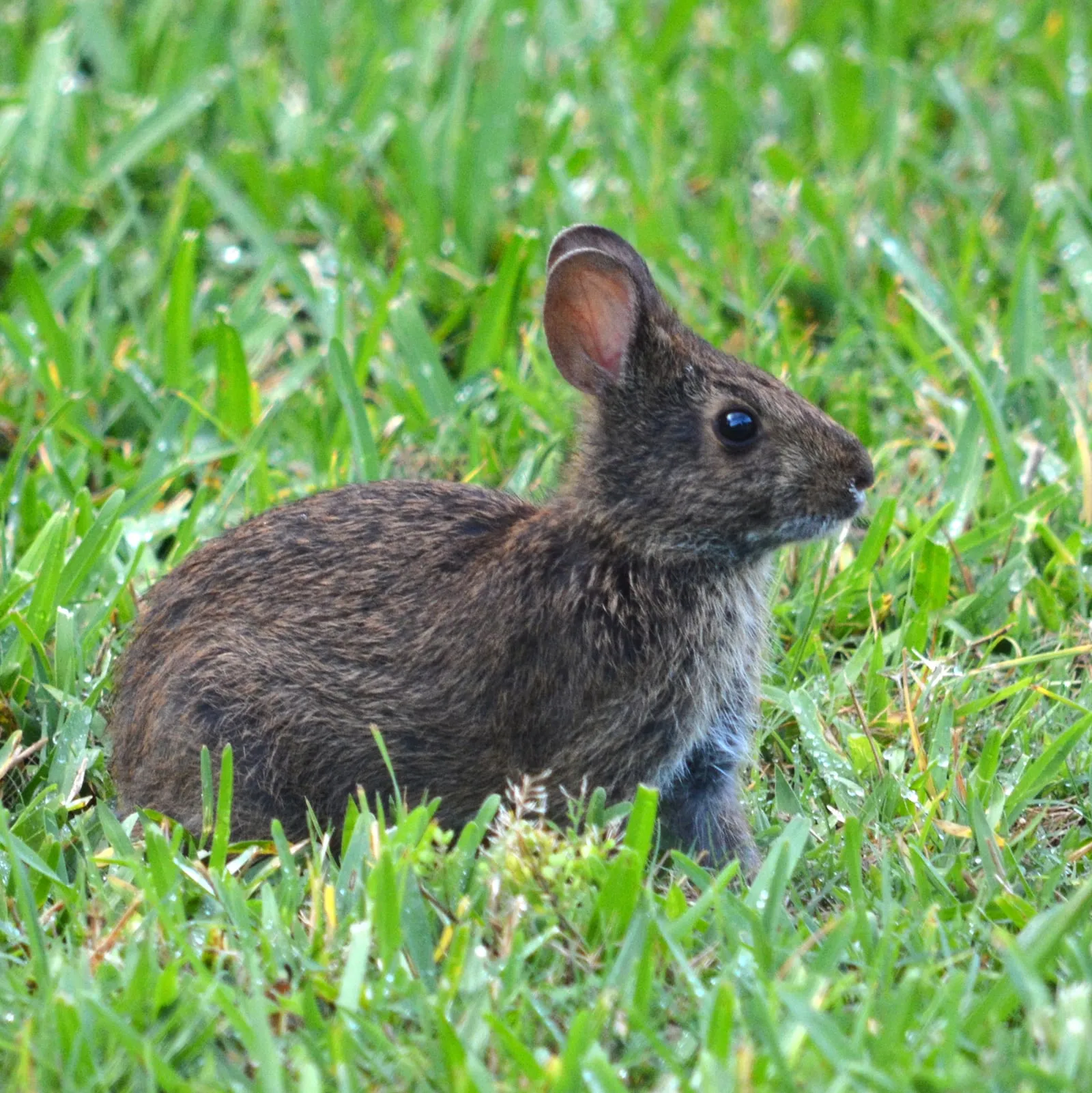
Sylvilagus and Lepus species
Cottontails and jackrabbits strip bark from young fruit trees in winter and graze tender garden vegetables year-round, especially seedlings.
Common challenges
Heat collapse is the most consistent cause of crop failure. Daytime temperatures above 80°F shut down pod set, and zones 6 through 8 warm quickly in late spring. Gardeners who wait until the soil feels warm often plant 3 to 4 weeks too late for a meaningful harvest. Soil thermometer readings around 45 to 50°F are workable for germination; waiting for soil to reach 60°F means the season is already slipping away.
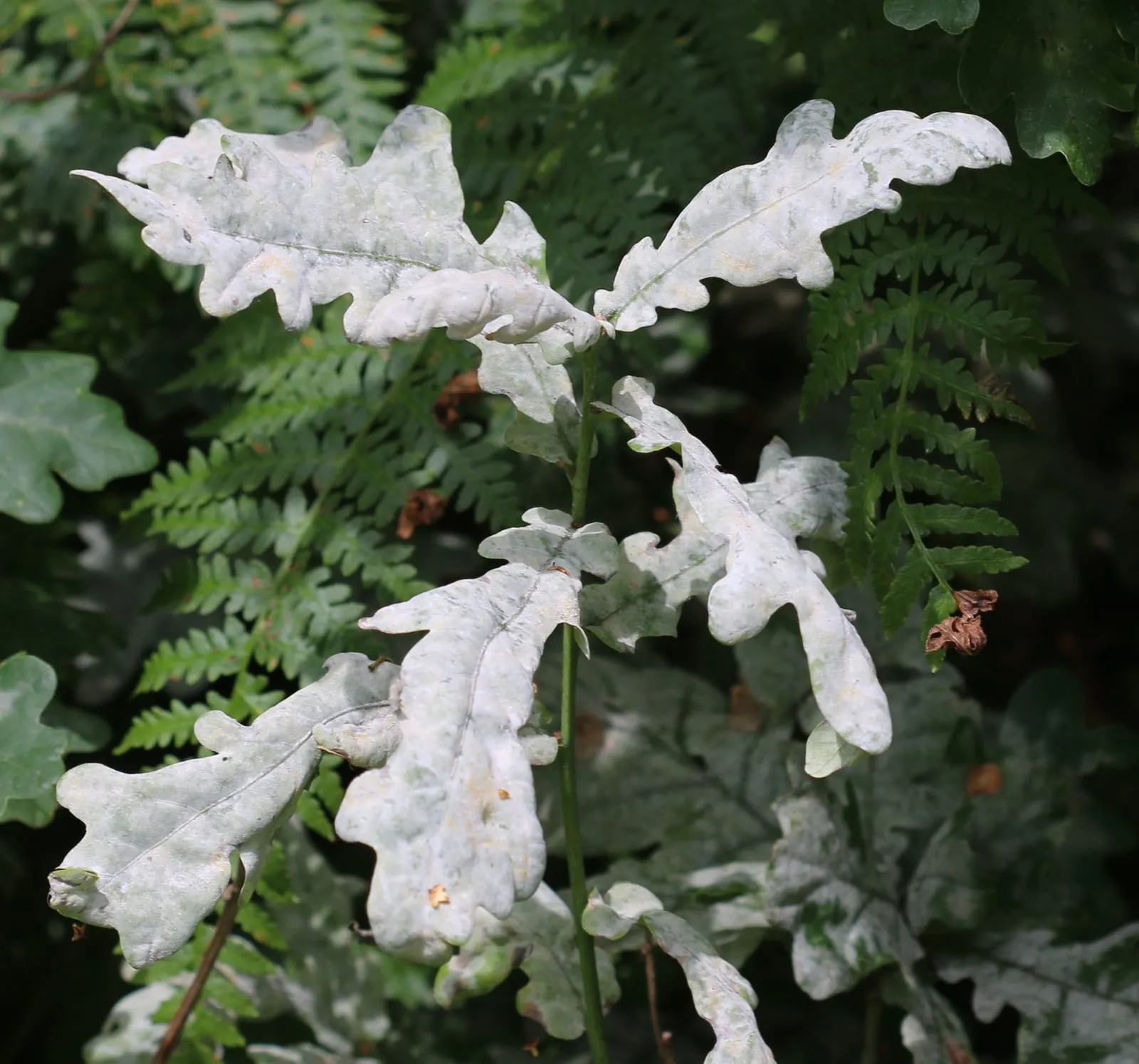
Vegetable powdery mildew is the dominant foliar disease, appearing as a white, talc-like coating on leaves in late spring when temperatures fluctuate and humidity rises. It rarely kills plants outright but accelerates vine collapse and reduces final pod count significantly. Planting disease-tolerant varieties such as Oregon Sugar Pod II, spacing plants for air circulation, and avoiding overhead irrigation all reduce pressure. Drip or soaker hose irrigation keeps foliage dry and limits spore spread.
Aphids cluster on new growth, especially during warm spells. Light infestations can be dislodged with a strong spray of water; heavier pressure warrants insecticidal soap. The greater risk is the mosaic viruses that aphids vector. Once plants show mottled, distorted foliage, there is no effective treatment and yield loss is substantial. Early detection and prompt control of aphid populations is the primary defense against virus spread, per the Cornell Pea Production Guide.
Companion plants
Frequently asked questions
- Do peas require pollinators to set pods?
Peas are self-fertile and do not require bees or other pollinators to produce pods. Pollinator activity during bloom can improve pod fill and overall yield, but it is not a prerequisite for a productive crop.
- How many days do peas take from sowing to harvest?
Most varieties mature in 55 to 75 days from direct sowing, depending on type and seasonal temperatures. Snow peas tend toward the shorter end of that range; shelling peas toward the longer end. Cool conditions slow development; warm conditions accelerate it but also shorten the harvest window.
- What USDA zones are suitable for growing peas?
Peas are suited to zones 3a through 8b. The planting season shifts significantly across that range. Zones 3 through 5 support only a spring planting. Zones 6 and 7 can support both spring and fall crops. In zones 8a and 8b, fall and winter plantings generally outperform spring because the warm season arrives before a spring crop finishes.
- What soil temperature is needed for pea germination?
Peas germinate in soil as cool as 40°F, with reliable emergence at 45 to 65°F. They do not require a cold stratification period. Germination slows and rot risk rises when soil temperatures exceed 75°F, which is another reason to plant early rather than waiting for the ground to warm.
- What is the most common disease affecting peas?
Vegetable powdery mildew is the most prevalent foliar disease in most growing regions. It appears as a white powdery coating on leaves, typically in late spring. Planting tolerant varieties, spacing for air circulation, and using drip irrigation rather than overhead watering are the primary management strategies.
- What is the difference between shelling peas, snap peas, and snow peas?
Shelling peas are harvested when the seeds inside are plump but the pod has not toughened; only the seeds are eaten. Snap peas are picked when the pod is full and rounded but still tender and crisp; the entire pod is edible. Snow peas are harvested young, before the seeds develop, while the flat pod is still tender. All three types share the same basic growing requirements.
- Can peas be planted in fall?
In zones 6b and warmer, fall planting is viable and sometimes preferable to spring. The target is to sow 8 to 10 weeks before the expected first hard frost, giving plants enough time to establish and set pods before cold halts growth. In zones 8a and 8b, fall through early winter planting is typically more productive than spring.
+−
+−
+−
+−
+−
+−
+−
Sources
Image: "-2020-06-28 Garden pea (Pisum sativum), Trimingham, Norfolk (1)", by Kolforn ( Kolforn ) I'd appreciate if you could mail me ([email protected]) if you want to use this picture out of the Wikimedia project scope. This file is licensed under the Creative Commons Attribution-Share Alike 4.0 International license. You are free: to share – to copy, distribute and transmit the work to remix – to adapt the work Under the following conditions: attribution – You must give appropriate credit, provide a link to the license, and indicate if changes were made. You may do so in any reasonable manner, but not in any way that suggests the licensor endorses you or your use. share alike – If you remix, transform, or build upon the material, you must distribute your contributions under the same or compatible license as the original. https://creativecommons.org/licenses/by-sa/4.0 CC BY-SA 4.0 Creative Commons Attribution-Share Alike 4.0 true true, via Wikimedia Commons, licensed under CC-BY. Source.
,_Trimingham,_Norfolk_(1).JPG)
Pea by zone
Related