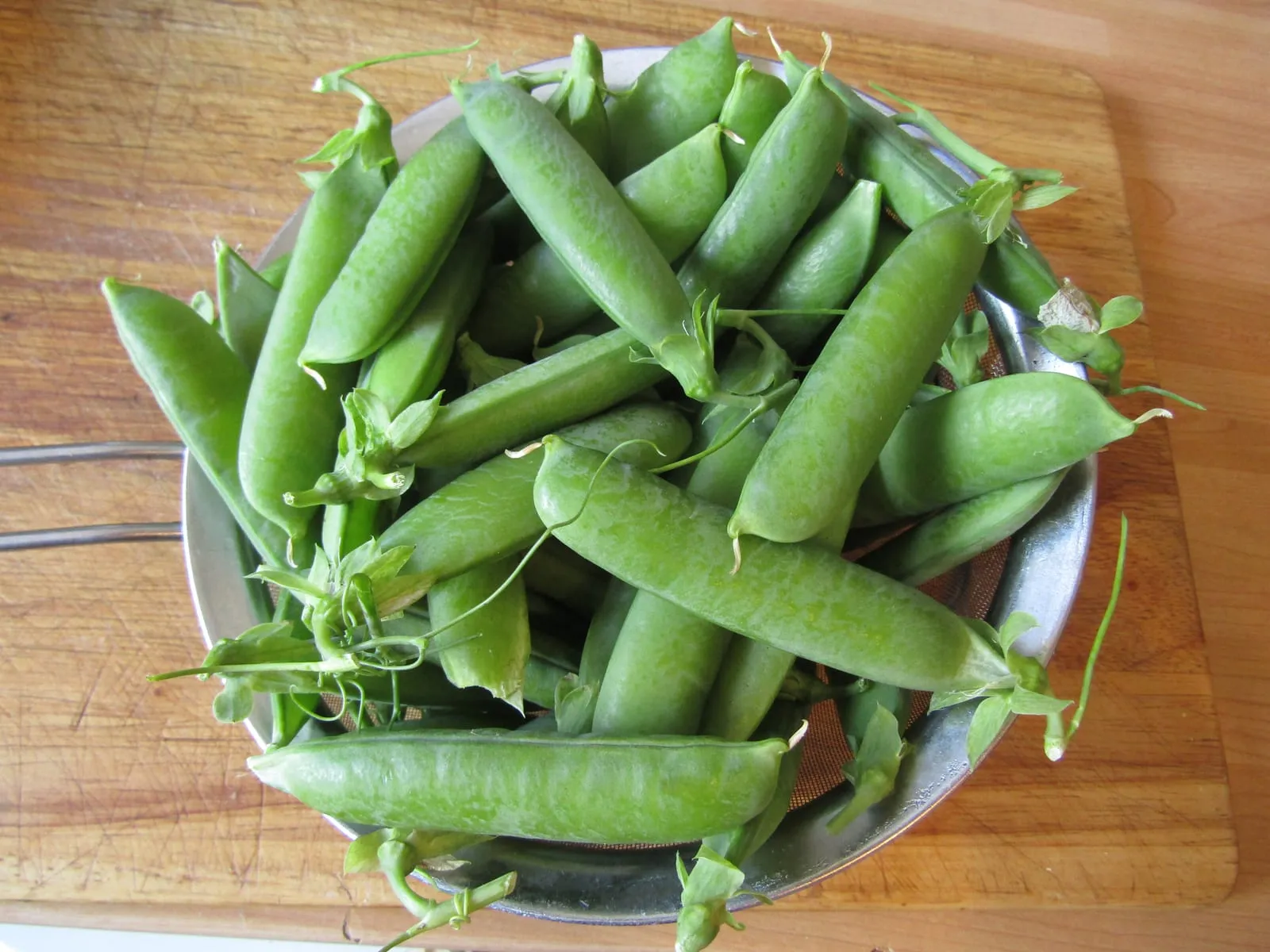
vegetable in zone 5a
Growing pea in zone 5a
Pisum sativum
- Zone
- 5a -20°F to -15°F
- Growing season
- 150 days
- Suitable varieties
- 4
- Days to harvest
- 55 to 75
The verdict
Zone 5a is well within the comfortable range for peas. As a cool-season annual, pea has no chill-hour requirement in the horticultural sense; what matters is soil temperature at planting time and the length of the cool growing window before summer heat shuts down pod set. Zone 5a winters (minimum temperatures of -20 to -15°F) are irrelevant to direct-sown spring peas, which go in the ground after the soil reaches 40°F and before the last frost date. The 150-day growing season provides ample runway for both a spring planting and a late-summer planting for fall harvest.
The compatible varieties for this zone, including Lincoln, Sugar Snap, Oregon Sugar Pod II, and Cascadia, were developed partly for performance in northern gardens and handle zone 5a springs without difficulty. This is a reliable zone for peas, not a marginal one. The main constraint is summer heat arriving too early to finish a late spring planting, not any issue with cold tolerance.
Recommended varieties for zone 5a
4 cultivars suited to this zone, with disease-resistance and zone-fit annotations.
| Variety | Notes | Zone fit | Disease resistance |
|---|---|---|---|
| Lincoln fits zone 5a | Sweet, classic shelling-pea flavor; long pods with 7-9 dark green peas. Fresh, freezing, classic pea soup. Heritage variety, productive, cold-tolerant for early planting. | | none noted |
| Sugar Snap fits zone 5a | Very sweet, crisp, edible pod with full peas; the original snap pea. Fresh raw, stir-fries, blanched salads. AAS winner, productive, the home-garden snap pea standard. | | none noted |
| Oregon Sugar Pod II fits zone 5a | Sweet, tender, edible flat pod harvested before peas swell; classic snow pea. Stir-fries, fresh salads, garnish. Productive, disease-tolerant. | | none noted |
| Cascadia fits zone 5a | Sweet, crisp, full snap-pea flavor; short vines (3 ft) suit small gardens. Fresh raw, stir-fries. Productive, disease-resistant, the modern home-grower's compact snap. | | none noted |
Critical timing for zone 5a
Zone 5a last frost typically falls in late April to early May, though local variation is significant (check the frost-dates page for your specific location). Peas can be direct-sown 4 to 6 weeks before that date, often in late March or early April, once soil temperatures reach 40°F. Established seedlings tolerate brief dips to about 25°F, so early sowings carry modest but manageable frost risk.
From sowing, expect bloom in 45 to 55 days and harvestable pods in 60 to 75 days depending on variety, placing spring harvest in June for most of zone 5a. For a fall crop, count back 70 days from the first fall frost (mid-October in much of the zone) and sow in late July or early August. The two windows are real but narrow; heat above 75 to 80°F ends pod set regardless of how many days remain in the growing season.
Common challenges in zone 5a
- ▸ Fire blight in pears
- ▸ Cedar-apple rust
- ▸ Late spring frosts
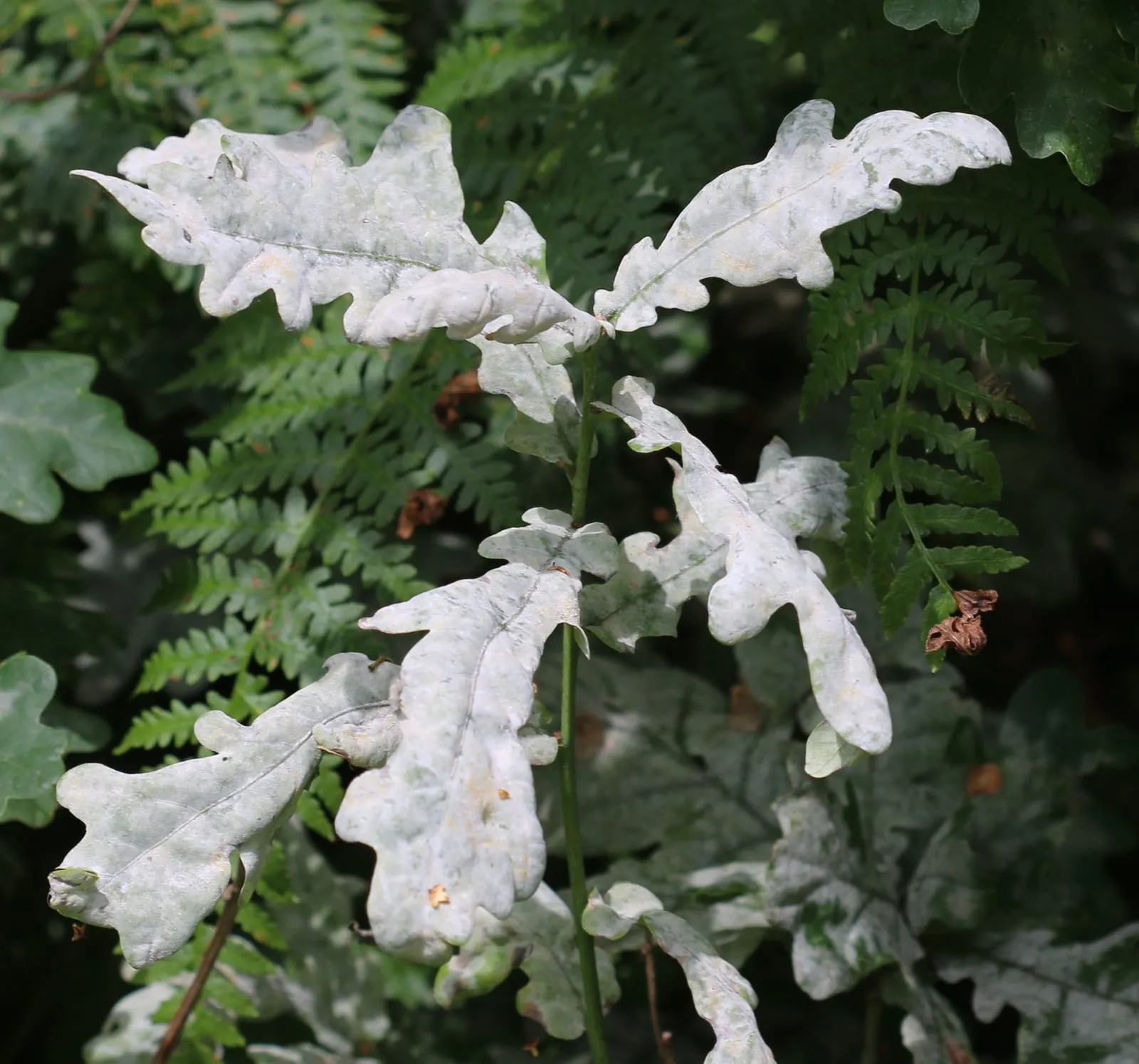
Disease pressure to watch for
Modified care for zone 5a
The primary management challenge in zone 5a is heat at the close of the spring window. Peas stop setting viable pods when daytime temperatures consistently exceed 75 to 80°F, which arrives in late June or July. Choosing a site with afternoon shade can extend harvest by a week or two. Among the compatible varieties, Cascadia and Oregon Sugar Pod II show better heat tolerance than older shelling types like Lincoln.
Vegetable Powdery Mildew pressure increases as warmth and humidity build into summer. Adequate plant spacing (4 to 6 inches in-row) and trellising for airflow reduces but does not eliminate it; mildew-tolerant varieties are the more reliable control. The late spring frosts listed as a zone 5a challenge matter most at germination: emerging seedlings can survive brief dips into the mid-20s, but a hard freeze on newly germinated plants can set the planting back by two weeks or more. Keeping a roll of row cover on hand for the first few weeks after sowing is a reasonable precaution.
Frequently asked questions
- When is the earliest I can plant peas in zone 5a?
Direct sowing can begin when soil temperatures reach 40°F, typically late March to early April in zone 5a. Peas tolerate light frost, so planting 4 to 6 weeks before the expected last frost date is standard practice. Germination is slow in cold soil but viable.
- Can peas be grown as a fall crop in zone 5a?
Yes. Count back 70 days from your local first fall frost date (mid-October is common in zone 5a) and sow in late July or early August. Fall crops often produce better pod quality than late spring plantings because they finish in cooling temperatures rather than heat.
- Does powdery mildew affect peas in zone 5a?
Vegetable Powdery Mildew is a consistent late-season issue as spring plantings run into summer heat. Good airflow from trellising and adequate spacing help, but the most practical control is choosing mildew-tolerant varieties such as Oregon Sugar Pod II and harvesting before the worst of the summer humidity.
+−
+−
+−
Pea in adjacent zones
Image: "-2020-06-28 Garden pea (Pisum sativum), Trimingham, Norfolk (1)", by Kolforn ( Kolforn ) I'd appreciate if you could mail me ([email protected]) if you want to use this picture out of the Wikimedia project scope. This file is licensed under the Creative Commons Attribution-Share Alike 4.0 International license. You are free: to share – to copy, distribute and transmit the work to remix – to adapt the work Under the following conditions: attribution – You must give appropriate credit, provide a link to the license, and indicate if changes were made. You may do so in any reasonable manner, but not in any way that suggests the licensor endorses you or your use. share alike – If you remix, transform, or build upon the material, you must distribute your contributions under the same or compatible license as the original. https://creativecommons.org/licenses/by-sa/4.0 CC BY-SA 4.0 Creative Commons Attribution-Share Alike 4.0 true true, via Wikimedia Commons, licensed under CC-BY Source.
,_Trimingham,_Norfolk_(1).JPG)
Related