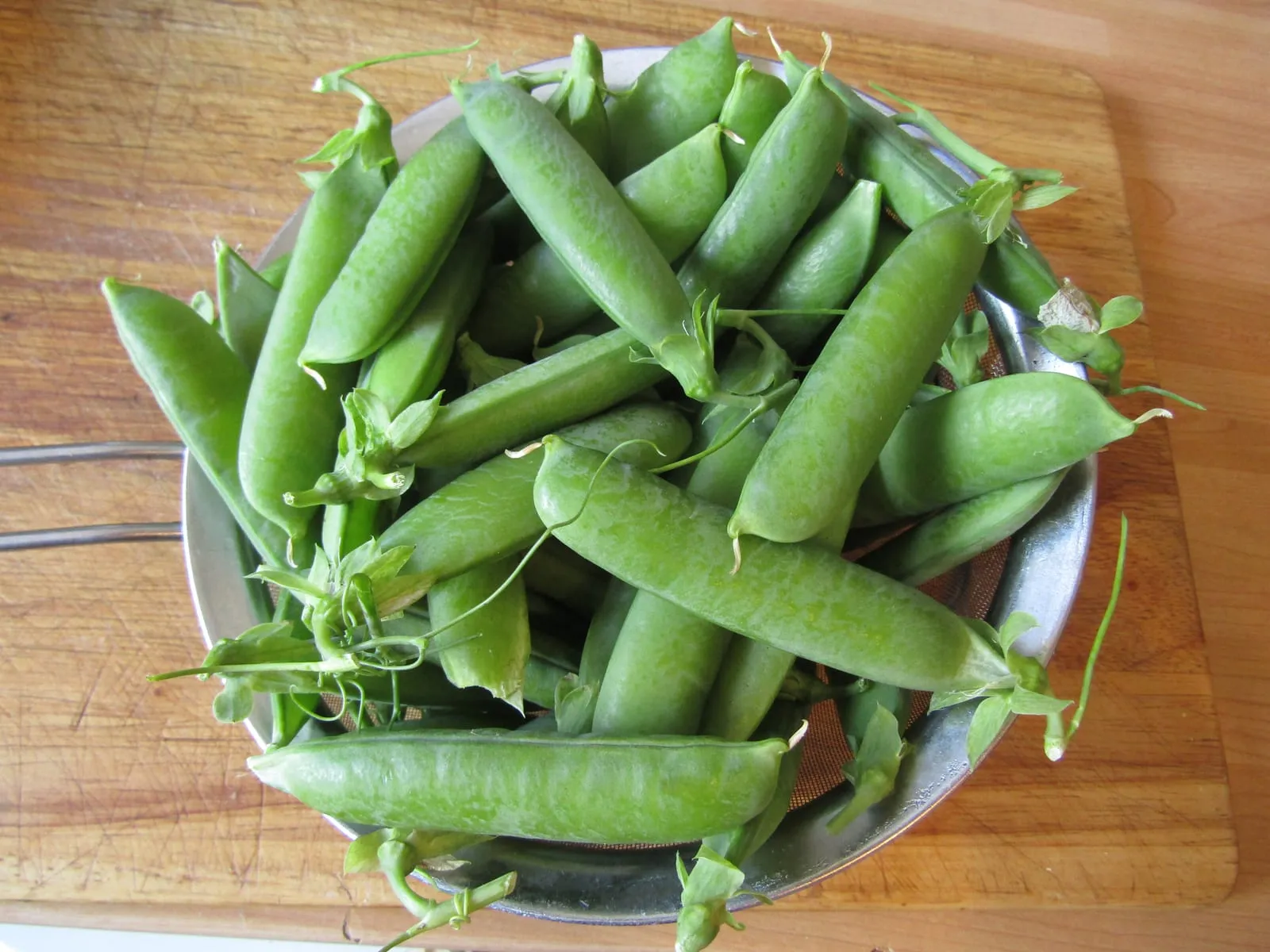
vegetable in zone 4b
Growing pea in zone 4b
Pisum sativum
- Zone
- 4b -25°F to -20°F
- Growing season
- 130 days
- Suitable varieties
- 4
- Days to harvest
- 55 to 75
The verdict
Peas are a cool-season crop, and zone 4b is not a marginal zone for them; it is closer to a sweet spot. The 130-day growing season comfortably accommodates most pea varieties, which mature in 55 to 70 days. Peas prefer soil temperatures between 45°F and 70°F and tolerate light frosts, so the cool springs typical of zone 4b work in the grower's favor rather than against them.
The true limiting factor for peas is summer heat, not winter cold. Pod production drops sharply once daytime temperatures push past 80°F, and plants decline quickly afterward. Zone 4b's compressed, relatively cool summers extend the productive window compared to warmer zones. Varieties suited to this zone include Lincoln, Sugar Snap, Oregon Sugar Pod II, and Cascadia, all of which mature quickly enough to finish ahead of midsummer heat. Vegetable Powdery Mildew is the main disease concern, and its pressure intensifies as summer temperatures rise, making variety selection and early planting timing the primary management levers.
Recommended varieties for zone 4b
4 cultivars suited to this zone, with disease-resistance and zone-fit annotations.
| Variety | Notes | Zone fit | Disease resistance |
|---|---|---|---|
| Lincoln fits zone 4b | Sweet, classic shelling-pea flavor; long pods with 7-9 dark green peas. Fresh, freezing, classic pea soup. Heritage variety, productive, cold-tolerant for early planting. | | none noted |
| Sugar Snap fits zone 4b | Very sweet, crisp, edible pod with full peas; the original snap pea. Fresh raw, stir-fries, blanched salads. AAS winner, productive, the home-garden snap pea standard. | | none noted |
| Oregon Sugar Pod II fits zone 4b | Sweet, tender, edible flat pod harvested before peas swell; classic snow pea. Stir-fries, fresh salads, garnish. Productive, disease-tolerant. | | none noted |
| Cascadia fits zone 4b | Sweet, crisp, full snap-pea flavor; short vines (3 ft) suit small gardens. Fresh raw, stir-fries. Productive, disease-resistant, the modern home-grower's compact snap. | | none noted |
Critical timing for zone 4b
Zone 4b last spring frost dates typically fall between May 15 and May 25, but established pea seedlings tolerate temperatures down to approximately 25°F to 28°F, which allows direct sowing 4 to 6 weeks ahead of that date. Most growers in this zone target late March to early April, sowing as soon as soil can be worked and soil temperatures have reached around 40°F.
Pods on early spring plantings ripen in late June to mid-July. Getting the harvest in before sustained heat sets in is critical. A second sowing in mid-August can capture the fall cool-down, but the window is narrow; first autumn frost in zone 4b typically arrives in late September, leaving roughly 40 to 50 days. Only fast-maturing varieties such as Cascadia (approximately 60 days) have a reliable chance of reaching harvest in a fall planting.
Common challenges in zone 4b
- ▸ Spring frost timing
- ▸ Apple scab pressure
- ▸ Cane berry winter dieback
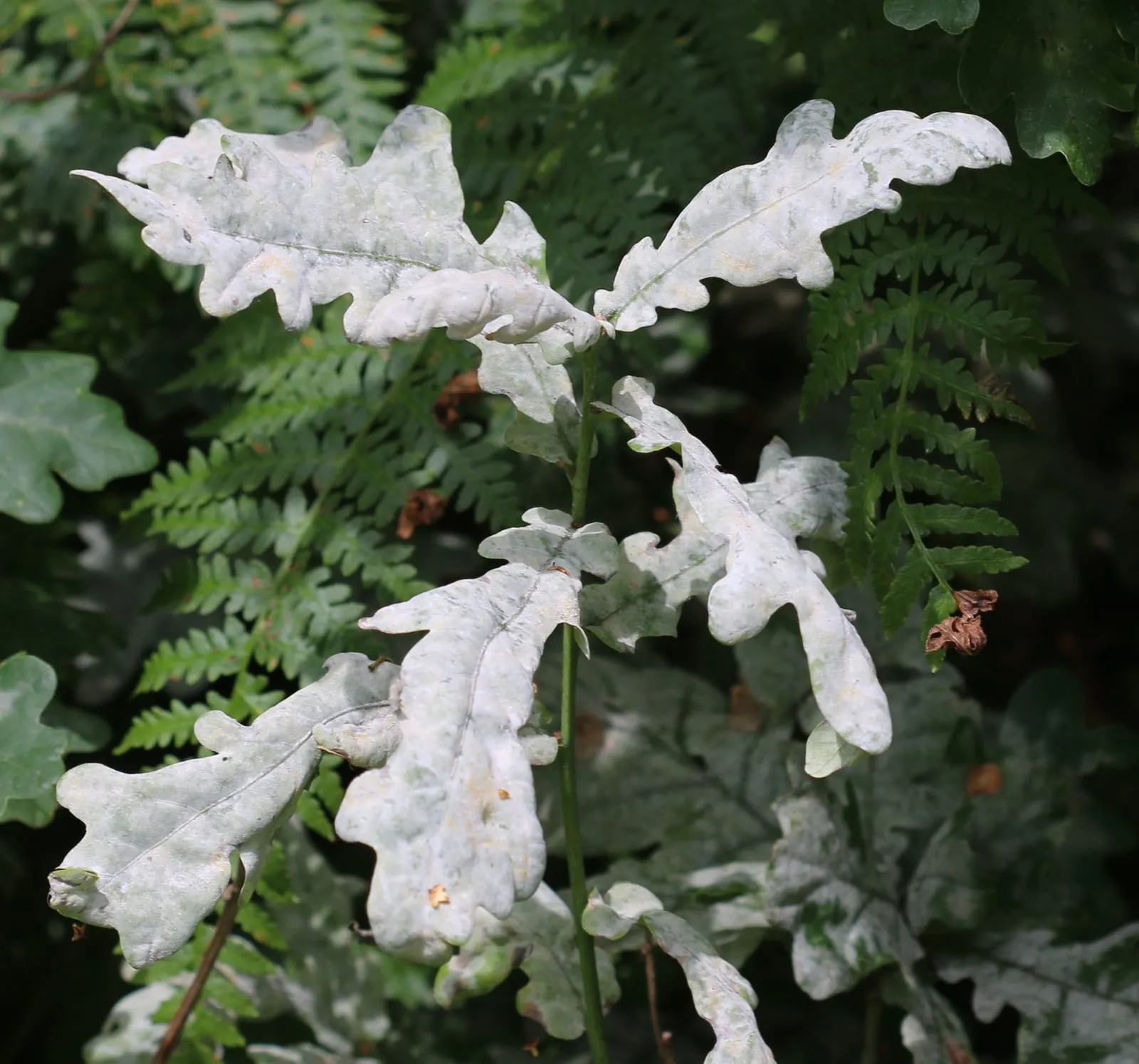
Disease pressure to watch for
Modified care for zone 4b
The most important adjustment in zone 4b is planting as early as the soil allows. Waiting until after last frost wastes 4 to 6 weeks of ideal cool weather. Direct-sow in late March to early April and accept the possibility of a late frost event; established pea seedlings often recover if temperatures do not drop below 25°F, since tops may die back while roots and crown survive.
Vegetable Powdery Mildew pressure increases through July as nights warm. Selecting mildew-resistant varieties, particularly Oregon Sugar Pod II and Cascadia, reduces how aggressively the disease progresses. Adequate in-row spacing and avoiding late-afternoon overhead irrigation slow spread further. Because the productive season ends quickly in zone 4b regardless of disease, the practical priority is completing the harvest before plants decline, rather than extending the season with fungicide applications once mildew has taken hold.
Pea in adjacent zones
Image: "-2020-06-28 Garden pea (Pisum sativum), Trimingham, Norfolk (1)", by Kolforn ( Kolforn ) I'd appreciate if you could mail me ([email protected]) if you want to use this picture out of the Wikimedia project scope. This file is licensed under the Creative Commons Attribution-Share Alike 4.0 International license. You are free: to share – to copy, distribute and transmit the work to remix – to adapt the work Under the following conditions: attribution – You must give appropriate credit, provide a link to the license, and indicate if changes were made. You may do so in any reasonable manner, but not in any way that suggests the licensor endorses you or your use. share alike – If you remix, transform, or build upon the material, you must distribute your contributions under the same or compatible license as the original. https://creativecommons.org/licenses/by-sa/4.0 CC BY-SA 4.0 Creative Commons Attribution-Share Alike 4.0 true true, via Wikimedia Commons, licensed under CC-BY Source.
,_Trimingham,_Norfolk_(1).JPG)
Related