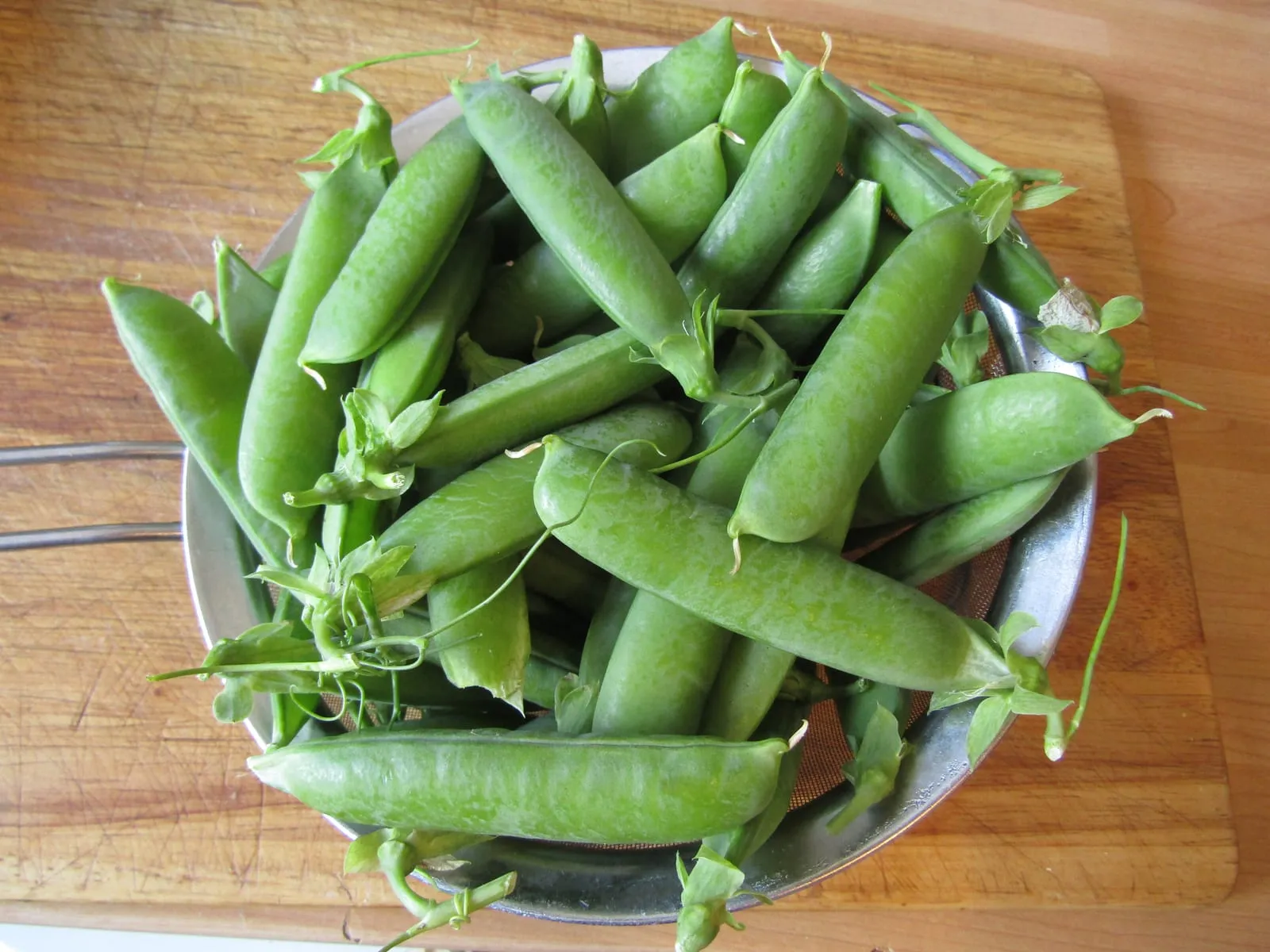
vegetable in zone 4a
Growing pea in zone 4a
Pisum sativum
- Zone
- 4a -30°F to -25°F
- Growing season
- 120 days
- Suitable varieties
- 4
- Days to harvest
- 55 to 75
The verdict
Pea is a cool-season crop, and zone 4a is closer to a sweet spot than a marginal zone. Unlike fruit trees, peas have no chill-hour requirement. What they need is cold soil they can germinate in and a growing window that stays cool long enough for pods to fill before summer heat sets in. Zone 4a's 120-day frost-free season is tight but workable: most pea varieties mature in 60 to 70 days, which fits comfortably within the spring shoulder season before temperatures climb. The varieties listed for this zone, including Cascadia and Oregon Sugar Pod II, were selected partly for their tolerance of cool, variable springs. Lincoln, a shelling type, has been grown in northern climates since the 19th century and performs reliably under zone 4a conditions. The primary limitation is not cold, but the brevity of the cool window: once daytime highs reach the mid-70s consistently, pod fill stalls and powdery mildew pressure rises.
Recommended varieties for zone 4a
4 cultivars suited to this zone, with disease-resistance and zone-fit annotations.
| Variety | Notes | Zone fit | Disease resistance |
|---|---|---|---|
| Lincoln fits zone 4a | Sweet, classic shelling-pea flavor; long pods with 7-9 dark green peas. Fresh, freezing, classic pea soup. Heritage variety, productive, cold-tolerant for early planting. | | none noted |
| Sugar Snap fits zone 4a | Very sweet, crisp, edible pod with full peas; the original snap pea. Fresh raw, stir-fries, blanched salads. AAS winner, productive, the home-garden snap pea standard. | | none noted |
| Oregon Sugar Pod II fits zone 4a | Sweet, tender, edible flat pod harvested before peas swell; classic snow pea. Stir-fries, fresh salads, garnish. Productive, disease-tolerant. | | none noted |
| Cascadia fits zone 4a | Sweet, crisp, full snap-pea flavor; short vines (3 ft) suit small gardens. Fresh raw, stir-fries. Productive, disease-resistant, the modern home-grower's compact snap. | | none noted |
Critical timing for zone 4a
In zone 4a, direct sowing can begin as soon as the soil is workable, often late March to mid-April depending on elevation and microclimate. Peas tolerate light frost and can germinate in soil temperatures as low as 40°F, though germination is faster above 50°F. Flowering typically occurs 45 to 55 days after sowing; harvest follows 10 to 14 days after bloom. A sowing in early April can realistically yield a harvest window in mid-June. Late frosts are the main scheduling hazard: a frost at bloom or early pod set causes direct damage to developing tissue. Staggering sowings one to two weeks apart across late March through mid-April spreads the risk. A fall sowing, timed to mature before the first fall frost, is sometimes feasible in zone 4a if planted by early to mid-August.
Common challenges in zone 4a
- ▸ Late frosts damage early bloomers
- ▸ Limited peach varieties
Disease pressure to watch for
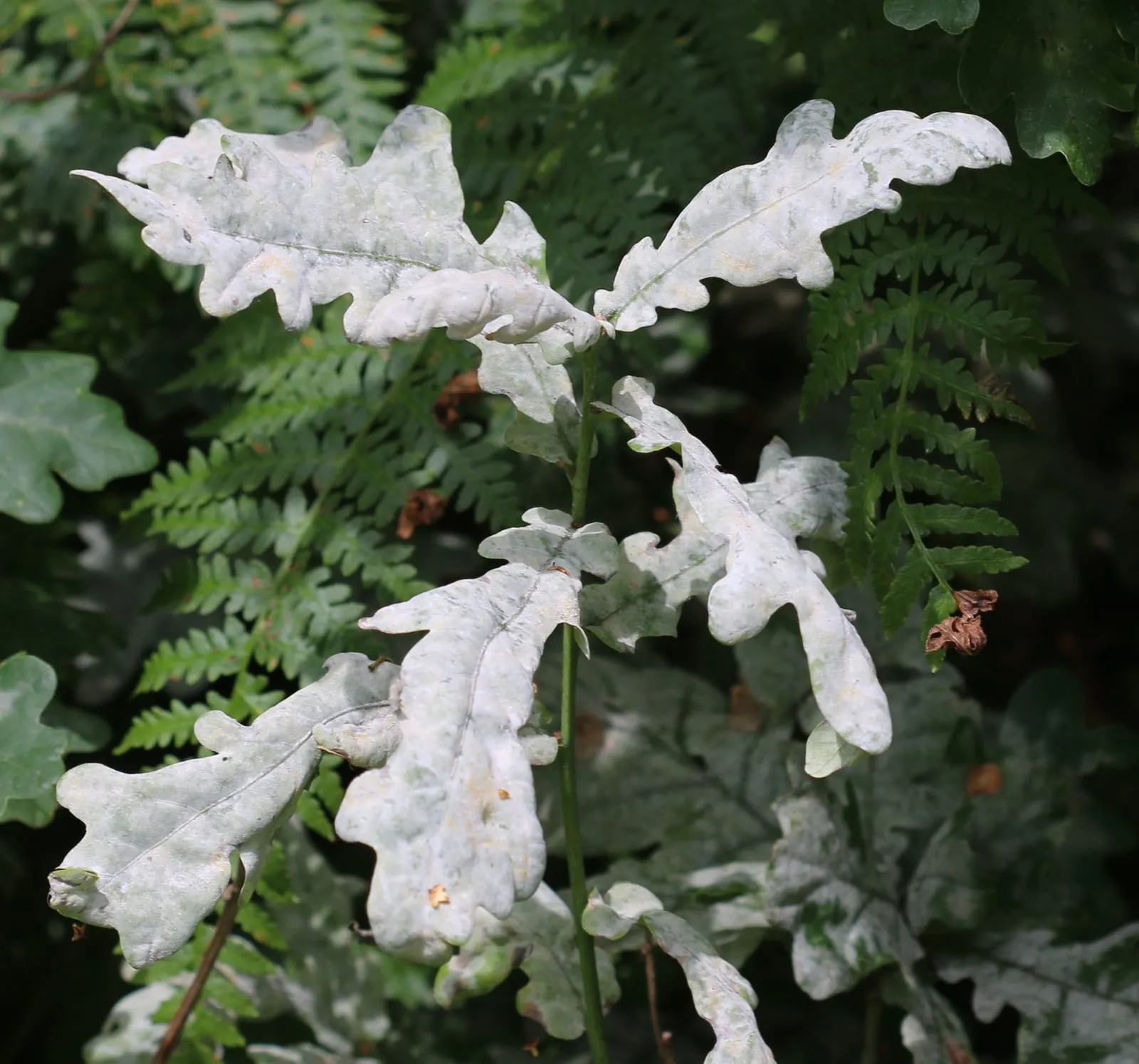
Modified care for zone 4a
Zone 4a growers should prioritize cold soil management and late-frost contingency over any summer heat strategy. Raised beds or dark-mulched rows warm earlier in spring and can accelerate germination by a week or more compared to flat ground. For early sowings, row cover held down with stakes provides several degrees of frost protection during the bloom window without significantly trapping moisture. Powdery mildew (Vegetable Powdery Mildew) becomes the primary disease concern as June progresses and nights stay warm but days heat up. Selecting resistant varieties like Oregon Sugar Pod II and Cascadia reduces pressure, and ensuring good airflow between plants limits spore buildup. In zone 4a, the season ends naturally before mildew becomes catastrophic for most plantings, but a wet late spring can accelerate the timeline. Avoid overhead irrigation once temperatures regularly exceed 65°F.
Frequently asked questions
- Can peas be grown successfully in zone 4a's short season?
Yes. Most pea varieties mature in 60 to 70 days, well within the 120-day frost-free window. The cool spring temperatures in zone 4a are actually favorable for pea development, and varieties like Cascadia and Lincoln have a long track record in northern climates.
- When should peas be planted in zone 4a?
Direct sowing typically begins in late March to mid-April, as soon as the soil can be worked. Peas tolerate light frost and germinate in soil as cool as 40°F. Staggering sowings one to two weeks apart spreads harvest over a longer window and hedges against a late frost hitting all plants at the same stage.
- Does powdery mildew cause serious problems for peas in zone 4a?
It can be an issue in late spring and early summer as temperatures climb. Choosing resistant varieties like Cascadia and Oregon Sugar Pod II reduces severity. In most zone 4a seasons, the cool spring gives the crop time to produce before mildew pressure peaks.
- Is a fall pea crop possible in zone 4a?
It is possible but timing is tight. A sowing in early to mid-August can yield a harvest before the first fall frost, but the window is narrow. Fall pea crops in zone 4a are higher-risk than spring crops and depend heavily on when the first hard frost arrives in a given year.
+−
+−
+−
+−
Pea in adjacent zones
Image: "-2020-06-28 Garden pea (Pisum sativum), Trimingham, Norfolk (1)", by Kolforn ( Kolforn ) I'd appreciate if you could mail me ([email protected]) if you want to use this picture out of the Wikimedia project scope. This file is licensed under the Creative Commons Attribution-Share Alike 4.0 International license. You are free: to share – to copy, distribute and transmit the work to remix – to adapt the work Under the following conditions: attribution – You must give appropriate credit, provide a link to the license, and indicate if changes were made. You may do so in any reasonable manner, but not in any way that suggests the licensor endorses you or your use. share alike – If you remix, transform, or build upon the material, you must distribute your contributions under the same or compatible license as the original. https://creativecommons.org/licenses/by-sa/4.0 CC BY-SA 4.0 Creative Commons Attribution-Share Alike 4.0 true true, via Wikimedia Commons, licensed under CC-BY Source.
,_Trimingham,_Norfolk_(1).JPG)
Related