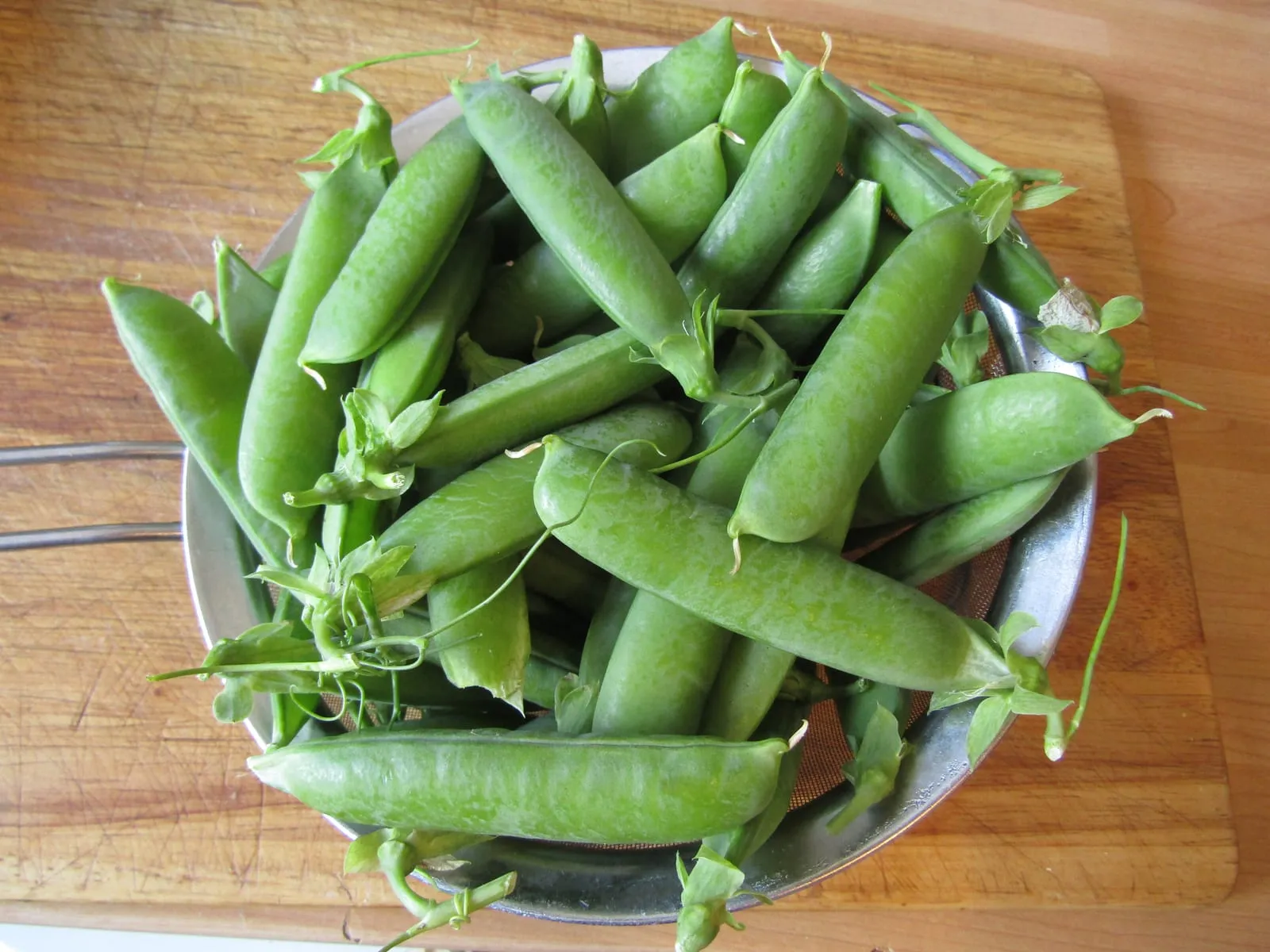
vegetable in zone 3b
Growing pea in zone 3b
Pisum sativum
- Zone
- 3b -35°F to -30°F
- Growing season
- 100 days
- Suitable varieties
- 4
- Days to harvest
- 55 to 75
The verdict
Peas are a cool-season crop, and zone 3b is close to a sweet spot for them rather than a marginal case. Unlike fruit trees, peas have no chill-hour requirement; what they need is cool soil for germination (40°F minimum) and temperatures below 75°F through pod fill. Zone 3b delivers both reliably. The 100-day growing season fits most pea varieties comfortably, since Lincoln and Sugar Snap types mature in 60 to 70 days and snow peas like Oregon Sugar Pod II and Cascadia finish in 55 to 60 days. The extreme winter cold (-35 to -30°F) is irrelevant because peas are grown as a spring annual and are out of the ground well before fall. The real constraint in zone 3b is the narrow spring window between workable soil and summer heat, which demands timely planting but does not make the zone hostile to the crop. Growers who time sowing correctly will generally see strong yields.
Recommended varieties for zone 3b
4 cultivars suited to this zone, with disease-resistance and zone-fit annotations.
| Variety | Notes | Zone fit | Disease resistance |
|---|---|---|---|
| Lincoln fits zone 3b | Sweet, classic shelling-pea flavor; long pods with 7-9 dark green peas. Fresh, freezing, classic pea soup. Heritage variety, productive, cold-tolerant for early planting. | | none noted |
| Sugar Snap fits zone 3b | Very sweet, crisp, edible pod with full peas; the original snap pea. Fresh raw, stir-fries, blanched salads. AAS winner, productive, the home-garden snap pea standard. | | none noted |
| Oregon Sugar Pod II fits zone 3b | Sweet, tender, edible flat pod harvested before peas swell; classic snow pea. Stir-fries, fresh salads, garnish. Productive, disease-tolerant. | | none noted |
| Cascadia fits zone 3b | Sweet, crisp, full snap-pea flavor; short vines (3 ft) suit small gardens. Fresh raw, stir-fries. Productive, disease-resistant, the modern home-grower's compact snap. | | none noted |
Critical timing for zone 3b
Soil in zone 3b typically becomes workable in late April, with last spring frost falling in late May on average, though microclimates and elevation shift this by one to two weeks in either direction. Peas can be sown as soon as soil reaches 40°F, often a week or two before the frost-free date, since established seedlings tolerate light frost. Direct sowing in late April targets a harvest window of late June through mid-July for shelling types. Snow pea varieties (Oregon Sugar Pod II, Cascadia) maturing in 55 to 60 days can be sown slightly later, in early May, and still finish before heat builds. First fall frost typically returns by mid-September in zone 3b, leaving a narrow opening for a second planting in early July, but only fast-maturing snow pea types reliably complete before that cutoff.
Common challenges in zone 3b
- ▸ Short season
- ▸ Winter desiccation
- ▸ Site selection critical for fruit trees
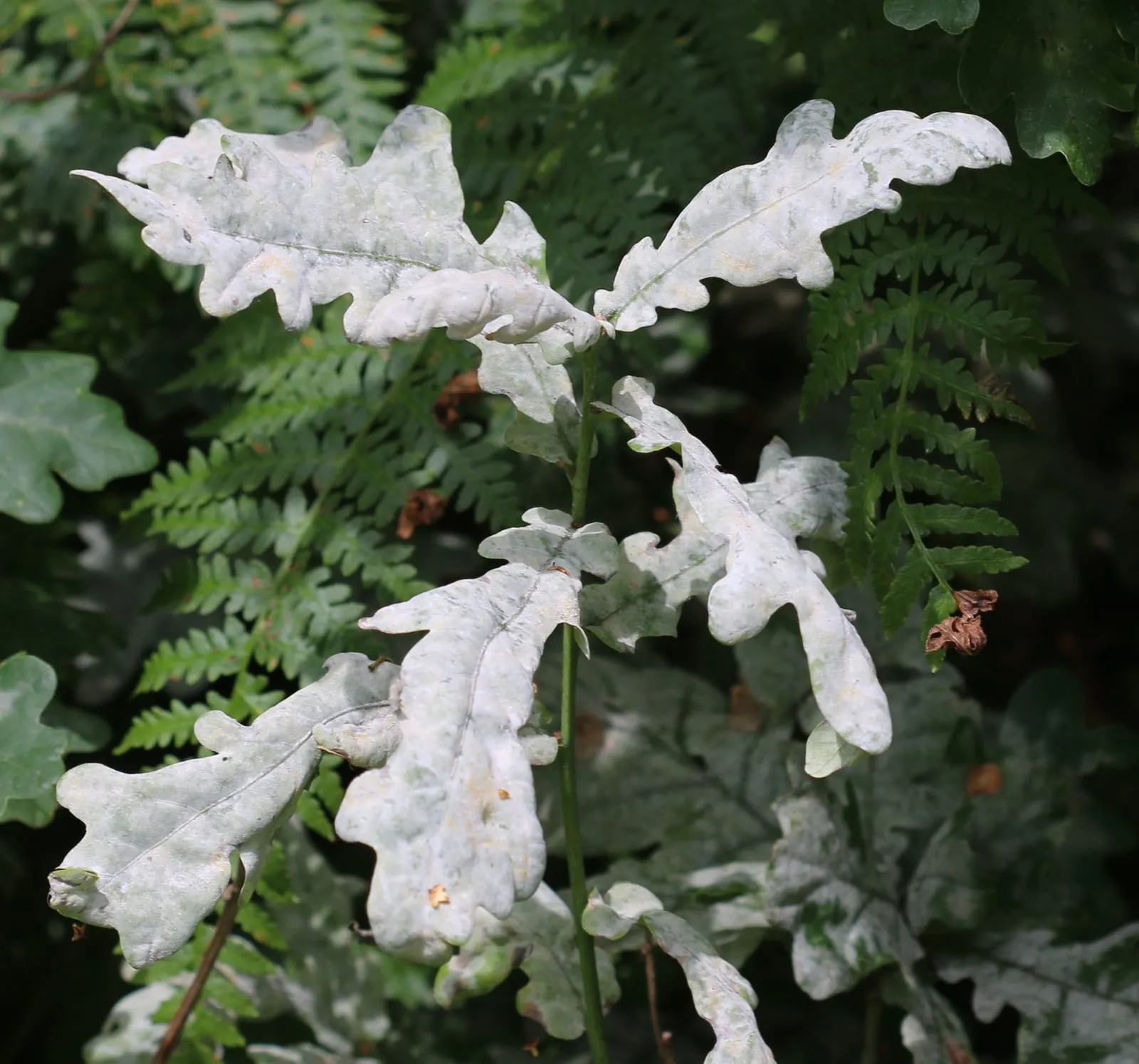
Disease pressure to watch for
Modified care for zone 3b
The primary adaptation in zone 3b is aggressive use of row cover or low tunnels at planting time. Covering beds at sowing captures 2 to 3 additional weeks of usable spring warmth, which in a 100-day season is meaningful. Raised beds or south-facing slopes warm 1 to 2 weeks earlier than flat in-ground plots, and that difference can determine whether a second succession sowing is feasible. Powdery mildew is the documented disease pressure for this crop; it typically peaks when cool nights follow warm days in late summer, but zone 3b's harvest schedule often concludes before the worst pressure arrives. Removing spent vines promptly once pods mature limits spore buildup on the off chance a long season extends into that window. Trellis rows should run north to south when possible to maximize sun exposure given the lower solar angle at northern latitudes.
Pea in adjacent zones
Image: "-2020-06-28 Garden pea (Pisum sativum), Trimingham, Norfolk (1)", by Kolforn ( Kolforn ) I'd appreciate if you could mail me ([email protected]) if you want to use this picture out of the Wikimedia project scope. This file is licensed under the Creative Commons Attribution-Share Alike 4.0 International license. You are free: to share – to copy, distribute and transmit the work to remix – to adapt the work Under the following conditions: attribution – You must give appropriate credit, provide a link to the license, and indicate if changes were made. You may do so in any reasonable manner, but not in any way that suggests the licensor endorses you or your use. share alike – If you remix, transform, or build upon the material, you must distribute your contributions under the same or compatible license as the original. https://creativecommons.org/licenses/by-sa/4.0 CC BY-SA 4.0 Creative Commons Attribution-Share Alike 4.0 true true, via Wikimedia Commons, licensed under CC-BY Source.
,_Trimingham,_Norfolk_(1).JPG)
Related