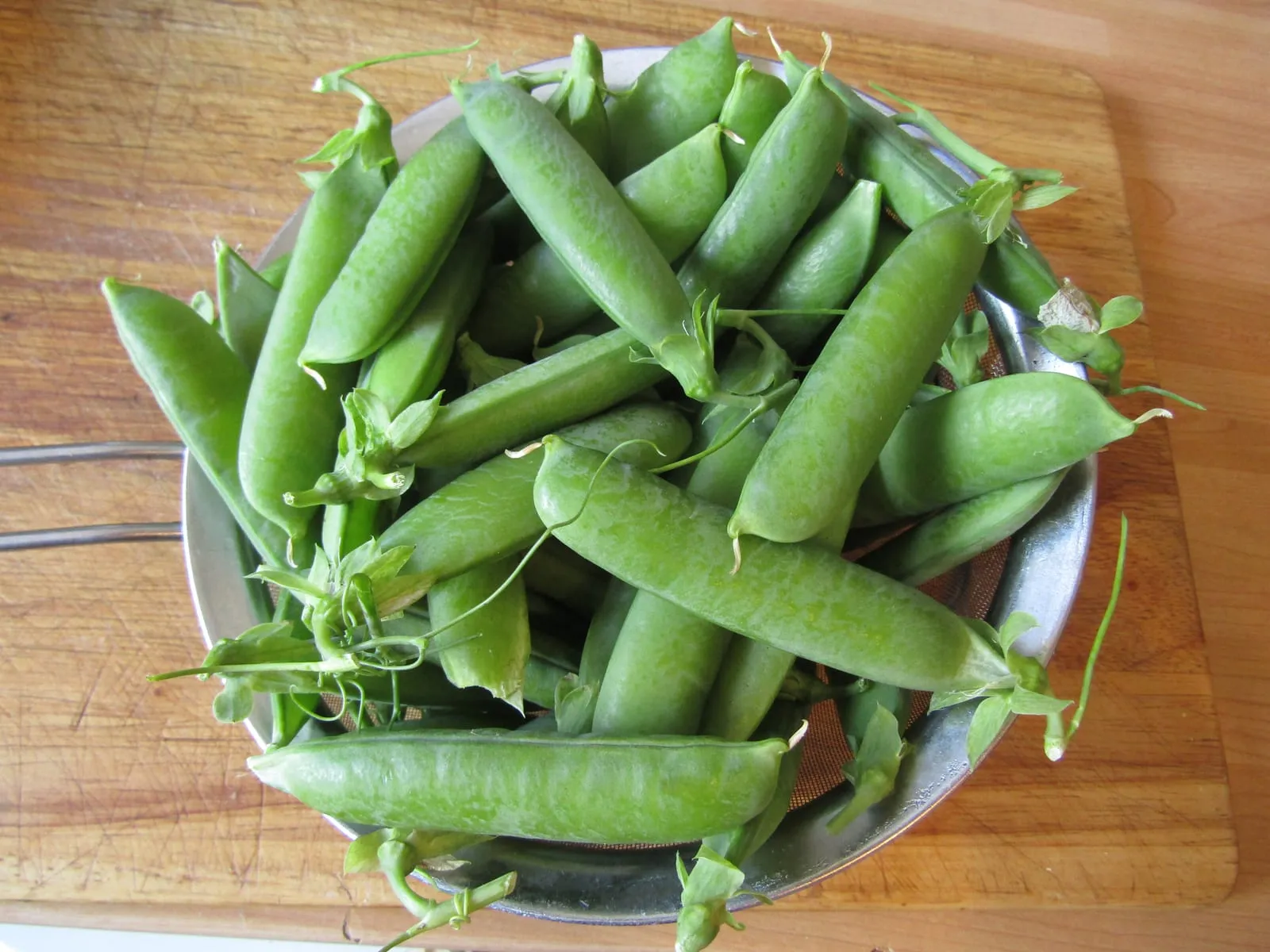
vegetable in zone 3a
Growing pea in zone 3a
Pisum sativum
- Zone
- 3a -40°F to -35°F
- Growing season
- 90 days
- Suitable varieties
- 0
- Days to harvest
- 55 to 75
The verdict
Peas are one of the better-adapted vegetables for zone 3a. As a cool-season annual, the crop actively prefers the cold springs and mild summers that characterize this climate. Unlike fruit trees or warm-season vegetables, peas have no chill-hour accumulation requirement and no vulnerability to deep winter cold, since the plant is grown from seed each spring. The 90-day growing season in zone 3a is tight but workable. Most garden pea varieties reach maturity in 55 to 80 days, which fits the window when paired with correct planting timing. The real constraint is the late spring frost pattern, not the cold itself. Peas tolerate light frosts once established, so the crop can go in the ground earlier than most vegetables. Zone 3a is not a marginal zone for peas. It is genuinely well-suited, provided the grower selects varieties on the shorter end of the maturity range and does not delay spring planting.
Critical timing for zone 3a
In zone 3a, last spring frost typically falls between late May and early June depending on exact location. Peas tolerate air temperatures down to roughly 28°F once seedlings are established, which means direct sowing can begin 3 to 5 weeks before the expected last frost date. Practically, that puts soil preparation and planting in late April through mid-May, as soon as the ground is workable and soil temperature reaches at least 40°F. Germination slows significantly below that threshold. With a 60 to 75 day variety, harvest arrives in July. Aiming to harvest before mid-August is advisable, since powdery mildew pressure increases as summer progresses and warm nights become more frequent. A fall planting is not practical in zone 3a given the short window between summer heat and killing frost.
Common challenges in zone 3a
- ▸ Very short growing season
- ▸ Late spring frosts
- ▸ Limited fruit-tree options
- ▸ Heavy mulching required
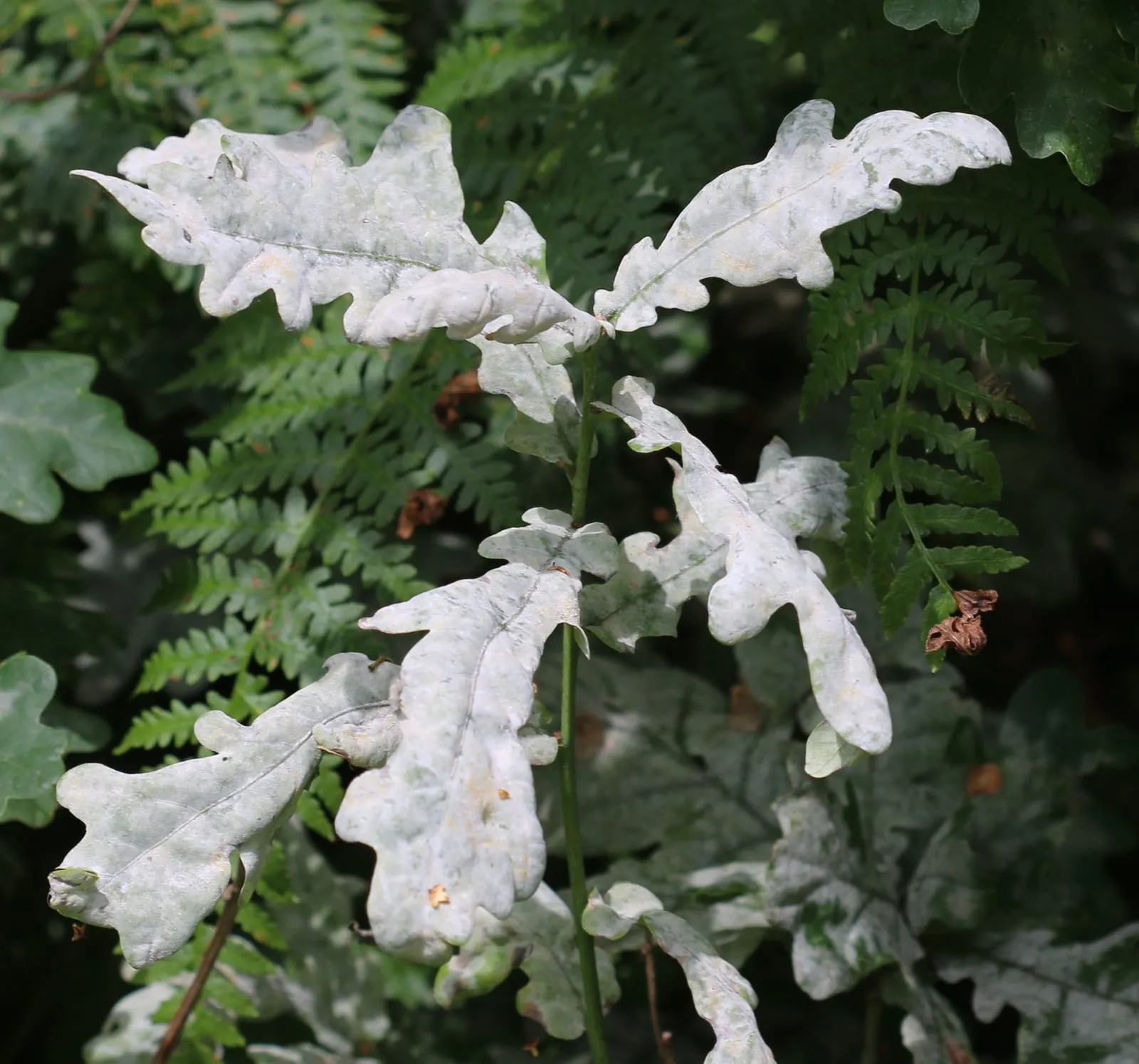
Disease pressure to watch for
Modified care for zone 3a
The primary adjustment in zone 3a is compressing the planting decision into a narrow window. Soil workability and adequate soil temperature (40°F minimum, 50°F preferred) can arrive within weeks of each other in late spring, leaving little margin for delayed planting. Row covers or low tunnels help warm soil faster in early spring and provide insurance against a late frost after seedlings emerge. Once plants are established, the main disease to manage is powdery mildew, which tends to appear in late summer as growing conditions shift. Selecting mildew-tolerant varieties reduces, but does not eliminate, that pressure. Since peas are a short-season crop, heavy mulching is less critical than for perennial plantings in this zone, though a light straw mulch around the base of plants helps retain soil moisture during any dry spells in the brief summer period.
Frequently asked questions
- Can peas handle the late spring frosts common in zone 3a?
Established pea seedlings tolerate light frosts down to around 28°F, which makes them one of the earliest vegetables to plant in zone 3a. Very young seedlings and germinating seeds are more vulnerable, so row covers are useful insurance during the first two weeks after planting.
- Which pea varieties work best in zone 3a's short season?
Look for varieties rated at 60 days or less to maturity. No specific varieties are catalogued in the current dataset for zone 3a, but short-season shelling and snap peas consistently outperform later-maturing types in the 90-day growing window.
- Is powdery mildew a serious problem for peas in zone 3a?
Powdery mildew is the primary foliar disease risk. It tends to appear in late summer when temperatures warm and humidity fluctuates. Since peas are typically harvested by late July or early August in zone 3a, there is less exposure than in longer-season climates, but mildew-tolerant varieties are still worth selecting.
+−
+−
+−
Pea in adjacent zones
Image: "-2020-06-28 Garden pea (Pisum sativum), Trimingham, Norfolk (1)", by Kolforn ( Kolforn ) I'd appreciate if you could mail me ([email protected]) if you want to use this picture out of the Wikimedia project scope. This file is licensed under the Creative Commons Attribution-Share Alike 4.0 International license. You are free: to share – to copy, distribute and transmit the work to remix – to adapt the work Under the following conditions: attribution – You must give appropriate credit, provide a link to the license, and indicate if changes were made. You may do so in any reasonable manner, but not in any way that suggests the licensor endorses you or your use. share alike – If you remix, transform, or build upon the material, you must distribute your contributions under the same or compatible license as the original. https://creativecommons.org/licenses/by-sa/4.0 CC BY-SA 4.0 Creative Commons Attribution-Share Alike 4.0 true true, via Wikimedia Commons, licensed under CC-BY Source.
,_Trimingham,_Norfolk_(1).JPG)
Related